Colorado Elk Rut Explained
Hunting elk in Colorado is an experience unlike any other, but nailing down the nuances of the rut – that magical, chaotic period when elk behavior shifts dramatically – can feel like trying to catch smoke. Many hunters struggle to understand precisely when the rut peaks, what the elk are doing during each phase, and most importantly, how to adjust their hunting strategies to capitalize on these critical behaviors. This guide will walk you through the intricate world of the Colorado elk rut, breaking down its distinct phases, explaining the dramatic changes in elk conduct, and offering practical strategies to increase your success during this high-stakes time.
Understanding the Colorado Elk Rut Cycle
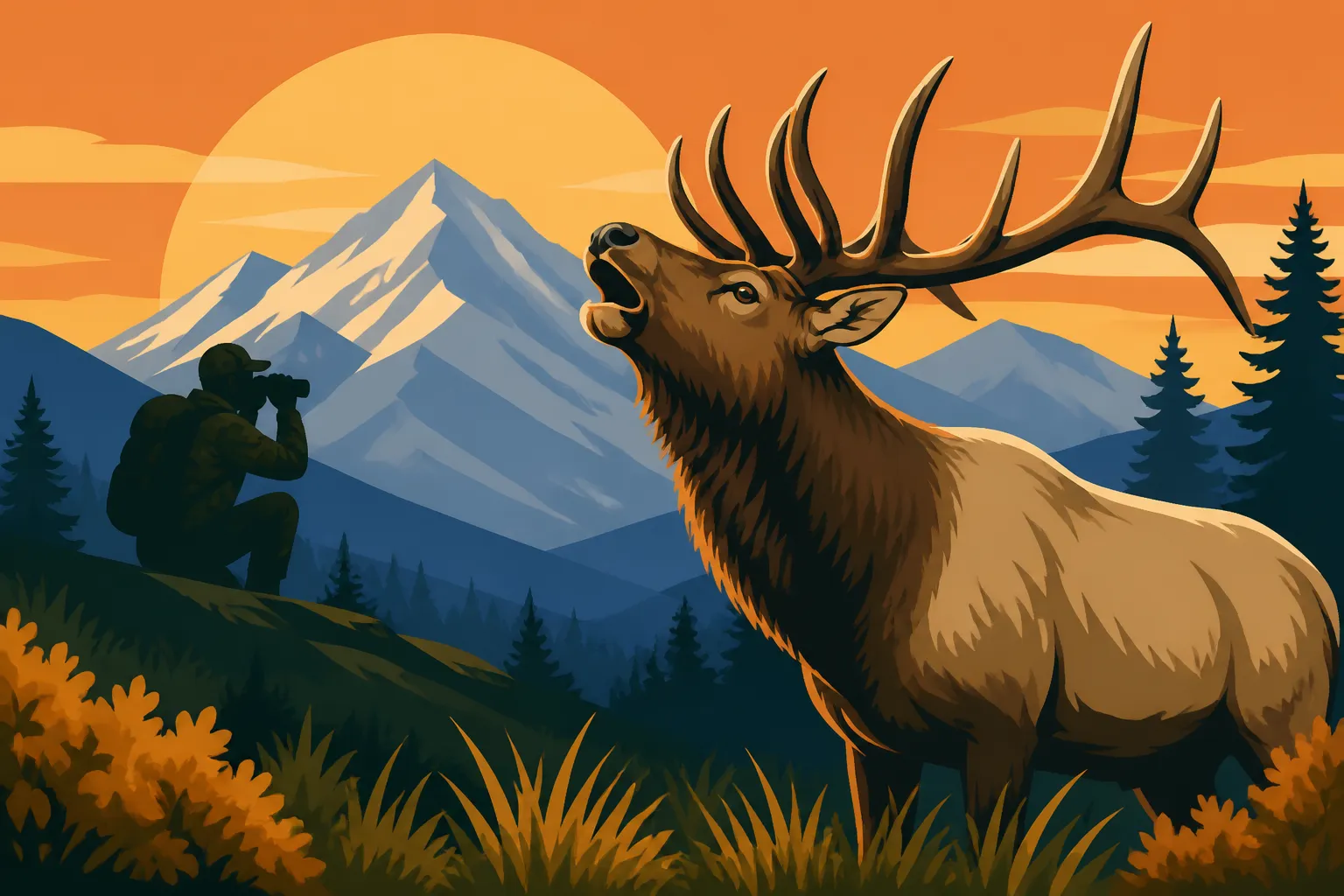
The elk rut, or breeding season, is arguably the most anticipated time of year for elk hunters. It's when the mountains come alive with bugles, crashing antlers, and the undeniable energy of thousands of pounds of wild animal driven by instinct. But it's not a single, monolithic event; rather, it's a dynamic cycle with distinct stages that influence everything from elk location to their willingness to respond to calls.
The Biological Clock of Elk
At its core, the Colorado elk rut is driven by photoperiod – the amount of daylight in a 24-hour period. As the days shorten in late summer and early fall, a complex cascade of hormonal changes is triggered in both bull and cow elk. For bulls, testosterone levels surge, leading to antler hardening, shedding velvet, and a growing aggression that fuels their desire to gather and defend harems of cows. For cows, these hormonal shifts prepare their bodies for breeding, making them receptive to the bulls' advances. This biological clock is remarkably consistent year after year, ensuring that calves are born at an optimal time in late spring, allowing them to grow strong before the harsh Colorado winter sets in.
While the primary driver is daylight, other environmental factors can subtly influence the exact timing and intensity of the rut. Things like precipitation, forage quality, and even average daily temperatures can play a role. A severe drought, for instance, might mean elk are more dispersed in search of water and food, which could impact herd dynamics slightly. Conversely, lush conditions can lead to healthier, more robust elk entering the rut, potentially increasing the overall intensity of activity. However, don't let these minor variables distract you from the main event: as the leaves begin to turn and the crisp mountain air arrives, the rut is coming, regardless.
Factors Influencing Rut Timing
While the fundamental trigger for the elk rut is the shortening of daylight hours, certain elements can definitely influence the intensity and perceived timing of the rut from a hunter's perspective. Think of it less as shifting the clock and more as turning up or down the volume. Weather patterns, in particular, play a huge role. Early season cold fronts, especially those that bring a dusting of snow, can sometimes kickstart more vocal activity from bulls who suddenly feel that familiar chill in the air signaling the change of seasons. These dramatic temperature drops can make the elk feel more "rutty" even if the biological peak is still a week or two away.
Conversely, unseasonably warm spells can make elk more lethargic, particularly during midday. Bulls might still be gathering cows, but their bugling could be muted, and their movements confined to cooler periods of the day, making it seem like the rut is delayed or less intense. Hunter pressure is another significant factor, especially on public lands. If bulls are constantly being called to and bumped by hunters, they may become less vocal and more wary, retreating to thick timber or remote areas, making it seem like the rut isn't happening, even if the cows are in estrus. Understanding these influences can help you temper your expectations and adjust your strategies rather than lamenting a "bad rut."
Phases of the Elk Rut in Colorado
To truly harness the power of the rut, you need to understand its distinct phases. Each phase presents unique challenges and opportunities, requiring different tactics and a keen eye (and ear) for elk behavior. Thinking of the rut as a single event is a mistake that can lead to frustration. Instead, envision it as a three-act play, with rising tension, a dramatic climax, and a gradual resolution.
Pre-Rut Excitement and Scouting
The pre-rut period typically kicks off in late August and extends through the first couple of weeks of September, coinciding perfectly with the early archery season in Colorado. During this time, bull elk are shedding their velvet, sparring gently to establish a hierarchy, and beginning to gather smaller groups of cows. You'll hear the occasional bugle, often a challenger or a younger bull expressing his presence, but it's not yet the full-blown, aggressive calling of the peak rut. Cows are not yet in estrus, so the primary driver for bulls is dominance and positioning. This phase is an excellent time for scouting, especially if you're using tools like GoHunt to analyze unit data and public land access points.
From a hunting perspective, the pre-rut offers unique advantages. Bulls are often in bachelor groups, more predictable in their feeding and bedding patterns, and less wary than during the peak of the rut. You might find them in higher alpine basins or staging areas, enjoying the last of the abundant summer forage before the full-on breeding frenzy depletes their energy reserves. While calling might be less effective for bringing in a bull, careful spot-and-stalk tactics can be incredibly productive. You can often locate these bachelor groups by glassing open slopes at dawn and dusk, then planning your approach. Learning How to Hunt Elk at High Elevation can be particularly useful during this phase.
The Peak Rut Frenzy
This is what most hunters dream about: the peak of the rut, typically occurring from mid-September through the first week or two of October. This is when cows are actively coming into estrus, and bulls are in an absolute frenzy to breed. The mountains echo with incessant bugling – challenge bugles, herding bugles, glunking, and chuckles. Bulls are constantly on the move, chasing cows, fighting off rivals, and generally expending massive amounts of energy. Their focus is almost entirely on breeding, making them, in some ways, more vulnerable and less cautious than at any other time of the year.
During the peak rut, your calling skills become your most potent weapon. Bulls are incredibly responsive to aggressive challenge bugles and seductive cow calls. They might charge in looking for a fight or trying to steal a cow from another bull. However, remember that they are also surrounded by other elk, so remaining undetected is paramount. The noise can cover your approach, but their constant movement and the sheer number of eyes and ears can also give you away. This is the period when strategies outlined in How to Call Elk in Colorado really shine, requiring you to understand specific calls like How to Bugle for Colorado Elk and How to Cow Call Colorado Elk to lure a bull into range. Be prepared for high-octane encounters and the potential for multiple bulls to respond at once.
Post-Rut Wind-Down and Recovery
As the majority of cows have been bred, typically by mid-October, the intensity of the rut begins to wane. This is the post-rut phase. Bulls are exhausted, having lost a significant portion of their body weight, and their testosterone levels are dropping. Bugling becomes less frequent and much less aggressive. Bulls may still be with cows, but the frantic chasing and fighting diminish significantly. Their primary focus now shifts to recovery: finding good forage and putting weight back on before winter. This phase often coincides with Colorado's later rifle seasons, presenting a different set of challenges.
Hunting in the post-rut requires a complete shift in strategy. Aggressive calling that worked so well during the peak will likely be ignored or even spook bulls that are now wary and looking for peace. Instead, focus on finding bulls in secluded bedding areas or feeding heavily in timbered draws or south-facing slopes. They'll be seeking quiet and nutrient-rich food sources. Still-hunting or careful spot-and-stalk can be effective, much like in the pre-rut, but these bulls will be much more wary. Understanding How to Hunt Elk After the Rut is crucial for success during this quieter, more challenging period, as elk revert to more typical survival behaviors.
Behavioral Changes During the Rut
The rut transforms elk from relatively reclusive forest dwellers into creatures driven by primal urges. Understanding these behavioral shifts is the key to predicting their movements and reacting effectively in the field. It’s not just about hearing bugles; it’s about interpreting what those bugles and actions mean.
Bull Elk Dominance and Displays
Before and during the peak of the rut, bull elk undergo a profound metamorphosis. Their necks swell, they become highly vocal, and their entire demeanor shifts to one of dominance and aggression. They'll spend a significant amount of time sparring with other bulls, not always in full-blown fights, but in pushing matches and displays of strength to establish who gets breeding rights. You'll see them raking their antlers on saplings and bushes, creating rubs that mark their territory and shed velvet, all while displaying their impressive headgear. These displays are not just for other bulls; they are also meant to impress the cows they are trying to gather and hold.
A bull's primary goal during the rut is to gather and defend a harem of cows. This means they are constantly moving, herding their cows, and chasing off satellite bulls that try to sneak in. Their senses are often dulled by their obsession, but they are also hyper-alert to other bulls, which is where calling comes into play. A well-placed challenge bugle can draw a dominant bull in, but you must be ready for a fast, aggressive response. Observing these behaviors can give you clues about a bull's temperament. Is he constantly bugling and chasing, indicating a hot bull? Or is he quieter, perhaps an older, wiser bull conserving energy, who might respond better to a subtle cow call? This phase is prime for applying tactics from a Colorado Archery Elk Hunting Guide.
Cow Elk Receptivity and Herding
While the bulls get all the glory (and make all the noise) during the rut, the cow elk are, in many ways, the true drivers of the show. Their estrus cycles dictate when and where the most intense breeding activity will occur. A cow typically comes into estrus for a short window, usually less than 24 hours, during which she is receptive to breeding. Bulls are constantly checking cows, sniffing, and nudging them, looking for these receptive females. This explains why a bull might be constantly on the move, covering ground within his harem, even if he's not actively fighting.
Hunters often overlook the role of cows, focusing solely on the bull. However, understanding cow behavior can be just as crucial. A bull will rarely abandon his cows entirely, even for the most enticing bugle. If you can locate the cows, you've located the bull. Observing the dynamics of a harem can tell you a lot: are the cows agitated? Are they moving quickly, or are they feeding calmly? Are younger bulls constantly harassing them? Sometimes, a subtle cow call can be more effective than a bull bugle, as it can entice a lead cow to investigate, bringing the entire harem – and the dominant bull – with her.
Calling Strategies Through the Rut
Calling is a cornerstone of Colorado elk hunting, especially during the rut, but its effectiveness changes dramatically depending on the phase. In the pre-rut, soft, inquisitive cow calls or light glunking might pique a bull's interest without making him feel challenged. If you encounter a bachelor group, a soft contact call might make them pause, but aggressive bugles are generally too early and can spook them. The goal here is to locate, not necessarily to challenge.
During the peak rut, however, the script flips entirely. Aggressive challenge bugles, combined with realistic cow and calf sounds, become incredibly potent. Bulls are primed for a fight or a breeding opportunity. You might want to combine calling with raking a small tree or stomping the ground to simulate a physical presence. The key is to sound like another elk, not just a call. When hunting a particularly vocal bull, using a combination of a spike bugle and cow calls can often make him believe there's a rival with a hot cow nearby, driving him into your setup. Later in the peak rut, as bulls are more exhausted, more subtle cow calls might entice a weary bull looking for one last breeding opportunity without the energy for a fight. Remember, ethical hunting means understanding not just how to call, but when and why to call.
Hunting Strategies Tailored to Each Rut Phase
No two days of the rut are exactly alike, and neither should your hunting strategy be. Adapting your approach to the specific phase of the rut is paramount to consistently finding success in the Colorado backcountry.
Early Season Archery Tactics
Colorado's archery season often starts in late August and runs through the end of September, encompassing both the pre-rut and the initial stages of the peak rut. During the pre-rut, bulls are still relatively relaxed, and often in bachelor groups, focused on feeding and velvet shedding. Your best bet here is often glassing open areas at first and last light to locate these groups. Once located, careful Spot-and-Stalk Hunting in Colorado becomes the most effective method. Use topography and wind to your advantage, moving slowly and quietly. Calling, if used at all, should be minimal and non-aggressive – soft cow calls or a subtle glunk.
As archery season progresses into mid-September, you'll start to hit the front end of the peak rut. This is when bulls begin to gather cows, and the bugling picks up significantly. Now, calling becomes much more viable. Aggressive challenge bugles combined with cow calls can draw in a curious or dominant bull. However, remember that many bulls will "hang up" just outside your shooting lane. You need to be patient, set up downwind, and often, use a "shooter" and "caller" strategy, where the caller draws the bull past the shooter. For comprehensive tips, check out Archery Elk Tactics for the Rut.
Rifle Season Considerations During the Rut
Colorado's rifle seasons typically begin in mid-October, meaning many hunters will experience the tail end of the peak rut or the post-rut phase. This period presents different dynamics compared to the archery opener. While you might still hear some bugles in the early rifle seasons (First and Second Rifle), especially during a cold snap, the intensity will likely have dropped off considerably. Bulls are becoming more focused on feeding and recovering from their strenuous breeding efforts. Understanding Colorado Rifle Elk Hunting Guide is essential here.
During rifle season, elk are also much warier due to increased hunter pressure. They'll often move into thicker timber, north-facing slopes, or designated wilderness areas to escape the crowds. Glassing still plays a role, particularly at dawn and dusk when elk might venture out into openings to feed, but still-hunting through dense cover or setting up ambushes near bedding-to-feeding travel corridors becomes crucial. Calling, if used, should be much more subdued – soft cow calls to locate or stop a moving animal, rather than aggressive bugles. Pay close attention to fresh tracks and droppings to understand recent elk movement. This is also a good time to consider less conventional approaches, as detailed in How to Hunt Elk in Rifle Season Pressure.
Muzzleloader Opportunities
Colorado's muzzleloader season typically falls in mid-September, right smack in the middle of the peak rut. This means muzzleloader hunters get to experience the full vocal show, much like archery hunters, but with the added challenge of their chosen weapon's limitations. The strategies mirror those of archery season during the peak rut: aggressive calling, setting up ambushes, and trying to draw bulls into close range. The primary difference is the effective range of your firearm.
Because muzzleloaders require closer shots, silent and patient setups are even more critical. You'll need to work harder to get that bull within 100-150 yards, often requiring multiple calling sequences and careful adjustments to your position. Hunters who master How to Hunt Colorado Muzzleloader Elk during the rut can have incredibly exciting and rewarding hunts. The smoke and sound of a muzzleloader shot will definitely clear the area, so ensure your shot is ethical and well-placed. Practice with your muzzleloader extensively before the season to understand its capabilities and limitations.
Navigating Public Land Pressure During the Rut
Colorado offers vast tracts of public land, which is a blessing, but also means you'll likely share the mountains with other hunters, especially during the peak of the rut. This pressure can significantly impact elk behavior, making it harder to locate and harvest an animal. It's not about avoiding other hunters entirely, but about understanding how to hunt effectively despite their presence.
Finding Secluded Sanctuaries
Elk, particularly mature bulls, are incredibly adept at finding places where human pressure is minimal. On public land, these "sanctuaries" are often found in areas that are difficult to access. Think about places that require significant uphill hikes, long treks into wilderness areas, or navigating dense, dark timber patches that most hunters avoid. These are the places where elk feel safe, even during the rut, and can continue their natural behaviors. Using detailed maps, including those found on platforms like GoHunt, to identify roadless areas, steep terrain, and designated wilderness boundaries can point you towards these secluded spots. This is where a Colorado Backcountry Hunting Guide becomes invaluable.
To access these sanctuaries, you'll need to be physically prepared to hike for miles and potentially camp overnight. Consider packing in a spike camp if you plan to hunt deep. Look for areas with water sources away from trails and roads, and be prepared to put in the effort. Often, the farther you get from a trailhead, the less pressure you'll encounter. Even a mile or two can make a huge difference in elk behavior. Learning How to Find Elk Refuge Areas is a skill that takes time but pays off immensely.
Adapting to Hunter Density
Even if you seek out secluded areas, you'll inevitably encounter other hunters, especially if you're holding one of those coveted Colorado OTC Elk Tags Explained. Instead of letting it frustrate you, learn to adapt. Other hunters, unknowingly, can actually help you. They might push elk from accessible areas into your more remote spots, or their calling might locate a bull you wouldn't have found otherwise. Pay attention to vehicle traffic on forest roads, the location of other camps, and listen for distant bugles and shots. This information can help you predict elk movement patterns.
When hunter density is high, it's often best to adjust your timing. Many hunters are most active at dawn and dusk. Consider a "midday migration" strategy where you focus on still-hunting or glassing during the quiet hours between 10 AM and 3 PM, when most hunters are taking a break. Elk will often move from bedding areas to feeding grounds, or shift positions to avoid pressure during these hours. Being patient and methodical, and focusing on small, overlooked pockets of cover, can yield results when everyone else is either aggressively calling or heading back to camp. Remember that elk in pressured areas are often more cautious and will likely hold up in cover during daylight hours.
E-Scouting and Planning for the Rut
In today's hunting world, effective pre-season planning is just as important as your physical conditioning and in-field skills. Gone are the days of just showing up and hoping for the best. Utilizing modern tools and methods can drastically improve your chances of success during the Colorado elk rut.
Utilizing Digital Tools
Modern e-scouting tools are a game-changer for hunting the Colorado elk rut. Platforms like GoHunt provide invaluable data, including historical draw odds, unit-specific harvest reports, and detailed topographical maps. Before you even set foot in the mountains, you can spend hours analyzing satellite imagery, identifying potential bedding areas, feeding grounds, water sources, and critical travel corridors. Look for north-facing slopes for bedding, south-facing slopes for early morning feeding, and saddles or benches that connect different elevation zones. E-scouting can also help you identify areas with dense timber or steep terrain that might act as natural funnels or sanctuaries from hunter pressure.
Beyond just identifying locations, these tools allow you to understand access points, property boundaries (public vs. private), and potential camp spots. You can mark waypoints for glassing points, potential ambush locations, and areas where you expect elk activity based on terrain features. This digital reconnaissance helps you create a solid plan A, B, and even C before you leave home. Combining digital tools with a thorough understanding of Colorado Hunting Seasons Explained will give you a significant edge.
Pre-Season Intel Gathering
E-scouting is powerful, but it's even more effective when combined with other forms of pre-season intel. Start by studying Colorado Parks and Wildlife (CPW) reports for your chosen unit. These reports often contain crucial information on herd health, population trends, and harvest success rates. Pay attention to weather patterns from previous years during the rut, as this can give you an idea of typical conditions you might face. Forums and hunting communities (like those you might find on GoHunt or similar platforms) can also be a goldmine of information, though you should always take anecdotal evidence with a grain of salt.
If possible, consider a physical scouting trip a few weeks before the season. Even if it's just for a day or two, seeing the terrain with your own eyes, identifying active wallows, rubs, and droppings, and understanding how the wind and thermals typically behave in the area can provide insights that no map can replicate. If an in-person trip isn't feasible, scour recent aerial imagery and trail camera footage if available. The more data points you can gather before the season begins, the more adaptable and effective you'll be when the rut kicks into high gear. This preparation will set you up to successfully execute your Colorado Elk Hunting Methods Explained.
Key Elk Rut Characteristics and Hunting Strategies
To summarize, here's a quick overview of what to expect and how to adapt during each phase of the Colorado elk rut.
| Rut Phase | Approximate Dates (Colorado) | Bull Behavior | Cow Behavior | Hunting Strategy | Calling Effectiveness | Notes |
|---|---|---|---|---|---|---|
| Pre-Rut | Late August – Mid-September | Velvet shed, sparring, bachelor groups, occasional bugles. Recovering summer fat. | Not yet in estrus, still in family groups. | Spot-and-stalk, glassing, ambushing travel corridors. Focus on feeding patterns. | Low (soft social calls only) | Bulls predictable, less wary. Great for early archery. |
| Peak Rut | Mid-September – Early October | Intense bugling, herding cows, fighting, constantly moving, focused on breeding. | Coming into estrus, attracting bulls, somewhat agitated. | Aggressive calling, ambush setups, close encounters. Use wind to your advantage. | High (aggressive bugles & cow calls) | High energy, bulls can be distracted. Prime for archery & muzzleloader. |
| Post-Rut | Mid-October – Early November | Exhausted, less vocal, focus on feeding and recovering. Still with some cows. | Most cows bred, less receptive. Return to normal feeding/bedding patterns. | Still-hunting, glassing secluded areas, targeting feeding/bedding transitions. | Low (soft cow calls for location) | Bulls wary and seeking solitude. More challenging, often coincides with rifle seasons. |
Disclaimer
Always check the most current Colorado Parks and Wildlife (CPW) regulations and season dates before planning any hunt. Hunting conditions, elk behavior, and regulations can change, and it is the hunter's responsibility to be fully informed and compliant with all applicable laws.