How to Hunt Colorado Muzzleloader Elk
Hunting Colorado's high country with a muzzleloader is an experience unlike any other, but it comes with its own unique set of challenges. From the incredibly specific season dates to the rigorous demands of the mountainous terrain, it can feel overwhelming to prepare for a successful hunt. This comprehensive guide will walk you through everything you need to know to navigate the complexities of chasing elk with a muzzleloader in Colorado, from understanding the draw to mastering field tactics.
Understanding Colorado's Muzzleloader Season
The Colorado muzzleloader season is a coveted and often challenging hunt, falling typically in mid-September, nestled right between the archery and rifle seasons. This timing can be both a blessing and a curse; you might catch the tail end of the rut activity, but you're also often dealing with elk that have already been pressured by bowhunters. Success in this narrow window demands meticulous planning and a deep understanding of the regulations.
Key Dates and Regulations
Colorado's muzzleloader season usually offers a brief window, typically about nine days, where you're restricted to using only muzzleloading firearms. This isn't a hunt you can just decide to do on a whim; tags are generally obtained through the draw, and competition can be fierce for the better units. It's crucial to consult the official Colorado Parks and Wildlife (CPW) big game brochure each year for the exact Colorado Muzzleloader Season Dates as they can shift slightly. You'll also need to be intimately familiar with muzzleloader-specific rules, such as projectile types, ignition systems, and optics restrictions. Many hunters find the early to mid-September timeframe offers a sweet spot where bull elk can still be vocal, especially in the mornings and evenings, making calling a viable tactic. However, warmer temperatures can also be a factor, influencing elk movement and requiring careful meat preservation strategies.
Drawing Your Muzzleloader Tag
Securing a Colorado muzzleloader elk tag is often where the real challenge begins for many hunters, especially non-residents. Most of the desirable muzzleloader hunts are limited-entry, meaning you must apply through the draw system. This process heavily relies on Colorado Draw System and Preference Points. If you're new to the Colorado draw, you'll quickly learn about preference points, which essentially give you a better chance to draw a tag in subsequent years if you're unsuccessful. For high-demand units, it can take several years, sometimes even a decade or more, to accumulate enough points for a coveted tag. Many hopeful hunters utilize resources like GoHunt to analyze draw odds, track historical data, and strategize their applications, helping them make informed decisions on which units to apply for based on their accumulated preference points and desired success rates. It's a game of patience and strategy, often requiring you to build points for years before you even step foot in the unit with a tag in hand.
Muzzleloader-Specific Equipment Rules
Colorado has some stringent regulations when it comes to what constitutes a legal muzzleloader for elk hunting, and ignoring these rules can quickly turn a dream hunt into a nightmare. For starters, you're generally limited to open sights, iron sights, or fiber optic sights, meaning no scopes are typically allowed during the muzzleloader season. This restriction significantly impacts your effective range and demands a higher level of shooting proficiency. Ignition systems are also regulated; only percussion caps or flintlock mechanisms are usually permitted, ruling out modern 209 primer systems that are common in many newer muzzleloaders. Furthermore, you're generally required to use a single-projectile bullet, meaning no sabots or conical bullets with plastic components that shed upon firing. These rules are in place to preserve the traditional nature of muzzleloader hunting and add a layer of challenge, forcing hunters to get closer to their quarry and master their equipment. It's paramount to verify every aspect of your chosen muzzleloader and ammunition setup against the current CPW regulations before heading into the field.
Essential Muzzleloader Gear for Colorado Elk
Preparing for a muzzleloader elk hunt in Colorado isn't just about the firearm; it's about assembling a comprehensive kit that can withstand the rigors of mountain hunting while adhering to specific muzzleloader requirements. Every piece of gear, from your weapon to your boots, needs to be considered for its performance at high altitude and in potentially changing weather conditions.
Choosing the Right Muzzleloader and Optics
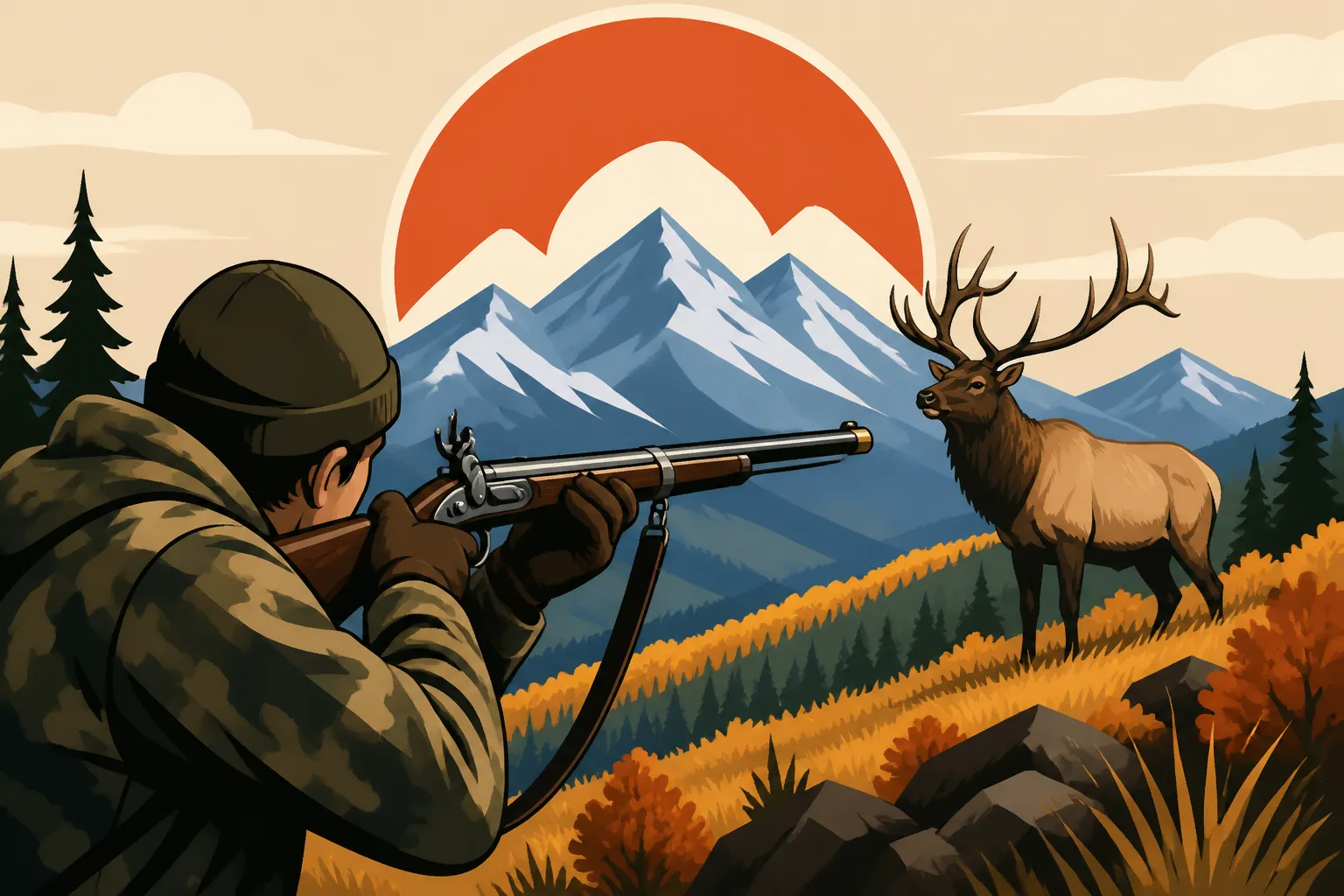
When selecting your muzzleloader for Colorado elk, you're looking for reliability, accuracy, and compliance with CPW regulations. Most serious elk hunters opt for .50 caliber or larger, which offers ample knockdown power for these robust animals. While modern in-line muzzleloaders with 209 primers are popular elsewhere, Colorado's specific rules often dictate traditional percussion cap or flintlock systems and open sights for the dedicated muzzleloader season. This means your effective range will be significantly shorter than with a scoped rifle, typically limiting shots to 100 yards or less, and often much closer in dense timber. Therefore, practicing with your chosen setup extensively is non-negotiable. As for "optics," since traditional scopes are usually prohibited, your focus shifts to durable, precise iron sights, often enhanced with fiber optics for better visibility in low light. These "optics" become your primary aiming device, and familiarity with them in varying light and weather conditions is crucial. For a deeper dive into setups, you might find value in exploring resources like Best Muzzleloader Setup for Colorado.
Projectiles, Powder, and Primers
The components you feed your muzzleloader are just as critical as the firearm itself. Colorado regulations typically mandate a full-bore, single-projectile bullet, meaning no sabots that shed a plastic cup. Heavy conical bullets, often weighing 300 grains or more, are a popular choice for their kinetic energy and ability to retain mass when hitting an elk. Brands like Hornady's FPB (Flex Tip Point Bullet) or traditional lead conicals are common options, but always double-check current regulations for approved materials. When it comes to powder, black powder substitutes like Pyrodex, Triple Seven, or Blackhorn 209 are widely used for their consistent performance and easier cleanup compared to true black powder. However, ensure your chosen primer (percussion cap size, like #11, or musket caps) is compatible with your powder and ignition system. The goal is a reliable, accurate, and powerful combination that meets legal requirements and can effectively take down an elk. Carrying extra primers, powder charges (pre-measured in speed loaders), and projectiles in a waterproof container is vital, as a single misfire can ruin a shot opportunity.
Mountain-Ready Clothing and Backpacks
Colorado's mountains are notorious for their unpredictable weather, especially in September. One minute it's warm and sunny, the next a snow squall rolls in. Layering is your best friend. Start with moisture-wicking base layers, add insulating mid-layers like fleece or puffy jackets, and top it off with a waterproof and windproof outer shell. Merino wool or synthetic materials are preferred over cotton, which retains moisture and can lead to hypothermia. Good quality, broken-in hunting boots with excellent ankle support and waterproofing are non-negotiable for traversing rugged, uneven terrain. Your backpack is arguably your second most important piece of gear. You'll need something robust enough to carry your daily essentials (water, food, first-aid, navigation tools, game bags, extra clothing) and, hopefully, a heavy load of elk meat on the way out. Look for packs with comfortable frames, good load-bearing capabilities, and hydration compatibility. Brands like KUIU, Stone Glacier, and Mystery Ranch are popular among serious backcountry hunters for their durable and well-designed options. Considering the demands, a thorough Colorado Backcountry Hunting Gear List is a must-read before your trip.
Pre-Season Preparation for Muzzleloader Elk Hunting
Success in a Colorado muzzleloader elk hunt is rarely a matter of luck. It's the culmination of months, sometimes years, of deliberate preparation. The physical and mental demands are immense, and the more you put in before the season, the better your chances of a truly rewarding experience.
Physical Conditioning for High-Altitude
Hunting elk in Colorado means dealing with significant elevation, often ranging from 8,000 to 12,000 feet. If you're coming from sea level, this can be a brutal shock to your system, impacting your energy levels, focus, and overall endurance. Developing a solid fitness regimen focused on cardiovascular health and leg strength is paramount. Think long hikes with a weighted pack, stair climbing, and exercises that mimic uphill climbs. Don't underestimate the importance of strong core muscles for maintaining balance and packing out heavy loads. Many hunters start their Altitude Training for Colorado Hunting months in advance, incorporating daily walks, runs, and strength training. Realistic training means not just hiking but hiking with the gear you'll actually carry, including your muzzleloader. The goal is to be able to hike silently, cover miles of steep terrain, and still have the energy and steady hands needed to make an ethical shot when the opportunity arises.
E-Scouting and Map Research
Modern technology has revolutionized pre-season scouting, making it possible to "hunt" an area long before you ever set foot in it. E-scouting involves using online mapping tools and satellite imagery to identify potential elk habitat, travel corridors, bedding areas, and feeding grounds. Tools like onX Hunt, BaseMap, and Google Earth allow you to analyze terrain features, identify north-facing slopes where elk often bed, locate water sources, and pinpoint areas of dense timber or natural saddles that funnel game. Pay close attention to public land boundaries, access points, and potential areas of hunter pressure. Many hunters spend countless hours poring over these maps, marking waypoints for glassing points, possible camp spots, and escape routes. This digital reconnaissance, covered in guides like How to E-Scout Before a Colorado Hunt, is invaluable for narrowing down vast wilderness areas to more manageable sections, allowing you to hit the ground running with a solid plan, rather than spending precious hunting time figuring out the lay of the land. GoHunt also provides valuable unit data and analytics that can further enhance your e-scouting efforts, giving you insights into herd numbers and historical success rates.
Range Time and Muzzleloader Proficiency
Unlike modern rifles that allow for quick follow-up shots or longer-range engagements, muzzleloaders demand a high degree of precision and confidence in your shot placement. Given the typical open sight restrictions and the single-shot nature of the weapon, every shot counts, and you often only get one. This means spending extensive time at the range, not just punching paper, but practicing from various field positions – kneeling, sitting, off a pack – mimicking real-world hunting scenarios. Practice loading quickly and quietly, as speed can be a factor if an elk presents a fleeting opportunity. Get comfortable with your chosen projectile and powder charge combination, understanding its trajectory and limitations. Practice shooting at different distances, paying close attention to holdover or holdunder points. Knowing your effective range, and more importantly, sticking to it, is critical for an ethical muzzleloader hunt. Simulate the exact setup you'll use in the field, including your hunting clothes, to ensure nothing interferes with your sight picture or shooting form.
Muzzleloader Elk Hunting Tactics in Colorado
Muzzleloader season in Colorado often falls just after the peak of the rut, but sometimes you can still catch some action, especially in cooler weather. This timing, combined with the limitations of the weapon, dictates specific strategies that differ from archery or rifle hunting. Patience, stealth, and a deep understanding of elk behavior are your greatest assets.
Still-Hunting and Spot-and-Stalk Strategies
With a muzzleloader, getting close is not just an advantage, it's a necessity. This makes still-hunting and spot-and-stalk tactics incredibly effective. Still-hunting involves moving slowly and deliberately through elk habitat, often in dense timber or along benches, taking a few steps, then stopping to observe, listen, and scan for any sign of elk. You're trying to integrate yourself into the environment, becoming part of the forest rather than an intruder. Focus on areas of transition, like where dark timber meets open parks, or along drainages where elk might travel.
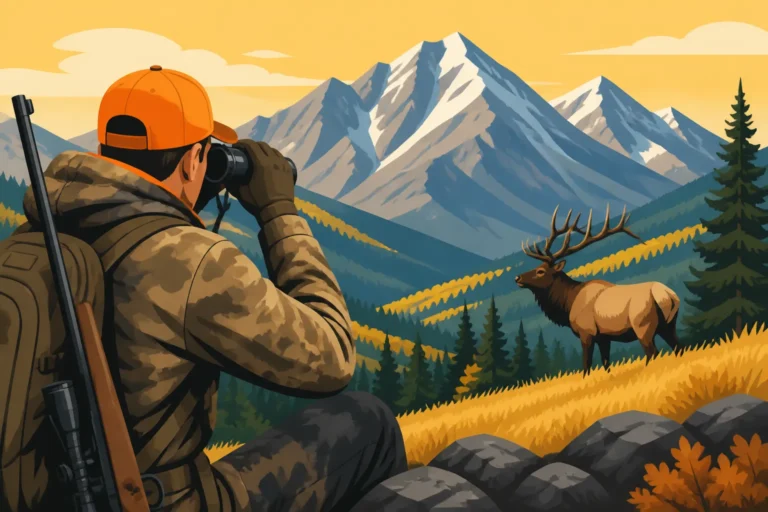
Spot-and-stalk, conversely, often involves glassing large basins or clearings from a distance, identifying elk, and then carefully planning a quiet approach to get within muzzleloader range. This requires incredible patience, skill in using terrain to your advantage, and meticulous attention to wind direction. Guides like Spot-and-Stalk Hunting in Colorado can provide excellent foundational knowledge. The challenges of limited optics and the single-shot nature of a muzzleloader mean your stalk needs to be near-perfect, allowing you to close the distance to 100 yards or less, ideally closer, for a confident shot.
Calling Elk During the Muzzleloader Season
While the peak of the rut often passes before the muzzleloader season, calling can still be a highly effective tactic, particularly for locator bugles or more subtle cow and calf sounds. Bulls might not be as eager to charge in as they would during the full rut, but they can certainly be drawn in by curiosity or the desire to gather cows. Locator bugles can help you pinpoint the general vicinity of elk, especially in the early morning or late evening. Once you've located a bull, shifting to quieter cow and calf chirps and mews can entice a bull to investigate, thinking there's a small group of cows nearby.
Remember, elk are smart and have already been pressured by bowhunters. Over-calling or aggressive bugling can often spook them. Often, subtle calling, combined with a patient setup, will yield better results. Consider using terrain features to break up your silhouette and provide cover for an approaching bull. Knowing How to Call Elk in Colorado effectively, adapting to the season, and understanding the nuances of different calls will significantly increase your odds.
Understanding Elk Behavior and Thermals
Elk behavior is highly influenced by time of year, weather, and hunting pressure. During muzzleloader season, elk are often in transition from their summer patterns to their fall rut patterns, and then perhaps starting to recover from rut activity. They'll be feeding heavily to regain lost weight from the rut, seeking out lush forage in secluded areas. They also become more wary and will often gravitate towards thicker timber and north-facing slopes for security and cooler bedding areas, especially during warmer spells.
Understanding thermals is absolutely critical for any mountain hunter, but especially so for muzzleloader hunters who need to get close. Thermals are air currents that rise as the air warms in the morning and fall as the air cools in the evening. In the mornings, thermals generally pull scent uphill, while in the evenings, they drop downhill. Hunting into the wind is always important, but paying attention to these vertical air currents will ensure your scent doesn't betray your presence, giving elk a heads-up long before you're in range. You'll need to use these airflows to your advantage, positioning yourself above elk in the evening or below them in the morning, always being mindful of how your scent is traveling through the drainages and over ridges. This intimate knowledge of elk behavior and mountain meteorology is what separates consistent hunters from those who struggle.
Post-Shot Procedures and Meat Care
The shot is only half the battle; the true work begins after you pull the trigger. Ethical hunting demands that you not only make a clean kill but also ensure the animal is recovered quickly and its meat is properly cared for. This is especially true for an animal as large as an elk, often in rugged, remote terrain.
Tracking and Recovery
Once you've taken a shot with your muzzleloader, patience is your first and most important tool. Elk are incredibly tough animals, and even a well-placed shot may not result in an immediate collapse. After the shot, take a moment to compose yourself, mark your exact shooting location, and note the last place you saw the elk and its direction of travel. Wait at least 30 minutes, or longer for questionable shots, to allow the animal to lie down and expire. Pushing a wounded elk too soon can push it further into inaccessible terrain.
When you begin tracking, move slowly and methodically, looking for blood, broken branches, disturbed earth, and hair. Small amounts of blood might be hard to see at first, but patience is key. If the blood trail peters out, grid search the area in the direction of travel. In the event of darkness, mark the last blood and return at first light; pressing on in the dark can lead to getting lost and losing the animal. This demanding process underscores the importance of a clear, ethical shot.
Field Quartering and Packing Out
Congratulations, you've found your elk! Now the real physical test begins. Unless you're hunting very close to a road, you will almost certainly need to field quarter your elk. This involves breaking the animal down into manageable pieces for packing out. Start by caping for taxidermy if desired, then remove the four quarters (front and rear legs), the backstraps, tenderloins, and neck meat. Some hunters also take rib meat. Each piece should be placed immediately into clean, breathable game bags to protect it from dirt, flies, and debris.
Knowing How to Pack Out an Elk in Colorado is a skill in itself. For a large bull, you're looking at 150-250 pounds of bone-in meat, often requiring multiple trips or multiple hunters. A sturdy pack frame is invaluable here. If you're alone, you'll need to make several trips, caching meat in a cool, shaded spot away from predators (though this carries its own risks). Efficient quartering techniques and a well-practiced packing strategy are paramount to minimizing spoilage and maximizing your chances of getting all that delicious meat out of the backcountry.
Keeping Meat Cool in the Mountains
The biggest enemy of fresh game meat is heat. Even in mid-September, daytime temperatures in Colorado can be warm enough to quickly spoil meat if not handled correctly. Once you've field quartered your elk and placed the meat in game bags, the priority is to get it cooled down as rapidly as possible. If temperatures are warm, hang the quarters from trees in a shady, airy spot to allow air to circulate around them. This helps to form a protective "crust" on the meat. Avoid piling meat directly on the ground.
If you have a long pack out, especially in warmer conditions, you might need to debone the meat to reduce weight and allow for faster cooling. Ice chests filled with block ice (which lasts longer than cubed ice) should be waiting at your vehicle. Never put warm meat directly into a sealed cooler; let it cool first to ambient temperature, or keep the lid cracked to allow heat to escape. Some hunters even carry small, lightweight tarps to create makeshift shade shelters for their meat if they're forced to leave it for a period. Proper meat care is not just about avoiding waste; it's about respecting the animal and ensuring you get to enjoy the fruits of your challenging hunt for months to come.
Muzzleloader Hunting Considerations
Hunting with a muzzleloader introduces unique challenges that go beyond just the weapon itself. The specific timing of the season, the type of terrain you'll encounter, and the sheer physicality required demand careful consideration and preparation.
Hunting in the Muzzleloader Season Weather Window
Colorado's mid-September muzzleloader season is a beautiful, but often volatile, time of year in the mountains. You can experience everything from warm, sunny days reminiscent of summer to sudden, aggressive snowstorms. This unpredictability means your gear and mental preparation must be adaptable. Warm weather means elk will often be less active during the day, seeking shade in dark timber or bedded on cool north-facing slopes. In these conditions, focusing on early morning and late evening hunts, and hunting areas like How to Hunt Elk in the Dark Timber, becomes even more critical. Your meat care strategy also becomes more urgent in warmer temperatures.
Conversely, a cold front or early season snow can significantly increase elk activity, pushing them to feed more aggressively and potentially even getting bulls vocal again. However, snow also makes travel more difficult and can quickly turn a pleasant hunt into a survival situation if you're not properly equipped with waterproof gear, extra layers, and emergency supplies. Monitoring weather forecasts continuously leading up to and during your hunt is crucial for making informed decisions on strategy and safety.
Advantages and Disadvantages of Muzzleloader Season
Every hunting season offers its own unique pros and cons, and the Colorado muzzleloader season is no exception.
Advantages:
- Reduced Pressure (Compared to Rifle): While not as unpressured as deep backcountry archery, the muzzleloader season generally sees less hunter density than the general rifle seasons. This can lead to more opportunities to locate and stalk elk without constant disturbance.
- Potential for Rut Activity: Depending on the year and specific unit, you might catch the very tail end of the elk rut, meaning some bulls might still be bugling and receptive to calling. This adds an exciting dimension to the hunt.
- More Flexible Tactics: Unlike archery, where extremely close range is needed, or rifle season, where long shots are common, muzzleloader hunting forces you into a "middle ground" that often combines elements of both. You need to get close, but have a bit more margin for error than with a bow.
Disadvantages:
- Limited Tag Availability: Many of the best muzzleloader units are draw-only and require preference points, making it a difficult tag to secure, especially for non-residents.
- Weapon Limitations: The open sights and single-shot nature of muzzleloaders drastically limit your effective range and ability to make follow-up shots. This demands superior stalking skills and shooting precision.
- Weather Volatility: As mentioned, mid-September weather can swing wildly, presenting challenges for both hunting strategy and meat preservation.
- Elk Pressure: Elk have already experienced archery season pressure, making them warier and potentially pushing them into thicker cover.
High-Altitude Hunting Challenges
Colorado's majestic mountains provide incredible elk habitat, but they also present significant physical and logistical hurdles for hunters. Beyond the physical conditioning needed, simply navigating the terrain at high elevation is a skill in itself. Steep ascents and descents can quickly drain your energy, and loose rock or scree fields pose a constant risk of injury. The thinner air also means dehydration can set in faster, emphasizing the need for a robust hydration plan.
Moreover, the sheer vastness of the landscape can be disorienting. Reliable navigation tools, whether GPS devices like the Garmin inReach or a good old-fashioned map and compass, are essential. Knowing How to Hunt Elk at High Elevation isn't just about finding elk; it's about safely and effectively operating in a challenging environment. Planning your routes to minimize elevation gain on a pack-out, identifying potential water sources, and understanding shelter options are all part of the high-altitude hunting puzzle. It's a truly humbling experience that demands respect for the mountains and thorough preparation.
| Feature | Inline Muzzleloader (209 Primer, Scoped) | Traditional Muzzleloader (Percussion/Flintlock, Open Sight) |
|---|---|---|
| Ignition System | 209 Primer | Percussion Cap (#11 or Musket) or Flintlock |
| Optics | Typically allows modern scopes | Restricted to Open Sights, Iron, or Fiber Optics |
| Projectile Type | Often uses sabots, various conical | Usually full-bore, single-projectile conical |
| Typical Range | 150-250+ yards | 50-100 yards (or less) |
| Reload Speed | Faster, less prone to moisture | Slower, more prone to moisture/fouling issues |
| Colorado Muzzleloader Season Legality | Generally NOT legal (unless specific rules apply) | Generally LEGAL |
| Accuracy Potential | High | Good, but requires more shooter skill |
| Ease of Cleaning | Easier with modern powders | More involved, requires specific cleaning regimen |
Disclaimer
Please note that hunting regulations, season dates, and equipment requirements can change frequently. Always consult the most current Colorado Parks and Wildlife (CPW) big game regulations brochure before planning and undertaking any hunting trip in Colorado. This guide is for informational purposes only and does not supersede official state regulations.