Colorado Mountain Lion Population Management
Colorado mountain lion management balances human safety and wildlife health using population tracking, regulated hunting quotas, and conflict strategies.
Know what you’re after.
Big game, small game, upland birds, and waterfowl — identification, behavior, rut and migration timing, and how each species moves through the season.
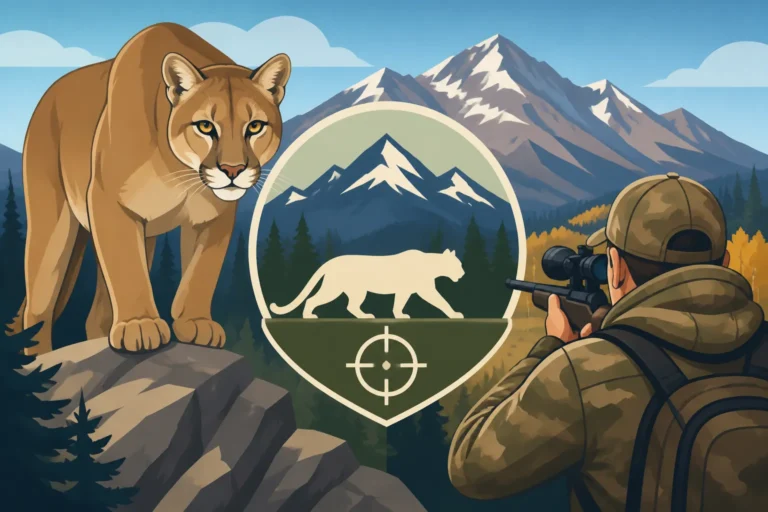
Colorado mountain lion management balances human safety and wildlife health using population tracking, regulated hunting quotas, and conflict strategies.

Colorado black bear population growth, regulated hunting seasons, and practical wildlife management methods for reducing property conflicts.
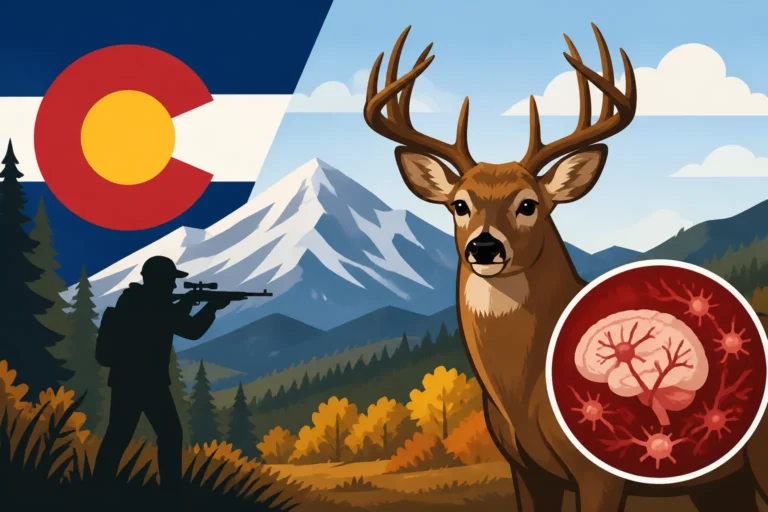
Chronic Wasting Disease impacts Colorado deer populations through environmental prions, requiring mandatory hunter testing and strict carcass regulations.
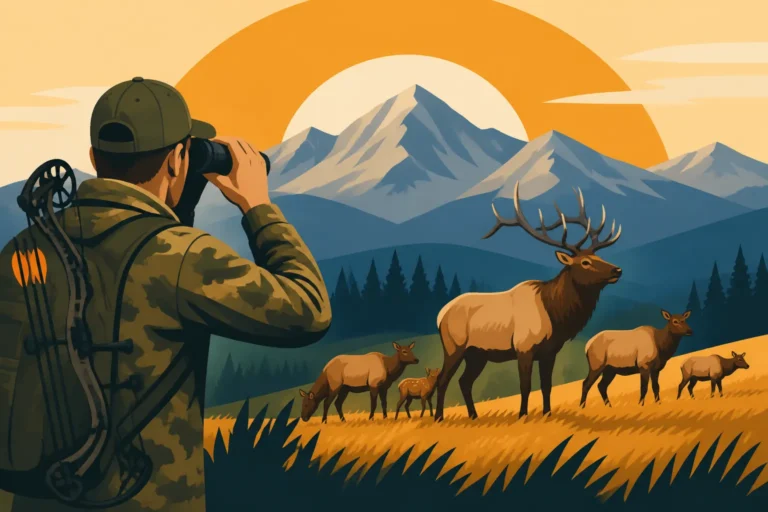
Colorado elk recovery details the historic decline, conservation laws, and wildlife management efforts that rebuilt herds to nearly 300,000 animals.

Colorado big game species like pronghorn, mule deer, elk, and black bear offer unique challenges and accessible tags for new hunters.
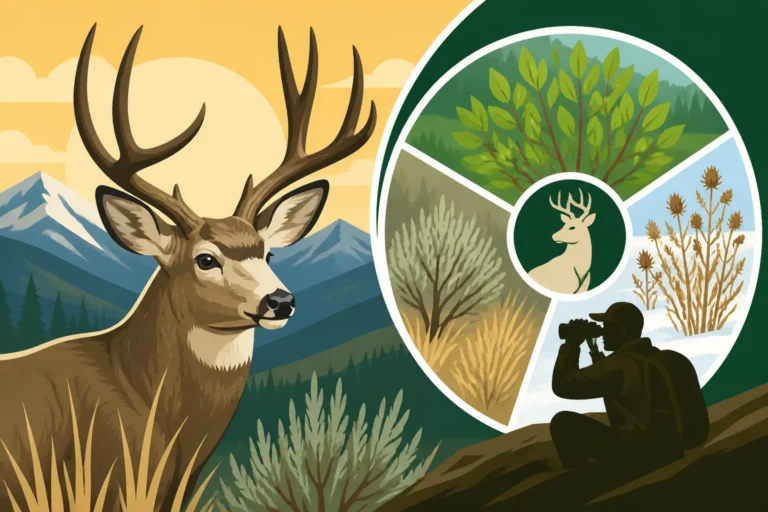
Colorado mule deer feeding patterns shift by season across alpine basins, sagebrush flats, and pinyon woodlands to find available native plants.
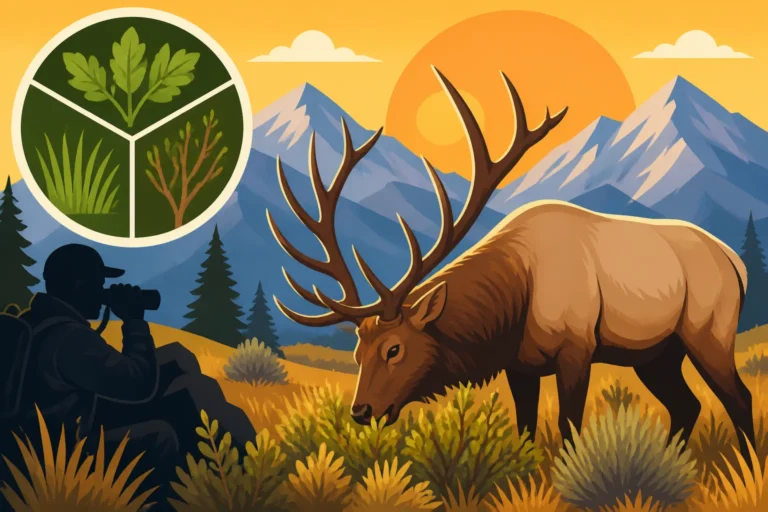
Colorado elk feeding habits and seasonal dietary routines explain daily foraging behavior to help predict animal movements successfully.

Colorado mule deer migration patterns between high alpine summer ranges and lower winter habitats dictate successful hunting strategies across elevations.
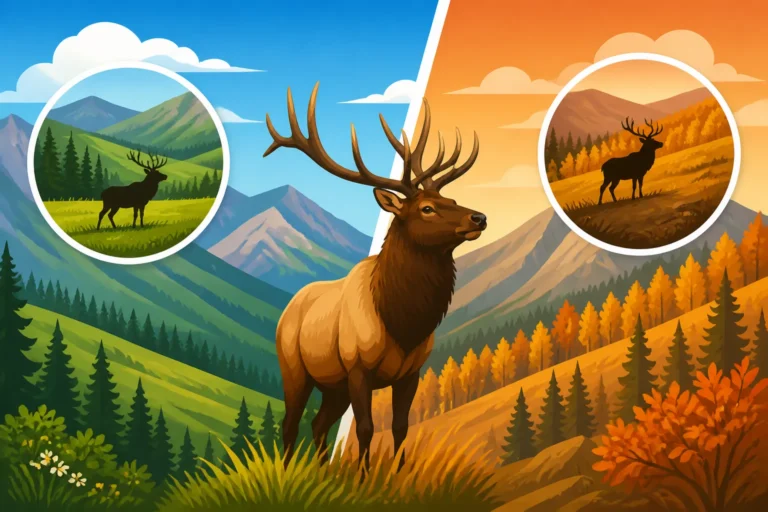
Colorado elk summer and fall ranges shift in elevation and food sources, driven by weather, hunting pressure, and natural migration patterns.
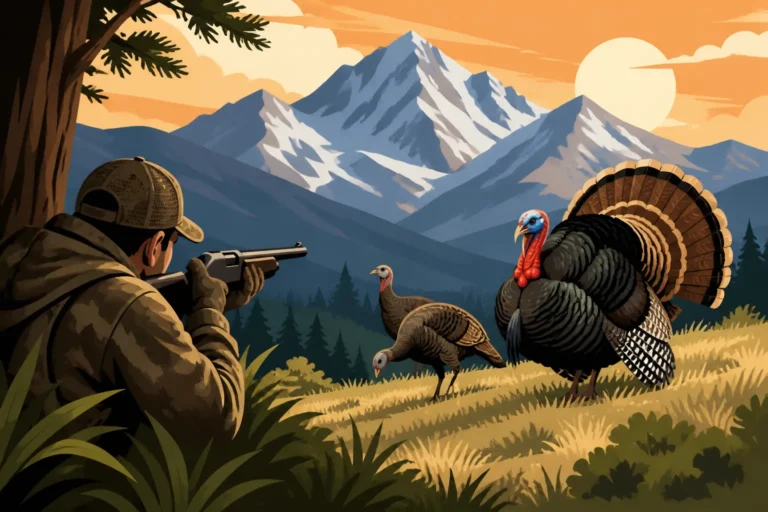
Colorado Merriam’s turkey behavior reveals preferred high-country habitats, strict roosting tree selections, and predictable daily feeding patterns.