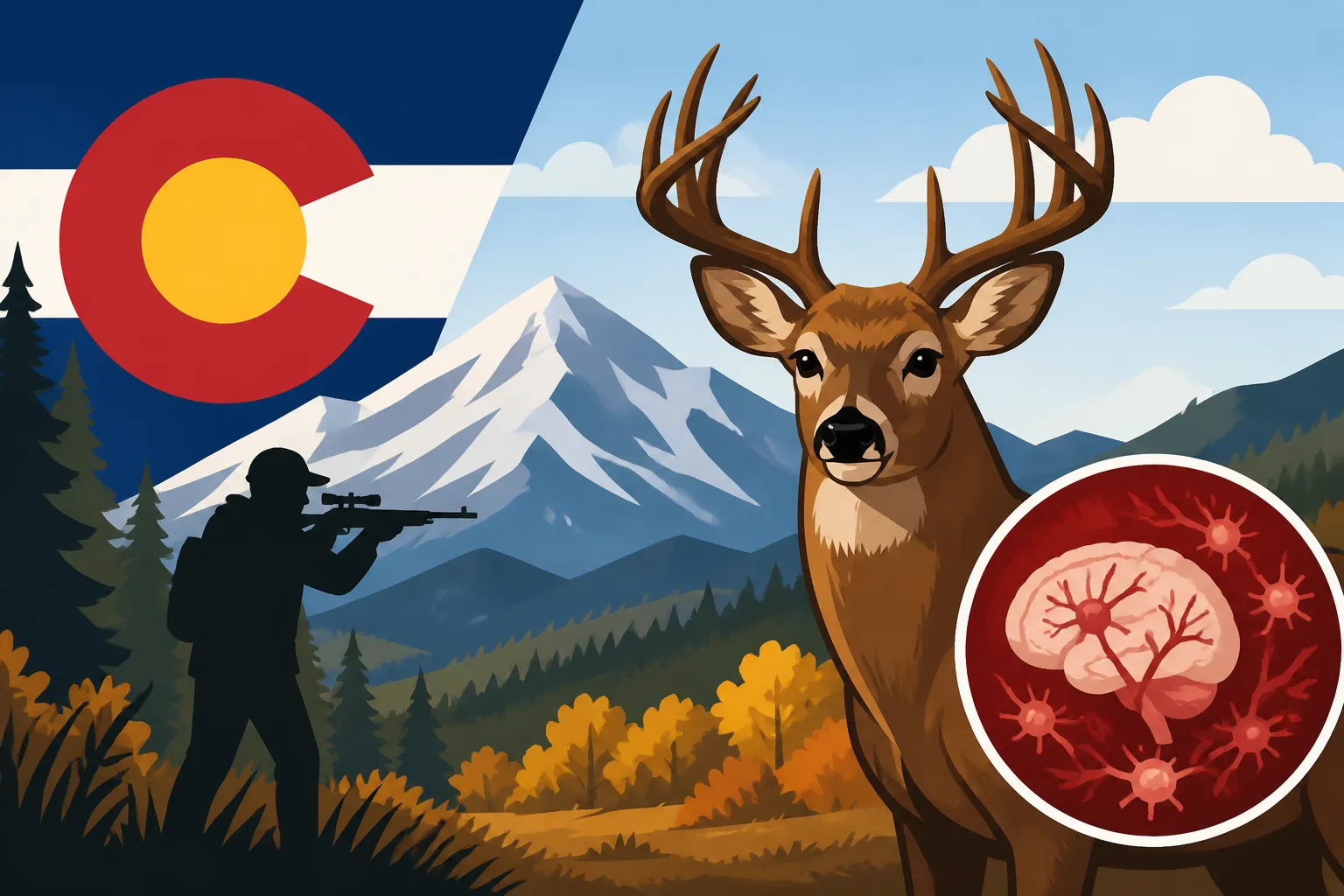
Colorado CWD and Deer Herds
It’s an unsettling thought, isn't it? Heading out into the stunning Colorado wilderness, hoping to fill your freezer with venison or tag that buck of a lifetime, only to have the looming shadow of Chronic Wasting Disease (CWD) on your mind. This guide is dedicated to breaking down everything you need to know about CWD in Colorado deer herds, from what it is to how it affects your hunting plans and what we, as responsible hunters, can do about it.
Understanding Chronic Wasting Disease What It Is
Chronic Wasting Disease (CWD) is a neurological illness that affects deer, elk, moose, and caribou. It's often described as a "prion disease," which means it's caused by abnormally folded proteins (prions) that accumulate in the brain and other tissues. Think of it like a rogue protein that convinces other normal proteins to go rogue too, slowly destroying the nervous system. The result is a slow, progressive decline that is always fatal for the infected animal.
The Science Behind the Sickness
When these misfolded prions accumulate, they create sponge-like holes in the brain, leading to the characteristic "wasting" symptoms. Unlike bacteria or viruses, prions are incredibly hardy. They aren't destroyed by conventional cooking, freezing, or even common disinfectants. This makes CWD a particularly challenging disease to manage and prevent. The scary part is that it can take a long time for symptoms to show up, sometimes years, meaning an animal can be infected and spreading the disease long before it looks sick. This silent spread is a huge part of why it's such a complex issue for wildlife managers.
CWD’s History in Colorado
Colorado has been at the forefront of the CWD discussion for decades. The disease was first identified in captive deer at a Colorado Parks and Wildlife (CPW) research facility in Fort Collins back in the late 1960s. By the 1980s, it had spread to wild deer populations. Since then, CWD has slowly but surely become established in many parts of the state. While it's been present for a long time, the concern has grown as prevalence rates in certain areas have climbed, making it a persistent challenge for deer populations, especially our beloved mule deer. Understanding the historical context helps us grasp the long-term nature of this problem and why it demands ongoing vigilance from hunters and wildlife agencies alike.
The Impact of CWD on Colorado Deer Herds
CWD isn't just a distant threat; it has tangible and often devastating effects on the health and sustainability of deer herds across Colorado. From declining populations to shifting herd dynamics, its presence profoundly impacts these magnificent animals and the hunting opportunities they provide.
Population Decline and Herd Health
One of the most concerning long-term impacts of CWD is its potential to cause population declines. When CWD prevalence rates get high enough within a deer herd, it can begin to negatively affect recruitment (the number of fawns that survive to adulthood) and overall survival. Bucks, in particular, often show higher prevalence rates and can be impacted more severely, especially older, larger bucks. Imagine a unit where 30% or more of the bucks are testing positive. That's a significant portion of the breeding population that will eventually succumb to the disease, leading to fewer deer overall and potentially smaller, less robust animals in the future. This isn't just an abstract number; it means fewer deer sightings and tougher hunts for those pursuing them.
CPW monitors these trends carefully, often adjusting tag allocations in specific units to account for CWD prevalence and its effects on herd numbers. If you're planning your next hunt, resources like GoHunt can provide valuable data on herd health and CWD prevalence by unit, which can certainly factor into your decision-making. You can also dive deeper into Colorado Mule Deer Population Trends to see how specific units are faring.
Transmission and Spread
CWD spreads through direct animal-to-animal contact, but also indirectly through environmental contamination. Infected animals shed prions through saliva, urine, and feces. These prions can then persist in the soil and plants for years, infecting other deer who graze in the same areas. This environmental persistence is what makes CWD so difficult to eradicate once it's established. Water sources, mineral licks, and even gut piles from infected animals can become contaminated.
It's a grim cycle: an infected deer feeds in an area, depositing prions; another deer comes along, picks up those prions from the environment, and becomes infected. The disease also passes from mother to fawn, ensuring its perpetuation within a herd. This complex transmission pattern means that even if a specific animal is removed, the environment itself can remain a source of infection, challenging traditional wildlife management strategies.
Colorado Parks and Wildlife's Management Strategies
Colorado Parks and Wildlife (CPW) is on the front lines, constantly working to understand, monitor, and manage CWD. Their strategies are multifaceted, combining scientific research, public education, and regulatory measures to mitigate the disease's impact on Colorado’s cherished deer and elk herds.
Mandatory and Voluntary Testing Programs
A cornerstone of CPW's management strategy is widespread testing. For many years, mandatory CWD testing has been required for all deer harvested in certain high-prevalence Game Management Units (GMUs). This data is absolutely vital for tracking the disease, understanding its spread, and identifying areas where prevalence rates are increasing. In other units, voluntary testing is encouraged, allowing hunters to submit their harvest for analysis free of charge. Knowing whether the animal you harvested is positive can offer peace of mind or, if positive, inform your decisions about consumption and carcass disposal.
The process is generally straightforward: after harvesting an animal in a mandatory testing unit, hunters are often required to take the animal's head (with a certain amount of neck attached) to a designated drop-off site or a CPW check station within a specific timeframe. For voluntary testing, it’s similar, but you’ll want to check the specific requirements and locations on the CPW website. This data collection is crucial for scientists and managers to build a comprehensive picture of CWD's footprint in Colorado. For those interested in the bigger picture, the Colorado Hunting Seasons Explained guide offers insights into overall hunting frameworks that integrate these regulations.
Regulatory Measures and Carcass Transport Rules
To prevent the further spread of CWD, CPW has strict regulations regarding carcass transportation. These rules are put in place to ensure that hunters don't inadvertently move infected prions from a CWD-positive area to a CWD-free area, especially when crossing state lines. Generally, only certain parts of a harvested deer can be transported out of the unit of harvest. These typically include:
- Deboned meat
- Quarters or other large pieces of meat with no part of the spinal column or head attached
- Hides with no heads attached
- Clean skulls or skull plates (antlers removed)
- Clean teeth
- Finished taxidermy products
This means that if you harvest a deer in a CWD-positive unit, you can't just throw the whole carcass in the back of your truck and drive it home across the state. You’ll need to process it down in the field or at a local processing facility before transporting it. This is where knowing How to Quarter an Elk in the Field (or a deer, in this case) becomes incredibly useful. These regulations, though sometimes inconvenient, are vital for protecting the health of deer herds statewide. Many units, like those covered in a Colorado GMU 21 Hunting Guide, will have specific CWD regulations that hunters must understand before heading into the field.
Research and Public Education
CPW also invests heavily in research to better understand CWD, from its pathology to potential environmental mitigation strategies. They collaborate with universities and other wildlife agencies to find new ways to detect the disease earlier and potentially slow its progression. Alongside research, public education is paramount. Through their website, public meetings, and outreach campaigns, CPW strives to inform hunters and the general public about the risks of CWD, the importance of testing, and how to comply with regulations. They want to empower hunters to be part of the solution, not unknowingly contribute to the problem.
What Hunters Need to Know and Do
As hunters, we have a critical role to play in managing CWD in Colorado. Being informed and following best practices isn't just about compliance; it's about ethical hunting and preserving our wildlife resources for future generations.
Personal Safety and Meat Handling
One of the most common questions hunters have is about the safety of consuming meat from a CWD-positive animal. While there have been no confirmed cases of CWD transmission to humans, the Centers for Disease Control and Prevention (CDC) and other public health agencies recommend against consuming meat from animals known to be infected with CWD. The potential for cross-species transmission is still being studied, and it's simply not worth the risk.
So, what should you do if your deer tests positive? Don't eat the meat. Dispose of it properly, ideally in a landfill that accepts animal remains, to prevent environmental contamination. Always wear latex or rubber gloves when field dressing any animal, and minimize handling of brain and spinal cord tissues, even if the animal appears healthy. Use separate knives and cutting boards for processing wild game meat compared to domestic meats. Clean and disinfect your tools thoroughly after processing. Taking these precautions is just good common sense, ensuring both your safety and that of other wildlife.
Here's a quick reference for best practices:
| Action | Description |
|---|---|
| Wear Gloves | Always use latex or rubber gloves when field dressing or processing. |
| Minimize Contact | Avoid contact with brain, spinal cord, spleen, and lymph nodes. |
| Test Your Harvest | Participate in mandatory or voluntary CWD testing, especially in high-prevalence areas. |
| Proper Disposal | If positive, dispose of carcass and meat in a lined landfill; do not leave on landscape. |
| Clean Tools | Thoroughly clean and disinfect knives, saws, and processing surfaces after use. |
| Know Regulations | Understand and follow carcass transport rules for your hunting unit. |
| Don't Consume | Never eat meat from a CWD-positive animal. |
Following Carcass Transport Regulations
As mentioned earlier, carcass transport rules are critical. Before you head out, make sure you check the latest CPW regulations for the specific GMU you'll be hunting. The rules can change, and ignorance is no excuse. If you harvest a deer in a unit requiring you to leave the spine and skull, be prepared to do so. This might mean caping the animal in the field for a shoulder mount and leaving the skull behind, or boning out all your meat. This requires planning and often means bringing the right gear, like game bags and a good knife, into the backcountry. It’s part of responsible hunting and contributes directly to mitigating the spread of CWD. You can learn more about general regulations in the Colorado Big Game Species Guide which often includes species-specific CWD information.
Contributing to CWD Management Efforts
Every hunter can contribute to CWD management. Participating in voluntary testing programs, even if it's not mandatory in your unit, provides valuable data to CPW. Reporting any deer or elk you see exhibiting CWD symptoms (emaciation, abnormal behavior, drooling, head tremors) to CPW is also crucial. These reports help wildlife managers identify new areas of concern quickly. Supporting wildlife research and management efforts through your license fees and advocating for sound science-based policies are also ways to help. Organizations like GoHunt often highlight the importance of understanding CWD data when planning a hunt, underscoring how informed hunters are better stewards of wildlife. Remember, it's not just about filling a tag; it's about being a steward of Colorado's incredible wildlife. Being a well-educated hunter, having gone through Colorado Hunter Education Requirement or a similar program, means understanding your role in conservation, and CWD management is a huge part of that.
Beyond Deer: CWD in Other Colorado Game Species
While deer often take center stage in CWD discussions due to higher prevalence, it's vital to remember that other cervid species in Colorado are also susceptible to this insidious disease. Understanding its presence and management in elk and moose adds another layer to our appreciation for wildlife conservation efforts.
CWD in Colorado Elk Herds
Elk are also susceptible to CWD, though generally, the prevalence rates in Colorado elk herds tend to be lower than in deer populations. However, there are specific areas where CWD has been detected in elk, and monitoring remains crucial. The dynamics of CWD in elk can be a bit different due to their migratory patterns, larger home ranges, and social structures. An infected elk can travel further, potentially introducing prions to new areas. CPW monitors elk herds diligently, often incorporating elk into their broader CWD surveillance programs. If you're hunting elk, especially in known CWD areas, testing your animal is still a highly recommended practice. The guidelines for carcass transport apply equally to elk, so be sure to bone out your animal if you're in a restricted unit. Insights from a Colorado DIY Elk Hunting Guide would certainly touch upon necessary field processing if hunting in such areas.
CWD in Colorado Moose Populations
Moose populations in Colorado are much smaller and more localized than deer or elk, but they too can contract CWD. Given their relatively isolated populations and specific habitats, any detection of CWD in moose is taken very seriously by CPW. Monitoring efforts for moose are intensified when CWD is found nearby, as the impact on a smaller, vulnerable population could be more pronounced. While less common, the presence of CWD in moose reminds us that this disease is a broad threat to all members of the cervid family in Colorado, emphasizing the need for comprehensive and continuous surveillance across all game species. Understanding Colorado Moose Hunting Guide information might include specific advice if CWD becomes more prevalent in their habitat.
The Broader Ecological Picture
The existence of CWD in multiple species complicates the ecological picture. It means the environmental load of prions could potentially increase across varied habitats, posing a challenge not only to cervids but also to the broader ecosystem. This widespread susceptibility reinforces the necessity of sound scientific research and responsible hunting practices to safeguard the health of all Colorado's wild game. It's a reminder that wildlife management is an interconnected web, where the health of one species can often reflect on the health of others.
Disclaimer
This article provides general information regarding Chronic Wasting Disease in Colorado. Hunting regulations, CWD prevalence, and testing requirements are subject to change. Always consult the official Colorado Parks and Wildlife (CPW) website or contact your local CPW office for the most current and accurate information before planning any hunt or making decisions regarding harvested game.