Colorado Spring vs Fall Bear Hunting
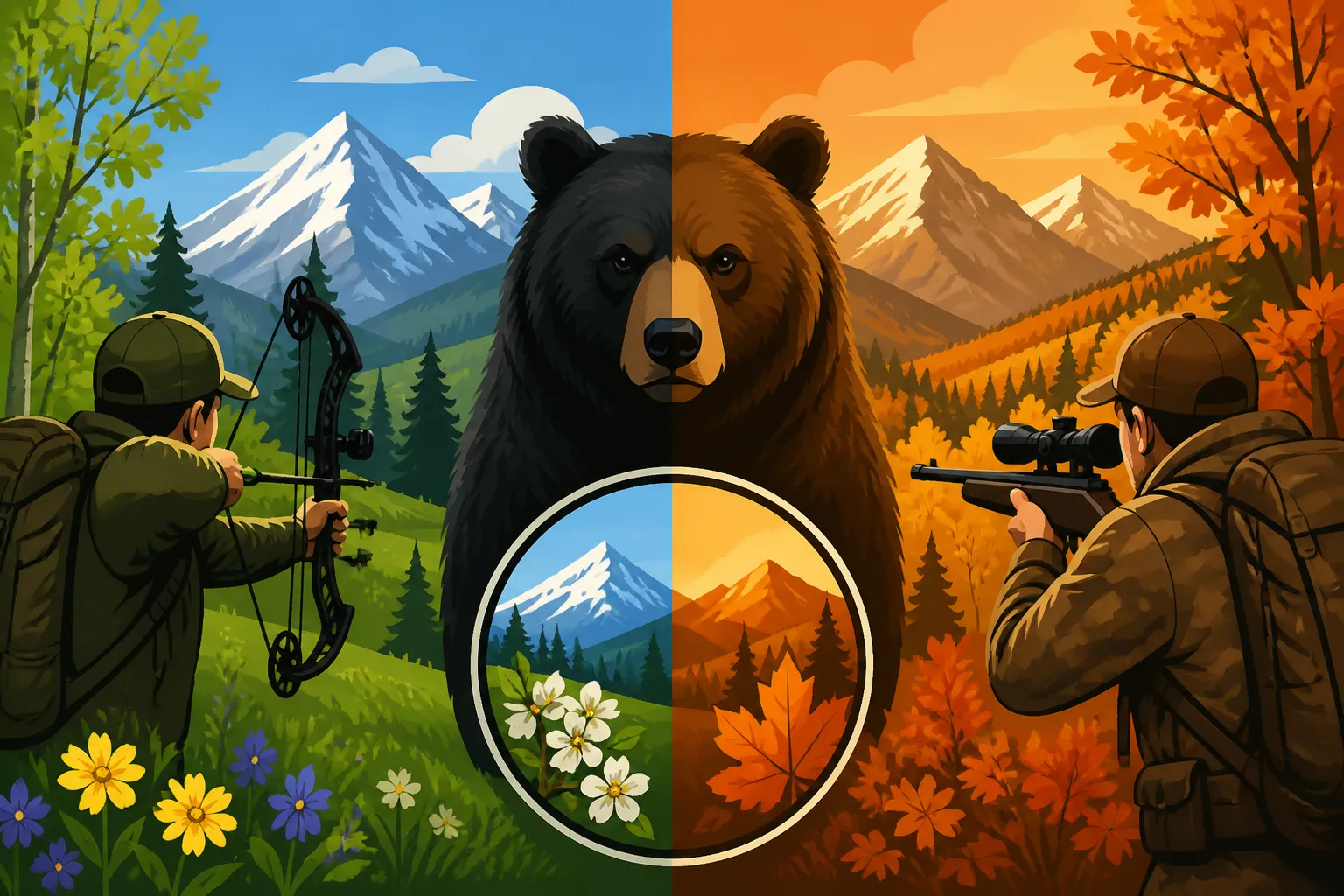
Choosing the right time to pursue black bears in Colorado can feel like you're caught between two completely different worlds. You might be dreaming of lush spring hillsides, fresh green growth, and bears just emerging from their dens, or perhaps you envision the vibrant autumn colors, plump bears gorging on berries, and the crisp, invigorating air of fall. Each season offers a distinct set of challenges and rewards, leading many hunters to wonder which is truly better, or more accurately, which aligns best with their personal hunting style and expectations. This comprehensive guide will meticulously break down the nuances of spring versus fall bear hunting in Colorado, helping you understand the unique behaviors, tactics, and considerations for each, so you can make an informed decision for your next bear adventure.
Understanding Colorado Bear Seasons
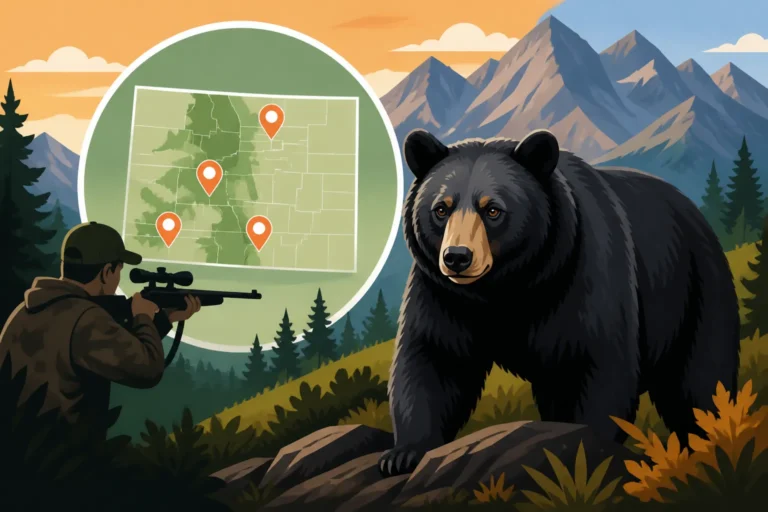
Colorado presents a somewhat unique approach to bear hunting compared to many other Western states. Instead of a dedicated spring-only or fall-only season, the state offers opportunities in both, but with specific rules and overlaps that can be a bit confusing at first glance. It’s crucial to understand these foundational elements before you even start thinking about specific tactics.
Colorado's Unique Bear Hunting Framework
Unlike states that might have a stand-alone spring bear season, Colorado integrates its spring bear opportunities within the early archery and muzzleloader seasons for other big game, primarily elk and deer. This means that if you draw a spring bear tag, you'll be out in the field often simultaneously with hunters pursuing other species. The fall season is more expansive, running concurrently with archery, muzzleloader, and all four rifle seasons for deer and elk. This framework is designed to manage bear populations effectively while also providing diverse hunting opportunities. The overarching goal for Colorado Parks and Wildlife (CPW) is to balance healthy bear populations with human-wildlife conflict reduction, especially in areas where bears might be prone to scavenging human food sources. Understanding this broader context helps clarify why the seasons are structured the way they are. For an even deeper dive into the overall regulations, you'll find great insights in our Colorado Black Bear Hunting Guide.
Specific Dates and Overlaps
The exact dates for Colorado's bear seasons can shift slightly year to year, so always confirm with the most current CPW regulations, but generally, here's what you can expect. The "spring" bear season typically runs from early September through the last day of the archery elk season, and then again during the muzzleloader elk and deer seasons. It’s a bit of a misnomer to call it "spring" bear, as these hunts actually occur in early fall, but they target bears before their primary fall feeding frenzy truly kicks in, often focusing on areas where bears might still be transitioning or seeking out early mast crops. The true fall bear season is far more extensive, usually beginning around September 2nd and extending through late November, encompassing all the rifle seasons.
The significant overlap with other big game seasons is a double-edged sword. On one hand, it means you could be in the field for a multi-species hunt if you've drawn multiple tags. On the other hand, it means increased hunter pressure in many units, and you'll need to be extra vigilant about identifying your target and ensuring a clear shot, especially during the rifle seasons when more hunters are out. For a comprehensive look at how these seasons fit into the broader hunting calendar, check out our guide on Colorado Hunting Seasons Explained.
Tagging and Licensing Basics
Securing a Colorado bear tag is primarily done through the draw system. Colorado utilizes a preference point system for most limited-entry hunts, and bear tags are no exception. While some units might offer over-the-counter (OTC) bear tags, these are typically few and far between, or are offered only as "add-on" tags to a deer or elk license. Most dedicated bear tags require you to apply in the primary draw. You’ll need a valid Colorado hunting license and a Habitat Stamp to apply, just like for other big game species.
When applying, you'll designate whether you're applying for an archery, muzzleloader, or rifle bear tag, and for a specific game management unit (GMU) and hunt code. This is where researching draw odds and unit specifics becomes paramount. Utilizing tools like GoHunt can be invaluable here, helping you analyze historical draw data and unit success rates to maximize your chances. Understanding the nuances of the draw process, including how many preference points you might need for certain units, is covered in our Colorado Draw System and Preference Points article. Always remember that once you harvest a bear, you are generally required to present its skull and hide to a CPW office for inspection within a specific timeframe, typically five days, to allow biologists to collect critical data for population management. For a broader overview of your options, our Colorado Bear Tag Options guide can provide more details.
Key Differences in Spring Bear Hunting
While Colorado’s "spring" bear season technically occurs in early fall, the behavior of bears during this period still aligns with many characteristics one might expect from a traditional spring hunt in other states. It's a time of transition, offering unique challenges and opportunities that set it apart from the peak fall activity.
Bear Behavior in Spring
When we talk about "spring" bear behavior in Colorado, we're really talking about that post-denning, early-season activity, which in Colorado's system falls into September. Bears are just emerging, or have recently emerged, from their dens and are focused on replenishing lost weight. Their metabolism is kicking into gear, and they're looking for the easiest, most digestible calories available. This often means they’re less nocturnal than they might become later in the fall. They're trying to gain weight quickly after months of hibernation, and that drive for calories can make them somewhat predictable if you understand their early-season food preferences.
This period sees bears, particularly sows with cubs, being very cautious. They might stick to thicker cover, especially in north-facing slopes, and are often found at slightly lower to mid-elevations where fresh vegetation is more abundant. Bachelor boars, on the other hand, might be more adventurous, covering larger territories in search of mates or food. Understanding these patterns is key to locating them, as they haven't yet settled into the massive feeding routines of late fall. You might find them grazing on tender shoots in open meadows during early morning or late evening, or quietly working through timber for early berries.
Food Sources and Habitat Use
The availability of specific food sources dictates bear movement and habitat use during this early fall period that mimics "spring" behavior. In September, bears are often keying in on tender, green vegetation, early ripening berries like serviceberry, chokecherry, and huckleberry, and sometimes even the first acorns starting to drop at lower elevations. Grassy slopes, avalanche chutes, and regenerating clear-cuts that offer a buffet of new growth are prime spots. Bears will spend considerable time raking these areas for nutritious plants.
As the season progresses through September, they might start moving towards areas with early mast crops. A dry spring and summer can significantly impact these food sources, pushing bears to expand their search or even closer to human developments if natural foods are scarce. Ideal habitat will include a mix of thick cover for bedding and security, open feeding areas, and reliable water sources. Creek bottoms, shaded slopes, and north-facing aspects tend to hold moisture longer, supporting these crucial early food plants. Knowing the local flora of your chosen GMU and understanding what’s typically ripe or green in early September is vital for successful scouting.
Weather Challenges and Opportunities
Hunting in early September in Colorado means dealing with highly variable mountain weather. You could start the day with a crisp, cool morning, only for temperatures to soar into the 70s or 80s by midday, especially at lower elevations. Afternoon thunderstorms are a common occurrence, bringing sudden downpours and lightning. This volatility presents both challenges and opportunities. The heat can make bears more nocturnal or push them into dense, shaded timber during the warmest parts of the day, making them harder to spot. However, cooler temperatures or post-storm conditions can invigorate bears, bringing them out to feed more actively.
The challenge of keeping meat cool after a harvest is also very real in early September. You'll need a solid plan for quickly quartering and packing out your bear, especially if you're deep in the backcountry. For advice on handling meat in warmer conditions, check out our guide on How to Keep Elk Meat Cool in Warm Weather, which applies equally well to bear. The advantage, however, is that fewer hunters might be specifically targeting bear, particularly during the archery elk season, giving you more solitude in prime areas. This early season can also be quite beautiful, with the aspens just beginning to hint at their fall colors.
Key Differences in Fall Bear Hunting
When Colorado’s "fall" bear season truly gets into full swing, usually from October through November, you're looking at a different animal entirely. This is the period of intense preparation for winter, and their behavior, food preferences, and response to environmental cues shift dramatically.
Pre-Hibernation Behavior
By October and November, Colorado black bears are in full hyperphagia mode. This means they are eating as much as possible, as often as possible, to put on critical fat reserves for hibernation. Their primary drive is calories, and they become incredibly focused on food. You'll often find them spending most of their daylight hours feeding, making them more visible and, in some ways, more predictable than during the early "spring" season. They're essentially calorie-counting machines, prioritizing high-energy foods.
Their movements become less about exploring and more about efficient feeding. Bears will often establish patterns between prime food sources and bedding areas, sometimes traveling significant distances to hit a favored oak brush patch or a stand of berry bushes. They are less wary of other bears and more tolerant of close proximity to food sources. However, they can still be incredibly elusive, disappearing into thick cover the moment they sense danger. This time of year, especially later in the season, you might encounter bears at higher elevations where late-season berries or nuts are available, before they eventually descend to their denning sites. Understanding these behaviors is critical for successful scouting and developing effective hunting strategies, as detailed in our guide on Colorado Black Bear Behavior.
Abundant Food Sources and Patterns
The fall offers a veritable smorgasbord for bears, and their diet shifts to take advantage of it. Acorns, specifically from gambel oak, become a primary food source in many parts of Colorado. Where oak brush is abundant, bears will spend hours meticulously feeding, often leaving tell-tale signs like broken branches and droppings full of acorn shells. Other crucial fall foods include serviceberry, chokecherry, hawthorn, and buffaloberry. If there's a strong mast crop, you can almost guarantee bears will be there.
Beyond berries and acorns, bears will also forage for pine nuts, roots, and even carrion if available. This variety means that knowing your specific GMU's fall food sources is paramount. A good E-scouting session, perhaps using GoHunt's detailed maps to identify oak thickets or known berry patches, can drastically increase your success odds. Bears will often move between these food sources, creating discernible travel corridors. Learning to identify their feeding areas, fresh tracks, and scat is like putting together a puzzle, pointing you directly to where they are spending their time.
Weather Variability in Fall
Hunting Colorado bears in the fall means embracing a truly unpredictable weather pattern. Early fall (September-October) can still bring warm days, but by late October and November, you're frequently dealing with significant cold fronts, snow, and freezing temperatures. These weather shifts heavily influence bear activity. A fresh snowfall can be a huge advantage for tracking, revealing bear movements and feeding patterns that would otherwise be hidden. A sudden cold snap might prompt bears to intensify their feeding efforts before denning, or if it's severe enough, push them into early hibernation.
The challenges in the fall largely revolve around staying warm and dry, and navigating potentially slick or snowy terrain. You'll need robust layering systems, waterproof gear, and reliable footwear. On the upside, the colder temperatures simplify meat care after a harvest, as natural refrigeration is often available. However, packing out a heavy bear through snow can be significantly more strenuous. Planning for all types of weather, from mild sunny days to blizzards, is not just recommended, it's essential for a safe and effective hunt. Our article on How to Handle Cold-Weather Gear for Colorado offers valuable tips for staying comfortable in these conditions.
Tactics and Strategies: Spring vs. Fall
The distinct behaviors and food sources of Colorado black bears in the early "spring" season versus the deep fall demand entirely different tactical approaches from hunters. What works well in one period might be completely ineffective in the other.
Spot-and-Stalk Approaches
Spot-and-stalk is arguably the most effective and popular method for hunting black bears in Colorado, regardless of the season, but the execution differs. In the early "spring" (September), bears are often found in more open, green areas, like avalanche chutes, clear-cuts, and open meadows, feeding on new vegetation or early berries. This makes them somewhat susceptible to long-range glassing. You'll want to find a vantage point overlooking these likely feeding zones, using high-quality optics to systematically pick apart the terrain. Once a bear is spotted, the stalk begins. The challenge here is often the presence of green, noisy vegetation and the bear's general wariness, as they are not yet fully consumed by hyperphagia. Success relies heavily on patience, excellent glassing techniques, and a careful approach, often utilizing terrain features to remain concealed. Our How to Glass Big Colorado Basins guide, though focused on elk, provides excellent universal advice for spotting animals in expansive terrain.
In the fall, especially late fall, spot-and-stalk takes on a different flavor. Bears are often concentrated in oak brush thickets or heavy timber where acorns and late berries are abundant. While glassing open areas is still useful, you'll need to focus more intensely on the edges of cover, small openings within the timber, and areas where oak brush is prevalent. Bears can be surprisingly hard to see amidst the dense foliage, even when actively feeding. The stalk itself might be shorter but more intense, as you're likely moving through dense, noisy cover. Fresh snow in late fall can be a tremendous asset, making tracks easier to follow and muffling your footsteps. The key is identifying their specific feeding patterns and ambushing them as they move between bedding and feeding, or catching them actively foraging in a dense patch. Our guide on How to Spot-and-Stalk Colorado Bears offers specific strategies tailored to this species.
Still-Hunting and Ambush Tactics
Still-hunting is a less common but highly effective tactic for bears, particularly in dense timber where spot-and-stalk is difficult. This method involves moving extremely slowly and deliberately through promising habitat, pausing frequently to observe, listen, and scan.
In the early "spring" season, still-hunting might be effective in riparian corridors, dense creek bottoms, or areas of thick regrowth where bears might be seeking cover and early food sources. Bears are often moving more discreetly, and you'll need to rely on your ears and keen observation skills. The wind is paramount, as bears have an incredible sense of smell. You're trying to intercept a bear as it navigates its environment.
Come fall, still-hunting becomes even more potent, especially in units with extensive oak brush. Bears are often so focused on feeding on acorns that they can be less aware of their surroundings, offering opportunities for a slow, methodical approach. Identifying areas with high bear sign – fresh tracks, scat, dug-up ground, or broken branches – and carefully working through them can yield results. Ambush tactics involve finding a well-used travel corridor or a high-traffic feeding area and waiting patiently. This could be near a prominent oak flat, a game trail leading to a water source, or a natural funnel between bedding and feeding grounds. This is a game of patience and quiet observation, where you let the bear come to you. Utilizing tools like GoHunt's mapping features to identify these habitat types and likely travel routes can greatly improve your chances of setting up a successful ambush.
Calling and Decoying (Limited Relevance)
While calling and decoying are highly effective for species like elk or deer, they have limited, if any, direct application for black bear hunting in Colorado. Bears are not typically called in the same way. There are no "rut calls" or "distress calls" that reliably draw them in.
Some hunters might use a fawn or rabbit distress call in hopes of attracting a curious bear, but this is a low-percentage tactic and can often attract other predators like mountain lions or coyotes instead. The focus for bear hunting is almost entirely on locating them visually or by sign, and then executing a successful stalk or ambush. Decoys are practically nonexistent in bear hunting, as their sight is not their primary sense for detecting prey or danger. Instead, their incredible sense of smell and hearing are their strongest assets. Therefore, your primary concern should always be wind direction and moving as quietly as possible, rather than attempting to call them in.
Gear Considerations for Each Season
Successful bear hunting in Colorado is highly dependent on being prepared for the conditions, and that means having the right gear. While some items are universally necessary, the specific needs for early "spring" versus deep fall hunts can differ significantly.
Clothing and Layering for Varying Conditions
The September "spring" bear hunt often means warm days and cool, but not freezing, nights. Your clothing system should prioritize breathability, moisture-wicking properties, and light insulation. A good base layer that can handle sweat, a mid-layer for warmth during cooler mornings and evenings, and a light outer shell for rain or wind are usually sufficient. Lightweight, durable pants that can withstand brush and rocky terrain are a must. Remember, you'll be exerting yourself, and overheating is as much a danger as getting cold. A quality pair of hunting boots designed for rugged, potentially dry terrain is crucial.
For a fall bear hunt (October-November), your clothing system needs to be far more robust. You’ll be facing everything from crisp autumn air to freezing temperatures, snow, and bone-chilling wind. Heavy-duty layering is non-negotiable. A warm base layer, multiple insulating mid-layers (fleece, puffy synthetic, or down), and a bomb-proof waterproof and windproof outer shell are essential. Don't forget insulated gloves or mittens, a warm hat, and a neck gaiter. Your boots will need to be insulated, waterproof, and offer excellent traction for potentially icy or snowy conditions. Investing in high-quality gear from brands known for their mountain hunting apparel will pay dividends, as staying comfortable directly impacts your ability to stay in the field and remain effective. Our Colorado Backcountry Hunting Gear List offers a comprehensive overview that can be adapted for bear hunting.
Optics and Scouting Tools
Optics are your best friend for any Western hunt, and bear hunting is no exception. For both seasons, a high-quality pair of binoculars (10×42 or 10×50 are common choices) and a spotting scope (15-45x or 20-60x) are indispensable for picking apart distant hillsides and confirming a bear's size and sex. Rangefinders are also critical for ethical shot placement in the mountains, especially when shooting uphill or downhill, as discussed in How to Judge Distance in the Mountains.
In the early "spring" season, you'll likely be glassing more open, sun-exposed slopes for bears emerging to feed, so the ability to cut through haze and identify subtle movements is key. In the fall, with bears often in denser cover, your optics need to be excellent at resolving details in shadowed timber and at the edges of oak brush. A good GPS device or a smartphone app like OnX Hunt is also crucial for navigating, marking bear sign, and staying within unit boundaries. GoHunt's mapping overlays, for instance, can help you identify public land, vegetation types, and access points, streamlining your scouting efforts significantly before you even set foot in the field.
Firearms and Archery Setups
The choice between a rifle, muzzleloader, or bow depends on your personal preference and the tag you draw. For archery, a compound bow set up for ethical big game hunting is necessary. Broadheads should be sharp and reliable for penetrating tough bear hide and bone. Shot placement is critical, aiming for the vitals, typically just behind the shoulder.
For rifle hunters, a mid-to-large caliber is generally recommended for black bear, capable of delivering sufficient energy and penetration. Popular choices include .30-06, .300 Win Mag, .308, 7mm Rem Mag, and similar calibers. Using heavy-for-caliber, bonded, or monolithic bullets designed for deep penetration is a smart choice. Practice shooting at various distances and angles, as bears often present challenging shots in mountainous terrain. Muzzleloader hunters should ensure their rifle and bullet combination is accurate and powerful enough for bear, and practice loading and shooting under realistic field conditions. Regardless of your weapon choice, familiarity and proficiency with your setup are far more important than any specific caliber or poundage. Ethical shot placement, which often means waiting for the perfect angle, is paramount for a quick and humane harvest. For specific recommendations, our guide on Best Rifle Calibers for Colorado Elk can offer some transferable insights on choosing appropriate firearms for mountain hunting.
Navigating Regulations and Drawing Odds
Understanding Colorado's specific regulations and the mechanics of the draw system is perhaps the most critical component of a successful bear hunt. Without a tag, you can't hunt, and without knowing the rules, you risk significant issues.
Understanding Draw Units and Preference Points
Colorado is divided into numerous Game Management Units (GMUs), each with specific regulations for hunting various species, including bears. Most bear tags are limited-entry, meaning you must apply in the primary draw and have a certain number of preference points to draw a tag in a desirable unit. Preference points are accumulated by applying for a limited license and failing to draw; they increase your odds in subsequent years. High-demand units with good bear populations or high success rates will often require multiple preference points.
When applying, you'll select a GMU and a specific hunt code, which designates the season (archery, muzzleloader, or rifle), the sex of the animal (though most bear tags are either-sex), and other specific rules. Tools like GoHunt's Insider platform are invaluable for researching historical draw odds, success rates by unit, and the number of preference points required to draw a tag. This allows you to make an informed decision on which units to apply for, balancing your desired success rate with the number of points you're willing to spend. Our detailed guide on How Many Points for a Colorado Black Bear can help you strategize your application.
Non-Resident Considerations
For non-resident hunters, Colorado offers a fantastic hunting experience, but the draw system can be more competitive. A certain percentage of tags are allocated to non-residents, but for high-demand units, these can still be difficult to draw without a significant number of preference points. Non-residents also typically pay higher license and tag fees. It's crucial for non-residents to thoroughly research draw odds and consider how many points they are willing to accumulate before trying for a premium unit.
Some non-residents might opt for OTC add-on bear tags, which are often available in certain units, especially during the later rifle seasons, but these often coincide with heavy hunter pressure for other species. Another option, if budget allows, is to book a hunt with a licensed Colorado outfitter. Many outfitters have access to private land or obtain landowner vouchers, which can bypass the public land draw system entirely, offering a guaranteed tag. This can be a significant advantage, especially for non-residents looking for a high-quality experience without waiting years to accumulate points. For more information, our Colorado Non-Resident Hunting License Guide provides essential details.
Ethical Hunting Practices and Regulations
Beyond the draw system, ethical hunting practices and adherence to all CPW regulations are paramount. This includes understanding legal hunting hours, proper tagging procedures, and respecting private land boundaries. A critical regulation for bear hunting in Colorado is the prohibition of baiting and using dogs. All bear hunting in Colorado must be fair chase, typically involving spot-and-stalk or still-hunting methods.
Another important regulation is the requirement to turn in a harvested bear's skull and hide to a CPW office for inspection within five days of harvest. This allows biologists to collect critical data on bear populations, including age, sex, and health, which is vital for managing the species. Always carry your hunting license, bear tag, and a copy of the current regulations while in the field. Educating yourself on Colorado Bear Population and Range can also contribute to a deeper understanding of responsible bear management. By doing your homework and adhering to all rules, you ensure a legal and ethical hunt, contributing to the conservation efforts that make Colorado such an incredible place to hunt.
| Feature / Season | "Spring" Bear Hunt (Early Fall: Sept) | Fall Bear Hunt (Mid-Late Fall: Oct-Nov) |
|---|---|---|
| Bear Behavior | Just emerging from dens, focused on initial weight gain, cautious. | Hyperphagia (intense feeding), focused on calorie intake, less wary. |
| Primary Food | Fresh green vegetation, early berries (serviceberry, chokecherry). | Acorns (Gambel oak), late berries (hawthorn, buffaloberry), pine nuts. |
| Typical Habitat | Lush avalanche chutes, clear-cuts, creek bottoms, north-facing slopes. | Oak brush thickets, timbered slopes with mast crops, lower elevation benches. |
| Weather | Warm days (60s-80s), cool nights, afternoon thunderstorms, variable. | Cold fronts, snow, freezing temperatures, highly variable but trending colder. |
| Meat Care | Challenging due to warmer temps, requires quick processing & cooling. | Easier due to colder temps, natural refrigeration often available. |
| Hunter Pressure | Moderate, often overlaps with archery elk/deer; fewer dedicated bear hunters. | Higher, overlaps with all rifle seasons for elk/deer; more hunters in the field. |
| Key Tactics | Spot-and-stalk on open slopes, still-hunting dense green cover. | Spot-and-stalk in/around oak brush, ambush tactics near food sources. |
| Visibility | Often visible in open feeding areas, but can be discreet. | Can be very visible when feeding, but easily hidden in dense mast crops. |
| Tracking | Less effective on dry ground, reliance on visual spotting. | Highly effective with fresh snow, reveals clear travel patterns. |
Disclaimer
Hunting is an inherently dangerous activity. This guide provides general information and recommendations only. Always consult the official Colorado Parks and Wildlife (CPW) regulations for the most current and specific rules and dates before planning any hunting trip. Hunter safety courses are mandatory, and personal safety should always be your top priority. The author and publisher are not responsible for any accidents, injuries, or legal infractions incurred during hunting activities.