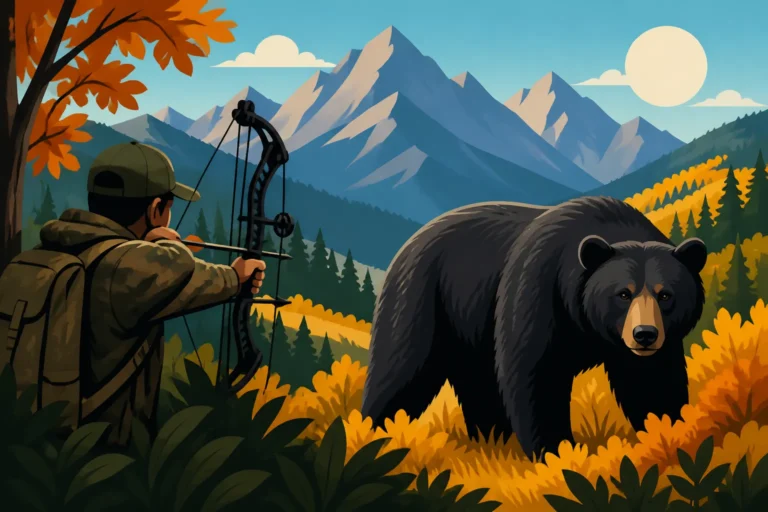
Colorado Black Bear Hunting Guide
Thinking about chasing black bears in Colorado can feel a bit daunting, right? Many hunters, especially those new to the state or just getting into bear hunting, often get hung up on where to start, what's legal, and how to even find these elusive creatures without relying on baiting or dogs, which aren't permitted here. This comprehensive guide is here to cut through the confusion, offering a realistic look at Colorado black bear hunting, from understanding their habits to mastering the techniques that work best in the High Country.
Understanding Colorado Black Bears and Their Behavior
Before you even think about loading up your pack or sighting in your rifle, truly understanding the animal you're pursuing is paramount. Black bears in Colorado aren't just furry targets; they're intelligent, adaptable creatures with distinct seasonal patterns that dictate their movements, feeding, and ultimately, your hunting success.
Colorado Black Bear Population and Range
Colorado boasts a healthy and growing black bear population, estimated to be between 17,000 and 20,000 animals. These aren't just isolated pockets; bears are spread across most of the state's mountainous and foothill regions, with significant concentrations in areas like the San Juans, the Flat Tops, and across the Western Slope. You'll find them almost anywhere there's ample cover, food, and water, from the lower-elevation oak brush country to the high alpine basins. While they are adaptable, they typically prefer dense forests, riparian zones, and areas with thick undergrowth that offer both sustenance and security. Their range often overlaps heavily with prime elk and deer country, which makes sense, as bears often take advantage of similar food sources and habitats. If you're looking for a broad overview of the state's diverse wildlife, our comprehensive Colorado Big Game Species Guide offers valuable insights into where different animals thrive.
Black Bear Biology, Diet, and Habitat
Colorado black bears are omnivores, meaning they eat pretty much anything available. This adaptability is key to their survival and influences where you'll find them. Their diet shifts dramatically with the seasons. In spring, after emerging from hibernation, they're looking for green-up—tender grasses, sedges, and early forbs. As summer progresses, they move to berries like serviceberries, chokecherries, raspberries, and later, blueberries and huckleberries at higher elevations. Come fall, their focus shifts heavily to hyperphagia, a period of intense feeding to pack on fat for winter. This is when acorns, various nuts, and late-season berries become critical. They also readily consume carrion, insects, and occasionally fawns or elk calves if the opportunity arises.
Habitat-wise, bears need cover, water, and food. They often utilize dense timber, thick oak brush, and rugged canyons for bedding and security. Look for areas with a mix of these elements: south-facing slopes that get early sun in spring, north-facing slopes with dense berry patches in summer, and oak brush flats or aspen groves heavy with mast crops in the fall. Their home range can be quite large, especially for boars, covering dozens or even hundreds of square miles, but they will concentrate heavily in areas with abundant food. Understanding these dietary and habitat preferences is your first step in narrowing down where to focus your scouting and hunting efforts.
Seasonal Behavior and Activity Patterns
Bear behavior is heavily dictated by the time of year. In spring, bears are generally nocturnal or crepuscular (active at dawn and dusk), trying to avoid detection as they forage for newly emerging vegetation. They'll often be found at lower to mid-elevations where the snow has melted and green-up is occurring. As the weather warms into summer, their activity can extend into daylight hours, especially in cooler, shaded areas. This is also when the breeding season, or rut, typically occurs, from June to mid-July. You might find boars traveling extensively in search of sows during this period.
However, fall is truly the prime time for bear hunting in Colorado, largely due to their hyperphagic behavior. Bears are intensely focused on eating, sometimes for 18-20 hours a day, in preparation for hibernation. This makes them more predictable and often more visible during daylight hours. They'll frequent areas with abundant hard mast (acorns, pine nuts) and soft mast (berries). A sudden cold snap or early snow can trigger a scramble for food, or conversely, drive them towards dens, making them harder to find. Knowing these seasonal shifts is crucial for timing your hunt and choosing your tactics.
Colorado Black Bear Hunting Seasons and Regulations
Navigating the rules and seasons for black bear hunting in Colorado can feel like a puzzle, especially for newcomers. It’s imperative to understand the specifics because Colorado has some unique regulations that differ significantly from other states, particularly regarding hunting methods.
Spring vs. Fall Bear Hunting: Key Differences
Colorado offers two distinct bear hunting periods: a limited spring season and a more extensive fall season. The spring season typically runs from early April to late May or early June, depending on the unit. These tags are highly coveted and difficult to draw, often requiring several preference points. Hunting a bear in spring means targeting animals just emerging from their dens, often at lower elevations, and usually before they've had a chance to put on much weight. The challenge here is the sparse vegetation, which can make spotting easier, but also the bears' tendency to be more nocturnal and wary.
The fall season, however, is where most Colorado bear hunting opportunities lie. It generally runs concurrently with archery, muzzleloader, and rifle elk and deer seasons, sometimes even starting earlier in September. This long season offers more flexibility and, crucially, bears are in full "fattening up" mode (hyperphagia). This intense feeding makes them more active and predictable. While spring bears are about early green-up, fall bears are all about acorns, berries, and other mast crops. Understanding these differences, and checking the specific dates for Colorado Spring Bear Season and Tags and Colorado Fall Bear Season and Tags, is your first step in planning.
Tagging and Licensing Requirements
To hunt black bears in Colorado, you'll need a valid Colorado hunting license and a specific bear tag. Unlike some other states where a bear tag might be over-the-counter (OTC) or available widely, many of Colorado's bear tags are draw-only. This means you'll need to participate in the Colorado Parks and Wildlife (CPW) big game draw system. The application period for the primary draw is usually in spring, with results released later. Non-residents face higher costs and typically fewer draw opportunities compared to residents.
Additionally, hunters must also purchase a Habitat Stamp. It's a mandatory fee that goes directly towards preserving and improving wildlife habitat in Colorado. You can check the latest regulations on the CPW website for current licensing fees and application deadlines. For detailed information on the overall framework, consult the Colorado Hunting Seasons Explained guide.
Legal Hunting Methods and Restrictions
This is where Colorado truly stands out: baiting bears is illegal, and hunting bears with the aid of dogs is also illegal. These restrictions mean that spot-and-stalk, still-hunting, and ambushing over natural food sources are the primary, legal methods. This makes Colorado bear hunting a true test of a hunter's woodsmanship, scouting prowess, and patience.
Other critical regulations include:
- Harvest Limits: Typically, one bear per hunter per calendar year.
- Sex Restrictions: Most bear tags are either-sex, meaning you can harvest a male or female. However, it's generally considered ethical to avoid harvesting sows with cubs, and some units may have specific restrictions related to this.
- Checking Requirements: All harvested bears must be checked in with CPW within a specified timeframe (usually five days) for biological data collection. You must present the skull and hide, with evidence of sex naturally attached.
- Waste of Game: As with all big game, wanton waste is illegal. You must remove all edible meat, except for viscera, head, and hide.
Understanding and strictly adhering to these regulations is not just about staying legal; it's about respecting the animals and the hunting heritage in Colorado.
Key Strategies for Hunting Colorado Black Bears
Without the aid of bait or dogs, successfully hunting black bears in Colorado requires a dedicated approach centered on observation, tracking, and understanding natural patterns. This isn't a passive hunt; it demands active participation and strategic planning.
Spot-and-Stalk Hunting Tactics
Spot-and-stalk is arguably the most effective and popular method for hunting black bears in Colorado. It requires patience, excellent optics, and the ability to cover ground silently. The basic premise is simple: find a high vantage point, glass extensively, locate a bear, and then plan a careful stalk to get within shooting range. This is often practiced in open, broken country or areas with a mix of timber and clearings.
Here's how to make it work:
- Choose Your Vantage: Look for ridges, peaks, or open slopes that offer wide views of potential bear habitat. Think about north-facing slopes with berry patches or oak flats below, or south-facing slopes with early green-up in the spring.
- Glass, Glass, Glass: This cannot be overstressed. Use good binoculars (10×42 or 12×50) and a spotting scope on a tripod. Don't just scan; grid the landscape slowly, looking for anything that seems out of place – a patch of black, a subtle movement, or even the distinct shine of a bear's coat in the sun. Bears often appear as a "black blob" in the shadows or moving through thickets. Take your time, sometimes a bear will materialize right before your eyes in an area you just scanned. Many experienced hunters rely on the detailed mapping and public land information from tools like GoHunt to identify these prime glassing locations well before the season starts.
- Identify Bear Sign: While glassing, also look for disturbed vegetation, scat, or rubbed trees. These can indicate bear presence, even if you don't spot the animal directly.
- Plan Your Stalk: Once a bear is spotted, the real work begins. Map out your approach carefully, considering wind direction, terrain, and cover. Use ravines, timber, or terrain features to mask your movement. Avoid open areas. A successful stalk often involves moving slowly, pausing frequently, and utilizing every bit of available cover. For more detailed insights into this method, check out our guide on How to Spot-and-Stalk Colorado Bears.
Hunting Bear Over Natural Food Sources
Since baiting is illegal, keying in on natural food sources is paramount. This strategy relies heavily on pre-season scouting and seasonal knowledge. Bears are driven by their stomachs, especially in the fall when they need to consume massive amounts of calories.
- Seasonal Food Calendars: Know what bears are eating when.
- Spring: Low-elevation green shoots, grasses, dandelions, carrion. South-facing slopes that melt out first are crucial.
- Summer: Serviceberries, chokecherries, raspberries, ants, grubs, and occasionally fawns.
- Early Fall: Huckleberries, blueberries (higher elevations), acorns, pine nuts (lower to mid-elevations). This is a prime time for finding bears concentrating.
- Late Fall: Acorns, late-season berries, anything else they can get their paws on before hibernation.
- Scouting for Sign: Spend time scouting for food sources and fresh bear sign. Look for torn-up logs (for grubs), broken branches in berry bushes, scat loaded with seeds, or claw marks on oak trees where they've climbed to get acorns. In drought years, water sources can become natural attractants.
- Ambush Points: Once you've identified an active feeding area, set up an ambush. This could be a natural ground blind or a tree stand positioned downwind, overlooking a well-used game trail leading to or from the food source. Patience is key here; bears often feed for extended periods and can be unpredictable in their arrival times.
Still-Hunting and Ambush Techniques
Still-hunting is a slow, methodical approach where the hunter moves almost imperceptibly through likely bear habitat, pausing frequently to observe and listen. This is particularly effective in dense timber or thick brush where long-range glassing isn't possible.
- Move Like a Shadow: Take one step at a time, scrutinizing every detail before moving again. Use binoculars to peer into shadowed areas, looking for horizontal lines in a vertical world.
- Wind is King: Always hunt into the wind. A bear's nose is its primary defense.
- Quiet Footwork: Wear soft-soled boots and pay extreme attention to your foot placement to avoid breaking twigs or rustling leaves. This is especially true when moving through dry aspen leaves or crunchy oak brush.
- Ambush Points: Complement still-hunting with strategic ambushes. Find a well-used game trail between a bedding area and a feeding or watering source. Set up an hour or two before dawn or dusk and wait. These travel corridors are high-percentage spots. For hunters considering more rugged terrain and self-sufficiency, adapting strategies from a Colorado Backcountry Hunting Guide can be incredibly beneficial, as bears often frequent remote areas.
E-Scouting and On-the-Ground Reconnaissance for Bears
In today's hunting world, effective scouting starts long before you ever set foot in the woods. E-scouting, combined with thorough on-the-ground reconnaissance, gives you a significant edge in locating and understanding bear movements in Colorado.
Leveraging Topographic Maps and Satellite Imagery
The digital age has revolutionized how we scout. Tools like onX Hunt, BaseMap, and CalTopo allow you to analyze vast stretches of terrain from your living room, focusing your efforts more efficiently. This is where a platform like GoHunt truly shines, offering detailed maps, unit data, and draw odds that are invaluable for pinpointing bear country.
- Identify Bear Habitat: Look for areas with a good mix of dense cover (dark timber, thick oak brush), water sources (creeks, springs, wallows), and potential food sources (south-facing slopes for early green-up, north-facing slopes for berry patches, aspen groves for fresh shoots, and oak flats for acorns). Focus on areas with diverse vegetation.
- Elevation and Aspect: In spring, bears will be found at lower elevations where snow recedes first. In fall, they might follow food sources up and down the mountains, but often concentrate in mid-elevation zones (7,000-9,000 feet) that offer abundant mast crops. Identify south-facing slopes for thermal advantages and north-facing slopes for shaded bedding and persistent moisture for berries.
- Access Points and Pressure: Use satellite imagery to identify roads, trails, and potential access points. Consider areas with limited road access, as these often hold less hunting pressure. Also, look for natural barriers like steep cliffs or dense timber that might funnel bears or create natural sanctuaries. The Colorado Hunting Atlas Explained is an excellent resource for overlaying public land boundaries and more.
Identifying Bear Sign and Travel Corridors
Once your e-scouting has narrowed down potential areas, it's time for boots-on-the-ground reconnaissance. This is where you confirm your assumptions and find fresh evidence of bear activity.
- Scat: This is one of the most common and informative signs. Fresh bear scat can tell you what they're eating and how recently they were in the area. Look for berry seeds, nut fragments, or insect casings.
- Tracks: Look for distinct bear tracks in soft soil, mud around water sources, or dusty trails. Pay attention to size and direction of travel.
- Feeding Sign:
- Torn-up Logs/Stumps: Bears will rip apart decaying wood to get at grubs and insects.
- Broken Branches: In berry patches, look for broken branches or stripped leaves where bears have fed aggressively.
- Claw Marks on Trees: Bears will climb trees for various reasons, including feeding on nuts or escaping danger. Look for fresh claw marks on the bark, especially on oaks and aspens.
- Game Trails and Wallows: Bears use established game trails, often intersecting with elk or deer trails. Look for signs of frequent use and intersecting trails. Water sources and muddy wallows are also high-traffic areas, especially in dry conditions. For more on using technology in the field, read up on How to Use onX for Colorado Hunting.
Seasonal Scouting and Camera Placement
Bears are creatures of habit, but their habits shift with the seasons. Regular scouting, particularly in the weeks leading up to your hunt, is critical for understanding current patterns.
- Pre-Season Scouting: Several weeks or months before your hunt, visit your target areas. Look for early signs of mast crops or berry production. Note the snow line in spring or the "green-up" in lower elevations. This helps you predict where bears might be concentrating once the season opens.
- Trail Cameras: Trail cameras can be incredibly effective for monitoring bear activity, especially over natural food sources or travel corridors. Place cameras near oak brush flats, berry patches, or well-used trails between bedding and feeding areas. Position them low enough to capture clear images of bears, but high enough to be less noticeable to other hunters or wildlife. Check them regularly, but minimally, to avoid disturbing the area.
- Observational Scouting: Sometimes, the best scouting is simply sitting and observing. Find a concealed spot overlooking a likely feeding area at dawn or dusk, and just watch. Binoculars and a spotting scope are essential here. This direct observation can reveal patterns that no camera or e-scouting can.
Essential Gear for Colorado Black Bear Hunting
Hunting black bears in Colorado demands robust, reliable gear that can stand up to the rugged mountain terrain and unpredictable weather. Your equipment needs to be suited for long days of glassing, potential long stalks, and the physical demands of high-elevation hunting.
Optics and Glassing Equipment
Given that spot-and-stalk is a primary tactic, high-quality optics are non-negotiable. Your ability to pick out a bear, often a small, dark speck against a vast landscape, directly correlates with the quality of your glass.
- Binoculars: A good pair of 10×42 or 12×50 binoculars is your most important tool. Invest in the best you can afford. Brands like Vortex, Maven, Zeiss, and Swarovski offer excellent clarity, light transmission, and durability. You'll spend hours behind them, so comfort and optical performance are key. A tripod adapter for your binoculars is highly recommended; it eliminates shake and dramatically improves your ability to resolve distant objects.
- Spotting Scope: For truly distant bears or to confirm sex and size, a spotting scope (15-45x or 20-60x) is invaluable. Paired with a sturdy tripod, it allows for incredibly detailed observation, helping you determine if that black blob is a bear, a stump, or just a shadow, and if it's a boar worth pursuing.
- Rangefinder: Critical for ethical shooting, especially in mountainous terrain where judging distance can be tricky. A rangefinder that compensates for angle (ARC technology) is a huge asset when shooting uphill or downhill.
Weapon Choice: Rifle, Bow, or Muzzleloader
The choice of weapon largely depends on your personal preference, skill level, and the specific season you've drawn a tag for. All are effective if used ethically and within their respective limitations.
- Rifle: Most fall rifle seasons for bear coincide with deer and elk seasons, making a capable big game rifle a versatile choice.
- Caliber: For black bears, calibers in the .270 to .300 magnum range are excellent choices, offering sufficient knockdown power and good flat trajectories for mountain shots. Think .30-06, .308, 7mm Rem Mag, .300 Win Mag. Even a .270 Win with quality bullets is more than capable.
- Bullet Choice: Use well-constructed, controlled-expansion bullets designed for big game, such as Barnes TSX, Nosler AccuBond, Hornady ELD-X, or Swift A-Frame. These ensure good penetration and energy transfer on a bear's thick hide and heavy bone structure.
- Archery: Hunting bears with a bow is a thrilling challenge.
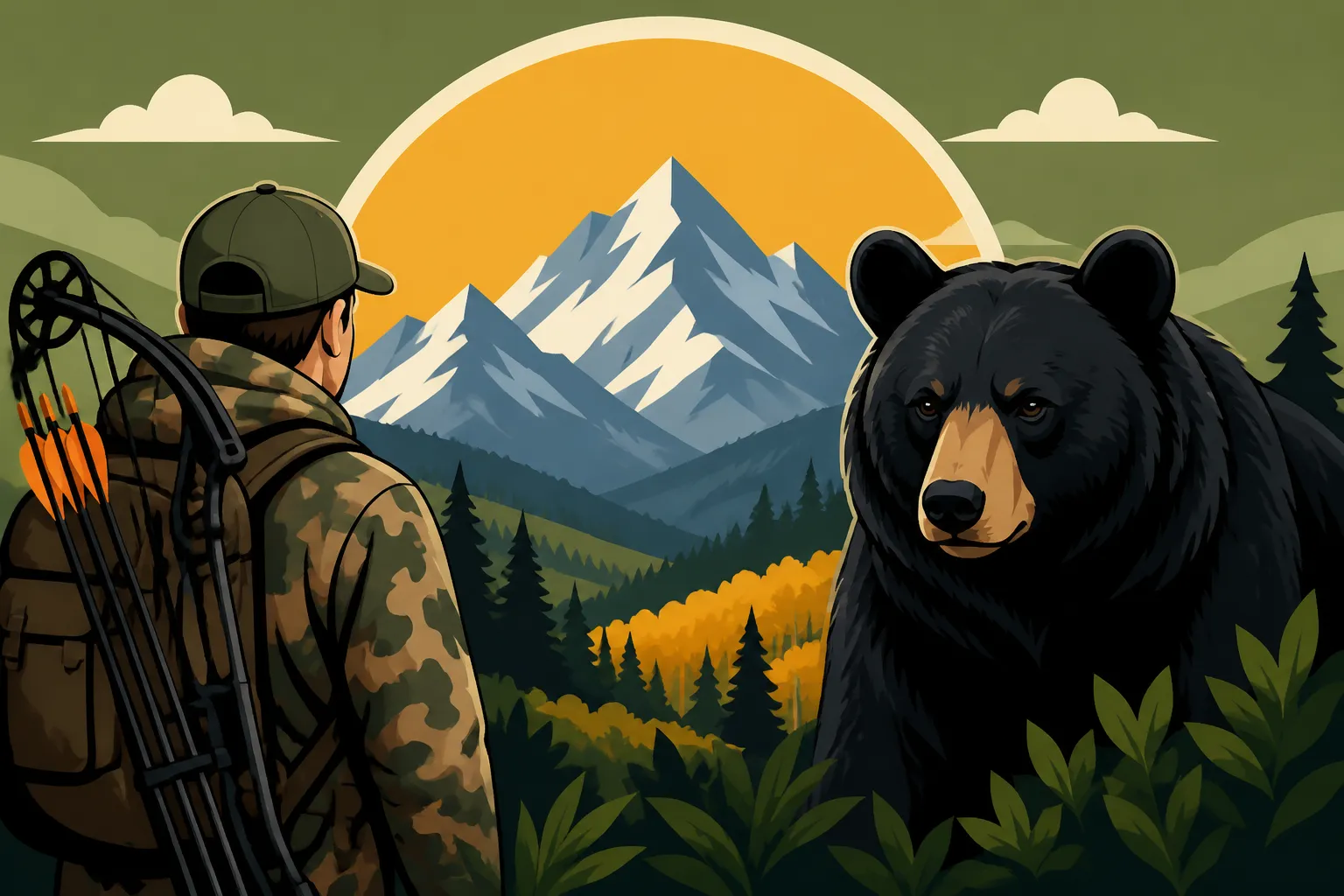
- Setup: A compound bow with a draw weight of 60-70 lbs is standard. Use well-tuned arrows with sharp, durable broadheads designed for deep penetration. Fixed-blade broadheads are generally preferred by many experienced bowhunters for their reliability on heavy-boned animals.
- Practice: Practice shooting at various angles, including uphill and downhill, to mimic mountain hunting scenarios.
- Muzzleloader: Muzzleloader season offers a unique experience, often with fewer hunters afield.
- Setup: A .50 caliber or larger muzzleloader is standard for bear, firing sabots with heavy bullets or solid lead projectiles.
- Practice: Familiarize yourself with loading, cleaning, and shooting your muzzleloader in various weather conditions. Accuracy is paramount, as follow-up shots are slow.
Regardless of your weapon, practice extensively. Knowing your effective range and limitations is crucial for a quick, ethical harvest.
Backpacking and Field Essentials
Colorado's bear country is often rugged and remote. Your pack needs to be ready for anything, from sudden weather changes to the demanding task of packing out a bear. For a deeper dive into what you might need, consulting a Colorado Backcountry Hunting Guide or a Best Backpack for a Colorado Elk Hunt article can provide excellent crossover information, as many items are universal.
- Backpack: A capable hunting backpack, 3500-5000 cubic inches, with an external frame or a sturdy internal frame, is essential. It needs to comfortably carry your gear for the day and be able to haul out heavy meat.
- Layered Clothing System: Mountain weather is notoriously unpredictable. Pack layers including a moisture-wicking base layer, insulating mid-layers (fleece, puffy jacket), and a waterproof/windproof outer shell. Be prepared for sun, rain, and snow in the same day.
- Navigation Tools: GPS device or a smartphone with a reliable hunting app (like onX Hunt), physical map, and compass. Know how to use them, especially in areas without cell service.
- First-Aid Kit: A comprehensive kit for minor injuries, blisters, and emergencies.
- Water and Food: Enough water for the day, plus a water filter or purification tablets. High-energy snacks.
- Knife and Game Bags: A sharp, sturdy knife for field dressing. Quality, breathable game bags (e.g., KUIU or Alaska Game Bags) are essential for protecting meat from dirt and flies.
- Headlamp: For early morning starts or late evening finishes.
- Shelter/Emergency: A lightweight emergency bivy or tarp, fire starter, and signalling mirror can be lifesavers.
- Bear Spray: While you're hunting bears, it's a good idea to carry bear spray, especially in areas with dense vegetation. It's a deterrent, not a weapon. Make sure it's easily accessible.
Navigating the Colorado Black Bear Draw and OTC Options
The Colorado Parks and Wildlife (CPW) draw system can feel like a labyrinth, especially for out-of-state hunters. But with some understanding and strategic planning, you can significantly improve your chances of drawing a coveted black bear tag or finding an over-the-counter (OTC) opportunity.
Understanding the Colorado Draw System for Bears
Colorado uses a preference point system for most limited-draw licenses, including many bear tags. Essentially, the more preference points you accumulate, the better your odds of drawing a tag in subsequent years.
- Preference Points: For bear, you gain one preference point for each year you apply for a limited license and are unsuccessful. These points accumulate and can then be "burned" to draw a more desirable tag. For detailed insight, explore the Colorado Draw System and Preference Points article.
- Application Process: The primary draw application period typically runs from early March to early April. You apply for specific hunt codes (unit, season, and weapon choice). You can apply as an individual or as a group.
- Draw Odds: Each year, CPW publishes draw odds for every hunt code. These odds indicate how many points were required to draw a particular tag in previous years, or the percentage chance of drawing with 0 points. Studying these odds is crucial for deciding which hunt codes to apply for. Many hunters use platforms like GoHunt's Insider service to analyze draw odds and strategize their applications, saving years of trial and error.
- "Leftover" and "Reissued" Tags: After the primary draw, any tags that weren't issued, or were returned, become available. These are often sold on a first-come, first-served basis online or through CPW offices, usually in July or August. These can be golden opportunities, especially for residents, but require quick action.
Over-the-Counter OTC Opportunities and Strategies
While many prime bear tags are draw-only, Colorado does offer some Over-the-Counter (OTC) bear tags, particularly for the archery and sometimes specific rifle seasons, especially during the later rifle seasons.
- Concurrent Seasons: Many OTC bear tags are available to hunters who also hold an elk or deer license in certain units during the archery, muzzleloader, and some rifle seasons. This means you can purchase a bear tag over the counter and hunt for bear while you are hunting for your primary species. This is a very popular option for many hunters looking to expand their opportunities without extra draw applications.
- Unit Specifics: OTC opportunities vary significantly by unit and season. Some units might have OTC bear tags for archery season, but require a draw for rifle season. Always consult the current CPW Big Game Brochure for the exact units and dates where OTC bear tags are available. These regulations can change year to year, so staying current is vital.
- Strategy for OTC: If you're going the OTC route, focus on general units that offer these tags and overlap with good elk or deer habitat. These areas often have higher hunting pressure for deer and elk, but bears will still be present if food sources are abundant. Your scouting and understanding of bear behavior become even more critical to find areas less pressured by other hunters.
Preference Points and Draw Odds
Successfully drawing a desirable limited bear tag in Colorado often comes down to playing the preference point game.
- Building Points: If you're a non-resident or seeking a premium unit, accumulating preference points is usually the long-term strategy. You can apply for a preference point only without applying for a specific tag. This is a low-cost way to build points without committing to a hunt.
- Analyzing Draw Data: Pay close attention to the CPW's annual draw results. They show the minimum and average points required to draw each hunt code. If a unit consistently draws with 0-1 point, it's a good candidate for a quicker draw. If it requires 5+ points, you'll need a longer-term strategy. Tools like GoHunt provide excellent data analysis and predictive models that help hunters make informed decisions about when to apply and when to burn points.
- Hunting the "Fringe" Units: Don't overlook units that might require fewer points or even have OTC options. While they might not be "trophy units," they can still offer excellent hunting opportunities, especially for meat hunters or those looking for their first Colorado bear. Sometimes, the best hunts are found in less-pressured areas that just require a bit more effort.
Field Care and Processing Your Colorado Black Bear
Harvesting a black bear is a significant accomplishment, but the work isn't over when the animal hits the ground. Proper field care is paramount to ensure the meat is salvageable and the hide and skull are preserved for taxidermy or skull cleaning. Bears can spoil quickly, so efficiency is key.
Field Dressing and Quartering a Bear
Bears have a thick layer of fat and dense fur, which acts as excellent insulation. This means their body heat dissipates slowly, increasing the risk of spoilage, especially in warmer early fall conditions. Immediate and thorough field dressing is critical.
- Move to Shade: If possible, move the bear to a shaded area immediately after recovery. Even a few degrees difference can help slow spoilage.
- Field Dressing:
- Lay the bear on its back. Make a shallow cut from the sternum to the pelvis, being careful not to puncture the intestines.
- Cut around the anus and carefully sever the rectum.
- Reach into the chest cavity, sever the trachea and esophagus, and pull out the organs. Roll the bear onto its side to drain any blood.
- Prop the cavity open with sticks or an empty water bottle to allow for airflow, cooling the carcass faster.
- Skinning: For bears, skinning the animal in the field is almost always necessary to allow the meat to cool.
- You can either skin it completely or perform a "gutless method" to remove the quarters and backstraps with the hide still mostly on, then remove the hide from those parts later.
- If you're keeping the hide for taxidermy, make sure to follow specific trophy care cuts (a "rug" cut down the belly and around the paws, or a "lifesize" cut with specific measurements). Consult your taxidermist beforehand if this is your goal.
- Quartering: Once skinned, quarter the bear. Remove each leg at the joint and separate the backstraps and tenderloins. Removing the skull and keeping the sex organs attached to the hide is a requirement for check-in. The process for quartering a bear is quite similar to large ungulates, so general knowledge from something like How to Quarter an Elk in the Field is directly applicable.
Handling Bear Meat Safely
Bear meat, when properly handled, is delicious and can be a fantastic table fare. However, there are unique considerations, particularly regarding trichinosis.
- Rapid Cooling: After field dressing and skinning, get the meat cooled down as quickly as possible. This means getting it into game bags and ideally into a cooler with ice, or at least hung in a shaded, airy spot if you're in the backcountry. Good quality game bags are crucial for protecting the meat from flies and debris while allowing it to breathe.
- Trichinosis: Black bears can carry Trichinella parasites, which cause trichinosis in humans if the meat is consumed raw or undercooked. Always cook bear meat thoroughly to an internal temperature of at least 160°F (71°C). Freezing does not reliably kill trichinella in bear meat, so cooking is the only safe method.
- Meat Care in the Backcountry: If you're deep in the backcountry, getting the meat off the bone (deboning) can reduce weight and help it cool faster. Hang meat in game bags in the shade, off the ground, and away from potential scavengers. Pack it out as quickly as safely possible. For longer hunts, plan for a pack-out strategy that includes ice chests at the trailhead.
Skull and Hide Care for Taxidermy
If you plan to have your bear mounted or keep the skull, proper care in the field is critical.
- Skull: To save the skull, remove all meat and brain matter as thoroughly as possible. You can boil it (though this can damage teeth if not done carefully), macerate it, or simply freeze it for your taxidermist or a specialized skull cleaner. Ensure the lower jaw remains attached if required by CPW for species identification during check-in.
- Hide: For a rug or a life-size mount, skinning carefully is essential. Make the appropriate cuts as instructed by your taxidermist.
- Fleshing: Remove as much fat and meat as possible from the hide. The fatty layer on a bear hide is thick and prone to spoilage.
- Salting: Thoroughly salt the hide with non-iodized salt (fine-grain is best). Rub it into every crevice, especially around the face, ears, and paws. Roll it up and let it drain for 24 hours, then scrape off the old salt and reapply fresh salt. Repeat this process until the hide is dry and stiff.
- Cooling/Freezing: If you can't salt it immediately, freeze the hide as soon as possible. Roll it up, skin-side out, and place it in a heavy-duty trash bag before freezing. This will buy you time until you can properly flesh and salt it or get it to a professional tanner.
- CPW Check-in: Remember, you must present the hide and skull (with evidence of sex attached to the hide) at a CPW check station or designated personnel within five days of harvest. This is a mandatory step for every lawfully harvested bear in Colorado.
Proper field care is a sign of respect for the animal and ensures that you can enjoy the fruits of your labor, whether it's delicious bear meat or a treasured trophy.
Disclaimer
Please remember that hunting regulations, season dates, and unit boundaries can change. Always consult the most current Colorado Parks and Wildlife (CPW) big game regulations brochure before planning and embarking on any hunt. This guide is for informational purposes only and does not supersede official CPW regulations.