Colorado Fall Bear Season and Tags
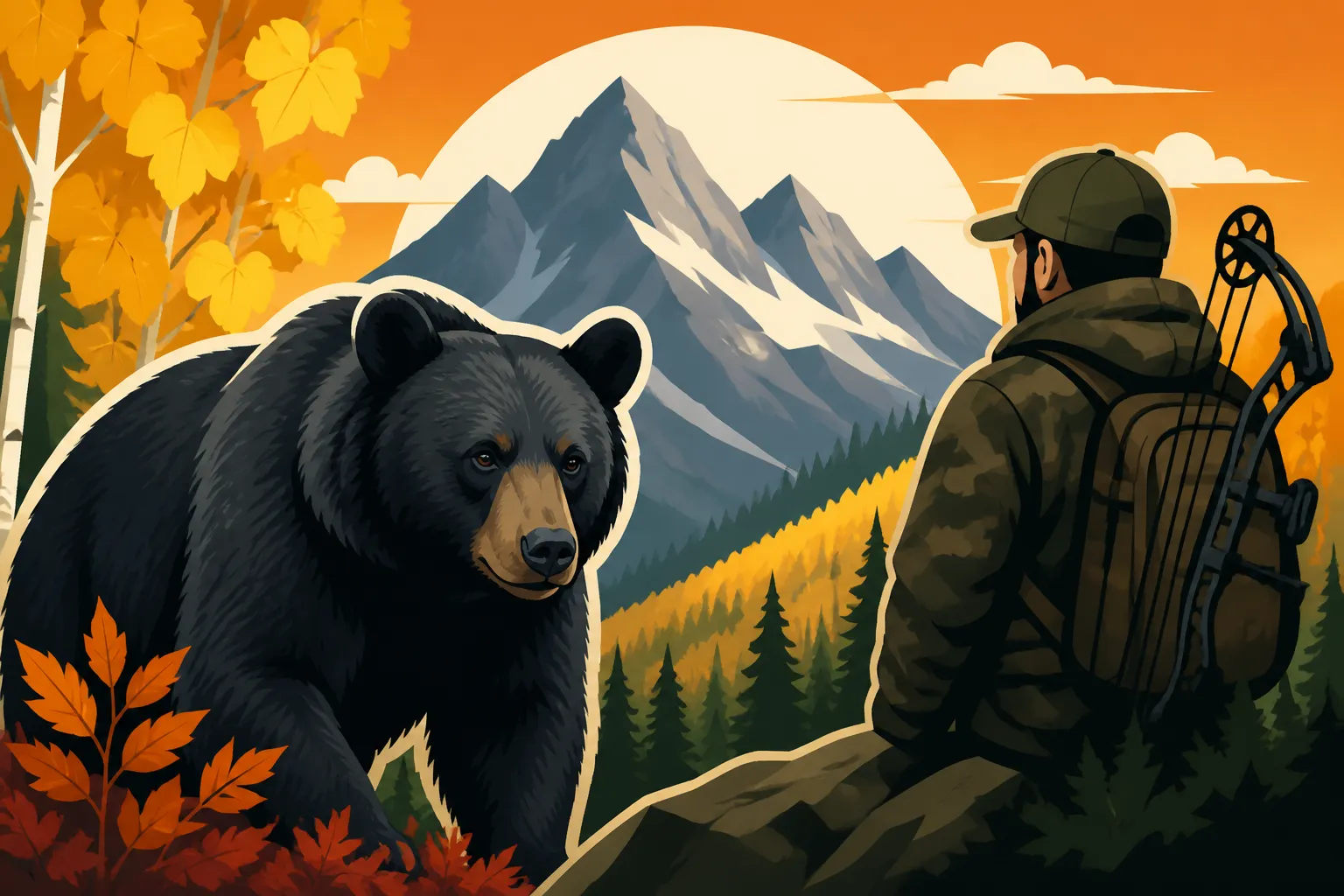
The crisp mountain air of autumn in Colorado brings with it the excitement of big game hunting, but for many, the idea of adding a fall bear tag to the mix can feel like navigating a complex maze of regulations and overlapping seasons. It’s totally understandable to feel a bit overwhelmed when trying to figure out how to successfully pursue black bears while also planning for elk or deer. This comprehensive guide is here to untangle the nuances of Colorado's fall bear season, helping you understand the tags, seasons, and strategies to make your hunt both legal and successful.
Understanding Colorado's Fall Bear Season Structure
Colorado’s fall bear season isn't just a standalone event; it's intricately woven into the state's broader big game hunting calendar. This unique structure offers incredible opportunities but also requires careful planning to ensure you're hunting within the legal framework.
Overlapping with Big Game Seasons and List B Tags
One of the most appealing, and sometimes confusing, aspects of Colorado's fall bear season is its overlap with archery, muzzleloader, and rifle seasons for elk and deer. Unlike some states where bear hunting might be a dedicated pursuit with its own distinct periods, here in Colorado, a significant portion of the fall bear season runs concurrently with other popular big game hunts. This means many hunters will carry a bear tag in their pocket as a secondary, opportunistic harvest while primarily targeting elk or deer. It’s a fantastic bonus, but it requires you to be familiar with the regulations for both species.
The most common way to hunt bear in the fall is by purchasing a "List B" bear license. What exactly does "List B" mean, though? Essentially, it’s a secondary license you can purchase in addition to your primary big game license (like an elk or deer tag). It allows you to harvest a bear during the same season you’re hunting your primary species, provided the bear season is open in that Game Management Unit (GMU) and for that weapon type. Think of it as an add-on that maximizes your time in the field. This system makes it incredibly convenient for hunters who are already in bear country pursuing other animals, giving them an extra opportunity without needing to dedicate a separate trip. However, it also means you need to be acutely aware of the specific bear season dates for each weapon type and GMU, as they don't always perfectly mirror the elk or deer seasons. For a broader overview of hunting periods, check out our comprehensive guide on Colorado Hunting Seasons Explained.
Key Dates and Regulations for Fall Bear Hunting
While the general fall bear season aligns with big game rifle seasons (first, second, third, and fourth rifle), as well as archery and muzzleloader seasons, the exact dates can shift slightly year to year. It's absolutely critical to consult the most current Colorado Parks and Wildlife (CPW) hunting regulations brochure, which is usually published annually, typically in April. This brochure will detail the specific start and end dates for fall bear hunting, broken down by weapon type (archery, muzzleloader, rifle) and individual GMUs.
For instance, archery bear season often opens earlier in the fall, running alongside archery elk season, sometimes starting as early as September 2nd and continuing through September 30th. Muzzleloader bear season typically aligns with the muzzleloader elk season in mid-September. Then, the rifle bear seasons often mirror the four limited rifle seasons for elk and deer, with specific start and end dates for each. Some GMUs might have bear seasons that extend slightly beyond the general rifle seasons, particularly for archery, allowing for additional opportunities. Always verify the specific dates for your chosen GMU. Ignoring these dates could lead to a hefty fine and loss of hunting privileges, so take the time to read the regulations cover-to-cover. This is where tools like GoHunt can be incredibly helpful, as they often compile and present this complex data in an easily digestible format, allowing you to quickly cross-reference season dates with specific GMUs.
Navigating Colorado Bear Tags: The Draw and Over-the-Counter Options
Understanding Colorado's bear tag system is often the biggest hurdle for new and even experienced hunters. It's not as straightforward as just buying a tag, so let's break down the options.
Limited Draw vs. Over-the-Counter (OTC) Availability
When it comes to bear tags in Colorado, you generally have two paths: the limited draw or over-the-counter (OTC) options, though the vast majority of fall tags are OTC as List B licenses. For a small number of specific GMUs or seasons, Colorado does offer "limited" bear tags that must be applied for through the primary big game draw system. These tags are highly sought after and usually require preference points to draw, similar to a coveted elk or mule deer tag. These limited tags are "List A" licenses, meaning they are a primary license and you hunt specifically for bear. If you're eyeing one of these premium units, you'll need to submit your application by the primary draw deadline, typically in early April. Navigating the draw system can be daunting, but our guide on the Colorado Draw System and Preference Points can help you understand the mechanics.
However, for most hunters, the over-the-counter (OTC) route is the way to go for fall bear. These are almost exclusively "List B" tags. This means you don't need to apply in the draw; you can simply purchase them directly from CPW or a licensed vendor. The beauty of the OTC List B tag is its flexibility: it can be added to an existing limited or OTC elk or deer license. This is where GoHunt shines for researching these opportunities, as they often provide excellent filtering capabilities to see which units offer OTC bear tags that align with your primary hunt. The availability of OTC tags is usually widespread across most of Colorado's bear-occupied units, making it an accessible option for many hunters.
List B Tags and How They Work
Let's dive deeper into the mechanics of the List B bear tag, as this is what most fall bear hunters will be utilizing. A List B license means that you can buy it in addition to a primary big game license (which is a List A license). You can actually purchase up to two List B bear licenses per year, which is incredible! This essentially means you could potentially harvest two bears in a single hunting season if you're lucky enough and have the appropriate primary licenses. For example, if you draw a limited rifle elk tag, you could purchase a List B bear tag to go with it for that season. If you then decide to hunt OTC archery elk later in the season, you could purchase a second List B bear tag for that archery period.
The cost for these tags is also generally more affordable than a primary List A tag, especially for residents. For non-residents, while still an investment, it offers a fantastic opportunity to extend your hunting experience. The key constraint is that a List B bear tag is tied to an open big game season in the specific GMU you are hunting. So, if you're hunting elk during the 2nd rifle season in GMU 43, your List B bear tag is only valid for bears in GMU 43 during that 2nd rifle season. If you only have a deer tag, you can only hunt bear during the open deer season dates in that unit. This nuanced system allows for excellent combo hunting opportunities, but it demands attention to detail regarding season dates and unit boundaries.
Non-Resident Considerations for Bear Tags
For our non-resident friends, the appeal of a Colorado fall bear tag is undeniable, especially when combined with an elk or deer hunt. While the process of obtaining a bear tag is largely the same—applying for limited List A tags in the draw or purchasing OTC List B tags—there are some specific considerations. First, the cost of a non-resident bear license is significantly higher than for residents, reflecting the general pricing structure for all big game in Colorado. A non-resident List B bear tag is still a worthwhile investment, typically ranging from $100-200, which is significantly less than an elk or deer tag.
Second, while non-residents are eligible for OTC List B tags, they still need a primary big game license (either drawn or OTC) to accompany it. If you're a non-resident planning an OTC elk hunt, you'll definitely want to read our guide on Colorado Non-Resident Hunting License Guide to cover all your bases. There are no special quotas or restrictions on non-residents purchasing List B bear tags beyond the general requirement of having a valid hunting license and a primary big game tag. This makes Colorado a popular destination for non-residents looking to add a bear to their western hunting adventure, particularly since baiting and hound hunting are not permitted, leveling the playing field for all hunters pursuing bears ethically.
Essential Considerations for a Successful Fall Bear Hunt in Colorado
Once you've got your tags sorted, the real work (and fun!) begins. Hunting bears in Colorado's rugged fall landscape requires understanding their behavior, employing smart hunting methods, and having the right gear.
Habitat and Bear Behavior in Autumn
Colorado black bears are omnivores, and their autumn behavior is largely dictated by food availability as they prepare for hibernation. This is called hyperphagia, where they are actively seeking and consuming huge amounts of calories. In the fall, bears will key in on mast crops like acorns, serviceberries, chokecherries, and various other berries and nuts. They also forage for roots, grasses, and insects. A significant part of their diet can also come from opportunistic scavenging, including deer or elk carcasses.
What does this mean for hunters? Bears will be found in areas with dense patches of these food sources. This often means south-facing slopes in earlier autumn that receive more sun, promoting berry growth, and then shifting to oak brush stands or dense timbered areas (particularly north-facing slopes) where acorns might be dropping. Look for tell-tale signs: scat filled with berry seeds, torn-up logs from searching for grubs, and fresh tracks. Areas near drainages and water sources, especially those with good cover, are also prime locations. Bears are creatures of habit when it comes to food, so once you locate an area with abundant forage, focus your efforts there. If you're specifically hunting bears, knowing Colorado Black Bear Behavior will give you a significant advantage.
Hunting Methods and Strategies
In Colorado, hunters are restricted to fair chase methods; baiting and hunting with dogs are strictly prohibited. This means you'll primarily be employing spot-and-stalk or still-hunting tactics, much like you would for elk or deer.
Spot-and-Stalk: This is incredibly effective, especially in open country or areas with varied terrain where you can get a high vantage point. Using good quality optics, like those discussed in our Best Optics for Colorado Big Game guide, is paramount. You'll spend hours glassing known food sources, open hillsides, and timber edges, especially during the early morning and late evening when bears are most active. Once you spot a bear, the real challenge begins: planning your approach using terrain features and wind direction to get within shooting range undetected. This method is heavily reliant on patience and keen observation. If you're looking for detailed guidance on this, our article on How to Spot-and-Stalk Colorado Bears offers valuable insights.
Still-Hunting: This involves moving slowly and deliberately through timbered areas, stopping frequently to glass and listen. It's particularly useful in dense forest where long-range glassing isn't possible but you suspect bears are feeding or bedding. Focus on areas with signs of bear activity, like fresh tracks or overturned rocks. The key here is stealth; bears have an incredible sense of smell and hearing, so move against the wind and pay close attention to every sound and movement.
Many hunters will combine their bear hunt with their primary elk or deer hunt. This means you're often covering a lot of ground in prime big game habitat, which often overlaps with bear country. Carrying a bear tag as you pursue elk during the rut can lead to exciting encounters. Scouting for your primary species before the season by utilizing tools like GoHunt's mapping features to identify potential bear food sources and travel corridors can drastically increase your chances. This "opportunistic" approach is what makes fall bear hunting so accessible and thrilling in Colorado.
Gear and Preparation Specifics for Bear
While much of your gear for a fall bear hunt will overlap with your standard elk or deer hunting setup, there are a few bear-specific considerations.
Optics: Beyond your primary binoculars and spotting scope for spotting bears at a distance, a good rangefinder is crucial. Bears can be difficult to field judge for size and distance, especially when they're moving through brush.
Scent Control: Bears have an incredibly keen sense of smell. While complete scent elimination is a myth, minimizing your human odor is vital. Use scent-free detergents for your hunting clothes and consider carrying a wind-checker to constantly monitor wind direction. Playing the wind is more important for bears than almost any other big game animal.
Field Dressing and Packing Out: If you're successful, you'll need to be prepared for the work of field dressing and packing out your bear. Bears, especially larger ones, are substantial animals. You'll need a sharp knife, game bags (synthetic game bags work great for keeping meat clean and cool), and the physical stamina to quarter and pack out the meat and hide. Bear meat, when properly cared for, is delicious, but it can spoil quickly in warmer fall temperatures. Prompt cooling is essential. Our guide on How to Pack Out an Elk in Colorado offers relevant advice on field care that can be applied to bears as well, especially regarding bone-out methods. Remember to carry bear spray as a defensive tool, especially if you're hunting solo or in areas with high bear densities. It's an important safety measure, though less common to encounter aggressive bears during fall hunts compared to spring.
| Season Type | Typical Fall Dates (Approximate) | Tag Type (Common) | Primary License Required? | Notes |
|---|---|---|---|---|
| Archery | Sept 2 – Sept 30 (Varies by GMU) | List B OTC | Yes (Archery Elk/Deer) | Longest fall bear season, great combo opp. |
| Muzzleloader | Mid-September (Varies by GMU) | List B OTC | Yes (Muzzleloader Elk/Deer) | Limited duration, specific weapon rules apply. |
| 1st Rifle | Late Oct (Varies by GMU) | List B OTC | Yes (1st Rifle Elk) | Shortest, very limited primary elk tags. |
| 2nd Rifle | Late Oct – Early Nov (Varies by GMU) | List B OTC | Yes (2nd Rifle Elk/Deer) | Most popular rifle combo, many OTC elk units. |
| 3rd Rifle | Mid-Nov (Varies by GMU) | List B OTC | Yes (3rd Rifle Elk/Deer) | Good for combo with limited elk/deer tags. |
| 4th Rifle | Late Nov (Varies by GMU) | List B OTC | Yes (4th Rifle Elk/Deer) | Can be cold, bears may be denning. |
| Limited Draw Tags | As per draw results (List A) | List A Limited | No (Standalone) | Specific units, often require preference points. |
This table provides a general overview, but you must consult the current year's CPW regulations for precise dates, unit restrictions, and specific tag availability.
Hunting black bears in Colorado during the fall is an incredibly rewarding experience, whether it's your primary focus or an exciting add-on to your elk or deer hunt. By understanding the unique season structure, navigating the tag options, and preparing for the specific challenges of bear hunting, you can significantly increase your chances of success. Remember, patience, persistence, and thorough knowledge of the regulations are your best allies in the Colorado wilderness.
Disclaimer
Please remember that hunting regulations, season dates, and tag availability can change annually. It is your personal responsibility to always consult the most current Colorado Parks and Wildlife (CPW) regulations brochure and official website before planning and executing any hunting trip in Colorado. The information provided here is for general guidance only and should not be considered a substitute for official CPW resources.