Colorado Small Game License Requirement Explained
Hunting in Colorado, especially for the smaller critters, can sometimes feel like navigating a maze of regulations, leaving even seasoned hunters scratching their heads. You might be wondering if that fun afternoon chasing cottontails or flushing grouse even requires a formal license, or if it's just a free-for-all. This guide is here to untangle the nuances of Colorado's small game license requirements, ensuring you're fully prepared and compliant before you step foot in the field.
Understanding Colorado's Small Game License Basics
Before we dive deep into the nitty-gritty, let's get a handle on what Colorado Parks and Wildlife (CPW) actually considers "small game" and why these licenses are in place. It’s easy to assume anything not an elk or deer falls into this category, but there are specific definitions that dictate your license needs.
What Constitutes "Small Game" in Colorado?
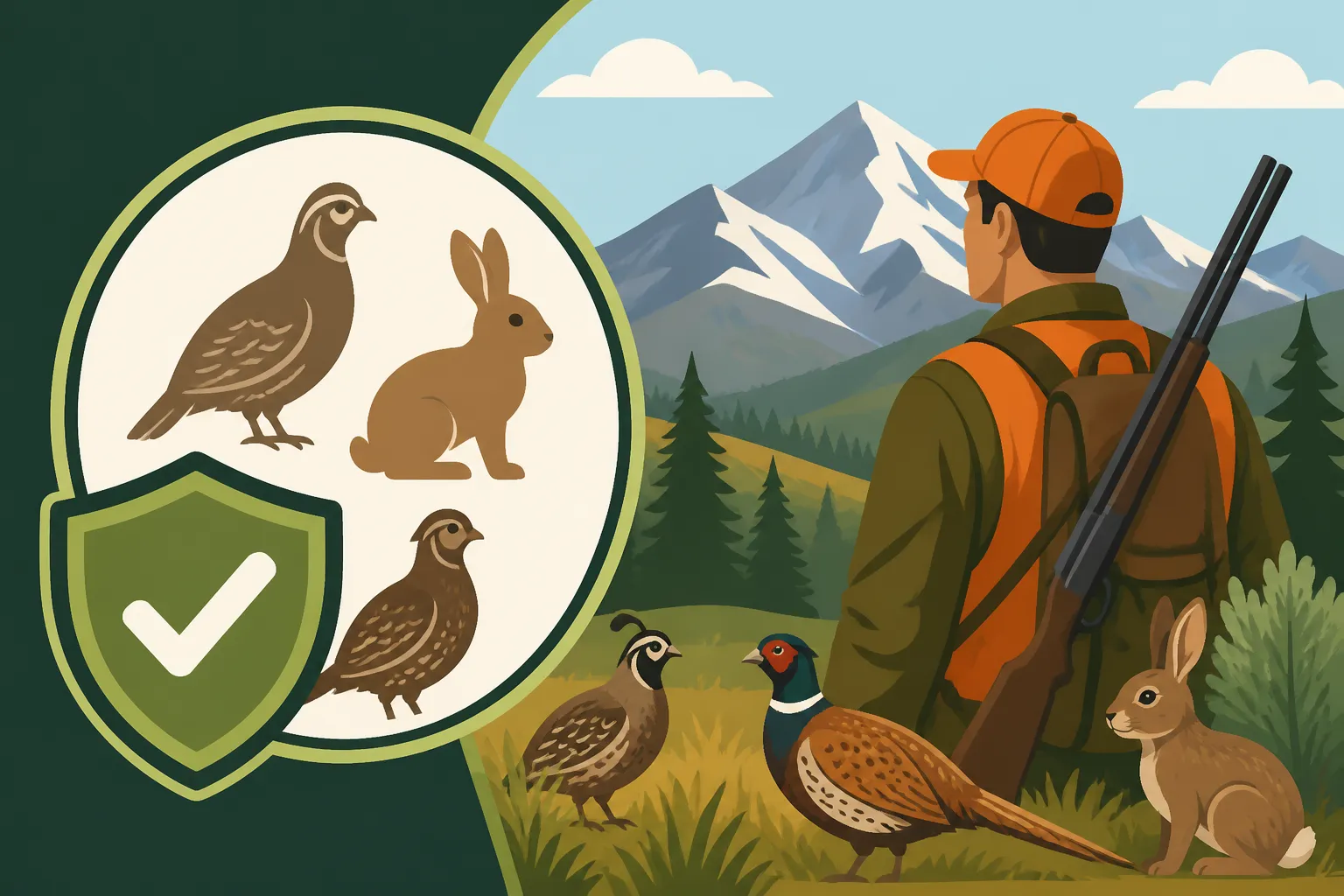
In Colorado, "small game" is a broad term that encompasses a variety of species, from the fast-flushing upland birds to the elusive waterfowl, and even some of the more common furbearers and rodents. It's not just about size; it's about classification. Generally, this includes:
- Upland Game Birds: Think pheasants, grouse (like dusky grouse or ptarmigan, which you can learn more about in the detailed guide on Colorado Dusky Grouse Hunting and Colorado Ptarmigan Hunting), quail, and chukars. These are often pursued in diverse habitats, from agricultural fields to high alpine tundra.
- Waterfowl: Ducks, geese, and coots all fall under this umbrella, requiring specialized federal stamps in addition to your state small game license.
- Rabbits and Hares: Cottontails and jackrabbits are popular targets, offering accessible hunting opportunities, often close to home. You can find more specific info on Colorado Cottontail and Jackrabbit Hunting.
- Squirrels: Both tree squirrels and ground squirrels (excluding prairie dogs, which are often considered varmints and have different rules) are fair game.
- Furbearers: While some furbearers like coyotes and Richardson's ground squirrels might have year-round seasons or no license requirements for specific methods (like hunting), others like red fox, snowshoe hare, and bobcat usually require a small game license or specific furbearer tags if trapping. It’s crucial to check the specific regulations each year for these species, as they can sometimes change or have unique stipulations.
What's not small game? Anything designated as big game (elk, deer, pronghorn, bear, moose, mountain lion, sheep, goat) or furbearers hunted under specific trapping licenses. Don't assume. Always consult the official CPW regulations.
Who Needs a License and Why?
The short answer is: almost everyone who intends to hunt small game in Colorado needs a license. The "why" behind it is fundamental to wildlife conservation. The funds generated from license sales go directly to supporting Colorado Parks and Wildlife's efforts in managing wildlife populations, maintaining habitats, conducting research, and enforcing regulations. Without these funds, the vibrant hunting opportunities we enjoy today simply wouldn't exist.
Imagine a world where anyone could just go out and hunt whatever they wanted, whenever they wanted, without any oversight. It wouldn't take long for populations to dwindle, habitats to be overstressed, and the joy of the hunt to disappear. Your license is more than just a piece of paper; it's your contribution to keeping Colorado's wild heritage alive and thriving. This applies to both residents and non-residents, though the costs and some nuances differ significantly for non-residents, which we’ll cover in more detail later.
Specific Requirements and Additional Stamps
Getting your small game license is typically straightforward, but there are a few extra pieces of paper or digital registrations you might need, depending on what you're targeting. Missing these can turn a successful hunt into a costly violation, so pay close attention.
Annual Small Game vs. Combo Licenses
CPW offers a couple of popular options when it comes to small game licensing, and choosing the right one often depends on your other outdoor pursuits.
- Annual Small Game License: This is your basic, bread-and-butter license specifically for hunting small game species. It's valid for the license year, which typically runs from April 1st through March 31st of the following year. This is what most dedicated small game hunters will opt for if their activities are limited to just hunting.
- Small Game & Fishing Combo License: For those of us who enjoy wetting a line as much as we love chasing pheasants, the combo license is often a more economical and convenient choice. It bundles your annual small game hunting privileges with an annual fishing license into one purchase. This can save you a bit of money compared to buying both separately, and it means one less piece of paper (or digital record) to keep track of. If you're planning on any fishing trips in Colorado, even just a casual afternoon, this option is definitely worth considering. You can find out more about the general costs in Colorado Hunting License Costs.
Remember, regardless of whether you choose the standalone small game or the combo license, you'll still need to carry proof of it while hunting. This could be a physical license, a printout, or a digital version on your phone, as long as it's readily accessible.
The Mandatory Habitat Stamp
Here's one that often catches new hunters, and even some veterans, off guard: the Colorado Habitat Stamp. This isn't just an optional add-on; it's a mandatory requirement for nearly anyone participating in hunting or fishing activities in Colorado.
The Habitat Stamp helps fund critical wildlife habitat conservation efforts across the state. Think of it as a small investment in the future of the very places you love to hunt and fish. Without healthy habitats, there are no healthy wildlife populations. The good news is, you only need to purchase one Habitat Stamp per person per license year, regardless of how many different hunting or fishing licenses you buy. So, if you're getting a small game license and then decide to apply for a Colorado Mule Deer Hunting Guide tag, you won't need a second stamp.
However, there are a few exemptions. For example, individuals under 18 years of age or over 65 years of age are exempt from the Habitat Stamp requirement. Also, anyone purchasing a one-day or five-day fishing license is exempt. For everyone else, including those purchasing an annual small game license, it's a non-negotiable part of the package. Don't forget it! This is something often missed, leading to frustrating fines if you're checked in the field.
Federal Duck Stamps and HIP Registration for Waterfowl
If your small game pursuits involve migratory waterfowl – ducks, geese, swans, coots, and even some cranes – then your state small game license and Habitat Stamp are just the beginning. You'll need two additional items:
- Federal Migratory Bird Hunting and Conservation Stamp (Federal Duck Stamp): This is a federal requirement for anyone 16 years of age or older hunting migratory waterfowl. It's a physical stamp, usually purchased at post offices, sporting goods stores, or online through the U.S. Fish & Wildlife Service. A significant portion of the funds from Federal Duck Stamp sales goes directly to conserving wetlands and other critical waterfowl habitats across the country. It's one of the most successful conservation programs out there. You must sign your stamp across the face to validate it before hunting.
- Harvest Information Program (HIP) Registration: This is a federal program that requires all migratory bird hunters (including waterfowl, dove, snipe, rails, woodcock, and sandhill crane) to register annually with their state wildlife agency. It's typically free and can be done quickly online through the CPW website or at a license agent. The HIP registration collects basic information about your previous year's hunting activities, which helps the U.S. Fish & Wildlife Service gather data to manage migratory bird populations effectively. It's an essential step, and often overlooked. Even if you only plan to hunt doves for one afternoon, you need to be HIP registered.
Failing to have a valid Federal Duck Stamp or HIP registration when hunting migratory birds can result in significant fines. It's always better to double-check these federal requirements before heading out.
Exemptions and Special Considerations
While the general rule is "everyone needs a license," there are specific scenarios and demographics that have different requirements. Understanding these can save you a headache, or clarify if you're one of the lucky few with an exemption.
Youth Hunters and Age Requirements
Colorado is keen on encouraging the next generation of hunters, and its regulations reflect that with specific provisions for youth.
- Under 12 Years Old: Children under the age of 12 are generally exempt from needing a small game license. However, they must be accompanied by a licensed adult hunter who is at least 18 years old. This adult must also be properly licensed and possess all necessary stamps. This provides a fantastic opportunity for parents or mentors to introduce youngsters to the sport safely and legally.
- 12-17 Years Old: Hunters in this age bracket are required to purchase a small game license. However, they are exempt from the mandatory Habitat Stamp. This helps keep costs down for young hunters, making it more accessible. They still need to abide by all other regulations, including specific species stamps (like the Federal Duck Stamp if hunting waterfowl) and HIP registration. For a deeper dive into how this works, check out our guide on Colorado Youth Hunting License Rules.
- Hunter Education Requirement: Any person born on or after January 1, 1949, must complete a hunter education course before they can purchase a Colorado hunting license. This applies to small game hunters too. This vital program ensures hunters understand safety, wildlife conservation, and ethical hunting practices. If you're new to hunting or haven't taken the course, this is a prerequisite you can't skip.
Landowners and Private Land Privileges
Many hunters assume that if they own land, they can hunt whatever they want on it, whenever they want. While private landownership does grant some unique privileges, it doesn't automatically negate all licensing requirements for small game.
- Hunting on Your Own Land: As a Colorado resident landowner (or lessee), you can hunt small game on your own private land without a state small game license if you are hunting certain species, typically rabbits, hares, coyotes, prairie dogs, and certain other small mammals, and only if the hunting is done by you, immediate family members, or employees of the landowner. This exemption does not extend to migratory birds, upland game birds (like pheasants or grouse), or furbearers that require specific tags or seasons. For those species, a small game license is still required.
- Invitations on Private Land: If you are invited to hunt small game on private land you do not own, you absolutely need to have all the required licenses and stamps, just as if you were hunting on public land. The private land access simply gives you a place to hunt; it doesn't exempt you from licensing. It's also always good practice to carry written permission from the landowner, even if not legally required in all cases, to avoid any potential misunderstandings.
Non-Residents: What You Need to Know
Colorado is a popular destination for non-resident hunters, and small game offers a fantastic, often less expensive, way to experience hunting in the state compared to big game draws. However, non-resident fees are higher, and you need to be just as diligent, if not more so, about understanding the requirements.
- Higher Costs: Non-resident small game licenses are significantly more expensive than resident licenses. This difference reflects the state's resource management costs and the preference given to residents who contribute to the state's tax base year-round. You can find detailed breakdowns of these costs in our Colorado Non-Resident Hunting License Guide.
- All Requirements Apply: Beyond the higher fee, all the other requirements we've discussed apply equally to non-residents. This includes the mandatory Habitat Stamp (unless exempt by age), Federal Duck Stamp for waterfowl, and HIP registration for migratory birds.
- No Special Exemptions: Non-residents hunting on private land also need a small game license. There are no "landowner privileges" for non-residents on land they don't reside on, even if they own it.
It's critical for non-residents to check the current year's CPW regulations well in advance of their trip. Regulations can change, and fees can be updated. Utilizing resources like the CPW website or platforms like GoHunt can be invaluable for staying current.
How to Purchase Your Small Game License
Getting your small game license in Colorado is designed to be convenient, with several options available depending on your preference.
Online, Retailers, and When to Buy
- Online via CPW Website: The easiest and often preferred method for many is to purchase your license directly through the Colorado Parks and Wildlife website. You can create an account, manage your profile, and buy licenses and stamps from the comfort of your home. After purchase, you can often print a temporary license or save a digital version to your phone, which is acceptable in the field.
- Authorized License Agents: Sporting goods stores, bait shops, and some general merchandise retailers across Colorado are authorized to sell CPW licenses. Places like Sportsman's Warehouse or Bass Pro Shops are reliable options. This is a great choice if you prefer a physical license in hand immediately or if you have questions you want to ask in person. Just be sure to bring your hunter education card (if applicable) and a valid form of identification.
- CPW Offices: You can also purchase licenses directly at CPW offices, though these typically have more limited hours than retailers.
- When to Buy: Colorado's license year runs from April 1st to March 31st. You can purchase your annual small game license any time during this period. Many hunters buy theirs in the spring or early summer, well before fall seasons begin, to ensure they're ready to go. Don't wait until the last minute, especially if you need to also obtain a Federal Duck Stamp or complete HIP registration.
When buying, make sure all your personal information is accurate, especially your residency status. Misrepresenting your residency can lead to severe penalties.
Important Regulations Beyond the License
Having your license is step one, but it's crucial to remember that it's just one piece of the puzzle. Small game hunting, like all hunting, is governed by a comprehensive set of regulations that protect wildlife and ensure fair chase.
Seasons, Bag Limits, and Methods of Take
- Season Dates: Small game seasons vary widely by species and geographic area. For instance, some grouse seasons open in late summer, while pheasant and quail seasons typically start in November. Waterfowl seasons are also complex, with different zones and dates. Always consult the current year's Colorado Small Game and Waterfowl Brochure, available on the CPW website, to confirm exact season dates for the species and units you plan to hunt.
- Bag and Possession Limits: These dictate how many animals of a particular species you can harvest in a single day (bag limit) and how many you can have in your possession at any given time (possession limit, usually two or three times the daily bag). These limits are critical for managing populations and preventing overharvest.
- Methods of Take: Regulations also specify legal methods of take. For small game, this generally includes shotguns, archery equipment, and rimfire or centerfire rifles, but there are specific restrictions. For example, some areas might prohibit centerfire rifles for small game, or there might be gauge restrictions for shotguns when hunting certain birds. Also, using electronic calls might be prohibited for some species. Understanding these rules is paramount. For detailed maps and unit-specific regulations, resources like GoHunt can be incredibly useful for e-scouting and ensuring you're compliant in your chosen hunting area.
- Hunter Orange: While often associated with big game rifle seasons, wearing hunter orange may be required or highly recommended during certain small game seasons, especially when sharing the field with big game hunters. Always check the regulations for your specific season and unit.
Ignoring these additional regulations can lead to fines, confiscation of game, and even loss of hunting privileges. As a responsible hunter, it's your duty to know and follow all rules. Think of your license as your entry ticket, and the regulations as the rules of the game. You wouldn't show up to a baseball game without knowing how to play, right? The same goes for hunting.
Final Thoughts on Small Game Licenses
Navigating Colorado's small game license requirements can seem like a lot, but it's all in place to ensure we have healthy wildlife populations and ethical hunting opportunities for generations to come. From understanding what truly falls under "small game" to remembering that crucial Habitat Stamp and the federal requirements for waterfowl, each piece matters.
So, before you head out this season for some upland bird action or a chase after those elusive bunnies, take a few minutes to confirm you have all your ducks – and your licenses – in a row. A little preparation now can prevent a lot of headaches later, ensuring your time in Colorado's stunning wild landscapes is spent enjoying the hunt, not worrying about compliance.
Disclaimer
This guide is intended for informational purposes only and does not constitute legal advice. While we strive to provide accurate and up-to-date information, hunting regulations are subject to change. It is the responsibility of every individual hunter to consult the most current official Colorado Parks and Wildlife (CPW) regulations and brochures before engaging in any hunting activities. Always verify specific season dates, licensing requirements, bag limits, and methods of take directly with CPW.