Colorado 2nd Rifle Season Dates
Planning a Colorado elk hunt can feel like trying to solve a complex puzzle, especially when you're staring at a calendar full of cryptic season codes and application deadlines. One of the most frequently asked questions revolves around the exact dates for the Colorado 2nd Rifle Season, a period many hunters eye with a mix of excitement and trepidation. This guide is dedicated to demystifying this popular season, helping you understand its typical timing, unique challenges, and how to best prepare for a successful hunt.
Understanding Colorado's Big Game Rifle Seasons
Colorado Parks and Wildlife (CPW) implements a staggered rifle season structure, which can initially seem confusing, but it's designed with specific goals in mind. Unlike some states where all rifle seasons run concurrently, Colorado spreads them out to manage hunter pressure, provide diverse hunting experiences, and optimize harvest rates across various species and units. This means that if you're holding a tag for the 2nd Rifle Season, you'll be out in the field while hunters for the 1st Rifle Season have already wrapped up, and those for the 3rd and 4th are still waiting for their turn.
The Staggered Season Approach
The primary reason for this staggered approach is to distribute hunters throughout the fall, preventing an overwhelming surge of activity in any single week. Imagine if everyone eligible for a rifle tag hit the woods at once – it would be an absolute madhouse, not only for the hunters but also for the wildlife. By spacing out the seasons, CPW aims to provide a more quality experience for hunters while also reducing the stress on elk and deer herds. This also helps mitigate conflicts between different hunting methods, giving archery hunters their dedicated time, followed by muzzleloader, and then the various rifle seasons. It’s a delicate balance, and while it doesn't eliminate all hunter pressure, it certainly helps to manage it. This system also allows wildlife managers to fine-tune harvest objectives by offering different tag numbers and types for each season.
Key Differences Between Seasons
Each Colorado rifle season has its own character, attracting different types of hunters and offering varying opportunities. The first rifle season, typically a shorter, more intense four-day affair, often targets elk that haven't been pushed around much yet, but can be incredibly difficult to draw a tag for. The third and fourth rifle seasons, on the other hand, usually occur later in the fall when winter weather starts to play a significant role. This can mean tougher conditions but also potential migration advantages as elk move to lower elevations. Understanding these nuances is crucial when you're trying to figure out "Colorado Hunting Seasons Explained" and decide which season aligns best with your hunting style and preferences.
The second rifle season often sits in a sweet spot. It's usually a longer season than the first, often nine days, which gives hunters more time in the field. While the peak of the elk rut is typically over by the time 2nd rifle season rolls around, the bulls are still active and often responsive to calling, especially in colder weather. Mule deer are also in play during this season, providing a dual-species opportunity in many units, though deer tags are almost exclusively draw-only. The weather can be a mixed bag, from mild autumn days to full-blown blizzards, making preparation for diverse conditions absolutely critical.
Pinpointing Colorado's 2nd Rifle Season Dates
When you're meticulously planning your Western hunt, getting the dates right is non-negotiable. Missing an application deadline or showing up a week early (or late!) can ruin an entire year of anticipation and preparation. The good news is that Colorado's season dates, while subject to minor tweaks, generally follow a predictable pattern.
Typical Date Range
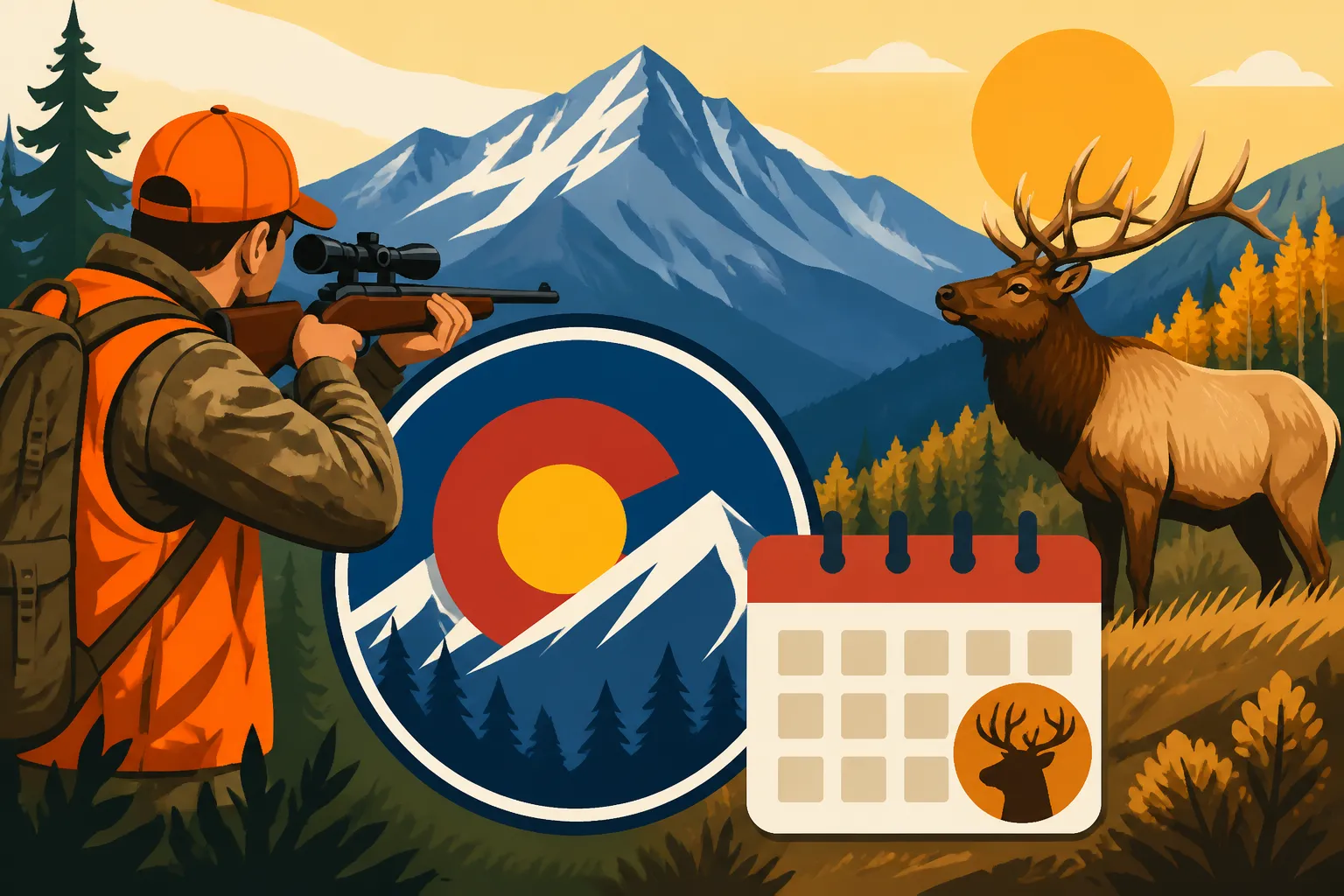
The Colorado 2nd Rifle Season typically kicks off in the latter half of October. While specific dates shift slightly each year based on the calendar, you can generally expect it to begin around the third Saturday of October and run for approximately nine days. For example, in recent years, it has often started around October 21st or 22nd, extending through the end of the month. This timeframe places it after the initial hunting pressure of the 1st rifle season, but usually before the most intense winter snows have truly settled in the high country, though that can certainly vary year to year.
It's important to remember that these are general guidelines. CPW releases the official season dates well in advance, usually by late winter or early spring for the upcoming fall seasons. Always, and I mean always, double-check the current year's official Colorado Parks and Wildlife Big Game Brochure. This document is your bible for all things season-related, including specific dates, unit regulations, and tag details. Don't rely on old information or forum hearsay when thousands of dollars and countless hours are on the line.
Annual Adjustments and Where to Confirm
CPW's five-year season structure plan provides a roadmap, but minor annual adjustments are common, often to align with weekend starts or specific wildlife management objectives. These adjustments are usually very small, perhaps shifting a start date by a day or two, but even that can impact your travel plans. This is why official sources are so vital.
Here's where you can confirm the most up-to-date information:
- Colorado Parks and Wildlife (CPW) Official Website: Their website is the ultimate authority. Look for the current year's Big Game Hunting Brochure, typically found under the "Hunting" section. You can download a PDF version or browse an interactive online version. This brochure will detail all "Colorado Elk Season Dates Guide" as well as for deer, bear, and other species.
- CPW Hunting Mobile App: CPW also offers a mobile app that provides quick access to regulations, season dates, and even offline mapping capabilities, which can be super handy when you're in the field with no service.
- Reputable Hunting Data Platforms: Tools like GoHunt are invaluable for hunters. They aggregate CPW data, provide interactive maps, draw odds, and filtering tools that can save you countless hours of sifting through dense government documents. A platform like GoHunt can visually show you the season dates, allow you to filter by unit, and even help you research draw odds for specific "Colorado Draw System and Preference Points" tags for the 2nd Rifle Season. While not an official source itself, it's an excellent way to quickly access and understand the information published by CPW.
Making a habit of checking these resources early in the year, usually around January or February, ensures you have the most accurate information as you finalize your hunting plans.
Why the 2nd Rifle Season is Popular (and Crowded)
It’s no secret that Colorado is a highly sought-after destination for elk hunters, and the 2nd Rifle Season often bears the brunt of this popularity. While the appeal is undeniable, it also means facing increased competition. If you're planning a DIY hunt, this is a significant factor you'll need to account for.
Post-Rut Potential and Migration
One of the biggest draws of the 2nd Rifle Season is its timing relative to the elk rut. While the screaming bugles of the peak rut (late September into early October) have usually quieted down, elk are still very active. Bulls are often recovering from their strenuous rutting activities and are focused on feeding, making them potentially more predictable. Furthermore, the cooler temperatures and occasional snowfalls that start to characterize late October can initiate early migration patterns. Elk might begin moving from high-elevation summer ranges to lower, more protected wintering grounds. This movement can concentrate animals in specific travel corridors, saddles, or benches, offering strategic ambush opportunities.
Successful hunters during this period often focus on these transition zones, anticipating where elk will move given snow depth and temperature changes. It’s also a time when bulls might be found bachelor grouped again, or small herds of cows and calves are on the move. Don't underestimate the potential for calling either. While not as responsive as during the peak rut, a well-timed cow call or a soft bugle can still pique a bull's interest, especially if you're targeting those post-rut stragglers or satellite bulls. Knowing "How to Call Elk in Colorado" can still be a game-changer, even if the roaring is less frequent.
Weather Considerations
Compared to the brutal cold and deep snow that can define the later 3rd and 4th rifle seasons, the 2nd Rifle Season often offers a more moderate, albeit still variable, weather window. You might experience crisp, clear autumn days with golden aspens, or you could be plunged into a full-blown blizzard overnight. This variability means you need to be prepared for anything, from mild temperatures requiring lightweight layers to heavy snow and sub-zero wind chills that demand your warmest gear.
The benefit of earlier season weather is that it's less likely to completely shut down access to high-country areas, though this is not a guarantee. Roads might still be open that would be snowed in a month later, and game trails might be clearer. However, those early season snows, even if they melt quickly, can leave behind crucial tracking opportunities and make elk movement more discernible. The challenge is being flexible enough to adapt your hunting strategy based on daily weather shifts. Remember, while it might be pleasant down in the valleys, conditions can change dramatically just a few thousand feet higher.
Hunter Numbers and Public Land Pressure
This is where the reality check comes in. Because of the favorable timing and typically longer season length, the 2nd Rifle Season attracts a significant number of hunters, both residents and non-residents alike. If you're hunting "Colorado OTC Elk Tags Explained" on public land, expect company. This heavy pressure can push elk into thicker timber, north-facing slopes, or true wilderness areas where human presence is minimal.
It’s a frustration many hunters face: you scout all summer, find a promising area, only to arrive opening morning and see a dozen other trucks parked along the road. This is not uncommon during 2nd rifle. It means your strategy can't just be about finding elk; it also needs to be about finding elk away from other hunters. This often involves hunting deeper, climbing higher, or targeting areas that are less accessible to the average hunter. Thinking about how to deal with "How to Hunt Public Land Pressure" is paramount during this season. Utilizing e-scouting tools like GoHunt to identify roadless areas or wilderness boundaries can be incredibly helpful in finding those pockets of less-pressured elk.
Navigating the Draw and Tag Availability for 2nd Rifle
The Colorado tag system, with its combination of draw and over-the-counter (OTC) options, preference points, and various unit-specific regulations, can feel like a labyrinth. Understanding how to acquire a tag for the 2nd Rifle Season is often the first, and most challenging, step in planning your hunt.
Draw vs. Over-the-Counter OTC Opportunities
For many of the premier elk units and certainly for most mule deer tags in Colorado, you'll be entering the primary draw system. This is a competitive process where hunters apply for specific hunt codes (unit, species, season, sex) and tags are allocated based on a preference point system or random draw. Good bull elk tags, particularly those in high-success units or units known for trophy animals, almost always require several "How Many Preference Points for Colorado Elk". The same goes for nearly all mule deer tags, regardless of the unit. If your heart is set on a specific, high-demand unit for 2nd Rifle, you likely need to apply in the spring draw.
However, Colorado is unique in that it still offers over-the-counter (OTC) elk tags for specific seasons and units. For the 2nd Rifle Season, these are typically valid for an antlered (bull) elk and are restricted to certain units, often those with abundant public land and high elk populations, but also significant hunter pressure. These "Colorado OTC Elk Tags Explained" are a fantastic opportunity for hunters who are either new to the state, don't have many preference points, or simply want a guaranteed tag without going through the draw uncertainty. The trade-off, as mentioned, is usually higher hunter density. You can literally walk into a license retailer or purchase these online up until the day before the season starts.
Preference Points and Odds
Colorado uses a preference point system to award most limited tags. For every year you apply for a limited tag and are unsuccessful, you accrue a preference point. These points then increase your likelihood of drawing a tag in subsequent years. Tags are awarded to applicants with the most preference points first. For a general 2nd Rifle bull elk tag in an OTC unit, preference points are not a factor, as the tag is available to anyone. But if you’re aiming for a limited unit, or a cow tag, your points will dictate your success.
When researching draw odds, platforms like GoHunt become incredibly powerful. They compile years of CPW draw data, allowing you to see how many points it took to draw a particular hunt code in previous years. This intel is critical for making informed decisions about where to apply and when to "burn" your hard-earned points. For example, some units might require 5+ points for a 2nd Rifle bull tag, while others might be achievable with 1 or 2 points, or even 0 if you get lucky in the random draw. Understanding the difference between a "sure draw" unit (high points required) and a "long shot" unit (many more applicants than tags, low points needed) is key to managing your expectations and building your point strategy.
Leftover and Reissued Tags
Even if you miss the primary draw deadline or are unsuccessful in drawing your desired tag, all hope is not lost. Colorado has a system for leftover and reissued tags that can sometimes present unexpected opportunities for the 2nd Rifle Season.
- Leftover Tags: After the primary and secondary draws are complete, any tags that were not allocated are made available for purchase on a first-come, first-served basis, usually in late July or early August. These are often in units with lower success rates, challenging terrain, or units requiring more effort, but they are still valid tags. Many hunters find success by diligently checking the CPW website on "Colorado Leftover License Day Explained" for these tags, particularly for cow elk or specific deer units.
- Reissued (Turnback) Tags: These are tags that were drawn but later returned by the hunter (e.g., due to an unforeseen conflict or illness). They become available throughout the summer and leading up to the hunting seasons. While less common, it’s worth checking the CPW website regularly, as these can sometimes be for desirable units.
Successfully acquiring a tag for the 2nd Rifle Season, whether through the draw or OTC, is about being informed, strategic, and often, a little bit lucky.
Strategies for a Successful 2nd Rifle Hunt
So, you've got your 2nd Rifle Season tag in hand. Now comes the real work: planning and executing a successful hunt. The terrain, the weather, and the sheer number of other hunters mean you need a well-thought-out strategy to put meat in the freezer.
Pre-Season Scouting and E-Scouting
Preparation is king in Colorado elk hunting, and it starts long before you ever set foot in the unit. "How to E-Scout Before a Colorado Hunt" has become an indispensable tool for modern hunters. Using satellite imagery, topographical maps, and public/private land overlays, you can identify potential elk habitat, travel corridors, bedding areas, and water sources from the comfort of your home. Platforms like GoHunt and OnX Hunt are incredibly powerful for this. Look for:
- North-facing slopes and thick timber: These provide thermal cover and protection from hunter pressure.
- Saddles and ridges: Natural travel routes for elk moving between feeding and bedding areas.
- Water sources: Especially critical in drier units or during warmer parts of the season.
- Roadless areas/wilderness boundaries: Places where elk are likely to escape human disturbance.
Combine this digital reconnaissance with physical scouting if at all possible. A summer trip to your unit can reveal crucial details that maps can't, like fresh sign, game trails, water levels, and the actual density of timber. Even if you can't make a full scouting trip, a short hike into a promising area a few days before the season can provide invaluable, fresh information. Pay attention to "How to Pattern Colorado Elk Movement" in relation to water, feed, and bedding.
Adapting to Pressure and Conditions
As we've discussed, the 2nd Rifle Season can be crowded, especially on easily accessible public lands. Your strategy must include a plan for dealing with this pressure.
- Go Deeper: Many hunters don't venture far from roads or established trails. If you're willing and physically able to "How to Pack Into the Colorado Backcountry", you’ll significantly increase your chances of finding unpressured elk. This might mean a multi-day backpack hunt or setting up a spike camp several miles in.
- Hunt Smarter: Don't just walk roads. Utilize ridges for glassing (especially in the morning and evening), move quietly through timber, and use elevation to your advantage. Hunt during the middle of the day when many hunters are back at camp. Elk don't stop moving, even when other hunters are taking a break.
- Utilize Thermals and Wind: The wind is your biggest ally and enemy in elk country. Understand how thermals work in the mountains – rising in the morning as the sun warms the air, falling in the evening as it cools. Always try to hunt with the wind in your face or across your scent cone. Learning "How to Use Thermals in Colorado Elk Country" is a skill that will pay dividends.
- Be Patient and Persistent: Elk hunting is often a grind. You might walk for miles without seeing an animal. Don't get discouraged. Stick to your plan, adapt as conditions change, and maintain a positive attitude. The mountains are tough, and the elk are tougher.
Gear and Physical Preparation
Colorado's mountains are no joke. The altitude, varied terrain, and unpredictable weather demand meticulous gear preparation and a serious commitment to physical fitness.
- Layered Clothing: Essential for adapting to rapidly changing temperatures. Think moisture-wicking base layers, insulating mid-layers (fleece or puffy jackets), and a waterproof/windproof outer shell. Consider brands known for durability and performance in the mountains like Sitka, Kuiu, or First Lite.
- High-Quality Footwear: Your boots are your most important piece of gear. Invest in comfortable, waterproof, supportive hiking boots that are well-broken in. Nothing ruins a hunt faster than sore feet or blisters.
- Optics: Good binoculars (10×42 or 10×50), a spotting scope, and a rangefinder are crucial for finding elk and judging distances in the vast Western landscape. Look for quality glass from brands like Vortex, Leica, or Swarovski. Read more about "Best Optics for Colorado Big Game".
- Backpack: A comfortable, appropriately sized backpack is essential for carrying your daily essentials and, hopefully, packing out meat. Look for packs with good weight distribution and sturdy frames. Check out "Best Backpack for a Colorado Elk Hunt".
- Physical Fitness: Elk hunting is physically demanding. You'll be gaining and losing thousands of feet of elevation daily at altitudes that can range from 8,000 to 12,000+ feet. Begin a rigorous fitness regimen months before your hunt. Focus on cardio, leg strength, and endurance. Read "How to Physically Prepare for Colorado Elk" for detailed advice. Acclimating to the altitude, even for a few days before your hunt starts, can make a huge difference.
Remember, the right gear doesn't guarantee success, but the wrong gear can almost guarantee failure. Invest wisely and test everything thoroughly before your hunt.
Comparing Colorado Rifle Season Details
To help visualize the differences between the various rifle seasons in Colorado, here's a quick comparison. Keep in mind that specific dates shift annually, so always confirm with the official CPW brochure for the current year.
| Feature | 1st Rifle Season | 2nd Rifle Season | 3rd Rifle Season | 4th Rifle Season |
|---|---|---|---|---|
| Typical Dates | Mid-October (approx. 4 days) | Late October (approx. 9 days) | Early November (approx. 9 days) | Mid-November (approx. 5 days) |
| Primary Species | Elk (primarily limited draw) | Elk (OTC & limited draw), Deer | Elk & Deer (mostly draw) | Elk & Deer (mostly draw) |
| Hunter Pressure | Moderate to High (short, intense) | Very High (popular OTC elk) | Moderate to High | Moderate (often weather-dependent) |
| Rut Activity | Post-peak bugling | Post-rut, some calling possible | Minimal rut activity | Minimal rut activity |
| Weather | Variable, mild to early snow | Variable, often cold/snowy | Colder, increasing snow | Coldest, significant snow likely |
| Migration Potential | Early movement possible | Early to mid-migration likely | Mid to late migration likely | Late migration, winter ranges |
| Tag Availability | Very limited draw | OTC Bull Elk in some units, Draw | Mostly draw, some OTC cow elk | Mostly draw, some OTC cow elk |
| Physical Demands | High | High | Very High (weather dependent) | Extreme (weather dependent) |
This table highlights why the 2nd Rifle Season can be both incredibly appealing due to its OTC opportunities and duration, yet also challenging due to the concentration of hunters. Understanding these trade-offs is crucial for setting realistic expectations and planning an effective strategy.
Conclusion
The Colorado 2nd Rifle Season offers an incredible opportunity to pursue elk in some of the most stunning landscapes in the country. While its popularity means you'll likely share the mountains with other hunters, with the right preparation, knowledge, and a commitment to hard work, it can be a highly rewarding experience. By understanding the typical season dates, utilizing effective e-scouting tools like GoHunt, and committing to physical and mental readiness, you'll significantly increase your chances of success. Remember, Colorado is a land of challenge and reward; embrace both, and you'll come away with more than just a tag in your pocket.
Disclaimer
Hunting is an inherently dangerous activity. This guide provides general information and recommendations. Always consult the official Colorado Parks and Wildlife (CPW) regulations for the most current and accurate season dates, unit restrictions, and licensing requirements before planning any hunt. Conditions in the backcountry can change rapidly, and hunters are responsible for their own safety and adherence to all laws and regulations.