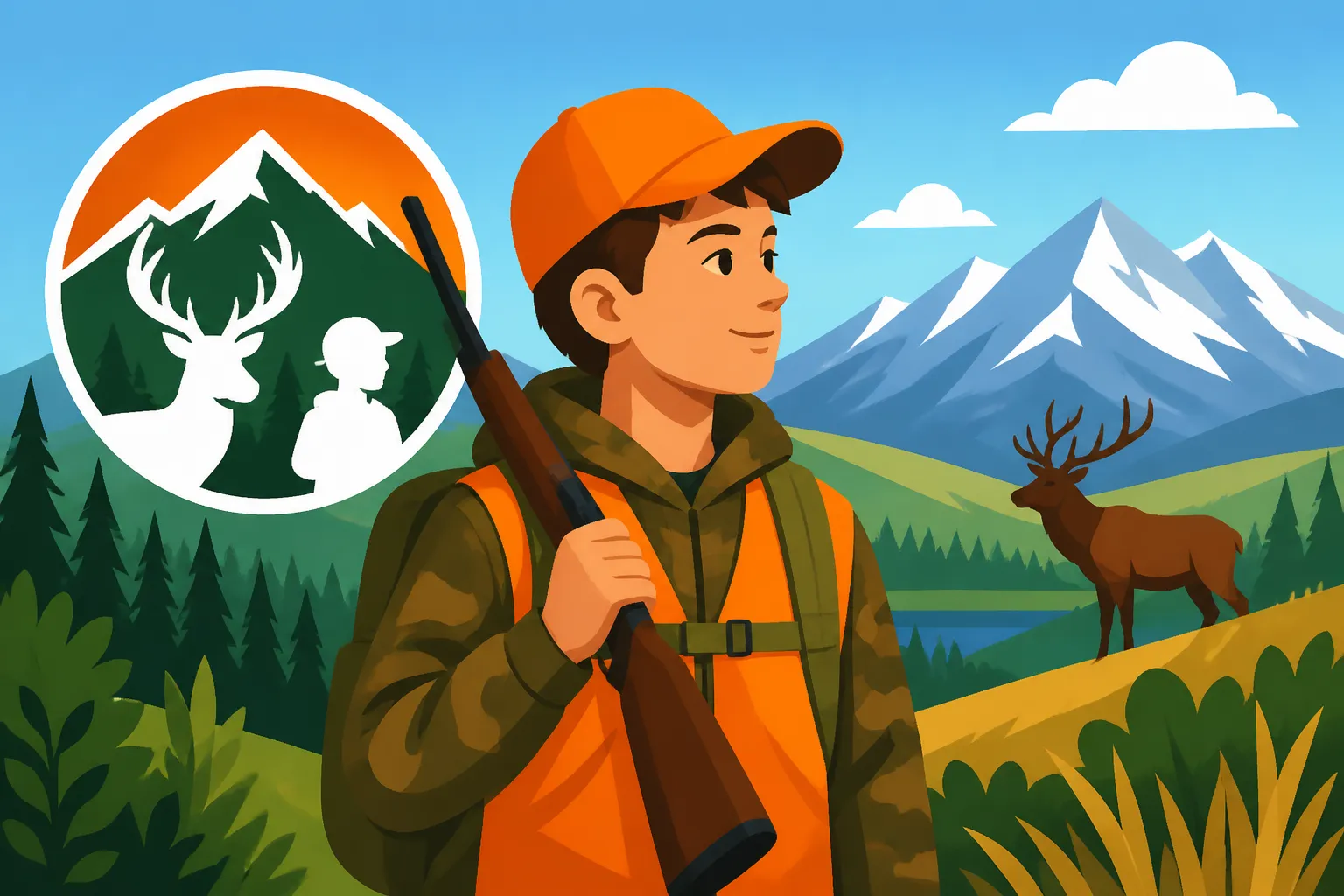
Colorado Youth Hunting License Rules
Navigating the world of hunting licenses and regulations can feel like trying to decipher an ancient scroll, especially when you're a parent trying to introduce your kids to the tradition. The rules for Colorado youth hunting licenses often leave even seasoned hunters scratching their heads, wondering about age limits, required education, and how to get those precious tags without breaking the bank or making a mistake that could cost you a valuable hunting opportunity. This comprehensive guide is here to untangle that knot, providing clear, empathetic, and detailed insights into everything you need to know about Colorado's youth hunting license rules.
The Importance of Youth Hunting in Colorado
There's something truly special about watching a young person experience the wild for the first time, whether it's the thrill of a bugling elk echoing through the mountains or the quiet patience of waiting for a whitetail. Colorado, with its vast public lands and abundant wildlife, offers an unparalleled classroom for these experiences. But beyond the excitement, bringing youth into hunting plays a crucial role in the broader landscape of conservation.
Fostering a New Generation of Conservationists
Let's be honest, hunting isn't just about the harvest; it's about connection, respect, and responsibility. When we take our kids hunting, we're not just teaching them how to stalk a deer or shoot a rifle; we're instilling a deep appreciation for wildlife, habitat, and the outdoors. They learn firsthand about ecological balance, the need for sustainable practices, and how their license fees contribute directly to conservation efforts. This hands-on education is far more impactful than any textbook, transforming them into stewards of the land. They become advocates for healthy ecosystems, understanding that hunting is a tool for wildlife management, not just a recreational pursuit. It's about ensuring future generations have the same opportunities to experience Colorado's wild heritage.
The Unique Opportunities Colorado Offers Young Hunters
Colorado Parks and Wildlife (CPW) recognizes the value of engaging youth and has structured its hunting programs to encourage participation. From over-the-counter (OTC) options to dedicated youth preference points and special hunt codes, there are avenues designed specifically to make it easier for young hunters to get into the field. Imagine a kid drawing their first elk tag through a program that prioritizes youth. These unique opportunities make Colorado an exceptional place for young aspiring hunters to gain invaluable experience, often in units or seasons that would be much tougher for adults to draw. It's not just about tags, though; it's about the entire experience — from learning to e-scout an area with tools like GoHunt to understanding How to Pack Out an Elk in Colorado or simply spending quality time outdoors away from screens. These formative experiences often forge a lifelong passion.
Colorado Youth Hunting License Requirements and Eligibility
So, you've got a eager young hunter ready to hit the field. That's fantastic! But before you start packing your gear and dreaming of a successful hunt, it's absolutely critical to understand the specific requirements they need to meet. Colorado, like most states, has clear rules in place to ensure safety, ethical hunting, and proper wildlife management.
Age Restrictions and Hunter Education Mandates
This is often the first hurdle for many families. In Colorado, there isn't a minimum age to hunt, which is pretty awesome compared to some states! However, anyone born on or after January 1, 1949, including youth, must successfully complete an approved hunter education course before they can purchase a Colorado hunting license. This isn't just a suggestion; it's a legal requirement. These courses, whether taken online with a field day or entirely in person, cover vital topics like firearm safety, wildlife identification, hunting ethics, and game care. Think of it as their foundational training before they can truly participate.
For younger hunters who haven't yet completed hunter education, Colorado offers a fantastic alternative: the Mentored Youth Hunter Program. This program allows hunters aged 10 to 17 who have not yet completed hunter education to hunt under the direct supervision of a qualified, licensed mentor. The mentor must be at least 18 years old, hunter-education certified, and carry a valid Colorado hunting license for the species being hunted. This means a child can literally start experiencing hunting with you as early as age 10, getting real-world experience before they even take the formal hunter education course. This is a game-changer for many families, allowing kids to get hooked on hunting before committing to the full course. It truly enables a gradual introduction to the sport.
Navigating the Application Process for Young Hunters
Once you understand the education requirements, the next step is the application itself. Applying for a Colorado hunting license for a youth isn't drastically different from an adult, but there are nuances. First, every hunter, including youth, needs a Customer Identification (CID) number from CPW. This is their unique identifier in the system. You can get this online through the CPW website. When it comes to the draw, youth can apply for limited licenses just like adults. What's even better, Colorado has specific youth preference points and draw allocations for many species and units. This means a young hunter might draw a desirable tag with fewer preference points than an adult would need. Understanding Colorado Draw System and Preference Points is key here, and platforms like GoHunt can be invaluable for analyzing draw odds specifically for youth-oriented hunt codes.
It's crucial to remember that a youth applying for a draw tag will still need to purchase a qualifying license, such as a small game license or an annual hunting license, before applying. This qualifying license acts as the application fee and ensures they are eligible to participate in the big game draw. Missing this step can invalidate their application, which is a frustration no one wants to experience after painstakingly researching hunt codes. The CPW website offers a step-by-step guide, but sometimes hearing it from someone who's been through it helps demystify the process.
Specific Licenses and Stamps Required
Beyond the primary hunting license, there are a couple of other crucial items your young hunter will likely need. The most significant is the Colorado Habitat Stamp. This stamp is mandatory for anyone aged 18 to 64 purchasing or applying for a Colorado hunting or fishing license. For youth, however, it's slightly different. If your child is under 18, they do not need to purchase a Habitat Stamp for a regular hunting or fishing license. However, if they turn 18 during the license year, or if they are purchasing an annual license that spans their 18th birthday, they will need the Habitat Stamp. It’s always best to check the current CPW regulations as these rules can occasionally shift.
Additionally, if your youth plans to hunt migratory birds, they'll need a Colorado Waterfowl Stamp and a Federal Duck Stamp, regardless of age. For big game, once they've drawn a limited tag or plan to hunt an over-the-counter (OTC) unit, they'll need to purchase the specific big game license for that species (e.g., elk, deer, pronghorn). It's a good idea to create a checklist to ensure all the necessary components are acquired before the season opens. Overlooking a single stamp or license can lead to serious consequences in the field, turning an exciting hunt into a stressful encounter with a wildlife officer.
Mentored Youth Hunting Programs and Opportunities
Colorado truly excels in providing pathways for young people to get involved in hunting, even before they’ve completed their formal hunter education. The Mentored Youth Hunter Program is a shining example of this commitment, offering a unique on-ramp for aspiring young conservationists. This program, along with dedicated youth seasons and the pivotal role of a good mentor, forms the backbone of youth hunting opportunities in the state.
Understanding the Mentored Youth Hunter Program
The Mentored Youth Hunter Program is a fantastic initiative designed to bridge the gap between interest and full participation. It allows youth aged 10 to 17 to experience hunting without first completing a hunter education course. This means a 10-year-old, with proper supervision, can be in the field pursuing big game. The key, however, lies in the "mentor." The mentor must be 18 years of age or older, hunter-education certified, and possess a valid Colorado hunting license for the species being hunted. They must also be in direct physical control of the mentee, meaning they must be close enough to take immediate control of the firearm or archery equipment and must be continuously present and attentive.
This isn't a program where you drop your kid off and pick them up later; it's an immersive, hands-on learning experience where safety and instruction are paramount. The mentor essentially "lends" their hunter education certification and experience to the youth, allowing them to gain practical skills and a feel for hunting. It's a brilliant way to test the waters, see if hunting truly resonates with the child, and build confidence before they commit to the hunter education course themselves. It also places a strong emphasis on the adult's responsibility, ensuring that the introduction to hunting is safe, ethical, and positive.
Dedicated Youth Hunting Seasons and Tags
Beyond the general season opportunities, Colorado also offers specific seasons and tags tailored exclusively for youth hunters. These are often structured to provide less crowded hunting experiences or better odds of success. For example, some units might have a youth-only season for deer or pronghorn that occurs outside the main draw periods, or they might allocate a certain percentage of limited tags specifically to youth applicants. These dedicated opportunities are golden tickets for many families.
To find these specific youth opportunities, you’ll need to delve into the annual Colorado Parks and Wildlife (CPW) big game brochure or use detailed online resources. Platforms like GoHunt are excellent for filtering hunt codes by "youth only" or for analyzing draw odds for tags that historically favor youth applicants due to special allocations. These specialized hunts might include unique hunt codes or be designated with specific stipulations in the season dates. Understanding Colorado Elk Season Dates Guide or Colorado Mule Deer Season Dates and Tags for youth-specific offerings will give your young hunter a significant advantage in drawing a quality tag and having a memorable experience in the field. It’s truly a way CPW encourages the next generation without having them compete directly with the vast pool of adult hunters.
The Role of the Mentor in Youth Hunting
The mentor is more than just a chaperone; they are the primary educator, safety officer, and ethical guide for the young hunter. Their role is multifaceted and critical to shaping a responsible, knowledgeable hunter. Firstly, safety is paramount. The mentor is responsible for teaching and enforcing proper firearm handling, shot placement, and field etiquette. They're also demonstrating patience, perseverance, and respect for wildlife and the land. Imagine walking through the timber, explaining how to move quietly, how to read sign, and how to use the wind to your advantage. These are lessons a mentor imparts.
Furthermore, a good mentor models ethical behavior. This includes fair chase principles, proper game recovery, and making sound decisions in the field – like knowing when to pass on a shot. They also teach the importance of knowing and following all hunting regulations, from license requirements to bag limits and carcass transportation. It’s also about fostering a deeper appreciation for nature, identifying plants and animals, and understanding wildlife biology. A mentor often makes or breaks a young hunter's early experiences, so taking this role seriously is essential for cultivating a lifelong passion for hunting and conservation. It's truly an honor and a significant responsibility.
Financial Considerations and Cost-Saving Measures for Youth Licenses
Let's face it, hunting can be an expensive endeavor, and adding licenses for youth might seem like another dent in the wallet. However, Colorado Parks and Wildlife (CPW) has made significant efforts to keep youth hunting accessible and affordable, understanding that financial barriers shouldn't prevent the next generation from experiencing the outdoors. Knowing where to save money and what to budget for is crucial for any family planning a youth hunt.
Breaking Down Youth License Fees
While the exact numbers can fluctuate slightly year to year, youth licenses in Colorado are generally much more affordable than their adult counterparts. For example, a youth annual small game or fishing license will be a fraction of the cost for an adult. When it comes to big game, the application fee for a limited draw tag for a youth might be the same as an adult's, but the actual tag price if drawn is often significantly reduced. This is a deliberate strategy by CPW to encourage youth participation.
Let's look at a typical breakdown, keeping in mind these are approximate figures and can change.
| License Type | Resident Adult (Approx.) | Resident Youth (Approx.) | Non-Resident Adult (Approx.) | Non-Resident Youth (Approx.) | Notes |
|---|---|---|---|---|---|
| Annual Small Game/Fishing | $30 | $10 | $80 | $20 | Required for draw application eligibility. |
| Annual Combination (Small Game/Fishing) | $50 | $20 | N/A | N/A | Offers flexibility. |
| Habitat Stamp | $11.50 | Not required under 18 | $11.50 | Not required under 18 | Required for ages 18-64 for most licenses. |
| Limited Elk Tag (Bull/Cow) | $500-$700 | $100-$150 | $700-$800 | $100-$150 | After drawing, actual tag cost is significantly reduced. |
| Limited Deer Tag (Buck/Doe) | $300-$500 | $50-$100 | $400-$550 | $50-$100 | After drawing, actual tag cost is significantly reduced. |
| Over-the-Counter (OTC) Elk Tag | $700 | $100-$150 | $700 | $100-$150 | OTC tags are available for youth at reduced rates. |
Note: These prices are estimates and are subject to change by Colorado Parks and Wildlife. Always consult the current CPW regulations for precise figures.
As you can see, the savings, especially on big game tags, are substantial. This allows families to invest more in gear, travel, or even another hunting opportunity for the youth, making the experience more robust and less financially burdensome. For specific details and the most current pricing, always refer to the official Colorado Parks and Wildlife website or their annual hunting brochures.
Leveraging Special Youth Tags and Discounts
Beyond the general reduced rates, CPW often offers specific youth-only tags or special considerations in the draw for younger hunters. This is where strategic planning comes in. When reviewing the annual big game brochure, pay close attention to hunt codes that explicitly mention "youth," "junior," or have specific age restrictions. These tags often have much better draw odds because fewer people are competing for them, or they are allocated specifically for younger participants.
For instance, certain units might set aside a percentage of their limited deer or elk tags for youth hunters, requiring fewer preference points to draw. This is a fantastic way to get your child into a quality hunt much sooner than an adult might be able to. Utilizing resources like GoHunt's draw odds data and filtering capabilities can help you identify these hidden gems. They can help you sift through the complex Colorado Hunt Codes Explained to pinpoint the most viable options for your young hunter, increasing their chances of success without accumulating many preference points over years.
Planning for the Overall Hunt Budget
While license fees are a part of the equation, a realistic overall budget for a youth hunt goes far beyond just the tags. You'll need to consider equipment, travel, food, and potential processing costs. However, many of these can be managed with smart planning.
- Gear: For youth, hand-me-down gear from older siblings or parents can save a ton. You don't need top-of-the-line optics or the latest camouflage for a beginner. Focus on functional, safe equipment. A good pair of broken-in boots, appropriate layers for the weather, and a reliable rifle or bow are priorities.
- Travel and Lodging: Camping is often the most budget-friendly option and adds to the outdoor adventure. Public lands, like those covered in the Colorado National Forest Hunting Guide, offer numerous camping opportunities.
- Food: Pack non-perishables and make meals an experience. Cooking over a campfire can be a highlight of the trip.
- Processing: If successful, plan for the cost of meat processing. Learning How to Quarter an Elk in the Field and doing some butchering yourself can also save a good chunk of change.
By planning ahead, prioritizing needs over wants, and taking advantage of youth discounts, you can make a Colorado youth hunt an incredibly enriching experience without breaking the bank. It's about smart choices and focusing on the adventure, not just the expenses.
Ethical Hunting, Safety, and Responsibility for Young Hunters
Introducing a young person to hunting is about much more than just pulling a trigger; it’s about shaping their character and fostering a deep respect for wildlife and the land. In Colorado’s rugged and beautiful landscapes, these lessons become even more profound. Ensuring a youth understands and adheres to ethical hunting practices, prioritizes safety above all else, and comprehends their legal responsibilities is absolutely paramount.
Instilling Core Hunting Ethics and Fair Chase Principles
The moment a young hunter steps into the field, they are representing the entire hunting community. Therefore, instilling core hunting ethics and the principles of fair chase from day one is non-negotiable. This means teaching them that hunting is not a competition, but an opportunity to connect with nature and obtain food respectfully. Fair chase involves giving the animal a reasonable chance of escape, avoiding undue stress, and using only legal and ethical methods. This includes understanding what constitutes a clean shot, knowing when not to shoot, and prioritizing quick, humane harvests.
For example, when hunting pronghorn on Colorado's eastern plains, a mentor should teach a young hunter the ethical range for their equipment and how to avoid taking shots at running animals, ensuring a clean kill. It's also about demonstrating respect for the animal after the harvest, from proper field dressing and care of the meat to using as much of the animal as possible. These early lessons shape a hunter’s integrity and contribute to the positive public perception of hunting. This foundation of respect, patience, and humility is far more valuable than any trophy.
Crucial Safety Protocols for Youth in the Field
Safety is the absolute cornerstone of youth hunting. There’s simply no room for shortcuts or complacency. Before even heading out, a young hunter needs thorough instruction and practice with their chosen weapon. This includes proper muzzle control, knowing their target and what’s beyond it, and keeping their finger off the trigger until they are ready to shoot. In Colorado's diverse terrain, from dense timber to open sagebrush, different environments present unique safety challenges.
Consider a scenario in the Colorado backcountry: a young hunter needs to understand how to safely navigate steep terrain with a loaded firearm, how to cross fences, and what to do if they get separated from their group. Communication is also vital; establishing clear signals and expectations for movement and target identification. Mentors must constantly supervise, reinforce safety rules, and ensure the youth understands the potential dangers involved. This isn't just about preventing accidents, but building a disciplined, safety-conscious individual who understands the gravity and responsibility of carrying a weapon in the field. Every decision, from loading a rifle to climbing over a log, must be made with safety as the primary thought.
Understanding Regulations and Legal Responsibilities
Navigating the myriad of hunting regulations can be overwhelming, even for adults. For youth, it’s critical that their mentor meticulously guides them through Colorado's specific laws. This includes understanding license requirements, species identification, bag limits, season dates, and unit boundaries. A common pitfall for new hunters is misidentifying species or exceeding bag limits, which can lead to serious legal repercussions.
For example, if a young hunter draws a cow elk tag, they need to be absolutely certain they are identifying a cow, not a spike or a legal bull in an either-sex unit. This requires patience, good optics, and often, the clear guidance of a seasoned mentor. They also need to understand the concept of legal shooting hours, trespass laws, and the importance of checking in game when required. The mentor is legally responsible for ensuring the youth adheres to all regulations, so continuous education and review of the CPW Big Game Brochure are essential. Understanding specific rules for various game, such as Colorado Pronghorn Behavior and Biology or Colorado Elk Bugling Explained, can help ensure compliance and a successful hunt. This comprehensive understanding ensures that their hunting experience is not only enjoyable but also fully compliant with state law.
Finding Resources and Support for Youth Hunters
Embarking on a youth hunting adventure in Colorado doesn't mean you have to figure everything out on your own. There's a wealth of resources and support available, both from official state agencies and the broader hunting community, designed to help families succeed. Knowing where to look for information, guidance, and planning tools can make all the difference in turning a challenging endeavor into a rewarding experience.
Utilizing Colorado Parks and Wildlife CPW Resources
Colorado Parks and Wildlife (CPW) is your first and most authoritative source for all things hunting in the state. Their website is a treasure trove of information, albeit sometimes requiring a bit of digging. You'll find detailed big game brochures, season dates, application guidelines, draw odds, and hunter education schedules. The CPW's annual big game brochure is an absolute must-read, covering all the Colorado Hunting Seasons Explained for youth and adults alike. It provides specific information on youth hunting programs, special draw codes, and any changes to regulations from the previous year.
Beyond static documents, CPW also hosts outreach events, hunter education classes, and sometimes even specific youth hunting clinics. Keep an eye on their events calendar, as these can be invaluable for networking with other hunting families and getting hands-on instruction. Remember, CPW's mission includes fostering future hunters and conservationists, so they are invested in helping you and your young hunter succeed safely and ethically. Don't hesitate to reach out to their regional offices with specific questions; the staff are typically incredibly helpful and knowledgeable.
Community and Online Support for Youth Hunting Families
The hunting community itself is often incredibly welcoming and supportive of new, young hunters. Online forums, social media groups dedicated to Colorado hunting, and local hunting clubs can be excellent places to ask questions, share experiences, and even find mentorship opportunities. Many seasoned hunters are eager to share their knowledge and passion with the next generation. These communities can offer practical advice, from recommending good entry-level gear to suggesting accessible public land units or sharing tips on How to Find Elk When They Go Quiet.
Think about joining local chapters of organizations like the Rocky Mountain Elk Foundation, Mule Deer Foundation, or National Wild Turkey Federation. These groups often have youth programs, mentor hunts, or simply provide a network of experienced hunters who can offer guidance. Sometimes, just hearing another parent's experience with the draw system or getting recommendations for youth-friendly hunting areas can alleviate a lot of stress and make the process feel less daunting. This peer-to-peer support can be a huge motivator and a source of continuous learning for both parents and youth.
Tools to Plan a Successful Youth Hunt
In today's digital age, there are powerful tools available that can significantly aid in planning a successful youth hunt, especially in a state as vast and complex as Colorado. These resources can help demystify unit selection, understand draw odds, and even assist with in-field navigation.
One such invaluable tool is GoHunt. This platform offers sophisticated data analysis, including detailed draw odds, application strategies, and unit profiles. For a youth hunter, GoHunt can help you identify units with higher success rates for youth tags, or areas that might require fewer preference points to draw. Their "Insider" membership provides access to in-depth research articles and a robust filtering system that lets you zero in on specific opportunities. You can use it to research Best Colorado Units for Elk Hunting in Colorado that might be less competitive for youth, or to explore units that offer OTC options.
Beyond planning software, mapping applications like onX Hunt are essential for in-field navigation and e-scouting. They clearly display public and private land boundaries, topography, and even identify historical burn areas or timber cuts that might hold game. Teaching your child how to use these digital tools to identify good elk habitat or potential travel corridors is part of modern hunting education and prepares them for future self-sufficiency. These mapping resources combined with diligent research on platforms like GoHunt provide a powerful advantage for maximizing your young hunter's chances of a successful and memorable hunt in Colorado.
Disclaimer
Please note that hunting regulations, season dates, and license fees in Colorado are subject to change by Colorado Parks and Wildlife (CPW). While this guide provides comprehensive information, it is crucial to always consult the most current CPW regulations and official publications before planning or embarking on any hunting trip. This content is for informational purposes only and does not constitute legal advice.