Best GMUs for Elk Hunting in Colorado
Choosing the right hunting unit, or GMU (Game Management Unit), for an elk hunt in Colorado can feel like trying to navigate a maze blindfolded. With so many units, diverse terrain, varying tag opportunities, and different hunter pressures, it's easy to get overwhelmed and worry about making the wrong decision that could derail your entire hunt. This comprehensive guide is here to break down the complexities of Colorado's GMUs, helping you understand how to identify and select the best units for your elk hunting aspirations, whether you're chasing a trophy bull or simply looking to fill your freezer.
Understanding Colorado's GMU System for Elk Hunting
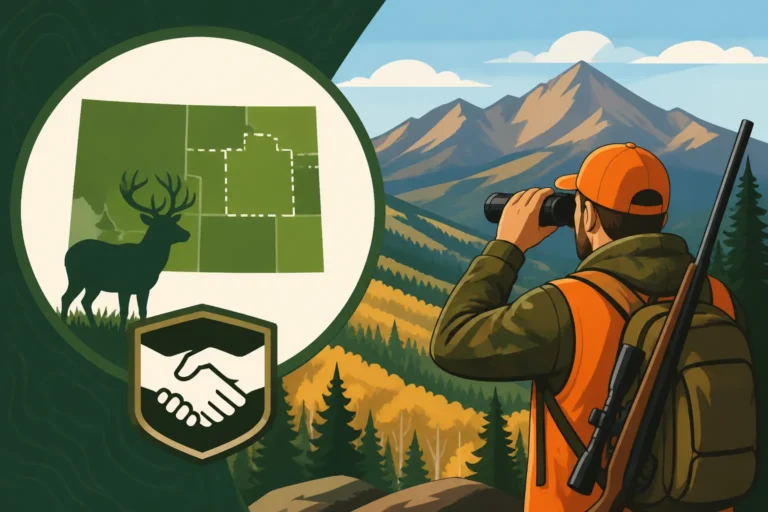
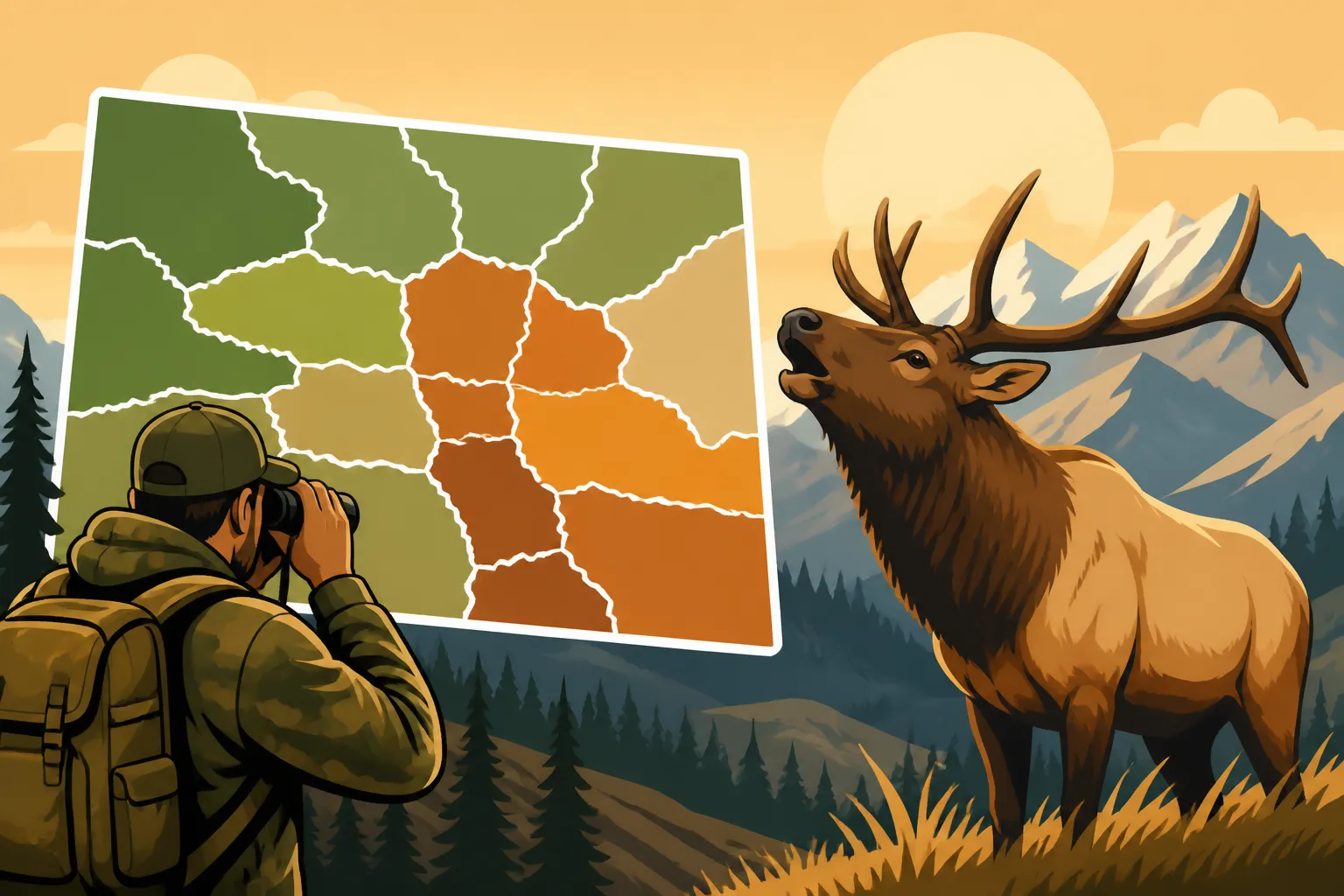
Colorado's GMU system is the backbone of its wildlife management, dictating where and when you can hunt specific species. For elk hunters, grasping this system is paramount to planning a successful trip. These geographical areas, often defined by natural boundaries like rivers, mountain ranges, or roads, allow Colorado Parks and Wildlife (CPW) to manage elk populations and hunting pressure effectively across the state. Each GMU has unique characteristics, from terrain and elevation to elk density and tag availability, making your choice a critical one.
The Purpose of Game Management Units
At its core, the GMU system serves several vital purposes. First and foremost, it allows CPW to monitor and manage elk populations at a localized level. They can set specific quotas for bull and cow tags within each unit based on herd health, population objectives, and historical data. This prevents overhunting in one area while potentially allowing for more harvest in another where elk numbers might be higher or causing conflicts. Imagine if the entire state had just one blanket set of rules – it would be chaos for wildlife management. The granular nature of GMUs ensures that local conditions and ecological factors are considered, leading to more sustainable hunting.
Secondly, GMUs help distribute hunter pressure. By offering different tag types (e.g., archery, muzzleloader, rifle) and requiring draw applications for many prime units, CPW can control how many hunters are in a given area during a season. This is particularly important on public lands, where too many hunters can quickly push elk into refuge areas or private property. Understanding that a unit might have high elk numbers but also high hunter numbers is a crucial insight you gain by studying GMU data.
How GMUs Influence Your Hunting Strategy
Your chosen GMU will fundamentally shape your entire hunting strategy. The terrain within a unit, for example, dictates the physical demands of your hunt. A unit in the high Rockies, like parts of the San Juan Mountains, will demand serious physical preparation for climbing steep slopes and navigating dense timber, whereas a unit on the western slope might offer more varied terrain, including lower sagebrush hills and canyon systems. The type of cover available—dark timber, aspen groves, open parks, or vast sage flats—will influence your approach, whether you're primarily using Spot-and-Stalk Hunting in Colorado, setting up for calling, or still-hunting through cover.
Furthermore, the draw odds for a specific GMU can determine whether you're hunting with an easily acquired over-the-counter (OTC) tag or a coveted limited-entry tag that took years of Colorado Preference Points Explained to draw. This directly impacts when and how often you can hunt. If you're building points for a dream hunt in a particular unit, your strategy for other years might involve hunting an OTC unit to stay active and gain experience. Therefore, the GMU isn't just a boundary on a map; it's the canvas on which your entire hunting adventure is painted, from the gear you pack to the tactics you employ.
Factors to Consider When Choosing an Elk GMU
Selecting the "best" GMU isn't a one-size-fits-all answer. What's ideal for one hunter might be completely wrong for another. Your choice should be a thoughtful process, weighing your personal hunting style, physical capabilities, desired experience, and the practicalities of tag acquisition. It’s a bit like choosing a new vehicle; you wouldn't pick a sports car for hauling lumber, just as you wouldn't pick a high-country wilderness unit if you're not prepared for serious physical exertion.
Elk Population Density and Success Rates
One of the most obvious factors is the actual number of elk living in a unit and the historical success rates for hunters. CPW provides herd objective data and harvest statistics for every GMU, which are goldmines of information. A unit with a high elk population doesn't automatically mean high success, but it certainly improves your odds of encountering animals. Look at the ratio of bulls to cows, the overall population trend (increasing, decreasing, stable), and the percentage of public land available.
Success rates, especially for specific seasons (archery, muzzleloader, rifle), are crucial. A unit might have a 30% success rate during archery season, but only 10% during a late rifle season due to conditions or elk migration. Dive into these numbers on the CPW website or through tools like GoHunt. They won't guarantee you a harvest, but they offer a realistic expectation of a unit's potential. Be wary of units with incredibly high success rates, as these often require maximum preference points, are primarily private land, or are extremely difficult to draw, which might not align with your current point accumulation or goals.
Public Land Access and Hunter Pressure
Colorado boasts vast amounts of public land, but how that land is distributed within a GMU is critical. Some units are dominated by large, contiguous blocks of National Forest or BLM land, offering expansive areas for hunters to roam and escape pressure. Other units might be a patchwork of public and private ground, where elk can easily retreat to private sanctuaries when hunting season begins. Utilize resources like Colorado Public Land Hunting Guide and mapping apps such as onX Hunt to visualize land ownership boundaries. This information helps you identify potential pinch points, travel corridors, and public access points.
Hunter pressure is the flip side of public land access. Even in units with abundant public land, certain areas, especially those close to roads or easily accessible trailheads, can become saturated with hunters. If you’re willing and able to hike deep into the backcountry, you can often find solitude and less pressured elk, even in moderately busy units. Consider the number of tags issued for a GMU during your desired season. A unit issuing 2,000 OTC archery tags will have a vastly different feel than a limited-entry rifle unit with only 100 tags. Understanding How to Hunt Elk on Public Land Pressure is key to making an informed choice.
Terrain and Physical Demands
Colorado is a state of incredible topographical diversity, and your chosen GMU's terrain will directly impact your hunt. Are you prepared for lung-busting climbs at 10,000+ feet, navigating thick timber, or crossing vast open basins? Or do you prefer more rolling hills, sagebrush flats, and easier access roads?
Consider your own physical fitness and that of your hunting partners. An extreme backcountry unit might offer incredible solitude and potential for a trophy, but if you're not in prime shape, it could lead to an unsuccessful or even dangerous hunt. Conversely, if you're an avid hiker or backpacker, a road-accessible unit with limited challenging terrain might feel unfulfilling. Match the terrain to your physical capabilities and hunting style. For example, if you plan a Colorado Backcountry Hunting Guide experience, you need a unit with significant wilderness areas and the physical conditioning to match.
Tag Type and Draw Odds
Finally, and perhaps most practically, you need to consider the type of tag you're seeking and your chances of acquiring it. Colorado offers both over-the-counter (OTC) tags, primarily for archery seasons and some rifle seasons, and limited-entry draw tags, which require applying and accumulating preference points.
- OTC Tags: These are available without having to go through the draw, making them popular for hunters who want to guarantee a hunt every year. Many hunters gravitate towards Colorado OTC Elk Tags Explained for archery season or certain second and third rifle seasons. While convenient, these units often see higher hunter pressure and can have lower success rates. However, with good scouting and effort, success is absolutely achievable.
- Draw Tags: These tags are typically for units with higher success rates, better bull-to-cow ratios, or less hunter pressure. They require applying through the CPW draw system, which can be competitive. Some premier units might require 15-20+ preference points, meaning years of applying before you have a realistic chance. If you're just starting to accumulate points, you might look for units that require 0-3 points for a good draw chance, or plan on using an OTC tag for several years while building points for a higher-demand unit.
Understanding the Colorado Draw System and Preference Points is fundamental to making a long-term hunting plan. It's often a balance between instant gratification with an OTC tag and patience for a potentially higher-quality experience with a drawn tag.
Top GMUs for High-Success Elk Opportunities
When hunters talk about "high success," they often mean units where the odds of harvesting an elk, or at least seeing plenty of elk, are statistically better. These units might boast robust elk populations, favorable terrain for elk habitat, or managed pressure. However, it’s important to remember that higher success rates often come with trade-offs, whether it's more preference points required or increased competition.
Understanding Success Rate Metrics
Before diving into specific units, let's clarify what "success rate" means. CPW provides harvest statistics that include overall hunter success, bull success, and cow success. It's critical to look at the bull success rate if you're after a bull, and consider the number of hunters who actually reported harvesting an animal versus the number of tags issued. A unit might have a 25% overall success rate, but if only 5% of hunters are killing bulls, that gives you a different perspective. Also, factor in the weapon type and season. Archery success rates are almost always lower than rifle success rates due to the inherent challenges of bowhunting, so compare apples to apples when evaluating units.
Prime Draw Units for Bull Elk
For those willing to accumulate preference points, Colorado offers some incredible limited-entry units known for their consistent bull harvest rates and potential for mature animals. These units are often characterized by significant public land, diverse habitat, and careful management to maintain healthy bull-to-cow ratios.
Units such as GMU 2 and GMU 10 in the northwest part of the state are legendary, though they require a substantial number of preference points (often 20+ for non-residents, and high double digits for residents). These units are known for producing truly giant bulls, a testament to the limited pressure and mature herd structures. However, they are also geographically challenging, often with vast sagebrush plateaus interspersed with canyons, requiring extensive scouting and glassing. Similarly, units in the Flat Tops Wilderness area, like GMU 12 or GMU 23/24, are often coveted for their incredible wilderness experience and strong elk numbers, especially during early seasons. They still require a good number of points, but offer an unparalleled Colorado Backcountry Hunting Guide adventure.
The Gunnison Basin, encompassing units like GMU 54 and GMU 55, also features some highly sought-after draw units. These units are known for solid elk numbers and a diverse landscape of dark timber, aspen, and open parks. They offer a mix of terrain, from high-alpine bowls to more accessible forest lands. Drawing these units can still take several points, but they often present a slightly more attainable goal than the extreme northwest units, while still offering excellent quality bulls. Remember that "high success" in these units often means consistent harvest, but not necessarily a guaranteed B&C bull without significant scouting and effort.
Reliable Cow Elk and Either-Sex Opportunities
Not every hunt is about a trophy bull, and many hunters prioritize filling their freezer with organic, wild game. Colorado offers numerous opportunities for cow elk and either-sex tags (allowing you to harvest a bull or cow), which often have much better draw odds or are available OTC.
Many cow tags, particularly for late seasons, can be drawn with 0-1 preference points or even be available as leftover tags. These hunts are invaluable for meat hunters, new hunters, or those looking to gain experience in a particular unit without burning significant points. Units in the White River National Forest, which includes large portions of the popular GMU 24, often have abundant cow tags, especially in late seasons when elk migrate down to lower elevations. Other areas across the Western Slope, including various units around Craig and Steamboat Springs, are known for robust elk populations and often have more accessible cow tags.
Either-sex tags are a fantastic option if you're open to harvesting either a bull or a cow, maximizing your chances of coming home with meat. These tags are less common as OTC options but can often be drawn with fewer points than bull-specific tags. Always check the specific hunt code for details, as some "either-sex" tags might be season-specific or restricted to certain weapons. The flexibility of an either-sex tag can dramatically increase your chances of success, especially in units with healthy, unpressured herds where opportunities might arise quickly.
GMUs for Trophy Potential and Backcountry Experience
For many seasoned hunters, the ultimate Colorado elk hunt involves not just harvesting an animal, but doing so in a challenging, remote environment, with the potential for a truly mature, trophy-class bull. These hunts are about the entire experience—the solitude, the rugged beauty, and the satisfaction of earning an animal deep in the wilderness.
Wilderness Area Hunts
Colorado is home to millions of acres of designated wilderness, offering unparalleled opportunities for remote, challenging hunts. Wilderness areas, by definition, prohibit mechanized travel, meaning no ATVs, e-bikes, or even chainsaws, making them true havens for those seeking solitude.
The Flat Tops Wilderness (spanning units like GMU 12, 23, 24, 26, 33, and 34) is one of the largest and most renowned wilderness areas for elk hunting. It boasts some of the highest elk populations in the state. Hunters often pack in with horses or on foot, establishing spike camps or How to Set Up a Colorado Drop Camp deep within its vast plateaus, dark timber, and expansive meadows. While it holds a lot of elk, the sheer size and ruggedness mean that animals can easily disappear, and hunting success requires significant effort and backcountry skills. These hunts are a prime example of Colorado Backcountry Hunting Guide, demanding physical fitness and self-reliance.
Other wilderness areas, such as the Weminuche Wilderness in the San Juan National Forest (GMU 76, 77, 78, 79), also offer incredible, though often even more rugged, high-country experiences. The San Juans are characterized by extremely steep terrain, high elevation, and unpredictable weather, but they hold mature bulls for those willing to put in the work. These units might be more physically demanding than the Flat Tops, often requiring extensive elevation gain and loss daily. Hunting in these areas is as much about the journey and challenging yourself against the elements as it is about the harvest.
Seeking Mature Bulls in Limited-Entry Units
While OTC units can produce big bulls, the highest likelihood of encountering truly mature, trophy-class animals often lies within limited-entry draw units. These units typically have lower hunter pressure, more balanced herd demographics, and a greater proportion of older-age-class bulls due to strict tag quotas.
Units in the far northwest, like GMU 2, 3, and 10, are consistently at the top of the list for trophy potential. These areas are characterized by vast, remote landscapes of sagebrush, pinyon-juniper, and canyon country. While not "wilderness" in the traditional sense, their remoteness and difficulty of access in many areas make them challenging. Bulls in these units often grow old and large due to less human interaction. However, drawing a tag here requires significant preference points (often 20+ years for non-residents), making them a long-term goal for most hunters.
Similarly, specific units within the Gunnison Basin (e.g., portions of GMU 66 and 67) and the Southwest (e.g., GMU 76, 77, 78) are renowned for their potential to produce record-book bulls, especially in early archery or muzzleloader seasons. These units typically feature diverse habitats, including high-elevation summer range and lower-elevation wintering grounds, allowing bulls to grow and mature. The common thread for these trophy units is the limited number of tags issued, which directly translates to less pressure on the elk and a higher chance for bulls to reach their full potential. If your dream is a true monarch bull, these are the units you'll be putting in for year after year.
GMUs for Over-the-Counter OTC Elk Tags and Archery Hunters
For many, the ability to hunt elk every year without the lottery of the draw is a huge appeal. Colorado's OTC units offer this flexibility, making them a popular choice, especially for archery hunters. While they come with their own set of challenges, success is absolutely attainable with the right mindset and effort.
Popular OTC Archery Units
Colorado is famous for its extensive OTC archery elk opportunities. These tags allow hunters to purchase a license directly without applying through the draw system, primarily for the month of September when bulls are often bugling. This is a huge draw for bowhunters looking to experience the rut every year.
Some of the most popular and expansive OTC archery units include GMU 24, 25, 26, 33, 34, 43, 44, 47, 52, 53, 54, 55, 500, 501, 511, 521, 551, 581, 62, 65, 70, 71, 74, 75, 78, 82, 85, 86, 131, 140, 211, 361, 444, 471, 591, 681, 682, 691, 751, 771, 791, 841, 861, 951, 961. This is a long list, and it's essential to consult the current CPW regulations as these can change.
Units like GMU 24, within the White River National Forest, are exceptionally popular. They offer vast public land access and high elk densities, but also considerable hunter pressure. To succeed here, you need to be willing to hike deep, utilize advanced calling tactics, and often hunt during mid-week to avoid weekend crowds. Other units such as GMU 75/751 in the San Juan National Forest offer similar opportunities, though the terrain can be more rugged. The key to these OTC units is often finding unpressured pockets of elk, which almost always means getting away from roads and popular trailheads. This is where tools like onX Hunt become invaluable for identifying overlooked public land. If you're planning a Colorado Archery Elk Hunting Guide, these units are often your entry point.
OTC Rifle Units and Their Challenges
While less common than OTC archery, Colorado also offers a limited number of OTC rifle elk tags, primarily for the second and third regular rifle seasons. These tags are often for specific GMUs or combinations of units and are subject to change, so always verify the current regulations.
Units in the northwestern part of the state, such as **GMU 3, 4, 5, 12, 13, 14, 15, 16, 17, 18, 20, 21, 22, 23, 24, 25, 26, 27, 28, 30, 31, 32, 33, 34, 35, 36, 37, 38, 41, 42, 43, 44, 45, 47, 48, 49, 50, 51, 52, 53, 54, 55, 56, 57, 58, 59, 60, 61, 62, 63, 64, 65, 66, 67, 68, 69, 70, 71, 72, 73, 74, 75, 76, 77, 78, 79, 80, 81, 82, 83, 84, 85, 86, 87, 88, 89, 90, 91, 92, 93, 94, 95, 96, 97, 98, 99, 100, 101, 102, 103, 104, 105, 106, 107, 108, 109, 110, 111, 112, 113, 114, 115, 116, 117, 118, 119, 120, 121, 122, 123, 124, 125, 126, 127, 128, 129, 130, 131, 132, 133, 134, 135, 136, 137, 138, 139, 140, 141, 142, 143, 144, 145, 146, 147, 148, 149, 150, 151, 152, 153, 154, 155, 156, 157, 158, 159, 160, 161, 162, 163, 164, 165, 166, 167, 168, 169, 170, 171, 172, 173, 174, 175, 176, 177, 178, 179, 180, 181, 182, 183, 184, 185, 186, 187, 188, 189, 190, 191, 192, 193, 194, 195, 196, 197, 198, 199, 200, 201, 202, 203, 204, 205, 206, 207, 208, 209, 210, 211, 212, 213, 214, 215, 216, 217, 218, 219, 220, 221, 222, 223, 224, 225, 226, 227, 228, 229, 230, 231, 232, 233, 234, 235, 236, 237, 238, 239, 240, 241, 242, 243, 244, 245, 246, 247, 248, 249, 250, 251, 252, 253, 254, 255, 256, 257, 258, 259, 260, 261, 262, 263, 264, 265, 266, 267, 268, 269, 270, 271, 272, 273, 274, 275, 276, 277, 278, 279, 280, 281, 282, 283, 284, 285, 286, 287, 288, 289, 290, 291, 292, 293, 294, 295, 296, 297, 298, 299, 300, 301, 302, 303, 304, 305, 306, 307, 308, 309, 310, 311, 312, 313, 314, 315, 316, 317, 318, 319, 320, 321, 322, 323, 324, 325, 326, 327, 328, 329, 330, 331, 332, 333, 334, 335, 336, 337, 338, 339, 340, 341, 342, 343, 344, 345, 346, 347, 348, 349, 350, 351, 352, 353, 354, 355, 356, 357, 358, 359, 360, 361, 362, 363, 364, 365, 366, 367, 368, 369, 370, 371, 372, 373, 374, 375, 376, 377, 378, 379, 380, 381, 382, 383, 384, 385, 386, 387, 388, 389, 390, 391, 392, 393, 394, 395, 396, 397, 398, 399, 400, 401, 402, 403, 404, 405, 406, 407, 408, 409, 410, 411, 412, 413, 414, 415, 416, 417, 418, 419, 420, 421, 422, 423, 424, 425, 426, 427, 428, 429, 430, 431, 432, 433, 434, 435, 436, 437, 438, 439, 440, 441, 442, 443, 444, 445, 446, 447, 448, 449, 450, 451, 452, 453, 454, 455, 456, 457, 458, 459, 460, 461, 462, 463, 464, 465, 466, 467, 468, 469, 470, 471, 472, 473, 474, 475, 476, 477, 478, 479, 480, 481, 482, 483, 484, 485, 486, 487, 488, 489, 490, 491, 492, 493, 494, 495, 496, 497, 498, 499, 500, 501, 502, 503, 504, 505, 506, 507, 508, 509, 510, 511, 512, 513, 514, 515, 516, 517, 518, 519, 520, 521, 522, 523, 524, 525, 526, 527, 528, 529, 530, 531, 532, 533, 534, 535, 536, 537, 538, 539, 540, 541, 542, 543, 544, 545, 546, 547, 548, 549, 550, 551, 552, 553, 554, 555, 556, 557, 558, 559, 560, 561, 562, 563, 564, 565, 566, 567, 568, 569, 570, 571, 572, 573, 574, 575, 576, 577, 578, 579, 580, 581, 582, 583, 584, 585, 586, 587, 588, 589, 590, 591, 592, 593, 594, 595, 596, 597, 598, 599, 600, 601, 602, 603, 604, 605, 606, 607, 608, 609, 610, 611, 612, 613, 614, 615, 616, 617, 618, 619, 620, 621, 622, 623, 624, 625, 626, 627, 628, 629, 630, 631, 632, 633, 634, 635, 636, 637, 638, 639, 640, 641, 642, 643, 644, 645, 646, 647, 648, 649, 650, 651, 652, 653, 654, 655, 656, 657, 658, 659, 660, 661, 662, 663, 664, 665, 666, 667, 668, 669, 670, 671, 672, 673, 674, 675, 676, 677, 678, 679, 680, 681, 682, 683, 684, 685, 686, 687, 688, 689, 690, 691, 692, 693, 694, 695, 696, 697, 698, 699, 700, 701, 702, 703, 704, 705, 706, 707, 708, 709, 710, 711, 712, 713, 714, 715, 716, 717, 718, 719, 720, 721, 722, 723, 724, 725, 726, 727, 728, 729, 730, 731, 732, 733, 734, 735, 736, 737, 738, 739, 740, 741, 742, 743, 744, 745, 746, 747, 748, 749, 750, 751, 752, 753, 754, 755, 756, 757, 758, 759, 760, 761, 762, 763, 764, 765, 766, 767, 768, 769, 770, 771, 772, 773, 774, 775, 776, 777, 778, 779, 780, 781, 782, 783, 784, 785, 786, 787, 788, 789, 790, 791, 792, 793, 794, 795, 796, 797, 798, 799, 800, 801, 802, 803, 804, 805, 806, 807, 808, 809, 810, 811, 812, 813, 814, 815, 816, 817, 818, 819, 820, 821, 822, 823, 824, 825, 826, 827, 828, 829, 830, 831, 832, 833, 834, 835, 836, 837, 838, 839, 840, 841, 842, 843, 844, 845, 846, 847, 848, 849, 850, 851, 852, 853, 854, 855, 856, 857, 858, 859, 860, 861, 862, 863, 864, 865, 866, 867, 868, 869, 870, 871, 872, 873, 874, 875, 876, 877, 878, 879, 880, 881, 882, 883, 884, 885, 886, 887, 888, 889, 890, 891, 892, 893, 894, 895, 896, 897, 898, 899, 900, 901, 902, 903, 904, 905, 906, 907, 908, 909, 910, 911, 912, 913, 914, 915, 916, 917, 918, 919, 920, 921, 922, 923, 924, 925, 926, 927, 928, 929, 930, 931, 932, 933, 934, 935, 936, 937, 938, 939, 940, 941, 942, 943, 944, 945, 946, 947, 948, 949, 950, 951, 952, 953, 954, 955, 956, 957, 958, 959, 960, 961, 962, 963, 964, 965, 966, 967, 968, 969, 970, 971, 972, 973, 974, 975, 976, 977, 978, 979, 980, 981, 982, 983, 984, 985, 986, 987, 988, 989, 990, 991, 992, 993, 994, 995, 996, 997, 998, 999 are the most common. These often overlap with units that offer OTC archery tags, meaning you'll contend with hunter pressure that builds up as the seasons progress.
The main challenge with OTC rifle units is that elk have already been pressured by archery hunters for a month, and by the time the rifle seasons roll around, they've often moved into thicker cover, onto private land, or deeper into remote areas. Success in these units during rifle seasons often means hunting smart, leveraging weather patterns (like early snows that push elk down), and being willing to cover a lot of ground. It's often not about finding a huge bull, but about finding any legal elk. This is where mastering Colorado Rifle Elk Hunting Guide tactics, such as still-hunting and understanding elk behavior under pressure, becomes essential. If you want to dive into specific tactics for these seasons, check out resources like How to Hunt Elk in First Rifle Season or How to Hunt Elk in Second Rifle Season.
Navigating Public Land Access and Hunter Pressure in GMUs
Successfully hunting elk in Colorado, particularly on public land, means more than just finding a unit with elk. It requires a deep understanding of public land access points, land ownership patterns, and how other hunters will influence elk behavior. Hunter pressure is a real factor, and ignoring it is a surefire way to have a frustrating hunt.
Utilizing Mapping Tools for Public Land Navigation
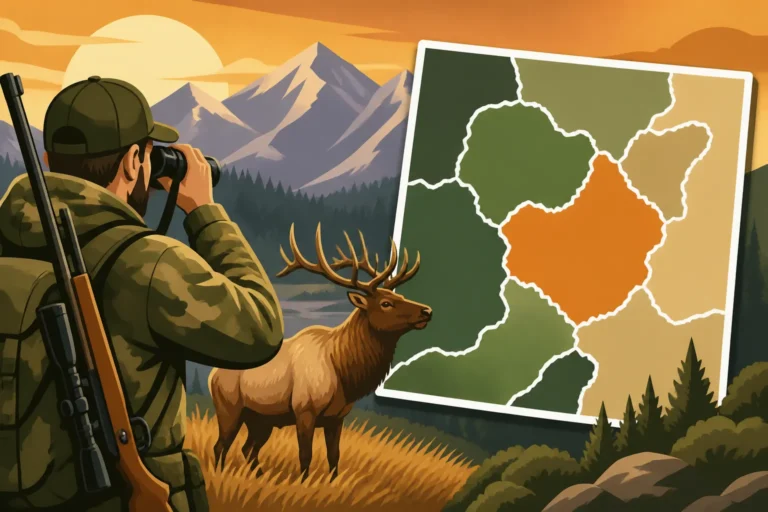
In today's hunting world, advanced mapping applications are not just helpful; they're absolutely essential. Tools like onX Hunt (and other platforms like GoHunt that integrate similar mapping features) allow you to clearly see public and private land boundaries, topographical maps, forest service roads, wilderness areas, and more. Before you even set foot in a unit, you can e-scout extensively.
Using onX Hunt, you can overlay public and private land boundaries directly onto detailed satellite imagery and topo maps. This immediately reveals areas where public land might be "landlocked" by private property, or where a large block of public land has easily accessible roads versus areas requiring a serious hike. You can identify potential access points, anticipate where elk might seek refuge, and plan your routes to avoid crowded areas. Many experienced hunters spend hours pouring over these maps, identifying remote pockets of public land, overlooked saddles, or dense timber stands that might hold elk away from the crowds. This level of How to E-Scout Colorado Units can be the difference between seeing a few elk at a distance and having a legitimate shot opportunity.
Strategies for Avoiding Crowds
Hunter pressure is an unavoidable reality in many of Colorado's popular elk units, especially during OTC seasons. However, there are effective strategies to mitigate its impact.
- Go Deeper: This is the golden rule. Most hunters won't venture more than a mile or two from a road or established trail. If you're willing to put in the physical effort to hike three, four, or even five miles into the backcountry, your chances of finding less pressured elk dramatically increase. This might mean packing lighter, planning for an overnight spike camp, or simply being prepared for long days of hiking.
- Hunt Mid-Week: Weekends, especially opening weekend, see a surge in hunter numbers. If your schedule allows, plan your hunt for Monday through Friday. You'll often find trailheads less crowded and more elk moving naturally during the week.
- Utilize Rougher Terrain: Elk often seek refuge in the nastiest, steepest, thickest cover available. Instead of sticking to easily navigable slopes, target the dark timber, the steep north-facing slopes, or the deep, brushy canyons that most other hunters avoid. This plays directly into How to Find Elk in Deep Timber tactics.
- Understand Elk Movement Under Pressure: Elk are highly intelligent animals. When pressured, they will often become nocturnal, move to private land, or seek out dense cover. Anticipate these movements. If a unit sees heavy pressure, focus your efforts on transition corridors between bedding and feeding areas, or deep security cover where they'll feel safe. Timing your movements with thermals and wind can also give you an advantage over pressured animals.
Respecting Private Land Boundaries
It's absolutely critical to know and respect private land boundaries. Trespassing, even accidentally, can lead to fines, loss of hunting privileges, and gives all hunters a bad name. This is another area where onX Hunt and similar apps shine, displaying land ownership in real-time on your phone, even when out of cell service. Always check your location frequently, especially when traversing areas with mixed public and private parcels. If you're hunting near a private land boundary, be extra vigilant. Even if an elk is on public land, if it crosses onto private property, you cannot pursue it without permission. Always err on the side of caution. If you are interested in private land access, you may want to look into Colorado Ranching for Wildlife Explained programs or try to gain explicit permission from landowners well in advance of your hunt.
E-Scouting and Pre-Season Preparation for Your Chosen GMU
The hunt for Colorado elk doesn't begin when you step out of your truck; it starts months in advance with meticulous e-scouting and physical preparation. This pre-season work is arguably as important as the hunt itself, allowing you to develop a strategic plan and adapt to unexpected challenges.
Deep Dive into Topographical Maps and Satellite Imagery
Once you've narrowed down potential GMUs, it's time to become intimately familiar with their digital landscape. Spend countless hours poring over topographical maps and satellite imagery. Look for key terrain features that scream "elk habitat."
- North-Facing Slopes: These often hold cooler temperatures, more moisture, and thus denser timber—perfect for bedding during warmer early seasons. They also tend to hold snow longer, which can be a factor in late-season hunts. Don't underestimate How to Hunt North-Facing Slopes for Elk.
- Saddles and Ridges: These are natural travel corridors for elk moving between drainages, feeding areas, and bedding grounds. Identifying them on a map allows you to predict likely travel routes.
- Water Sources: Wallows, springs, and small creeks are magnets for elk, especially during dry periods. Pinpoint every potential water source.
- Dark Timber and Aspen Groves: These provide vital cover and forage. Use satellite imagery to distinguish between open sagebrush and dense forest.
- Open Parks and Meadows: These are prime feeding areas, especially during dawn and dusk. Identify how elk might access these from security cover.
Use the drawing tools within your mapping app to mark potential camp spots, glassing points, water sources, natural funnels, and escape routes. Think about how elk would move through the terrain, considering wind direction and thermal currents, and how you would approach them.
Leveraging CPW Data and Online Resources
Beyond the maps, CPW's website is a treasure trove of information. The Colorado Hunting Atlas Explained is an interactive map that shows GMU boundaries, public lands, private lands, habitat types, and even historical harvest locations (though those are often very generalized). Dive into the annual "Big Game Statistics" reports, which provide detailed harvest data, success rates, and elk population estimates for each GMU. Pay attention to the specific hunt code for your desired tag, as success rates can vary wildly even within the same GMU across different seasons or weapon types.
Additionally, online forums and hunting communities can offer anecdotal evidence, but always take it with a grain of salt. While some hunters are genuinely helpful, others might intentionally mislead or share outdated information. Use these resources as a starting point for further investigation, not as gospel.
Physical Conditioning for Mountain Hunts
No matter how well you scout, if your body isn't ready for the demands of a Colorado elk hunt, your chances of success plummet. Elk live in steep, rugged country, and you'll be covering miles at high elevations, often carrying heavy gear and potentially packing out an animal.
Start your physical training months in advance. Focus on cardiovascular endurance (hiking, running, stair climbing), strength training (especially legs and core), and, if possible, training at elevation or mimicking elevation by doing strenuous activities with a weighted pack. Practice hiking with the same boots and backpack you'll use for the hunt to identify any hot spots or discomforts. Remember, even in a moderately challenging unit, you might be climbing thousands of feet of elevation daily. For more tailored advice, consider looking into a Colorado Elk Hunt Fitness Plan or Altitude Training for Colorado Hunting to prepare your body for the thinner air. Don't let your physical limitations be the reason you can't reach that hidden basin where the elk are.
Making the Final Decision and Planning Your Hunt
After all the research, e-scouting, and physical preparation, it's time to make your final GMU selection and begin the granular planning of your actual hunt. This is where all those hours spent in front of the computer screen transition into tangible logistics.
Comparing Potential GMUs: A Data-Driven Approach
To help visualize your choices, a simple comparison table can be incredibly useful. Pick your top 2-3 GMU candidates and compare them across the most critical factors. This helps you objectively weigh the pros and cons.
Here’s an example table you might create:
| GMU | Primary Tag Type | Avg. Bull Success (Last 3 Yrs.) | % Public Land (Approx.) | Key Terrain Features | Draw Points (Non-Resident Bull) | Hunter Pressure (Estimated) | Notes |
|---|---|---|---|---|---|---|---|
| 24 | OTC Archery | 8-12% | 70% | Dark timber, aspens, high Mesa | 0 (Archery) | High | Great for consistent hunts, need to hike deep. |
| 55 | Draw Rifle | 25-30% | 60% | Alpine, timber, open parks | 5-8 pts | Moderate | Good quality bulls, can be physically demanding. |
| 76 | Draw Muzzleloader | 30-35% | 90% | Very high alpine, steep | 12-15 pts | Low | Trophy potential, extreme physical challenge. |
Note: Success rates, public land percentages, and draw points are illustrative and subject to change. Always consult current CPW regulations and data for the most accurate information.
This table allows you to quickly see which unit best aligns with your goals. For instance, if you prioritize hunting every year and are okay with higher pressure, GMU 24 might be your pick. If you're willing to wait a few years for a better quality hunt, GMU 55 could be more suitable. And if you're chasing a true high-country monster and have accumulated a lot of points, GMU 76 might be the ultimate goal.
Crafting a Detailed Hunt Plan
Once your GMU is locked in, shift your focus to the day-to-day logistics.
- Develop Contingency Plans: What if the weather turns bad? What if your primary access road is closed? What if elk aren't where you expect them to be? Have backup spots, alternative routes, and a clear understanding of your bailout options.
- Mapping Your Movements: Using your e-scouting marks, plan specific routes for your hunting days. Where will you start? What ridge will you follow? Where are your escape routes? Mark potential water sources. A detailed plan helps you stay efficient and safe, especially when hunting solo.
- Gear and Logistics: Finalize your gear list, ensuring everything is in working order. Plan for food, water, shelter, and emergency supplies. Consider logistics like travel to the GMU, where you'll camp, and how you'll pack out an elk if successful. Remember that Colorado weather can be highly unpredictable; pack layers and be prepared for anything from warm sun to snowstorms, even in September.
- Permits and Regulations: Double-check all hunting regulations for your specific GMU and season. Ensure you have all required licenses, tags, and stamps (like the Habitat Stamp). Ignorance of the law is not an excuse. Consult the CPW website for the current regulations annually.
Choosing the right GMU for your Colorado elk hunt is a journey of discovery, blending hard data, mapping prowess, and honest self-assessment. By systematically evaluating your options and committing to thorough preparation, you'll significantly increase your chances of a rewarding and successful hunt, no matter where you ultimately decide to chase those magnificent animals.
Disclaimer
The information provided in this guide is for general informational purposes only and is not intended as professional hunting advice. Hunting regulations, season dates, and GMU boundaries in Colorado are subject to change annually. Always consult the most current Colorado Parks and Wildlife (CPW) regulations and official resources before planning or embarking on any hunting trip. Hunter safety and ethical practices are paramount.