Colorado Rifle Elk Hunting Guide
The majestic landscape of Colorado calls to many a hunter, but successfully pursuing an elk with a rifle in this rugged, high-country environment is a challenge that demands serious preparation, strategic thinking, and a deep understanding of the game and the land. It’s easy to feel overwhelmed by the sheer scale of the mountains, the complex regulations, and the physical demands. This comprehensive guide is here to demystify the process, walking you through everything you need to know to plan and execute a rewarding rifle elk hunt in the Centennial State.
Understanding Colorado Rifle Elk Seasons and Regulations
One of the first hurdles any aspiring Colorado elk hunter faces is navigating the maze of season dates, tag types, and application processes. It's a system that can feel pretty opaque at first, but with a bit of breakdown, it makes a lot more sense. Get this wrong, and your hunt could be over before it even begins.
Key Rifle Seasons Explained
Colorado offers multiple rifle seasons for elk, each with its unique characteristics, hunter pressure, and elk behavior. Understanding these differences is paramount to choosing the right hunt for you. Generally, these seasons fall from mid-October through November, hitting different phases of the elk's annual cycle.
The 1st Rifle Season is a short, often intense period, typically in mid-October. It’s entirely limited-draw, meaning no over-the-counter (OTC) tags are available. Elk are usually still in their higher-elevation summer ranges, and weather can be unpredictable, ranging from mild to heavy snow. Hunter pressure is typically lower than later seasons due to the limited tag numbers, but the elk are often on high alert from archery and muzzleloader seasons. This season can offer a truly wild experience, but success often hinges on pre-season scouting and favorable weather.
The 2nd and 3rd Rifle Seasons, usually spanning late October and early November, are often the most popular. These are the seasons where you'll find a combination of draw tags and OTC opportunities for bull elk in many Game Management Units (GMUs). By this point, the rut is generally winding down or over, and elk are shifting towards winter ranges, often pushed by increasing snow and hunter pressure. The chances of encountering snow are significantly higher, which can both help (tracking, pushing elk to lower elevations) and hinder (access, extreme cold) your hunt. Learning how to move quietly through Colorado timber is a crucial skill here, as elk often seek refuge in dense cover.
The 4th Rifle Season, typically in mid-November, is another limited-draw season. By now, elk are usually firmly established in their wintering areas, often at lower elevations. Migration can be in full swing if heavy snow has hit the high country. This can make for some incredible hunting if you're in the right place at the right time, especially if you know How to Hunt Colorado Late-Season Migration. However, severe weather can also close roads and make access extremely challenging. Hunter pressure can be lower than the mid-seasons, but the elk are usually quite wary.
Drawing Tags vs. Over-the-Counter Options
Colorado's elk hunting landscape is primarily managed through a draw system, where hunters apply for limited tags in specific GMUs. This system uses preference points to allocate tags, favoring those who have consistently applied over several years. For many hunters, especially non-residents, building Colorado Draw System and Preference Points is a long-term strategy for obtaining a coveted tag in a high-quality unit.
However, Colorado is unique in that it still offers over-the-counter (OTC) tags for bull elk during the 2nd and 3rd rifle seasons in many units. These tags are a fantastic option for those who don't have enough preference points for a draw tag, or for hunters looking for a more accessible hunt. While OTC units often come with higher hunter pressure, they also hold a substantial number of elk. Understanding the nuances of Colorado OTC Elk Tags Explained is crucial for planning your hunt, as these tags are sold on a first-come, first-served basis, and regulations can change. It's important to research specific GMUs, as some OTC units will have better success rates and public land access than others.
For those considering a cow elk tag, most are available through the draw system, often requiring fewer preference points than bull tags. These are excellent opportunities for meat hunters and can extend your hunting season. Keep in mind that whether you're drawing a tag or buying OTC, every hunter needs a valid hunting license and a Habitat Stamp.
Essential Licenses, Stamps, and Hunter Ed Requirements
Before you even think about packing your rifle, you need to ensure all your paperwork is in order. It's not the most exciting part of hunting, but it's absolutely non-negotiable. First and foremost, every hunter, resident or non-resident, needs a valid Colorado hunting license. Non-residents typically pay a higher fee, which helps fund wildlife management in the state.
Beyond the basic license, you'll need a Habitat Stamp, which contributes to the preservation and improvement of wildlife habitat across Colorado. This is an annual purchase and is required for most hunting and fishing activities. If you're planning an elk hunt, you'll also need to check the hunter education requirements. Generally, anyone born on or after January 1, 1949, must have successfully completed an approved hunter education course to hunt in Colorado. There are some exceptions for those who can show proof of a previous hunting license, but it's best to verify this with Colorado Parks and Wildlife (CPW) well in advance. Make sure to understand the general Colorado Hunting Seasons Explained to avoid any confusion regarding specific dates and legal requirements for your chosen hunt.
Another critical piece of the puzzle is understanding the specific regulations for your chosen GMU. Antler point restrictions (APRs) are common in some units, meaning bulls must have a minimum number of points on one antler to be legally harvested. Always double-check the current CPW regulations brochure for your specific hunt code and unit, as these rules can change year-to-year. Ignoring these details could lead to serious legal consequences, so always err on the side of caution and meticulous planning.
Gear Up for Success: Your Rifle and Essential Equipment
Colorado elk hunting isn't just a walk in the woods; it's a demanding expedition into challenging terrain and unpredictable weather. Your gear, especially your rifle, needs to be up to the task. Skimping here can lead to a frustrating, or even dangerous, experience.
Choosing the Right Rifle and Caliber
When it comes to rifle elk hunting in Colorado, your firearm is arguably your most important tool. You need a rifle that you can shoot accurately and confidently, and one chambered in a caliber capable of ethically taking down a large animal like an elk. While personal preference plays a huge role, reliability, accuracy, and reasonable weight are key factors.
Many seasoned Colorado hunters gravitate towards bolt-action rifles for their accuracy and durability. Brands like Browning, Remington, Winchester, and Savage Arms offer robust options. The caliber choice is where discussions can get passionate. For elk, you want something that delivers ample energy and penetration at various ranges. Common and highly effective calibers include the .30-06 Springfield, .300 Winchester Magnum, 7mm Remington Magnum, and .308 Winchester. For those looking for a bit more punch, cartridges like the .338 Winchester Magnum are also popular, though they come with more recoil. Generally, anything from a .270 Winchester up to a .300 PRC or .338 is considered suitable for elk.
It’s less about the "magnum" and more about bullet construction and shot placement. A well-placed shot with a good bullet from a .30-06 is far more effective than a poor shot with a .338. Consider a rifle with a synthetic stock for durability and weather resistance, and a barrel length that balances maneuverability in timber with ballistic performance. Your rifle should be sighted in precisely for the ammunition you plan to use, not just once, but multiple times to confirm zero. For an even deeper dive into this topic, check out our guide on Best Rifle Calibers for Colorado Elk.
| Caliber | Pros | Cons | Typical Elk Range (Yards) |
|---|---|---|---|
| .30-06 Springfield | Versatile, common, effective | Moderate recoil | 0-350 |
| .308 Winchester | Lower recoil, accurate, compact rifles | Less energy at long range than magnums | 0-300 |
| 7mm Rem Mag | Flat trajectory, excellent energy | Higher recoil, more expensive ammo | 0-400+ |
| .300 Win Mag | Powerful, flat-shooting, long range | Significant recoil, expensive ammo | 0-450+ |
| .338 Win Mag | Maximum energy, deep penetration | Heavy recoil, heavy rifles, specialized | 0-400+ |
Optics, Ammunition, and Shooting Practice
Your rifle is only as good as the optics on top and the ammunition you feed it. A high-quality scope is a non-negotiable investment. Look for variable power scopes in the 3-9x, 4-12x, or 4-16x range from reputable brands like Leupold, Vortex, or Nightforce. These offer versatility, allowing you to quickly acquire a target at close range in thick timber and still dial in for longer shots across a canyon. Durability, light transmission, and clear glass are paramount. Ensure your scope is securely mounted and has been thoroughly tested.
Ammunition choice is equally critical. For elk, you want controlled expansion bullets that retain weight and penetrate deep, reaching vital organs. Common types include bonded bullets (e.g., Federal Trophy Bonded Tip, Nosler AccuBond), monolithic copper bullets (e.g., Barnes TSX, Hornady GMX), or partitioned bullets (e.g., Nosler Partition). Avoid thin-jacketed varmint or deer bullets, as they may not penetrate sufficiently through an elk's thick hide and bone. Purchase several boxes of your chosen ammunition and ensure your rifle groups consistently with it.
Finally, and perhaps most importantly, practice, practice, practice! Shooting from a bench rest is great for confirming zero, but true hunting accuracy comes from practicing in realistic field positions: offhand, kneeling, sitting, and prone. Practice shooting quickly and accurately after exerting yourself, simulating the elevated heart rate you'll experience in the mountains. Know your rifle's capabilities and your own limitations. Practice shooting at various distances, including steep uphill and downhill angles, as you'll almost certainly encounter these in Colorado's rugged terrain. Understanding How to Shoot Uphill and Downhill at Elk is a skill that can make or break your hunt.
Crucial Mountain Hunting Gear Beyond the Rifle
While the rifle is central, a successful Colorado elk hunt requires a host of other specialized gear. First, a reliable backpack is essential, not just for carrying your day's essentials, but for packing out meat should you be successful. Look for an internal frame pack between 4,000-6,500 cubic inches with good weight distribution. KUIU, Mystery Ranch, and Stone Glacier are popular choices among backcountry hunters.
Layered clothing is critical due to Colorado's rapidly changing mountain weather. Think merino wool or synthetics for base layers, fleece or puffy jackets for insulation, and a waterproof/windproof outer shell. Forget cotton – once it's wet, it stays wet and will make you dangerously cold. High-quality, broken-in mountain hunting boots are another must-have. They should offer ankle support, waterproofness, and a stiff sole for side-hilling and navigating rocky terrain. Brands like Crispi, Kenetrek, and Schnee's are highly regarded.
Don't forget navigation tools: a GPS device, a reliable mapping app on your phone (like onX Hunt), and a physical map and compass as a backup. Headlamps, a first-aid kit, water purification, fire starting supplies, a sharp knife, game bags, and enough food for an extra day are also vital. This isn't just about comfort; it's about safety and preparedness for unexpected situations in remote areas. For a comprehensive list, you might find our Colorado Backcountry Hunting Gear List helpful.
Strategic Scouting and Elk Behavior for Rifle Hunters
Elk are creatures of habit, but they are also incredibly adaptable and wary, especially during rifle season. Success often boils down to understanding their patterns and knowing how to find them. This starts long before you ever set foot in the field.
Pre-Season E-Scouting with Modern Tools
In today's hunting world, e-scouting is no longer a luxury; it's a necessity. Utilizing online mapping platforms and data resources allows you to familiarize yourself with a GMU from the comfort of your home, saving precious time and effort in the field. Tools like GoHunt (which provides draw odds, unit data, and filtering tools) and onX Hunt (for detailed topographic and land ownership maps) are invaluable.
Start by identifying public land access points, wilderness boundaries, and potential areas of high elk concentration. Look for north-facing slopes, which tend to hold snow longer and provide cooler bedding areas. Identify prominent saddles, benches, and thick timber patches that elk might use for bedding or travel corridors. Water sources, wallows, and old logging roads are also key features. Pay attention to elevation changes and potential migration routes. For a deep dive, consult our guide on How to E-Scout Before a Colorado Hunt. This digital reconnaissance helps you narrow down vast areas into manageable hunting zones, and gives you a huge head start once you're on the ground.
Don't just look at maps; integrate weather patterns from previous years and anecdotal reports from online forums or local sources. Consider how early snows might push elk down from higher elevations or how a mild fall might keep them up high longer. This detailed pre-season work can highlight areas worth investigating further or even eliminate units that don't fit your hunting style or physical capabilities.
Understanding Elk Movement Patterns and Habitat
Elk are constantly moving, driven by food, water, cover, and pressure. During rifle season, especially after the rut, their primary motivations shift from breeding to conserving energy and finding secure bedding and feeding areas. They become more nocturnal and often seek out dense cover, particularly old-growth timber, where they feel safe.
Expect elk to feed primarily during dawn and dusk in areas with good forage, like open parks, clear-cuts, or aspen groves. As the sun rises and hunter activity increases, they'll often retreat to thick timber or dark canyons for bedding. Understanding thermals – the rising and falling air currents in the mountains – is also crucial. In the mornings, air rises, carrying your scent uphill. In the evenings, air falls, carrying your scent downhill. Always try to hunt with the wind in your favor, especially when approaching bedding areas. Our guide on How to Use Thermals in Colorado Elk Country can provide more detailed insights.
As the season progresses and snow accumulates, elk will often begin their migration to lower elevations and south-facing slopes, which offer more sun exposure and melt snow faster, exposing forage. However, early season elk may still be found at higher elevations. Learning How to Hunt Elk at High Elevation can be a game-changer if you're targeting early season or more secluded backcountry areas. Recognizing these patterns and adapting your tactics accordingly is a hallmark of a successful rifle hunter.
In-Season Scouting and Adaptability
Even with the best pre-season planning, in-season scouting is vital. Conditions change rapidly in the mountains. Fresh sign – tracks, scat, rubs, and wallows – tells the story of recent elk activity. Look for areas where feed is abundant and combine that with good cover and water.
When you arrive in your chosen GMU, spend the first day or two, if possible, observing from a distance. Use your binoculars and spotting scope to glass open parks, clearings, and distant ridges at first light and last light. This long-range observation can reveal travel patterns, feeding habits, and even pinpoint specific herds without disturbing them. You might also consider using trail cameras in key areas if allowed.
Be prepared to adapt your plans. If one area is getting hammered by other hunters, or if a fresh snowfall changes elk behavior, don't be afraid to adjust. Have backup areas scouted and be willing to put in the work to hike to less accessible spots. Elk will often retreat to the thickest, nastiest timber or into wilderness areas when pressured. Being able to pivot and explore new terrain based on real-time observations is a key differentiator between successful and unsuccessful hunters.
Rifle Hunting Tactics: Mastering the Mountain Approach
Once you've done your homework and understand the elk's habits, it's time to put those boots on the ground and implement effective rifle hunting tactics. The mountains offer diverse terrain, and different approaches work best in different situations.
Spot-and-Stalk in Open Country and Timber Edges
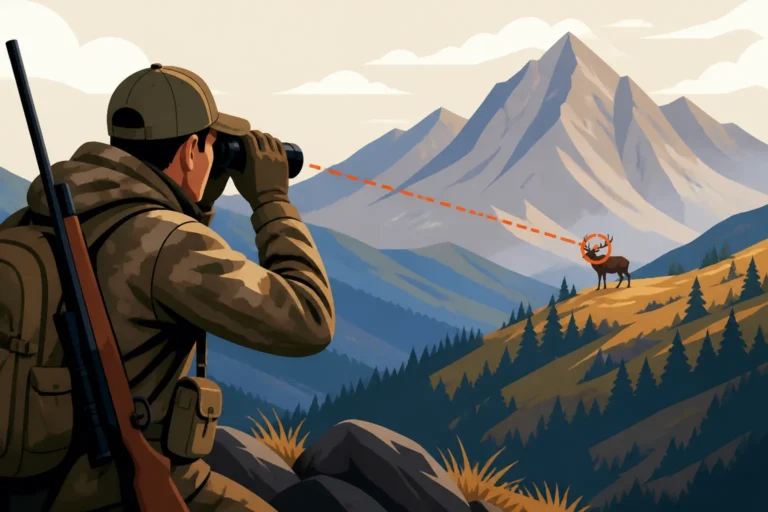
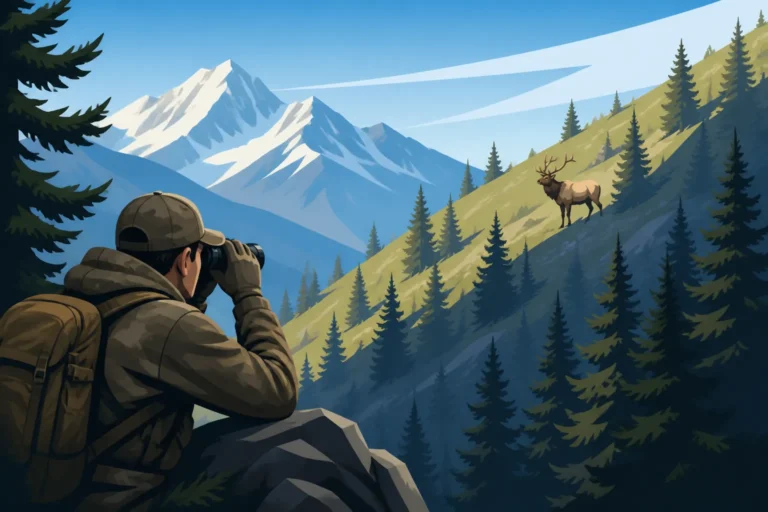
Spot-and-stalk is a highly effective tactic in Colorado, especially in more open terrain or along timber edges. This method involves using optics to locate elk from a distance and then carefully planning an approach to get within rifle range. In vast basins, on open slopes, or across expansive clear-cuts, your binoculars and spotting scope will be your best friends. Early mornings and late evenings are prime times for this, as elk are often out feeding.
Once you spot elk, the real work begins. Study the terrain, wind direction, and any potential cover that will allow you to move undetected. This often means taking a circuitous route, sometimes adding significant mileage to your approach. Use draws, ridges, and dense vegetation to conceal your movement. Move slowly, deliberately, and constantly check the wind. A slight shift in wind can quickly give away your position. If the terrain permits, try to approach from above or at an angle that puts the wind in your face or quartering into your face. Be patient; a successful stalk can take hours and cover significant ground, but the reward of getting within comfortable shooting range is immense.
When stalking timber edges, look for a vantage point that overlooks open parks or feeding areas. Elk often skirt these edges, entering and exiting the timber. Patience is key here. Set up and wait, using your binoculars to scan for any movement or a flicker of an ear. When you do spot an elk, use the timber as cover to close the distance, always mindful of noise and scent.
Still-Hunting Timber and Drainage Systems
When elk retreat to the dark timber, as they often do when pressured or for bedding, a spot-and-stalk approach becomes incredibly difficult. This is where still-hunting shines. Still-hunting involves moving through dense timber very slowly, stopping frequently to scan and listen. It's an active form of hunting, but one that requires immense patience and keen senses.
Think of it as moving at a snail's pace, taking only a few steps, then pausing for several minutes. During these pauses, actively scan every shadow, every tree trunk, and every patch of brush for the outline of an elk. Look for horizontal lines (an elk's back or belly) in a vertical world, or the tell-tale gleam of an antler. Use your binoculars even in close quarters to confirm shapes and decipher shadows. Move with the wind in your face or quartering, always trying to keep it to your advantage. Focus on being absolutely silent; avoid snapping twigs or shuffling leaves. Our guide on How to Still-Hunt Colorado Timber offers more specific techniques for this challenging but rewarding method.
Drainage systems – canyons, creek beds, and their adjacent slopes – are natural travel corridors and bedding areas for elk. Still-hunting these drainages can be highly productive. Elk will often bed on benches within these drainages, using the topography for security and the thermals to detect danger. As you move through them, pay close attention to elevation changes and micro-features that might conceal an animal. Be prepared for a close-quarters shot, as visibility can be limited.
Ambush Points and Patience at Water Sources/Wallows
Sometimes, the most effective rifle hunting strategy involves less movement and more patience. Setting up an ambush at a known elk travel corridor, a water source, or a wallow can be incredibly productive, especially if you've done your e-scouting and identified areas of consistent elk activity. This is particularly effective during dry periods when elk are more reliant on specific water sources, or during periods of heavy hunter pressure when elk are seeking refuge and moving cautiously.
Identify pinch points, saddles, or benches that elk are likely to use when moving between bedding and feeding areas. Set up well before dawn or stay until after dusk, positioned downwind, with good visibility, and plenty of cover to conceal yourself. This requires a lot of patience and discipline. It's not about covering miles, but about being in the right place at the right time. Understand How to Hunt Elk Water Holes or How to Hunt Elk Wallows in Colorado for specific strategies regarding these locations.
If you choose a water source or wallow, position yourself so you have a clear shooting lane, but remain hidden from all directions. Elk are incredibly cautious around water, often approaching slowly and circling to scent check the area. Wind direction is paramount here, as your scent will carry. Bring extra layers to stay warm and comfortable during long waits, and minimal distractions. The payoff can be a calm, ethical shot at a unsuspecting animal.
Physical and Mental Preparation for the Rigors of Colorado
Colorado elk hunting is not for the faint of heart. The elevation, the steep terrain, and the sheer amount of ground you'll cover demand a high level of physical fitness and mental fortitude. Many hunts are lost not because of lack of elk, but because hunters simply can't keep up with the demands.
Building Mountain-Ready Endurance and Strength
If you're planning a Colorado rifle elk hunt, consider your body your most important piece of gear. The high altitude and rugged terrain will quickly expose any weaknesses in your physical conditioning. Start your fitness regimen months, not weeks, before your hunt. Focus on building endurance, strength, and stamina.
Hiking with a weighted pack is perhaps the most specific and beneficial training you can do. Start with lighter loads and gradually increase the weight to simulate carrying a pack full of gear, and eventually, elk meat. Incorporate steep inclines and declines into your walks or runs, as you'll spend a lot of time going up and down mountains. Running, cycling, or swimming are excellent for cardiovascular fitness. Don't neglect strength training, focusing on your legs, core, and back – critical muscles for navigating uneven terrain and packing heavy loads. Our comprehensive guide on How to Physically Prepare for Colorado Elk provides a detailed workout plan to get you mountain-ready.
Many hunters underestimate the physical toll of continuous days of hunting at high elevation. Even if you're generally fit, the combination of altitude and physical exertion can be debilitating. Ensure your training regimen mimics the demands of hunting: long days, early mornings, and navigating uneven ground. Your fitness level will directly impact your enjoyment, safety, and ultimately, your success.
Altitude Acclimation Strategies
For hunters coming from lower elevations, the thin air of the Colorado Rockies can be a major hurdle. Symptoms of altitude sickness can range from mild headaches and nausea to severe, life-threatening conditions. Proper acclimation is vital.
Ideally, arrive in Colorado a few days before your hunt is scheduled to begin. Spend those days at a moderate elevation (around 7,000-9,000 feet) engaging in light activity, drinking plenty of water, and avoiding alcohol and excessive caffeine. This allows your body to start adjusting to the lower oxygen levels. When you start hunting, begin with shorter, less strenuous hikes, gradually increasing your exertion. Listen to your body and don't push yourself too hard too fast. Hydration is key; drink far more water than you think you need, as the dry mountain air and exertion can quickly lead to dehydration.
Some hunters also find benefits from altitude training masks or specialized programs, but the best approach is always gradual exposure. Talk to your doctor before your trip, especially if you have any pre-existing health conditions, and discuss medications like Diamox, which can help with altitude sickness. The goal is to arrive feeling strong and ready, not battling a headache and shortness of breath. For more in-depth advice on this, check out Altitude Training for Colorado Hunting.
Mental Toughness and Persistence
Elk hunting, especially with a rifle, is as much a mental game as it is a physical one. You will face challenges: extreme weather, missed opportunities, long dry spells, and moments of doubt. Mental toughness is what keeps you going when your body is tired and the elk seem to have vanished.
Cultivate patience. Elk hunting is rarely a quick affair. You might spend days covering ground without seeing a single animal, or you might spot a bull only to have the wind shift or an obstacle prevent a shot. Embrace the process, learn from every outing, and don't get discouraged. Persistence is key; the hunters who consistently find success are often those who simply don't give up.
Develop a realistic mindset. While everyone dreams of a trophy bull, focus on the experience, the challenge, and the possibility of filling your freezer with organic meat. Every hunt is a learning opportunity, regardless of the outcome. Being able to adapt to changing conditions, maintaining a positive attitude in the face of adversity, and pushing through discomfort are crucial attributes for a successful Colorado rifle elk hunter. The mountains will test you, and your mental resilience will determine how you respond.
The Shot and Post-Shot Protocol
The moment of truth in rifle elk hunting is often fleeting and intense. Being prepared for the shot and knowing exactly what to do afterward is critical for an ethical harvest and successful recovery.
Ethical Shot Placement and Shooting Angles
When an elk presents itself, calm nerves and a clear understanding of anatomy are paramount. Aim for the "vitals" – the heart and lungs, located directly behind the shoulder. This area provides the largest margin for error and typically results in a quick, humane harvest. A broadside shot is generally considered the ideal presentation, offering a clear path to both lungs and potentially the heart.
Quartering-away shots can also be effective, aiming to penetrate through the opposite shoulder. Avoid quartering-to shots if possible, as they require significant penetration through dense muscle and bone to reach the vitals. Never take a shot at a "Texas heart shot" (straight away) unless it's a desperate follow-up shot on a wounded animal, as the chances of a clean kill are very low.
Colorado's terrain means you'll almost certainly encounter uphill and downhill shots. These angles can drastically affect bullet impact, causing many hunters to shoot high on downhill shots and low on uphill shots. Practice shooting at these angles to understand how your rifle performs. Generally, aiming a bit lower on downhill shots and a bit higher on uphill shots for the same horizontal distance can compensate for the angle. Use a rangefinder with angle compensation if possible. Always ensure a solid rest, whether from a bipod, tripod, backpack, or a sturdy tree, to maximize accuracy.
Tracking, Field Dressing, and Meat Care
After the shot, resist the urge to immediately sprint to where the elk was standing. Instead, observe closely: note the elk's reaction, direction of travel, and any visible blood, hair, or broken antlers. Give the animal time to expire. A minimum of 30 minutes for a good lung shot, and longer (an hour or more) for less ideal shots, is recommended. If the shot felt marginal, or you didn't see the elk go down, back out and give it several hours, or even until morning if it's late in the day, to avoid pushing a wounded animal.
When you begin tracking, move slowly and methodically. Look for blood, tracks, disturbed vegetation, or broken branches. Mark the last spot of blood or sign you found with flagging tape or a piece of toilet paper. If you lose the trail, spread out and search in ever-widening circles. If snow is on the ground, tracking can be much easier. Once you locate the animal, approach cautiously, ensuring it is deceased.
Field dressing should commence immediately to cool the meat. The gutless method, where you skin and quarter the elk without opening the body cavity, is highly popular among backcountry hunters as it minimizes weight to pack out. For a detailed guide on this, refer to How to Quarter an Elk in the Field. Use clean, scent-free game bags (synthetic or cotton) to protect the meat from dirt, flies, and debris. Get the meat off the ground and hung to allow air circulation. If conditions are warm, prioritizing cooling is critical to prevent spoilage.
Packing Out Your Hard-Earned Game
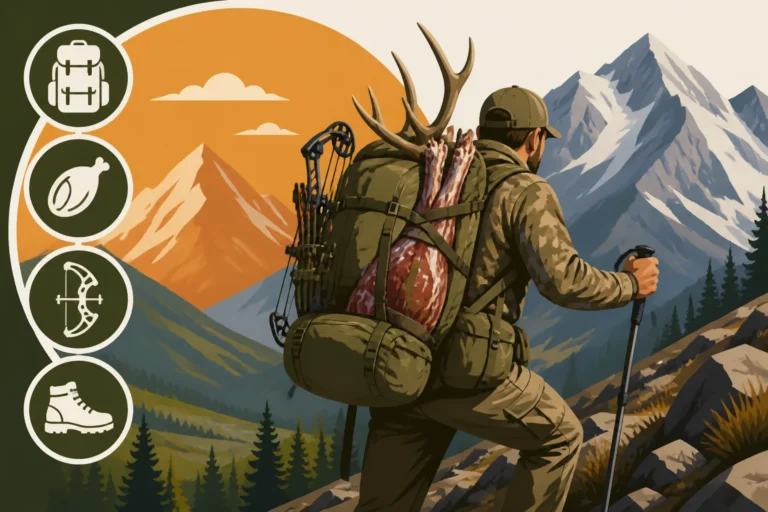
Packing out an elk from the backcountry is perhaps the most physically demanding aspect of the entire hunt. An average adult bull elk can weigh between 600-800 pounds live, meaning you'll be dealing with hundreds of pounds of bone and meat. This is where all your physical training truly pays off.
Unless you're incredibly strong and have a very short, easy pack, don't plan on packing out a whole elk in one trip, especially not by yourself. You'll need to make multiple trips, often referred to as "shuttle runs." Divide the meat and bone into manageable loads, typically 60-100 pounds per person, per trip. The backstraps, tenderloins, quarters, and neck meat are your primary targets. Remember to take proof of sex (often a piece of the hide with natural markings or the head/antlers) with each load, as required by CPW.
If you're hunting solo, packing out an elk is an even greater feat. Consider a meat hauling frame pack designed for heavy loads. Proper packing technique, distributing weight evenly and high on your back, will make a huge difference in comfort and preventing injury. Hydrate frequently, take breaks, and don't be afraid to take your time. This is a marathon, not a sprint. Having a plan for How to Pack Out an Elk in Colorado, including potential partners or horse packers, is crucial long before you pull the trigger.
Navigating Public Land Pressure and Ethical Hunting
Hunting in Colorado, especially on public lands during rifle seasons, often means sharing the landscape with other hunters. Understanding how to manage this pressure and adhering to ethical hunting practices are vital for a positive experience and the long-term health of the sport.
Finding Secluded Areas Away from Crowds
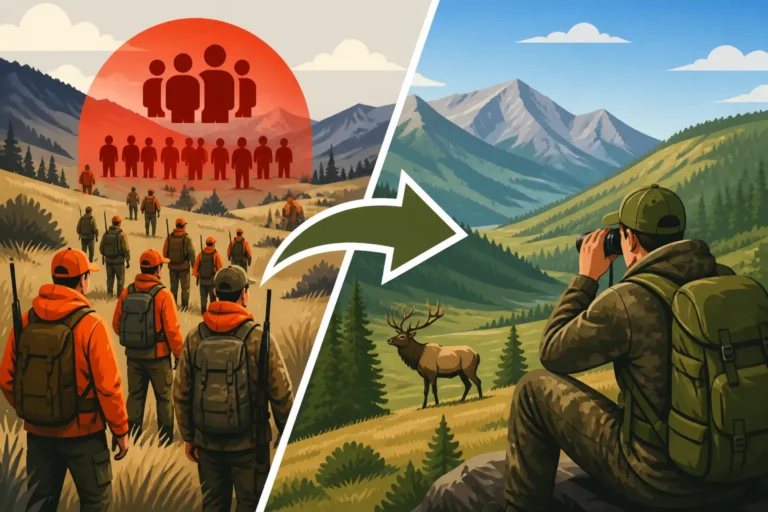
Colorado has vast tracts of public land, but certain easily accessible areas can become quite crowded during popular rifle seasons. To find success and a more solitary experience, you often have to be willing to work harder and go farther. This is where your e-scouting and physical conditioning truly pay dividends.
Look for roadless areas, wilderness boundaries, or tracts of public land that are difficult to access due to steep terrain or long hikes. Utilize your mapping apps like GoHunt or onX Hunt to identify these "backcountry" zones that require a significant commitment of time and physical effort. These are the places where elk often retreat when pressured. Our Colorado Backcountry Hunting Guide provides excellent insights into accessing and hunting these areas.
Another strategy is to hunt mid-week if possible, as hunter pressure tends to be heaviest on weekends. Consider hunting during less popular seasons, like the 1st or 4th rifle seasons (though these are draw-only). Ultimately, finding seclusion often means getting off the beaten path, putting in the extra miles, and embracing the challenge of the true wilderness. This might mean getting up earlier, staying out later, or making a longer hike than others are willing to attempt.
Respecting Other Hunters and Private Land Boundaries
With more hunters afield, courtesy and respect become even more important. Always be aware of your surroundings and other hunters. If you hear shots, or see another hunting party, give them a wide berth. Avoid "sky-lining" yourself on ridges, making yourself an obvious target or silhouetting yourself against the horizon. Wear hunter orange as required by law (often 500 square inches above the waist) to ensure visibility to other hunters.
Respecting private land boundaries is non-negotiable. Always know exactly where public land ends and private land begins, using your GPS and mapping tools. Trespassing, even accidentally, can lead to serious legal repercussions and gives all hunters a bad name. If you encounter private land that appears to be blocking access to public land, research whether there are legal easements or contact the local CPW office. Never assume that unposted land is public.
When setting up camp or parking your vehicle, do so in a way that doesn't block access or inconvenience other hunters. Good sportsmanship extends to helping other hunters if they need assistance, such as with directions or packing out an animal. We are all part of the same community, and fostering a positive atmosphere benefits everyone.
Contributing to Conservation and Fair Chase Ethics
As hunters, we are stewards of the land and wildlife. Adhering to ethical hunting practices is fundamental. This includes pursuing animals in a fair chase manner, meaning giving the animal a reasonable chance to escape. Avoid harassing or cornering animals, and never shoot from a vehicle or public road.
Beyond the hunt itself, consider how you can contribute to conservation efforts. Purchasing your licenses and stamps directly funds wildlife management and habitat restoration in Colorado. Volunteering for conservation organizations or participating in habitat improvement projects are other ways to give back.
Always follow all game laws, including tag validation requirements, bag limits, and legal shooting hours. Report any illegal activity you witness to CPW. By upholding the highest ethical standards, we ensure that hunting remains a respected tradition and that Colorado's incredible elk resource thrives for generations to come. Understanding How to Hunt Elk in Rifle Season Pressure effectively and ethically is a skill developed over many seasons.
Common Mistakes and How to Avoid Them
Even experienced hunters can make mistakes in the challenging environment of Colorado elk country. Being aware of potential pitfalls can help you avoid common blunders and increase your chances of a successful and safe hunt.
Underestimating the Terrain and Weather
This is perhaps the most common mistake made by hunters, particularly those new to the Colorado mountains. The terrain is relentlessly steep, rocky, and unforgiving. A mile on a map can translate to a grueling hour-long climb over obstacles. Don't assume your fitness levels from a flatland environment will translate directly to 10,000 feet.
Similarly, Colorado weather is notoriously unpredictable and can change dramatically in a matter of minutes. A sunny, mild morning can turn into a blizzard by afternoon, even in early rifle seasons. Under-dressing, or failing to pack adequate emergency gear, can quickly lead to dangerous situations like hypothermia. Always check the forecast, but be prepared for the worst. Pack rain gear, extra insulation, a hat, and gloves, even if the sky looks clear. Assume you might get snowed in or forced to spend an unexpected night out. Your life could depend on it.
Always carry a dependable navigation system, like a GPS or a fully charged smartphone with offline maps and a power bank. Getting lost in dense timber or during a whiteout is a serious hazard. Know your route, tell someone where you're going, and when you expect to return.
Neglecting Physical Preparation
As mentioned earlier, physical conditioning is paramount. Many hunters dream of the perfect shot, but fail to prepare for the arduous task of getting to the elk, let alone packing it out. Neglecting physical preparation can lead to fatigue, poor decision-making, increased risk of injury, and ultimately, a shortened or unsuccessful hunt.
Don't let your "once a year" hunting trip be the only time you challenge your body. Build a consistent fitness routine that includes cardiovascular exercise, strength training, and hiking with a weighted pack. Focus on functional fitness that mimics hunting movements. The better your physical shape, the more ground you can cover, the clearer your mind will be, and the safer your experience will be. Remember, the elk live in the mountains year-round; they are accustomed to the altitude and terrain. You need to train to meet them on their terms.
Beyond general fitness, pay attention to specific aspects like foot care. Blisters can quickly derail a hunt. Break in your boots thoroughly, wear appropriate socks, and carry moleskin or blister treatment. Dehydration is another silent killer in the mountains; always have water purification options and drink consistently.
Impatience and Lack of Adaptability
Elk hunting requires immense patience. It's not uncommon to go days without seeing an elk, or to blow a stalk due to a slight miscalculation. Impatience often leads to moving too fast, making too much noise, rushing a shot, or giving up on a promising area too soon.
When you're out there, slow down. Take frequent breaks to glass, listen, and simply observe. Let the woods "talk" to you. If you hear a distant shot, don't immediately assume the elk are fleeing that area; they might be pushed into yours. If you've been working a productive area but the elk seem to have vanished, don't abandon it too quickly. They might just be hunkered down.
Conversely, a lack of adaptability can be just as detrimental. If your initial plan isn't working, or if conditions change drastically, be willing to pivot. Don't get stuck on one ridge or one drainage if all signs point elsewhere. Be prepared to hike to a different area, try a different tactic, or even switch your focus if necessary. Whether it's changing your approach based on wind shifts, adapting to fresh snow, or adjusting your hunt plan due to unexpected hunter pressure, flexibility is a valuable asset in the unpredictable world of Colorado elk hunting.
Disclaimer
Hunting is a challenging and potentially dangerous activity. This guide provides general information and recommendations. Always consult the most current Colorado Parks and Wildlife (CPW) regulations and local laws before planning and executing any hunt. Hunter safety education is paramount. The author and publisher are not responsible for any accidents, injuries, or legal issues that may arise from following the advice provided herein. Hunt safely, ethically, and responsibly.