Colorado Muzzleloader Hunting Guide
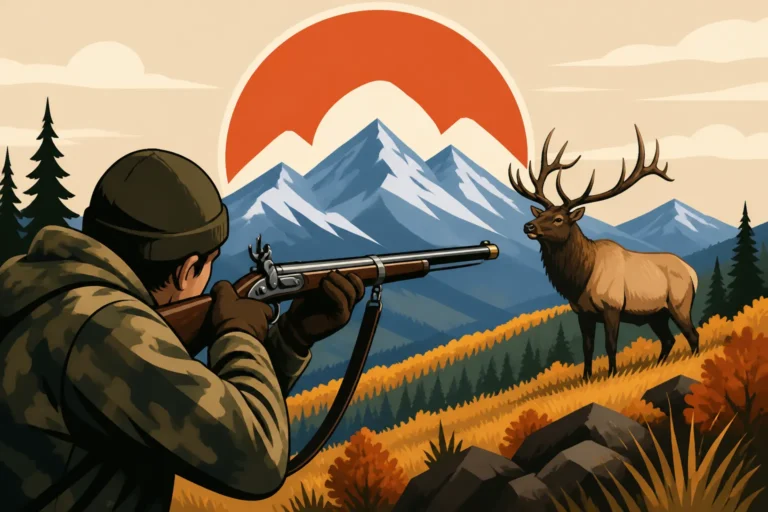
The allure of muzzleloader hunting in Colorado is undeniable, yet the unique blend of traditional equipment and challenging high-country terrain often leaves hunters feeling overwhelmed before they even apply for a tag. The single-shot nature, limited range, and stringent regulations — particularly the no-scope rule for big game — can be daunting for newcomers and seasoned rifle hunters alike. This comprehensive guide will break down everything you need to know to confidently pursue elk or deer during Colorado's distinct muzzleloader season, transforming potential frustration into a rewarding experience.
The Allure and Challenges of Colorado Muzzleloader Hunting
There's something deeply satisfying about hunting with a muzzleloader. It's a step back in time, a connection to the frontier spirit, and an altogether different experience than modern rifle hunting. But let's be real, it also presents a unique set of hurdles, especially when you factor in Colorado's rugged landscape and specific regulations.
Why Choose Muzzleloader Season?
For many, the draw of muzzleloader season isn't just about hunting; it's about embracing a tradition. Imagine the crisp mountain air, the smell of black powder, and the knowledge that you're pursuing game with a method that harkens back centuries. This historical appeal creates a profound connection to the hunt that's hard to replicate. You're not just a hunter; you're a modern-day frontiersman, relying on skills and patience in a way that truly tests your mettle.
Beyond the romance, Colorado's muzzleloader season often falls at a very strategic time of year. For elk, it typically lands in mid-September, right in the heart of the rut or just as it's winding down. This can be an incredibly exciting time to be in the woods, with bulls bugling and active. While rifle seasons might see more hunters, the muzzleloader season can sometimes offer a slightly different dynamic, with passionate hunters committed to the unique challenge. The season’s timing can also mean more predictable weather patterns than later rifle seasons, though mountain weather is always a wild card. It's a prime opportunity to chase big game when they're active, vocal, and focused on breeding, which can lead to some incredible encounters if you're prepared.
Key Differences from Other Hunting Methods
Let’s not sugarcoat it: muzzleloader hunting in Colorado is fundamentally different from punching tags with a high-powered rifle or even bowhunting. The most significant difference is, of course, the single-shot nature of the weapon. This isn’t a bolt-action repeater where you can cycle another round in seconds if your first shot doesn't connect. With a muzzleloader, the first shot is everything. There's a much greater emphasis on precision, patience, and ensuring you have a clean, ethical shot opportunity. This means you’ll need to work harder to get closer to your quarry and be absolutely sure of your target and shot placement before you pull the trigger.
Another massive distinction, and one that often catches hunters off guard, is the legal restriction on optics for big game muzzleloader hunting in Colorado. That's right – no scopes allowed. You're limited to iron sights, peep sights, or open sights. This immediately shrinks your effective range considerably compared to a scoped rifle. You'll need to practice extensively with your chosen iron sights to truly understand your ethical limits, which for most hunters, means a maximum effective range of 100-150 yards, often less in real-world hunting scenarios. This limitation forces you to become a better hunter, focusing on stalking, wind management, and quiet movement to close the distance.
Finally, consider the slower reloading process. Imagine trying to reload a muzzleloader in the field with adrenaline coursing through your veins, especially if you're trying to get a second shot at a moving animal. It’s a multi-step process involving powder, patch, and projectile, often fumbling with caps. This reality underscores the absolute importance of making that first shot count. Then there's the weather: rain and snow can wreak havoc on black powder and caps, leading to misfires if your rifle isn't properly protected. You need to be meticulous about keeping your powder dry and your ignition system reliable, something modern cartridge hunters rarely have to worry about. These factors combine to create a challenging, yet incredibly rewarding, hunting experience that demands a higher level of skill, preparation, and dedication.
Understanding Colorado's Muzzleloader Seasons and Regulations
Navigating Colorado's hunting regulations can sometimes feel like trying to read ancient hieroglyphics, and the muzzleloader rules have their own specific quirks. Understanding when and how to get a tag, and what equipment is legal, is absolutely paramount to avoid disappointment or, worse, a run-in with a game warden.
Critical Season Dates and Draw System
Colorado's muzzleloader season for elk and deer typically falls in mid-September, usually a week or two after the archery season concludes. For 2024, for example, the muzzleloader season runs from September 14th-22nd for elk and deer. This timing is prime for elk, often overlapping with the tail end of the rut when bulls can still be vocal and responsive to calling, though it may also mean you're hitting the woods just as they're starting to quiet down. For mule deer, it's an early-season opportunity, before significant migration.
Unlike the Over-the-Counter (OTC) archery or second/third rifle elk tags, all Colorado muzzleloader tags for big game (like elk and deer) are limited and must be acquired through the draw system. This means you cannot just walk into a sporting goods store and buy a tag. You'll need to apply well in advance, usually in April, through Colorado Parks and Wildlife (CPW). The draw system uses preference points, which you accrue each year you apply for a limited tag and are unsuccessful. More points increase your odds of drawing a coveted tag in popular units.
If you're new to the Colorado draw, it can be a steep learning curve. The key is to research specific Game Management Units (GMUs) to understand their draw odds. Some units require a significant number of preference points to draw, while others might be attainable with fewer points or even zero points, particularly for cow elk or specific deer units. It's a strategic game of balancing your desired unit with your current point accumulation. For a deep dive into how this system works, check out our guide on Colorado Draw System and Preference Points. Planning your application strategy years in advance can make all the difference in eventually drawing that dream muzzleloader tag. Even if you're building points for a trophy rifle hunt, dedicating a year to a lower-point muzzleloader tag can provide an incredible experience in the interim.
Muzzleloader-Specific Rules and Equipment Requirements
Here's where many hunters, especially those from out of state, can get tripped up. Colorado has very specific legal requirements for muzzleloaders used during the big game muzzleloader season. The most crucial rule, as mentioned before, is no scopes for big game. This means your firearm must be equipped with iron sights, open sights, or peep sights only. No magnifying optics whatsoever. This regulation is in place to preserve the traditional challenge of muzzleloader hunting and differentiate it from modern rifle hunting. You might see some muzzleloaders sold with scopes, but they are illegal for big game during the specific muzzleloader season in Colorado.
Beyond optics, here are other critical equipment requirements to understand:
- Bore Diameter: For big game, your muzzleloader must be .40 caliber or larger. For elk, most hunters opt for a .50 caliber or even .54 caliber for increased knockdown power and projectile weight.
- Projectile Type: This is another area that can vary by state, but in Colorado, during the muzzleloader season for big game, you generally must use a single projectile (no buckshot). Sabots are typically restricted. This means you’ll likely need to use a full-bore conical bullet or a round ball and patched round ball. Always double-check the current year's regulations because these can occasionally change or have specific unit exemptions, but the general rule is no sabots for big game muzzleloader season. Full-bore conicals like PowerBelts (if they are solid lead/copper and not a jacketed bullet with plastic base), Hornady Great Plains, or No Excuses work well.
- Ignition: Your muzzleloader must be loaded from the muzzle. It must use a percussion cap (e.g., #11, Musket cap, 209 primer) or a flintlock mechanism. Exposed primers are generally required, meaning a percussion cap or flintlock system must be visible and not fully enclosed or self-contained like some modern inline systems that essentially use a rifle cartridge casing as a breech plug. The intent is to keep it "traditional" in a practical sense.
- Loading: The firearm must be loaded with a single projectile and a single charge of powder. Pre-measured charges in speed loaders are acceptable, but you cannot carry multiple loaded barrels or cylinders.
It's absolutely essential to read the official Colorado Parks and Wildlife Big Game Brochure every year before you hunt. Regulations are subject to change, and what was legal last year might not be this year. Understanding these specific requirements will save you a lot of headache and ensure your hunt is legal and ethical. For more detailed information on general seasons and rules, take a look at our comprehensive guide on Colorado Hunting Seasons Explained.
Essential Muzzleloader Gear and Setup for Colorado's Mountains
Hunting in Colorado's high country with a muzzleloader adds another layer to your gear considerations. The right setup can make or break your hunt, impacting everything from accuracy to reliability in harsh conditions. It's not just about having a gun; it's about having a system that works flawlessly when it counts.
Choosing the Right Muzzleloader
When it comes to selecting a muzzleloader for Colorado, you'll generally encounter two main types: traditional side-hammer (flintlock or percussion cap) and modern in-line (often using 209 primers). Given Colorado's specific regulations, the traditional side-hammer percussion cap style often aligns more easily with the "no enclosed primer" spirit of the rules, though many 209 primer inline muzzleloaders are legal as long as they don't have an enclosed primer system and meet all other criteria. Many hunters prefer the in-line for its reliability in ignition, especially in adverse weather, but you must ensure it meets Colorado's legal requirements for big game. This means the primer cannot be fully enclosed (like some proprietary ignition systems that mimic a centerfire primer) and must use open sights. Brands like CVA, Traditions, and Thompson/Center all make legal inline models, but you'll need to remove any factory-installed scopes and verify the ignition system.
For elk, a .50 caliber is the minimum you should consider, with many hunters preferring a .54 caliber for the extra kinetic energy and larger projectile diameter, especially when using conicals. A heavier bullet carries more momentum, which is crucial for ethical kills on large animals like elk, especially at the extended ranges that may be encountered in a hunting scenario (even if within your ethical range). Reliability in elements is paramount. Choose a rifle with a synthetic stock and a stainless steel barrel if possible. These materials are much more resistant to moisture, rust, and temperature fluctuations than traditional wood and blued steel, which are critical when you're caught in a sudden rain shower or snow squall miles from camp. Make sure the rifle feels comfortable to shoulder and aim with open sights.
Optics, Powder, and Projectile Selection
Since scopes are out, your "optics" become iron sights, peep sights, or fiber optic open sights. Each has its advantages. Iron sights are classic and robust but can be challenging in low light or against a dark timber background. Peep sights, which replace the rear sight with a small aperture closer to your eye, can offer a much clearer sight picture and a longer sight radius, improving accuracy. Many hunters swear by them for muzzleloaders. Fiber optic sights are excellent for visibility in various light conditions, making the front sight pop. Regardless of your choice, spend ample time at the range, practicing at distances from 25 to 150 yards to understand your effective range and point of impact changes.
For powder, you have two main categories: traditional black powder and black powder substitutes.
- Traditional Black Powder: Brands like Goex or Swiss are the real deal. They produce a large cloud of smoke, require meticulous cleaning, but are historically accurate and reliable. You'll need to choose the correct granulation (Fg, FFg, FFFg) based on your caliber and desired load.
- Black Powder Substitutes: These are more common today due to easier cleanup and less fouling. Pyrodex (RS or Select) and Hodgdon Triple Seven (FFg or FFFg) are popular choices. They burn cleaner and are less corrosive. Always follow the manufacturer's load data, but typical charges for a .50 caliber elk rifle might range from 90 to 120 grains by volume. Never substitute smokeless powder for black powder or black powder substitutes! This is extremely dangerous and can lead to catastrophic firearm failure.
Projectile selection for Colorado's big game muzzleloader season is often restricted to full-bore conicals or patched round balls. Sabots, which are plastic sleeves that allow you to shoot smaller-diameter bullets through a larger bore, are generally not allowed for big game in Colorado's muzzleloader season. This is a critical point! So, you’ll be looking for heavy lead or copper conicals designed to engage the rifling directly. Popular choices include:
- Hornady Great Plains: A traditional, all-lead conical known for good accuracy and knockdown power.
- No Excuses: Hand-cast lead conicals, often favored by serious muzzleloader hunters for their consistent quality and excellent terminal performance.
- PowerBelt (non-saboted versions): Some PowerBelt designs are essentially full-bore conicals with a plastic gas seal, which may be legal if the plastic component is only a base wad and not a true sabot encasing a smaller bullet. Always verify legality with CPW.
The bullet weight for a .50 caliber elk conical might range from 300 to 460 grains. Experiment with different weights and powder charges to find the most accurate combination for your specific rifle. Accuracy is key when you only get one shot.
Field Accessories and Maintenance
A successful muzzleloader hunt requires more than just the rifle, powder, and projectile. Your field kit for reloading and maintenance needs to be robust and readily accessible.
-
Loading Tools:
- Speed Loaders: These are tubes that hold a pre-measured powder charge, a projectile, and a cap, allowing for quick reloading in the field. Carry several.
- Solid Ramrod: While most muzzleloaders come with an aluminum or flimsy ramrod, invest in a heavy-duty, solid brass or carbon fiber ramrod for easier and safer loading in the field. A T-handle attachment makes seating bullets much easier.
- Capper: A small tool that holds several percussion caps, making it easier to load them onto the nipple, especially with cold fingers or gloves.
- Nipple Wrench: Essential for removing the nipple for cleaning or if it becomes clogged.
- Primer/Cap Storage: Keep your percussion caps or 209 primers in a waterproof container, separate from your powder, to ensure they stay dry and functional.
-
Cleaning Kit: Black powder and its substitutes are corrosive. A mini cleaning kit for the field is critical.
- Bore Solvent/Lubricant: Products like Bore Butter or similar specific muzzleloader solvents protect against corrosion and make subsequent cleaning easier.
- Cleaning Patches: Carry a good supply.
- Bore Brush: A small brush for the bore is useful.
- Nipple Pick: For clearing a clogged nipple vent.
-
Weather Protection:
- Waterproof Barrel Cover: A simple piece of innertube or a specialized muzzleloader condom can keep moisture out of your barrel in rain or snow.
- Waterproof Powder Vials: Keep individual powder charges in small, sealed plastic vials or cases like those offered by GoHunt for easy, dry access.
- Action Cover: A small cover for the hammer/action area can protect the cap and lock mechanism from rain.
-
Other Essentials:
- Sling: A comfortable, durable sling is a must for carrying your rifle through rugged terrain.
- Rangefinder: Even with open sights, a rangefinder is indispensable for accurately gauging distances to ensure you're within your ethical shooting zone.
- Knife and Field Dressing Kit: Standard hunting essentials, but ensure they are sharp and ready for the moment of truth.
Proper care and preparation of your muzzleloader and its associated gear can make the difference between a successful hunt and a frustrating misfire. Always perform a thorough function check and practice reloading in the field before your hunt.
Scouting and Unit Selection for Muzzleloader Success
Choosing the right place to hunt in Colorado and understanding how to effectively scout it is perhaps even more critical for muzzleloader hunters than for those wielding modern rifles. With the inherent limitations of your weapon, being in the right place at the right time becomes paramount.
E-Scouting and Topographic Analysis
Before you ever set foot on the mountain, effective e-scouting can give you a massive advantage. Tools like GoHunt's Insider platform or OnX Hunt maps are invaluable resources. Start by analyzing the topography of potential Game Management Units (GMUs) that align with your draw odds and preference points. Look for key features that typically hold elk or mule deer during the muzzleloader season.
- North-Facing Slopes: These areas often retain snow longer, providing cooler bedding and lingering moisture. They also tend to have thicker timber, offering crucial security cover for animals pressured during earlier seasons or during the rut.
- Saddles and Ridges: These act as natural travel corridors, connecting bedding areas to feeding grounds or water sources. Identifying these pinch points can be crucial for ambushing moving animals.
- Water Sources: Springs, wallows (for elk), creeks, and small ponds are vital, especially during a dry September. Animals will visit these regularly, providing ambush opportunities.
- Dark Timber: Dense, dark timber, often on north-facing slopes, is where elk and deer feel safe. They will often bed here during the day and move out to feed in more open areas during dawn and dusk. Learning how to hunt elk in the dark timber is a key skill.
- Migration Corridors: While the muzzleloader season is early, understanding general migration patterns for later seasons can give you clues about where animals might be during transitional periods. However, focus more on resident herds and rutting activity for this season.
As you e-scout, mentally map out potential approaches that will keep the wind in your favor. Note potential camping spots, water sources, and escape routes for animals. Pay close attention to public vs. private land boundaries, utilizing layers in your mapping app to ensure you're hunting legally. These digital tools can literally save you days of wasted effort and help you pinpoint high-potential areas, directing your on-the-ground scouting efforts more effectively. For a deeper dive into maximizing your digital reconnaissance, our guide on How to E-Scout Before a Colorado Hunt is a must-read.
On-the-Ground Reconnaissance
E-scouting is fantastic, but there's no substitute for getting boots on the ground. If possible, plan a pre-season scouting trip to your chosen GMU. Even a long weekend spent hiking and exploring can provide invaluable real-time intelligence.
- Look for Fresh Sign: Old sign might be interesting, but fresh sign tells you where animals are now. Look for fresh tracks, droppings, rubs (especially for elk during the rut), and active wallows. For deer, look for fresh browsing and beds.
- Confirm E-Scouting Assumptions: The satellite image might look great, but does that saddle really have good cover? Is that spring running or dry? Ground-truthing your e-scouting efforts is crucial.
- Trail Cameras: Deploying trail cameras in strategic locations (waterholes, mineral licks, game trails) can confirm animal presence, patterns of movement, and even give you an idea of the caliber of animals in the area. Remember to place them legally and ethically.
- Understand Local Movement Patterns: Animals can be creatures of habit. If you spend time observing (or reviewing trail cam footage), you might notice specific times they move through certain areas or favored bedding locations.
- Acclimatize: A pre-season trip also allows you to start the process of Altitude Training for Colorado Hunting, getting your body used to the elevation before the intensity of the actual hunt.
The knowledge gained from on-the-ground scouting is gold. It builds confidence and allows you to make more informed decisions during your hunt, minimizing surprises and maximizing your limited hunting time.
Choosing a GMU for Muzzleloader Hunting
Selecting the right Game Management Unit (GMU) for your Colorado muzzleloader hunt is a blend of practical considerations and realistic expectations. Since muzzleloader tags are always limited, draw odds will be a primary factor unless you have accumulated a significant number of preference points.
- Draw Odds vs. Trophy Potential: Some GMUs are known for producing trophy animals but require many preference points. Others might have lower success rates or fewer "trophy" animals but are much easier to draw. For your first muzzleloader hunt, especially, it might be wise to prioritize drawing a tag in a unit with reasonable public land access and good elk/deer numbers, even if it's not a "trophy unit." GoHunt's data can be invaluable for analyzing draw odds and harvest statistics for specific units.
- Public Land Access: Ensure your chosen GMU has ample public land (National Forest, BLM) that you can access. Private land checkerboard patterns can complicate hunting and make access difficult. Use your mapping apps to verify access points and land ownership. Units with large wilderness areas or roadless tracts often see less pressure, which can be a huge benefit for a muzzleloader hunter needing to get close. Consider our guide on Best GMUs for Elk Hunting in Colorado for ideas.
- Elk/Deer Numbers and Rut Activity: Research the herd statistics for your target GMU. CPW provides herd management plans and data that can help you understand population trends and bull-to-cow or buck-to-doe ratios. During the muzzleloader season, which often coincides with the peak or post-peak of the elk rut, a unit with a healthy bull population can offer more calling opportunities. For mule deer, consider units known for good early-season numbers before heavy snowfall pushes them to lower elevations.
- Terrain and Personal Fitness: Be realistic about your physical capabilities. Some GMUs are incredibly rugged, requiring significant elevation gain and miles of hiking. Others might be more moderate. Ensure the terrain matches your fitness level, or dedicate yourself to a serious Colorado Elk Hunt Fitness Plan if you're aiming for extreme backcountry.
A good strategy is to have several units in mind, varying in difficulty to draw. Apply for your top choice, and if you don't draw, be prepared to consider Colorado Leftover Tags Explained that become available after the main draws. Sometimes, a muzzleloader tag might be available over the counter in very specific, limited circumstances (e.g., specific cow tags in certain units late in the season), but for bull/buck tags during the prime September season, the draw is almost always the only route.
Muzzleloader Hunting Tactics and Strategies in Colorado
Hunting with a muzzleloader demands a different approach than other methods. Your single-shot limitation and the absence of a scope mean that closing the distance and making a precise shot are paramount. This isn't about long-range shooting; it's about becoming a master of close-quarters hunting.
Locating and Approaching Game
The muzzleloader season for elk often falls during the latter half of the rut. This is a golden opportunity to use calling tactics to locate and lure in bulls.
- Calling for Elk: During mid-September, bulls can still be very vocal, especially at dawn and dusk. Locator bugles are great for identifying where elk are. Once you get a response, you need to transition to more aggressive calling, mimicking cows and challenger bulls, to draw them in. Remember, you need to get them close – within 100 yards, preferably closer, for a confident muzzleloader shot. Set up in thick cover, paying attention to the wind, and be ready when they appear. Learning How to Call Elk in Colorado effectively can significantly increase your odds.
- Still-Hunting: This method is ideal for muzzleloader hunters, especially in the thick timber where you need to get close. Still-hunting involves moving incredibly slowly and deliberately through the woods, taking one or two steps, then stopping to observe and listen for several minutes. Use your eyes and ears to pick up on subtle cues – a flicker of an ear, the snap of a twig, the faint sound of hooves. Focus on areas where animals are likely to be bedding or feeding, such as north-facing slopes or thick draws. When still-hunting, always consider the wind direction to avoid being scented. Our guide on How to Still-Hunt Colorado Timber provides excellent detail on this patient and rewarding technique.
- Ambushing: Identify key travel corridors, water sources, or feeding areas during your scouting, and set up an ambush point. This could be near a wallow, a creek crossing, or a saddle. Get into your position well before dawn or stay until well after dusk, remaining absolutely still and quiet. Let the animals come to you. Ambush hunting relies heavily on detailed knowledge of animal patterns and terrain.
Regardless of the tactic, always prioritize wind direction. Elk and deer have an incredible sense of smell, and a gust of wind carrying your scent can ruin a hunt instantly. Always try to approach with the wind in your face or quartering.
Shot Placement and Ethical Considerations
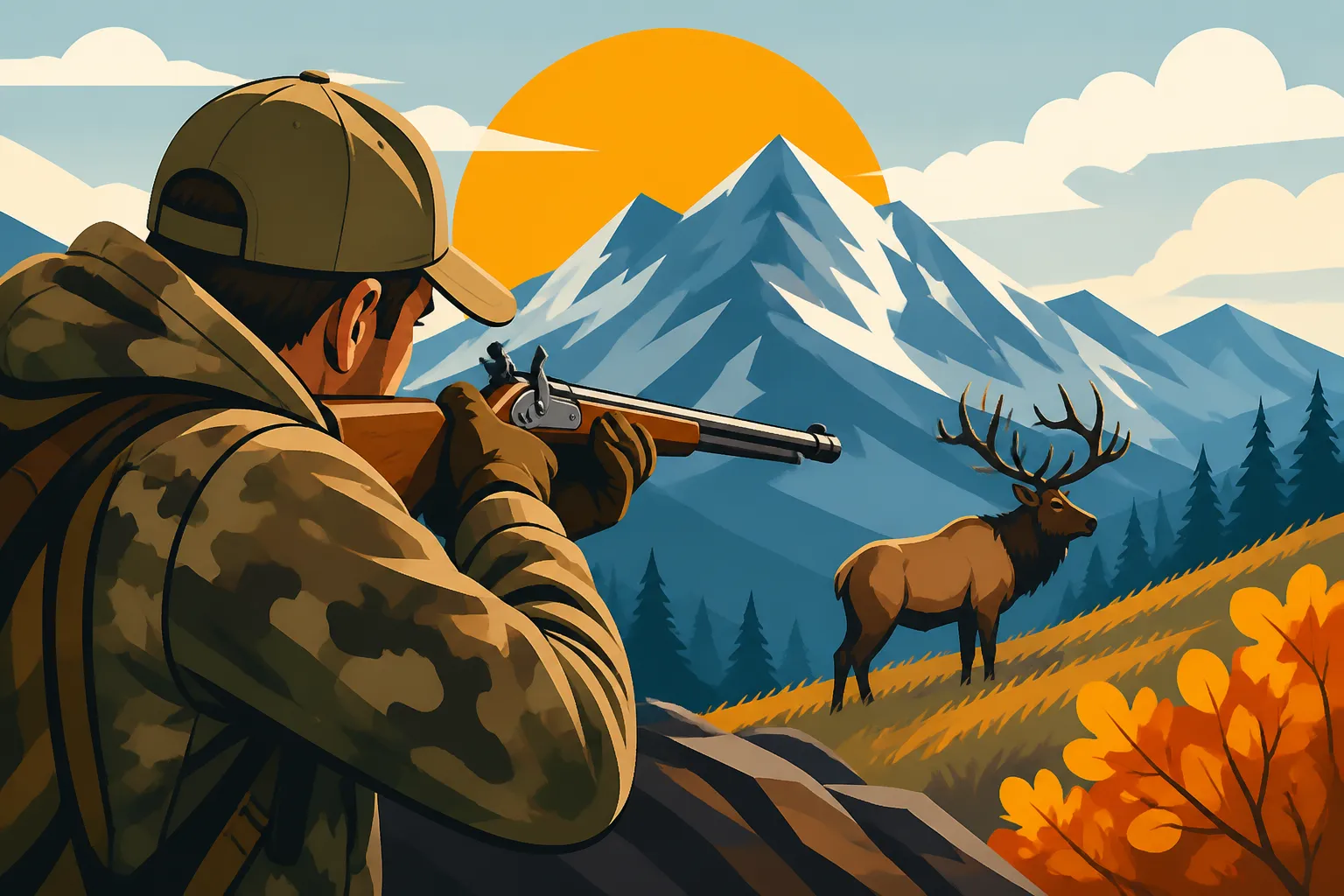
With a muzzleloader, your ethical shooting distance is greatly reduced compared to a modern rifle. For most hunters using iron sights, this means a maximum of 100-150 yards on big game, and often much closer in the heat of the moment. Precision is everything.
- Practice, Practice, Practice: Before your hunt, spend extensive time at the range. Practice shooting from various field positions – standing, kneeling, sitting, and prone. Understand your muzzleloader's trajectory at different ranges (25, 50, 75, 100, 125, 150 yards). You need to know exactly where your conical will impact at these distances with your open sights. Don't just shoot from a bench; simulate hunting scenarios.
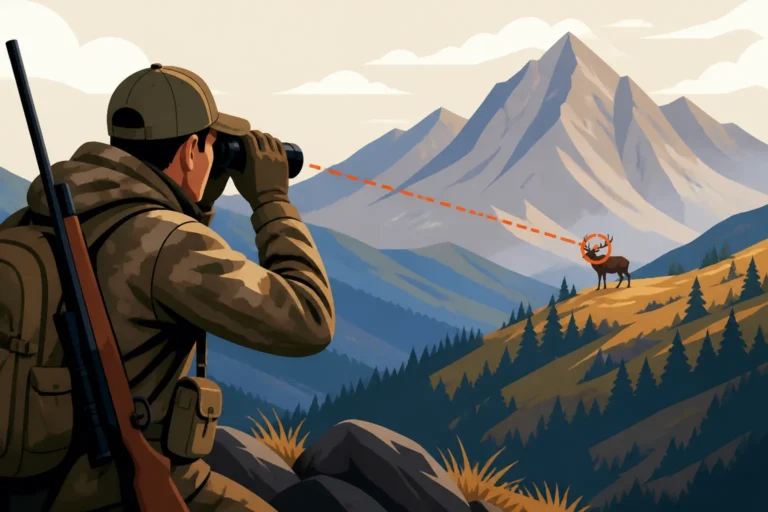
- Range Estimation: Without a scope, judging distance accurately becomes even more critical. Use a rangefinder religiously in the field, even on animals that appear close. What looks like 70 yards might be 120, a significant difference for a muzzleloader with open sights.
- Animal Anatomy: Re-familiarize yourself with elk and deer anatomy. A broadside shot, aiming for the lung-heart area, is always ideal. Quartering-away shots can also be effective, targeting the opposite shoulder. Avoid quartering-to or head-on shots, as they present a much smaller vital area and a higher risk of wounding.
- The Follow-Up: Since reloading is slow, your first shot must be as perfect as possible. If an animal is hit, observe its reaction carefully. If it runs, mark the last spot you saw it and listen for sounds. Wait patiently before tracking, giving the animal time to bed down.
Ethical hunting with a muzzleloader means accepting its limitations and only taking shots you are 100% confident in. The challenge is not in the range, but in the dedication to getting close.
Dealing with Colorado's Variable Weather
Colorado's mountains are notorious for unpredictable weather, and this can present unique challenges for muzzleloader hunters. A sunny morning can quickly turn into a snowy afternoon or a torrential downpour, threatening your black powder ignition system.
-
Protecting Your Powder and Cap:
- Barrel Cover: Always keep a waterproof cover on your muzzle, even if it's just a balloon or a piece of rubber inner tube. This prevents rain or snow from getting into your barrel and wetting your powder charge.
- Action Protection: For percussion systems, a small piece of tape or an action cover can help shield the percussion cap from moisture. For 209 primers, ensure your breech plug is clean and the primer is seated firmly.
- Waterproof Powder Storage: As mentioned, carry individual powder charges in sealed, waterproof vials. If your main powder supply gets wet, your hunt is over.
-
Hunting in Rain or Snow:
- Rain: Hunting in the rain can be excellent, as it dampens sound, making it easier to move quietly. Just be extra diligent about keeping your muzzleloader dry.
- Snow: Fresh snow is a tracker's dream. It quiets your footsteps and makes animal sign incredibly obvious. Learn How to Hunt Elk in the Snow to capitalize on these conditions. However, deep snow can make travel arduous and significantly increase the physical demands of the hunt.
- Temperature Swings: Extreme cold can affect powder ignition and performance. Ensure your powder is stored at a consistent temperature if possible, and be aware that cold metal can make handling small caps difficult.
- Wind: High winds can make accurate shooting challenging, even at short distances. They can also make it difficult to hear approaching animals or their bugles. Adapt your strategy; focus on sheltered areas or still-hunting into the wind.
Layering your clothing is crucial for Colorado's variable weather. Start with moisture-wicking base layers, add insulating mid-layers, and top with a waterproof and windproof outer shell. Be prepared to shed or add layers throughout the day as conditions change. Don't let adverse weather deter you; often, the worst weather pushes animals into more predictable patterns and keeps fair-weather hunters in camp.
Physical and Mental Preparation for a Muzzleloader Hunt
Colorado elk and deer hunting, especially with a muzzleloader, is physically and mentally demanding. The rugged terrain, high elevations, and the inherent challenges of the weapon combine to test hunters in unique ways. Being prepared in both body and mind is just as important as having the right gear.
High-Altitude Acclimatization and Fitness
Colorado boasts some of the highest average elevations for hunting in the Lower 48. Many prime elk and deer hunting grounds are found between 8,000 and 11,000 feet, with some pushing even higher. If you're coming from a lower elevation, the lack of oxygen can quickly turn a strenuous hike into an exhausting ordeal, leading to altitude sickness.
- Physical Training: Begin an intensive fitness regimen several months before your hunt. Focus on cardiovascular endurance (running, cycling, swimming, hiking with a loaded pack) and strength training, especially for your legs and core. Simulating the demands of mountain hunting, such as long uphill hikes with a heavy pack, will pay dividends. Our guide on How to Physically Prepare for Colorado Elk offers a detailed training plan. Don't underestimate the physical toll; packing out a 600-pound elk at 10,000 feet is one of the most grueling tasks a hunter can face.
- Altitude Acclimatization: If possible, arrive in Colorado a few days before your hunt starts to allow your body to begin acclimating to the elevation. Stay hydrated, avoid alcohol and excessive caffeine, and take it easy for the first 24-48 hours. Start with light activities and gradually increase your exertion. Recognizing the symptoms of altitude sickness (headache, nausea, dizziness, fatigue) and knowing when to descend is crucial for your safety. For more in-depth advice, check out our resource on Altitude Training for Colorado Hunting. Hydration is often overlooked but absolutely essential at elevation. Drink more water than you think you need.
Being physically ready means you can push harder, hunt longer, and remain safer in the mountains. It also means you'll have the stamina to get your animal out efficiently if you're successful.
Mental Fortitude and Patience
Muzzleloader hunting is not for the faint of heart or the impatient. The limitations of the weapon, combined with the inherent challenges of mountain hunting, mean you will likely face frustration, long hours of nothing, and missed opportunities.
- Embrace the Challenge: Understand that muzzleloader hunting is a marathon, not a sprint. The reward often comes from the effort and the deep satisfaction of succeeding with traditional methods. Go into the hunt with the mindset that it will be tough, but that's part of its appeal.
- Stay Focused and Positive: Long days of hiking without seeing animals can wear on your spirits. Practice mindfulness and stay present in the moment. Appreciate the beauty of the landscape, the sounds of nature, and the privilege of being in the mountains. Negative thoughts can quickly snowball and lead to poor decision-making.
- Patience is a Virtue: With a single-shot weapon and no scope, you must be patient enough to let animals get close and present the perfect shot. Rushing a shot is the fastest way to wound an animal and ruin your hunt. If the shot isn't perfect, wait for a better opportunity, or pass entirely. Sometimes, the most ethical decision is not to shoot.
- Learn from Mistakes: Every hunt offers lessons. If you make a mistake (e.g., misjudge the wind, spook an animal, miss a shot), don't dwell on it. Analyze what went wrong, learn from it, and apply that lesson to the next encounter. This iterative process of learning and adapting is what makes a successful hunter.
Brands like GoHunt often emphasize the importance of mental preparation alongside physical fitness. A strong mind can push a tired body, and a positive attitude can turn a tough hunt into a memorable adventure.
Post-Harvest Care and Pack-Out
When you've successfully harvested an animal with your muzzleloader, the work is far from over. In fact, for many, the real work has just begun. Proper field dressing, meat preservation, and packing out are physically demanding and crucial steps to honor your harvest.
- Field Dressing: As soon as an animal is down, begin the field dressing process immediately, especially if temperatures are warm. Gutting the animal allows the carcass to cool quickly, preventing meat spoilage. Remove all internal organs, ensuring the body cavity is as clean as possible. For elk, consider splitting the sternum to further aid cooling. Learn How to Quarter an Elk in the Field for efficient processing.
- Meat Preservation: In Colorado's mountains, temperatures can swing wildly. If it's warm, getting the meat cooled down quickly is paramount. Quarter the animal into manageable pieces and get the hide off as soon as possible. Hang the quarters in game bags in a shaded, breezy spot, off the ground, to allow air circulation. If you're in the backcountry for several days, consider options like a portable cooler or even a snow cave if available. Always keep the meat clean and free from dirt and flies.
- Packing Out: This is where your physical fitness will be truly tested. A mature bull elk can weigh 600-800 pounds, meaning you'll be packing out 150-200 pounds of meat plus the head and cape (if desired) and your gear, often over multiple trips. Ensure you have a sturdy, capable pack designed for heavy loads. Enlist hunting partners if possible. Plan your pack-out route carefully, considering terrain and water sources. A guide on How to Pack Out an Elk in Colorado will detail techniques like the "gutless method" which can make the process more efficient. Remember to secure your firearm and other gear safely during the pack out.
Successfully completing the entire hunting process, from scouting and stalking to the harvest and pack-out, brings immense satisfaction. It's a testament to your preparation, skill, and respect for the animal and the wilderness.
Muzzleloader Ignition and Projectile Comparison
When gearing up for a Colorado muzzleloader hunt, understanding your options for ignition and projectiles is key to compliance and success. Here’s a quick overview:
| Feature | Percussion Cap (e.g., #11, Musket) | 209 Primer (e.g., in-line) |
|---|---|---|
| Reliability | Good, but more susceptible to moisture issues if not protected. | Excellent, generally more weatherproof and consistent. |
| Ease of Use | Can be fiddly to seat, especially with cold fingers. | Easier to handle and seat in the breech plug. |
| Traditionalism | More traditional, often preferred by purists. | More modern, but still legal if open primer. |
| Colorado Legal | Yes, assuming open sights. | Yes, assuming open primer and open sights. |
| Comments | Requires careful weather protection. Can be slower to recap than 209. | Generally quicker to reload and more consistent ignition in adverse conditions. |
| Projectile Type | Full-Bore Conical (e.g., Hornady Great Plains, No Excuses) | Patched Round Ball (PRB) | Sabot (e.g., Hornady SST-ML, Barnes Expander MZ) |
|---|---|---|---|
| Description | Solid lead or copper bullet, same diameter as bore. Engages rifling directly. | Round lead ball wrapped in a lubricated patch. Smaller diameter than bore. | Plastic sleeve encasing a smaller diameter bullet. Drops off after exiting muzzle. |
| Accuracy | Good to excellent, depending on rifle and load. | Excellent at short range, less consistent at longer ranges due to lower BC. | Can be very accurate. |
| Kinetic Energy | High, especially with heavy weights (300-460+ gr). Excellent for big game. | Lower, suitable for deer at close range but often considered marginal for elk. | High, as it allows for modern bullet designs. |
| Terminal Perform | Excellent expansion and penetration on big game due to weight and construction. | Good expansion at close range, but less mass for deep penetration. | Excellent, modern bullet designs offer controlled expansion and penetration. |
| Colorado Legal | YES, for big game muzzleloader season. | YES, for big game muzzleloader season. | GENERALLY NO, for big game muzzleloader season. (Always check current regs for exceptions) |
| Comments | Most common and recommended choice for elk due to legality and effectiveness. | Traditional, good for small game or close-range deer. Requires careful patching. | Illegal for big game in Colorado's muzzleloader season to preserve traditional methods. |
Disclaimer
Hunting is an inherently dangerous activity. This guide provides general information and recommendations but cannot substitute for official regulations, professional instruction, or personal experience. Always consult the most current Colorado Parks and Wildlife (CPW) regulations and safety guidelines before engaging in any hunting activities. Hunters are responsible for their own safety, ethical conduct, and compliance with all applicable laws. The author and publisher are not liable for any accidents, injuries, or legal issues that may arise from using this information.