Colorado Backcountry Hunting Guide
Venturing deep into Colorado's backcountry for a hunt is a dream for many, but the reality can be a brutal awakening. The sheer scale of the mountains, unpredictable weather, and the physical demands often leave hunters feeling overwhelmed and unprepared. This comprehensive guide is designed to equip you with the knowledge, strategies, and mindset needed to confidently plan and execute a successful and safe backcountry hunt in the challenging, yet incredibly rewarding, wilderness of Colorado.
What Defines Colorado Backcountry Hunting?
When we talk about "backcountry" in Colorado, we're not just talking about being a mile or two from the road. We're talking about accessing remote areas, often requiring days of hiking and packing into true wilderness. It's an immersive experience that tests every fiber of your being, but it also offers unparalleled solitude and the chance to encounter elk, deer, and other big game in their undisturbed natural habitat, far from the pressure of easily accessible public lands.
The Lure of Untouched Wilderness
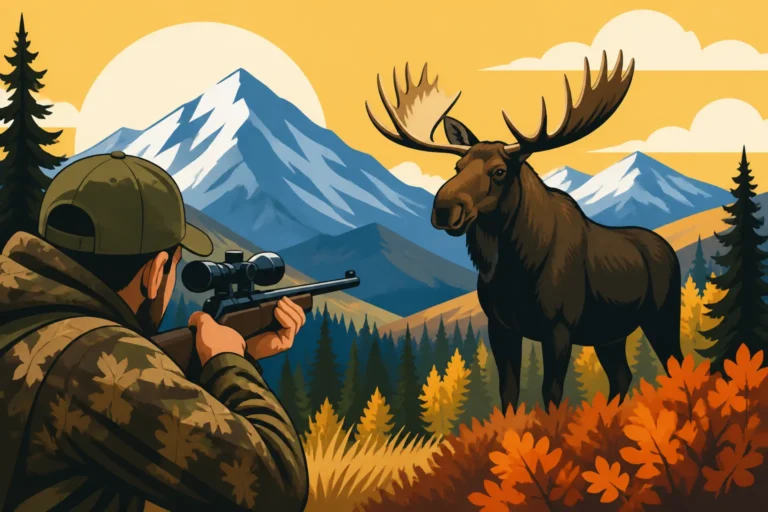
The appeal of Colorado backcountry hunting is powerful. Imagine waking up to a crisp mountain sunrise, the only sounds being the whisper of the wind through ancient pines and the distant bugle of an unseen bull elk. These are the moments that draw hunters away from crowded trailheads and road systems. In areas like the Flat Tops Wilderness or sections of the San Juan Mountains, you can find vast expanses where human presence is minimal, and animals exhibit more natural behaviors. This provides a more authentic and often more challenging hunting experience, where success feels truly earned. It's about disconnecting from the modern world and truly connecting with nature, pitting your skills and endurance against the raw elements and the intelligence of wild game. For many, it's not just a hunt; it's an adventure into the wild unknown, where every ridge climbed and every drainage explored brings a new discovery.
Common Misconceptions and Harsh Realities
Newcomers to Colorado backcountry hunting often have a romanticized view, picturing serene days and easy encounters. The reality, however, is far more complex and demanding. One common misconception is that simply being "out there" guarantees success. In truth, backcountry hunting requires immense preparation, both physically and mentally. The terrain is relentlessly steep, the air is thin, and the weather can turn from a sunny autumn day to a raging blizzard in a matter of hours. You're miles from immediate help, and a minor injury can become a life-threatening emergency. The animals you pursue in these remote areas are often smarter, warier, and accustomed to evading pressure, making them even harder to locate and approach. Moreover, the physical toll of carrying a heavy pack over uneven ground for days on end, compounded by the effort of packing out an animal, can be utterly exhausting. This is why thorough preparation, a robust gear list, and a strong understanding of mountain survival are not just recommendations but absolute necessities.
Essential Physical and Mental Preparation
You can have the best gear and the most advanced e-scouting maps, but if your body and mind aren't ready for the rigors of Colorado backcountry hunting, your trip can quickly turn from an adventure into a nightmare. This isn't a casual stroll; it's an athletic endeavor in a high-consequence environment.
Building Mountain-Ready Endurance
Preparing your body for the mountains of Colorado is paramount. You need to be able to hike for miles with a heavy pack, ascend steep slopes at high altitude, and still have the stamina and precision to make a critical shot. Forget about simply walking on a treadmill; your training needs to mimic the demands of the hunt. Incorporate weighted hikes on varied terrain, focusing on elevation gain. Think about climbing stairs or using a stair climber with a loaded pack. Running, cycling, and other cardio are excellent, but functional strength—especially for your core, legs, and back—is equally important for carrying heavy loads and navigating technical terrain. Consider activities like rucking, which involves walking long distances with a weighted backpack, gradually increasing weight and distance. Start months in advance, not weeks, to allow your body to adapt slowly and safely. Remember, every step you take in the gym or on a local trail is a step closer to success in the unforgiving backcountry. If you're looking for a more structured approach, consider reading our guide on How to Physically Prepare for Colorado Elk.
Mental Fortitude for Solitude and Challenge
Beyond the physical, the mental game is huge in the backcountry. You'll face challenges that can chip away at your resolve: relentless climbing, getting lost, bad weather, prolonged periods without seeing game, and the profound solitude. You need to cultivate resilience, patience, and a positive mindset. Practice problem-solving under pressure. Mentally rehearse adverse scenarios and how you'd react. Learn to be comfortable with discomfort, whether it's cold, wet, or tired. Backcountry hunting is often a solo or small-group endeavor, and you'll spend a lot of time with your own thoughts. Develop the ability to stay focused and motivated, even when the odds feel stacked against you. A strong mental game means you won't give up when things get tough, and you'll make better decisions under stress. For those concerned about the thin air, our guide on Altitude Training for Colorado Hunting offers specific strategies to help your body acclimate.
Gear Up for the Backcountry Grind
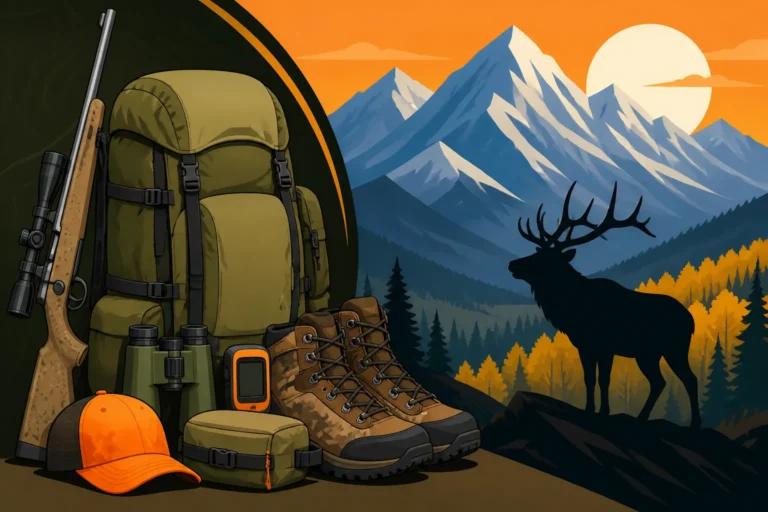
Your gear is your lifeline in the backcountry. Every item you pack needs to be meticulously chosen for its functionality, durability, and weight. There's a delicate balance between being prepared for anything and keeping your pack light enough to move efficiently through the mountains.
The Non-Negotiables: Shelter, Sleep, and Sustenance
When you're miles deep in a wilderness area, your core systems for survival are non-negotiable. First, a reliable shelter is crucial. This could be a lightweight tent, a bivy sack, or even a robust tarp system. It needs to withstand sudden downpours, strong winds, and potentially even snow. Brands like MSR, Big Agnes, and Hyperlite Mountain Gear offer excellent ultralight options. Second, a quality sleep system is vital for recovery. A sleeping bag rated for temperatures well below what you expect (always err on the side of caution in the mountains) and an insulated sleeping pad are essential. Look for bags with high fill power down for warmth-to-weight ratio. Third, sustenance – food and water – must be carefully managed. Dehydrated meals are popular for their light weight and ease of preparation. You'll also need a reliable water filtration system (e.g., Katadyn BeFree, Sawyer Squeeze) or purification tablets, as natural water sources can be contaminated. Don't forget high-calorie snacks for quick energy boosts throughout the day. For a more exhaustive list, check out our Colorado Backcountry Hunting Gear List.
Specialized Tools for Navigation and Safety
In the vastness of the Colorado backcountry, effective navigation and safety tools are not optional; they're mandatory. A reliable GPS device, like a Garmin inReach or a phone with a dedicated hunting app like onX Hunt, is absolutely critical. These tools allow you to pinpoint your location, track your movements, mark waypoints, and navigate without cell service. Always carry a physical map and compass as a backup, and know how to use them. A satellite communication device (like the Garmin inReach mentioned) is also paramount for emergency communication, allowing you to send and receive texts and trigger an SOS even when out of cell range. A robust first-aid kit tailored for backcountry use, including items for trauma, blisters, and altitude sickness, is also essential. Other safety items include a headlamp with extra batteries, a fire starter, a multi-tool, and possibly a bear spray if hunting in areas with a high concentration of grizzly bears (though less common in Colorado, it’s good practice to research specific areas).
Weight-Saving Strategies Without Compromising Safety
Every ounce matters when you're packing for a multi-day backcountry hunt. The goal is to shed unnecessary weight without compromising safety or essential functionality. Start by scrutinizing every item. Can one item serve multiple purposes? For example, a quality insulated puffy jacket can double as a pillow. Repackage food into smaller, lighter bags. Cut down excess straps on your pack. Consider going stoveless for some meals to save the weight of a fuel canister and stove, opting for cold-soak options instead. Prioritize ultralight versions of key items like your tent, sleeping bag, and sleeping pad. Think about synthetic clothing layers that dry quickly and still insulate when wet, which can be lighter than wool for some applications. However, never skimp on critical safety gear like your first-aid kit, navigation tools, or appropriate clothing for the expected weather. The goal is "lightweight, not lightheaded." When you are thinking about how to dress for the unpredictable mountain weather, our guide on How to Layer for a Colorado Elk Hunt can provide valuable insights.
Here's a quick comparison of popular backcountry pack types:
| Pack Type | Pros | Cons | Best Use | Capacity Range (Liters) |
|---|---|---|---|---|
| Internal Frame Pack | Hugs body, excellent stability, good for uneven terrain, streamlined | Less ventilation, can be harder to load awkwardly shaped gear | Multi-day hunts, varied terrain, heavier loads | 50-85+ |
| External Frame Pack | Excellent ventilation, easy to attach bulky items externally, weight distribution | Less stable on technical terrain, bulky profile, can snag on brush | Hauling heavy loads, carrying odd-shaped items, good for very large game retrieval | 70-100+ |
| Frameless Pack | Extremely lightweight, packable, minimalist | Requires careful packing, less load support, uncomfortable with heavy loads | Ultralight backpacking, smaller game, experienced minimalists | 30-50 |
| Hybrid (Load Hauler) | Combines internal frame support with robust external lashing capabilities | Can be heavier than pure internal frames | Elk/Mule Deer hunts where heavy meat hauling is anticipated | 60-90+ |
Strategic Planning and E-Scouting for Success
Backcountry hunting success often begins long before you even set foot in the wilderness. The meticulous process of planning and e-scouting can drastically increase your odds by helping you understand the terrain, game movements, and potential access points.
Deciphering GMUs and Public Land Boundaries
Colorado is divided into numerous Game Management Units (GMUs), each with its own specific regulations, season dates, and draw odds. Understanding these units is your first step. Backcountry hunting often means focusing on GMUs with a high percentage of public land, particularly those containing designated wilderness areas or vast tracts of National Forest and BLM land. You need to identify which GMUs offer over-the-counter (OTC) tags if you're not going through the draw, or research draw odds if you're aiming for a limited-entry unit. Use resources like the Colorado Parks and Wildlife (CPW) website and mapping tools to understand GMU boundaries, private land parcels, and public access points. It's not uncommon for public land to be "landlocked" by private property, so knowing exactly where you can legally access areas is critical. Don't forget that many excellent backcountry areas are within National Forests; understanding how to navigate these is key. For a deep dive into how these areas are structured, refer to our Colorado Hunting Units (GMUs) Explained guide.
Leveraging Digital Tools for Pre-Hunt Scouting
E-scouting is an indispensable part of modern backcountry hunting. Tools like GoHunt and onX Hunt allow you to digitally explore vast landscapes from your home. Use satellite imagery to identify potential game habitat: north-facing slopes with dark timber, saddles, benches, natural clearings, water sources (wallows, seeps, creeks), and escape routes. Pay close attention to changes in vegetation, elevation contours, and the proximity to potential bedding or feeding areas. GoHunt's mapping and data analytics can provide valuable insights into draw odds, success rates, and even elk populations within specific GMUs, helping you narrow down your search for the ideal backcountry location. Mark potential spike camp locations, glassing points, and crucial travel corridors. By spending hours e-scouting, you'll arrive at your chosen unit with a much clearer understanding of the terrain and where to focus your efforts, saving precious time and energy in the field. Our guide on How to E-Scout Before a Colorado Hunt offers a step-by-step approach to mastering this crucial skill.
Tactics for Hunting Deep in the Wilderness
Once you're physically prepared and have your gear dialed, it's time to focus on the actual hunting. Backcountry tactics differ significantly from road-hunting or even front-country approaches, demanding a deeper understanding of animal behavior and mountain dynamics.
Locating Elk Away From Pressure
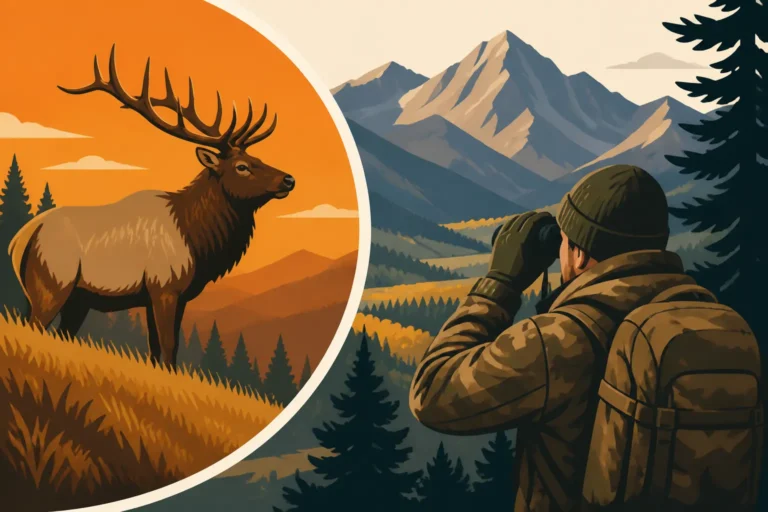
One of the primary advantages of backcountry hunting is the opportunity to find elk that haven't been pushed and harassed by easy public land access. These elk often hold to predictable patterns, but they can be elusive. Focus on areas that are far from roads, trails, or any signs of human activity. Look for steep, rugged terrain, especially dark timber patches on north-facing slopes, which offer bedding cover, shade, and thermal protection. Elk will often retreat to these impenetrable zones when pressured. Use your optics to glass distant basins and ridges at dawn and dusk, looking for movement or listening for bugles. Don't be afraid to put in the miles; the harder an area is to access, the more likely you are to find undisturbed game. Often, elk will travel into these remote areas only after the season begins and hunter pressure increases in more accessible spots. If you're struggling to locate them, remember that our guide on How to Find Elk When They Go Quiet provides specific strategies for those tougher days.
Adapting to Dynamic Mountain Conditions
The Colorado high country is a land of constant change. Weather can shift from sunny and mild to cold and snowy in a matter of hours, even in early archery seasons. You need to be prepared for anything and willing to adapt your plans on the fly. Pay close attention to wind direction and thermals, which are critical for staying undetected by an elk's keen sense of smell. Early mornings and late evenings typically see thermals rising and falling, respectively, a phenomenon you must master to approach game. Snow can both help (tracking, forcing migration) and hinder (deep drifts, reduced visibility) your hunt. Be ready to change your hunting strategy based on prevailing conditions – move higher if it’s warm, lower if snow drives animals down, or focus on specific features like dense timber during high winds. Remaining flexible and responsive to the environment is key to backcountry success. Understanding how air currents affect elk is crucial; check out How to Use the Wind Hunting Colorado Elk for more detailed information.
The Art of Still-Hunting and Spot-and-Stalk
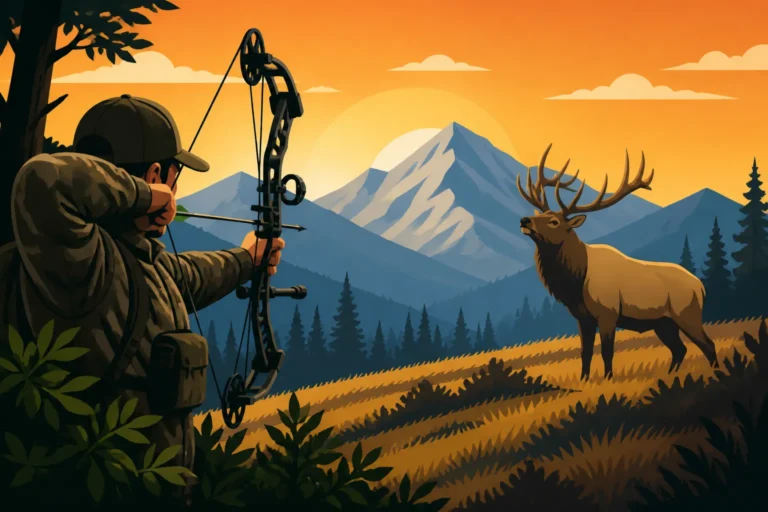
Backcountry hunting frequently employs a combination of still-hunting and spot-and-stalk tactics. Still-hunting involves moving slowly and deliberately through timber or along a ridge, stopping frequently to glass, listen, and scan for any sign of game. This method is effective in dense cover where long-range glassing is limited. Pay attention to every detail: a flick of an ear, a patch of hide, or a subtle movement. When the terrain opens up, spot-and-stalk becomes your primary method. This involves finding animals from a distance (spotting), then planning a careful approach (stalking) to get within shooting range. This requires patience, a deep understanding of terrain, wind, and animal behavior, and the ability to move silently and strategically. High-elevation basins, timbered ridges, and transition areas between bedding and feeding zones are prime candidates for both these tactics. Remember, in the backcountry, you'll often be targeting elk in areas that are hard to access, so learning How to Hunt Elk at High Elevation can significantly improve your chances.
Logistics: Packing Out and Camp Management
Killing an elk in the backcountry is only half the battle. The real work often begins after the shot. Proper logistics for packing out meat and managing your camp are essential for a successful, ethical, and safe hunt.
Efficient Field Quartering and Meat Preservation
Once you've taken an animal, the clock starts ticking, especially in warmer early-season hunts. Efficient field quartering is critical to cool the meat quickly and prepare it for transport. This involves breaking down the animal into manageable pieces, often bone-in quarters or boneless meat, depending on your preference and the distance to your pack-out point. Carry multiple game bags – synthetic, breathable bags are preferred over cotton pillowcases as they protect the meat better and allow it to cool. Hang the meat in a shady, airy spot, away from direct sunlight, if possible. If you’re many miles in, you might need to make multiple trips, packing out one load and returning for the rest. Ensuring the meat stays clean and cools rapidly is paramount for preserving its quality. Don't underestimate the effort required; packing out an elk can be one of the most physically demanding parts of the entire hunt. Our detailed guide on How to Pack Out an Elk in Colorado can walk you through the process step-by-step.
Setting Up and Managing a Backcountry Spike Camp
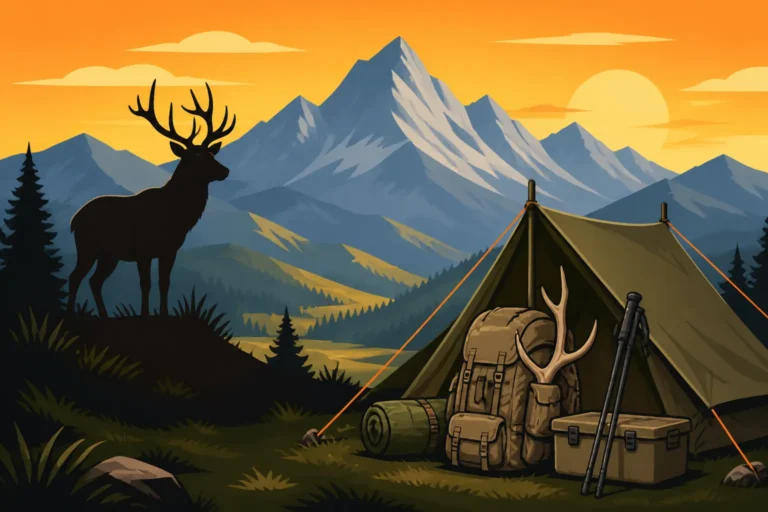
A well-managed spike camp is your oasis in the wilderness. It needs to be lightweight, efficient, and provide a comfortable base for your multi-day hunt. Choose a campsite that is sheltered from wind, has access to water, and is ideally located to minimize travel to your hunting grounds. Practice Leave No Trace principles: camp on durable surfaces, pack out all trash, and minimize your impact. Food storage is also crucial to prevent attracting bears or other wildlife; hang food from a tree or use a bear-resistant container. Keep your gear organized within your tent or shelter to avoid clutter. This isn't a car camp; space is at a premium. Think about how you’ll cook, store water, and manage waste. If you plan to stay in one remote location for several days, consider setting up a more robust base camp, or even a drop camp if you're using outfitters or horses. For more on this, check out How to Set Up a Colorado Drop Camp.
Safety Protocols and Emergency Preparedness
The backcountry is beautiful but unforgiving. Complacency can have severe consequences. Being prepared for emergencies is not just smart; it's a moral imperative when you're far from help.
Recognizing and Mitigating Mountain Hazards
Colorado's mountains present a range of hazards that you must be aware of and actively mitigate. Altitude sickness is a common and serious threat for those unaccustomed to high elevations. Acclimatize slowly, stay hydrated, and recognize the symptoms (headache, nausea, fatigue). Rapidly changing weather means always carrying layers, rain gear, and knowing how to build a fire even in adverse conditions. Hypothermia and frostbite are real dangers. Steep, rugged terrain poses risks of falls, sprains, and broken bones. Always watch your footing, especially when carrying a heavy pack. Wildlife encounters (bears, mountain lions) are possible; know how to react appropriately. Inform someone reliable of your exact itinerary, including entry/exit points and expected return date. Even a simple text via a satellite messenger device each evening to confirm your safety can make all the difference.
Essential Communication and First-Aid
Your communication strategy and first-aid capabilities are your primary lines of defense in an emergency. As mentioned, a satellite messenger (like a Garmin inReach or Zoleo) is non-negotiable for communicating outside of cell service. These devices can literally save your life by allowing you to call for help in a dire situation. Beyond communication, a comprehensive first-aid kit is essential. This isn't just a few band-aids; it should include items for severe bleeding, splinting, wound care, pain relief, and personal medications. Consider taking a wilderness first-aid course before your trip to learn how to manage injuries and illnesses in remote settings until professional help can arrive. Knowing basic CPR and how to treat shock can also be invaluable. Remember, in the backcountry, you are often your own first responder, and the nearest medical facility could be hours, or even a day, away.
Respecting the Resource and Ethical Considerations
Beyond the personal challenges and rewards, backcountry hunting carries a profound responsibility. It's about more than just bagging an animal; it's about being a steward of the land and the wildlife it supports.
Leave No Trace Principles in Hunting
The core philosophy of backcountry hunting aligns perfectly with Leave No Trace principles. This means minimizing your impact on the environment in every way possible. Pack out everything you pack in, including all trash, food scraps, and spent casings. Avoid building unnecessary fires and use existing campsites whenever possible. When field dressing an animal, move away from water sources and scatter gut piles to allow natural decomposition without creating a concentrated attractant for predators. If you're building a spike camp, select a durable surface like rock or barren ground. The goal is that no one should be able to tell you were there once you've departed. This ensures that the wild places we cherish remain pristine for future generations of hunters and outdoor enthusiasts.
The Unspoken Code of the Backcountry Hunter
There's an unspoken code among backcountry hunters, built on respect for the land, the animals, and fellow outdoorsmen. This includes sharing information responsibly, offering assistance to others in need, and always upholding the highest ethical standards. It means making quick, humane shots and diligently tracking wounded animals. It means understanding and adhering to all game laws and regulations, even when no one is watching. It means appreciating the solitude and beauty of the wilderness without feeling entitled to it. Ultimately, it’s about carrying yourself with integrity and ensuring that the tradition of backcountry hunting continues to be viewed as a responsible and respectful pursuit, benefiting both the hunter and the hunted. For those planning a self-guided experience, our comprehensive Colorado DIY Elk Hunting Guide covers many of these ethical considerations and practical tips for a successful, unassisted hunt.
Disclaimer
Please note that hunting regulations, season dates, and unit boundaries can change. Always consult the official Colorado Parks and Wildlife (CPW) website and current year's hunting brochures for the most up-to-date and accurate information before planning any hunt. This guide is for informational purposes only and does not replace official state regulations or the need for personal preparedness and safety.