How to Set Up a Colorado Spike Camp
Hunting deep in Colorado's vast backcountry can be an incredible experience, but it often comes with a frustrating challenge: the sheer distance between your primary base camp or vehicle and where the elk are actually living. Making those long, grueling treks every single morning and evening can quickly wear you down, costing you precious hunting time and energy. This guide is all about overcoming that hurdle by showing you exactly how to set up a Colorado spike camp, allowing you to stay closer to the action, hunt smarter, and increase your chances of success.
Understanding the "Why" Behind a Spike Camp
For many hunters, the idea of a "spike camp" conjures images of ultra-minimalist, even uncomfortable, bivouacs. While there's a grain of truth to the minimalist aspect, the core purpose of a spike camp is far more strategic than just roughing it. It's about efficiency, extending your effective hunting range, and truly immersing yourself in the elk's world.
The Strategic Advantage of Proximity
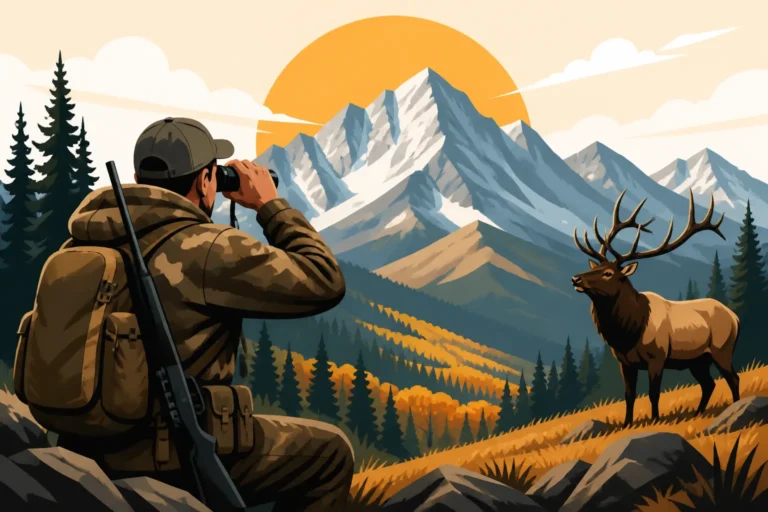
Imagine this: you've been e-scouting for weeks, poring over satellite maps, identifying those hidden pockets of dark timber, remote basins, and north-facing slopes where elk love to hang out. You know that to get there by first light, or stay there until last light, means a brutal two-hour hike from your truck or a well-established base camp. That's four hours of hiking every day that you could be spending glassing, calling, or still-hunting. This is where the spike camp becomes your secret weapon.
By establishing a smaller, more mobile camp closer to your hunting grounds, you drastically cut down on travel time. This means you can be in your prime hunting area before legal shooting light, waiting for that bull to bugle, and stay later in the evening, maximizing those golden hours when elk are most active. This proximity also allows you to react quickly to changing conditions, whether it's a sudden shift in elk movement, a new bugle heard over the ridge, or an unexpected change in weather. Instead of trekking miles back to a warm tent, you can simply duck into your nearby spike camp for a quick warm-up or a meal before heading back out. It’s an undeniable advantage, especially when you're pursuing a wary Colorado bull.
Common Misconceptions and Realities
There's a prevailing myth that spike camps have to be miserable experiences. Sure, it's not a glamping trip, but it doesn't have to be an exercise in suffering either. Many envision a spike camp as just a tarp strung between trees with a meager fire and instant noodles. While that can be one form, a modern spike camp can be surprisingly comfortable with the right gear and planning.
The reality is that a spike camp is a highly functional, temporary base designed to serve a specific purpose: to keep you hunting effectively in a remote area. It’s a place to sleep, refuel, and stay protected from the elements. It’s not meant for lounging around. The primary trade-off is weight versus comfort. You'll carry everything on your back, so every ounce matters. However, advances in ultralight gear mean you can now pack a decent shelter, a warm sleeping system, and even a compact stove without breaking your back. The goal is to be comfortable enough to recover each night so you can perform at your peak the next day. It’s about being effective, not just surviving.
Key Considerations for Planning Your Colorado Spike Camp
Before you even start packing your backpack, meticulous planning is paramount when it comes to setting up a successful Colorado spike camp. The mountains here are beautiful but unforgiving, and overlooked details can quickly turn an adventure into a dangerous situation.
The Ultimate Balancing Act: Weight vs. Comfort
This is the cornerstone of spike camp philosophy. Every single item you bring must justify its weight and space. When you're packing into a remote basin or up a steep ridge, an extra pound can feel like five by the end of the day. You're constantly asking yourself: "Do I need this, or do I just want this?"
Consider your gear in layers. Your "big three" – shelter, sleeping bag, and backpack – will be your heaviest items. Invest in high-quality, lightweight versions of these. For instance, a quality ultralight backpacking tent from brands like Big Agnes or Hyperlite Mountain Gear can shave pounds compared to a standard car camping tent. Your sleeping bag needs to be rated appropriately for the lowest temperatures you expect, plus a buffer for unexpected cold snaps at high elevation. A compressible down bag is often the best choice for its warmth-to-weight ratio. When it comes to your pack, choose one that's comfortable for heavy loads, ideally with a capacity of 60-80 liters, and one that can also handle packing out meat. Getting your gear selection right is crucial for a successful Colorado Backcountry Hunting Guide.
Scouting and Location Selection
Choosing the right spot for your spike camp isn't just about finding flat ground. It's a strategic decision that impacts your safety, comfort, and hunting success. You need to identify an area that offers good access to your target hunting grounds, provides natural protection, and has a reliable water source.
Start your scouting long before you ever set foot on the mountain. Utilize digital tools like GoHunt's mapping system, Gaia GPS, or OnX Hunt to analyze terrain, identify potential water sources (springs, creeks, wallows), and look for natural saddles, benches, or timbered flats that could offer good shelter. You'll want to avoid low-lying areas that collect cold air and areas directly exposed to prevailing winds. Look for natural windbreaks like dense timber or rock formations. Safety is also key; be aware of potential avalanche chutes, rockfall zones, or areas prone to flash flooding, especially during late-season hunts or in certain drainages. Remember, the best spike camp spot is often not directly in the elk, but adjacent to them, allowing you to quietly access their areas. Thinking about how to hunt elk at high elevation often means finding a spike camp location that allows you to capitalize on those early morning and late evening movements without having to make a brutal ascent or descent daily.
Regulatory and Environmental Due Diligence
Hunting in Colorado comes with rules, and setting up a spike camp is no exception. Before you finalize any plans, you need to understand the specific regulations for your chosen hunting unit and land designation. Most spike camps will be on public land within National Forests or BLM (Bureau of Land Management) land, but wilderness areas can have specific restrictions on group size, fire use, and even where you can camp.
Always check the Colorado Parks and Wildlife (CPW) regulations, the specific National Forest or BLM field office rules, and be aware of any fire bans or restrictions. Some wilderness areas might require you to camp a certain distance from trails or water sources. For example, some heavily trafficked areas in the Flat Tops Wilderness might have different rules than a remote corner of the San Juan National Forest. It's your responsibility to know these rules. Use mapping apps to verify land ownership and boundaries. Being a responsible hunter means respecting the land and leaving it better than you found it.
Essential Gear for a Functional Spike Camp
Your gear list is your lifeline in the backcountry. Every item serves a purpose, and optimizing your setup is a continuous process. Here’s a breakdown of the critical components you'll need for a comfortable and safe Colorado spike camp.
Shelter Systems: Keeping the Elements Out
Your shelter is arguably the most important piece of spike camp gear. It's your refuge from the unpredictable Colorado weather, which can range from warm sunshine to freezing rain or snow in a single day.
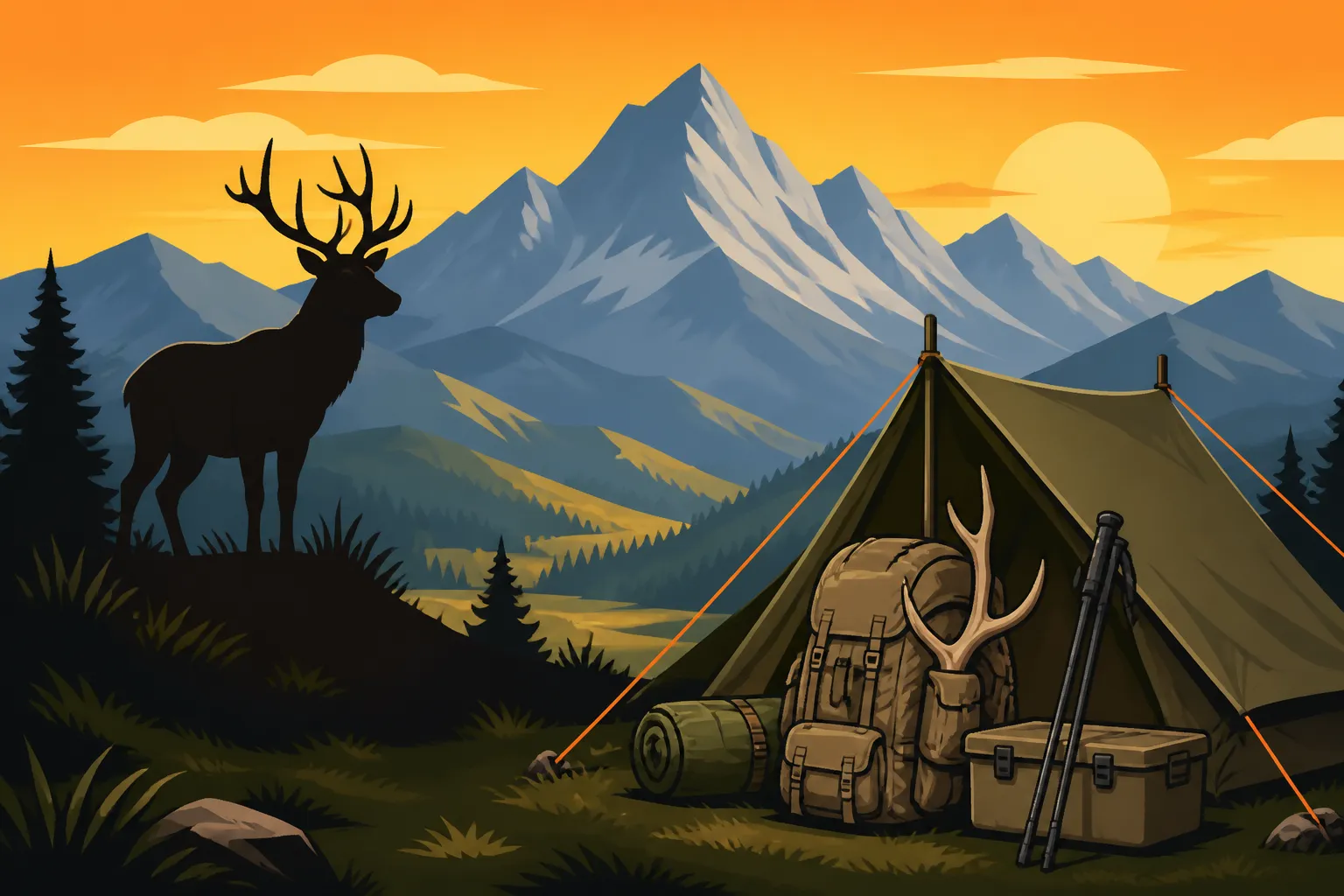
- Ultralight Tents: These are the gold standard for many. Look for single-wall or double-wall tents designed for backpacking. Brands like Big Agnes, MSR, and Nemo offer excellent options that balance weight, durability, and weather protection. A two-person tent often provides just enough space for one hunter and their gear, offering a bit more room to breathe than a one-person model, for only a slight weight penalty.
- Tarps and Bivy Sacks: For the truly minimalist hunter, a lightweight tarp combined with a bivy sack offers the ultimate in weight savings. This setup requires more skill to pitch effectively in varying conditions, but it provides excellent ventilation and a connection to the environment. A bivy sack protects your sleeping bag from dew and light precipitation, while the tarp offers overhead protection. This option is often favored by experienced archery elk hunters who prioritize mobility.
- Sleeping Bags and Pads: A quality sleeping bag rated for at least 15-20 degrees Fahrenheit (even for early season) is essential. Down is generally preferred for its warmth-to-weight ratio and compressibility, but synthetic bags are a good choice in very wet conditions. Pair this with an insulated sleeping pad (R-value of 3.0 or higher) to prevent heat loss to the ground. Don't skimp here; a good night's sleep is critical for performance.
Here's a quick comparison of common spike camp shelter types:
| Shelter Type | Pros | Cons | Typical Weight (1-person) | Ideal Conditions |
|---|---|---|---|---|
| Ultralight Tent | Excellent weather protection, bug proof, easy setup | Heavier than tarp/bivy, less spacious | 2-3 lbs | All-around, multi-day, variable weather |
| Tarp & Bivy Combo | Very lightweight, compact, versatile | Less bug protection, requires skill to pitch, less privacy | 1.5-2 lbs | Experienced users, drier climates, quick moves |
| Bivy Sack (solo) | Extremely lightweight, compact | No head room, condensation, claustrophobic | 1-1.5 lbs | True minimalist, emergency, mild weather |
Cooking and Hydration in the Backcountry
Staying fueled and hydrated is non-negotiable for sustained effort in the mountains. You'll need a reliable way to purify water and prepare simple, high-calorie meals.
- Water Filtration/Purification: Never assume stream water is safe to drink. Bring a reliable water filter (e.g., Sawyer Squeeze, Katadyn BeFree) or purification tablets/drops. Consider carrying a collapsible water reservoir (like a Hydrapak Seeker) to store extra water at camp, especially if your primary source isn't directly adjacent. Learning how to find elk water holes is great for hunting, but don't rely on them for your camp water without backup.
- Stove and Fuel: A compact, lightweight backpacking stove (e.g., Jetboil, MSR PocketRocket) is crucial for boiling water for dehydrated meals, coffee, or hot drinks. Bring enough fuel canisters for your trip, factoring in extra for unexpected delays or colder weather that might require more boiling time.
- Food: Prioritize calorie-dense, lightweight foods. Dehydrated backpacking meals are popular, but you can also bring instant oatmeal, ramen, jerky, nuts, dried fruit, and high-energy bars. Pack enough food for your planned duration, plus a day or two of emergency rations.
- Bear Canister/Bag: If you’re in bear country (which is most of Colorado), properly storing your food and scented items is not just a good idea, it's often a requirement. A bear canister or an Ursack is vital to prevent encounters. Hang your food bag a minimum of 10 feet off the ground and 4 feet from the tree trunk.
Navigation, Communication, and Safety Essentials
Even with a spike camp, you'll be ranging out, often in unfamiliar or rugged terrain. Having reliable navigation and communication tools, along with essential safety items, is paramount.
- GPS Device/App: A dedicated GPS unit (Garmin inReach, Fenix watches with maps) or a reliable smartphone app like OnX Hunt with downloaded maps is a must. Don't rely solely on cell service, as it's often nonexistent in the backcountry. Learn how to e-scout before a Colorado hunt thoroughly.
- Paper Maps and Compass: Always carry physical maps of your hunting unit and a compass, and know how to use them. Electronics can fail, batteries can die. This is your ultimate backup.
- Communication Device: A satellite messenger (Garmin inReach, Zoleo) allows you to send emergency messages, check in with loved ones, and receive weather updates even without cell service. This is a vital safety tool for solo hunters or remote groups.
- First-Aid Kit: A well-stocked kit for cuts, blisters, sprains, and basic medications is non-negotiable. Tailor it to the length and remoteness of your trip.
- Headlamp: With spare batteries. The mountains get dark quickly.
- Fire Starter: Lighter, waterproof matches, and a fire steel. Even if you don't plan on a campfire, this is a critical emergency tool.
- Knife/Multi-tool: Indispensable for countless tasks.
Planning Your Spike Camp Location in Colorado
Finding the perfect spot for your spike camp is part art, part science. It involves combining your e-scouting efforts with on-the-ground reconnaissance to ensure a safe, strategic, and comfortable setup.
Scouting for the Perfect Spot
You've already done your initial e-scouting, identifying potential areas using GoHunt's satellite imagery and topographical maps. Now, it's time to refine those choices. When you hit the ground, look for these specific characteristics:
- Proximity to Hunting Grounds: As discussed, this is the primary driver. You want to be close enough to your target area to maximize your hunting time without disturbing the game. This means being within a reasonable walking distance (e.g., 30-60 minutes) to where you expect to encounter elk at first and last light.
- Water Source: A reliable, accessible water source is non-negotiable. Look for springs, perennial creeks, or snowmelt close to your chosen spot. Consider how much water you'll need for cooking, drinking, and potentially cleaning. Always verify the water source is reliable during your hunt's season; some smaller creeks can dry up in late summer or early fall.
- Shelter from Elements: Seek natural protection from wind and weather. Dense timber, a large rock outcrop, or a bench below a ridge line can offer significant respite from strong winds or driving rain. Avoid exposed ridge tops or open meadows where you'll be fully exposed. North-facing slopes or thick timber can offer cooler, shadier spots in early season, while sunny, south-facing slopes might be warmer in colder seasons. Consider how to use thermals in Colorado elk country to your advantage; a camp on a bench just below a ridgetop might have good thermals carrying your scent away from elk in the basin below, especially in the mornings.
- Flat, Dry Ground: You need enough flat space for your tent and cooking area. Ensure it's not in a drainage that could flood or a low spot that will collect cold, damp air. Test the ground for moisture if possible.
- Discreet Location: You want your camp to be hidden, both from other hunters and from the animals you're pursuing. Tucking it into a thick stand of timber or behind a rise helps maintain a low profile.
Environmental Considerations and Regulations
Beyond the immediate utility, your spike camp location must adhere to local regulations and ethical backcountry practices. This ensures you're not damaging the environment or causing issues for other users.
- Leave No Trace Principles: This is paramount. Camp at least 200 feet from water sources, trails, and other camps. Use existing campsites if possible, rather than creating new ones. Pack out everything you pack in, including all trash, food scraps, and even human waste (if required or appropriate for the area – wag bags are often carried for this purpose). Bury human waste in a cat hole 6-8 inches deep and at least 200 feet from water, camp, and trails.
- Fire Restrictions: Always know the current fire restrictions. Many areas in Colorado are prone to wildfire, and open fires are often banned. If fires are permitted, use an existing fire ring or build a small one in a safe spot, ensuring it's completely out and cold to the touch before you leave. In a spike camp, a small backpacking stove is usually sufficient and far safer.
- Wildlife Protection: Your food and scented items must be stored securely to prevent attracting bears and other animals. Failure to do so can create dangerous situations for you and lead to wildlife becoming habituated to human food, often resulting in their removal or destruction.
Access and Egress Strategies
Thinking about how you'll get in and out of your spike camp is just as important as finding the spot itself. This planning helps ensure a smooth operation and, crucially, a safe way to pack out your harvest.
- Trail Systems and Routes: Identify the best routes to access your spike camp. Will you use established trails, or will it be a cross-country bushwhack? Consider the difficulty of the terrain, elevation gain, and distance. When you're packing heavy gear in, a slightly longer but less steep route might be preferable to a direct, brutal climb. Understanding how to pack into the Colorado backcountry involves careful route planning.
- Escape Routes: Always have a backup plan for exiting the area in case of an emergency or sudden severe weather. Know alternative routes to your vehicle or a safer location.
- Game Retrieval: This is often overlooked until it's too late. If you are successful, how will you get the meat out? Your spike camp should be positioned to facilitate efficient game retrieval. This might mean being closer to a game trail that leads to a road, or at least having a manageable route to carry heavy loads. Thinking about how to pack out an elk in Colorado should be part of your spike camp planning. Having a good, sturdy frame pack that can accommodate meat bags is essential.
Setting Up, Living In, and Breaking Down Your Camp
Once you've chosen your spot and packed your gear, the actual setup and management of your spike camp need to be efficient and mindful of your surroundings. This is where your preparedness truly pays off.
The Art of a Quick Setup
When you finally arrive at your chosen spike camp location, you'll likely be tired from the hike in, potentially cold, and eager to get settled. A quick and efficient setup is key to preserving your energy for the hunt.
- Designated Areas: Before you even pull out your tent, mentally designate areas for sleeping, cooking, and gear storage. Keep your sleeping area separate from your cooking and food storage to avoid attracting animals.
- Pitching Your Shelter: Practice setting up your tent or tarp at home, especially in the dark. You don't want to be fumbling with stakes and poles for the first time in a cold, windy environment. Choose the driest, flattest spot available, clearing any sharp sticks or rocks that could puncture your tent floor. Orient your tent opening to be somewhat protected from prevailing winds or rain.
- Organized Gear: As you unpack, keep your gear organized. Have a specific spot for your backpack, hunting clothes, cooking kit, and sleeping system. This prevents rummaging around in the dark and ensures you know where everything is when you need it. A simple gear sack or stuff sack can help keep small items together.
- Water Collection: Prioritize collecting and filtering water. Fill up your primary water bottles or reservoirs so you have immediate access for cooking and drinking.
Managing Daily Life and Unexpected Challenges
Life in a spike camp is about routine and adaptability. You'll be living close to the land, and efficiency in your daily tasks directly translates to more effective hunting.
- Morning Routine: Get up early. Your alarm should go off well before legal shooting light to allow ample time to dress, have a quick, high-calorie breakfast (often just instant coffee and oatmeal), and grab your hunting gear. Your goal is to be out of camp and in your hunting spot by first light.
- Evening Routine: After the evening hunt, return to camp, clean up any cooking gear, secure your food (hang it or put it in a bear canister), and prepare for the next day. Rehydrate, eat a substantial dinner, and replenish your water supply for the morning. Check your gear for any damage and make minor repairs if needed.
- Weather Adaptability: Colorado weather changes fast. Always have your rain gear accessible, even on clear days. Be prepared for sudden temperature drops, strong winds, or even snow, regardless of the forecast. If a major storm is rolling in, assess if your spike camp location is safe or if you need to consider an emergency egress. This is particularly important if you're venturing into areas like the Colorado alpine basins.
- Wildlife Encounters: Be bear aware. Make noise when hiking, especially through thick brush. Store all food and scented items properly. If you do encounter a bear, make yourself look large, make noise, and slowly back away. Never run.
The Critical Art of Leaving No Trace
This isn't just a suggestion; it's an ethical imperative for any hunter using public land, especially when operating a spike camp. Your goal is for no one to know you were ever there.
- Pack It In, Pack It Out: This is the golden rule. Every wrapper, every scrap of food, every piece of trash must come out with you. Consider packing out even things like coffee grounds or orange peels, as they can attract animals and take a long time to decompose in high-altitude environments.
- Site Restoration: When you break down camp, take the time to restore the area. Disassemble any rock fire rings you might have built (after ensuring any coals are completely out and cold). Scatter any disturbed ground, leaves, or pine needles to make the site look as natural as possible.
- Human Waste: As mentioned earlier, proper human waste disposal is critical. If you're in an area with high use or fragile alpine environments, consider carrying "Wag Bags" for complete removal of human waste. In other areas, dig a cat hole 6-8 inches deep and at least 200 feet from water, trails, and camp.
- Game Waste: If you are successful and harvest an animal, plan for proper disposal of gut piles and blood. Spread out the offal away from trails and water sources, allowing it to decompose naturally. Be mindful of potential attractants for scavengers near your camp. The overall practice of Colorado DIY elk hunting places a significant emphasis on personal responsibility and Leave No Trace principles.
Setting up a Colorado spike camp is a challenging yet incredibly rewarding endeavor. It demands careful planning, the right gear, and a deep respect for the backcountry. But by embracing the minimalist mindset and focusing on efficiency, you'll extend your reach, enhance your hunting experience, and create memories that will last a lifetime.
Disclaimer
Please remember that hunting in Colorado's backcountry involves inherent risks, including but not limited to severe weather, dangerous terrain, and wildlife encounters. This guide provides general information and recommendations. It is your responsibility to thoroughly research, plan, and prepare for your specific hunt, adhere to all Colorado Parks and Wildlife regulations, and assess your own physical capabilities and experience level. Always prioritize safety and consider obtaining appropriate insurance and emergency communication devices.