How to Hunt North-Facing Slopes for Elk
You've busted your butt, hiked countless miles, and the elk seem to have simply vanished. You've checked the clearings, the open parks, and even the obvious bedding areas, but silence is all you've found. This frustration is incredibly common in Colorado, especially when the elk are feeling the pressure or the weather heats up. Often, the elusive answer lies tucked away in the cool, dense timber of north-facing slopes, where elk find the perfect combination of sanctuary and sustenance. This comprehensive guide will illuminate why these specific slopes are elk magnets and, more importantly, how you can effectively hunt them to tip the odds in your favor.
Why North-Facing Slopes are Elk Sanctuaries
North-facing slopes in Colorado's mountains are more than just a direction on a compass; they are vital habitats that offer elk specific advantages, often leading to higher concentrations of animals compared to their sunnier counterparts. Understanding these ecological nuances is the first step toward successful hunting.
Thermal Regulation and Relief
One of the primary reasons elk gravitate to north-facing slopes is for thermal regulation. These slopes receive less direct sunlight throughout the day, which means cooler temperatures, particularly during the warmer archery and early rifle seasons. Imagine being an animal wearing a heavy winter coat in September; you'd be seeking shade, too!
The dense timber that often characterizes north-facing aspects acts like a giant umbrella, preventing the sun from beating down. This microclimate is a game-changer for elk, helping them conserve energy and stay comfortable. Even as seasons progress into late fall, these slopes often retain snow longer than south-facing ones, providing a consistent source of moisture and contributing to a cooler, more stable environment that elk prefer for bedding during mild conditions. They might head to south-facing slopes to bask in the sun during the dead of winter, but for much of the hunting season, the cool north face is home.
Abundant Food, Water, and Cover
Beyond just comfort, north-facing slopes are often ecological hotspots, providing a richer buffet of forage and more reliable water sources. Because of the reduced sun exposure and slower snowmelt, the soil on these slopes retains moisture much longer. This prolonged moisture leads to lusher, more diverse vegetation, including a variety of grasses, forbs, and browse that elk love.
You'll often find a higher density of aspens, firs, and spruces here, creating incredibly thick cover. This dense canopy isn't just for shade; it offers crucial security. Elk feel safe from predators and hunters alike when they're bedded down in a tangle of downed timber and thick conifers. This combination of reliable food, persistent moisture, and robust security cover makes north-facing slopes an irresistible package for elk, serving as primary bedding areas and often preferred travel corridors. These areas can be especially productive when considering specific methods like How to Hunt Elk Wallows in Colorado or finding hidden springs.
Reading the Terrain: Identifying Productive North Faces
Before you even step foot on the mountain, smart hunters are already working, using modern tools and old-school observation to pinpoint where elk are likely to be. Identifying those prime north-facing slopes is a critical part of pre-hunt preparation and on-the-ground execution.
E-Scouting and Topographic Maps
In today's hunting world, e-scouting is no longer a luxury; it's a necessity. Tools like GoHunt's mapping features or other dedicated hunting apps allow you to analyze vast landscapes from your couch. When you're looking for north-facing slopes, you're specifically examining the aspect of the terrain. The contour lines on a topographic map will quickly reveal the steepness, and the direction those slopes face can be determined by tracing from high to low elevation. North-facing slopes will typically be shown as darker green or denser timber on satellite imagery if it's forested, indicating more moisture and heavier canopy.
Pay close attention to where these slopes intersect with other key features like saddles, benches, or natural funnels. A north-facing slope that leads down to a reliable water source or transitions into an open feeding meadow is gold. I always recommend spending hours looking at these maps, zooming in and out, and marking potential bedding, feeding, and travel areas. It’s like putting together a giant puzzle, and a solid e-scouting session can save you days of unproductive hiking once you’re in the field. To learn more about this crucial step, check out our guide on How to E-Scout Before a Colorado Hunt.
On-the-Ground Reconnaissance and Sign Reading
While e-scouting gives you a fantastic starting point, there's no substitute for getting boots on the ground. Once you're in the area, confirm what your maps are telling you. Are those dense timber patches really as thick as they looked from above? Are there hidden seeps or wallows that weren't visible on the satellite imagery?
Start looking for fresh elk sign. Rubs on saplings, fresh tracks in mud or soft dirt, well-used trails, and recent droppings are all indicators that elk are actively using these slopes. Pay extra attention to the edges of the timber and where north-facing slopes transition to other terrain types. Elk often bed just inside the timber line during the day and move to more open areas to feed at dawn and dusk. Finding these transition zones and understanding how elk utilize them is key. You might also find old beds, which tell you these spots are consistently good, even if the fresh sign is sparse. This meticulous scouting is a vital part of Colorado DIY Elk Hunting Guide.
Effective Hunting Strategies for North-Facing Slopes
Hunting north-facing slopes often requires a different approach than hunting open country. It demands patience, stealth, and a keen understanding of elk behavior in dense cover.
Silent Still-Hunting and Wind Awareness
Still-hunting is perhaps the most effective method when navigating the thick, quiet confines of a north-facing slope. This isn't about covering ground quickly; it's about moving at a snail's pace, often taking minutes to move just a few yards. Your goal is to see the elk before they see you, or to hear them before they hear you. Take one or two steps, then pause, listening intently for the snap of a twig, the rustle of leaves, or the soft blowing of a bedded elk. Use your binoculars to pick apart every shadow, every cluster of trees. Elk blend in remarkably well, and often, you'll only catch a glimpse of an ear, a patch of hide, or a horizontal line that shouldn't be there.
Wind is your absolute most critical factor here. Elk depend on their noses more than their eyes or ears. On north-facing slopes, thermals play a huge role. In the morning, cold air sinks, meaning the wind will typically blow downhill. As the sun warms the air later in the day, the thermals reverse, and the wind will pull uphill. You need to hunt in a way that keeps the wind in your face, or at least across your face, minimizing the chances of your scent reaching the elk. This often means hunting up a slope in the mornings and down a slope in the afternoons, adjusting your approach as the day progresses. Mastering this thermal awareness is a cornerstone of How to Use Thermals in Colorado Elk Country, and generally for How to Use the Wind Hunting Colorado Elk. Slow, deliberate movement is paramount for How to Move Quietly Through Colorado Timber.
Glassing and Calling Tactics
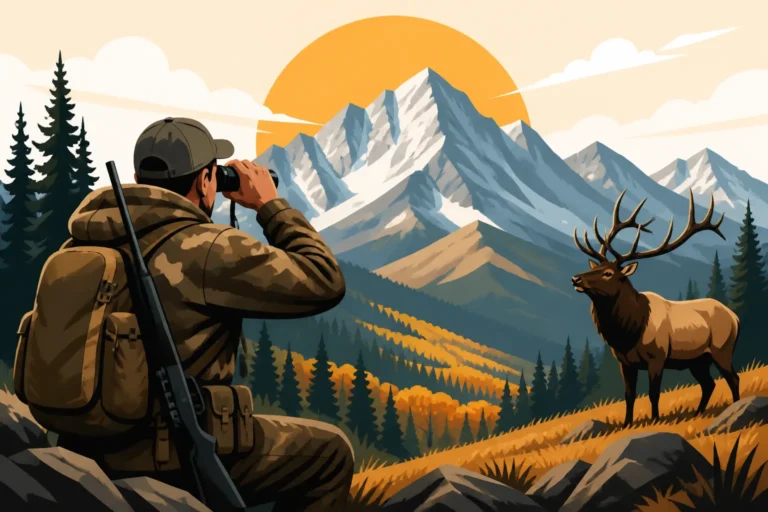
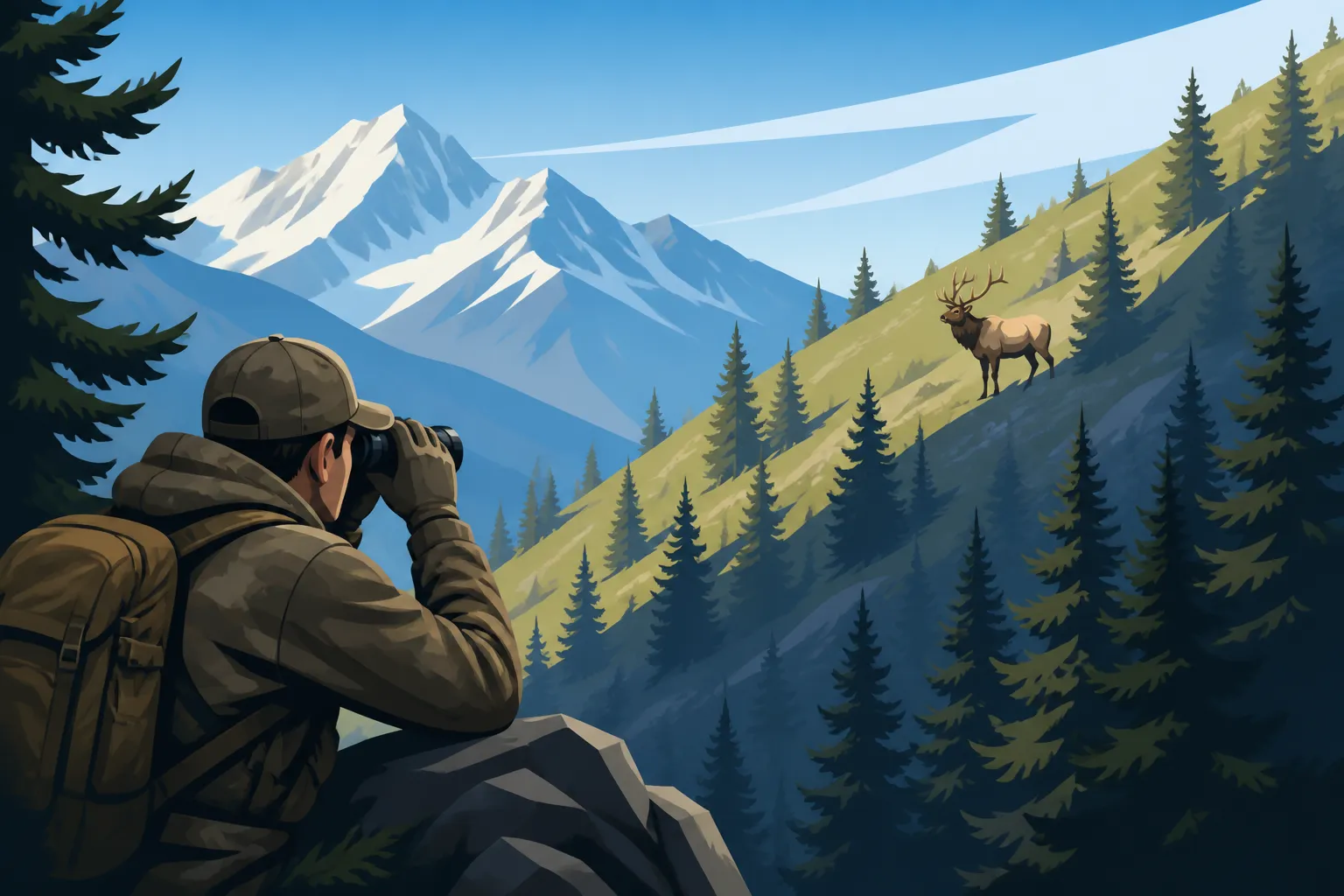
While dense timber might seem counterintuitive for glassing, it can still be highly effective. Instead of scanning vast landscapes, you're "picking apart" the timber, looking for horizontal lines (an elk's back or belly) in a vertical world, or subtle movements. Find small openings, natural clearings, or breaks in the canopy from elevated points within the slope or across a canyon. Use your binoculars or spotting scope to systematically grid these areas, taking your time. Sometimes, you’ll catch a flicker of an ear or the glint of an antler tip that gives an elk away.
Calling on north-facing slopes, especially during the rut, can be incredibly productive, but it needs to be done strategically. A bugle or cow call can help you locate animals in thick cover where you can't see them. Once you get a response, you can either try to draw the elk closer by mimicking their sounds or use the call to gauge their location while you stealthily stalk in. If you're hunting with a partner, one person can call to draw attention while the other sneaks into a shooting position. However, remember that calling often requires patience and knowing when not to call, especially if you're trying to sneak in on a wary bull. Dive deeper into these strategies with our guide on How to Call Elk in Colorado. It's a key tactic, but only one piece of the puzzle described in Colorado Elk Hunting Methods Explained.
Ambush Points and Escape Routes
Elk, even when pressured, will often use predictable travel corridors, especially when moving between bedding and feeding areas. North-facing slopes, with their dense cover, often contain these natural funnels. Look for saddles between ridges, benches that cut across a steep slope, or game trails that follow the path of least resistance. These are prime ambush points.
Position yourself downwind of these trails, ideally with good visibility into the approach and a clear shooting lane. Consider how elk will likely react if they scent or hear you; they'll often bolt down an escape route into even thicker timber. By anticipating their movements, you can place yourself in a position to intercept them. This might involve setting up early in the morning near a saddle where elk are likely to cross as they move from nighttime feeding to daytime bedding, or in the afternoon as they reverse course. Understanding these patterns is crucial when learning How to Find Elk in Deep Timber.
Gear and Mindset for Steep Country
Hunting north-facing slopes is physically demanding and mentally challenging. Having the right gear and the right attitude can make all the difference in your success and enjoyment.
Essential Mountain Gear
Navigating steep, often slick, and densely timbered north-facing slopes requires specialized gear that can withstand the rigors of the mountain. Your boots are arguably your most important piece of equipment. You need sturdy, waterproof boots with excellent ankle support and aggressive traction. Brands like Kenetrek, Schnee's, or Crispi are popular among serious elk hunters for a reason – they're built for this kind of abuse. Breaking them in well before your hunt is non-negotiable to avoid blisters. Read more about selecting the right footwear in Best Boots for Colorado Elk Hunting.
Layered clothing is also critical. Even on a warm day, the shaded north face can be cool, while hiking uphill generates a lot of heat. Being able to shed or add layers like a good merino wool base, a fleece mid-layer, and a waterproof shell allows you to regulate your body temperature effectively. Trekking poles are highly recommended; they significantly reduce strain on your knees, provide balance on uneven terrain, and can even help test questionable footing. Finally, a reliable headlamp, navigation tools (like a fully charged GPS and a map, perhaps downloaded offline on your GoHunt app), and a quality pack to carry it all are indispensable. For a full rundown, check out the Colorado Backcountry Hunting Gear List.
Physical and Mental Preparedness
Don't underestimate the physical toll of hunting Colorado's steep, timbered north-facing slopes. This isn't a casual stroll. You'll be gaining and losing hundreds, if not thousands, of feet in elevation daily, often through deadfall and thick underbrush. Prioritizing your fitness months before your hunt is crucial. Incorporate hiking with a weighted pack, stair climbing, and strength training into your routine. The better your physical condition, the more ground you can cover effectively, the quieter you can move, and the more energy you'll have to make good decisions when it matters most. For more detailed training advice, consult How to Physically Prepare for Colorado Elk.
Beyond the physical, the mental game is equally important. Hunting these areas demands immense patience, resilience, and a stubborn refusal to give up. You might go hours or even days without seeing an elk, but the moment you let your guard down is often when an opportunity presents itself. Maintain focus, stay positive, and trust your preparation. The rewards of finding and harvesting an elk in such challenging terrain are immense, a testament to your hard work and dedication. And remember, once you do connect, knowing How to Pack Out an Elk in Colorado becomes your next big challenge!
| Feature/Aspect | North-Facing Slope | South-Facing Slope |
|---|---|---|
| Sunlight Exposure | Minimal direct sunlight, heavily shaded | Maximum direct sunlight, open and exposed |
| Temperature | Cooler, retains moisture longer | Warmer, dries out quickly |
| Vegetation | Dense timber (fir, spruce, aspen), lush undergrowth | Sparser timber (pine, oakbrush), drier grasses |
| Moisture | Higher retention, potential for seeps/wallows | Lower retention, typically drier |
| Snowpack | Accumulates more, melts slower | Accumulates less, melts faster |
| Elk Use (Daytime) | Preferred bedding, security, thermal refuge | Often used for feeding in colder weather, sunning |
| Elk Use (Nighttime) | Access to water/forage, travel corridors | Primary feeding areas (if open), basking spots |
| Hunting Challenge | Thick cover, stealth, thermals, physically demanding | Open visibility, wind, spotting at longer distances |
Disclaimer
Hunting is an inherently dangerous activity. The information provided in this guide is for informational purposes only and should not be taken as professional advice. Always adhere to all local, state, and federal hunting regulations. Ensure you possess the appropriate licenses and tags, understand safe firearm handling, and prioritize ethical hunting practices. Conditions in the Colorado mountains can change rapidly; always be prepared for adverse weather and emergencies. Safety is paramount.