How to Hunt Elk Wallows in Colorado
Hunting elk in Colorado can feel like a game of hide-and-seek, especially when those wily critters go quiet and vanish into the timber. You've scouted, you've called, but sometimes, those big bulls just aren't talking. It's frustrating when you know they're around but can't pinpoint their exact location or predict their movements. This comprehensive guide is here to help you unlock one of the most consistent, yet often overlooked, elk hunting strategies: targeting elk wallows. Understanding how and when to hunt these critical spots can dramatically increase your chances of success, turning those quiet days into action-packed opportunities.
Understanding Elk Wallows and Their Importance
Elk wallows are more than just muddy puddles; they are vital hubs in an elk's daily life, offering unique insights into their presence and patterns. Learning to identify, interpret, and effectively hunt these areas is a game-changer for any serious elk hunter.
What Exactly is an Elk Wallow?
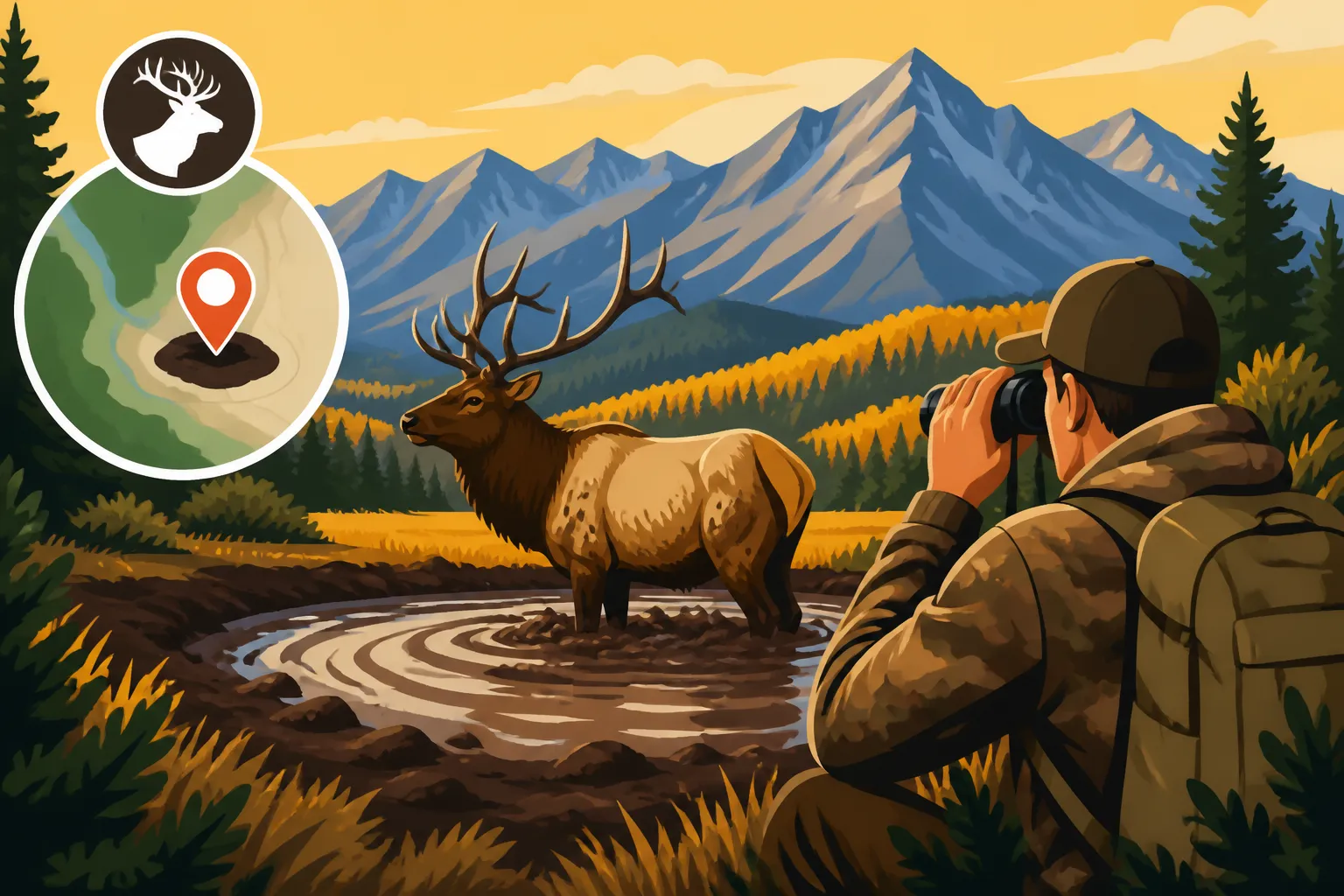
At its core, an elk wallow is a muddy depression, usually filled with water, where elk roll around to coat themselves in mud. Think of it as an elk's natural spa treatment, but with practical, survival-driven purposes. These wallows can range from small, barely noticeable muddy spots to large, churned-up pits that look like a tractor has been stuck in them. You'll often find them near water sources like springs, seepages, or creek beds, especially in areas with soft, mineral-rich soil. The size and depth can vary significantly, but the common denominator is always the presence of mud and distinct signs of elk activity.
The ground around a wallow is typically a mess, covered in churned mud, fresh tracks, and sometimes even broken branches where an elk has rubbed its antlers. It's a prime location for leaving a calling card, so to speak. Hunters often refer to "mud wallows" or "mineral wallows," and while the distinction isn't always clear-cut, the underlying reason for their use remains the same: a behavioral need for elk. These aren't just random spots; they are intentional destinations that elk revisit.
Why Elk Use Wallows
Elk don't just wallow for fun, although they certainly seem to enjoy it! Their reasons are deeply ingrained in their biology and survival instincts. One of the primary drivers is cooling down. During warm weather or after an intense bout of bugling and chasing cows, a cool mud bath helps regulate their body temperature. This is especially critical for big bulls exerting immense energy during the rut. The mud acts as a natural insulator and offers a refreshing reprieve from the heat.
Beyond temperature regulation, wallowing serves several other crucial purposes. It helps shed unwanted parasites and insects, providing relief from annoying bites and preventing skin irritations. The abrasive action of rolling in the mud can also help remove loose hair during shedding seasons. Furthermore, wallows play a significant role in communication and social dynamics, particularly for bulls. The pungent, earthy smell mixed with their urine and glandular secretions leaves a powerful scent marker that communicates dominance, readiness to breed, and presence to other elk in the area. A dominant bull might thrash a wallow vigorously, urinating in it to enhance his scent, sending a clear message to rivals. These are essentially bulletin boards of the elk world, telling stories about who's in the area and what they're up to.
Signs of an Active Wallow
Spotting a wallow is one thing; knowing if it's currently being used is another entirely. An active wallow is like a neon sign for elk hunters. The most obvious sign is fresh mud, often still wet and glistening, especially if it's been recently churned by an elk. Look for deep, clear tracks of hooves and potentially even the impression of an elk's body where it rolled. The edges of the wallow might show disturbed vegetation or broken saplings where an elk has rubbed its antlers or thrashed around.
Another undeniable indicator is scent. A recently used wallow will often have a strong, musky odor, a pungent mix of wet earth, elk urine, and body odor. Don't be afraid to get downwind and take a sniff; your nose can be a powerful scouting tool here. You might also find fresh droppings or urine puddles nearby. Keep an eye out for rub marks on trees in the immediate vicinity, especially during the rut, as bulls will often rub their antlers on saplings and small trees after wallowing. If you find multiple fresh signs – wet mud, clear tracks, strong scent, and fresh rubs – you've hit the jackpot. Conversely, if the mud is dry, cracked, and undisturbed, the wallow hasn't been used recently, or at least not in the last day or two.
When and Where to Find Wallows in Colorado
Timing and location are everything when it comes to elk hunting, and wallows are no exception. Knowing the optimal seasons, times of day, and types of terrain to target can drastically improve your chances.
Optimal Seasons and Times for Wallow Hunting
Elk will use wallows throughout the year, but their activity levels peak during specific seasons and times. The rut, typically from early September through mid-October, is arguably the best time to hunt wallows. Bulls are highly active, constantly moving, bugling, and scent-marking, making wallows incredibly important for cooling down and establishing dominance. During archery season, especially the early part of the rut, finding an active wallow can be phenomenal. However, even into the later rifle seasons, while bugling may taper off, elk still use wallows, especially if temperatures remain mild.
Beyond the rut, early archery season can be productive, particularly on hot days when elk seek relief from the heat. Conversely, in late seasons, a wallow might see less use as elk conserve energy, but it can still be a consistent water source in drier areas or a spot for post-rut bulls to simply cool down. As for time of day, elk often visit wallows during the mid-morning after feeding or in the early to late afternoon before heading out to feed again. A bull might hit a wallow between bugling sequences, or a cow group might pass through on their way to water. Setting up shop during these transitional times can be highly effective. The key is to be present when the elk are most likely to be.
| Season/Time | Elk Activity at Wallows | Hunter Strategy |
|---|---|---|
| Early Archery (Late Aug – Early Sep) | Moderate to High, especially on warm days. | Focus on cooling/scent; good for ambush. |
| Peak Rut (Mid-Sep – Early Oct) | Very High. Bulls actively using for scent & cooling. | Prime time for calling, ambushing dominant bulls. |
| Late Archery / Muzzleloader (Mid-Oct) | Moderate to High. Some rut activity waning. | Good for ambushing, less calling, more patience. |
| 1st & 2nd Rifle (Late Oct – Early Nov) | Moderate. Primarily for cooling, less scent-marking. | Ambush opportunities, focus on travel routes to/from. |
| 3rd & 4th Rifle (Mid-Nov – Late Nov) | Lower, but still used as reliable water in dry areas. | Focus on wallows near bedding/feeding, patience is key. |
| Early Morning (Dawn – 9 AM) | Moderate. Elk moving from feeding to bedding. | Good for intercepting elk approaching. |
| Mid-day (9 AM – 3 PM) | High. Prime time for cooling, especially during rut. | Excellent for setting up and waiting. |
| Late Afternoon (3 PM – Dusk) | Moderate. Elk moving from bedding to feeding. | Good for intercepting elk leaving. |
Identifying Prime Wallow Locations
Not all wallows are created equal. Some are magnets for elk, while others are rarely touched. To find those prime locations, you need to think like an elk. They seek out wallows that offer a combination of water, mud, cover, and proximity to other essential resources. Springs and seepages on north-facing slopes, where the ground stays moist longer, are classic hotspots. Flat benches or saddles near thick timber, especially dark timber, often contain wallows because they offer security and easy travel corridors. Elk prefer to wallow in places where they feel safe, not out in the open.
Look for areas with good escape cover nearby. A bull might hit a wallow and then bed down in the thick stuff just a stone's throw away. Elevation also plays a role. While elk can be found at various altitudes, wallows at higher elevations (8,000-10,000+ feet) can be particularly productive in the early season and during the rut, often linked to alpine basins and high-country feed. Lower elevation wallows become more important as winter approaches and elk move down. Utilizing tools like GoHunt can provide invaluable insights into terrain features, water sources, and vegetation types that often correlate with wallow locations. It allows you to digitally scout for these areas long before you ever set foot on the mountain.
Leveraging E-Scouting and Boots-on-the-Ground
In today's hunting world, effective scouting is a blend of digital and physical. E-scouting platforms like GoHunt are indispensable for identifying potential wallow locations from the comfort of your home. You can pour over topographic maps, satellite imagery, and public land boundaries to pinpoint saddles, benches, natural springs, and areas of dense timber that might hold wallows. Look for areas with a concentration of green vegetation or depressions that indicate water sources. You might even spot faint trails leading to these spots.
Once you've identified some promising areas on your map, it's time for boots-on-the-ground reconnaissance. This is where the real work begins. Head into those areas before the season, or even a few days prior if possible, to confirm your suspicions. Hike quietly, paying close attention to fresh tracks, droppings, and the tell-tale churned earth of a wallow. Don't be afraid to walk a little farther, off the main trails, to find those hidden gems. Early season scouting allows you to assess the current activity levels of wallows, note prevailing winds, and plan your approach and setup for the actual hunt. Remember, finding the wallow is only half the battle; confirming its current use and devising a solid hunting plan is the other. Knowing how to E-Scout Before a Colorado Hunt can save you countless hours of unproductive walking.
Effective Hunting Tactics for Colorado Elk Wallows
Once you've located an active wallow, the next step is to implement effective hunting tactics. This requires a combination of stealth, strategic positioning, and understanding elk behavior.
Setting Up for Success
Your setup around an elk wallow is absolutely critical. Elk have an incredible sense of smell, so playing the wind correctly is paramount. Always approach and set up downwind of the wallow, ensuring your scent is carried away from where elk might approach. This might mean making a longer, circuitous approach to get into the optimal position. Look for natural cover – thick timber, a rise in the terrain, or dense brush – that allows you to remain concealed while maintaining a clear line of sight to the wallow.
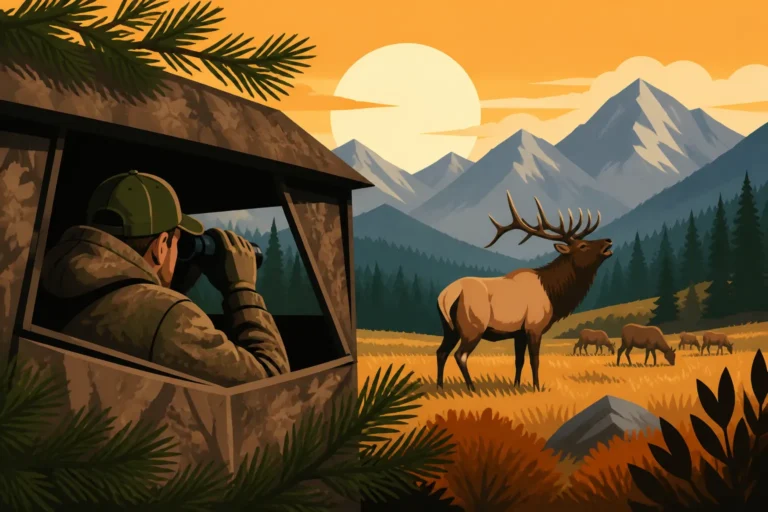
Consider the prevailing thermals as well; in the mornings, air typically flows downhill, and in the evenings, it flows uphill. Factor these into your approach and setup. You'll want to be within comfortable shooting range, whether you're carrying a bow or a rifle, and positioned where you have multiple shooting lanes. Many hunters opt for a ground blind or even a saddle hunting setup in a tree nearby if the cover allows. The key is to be invisible, silent, and ready the moment an elk steps into view. This often means getting in before first light and staying until late morning, or moving in mid-afternoon and staying until dark. Mastering how to use the wind hunting Colorado elk is a skill that will pay dividends.
Calling Strategies Near Wallows
While wallows themselves are a magnet for elk, sometimes a bit of calling can sweeten the deal. If you're setting up on a wallow during the rut, strategic calling can entice a bull to come in, either to challenge what he perceives as a rival or to investigate a cow. Start with soft cow calls or chirps to mimic a foraging cow, creating a sense of normalcy and drawing attention. If you hear a bull bugle in the distance, you can respond with a challenge bugle or a more submissive one, depending on the situation. Knowing how to Bugle for Colorado Elk and how to Cow Call Colorado Elk are essential skills.
However, calling around a wallow requires nuance. Don't overcall; you don't want to spook a bull that's already approaching silently. Sometimes, pure silence is the best call. If a bull bugles close by, a quick, sharp cow call might be all it takes to make him commit and come to the wallow. If you're hunting an archery elk season, calling can be especially effective for closing those last few yards. Remember, a wallow is a natural attractant, so your calling should complement, not detract from, its inherent appeal.
Patience and Persistence
Hunting an elk wallow is often a waiting game. These animals are incredibly perceptive, and they don't operate on a fixed schedule. You might sit for hours without seeing a thing, only for a bull to appear silently from the timber when you least expect it. This is why patience and persistence are your greatest assets. Ensure you're comfortable and can remain still for extended periods. Minimize movement, avoid checking your phone, and stay alert.
Many experienced hunters will dedicate an entire morning or afternoon to a single active wallow. If the wallow is used consistently, it's worth the commitment. If you don't see anything on one sit, consider returning at a different time of day or the following day. Elk patterns can shift. A well-placed game camera can also provide valuable intelligence, showing you when and what elk are using the wallow, allowing you to fine-tune your ambush times. Don't get discouraged if the first few sits are quiet; the reward of a big bull stepping into your shooting lane makes every minute of waiting worthwhile. This strategy aligns well with many Colorado Elk Hunting Methods Explained.
Essential Gear and Safety Considerations
Successful wallow hunting, like any Colorado elk hunt, relies on having the right gear and prioritizing safety in the rugged mountain environment.
Must-Have Gear for Wallow Hunting
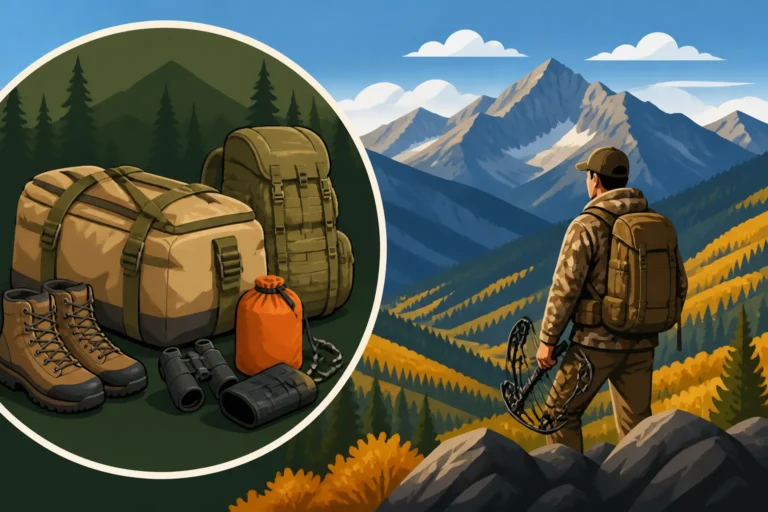
When you're committing to a sit over a wallow, a few key pieces of gear can make all the difference. First and foremost, good quality optics are crucial. A reliable pair of binoculars (10×42 or 10×50) will help you pick apart the timber, identify elk as they approach, and confirm if a wallow is active from a distance. A rangefinder is also essential for confidently taking a shot once an animal presents itself, especially in varied mountain terrain.
Scent control is absolutely paramount. No matter how perfect your setup, a shift in wind can betray you if your scent is wafting towards the elk. This means wearing scent-eliminating clothing, using scent-destroying sprays on your boots and gear, and being mindful of personal hygiene. A comfortable, packable seat or cushion can make those long waits much more bearable. Don't forget your calling setup, whether it's a diaphragm call, a grunt tube, or a bugle. And, of course, ensure your weapon (bow or rifle) is sighted in and ready. For any Colorado Backcountry Hunting Guide, a thorough gear list is critical. Consider the Best Colorado Elk Hunting Gear as you plan your kit.
Safety in Elk Country
Colorado's elk country is beautiful but can be unforgiving. Always prioritize safety. Tell someone where you're going and when you expect to return. Carry a reliable form of communication, like a satellite messenger (Garmin inReach or Zoleo are popular choices), especially if you're venturing into areas without cell service. Weather in the mountains can change rapidly, so be prepared for all conditions, even if the forecast looks clear. Layered clothing is your best friend.
Be aware of your surroundings, not just for elk, but for other wildlife like bears and mountain lions. Carry bear spray if you're in active bear country. When you're sitting silently over a wallow, another hunter might not know you're there. Wear blaze orange during rifle seasons to ensure you're visible to other hunters, even if you're trying to stay hidden from elk. Always positively identify your target and know what's beyond it before taking a shot. Respect other hunters, public and private land boundaries, and the game you pursue. Your safety, and that of others, should always come first.
Disclaimer
Please be aware that hunting regulations and season dates for Colorado can change annually. It is your responsibility to consult the official Colorado Parks and Wildlife (CPW) website and publications for the most current and accurate information before planning any hunt. This guide is for informational purposes only and should not be considered a substitute for official CPW regulations.