How to Hunt Colorado 4th Rifle Season
Stepping into Colorado's 4th rifle season can feel like entering a whole different hunting world. The crowds of early seasons have thinned, but you're now up against frigid temperatures, unpredictable snow, and elk that have been pressured for weeks, if not months. This late-season challenge demands a shift in strategy, meticulous preparation, and a deep understanding of how elk behavior changes when winter truly begins to bite. This guide is here to walk you through the unique demands of this hunt, helping you turn those late-season frustrations into success stories.
Understanding Colorado's 4th Rifle Season Dynamics
The 4th rifle season in Colorado offers a unique set of challenges and opportunities that are distinctly different from the earlier rifle seasons. It’s often the last chance for many to fill their freezer or tag a bull, but it’s far from a walk in the park.
Season Dates and Regulations
The 4th rifle season typically falls in the middle to end of November, often overlapping with Thanksgiving. These specific dates can shift slightly year to year, so always confirm with the official Colorado Parks and Wildlife (CPW) regulations, but generally, you're looking at a shorter, roughly five-day window. This compact timeframe means you have to be efficient and prepared for every moment afield. Because it's a limited draw season, the regulations are typically specific to the Game Management Unit (GMU) and the type of tag you hold, whether it's an either-sex tag or a cow-only tag. Knowing the exact legal shooting hours, trespass laws, and blaze orange requirements for your specific unit is non-negotiable. Don't just assume; verify every detail. You can learn more about the broader structure of these hunts in our comprehensive guide on Colorado Hunting Seasons Explained.
Tag Availability and Draw Odds
Unlike the earlier OTC (Over-the-Counter) rifle seasons for elk, 4th rifle season tags are almost exclusively draw-only. This means you’ll need to apply through the Colorado Parks and Wildlife draw system, and success often hinges on accumulating preference points. The number of points required varies dramatically by GMU and the quality of the tag (bull vs. cow, trophy potential). Some units might require a significant number of points for a bull tag, while others might be obtainable with fewer, especially for cow tags. This makes strategic planning crucial months in advance. Tools like GoHunt's Insider service can be invaluable here, providing draw odds and unit breakdowns to help you make an informed decision on where to apply. They analyze historical data to give you the best chance of drawing a tag, especially for those highly sought-after units. Understanding Colorado Draw System and Preference Points is fundamental to even getting a tag for this season.
Typical Weather Patterns
If there's one defining characteristic of the 4th rifle season, it's the weather. You should anticipate everything from crisp, sunny days to full-blown blizzards with whiteout conditions. Average temperatures can range from the low 30s to well below freezing, and wind chill can make it feel even colder. Snow is a highly probable factor, and it can be a blessing or a curse. Fresh snow makes tracking elk much easier, but heavy, wet snow can make travel grueling and dangerous, especially at higher elevations. Roads can become impassable, and fair-weather hunters often pack up and leave, which can be an advantage if you're prepared. However, it also means you need to be self-sufficient and ready for isolation if the weather turns. Dressing in layers is absolutely critical, as are waterproof and windproof outer shells.
Key Considerations for 4th Rifle Success
Hunting in late November pushes both elk and hunters to their limits. Successfully navigating the 4th rifle season requires a deep understanding of elk behavior during this cold period and advanced scouting techniques.
Elk Behavior in Late Season
By the 4th rifle season, the rut is a distant memory, and elk have shifted their priorities entirely towards survival. Their primary drivers are now food, cover, and conserving energy. They’ll be much less vocal than during the bugling seasons, meaning calling is often far less effective. Instead of chasing cow calls, bulls are focused on finding the richest browse and thickest timber to escape the biting winds and accumulating snow. You'll often find them in larger herds, congregating in areas with reliable food sources and thermal cover. These herds can be substantial, and locating one can turn into a goldmine. However, their size also means more eyes, ears, and noses to contend with, making a stealthy approach even more challenging. They’re also highly educated from months of pressure, so expect them to be jumpy and quick to disappear into the timber. For a broader overview of how elk respond to seasonal changes, check out our Colorado Elk Season Dates Guide.
Migration and Winter Range
One of the most significant factors in 4th rifle season elk hunting is migration. As snow accumulates at higher elevations and temperatures plummet, elk begin their annual migration from their summer and fall ranges down to lower wintering grounds. This movement can concentrate animals into specific drainages, benches, or south-facing slopes where snowmelt occurs faster, and forage is more accessible. Identifying these migration corridors and winter range areas before your hunt is paramount. Elk will often follow the path of least resistance, using established trails, old logging roads, or natural funnels between bedding and feeding areas. South-facing slopes are goldmines because they catch the most sun, melting snow and greening up forage, making them ideal feeding and bedding sites. North-facing slopes, conversely, provide dense, dark timber that offers crucial thermal cover from harsh winds and cold, which is where elk will bed. Knowing how to hunt How to Hunt North-Facing Slopes for Elk is a critical skill this time of year.
Scouting and E-Scouting for Late Season
Pre-season scouting is always important, but for 4th rifle, it’s absolutely critical, especially given the dynamic nature of elk movement. If you can, make a trip in early November to see how the snow is impacting elk movement. Look for fresh tracks, feeding areas, and signs of migration. Pay close attention to south-facing slopes below thick timber, benches, and saddles that connect different drainages. If a physical scouting trip isn't feasible, e-scouting becomes your best friend. Utilize online mapping tools like GoHunt's advanced mapping layers, which allow you to analyze topo maps, satellite imagery, and public/private land boundaries from the comfort of your home. You can identify potential migration routes, winter range, and areas with thick cover or open, sunny slopes. Look for areas where different habitat types converge, such as the edge of dark timber and open meadows, or where dense cover provides thermal protection from prevailing winds. This allows you to pinpoint high-probability areas and develop a solid game plan before you even set foot in the field. This detailed e-scouting can significantly reduce wasted time during your short hunting window.
Effective Hunting Strategies for Late Season Elk
The 4th rifle season demands a patient, methodical approach. Elk are wary, and the environment is unforgiving, so your strategies must adapt to these conditions.
Still-Hunting and Tracking in Snow
With snow often on the ground, still-hunting and tracking become incredibly effective methods. Fresh snow not only silences your footsteps, allowing for quieter movement through the timber, but it also reveals exactly where elk have been and, more importantly, where they are going. Look for tracks that are clear, crisp, and not filled with snow, indicating recent activity. Pay attention to the size and depth of the tracks—larger, deeper tracks usually mean a bull, and a group of varied tracks indicates a herd. Follow these tracks slowly and deliberately, always using the wind to your advantage. A light snowfall can make tracks appear fresher than they are, so always check for other signs like droppings and chewed browse. When tracking, move extremely slowly, often taking only a few steps before pausing to scan ahead, looking for horizontal lines in a vertical world (the back of an elk, not just trees). The goal is to spot the elk before they spot you. This method is incredibly rewarding but requires immense patience and keen observation skills. Our guide on How to Still-Hunt Colorado Timber can offer even more in-depth advice.
Hunting Dark Timber and North-Facing Slopes
During the frigid late season, dark timber and north-facing slopes are where elk seek refuge from the elements. These areas provide dense cover, shielding them from harsh winds and heavy snow, acting as vital thermal cover. Elk will often bed down in these areas during the day, moving out to feed in more open, often south-facing areas during dawn and dusk. The key to hunting these areas is understanding their appeal to elk and adapting your movement. It's often thick, steep, and challenging terrain. Move slowly, constantly scanning for parts of an animal. These environments are perfect for close-quarters encounters, so be ready for a quick shot. Using a quiet, maneuverable rifle is a distinct advantage. Remember, elk are trying to conserve energy, so they won't move far from these bedding areas unless heavily pressured. Knowing How to Find Elk in Deep Timber is a skill you'll absolutely want to master for this season.
Glassing and Ambush Tactics
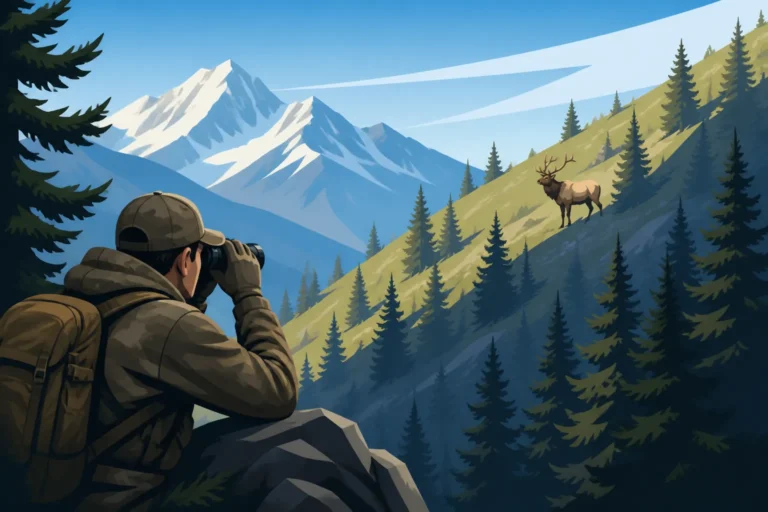
While still-hunting in timber is effective, combining it with strategic glassing can significantly increase your odds. From vantage points that overlook large drainages, south-facing slopes, or known travel corridors, use high-quality binoculars or a spotting scope to pick apart the terrain. Elk will often feed in more open areas on sunny, south-facing slopes, especially during periods of heavy snow. Glass patiently, focusing on areas where food sources are accessible. Once you locate a herd, plan your approach carefully, paying critical attention to wind direction and thermals. In late season, thermals often drop down in the morning and rise in the afternoon, but cold temperatures can make them less predictable. Always try to set up an ambush along known travel routes between bedding and feeding areas, especially at first light and last light. This might mean getting into position well before dawn and waiting patiently in bitter cold, but it’s often when elk are most active and vulnerable. Learning How to Use the Wind Hunting Colorado Elk and How to Use Thermals in Colorado Elk Country are advanced skills that truly shine in these late-season scenarios.
Gear and Preparation Essentials
The 4th rifle season isn't just about strategy; it's about survival and comfort in extreme conditions. Your gear list will look quite different from an early archery hunt.
Clothing and Layering for Cold Weather
This is where your layering system will truly be put to the test. You'll need a robust base layer (merino wool or synthetic, never cotton) to wick moisture away from your skin. Mid-layers should provide insulation and warmth, like fleece or puffy jackets. Your outer layer must be completely waterproof, windproof, and durable. Think GORE-TEX or similar high-performance fabrics. A good insulated hunting jacket and pants are non-negotiable. Don't forget accessories: a warm wool or synthetic beanie that covers your ears, insulated gloves or mittens (with fingerless options for shooting), and neck gaiters are crucial. Carry hand warmers and foot warmers, and be prepared to use them liberally. It's better to be slightly overdressed and shed layers than to be shivering uncontrollably. Having a spare dry hat and gloves in your pack can be a lifesaver if yours get wet. This is covered in more detail in How to Layer for a Colorado Elk Hunt.
Optics and Navigation Tools
High-quality optics are essential for late-season hunting. A good pair of 10×42 or 12×50 binoculars will be your primary scouting tool, allowing you to pick apart distant hillsides and timber edges. A spotting scope (20-60x or similar) can be incredibly useful if you plan on glassing large basins, helping you confirm whether that dark spot is a rock or an elk. Binoculars with a built-in rangefinder are excellent for quick distance checks, especially when an opportunity arises suddenly. For navigation, a reliable GPS unit and a downloaded mapping app on your phone (like GoHunt's mapping feature) are crucial. Ensure you have extra batteries and a portable power bank for your devices, as cold weather can drain them quickly. Always carry a physical map and compass as a backup, and know how to use them. The Colorado Hunting Atlas is another fantastic resource for understanding land ownership and access points, which is vital when pursuing game that might cross boundaries.
Physical Conditioning
Hunting in the 4th rifle season often means trudging through deep snow, climbing icy slopes, and navigating dense, broken timber. This is physically demanding work, and you need to be in top shape. Focus on cardiovascular fitness, strength training, and especially leg and core strength. Simulating hunt conditions with weighted pack hikes up steep terrain is an excellent way to prepare. Don't underestimate the impact of altitude, especially if you're coming from sea level. Even at lower wintering elevations, the thin air can quickly exhaust you. Being physically prepared also helps with mental resilience when facing brutal cold and difficult conditions. Our guide on Colorado Elk Hunt Fitness Plan can provide more structured advice for preparing your body.
Navigating Public Land and Hunter Pressure
Colorado boasts vast expanses of public land, but finding solitude and unpressured elk during any rifle season can be a challenge. The 4th season, however, offers some unique advantages.
Finding Unpressured Areas
While hunter numbers are generally lower in 4th rifle season compared to the 2nd and 3rd, elk are still extremely sensitive to pressure. The key to finding unpressured animals is to go where others won't or can't. This often means going deeper into wilderness areas, navigating roadless terrain, or tackling steep, difficult-to-access country. Look for areas away from major trailheads and forest roads. Rivers, dense timber, and rugged topography can act as natural barriers, funneling hunters away from certain zones. Utilize detailed maps from GoHunt or other providers to identify these remote pockets. These digital maps are incredibly helpful for locating roadless areas, understanding elevation changes, and identifying potential elk sanctuaries. Scouting for these areas on the map before you leave is vital for a successful Colorado Public Land Hunting Guide experience.
Utilizing Colorado's Hunting Atlas
The Colorado Parks and Wildlife (CPW) online Hunting Atlas is an indispensable tool for public land hunters. This interactive map displays public land boundaries (National Forest, BLM, State Trust Land, State Wildlife Areas), private land, roads, trails, and historical elk activity data. For the 4th rifle season, pay particular attention to winter range overlays if available, and identify road closures due to snow. Use the atlas in conjunction with satellite imagery to pinpoint potential access points, identify barriers that might deter other hunters, and plan your approach. It's also critical for ensuring you don't inadvertently trespass onto private property. Always download offline maps to your phone, as cell service is often non-existent in the backcountry.
Ethical Hunting Practices
Beyond the legal requirements, ethical hunting practices are paramount, especially in challenging late-season conditions. This includes respecting wildlife, fellow hunters, and the land itself. Avoid sky-lining yourself or making unnecessary noise. When you shoot an animal, ensure it’s a clean, ethical shot, and make every effort to recover it. This often means tracking for extended periods in harsh weather. If you encounter another hunter, give them space and respect their hunt. Pack out all your trash, including spent casings and gut piles from game. The deep snow can cover up signs of your presence, but it's vital to leave the land as pristine as you found it. Remember that hunters are often the best conservationists, and upholding these ethics ensures the future of hunting for everyone.
Post-Hunt Considerations and Logistics
Success in the 4th rifle season brings its own set of challenges, especially when it comes to game recovery and meat preservation in cold, often snowy, conditions.
Field Care and Meat Preservation
Once an elk is down, immediate and proper field care is crucial, especially in cold weather. While the cold can help preserve meat, it's no substitute for quick and thorough processing. Gut the animal as quickly as possible to allow the carcass to cool internally. If you're quartering the animal, which is often necessary for packing out, make sure to get all the meat off the bone and into game bags. Hang the meat off the ground if possible, allowing air circulation to aid cooling. If conditions are extremely cold (below freezing), keep an eye on the meat to ensure it doesn't freeze solid before you can get it to a processor, as this can make butchering difficult. If temperatures are fluctuating, ensure meat bags are kept clean and away from any moisture that could lead to spoilage. For detailed instructions, refer to How to Quarter an Elk in the Field and How to Keep Elk Meat Cool in Warm Weather (even if it's cold, preventing moisture and maintaining airflow is key).
Packing Out an Elk
Packing out an elk in the 4th rifle season can be a brutal endeavor. Deep snow, steep terrain, and potentially icy conditions add significant difficulty to an already strenuous task. Whether you're using a backpack, pack frames, or horses, ensure your method is robust and reliable. Quartering the animal into manageable loads is essential. If you're solo, you'll be making multiple trips, so mark your meat carefully and consider leaving a visible marker if you need to hike out in the dark. Be extra cautious about your footing and potential falls, as a slip on an icy trail with a heavy pack can be dangerous. It's always a good idea to have a satellite communication device for emergencies. Preparing for this phase of the hunt, both physically and with the right gear, is just as important as the hunt itself. Our comprehensive guide on How to Pack Out an Elk in Colorado details specific strategies and considerations.
Legal Requirements and Check-Out
After a successful hunt, there are still a few essential steps to take. Ensure your tag is properly filled out and affixed to the carcass immediately after the kill. This is a legal requirement and helps CPW manage wildlife populations. Understand the transportation regulations for your game – typically, a portion of the carcass with proof of sex must remain naturally attached to the meat until it reaches its final processing destination or your home. If you harvested a bear or mountain lion, you'll have additional check-in requirements with CPW, often within a few days of harvest. While not strictly required for elk, some hunters choose to report their harvest to local CPW offices, contributing to valuable data. Always double-check your specific unit's regulations for any unique reporting or check-out procedures.
| Aspect | Early Rifle Seasons (e.g., 2nd/3rd) | 4th Rifle Season (Late November) |
|---|---|---|
| Typical Weather | Mild to cold, possibility of light snow, less extreme | Bitter cold, heavy snow, ice, strong winds, blizzards expected |
| Elk Behavior | Post-rut, still somewhat vocal, scattered, focused on recovering | Winter survival mode, silent, larger herds, focused on food/cover |
| Elk Location | Higher elevations, varied terrain, moving to lower elevations | Primarily lower elevations, winter range, dark timber, south slopes |
| Hunter Pressure | Moderate to High, especially on weekends and accessible areas | Lower overall, but concentrated in accessible lower elevations |
| Tag Type | Often Over-the-Counter (OTC) for some seasons/units | Almost exclusively Draw-Only, requiring preference points |
| Primary Strategy | Spot-and-stalk, calling (less effective post-rut), still-hunting | Still-hunting, tracking in snow, glassing winter range, ambushing |
| Gear Focus | Layering, reliable boots, lighter packs | Extreme cold weather gear, insulation, snowshoes/spikes, heavier packs |
| Road Conditions | Generally open, some high country closures possible | Many roads closed due to snow/ice, requiring foot/snow machine access |
| Physical Demands | Moderate to High, steep terrain | High to Extreme, deep snow, icy conditions, brutal cold |
Disclaimer
The information provided in this guide is for general informational purposes only and is not a substitute for official regulations. Always consult the current Colorado Parks and Wildlife (CPW) hunting regulations and maps before planning and executing any hunt. Hunting regulations, season dates, and unit boundaries are subject to change annually. It is the hunter's responsibility to know and comply with all applicable laws and regulations.