Colorado Elk Hunting: Rifle Tactics
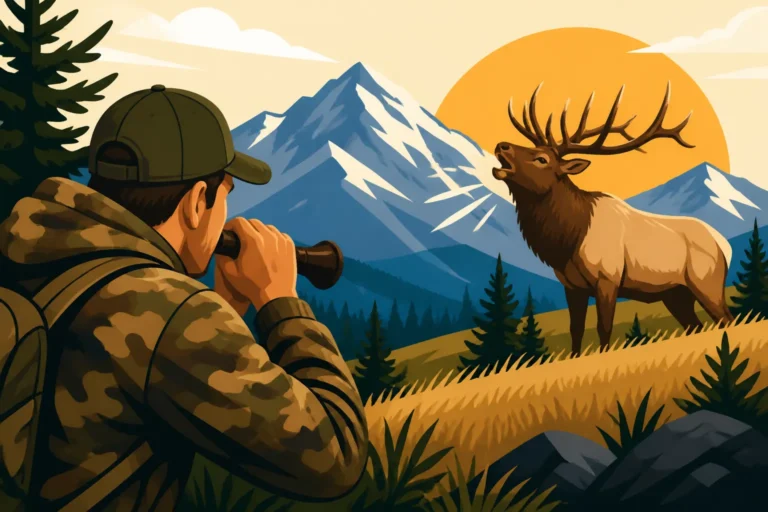
Heading into the vast, rugged landscapes of Colorado with a rifle in hand, ready to chase elk, is a dream for so many of us. But let's be real, it's not always the picture-perfect scene you see in magazines. You're up against formidable terrain, unpredictable weather, and often, significant hunter pressure. This guide is all about equipping you with the proven rifle tactics you'll need to navigate these challenges and put an elk on the ground in Colorado.
Understanding Colorado's Rifle Seasons and Elk Behavior
Colorado’s rifle seasons offer unique opportunities, but they also demand a keen understanding of elk behavior and how hunter pressure shapes their movements. It’s not just about pulling a trigger; it’s about timing, patience, and adapting to the mountain’s rhythm.
The Calendar and Elk Behavior Shifts
Colorado's elk rifle seasons are broken into distinct periods, typically starting in mid-October and running through mid-November. Each season presents a different set of challenges and opportunities, largely because elk behavior evolves dramatically as the year progresses and hunting pressure mounts.
The 1st Rifle Season often catches the tail end of the rut in some areas, or just as bulls are transitioning out of it. There's usually less pressure than the later seasons, and the weather might still be relatively mild, though snow can always surprise you. Elk might still be vocal, but don't count on it; they're starting to get wary.
By the 2nd and 3rd Rifle Seasons, the rut is definitely over. Bulls are often exhausted and starting to seek out areas to recover, often moving into thicker timber or higher, less accessible country to escape the growing human presence. Cows and calves will be found in larger herds, but they're also highly alert. This is when migration patterns can start to influence where elk are, especially with early snowfalls. These middle seasons usually see the highest hunter numbers, so getting away from roads becomes crucial.
The 4th Rifle Season can be incredibly challenging, but also immensely rewarding. Snow is often a major factor, pushing elk down to lower elevations and into traditional winter range. This can concentrate animals, but it also makes access difficult and demands serious cold-weather gear and preparation. By this point, elk are extremely educated, spooking at the slightest sound or scent. Understanding these shifts is key; you can’t hunt 4th rifle like you would 1st rifle.
Navigating Public Land Pressure and Avoiding Crowds
Let's face it: Colorado's public lands are popular, and rifle season brings out a lot of hunters. It’s easy to get discouraged when you see a string of truck lights heading up the same forest road as you on opening morning. The frustration is real, and it often feels like you're just hunting other hunters.
To succeed, you've got to be willing to go where others aren't. This often means putting in the miles on foot, looking for roadless areas or wilderness boundaries that require a significant hike to access. While a truck might get you to the trailhead, your boots are what will get you to the elk. Consider areas designated as true backcountry, which can filter out a lot of the casual hunters. Places with steep elevation changes, dense timber, or a lack of developed trails often hold elk that have been pushed out of more accessible spots. Learning to How to Hunt Elk on Public Land Pressure is a skill that will pay dividends. Another effective strategy is to hunt mid-week. If you have the flexibility, skipping the opening weekend frenzy and hunting Tuesday through Thursday can drastically reduce the number of people you encounter.
Legal Considerations and Regulations for Rifle Hunting
Before you even step foot in the woods, it's vital to be intimately familiar with Colorado Parks and Wildlife (CPW) regulations. These aren't just suggestions; they're laws, and ignoring them can lead to hefty fines, loss of privileges, and even jail time.
For rifle hunting elk, there are specific requirements you must meet. Your rifle must be at least .24 caliber (6mm), firing a centerfire cartridge, with a minimum bullet weight of 70 grains and producing at least 1,000 foot-pounds of energy at 100 yards. This pretty much covers most popular big game cartridges, but it's important to double-check if you're using something less common. Most common hunting rounds like a .30-06, .270, or .300 Win Mag easily meet these standards.
Another common regulation is the magazine capacity limit. For big game, your rifle's magazine cannot hold more than six rounds in total, including one in the chamber. So, a 5-round magazine plus one in the chamber is fine. Always verify the current regulations directly with CPW well before your hunt, as they can change. Understanding these rules is a critical part of being an ethical and responsible hunter.
Essential Rifle Tactics for Colorado Elk
Once you've got your permits and know the rules, the real work begins: finding and taking an elk. Rifle hunting demands a blend of careful planning, strategic movement, and precise execution in the rugged Colorado terrain.
Locating Elk in Rifle Seasons
Finding elk during rifle seasons, especially after the rut, requires a different approach than just bugling. Elk become much quieter and prefer to hide, moving into areas that offer security, food, and cover.
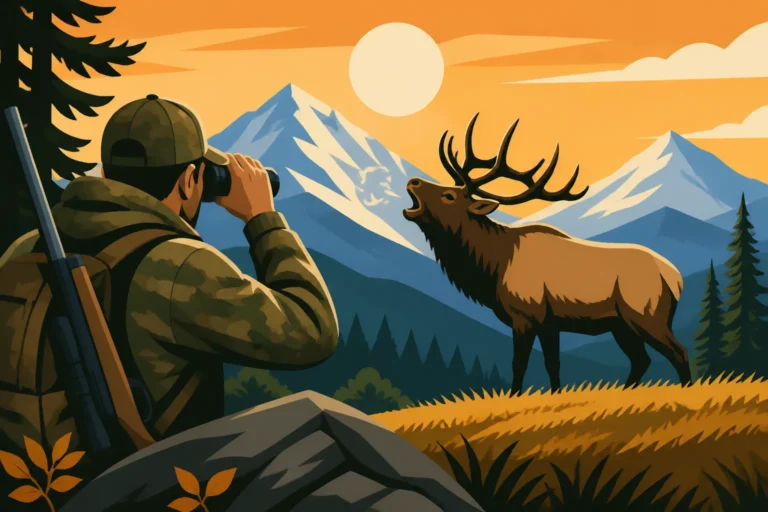
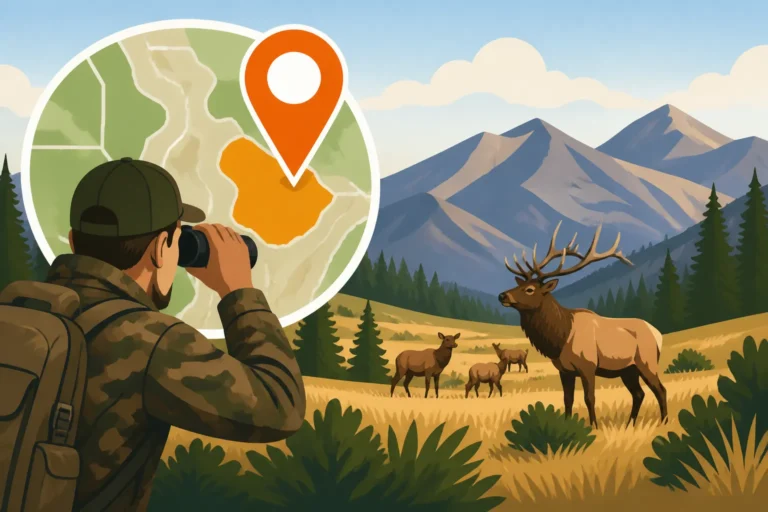
One of the most effective strategies is to focus on north-facing slopes and dark timber. These areas hold snow longer, provide cooler temperatures, and offer dense cover where elk feel safe. They might also gravitate towards these areas to avoid direct sunlight, especially on warmer days. Glassing these areas thoroughly from a distance, perhaps from a south-facing slope across a canyon, can reveal elk bedded or feeding. You'll often see them just on the edge of the timber, or a flash of an antler deep within the trees. Using mapping tools like GoHunt's mapping features can help you identify these critical north-facing slopes and areas of dense cover before you even leave home. Look for patterns, benches, and saddles within these timbered areas where elk might travel or bed. Check out our guide on How to Find Elk in Deep Timber for more specific tips.
Migration corridors are also prime locations, particularly during later seasons when snow starts to push elk to lower elevations. These are often established routes elk use year after year to move between summer and winter ranges. Identifying these funnels and setting up an ambush point can be highly effective. Still-hunting through prime habitat, moving slowly and deliberately, pausing to listen and scan, is another powerful tactic, especially when visibility is limited by dense trees or fog.
The Art of the Approach and Shot Placement
You've found an elk. Now what? The approach is often more critical than the shot itself. A botched stalk can send a bull running before you even get a chance.
First, wind management is paramount. Elk have an incredible sense of smell, far superior to their eyesight. Always approach with the wind in your face or quartering into it. Thermals play a huge role in mountain hunting; early morning, thermals typically pull air downhill, while in the afternoon, they rise uphill. Planning your approach to use these air currents to your advantage is crucial. A simple wind indicator powder bottle can be your best friend.
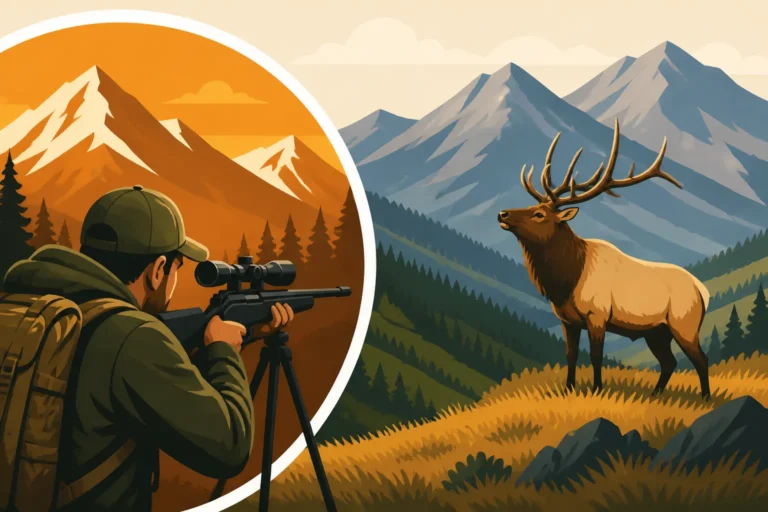
Slow, deliberate movement is key. Every step should be intentional. Avoid snapping twigs or dislodging rocks. Use natural cover to conceal your movement. When you get into shooting range, take your time to set up for a stable shot. Whether it's prone, kneeling, or using a shooting stick, stability equals accuracy.
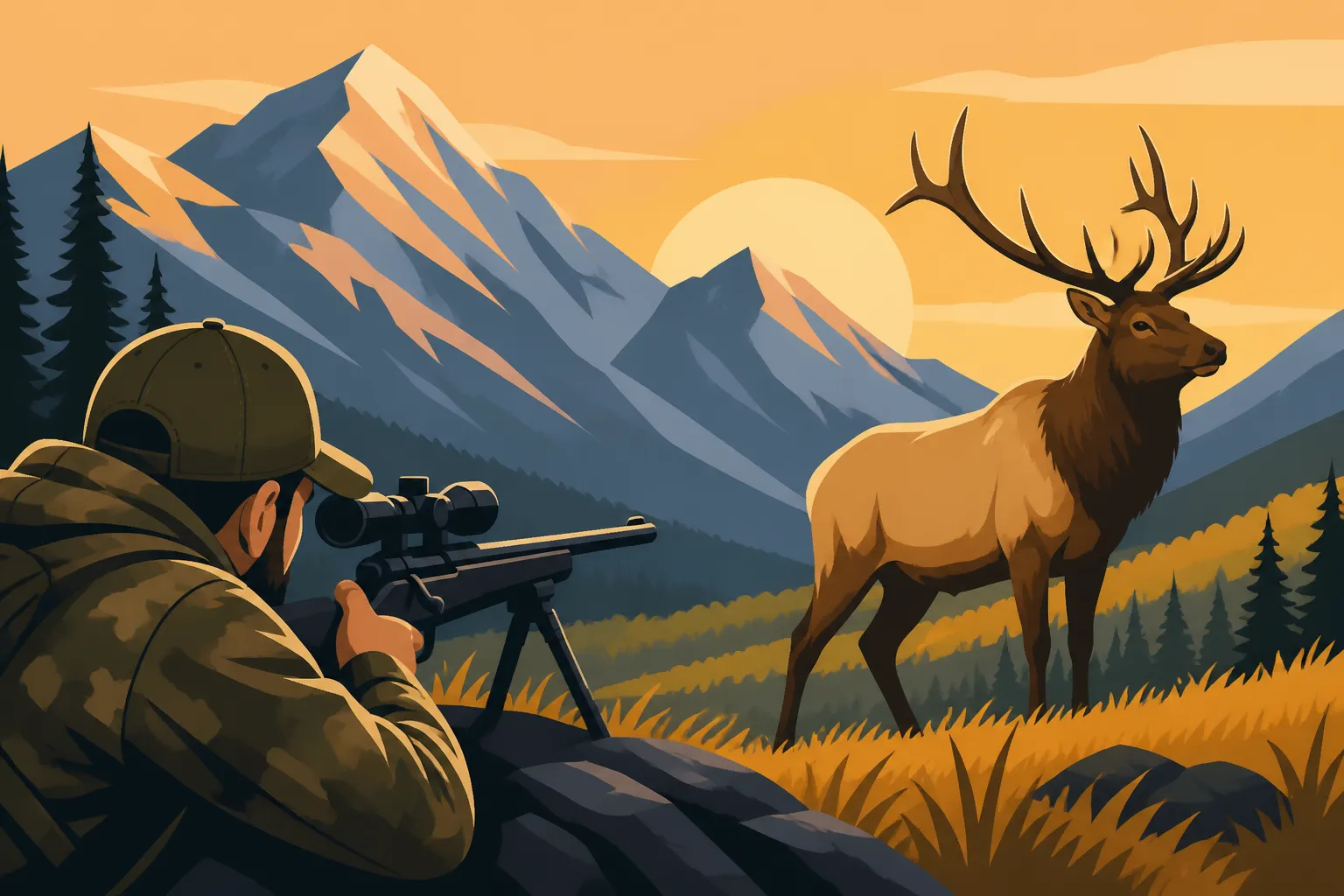
Shot placement is non-negotiable for an ethical kill. Aim for the "vitals"—the heart and lungs—which are located behind the shoulder. This area provides the largest kill zone and maximizes your chances of a quick, humane harvest. Practice shooting at various angles and distances, including uphill and downhill, to understand how bullet trajectory changes. In steep terrain, judging distance can be tricky; a rangefinder is an absolute must-have. Understanding How to Shoot Uphill and Downhill at Elk will dramatically improve your success.
Adapting to Weather and Terrain Challenges
Colorado hunting isn't a walk in the park. The weather can change on a dime, and the terrain is relentless. Being prepared for these elements isn't just about comfort; it's about safety and success.
You might start your morning with crisp, clear skies, only for a blizzard to roll in by midday. Hunting in snow can be a double-edged sword: it makes tracking easier, but it also makes movement tougher and requires careful consideration of gear and visibility. Waterproof and insulated clothing is non-negotiable. Learn to layer effectively so you can adjust to changing conditions. Our guide on How to Hunt Elk in the Snow offers detailed strategies.
Navigating rugged, steep terrain safely requires strong physical conditioning and careful footing. Trekking poles can save your knees and prevent falls, especially when packing a heavy rifle and gear. Always watch your step, especially on scree fields or loose rock. The mountains demand respect, and pushing yourself beyond your limits can lead to dangerous situations. Remember, the elk live there, you're just visiting, so be prepared to traverse their home safely and effectively.
Gear and Preparation for Rifle Elk Hunting
Going after elk with a rifle in Colorado demands specific gear and a level of preparation that goes beyond your average whitetail hunt. Your success, and frankly, your safety, depend on having the right tools and knowing how to use them.
Rifle and Ammunition Selection
Choosing the right rifle and ammunition for Colorado elk isn't about having the biggest or most expensive setup; it's about having a reliable, accurate rifle that you can shoot well under pressure. While many calibers can take an elk, some are definitely more suited for the job.
Common, reliable choices include the venerable .30-06 Springfield, the powerful .300 Winchester Magnum, and the flat-shooting 7mm Remington Magnum. Other excellent options include the .308 Winchester (especially in lighter, handier rifles), .338 Winchester Magnum for those seeking more punch, and various newer cartridges like the 6.5 PRC or 7mm PRC that offer excellent ballistics. The key is to choose a caliber that delivers sufficient energy for ethical kills at typical hunting ranges, which in Colorado can often extend beyond 200 yards.
Bullet construction is just as critical as caliber. You want a premium, controlled-expansion bullet designed for tough game like elk. Brands like Barnes TSX, Nosler AccuBond, Hornady ELD-X, or Swift A-Frame are excellent choices. These bullets are designed to retain weight and penetrate deeply, ensuring they reach the vitals even after hitting bone. Practice, practice, practice! Know your rifle inside and out. Shoot from different field positions – prone, kneeling, off your pack – and at varying distances, especially those long shots you might encounter in open country.
Optics and Essential Tools for Mountain Hunting
In the vastness of Colorado's mountains, your eyes are your most important hunting tool, and quality optics enhance them exponentially. Don't skimp here.
A good pair of 10×42 binoculars is non-negotiable. They should be clear, bright, and durable. You'll spend hours glassing distant slopes, searching for the tell-tale horizontal line of an elk's back or a flick of an ear. A spotting scope, often 15-45x or 20-60x, on a sturdy tripod, is invaluable for picking apart distant timbered areas or confirming if that brown blob is actually an elk, or just a rock. Brands like Maven, Vortex, or Kowa offer excellent quality for the price.
A laser rangefinder is not optional for rifle hunting in the mountains. Estimating distances accurately in steep, broken terrain is incredibly difficult, and misjudging by even 50 yards can mean a missed shot or, worse, a wounded animal. Get one that’s fast and accurate, especially for angle compensation.
Finally, don't forget your navigation tools. While a traditional map and compass are still wise backups, modern GPS apps like GoHunt's mapping system or onX Hunt are game-changers. They allow you to pinpoint your location, identify property boundaries (crucial for staying on public land), mark waypoints, and study topography, like finding those crucial north-facing slopes, all from your phone. These tools are indispensable for navigating challenging terrain and finding your way back to camp. For more detailed insights, consider our guide on Best Optics for Colorado Big Game.
Physical and Mental Conditioning
Colorado elk hunting isn't for the faint of heart, or the couch potato. It's a physically demanding endeavor that will test your limits, and your mental fortitude. The air is thin, the hills are steep, and the days are long.
Physical conditioning should start months before your hunt. Focus on cardiovascular endurance (hiking, running, stair climbing) and strength training, especially for your legs and core. Simulating hunt conditions by hiking with a loaded backpack is incredibly beneficial. You don't want to be huffing and puffing after 100 yards of uphill hiking when you're trying to sneak up on a bull. Getting in shape also helps with acclimating to the high altitude. Many hunters find themselves winded and fatigued at 8,000-12,000 feet, where elk often live. Our Colorado Elk Hunt Fitness Plan is a great resource to get started.
Beyond the physical, mental resilience is equally important. Elk hunting can be incredibly frustrating. You might hike miles, see nothing, deal with bad weather, or blow a stalk. There will be moments when you want to give up. The ability to stay positive, persist through discomfort, and maintain focus is what separates successful hunters from those who quit. Prepare yourself mentally for the grind, embrace the challenge, and remember that every moment in the mountains, even the tough ones, is part of the experience.
Post-Shot Procedures and Game Recovery
Congratulations, you've made a good shot! But the hunt isn't over. The moments immediately after the shot, and the subsequent recovery and processing of the animal, are crucial for honoring the animal and ensuring your hard work doesn't go to waste.
Tracking and Recovery in Challenging Terrain
Once you’ve taken a shot, the first step is always to take a breath. Mark the exact spot where the animal was standing and where you last saw it. Then, give the elk time. A general rule of thumb is to wait at least 30 minutes for a gut shot (though ideally, you'd avoid one), and 15-30 minutes for a well-placed lung or heart shot, especially if the animal bolted. This gives the animal time to lie down and bleed out, preventing it from running further.
When you begin tracking, move slowly and systematically. Look for blood, broken branches, disturbed earth, and even hair at the shot site. If the blood trail is sparse, expand your search. Elk often run downhill first when wounded, or follow the path of least resistance. They might also seek out dense cover to hide. If you lose the trail, spread out and grid search the area. In snowy conditions, a blood trail can be easier to follow, but in dry leaves or pine needles, it can be incredibly challenging. Having multiple sets of eyes, if you're hunting with a partner, can be invaluable. If you're tracking into the evening, remember to mark your last blood spot clearly so you can easily pick it up in the morning. Learn more about How to Pack Out an Elk in Colorado when you find your animal.
Field Dressing and Packing Out Your Elk
Recovering an elk is only half the battle; now comes the real work. An adult elk can weigh 600-800 pounds live, and even just the meat and bones can be hundreds of pounds. This is where your physical conditioning truly pays off.
The primary goal of field dressing is to cool the meat as quickly as possible to prevent spoilage. In the field, most hunters opt for the gutless method or quarter the animal. The gutless method involves skinning and deboning the animal in place, taking only the meat, which can significantly reduce the weight you need to pack out. If you're quartering, you'll remove the front and hind quarters, backstraps, and tenderloins.
Once the meat is removed, it's essential to get it out of the hide and into game bags to allow for air circulation. Hang the meat, if possible, to cool it further. In warmer early-season conditions, getting the meat cooled rapidly is critical. In colder late seasons, freezing is less of a concern, but proper care is still paramount. Be prepared to make multiple trips if you're hunting solo or with a small group. A sturdy backpack designed for heavy loads is a must. Remember, packing out an elk can take hours, even a full day, depending on the terrain and distance to your vehicle. It's a grueling but incredibly rewarding experience that culminates in organic, wild meat for your freezer.
Colorado Rifle Elk Hunting Considerations
| Season Type | Typical Dates | Elk Behavior Highlights | Hunter Pressure | Key Tactics |
|---|---|---|---|---|
| 1st Rifle | Mid-October | Post-rut transition, may still be vocal. | Moderate | Spot-and-stalk, quiet movement, focus on timber edges. |
| 2nd Rifle | Late Oct – Early Nov | Post-rut recovery, move into dense cover, migration. | High | Hunt deep timber, focus on transition areas, get off roads. |
| 3rd Rifle | Early Nov | Similar to 2nd, increasing migration with snow. | High | Focus on north-facing slopes, historical migration routes. |
| 4th Rifle | Mid-November | Winter range migration, concentrated herds. | Moderate | Hunt in snow, focus on lower elevations, security cover. |
Disclaimer
Hunting is a challenging and potentially dangerous activity. This guide provides general information and tactics for Colorado elk hunting with a rifle. Always consult the most current Colorado Parks and Wildlife (CPW) regulations, obtain the necessary licenses and permits, and prioritize safety above all else. Hunt ethically and responsibly. The information provided here does not constitute professional advice, and individual results may vary.