How to Hunt Elk on Public Land Pressure
The dream of chasing a bugling bull through Colorado's pristine mountains is a powerful one, but the reality of hunting public land often clashes sharply with that idyllic vision. You've packed your gear, driven for hours, and finally set foot in the wilderness, only to find boot tracks, human scent, and silent, spooky elk that seem to vanish into thin air the moment pressure hits. This guide is dedicated to tackling that exact frustration head-on, offering proven strategies to outsmart pressured elk and find success even in crowded public land units.
Understanding Public Land Pressure and Elk Behavior
It's a common misconception that elk are "dumb" animals. In reality, they are incredibly intelligent, especially when it comes to survival, and hunters are a huge part of their predator landscape. The sheer number of hunters descending on popular public land units during hunting season forces elk to adapt, often dramatically changing their routines and preferred habitats. Understanding these shifts is the first critical step to effectively hunting them.
The Psychological Impact of Hunter Numbers on Elk
Imagine being constantly pursued, hearing unfamiliar noises, and smelling danger everywhere. That's essentially what elk experience during hunting seasons, especially in accessible areas of Colorado's public lands. This constant disturbance creates highly wary animals. They become hyper-vigilant, often going nocturnal, moving less during daylight hours, and seeking out the thickest, nastiest cover they can find. Their natural curiosity and willingness to respond to calls diminish significantly. It’s not about them disappearing entirely; it’s about them becoming masters of evasion, holding tight in dark timber, or moving to remote, less disturbed pockets. This phenomenon can be disheartening for hunters who expect active animals, but it's a predictable survival mechanism that we, as hunters, must learn to anticipate and counter.
Common Elk Movement Patterns Under Pressure
When the orange army arrives, elk don't just randomly scatter. They tend to gravitate towards specific types of terrain and cover that offer safety. Often, this means moving into deep timber, north-facing slopes, and areas with difficult access. Think about those steep, brushy canyons or dense stands of dark timber that are just a little too far or too rough for most hunters to bother with. These become sanctuaries. They will also use subtle travel corridors, often just below ridgetops or along benches, to move between bedding and feeding areas under the cover of darkness or during the quietest parts of the day, like midday. Recognizing these escape routes and bedding preferences is key. They'll actively avoid roads, trails, and open areas during daylight, preferring to stick to areas where they feel secure from human eyes and scent.
Identifying High-Pressure vs. Low-Pressure Areas
It’s often pretty clear where the pressure is – trailheads packed with trucks, popular ATV routes, and well-worn trails are dead giveaways. These are often areas that offer easy access to what appears to be prime elk habitat. The challenge isn't just avoiding these high-pressure zones entirely, but understanding how elk move through and around them. Low-pressure areas, conversely, are typically those that demand a significant physical effort to reach. These could be deep wilderness areas, steep canyons, or remote basins that require multi-mile hikes and significant elevation gain. By using tools like the Colorado Hunting Atlas Explained, you can overlay public land maps with terrain features and road systems to pinpoint these less accessible zones. Pay close attention to areas marked "Wilderness Area" or those that are far from any motorized access, as these often hold more undisturbed elk.
E-Scouting and Pre-Season Prep to Beat the Crowds
The battle against public land pressure starts long before you ever step foot in the woods. Modern technology has revolutionized the way we prepare for a hunt, offering powerful tools to identify potential hotspots and formulate a solid strategy. This is where you gain an edge over the vast majority of hunters who simply show up and walk into the first available trailhead.
Leveraging Digital Tools for Remote Scouting
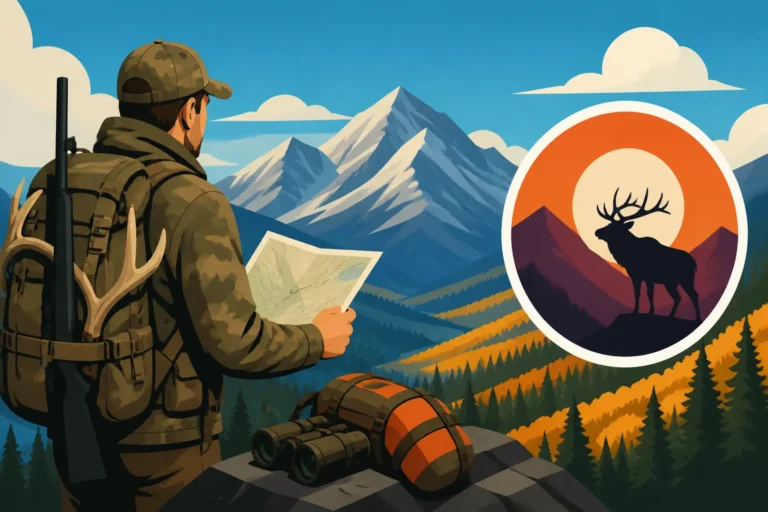
Gone are the days when you relied solely on paper maps and word-of-mouth. Today, digital mapping applications like GoHunt's mapping platform or onX Hunt are indispensable. These tools allow you to meticulously scout potential areas from the comfort of your home. You can identify public land boundaries, topo lines for elevation and steepness, water sources, old clear-cuts, and north-facing slopes which are often key bedding areas. Pay attention to features like dark timber pockets, saddles between ridges, and remote benches that are more than a mile or two from the nearest road or popular trail. The goal is to find those overlooked, nasty spots that other hunters will pass by. You can virtually walk through the terrain, looking for potential ambush points or travel corridors. Don't just look for "elk country"; look for "elk country that's hard to get to." For a detailed walkthrough, check out our guide on How to E-Scout Before a Colorado Hunt.
Identifying Sanctuary Areas and Escape Routes
Elk, when pressured, will seek out areas where they feel safe. These are their sanctuaries. On public land, these often coincide with the steepest, thickest, or most remote terrain. During your e-scouting, look for these specific characteristics:
- Steep, North-Facing Slopes: These provide cooler temperatures, denser vegetation, and often rougher terrain that deters human traffic.
- Deep Timber Pockets: Conifer stands, especially lodgepole pine and spruce-fir, offer excellent cover and thermal regulation. Look for patches that are too thick to easily walk through, often near ridgetops or saddles.
- Remote Basins and Canyons: Areas far from roads or trails, particularly those requiring significant elevation changes to access, are prime candidates for holding pressured elk.
- Wilderness Boundaries: The edges of wilderness areas, where motorized travel ends, can be transition zones where elk feel a bit safer.
Once you identify these potential sanctuaries, then focus on their escape routes. These are often subtle game trails or drainages that lead from bedding cover to feeding areas or further into deeper security. The goal is to position yourself along these routes, anticipating their movement rather than trying to bust them out of thick cover.
Physical Preparation for Deeper Penetration
E-scouting will quickly reveal that the low-pressure areas are often the most physically demanding to access. This means your physical fitness is paramount. You can't just wish your way into those remote basins; you need to be able to hike miles, climb steep grades, and do it all day long, day after day, often with a heavy pack. Start a rigorous workout routine months before your hunt, focusing on cardiovascular endurance, leg strength, and core stability. Incorporate weighted hikes or stair climbing to simulate mountain conditions. Being in top shape not only allows you to access remote areas but also helps you maintain focus, recover faster, and make better decisions when you're deep in elk country. Consider reading up on How to Physically Prepare for Colorado Elk and Altitude Training for Colorado Hunting to fine-tune your regimen.
On-the-Ground Tactics for Pressured Elk
Once you're in the field, knowing how to hunt elk that have already been bumped, shot at, and chased is critical. These animals are operating on high alert, and your tactics need to reflect their heightened wariness. Forget aggressive calling and charging in; think stealth, patience, and subtlety.
The Art of Still-Hunting and Stealth in Timber
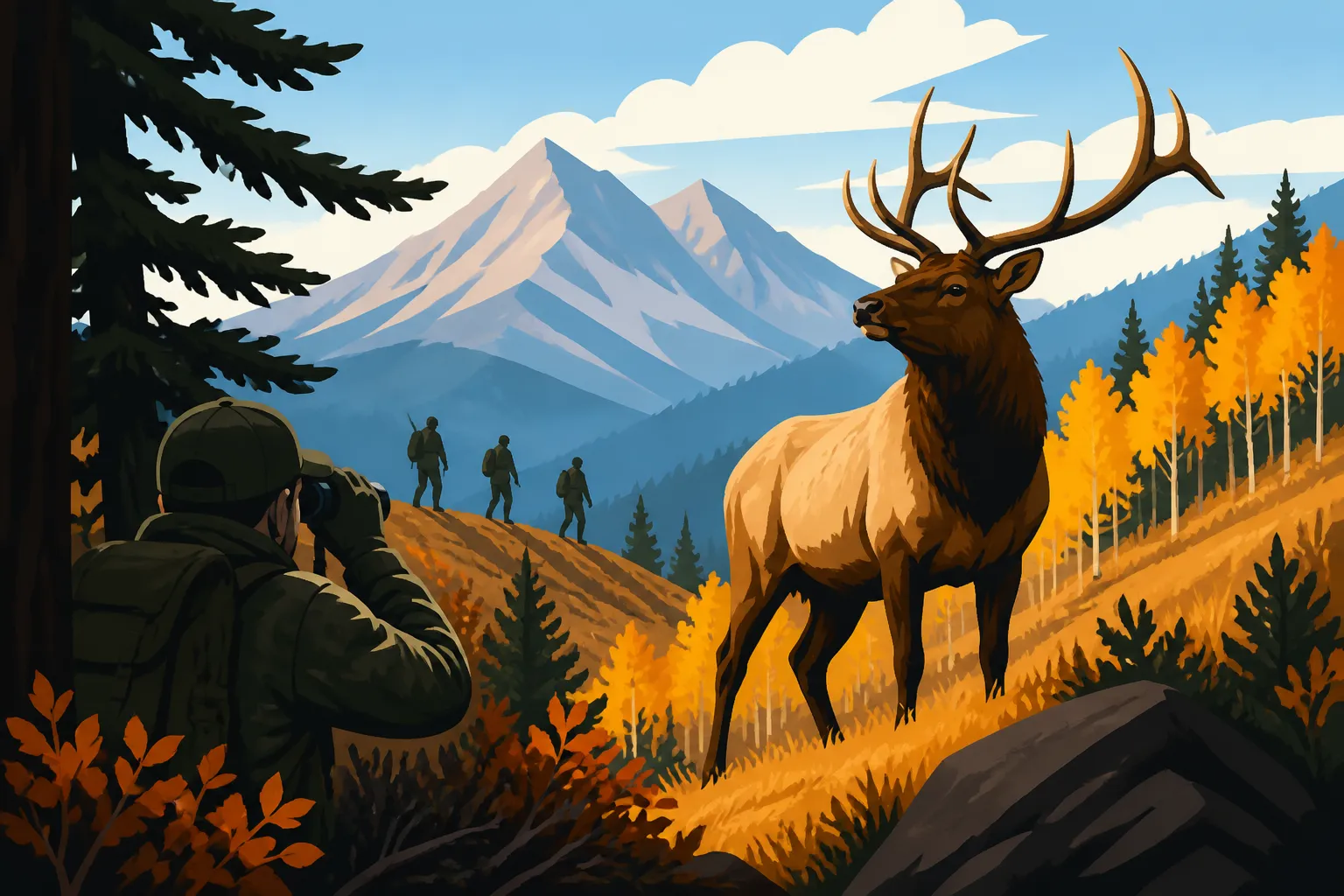
When elk are pressured, they become incredibly adept at holding tight in thick timber, allowing hunters to pass by unknowingly. This is where still-hunting shines. This method involves moving slowly, often taking only a few steps at a time, then stopping for several minutes to observe, listen, and scan. You're not just walking; you're hunting every single step. Use your binoculars in the timber to pick apart shadows, looking for the horizontal line of an elk's back, a flicking ear, or the subtle glint of an antler.
Focus on your wind direction religiously, using thermals to your advantage. In the mornings, thermals generally rise, carrying your scent uphill; in the evenings, they fall, carrying your scent downhill. Adjust your approach accordingly. Moving quietly means wearing appropriate clothing that doesn't rustle, avoiding breaking branches underfoot, and planting each footfall deliberately. It's a painstakingly slow process, but it allows you to cover ground effectively while minimizing your disturbance. Our guide on How to Still-Hunt Colorado Timber provides excellent insights into this often-underestimated technique.
Mastering Calling Strategies for Wary Bulls
Aggressive, locator bugles often work well on unpressured bulls, but they can be a kiss of death on public land where every other hunter is also bugling. Pressured bulls become call-shy and will often circle downwind or simply go silent. Instead, focus on soft, subtle cow and calf calls. These less aggressive sounds can pique a bull's curiosity without putting him on high alert. Use soft mews and chirps, mimicking a small group of cows moving through the timber.
Here's a strategy: make a few soft calls, then shut up and listen for a long time – 15 to 30 minutes. Pressured elk won't always respond immediately or loudly. They might just take a few steps in your direction, curious, or emit a very quiet chuckle. Be patient. If a bull does respond, try to sound like a lone cow or calf. Avoid repeated, high-volume calling, which can signal danger. The goal is to sound natural and non-threatening. For advanced techniques, exploring How to Call Elk in Colorado can deepen your understanding of effective calling in various scenarios.
Hunting Water Sources and Wallows
During the dry early archery and late rifle seasons, water becomes an absolute magnet for elk, even pressured ones. They have to drink. Identify natural springs, seeps, and wallows (muddy depressions where elk roll to cool off and remove parasites) during your e-scouting. These can be incredible ambush points, especially if they are far from main trails and roads. Set up downwind of a water source before first light or in the late afternoon, giving yourself plenty of time to be still and quiet.
Wallows are particularly interesting because they are often used by mature bulls. Look for fresh tracks, mud splatter on nearby trees, and strong elk odor. While a bull might not come in screaming to a call near a wallow, he might come in quietly to check it out. These locations offer a static point where you can reasonably expect elk to eventually arrive, allowing you to set up an ambush rather than constantly chasing ghost animals.
Adaptability and Persistence: The Keys to Success
Hunting pressured elk in Colorado isn't a "set it and forget it" kind of endeavor. It demands constant evaluation, willingness to change plans, and an unwavering commitment to the grind. Many hunters give up when the going gets tough, but it's precisely at those moments that opportunities often arise for those who stick with it.
Reading Sign and Adjusting Your Plan
Elk sign tells a story, and on public land, that story often changes daily due to hunter activity. When you're on the ground, don't just look for any sign; look for fresh sign. Fresh tracks, steaming droppings, recently rubbed trees, or hot wallows indicate elk are currently using that area. If you're finding old sign and no fresh activity, it's a strong signal that the elk have moved due to pressure or feed availability. Don't be afraid to adjust your plan based on what the elk are telling you.
If your original plan for a specific basin isn't producing, review your maps and look for alternative, even tougher-to-reach spots. Maybe the elk got pushed over a ridge into an adjacent drainage, or they've moved into thicker cover on a steep north slope. Being able to shift gears, even packing up camp and moving to a new location, is a hallmark of successful public land hunters. This dynamic approach ensures you're always hunting where the elk are, not where you hoped they'd be.
Hunting During Off-Peak Times and Weather
Most hunters are out at first light and last light, then they head back to camp for lunch or a break. This creates a lull in the middle of the day – a golden opportunity. Pressured elk often move during these "off-peak" hours, feeling safer when human activity is at a minimum. Instead of returning to camp, commit to hunting through the middle of the day. This might mean finding a quiet spot to eat your lunch, glass, or still-hunt slowly through bedding areas.
Weather also plays a massive role. A sudden snowstorm, heavy rain, or a significant cold front can push elk to move, often making them more active and less wary. While most hunters might be tempted to hunker down in camp during foul weather, this is often the best time to be out. Dress appropriately, push through the discomfort, and capitalize on conditions that deter others. Learn How to Hunt Elk in the Snow or How to Hunt a Cold-Front Elk Push to truly leverage these opportunities.
Mental Toughness and Overcoming Frustration
Hunting pressured public land can be incredibly frustrating. You'll put in miles, see no fresh sign, hear distant gunshots, and feel like you're chasing ghosts. It's easy to get discouraged and question your abilities. This is where mental toughness comes in. Understand that failure is part of the process, and every hunt, successful or not, is a learning experience. Don't let a lack of immediate success break your spirit.
Focus on the small victories: finding fresh sign, navigating challenging terrain, or simply enjoying the beauty of the backcountry. Celebrate the effort, not just the outcome. Remind yourself that you're pursuing one of North America's most magnificent animals in a challenging environment. Maintaining a positive and persistent attitude, even when things aren't going your way, significantly increases your chances of sticking with it long enough for an opportunity to present itself.
Gear and Mindset for Hunting High-Pressure Areas
Success on pressured public land isn't just about strategy; it's also about having the right tools and the right outlook. Your gear needs to be reliable, lightweight, and capable of handling the rigors of extended backcountry travel. Your mindset needs to be one of preparedness, resilience, and realistic expectations.
Essential Gear for Deep Backcountry Hunts
When you're pushing miles into remote areas to escape pressure, every ounce in your pack matters. Invest in lightweight, durable gear that can withstand harsh mountain conditions.
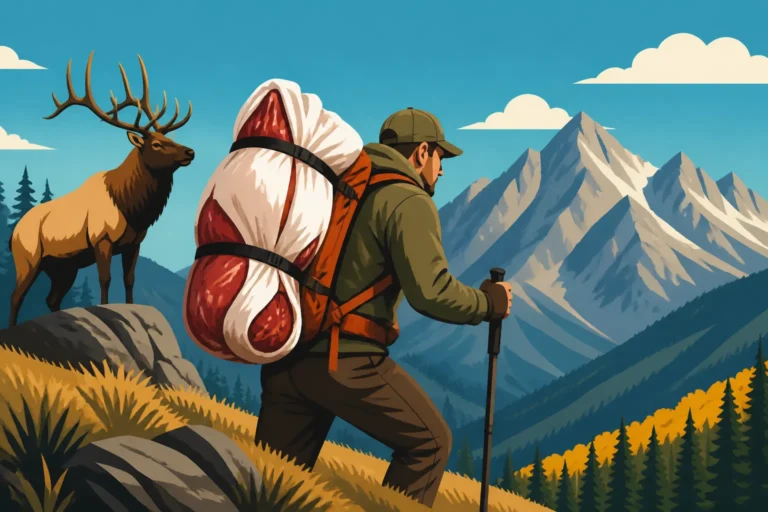
- Backpack: A high-quality pack, like those from Mystery Ranch or Kifaru, capable of comfortably carrying 50+ pounds is crucial for packing in supplies and packing out meat. Our Best Backpack for a Colorado Elk Hunt guide offers more detailed recommendations.
- Optics: Good binoculars (10×42 or 10×50) and a spotting scope can help you pick apart distant slopes and timber, reducing unnecessary movement. Many hunters prefer brands like Maven or Vortex for their excellent value.
- Navigation: While GoHunt's mapping app or onX Hunt on your phone is great, always carry a physical map and compass as a backup. A GPS device can also be invaluable.
- Shelter: If you're planning multi-day trips deep into the backcountry, a lightweight tent or bivy system is essential.
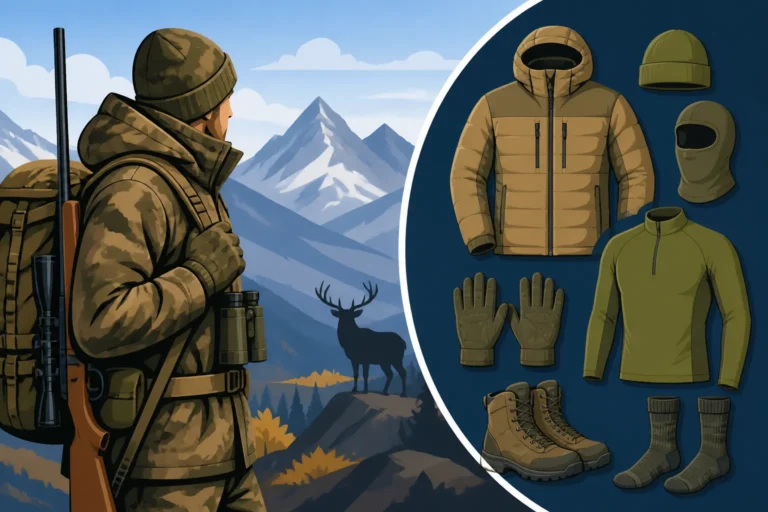
- Clothing: Layering is key. Choose moisture-wicking base layers, insulating mid-layers, and a waterproof/windproof outer shell. Brands like Sitka or KUIU are popular among serious hunters.
- Water Filtration: A reliable water filter (e.g., Sawyer Squeeze) or purification tablets are non-negotiable for extended trips.
- First-Aid: A comprehensive first-aid kit is critical for dealing with injuries far from help.
This gear allows you to stay in the field longer, cover more ground, and increase your chances of finding unpressured elk. For a comprehensive list, check out the Colorado Backcountry Hunting Gear List.
The Importance of Physical Fitness and Altitude Acclimation
We touched on physical prep earlier, but it bears repeating: it's not just about getting to the elk, it's about being able to perform once you're there. Hunting at 8,000 to 12,000 feet in Colorado is physically taxing. The thin air impacts even the fittest individuals. Being physically prepared means you can push harder, hike further, and maintain your stamina when it matters most – during the stalk or the pack-out.
Beyond general fitness, altitude acclimation is vital. If possible, arrive in Colorado a few days before your hunt to allow your body to adjust. Stay hydrated, avoid excessive alcohol, and take it easy on your first day. Headaches, nausea, and shortness of breath are common symptoms of altitude sickness, which can severely impact your hunt. For more specific advice on this, consult How to Acclimate to Colorado Elevation.
Maintaining a Positive and Realistic Mindset
Public land hunting, especially for elk, is inherently challenging. It's not a guarantee. You might go home empty-handed many times before you find success. A realistic mindset accepts this challenge and understands that the reward comes from the process, the effort, and the experience itself, not solely from punching a tag. Embrace the wilderness, the physical exertion, and the problem-solving aspect of the hunt.
A positive attitude helps you push through the inevitable difficulties – the miles of hiking without seeing animals, the bad weather, the constant worry about other hunters. Focus on what you can control: your preparation, your effort, and your attitude. Every outing into the high country teaches you something new, sharpens your skills, and builds character. This enduring perspective is what truly defines a successful public land hunter, regardless of whether a bull hits the dirt.
| Tactic | Pressured Elk Behavior | Effective Counter-Tactic | Why it Works |
|---|---|---|---|
| Movement Strategy | Primarily nocturnal, holds tight in cover. | Deep penetration, still-hunting. | Escapes human scent/sight; encounters bedded elk. |
| Calling | Call-shy, circles downwind, goes silent. | Soft cow/calf sounds, minimal calling, patience. | Mimics non-threatening elk, piques curiosity without alarming. |
| Location Focus | Avoids roads/trails, seeks steep, thick cover. | Target remote basins, dark timber, north slopes. | Finds areas other hunters avoid, provides security. |
| Timing | Moves during dawn/dusk or specific weather. | Hunt all day, capitalize on bad weather. | Utilizes quiet midday periods, leverages weather-induced movement. |
| Scouting | Highly responsive to human intrusion. | E-scouting for sanctuaries/escape routes. | Identifies low-pressure zones and movement corridors pre-hunt. |
| Physical Effort | Retreats to inaccessible terrain. | High fitness for deep backcountry access. | Allows reaching untouched areas and enduring longer hunts. |
Disclaimer
The information provided in this guide is for informational purposes only and is not a substitute for official regulations, safety guidelines, or professional advice. Always consult the most current Colorado Parks and Wildlife regulations before any hunting activity. Hunting involves inherent risks, and personal safety should always be your top priority. Ensure you have proper training, equipment, and respect for wildlife and the environment.