How to Hunt Colorado Spring Bears Over Bait Rules
Trying to navigate the ins and outs of bear hunting regulations in Colorado can feel like deciphering an ancient scroll, especially when you hear about hunters in other states using bait. It's easy to get confused about what's actually allowed here in the Centennial State, leading to frustration and fear of unknowingly breaking a rule. This comprehensive guide is here to cut through that confusion, clearly outlining Colorado's specific rules regarding bear hunting over bait and empowering you with the knowledge to pursue spring bears legally and ethically.
The Straight Truth: Colorado's Stance on Bear Baiting
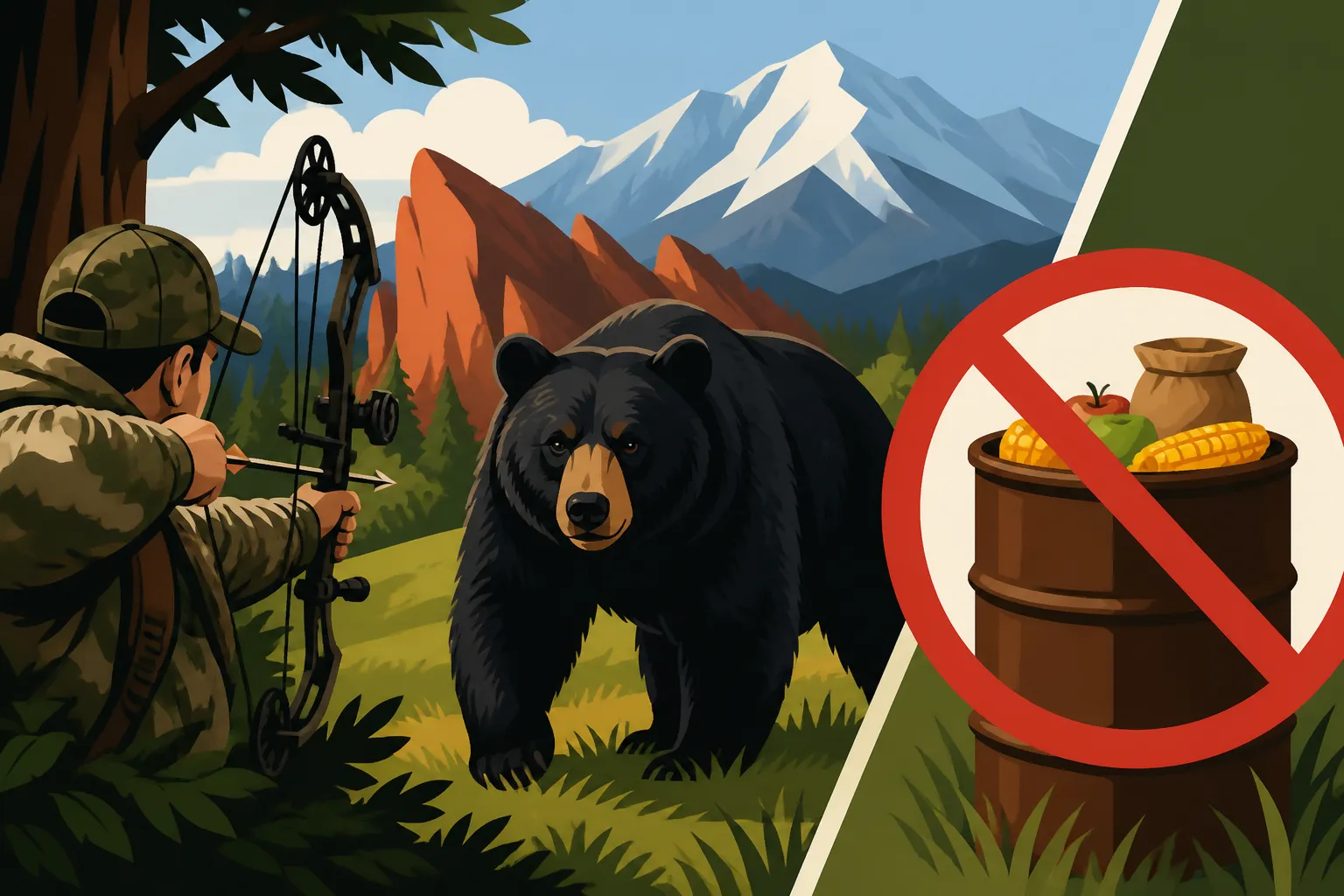
Let's get straight to the point: bear baiting is explicitly illegal in Colorado. This isn't a gray area; it's a firmly established regulation set by Colorado Parks and Wildlife (CPW). While you might see or hear about hunters in states like Idaho, Maine, or Wisconsin successfully using bait piles to draw in bears, that practice is strictly prohibited within Colorado's borders. It's a fundamental difference that many non-resident hunters, or even new resident hunters coming from states with different traditions, often struggle to grasp.
The rationale behind this prohibition often boils down to a few key principles. Colorado places a high value on fair chase ethics, and the use of bait is generally seen as reducing the challenge and natural hunting instinct required to locate and harvest an animal. There's also a concern about habituating bears to human-provided food sources, which can lead to increased human-wildlife conflicts, property damage, and potentially even dangerous encounters. Furthermore, baiting can make it difficult to manage specific bear populations, as it can attract bears from wide areas, making accurate population assessments and targeted harvests challenging. Ignoring these rules carries significant penalties, including substantial fines, confiscation of hunting equipment, and loss of hunting privileges, potentially for a lifetime, not just in Colorado but through interstate compacts as well. It's simply not worth the risk.
Understanding Colorado's Spring Bear Season and Legal Methods
With baiting off the table, understanding Colorado's spring bear season dates and the legal methods for hunting them becomes paramount. Spring bear season in Colorado is typically concurrent with some spring turkey seasons, often running from mid-April through May or early June, depending on the specific Game Management Unit (GMU). These dates are critical, as bears are just emerging from their dens, often seeking easy calories after a long winter's sleep.
Instead of bait, Colorado bear hunters must rely on traditional fair chase methods. This primarily includes Spot-and-Stalk Hunting in Colorado, which involves extensive glassing of prime bear habitat to locate animals, followed by a careful, strategic approach. Another viable method is still-hunting, which is the art of moving slowly and quietly through an area, stopping frequently to observe and listen. While not as common for spring bears, some hunters might also attempt calling, using distress calls to pique a bear's curiosity, although this is generally more effective during the fall rut for bears. The key across all these legal methods is active hunting, using your skills to find the bear in its natural environment, rather than drawing the bear to a static location.
During spring, bears are often found in specific areas. Think about those south-facing slopes where the snow melts first and green grass, forbs, and early berries begin to emerge. These sun-drenched areas are critical feeding grounds. Avalanche chutes are also hotspots, as they offer early green-up and often provide excellent visibility. Being able to identify these types of terrain features on a topographical map, especially with tools like GoHunt's mapping overlays, can significantly improve your chances of success. Understanding Colorado Black Bear Behavior during this time of year—like their tendency to feed for long periods in open areas—is essential for locating them.
Essential Strategies for Legal Spring Bear Hunting in Colorado
Hunting spring bears in Colorado legally requires a completely different mindset than hunting over bait. It’s about leveraging the bear's natural tendencies in the springtime and employing keen observation and strategic movement.
Scouting and E-Scouting for Spring Bears
Before you even set foot in the field, thorough scouting is your best friend. Since bait is out, you need to understand where bears want to be. This means focusing on areas with early green-up, like those south-facing slopes, as mentioned. Look for areas that have a good mix of open feeding grounds and dense cover for bedding and security. Water sources, while not as critical for attracting them to a specific spot, are still essential components of their habitat.
E-scouting with modern tools can save you countless hours. Platforms like GoHunt offer incredible satellite imagery, topographic maps, and public/private land ownership overlays that are invaluable. You can identify potential feeding areas, travel corridors between feeding and bedding sites, and escape routes. Look for fingers of timber extending into open areas, draws, and saddles that bears might use. You're essentially trying to predict their movements and preferred habitats based on topography and vegetation. Don't forget to look for historical wildfire burn areas; these often produce an abundance of new growth that bears love. By studying these maps, you can narrow down vast landscapes to manageable, high-potential areas, ensuring you're focusing your in-field efforts effectively. This kind of preparation is detailed in resources like How to E-Scout Before a Colorado Hunt.
Spot-and-Stalk Tactics in Spring Bear Country
Spot-and-stalk is the quintessential Colorado bear hunting method in the spring. It’s physically demanding but incredibly rewarding. The core of this tactic involves finding a high vantage point with excellent visibility over potential bear habitat. This could be a ridge, a high knob, or a prominent rock outcrop. Set up your spotting scope and binoculars, get comfortable, and begin meticulously glassing.
Spend hours, not minutes, observing. Bears often blend in remarkably well with their surroundings. Look for any movement, a patch of black against green foliage, or even the distinct shape of a bear's head or rump. Pay close attention to the shaded areas, as bears might emerge into the sun to feed. Once you spot a bear, the real work begins. You'll need to analyze the terrain, the wind direction (always crucial!), and the bear's behavior to plan your approach. This often means making wide arcs to stay out of sight and wind, moving slowly and deliberately. You might spend hours covering a few hundred yards to get within shooting range. Remember, the wind is your ultimate guide; a bear's nose is its primary defense. A comprehensive guide on How to Spot-and-Stalk Colorado Bears can provide more in-depth strategies.
Calling and Still-Hunting as Supplementary Methods
While spot-and-stalk is king, calling and still-hunting can be valuable supplementary methods for spring bears. Still-hunting involves moving through likely bear habitat at an extremely slow pace, often taking only a few steps every minute, then pausing to scan and listen. This is particularly effective in thicker timber where long-range glassing isn't an option. Focus on moving into the wind and being incredibly quiet, breaking up your silhouette against the natural background.
Calling can sometimes work, especially if you're targeting curious bears or want to draw one out of thick cover. Using distress calls, like a fawn bleat or rabbit squeal, can pique a bear's predatory interest. However, be aware that you might also attract other predators. Set up with good visibility and a clear shooting lane, and be ready for a fast response. It's often best to pair calling with a buddy system, where one hunter calls and the other watches for approaching animals. It's an art that takes practice and understanding of How to Call Elk in Colorado principles, which can often be adapted for bear, albeit with different calls.
Gear and Preparation for a Colorado Spring Bear Hunt
A successful, legal spring bear hunt in Colorado isn't just about strategy; it's also about being properly equipped and physically ready for the demands of mountain hunting.
Optics and Glassing: Your Eyes in the Field
Since you won't be relying on bait, high-quality optics are non-negotiable. A good pair of 10x binoculars is essential for general scanning, but a powerful spotting scope (20-60x or even 80x) is where you'll spend most of your time picking apart distant slopes. Look for features like the Maven S.1A Spotting Scope or models from Vortex Optics, known for their clarity and light-gathering capabilities, which are crucial during dawn and dusk. You'll want a sturdy tripod for your spotting scope to ensure stability during those long glassing sessions. The ability to discern a bear from a rock or stump at a mile or more is a skill developed through practice and aided by superior glass.
Clothing and Scent Control for Variable Spring Weather
Colorado's spring weather can be notoriously unpredictable. You might start your day in freezing temperatures, experience warm sunshine by midday, and then be hit with a sudden snowstorm or rain shower in the afternoon. Layering is absolutely critical. Think merino wool base layers for moisture-wicking and warmth, a mid-layer for insulation (fleece or puffy jacket), and a waterproof/windproof outer shell. Brands like Sitka Gear or Kuiu offer excellent layering systems designed for mountain hunting. Even though you're not baiting, scent control is still important. Bears have an incredible sense of smell, and minimizing your human odor gives you an advantage, especially during those close-range stalks. Dress in clean hunting clothes and consider using scent-eliminating sprays.
Physical Preparation for Rugged Colorado Terrain
Colorado bear hunting is a physically demanding endeavor. You'll be hiking steep slopes, navigating uneven terrain, and potentially packing out a heavy bear across challenging landscapes. How to Physically Prepare for Colorado Elk and Altitude Training for Colorado Hunting are excellent resources, as the physical demands are very similar. Start your physical training months in advance. Focus on cardiovascular endurance, leg strength, and core stability. Incorporate hiking with a loaded pack, stair climbing, and strength training. If you're coming from a lower elevation, arriving a few days early to acclimate to the higher altitudes can make a significant difference in your performance and enjoyment of the hunt.
Here's a quick overview of legal versus illegal bear hunting tactics in Colorado:
| Tactic/Method | Legality in Colorado (for Bear) | Key Considerations |
|---|---|---|
| Baiting | ILLEGAL | Leads to fines, license revocation, potential jail time. |
| Spot and Stalk | Legal | Requires excellent optics, patience, physical fitness. |
| Still-Hunting | Legal | Slow, quiet movement in cover; effective in timber. |
| Calling | Legal | Use distress calls; effective for curious bears. |
| Trapping | ILLEGAL | Except for specific wildlife management purposes. |
| Hunting with Dogs | Legal (with restrictions) | Specific rules apply; check CPW regulations carefully. |
| Hunting over Water | Legal | Less effective in spring, more so in dry fall conditions. |
Remember, staying within the bounds of the law is not just about avoiding penalties; it's about respecting the animals, the land, and the hunting tradition. By understanding and adhering to Colorado's strict "no baiting" rule and focusing on ethical, fair chase methods, you can have a challenging and rewarding spring bear hunting experience.
Disclaimer
The information provided in this guide is for general informational purposes only and does not constitute legal advice. Hunting regulations, seasons, and requirements can change frequently. Always consult the official Colorado Parks and Wildlife (CPW) regulations and proclamations for the most current and accurate information before planning or engaging in any hunting activities. It is the hunter's sole responsibility to know and follow all applicable laws and regulations.