How to Hunt Colorado Bears in Fall
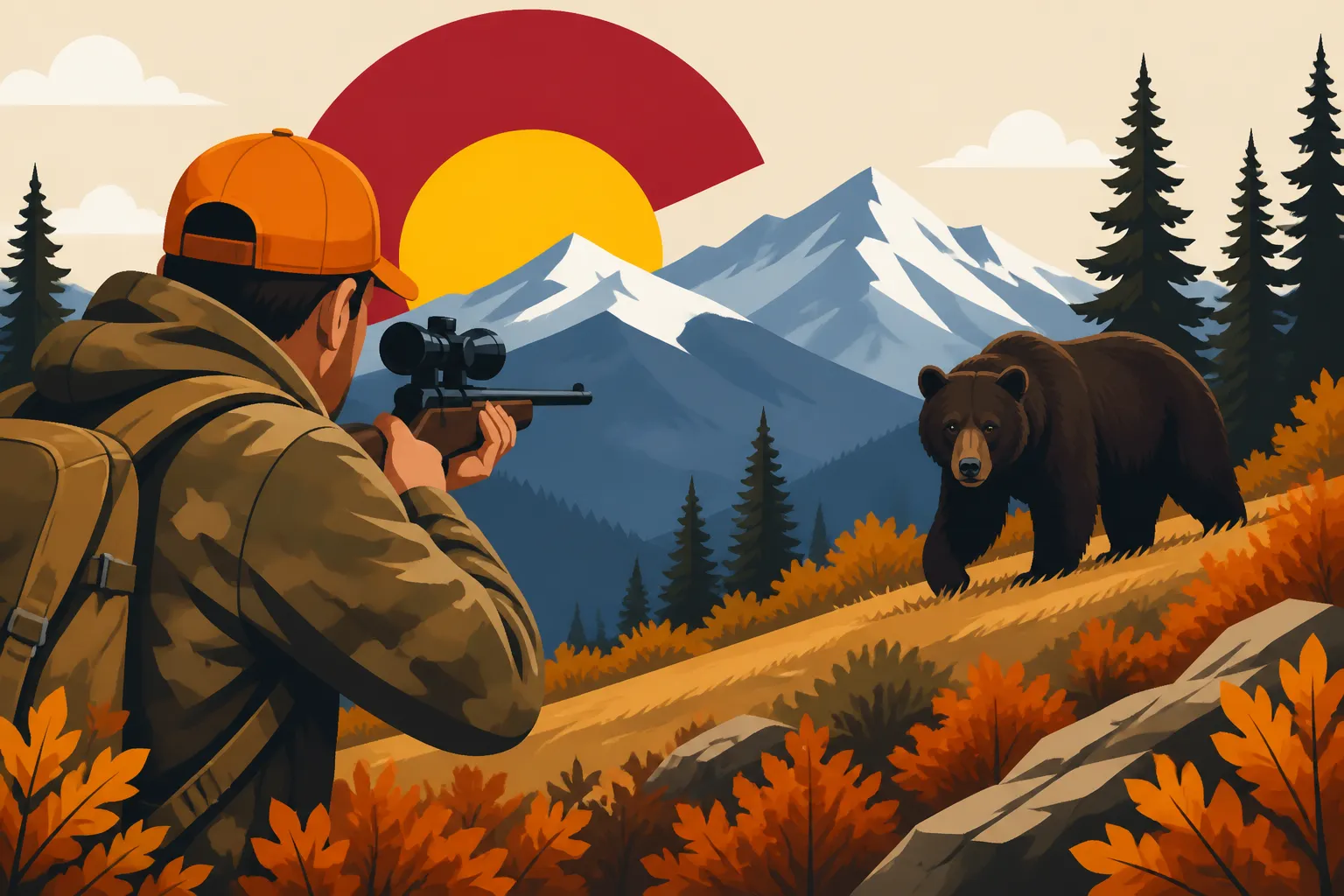
Hunting black bears in the fall in Colorado is an experience unlike any other, and it often comes with a unique set of challenges and immense satisfaction. Many hunters find themselves focused on elk or deer during these crisp autumn months, sometimes overlooking the opportunity to pursue Colorado's incredible black bear population. The key, however, is understanding that fall bear hunting isn't just a bonus; it's a dedicated pursuit that demands specific knowledge about bear behavior, regulations, and the best ways to locate these elusive animals as they gorge themselves before winter's slumber. This guide will walk you through everything you need to know to plan and execute a successful fall bear hunt in the Colorado high country.
Understanding Colorado's Fall Bear Seasons and Regulations
Navigating the rules and seasons for bear hunting in Colorado can feel a bit like cracking a code, especially for those new to the state or unfamiliar with the nuances of bear management. Unlike some other states, Colorado has very strict regulations regarding how and when you can hunt bears, primarily designed to prevent hunters from taking sows with cubs and to ensure a fair chase.
Key Season Dates and Tag Information
Colorado's fall bear season often opens in early September and extends through various rifle seasons, frequently aligning with the general deer and elk rifle seasons. It's crucial to consult the most current Colorado Parks and Wildlife (CPW) big game brochure each year, as dates and specific unit regulations can shift. Generally, you'll find an archery bear season that runs concurrently with archery elk and deer, followed by a muzzleloader season, and then the various rifle seasons (1st, 2nd, 3rd, and 4th).
It’s important to remember that Colorado does not allow baiting for bears, nor does it allow the use of dogs for pursuit, except in very specific circumstances by licensed outfitters or for management purposes. This means ethical spot-and-stalk or ambush hunting over natural food sources are your primary methods. Bear tags are typically available via a draw system, but in some areas, over-the-counter (OTC) bear tags may be available, often as "add-on" tags during specific rifle seasons if you already hold an elk or deer tag for that unit. Always confirm these details, as OTC availability can change. For a comprehensive overview of all the different hunting periods, take a look at our Colorado Hunting Seasons Explained guide.
Mandatory Harvest Reporting and Carcass Handling Rules
Harvesting a bear in Colorado isn't just about the hunt itself; there are critical steps you must take after the animal is down. CPW requires mandatory reporting of all bear harvests within five days of the kill. This reporting helps wildlife managers monitor populations and harvest rates. You'll typically need to contact CPW by phone or online to report your harvest.
Furthermore, the carcass must be sealed by a CPW officer within five days of harvest. This involves presenting the hide (with proof of sex still attached) and the skull (with the lower jaw still attached) to a CPW official. This process helps ensure accurate data collection and compliance with regulations. Failure to report or seal your bear can result in significant fines and penalties. Plan ahead to know where your nearest CPW office or sealing station is, especially if you're deep in the backcountry. Don't let the excitement of a successful hunt overshadow the importance of these legal obligations.
Finding Bears in the Fall: Habitat and Food Sources
Finding a black bear in the vastness of the Colorado mountains can feel like searching for a needle in a haystack, especially when they're not actively breeding or denning. However, in the fall, bears have one overwhelming priority: food. They enter a phase called hyperphagia, meaning they're eating almost constantly to put on fat reserves for hibernation. If you can locate their preferred fall food sources, you’ll be well on your way to locating bears.
Bear Behavior and Fall Food Priorities
Colorado black bears are omnivores, but in the fall, their diet shifts heavily towards calorie-rich plant matter. Their primary objective is to consume as many calories as possible. This means they'll be heavily concentrated in areas with abundant hard mast, soft mast, and specific vegetation. Hard mast includes acorns from various oak species (like gambel oak), pine nuts (especially from Pinyon pines), and even juniper berries. Soft mast consists of chokecherries, serviceberries, elderberries, and buffalo berries. They also love to grub for roots, tubers, and insects, and will sometimes visit agricultural fields for oats or corn if available in lower elevations.
The timing of these food sources is critical. Early fall (late August to mid-September) often sees bears feasting on soft mast in mid to high elevations. As these sources dwindle, they'll drop lower in elevation, or move to different aspects, to find hard mast like acorns or pinyon nuts, which ripen later in the fall. During this period, you might also find them scavenging on elk or deer carcasses left by other hunters or natural causes, especially after the early rifle seasons. Understanding this shifting buffet is paramount. For a deeper dive into their natural tendencies, our article on Colorado Black Bear Behavior offers valuable insights.
E-Scouting and On-the-Ground Reconnaissance
E-scouting is your best friend when trying to locate fall bear habitat. Tools like GoHunt or other mapping applications allow you to study satellite imagery and identify potential food sources. Look for distinct patches of oak brush on south-facing slopes, which warm faster and produce acorns earlier. Pinyon-juniper zones are also prime areas, especially in the mid-elevations. Identify areas with dense berry bushes, often found along old logging roads, clear cuts, or creek bottoms.
Once you have potential areas identified, combine this with on-the-ground reconnaissance. Spend time glassing these slopes during the early morning and late evening. Bears are most active during these cooler periods. Look for "bear sign": scat filled with berries or nut casings, claw marks on trees, or overturned rocks and logs where they've been grubbing. Fresh tracks in mud or dust can also indicate recent bear activity. Consider setting up trail cameras in promising locations to pattern their movement. Remember, Colorado bears can cover significant ground, so finding fresh sign is key. Learning How to E-Scout Before a Colorado Hunt can save you countless hours on the ground.
Here's a quick reference table for common fall bear food sources and typical locations:
| Food Source | Description | Typical Elevation/Habitat | Season Preference |
|---|---|---|---|
| Soft Mast | Chokecherries, Serviceberries, Elderberries, Buffalo Berries | Mid-to-high elevation, riparian zones, clear-cuts | Early to Mid-Fall |
| Hard Mast | Gambel Oak Acorns, Pinyon Pine Nuts, Juniper Berries | Mid-to-low elevation, south-facing slopes, arid zones | Mid to Late Fall |
| Forbs/Grasses | Various green plants, roots, tubers | All elevations, especially after rains | Early Fall, opportunistically |
| Insects | Ants, grubs, larvae (under rocks, logs) | All elevations, forest floors | Early Fall, opportunistically |
| Carcasses | Elk/Deer remains from hunts or natural causes | All elevations, especially near human activity | Mid to Late Fall |
Effective Fall Bear Hunting Methods and Tactics
Fall bear hunting in Colorado is a game of patience and precision. Since baiting and using dogs are largely prohibited, your tactics revolve around identifying active feeding areas and then employing effective glassing and stalking techniques.
Spot-and-Stalk Hunting Strategies
Spot-and-stalk is arguably the most effective and challenging method for hunting bears in the Colorado fall. It demands keen eyesight, exceptional patience, and the ability to move silently through rugged terrain. Begin by finding a vantage point overlooking prime bear habitat – a large basin covered in oak brush, a pinyon-juniper hillside, or a mountain face riddled with berry patches. Spend hours, literally hours, methodically glassing the area with high-quality optics. Bears can blend in incredibly well, often appearing as nothing more than a dark patch of shadow or a misplaced rock. Look for movement, a subtle flash of black, or a bear standing on its hind legs to reach berries.
Once you spot a bear, the real work begins. Assess the wind direction, as a bear's nose is its most powerful defense. Plan your approach to stay downwind. Identify landmarks to guide your stalk and always maintain visual contact if possible. Be prepared for steep, uneven terrain, and move slowly, deliberately, and quietly. Bears are often concentrated in small areas when feeding, so once you find one, there might be others nearby. Your goal is to get within comfortable shooting range without alerting the animal. This method is explored in more detail in our Colorado Archery Elk Hunting Guide, as the principles are similar for stalking.
Ambush Hunting Over Natural Food Sources
Ambush hunting involves setting up in a strategic location near a known or highly probable bear food source and waiting for the bears to come to you. This tactic works particularly well when e-scouting and on-the-ground reconnaissance have confirmed active feeding areas. Look for pinch points, saddles, or benches that bears might use to travel between bedding and feeding areas, especially if you can identify active trails.
Set up your ambush well before first light or in the early afternoon, giving yourself plenty of time to settle in before bears become active. Choose a position that offers a clear shooting lane, concealment, and a favorable wind direction. This might be a ground blind tucked into dense cover, or simply positioning yourself behind a large tree or rock outcropping. The waiting game can be long, so bring essentials like water, snacks, and extra layers. Pay close attention to subtle noises – a breaking twig, a rustle in the leaves – that might indicate an approaching bear. It’s a passive but highly effective strategy, especially if you're hunting in areas known for concentrated bear activity. Our guide on How to Ambush Elk on Public Land can provide useful crossover tips for setting up unnoticed.
Gear and Preparation for a Colorado Fall Bear Hunt
Hunting bears in the Colorado fall demands not just the right tactics but also the right gear and physical conditioning. The terrain can be unforgiving, the weather unpredictable, and bears themselves are incredibly tough animals.
Essential Hunting Gear and Optics
Your gear list for fall bear hunting will look similar to an elk or deer hunt, but with a few bear-specific considerations.
- Optics: This is non-negotiable. High-quality binoculars (10×42 or 12×50) and a spotting scope (15-45x or 20-60x) are crucial for spotting bears at a distance. Don't skimp here; your ability to find bears often hinges on your glass. Brands like GoHunt Gear Shop offer a wide range of top-tier optics suitable for western hunting. A sturdy tripod for your binos and spotting scope is also essential for stability during long glassing sessions.
- Weapon: Whether you're using a rifle, bow, or muzzleloader, ensure it's sighted in and you're proficient with it. For rifles, calibers that deliver good energy transfer and bullet expansion are preferred, as bears are heavily built. Popular choices include .30-06, .300 Win Mag, .338 Win Mag, and even 7mm Rem Mag. Use quality hunting bullets designed for larger game.
- Backpack: A comfortable, capable backpack is vital for carrying your gear and, hopefully, packing out meat. Look for packs with a sturdy frame, good load-bearing capacity, and thoughtful organization. Check out our Colorado Backcountry Hunting Gear List for ideas.
- Navigation: A GPS device or a smartphone with reliable mapping apps (like onX Hunt) is indispensable for understanding land ownership, tracking your route, and marking important locations.
- Clothing: Layering is key for Colorado's variable fall weather. Be prepared for everything from warm sunshine to cold rain or even early snow. Quality rain gear is a must.
Physical Conditioning and Altitude Acclimation
Colorado bear country can be steep, rugged, and at high elevations. A successful hunt often requires significant hiking, sometimes with a heavy pack. Start a physical conditioning program months before your hunt. Focus on cardiovascular fitness, strength training, and endurance. Incorporate hiking with a loaded pack into your routine to simulate real-world hunting conditions.
If you're coming from sea level, factor in time for altitude acclimation. Arrive a few days early if possible to let your body adjust to the thinner air. Stay hydrated, avoid excessive alcohol, and take it easy on your first day or two. Trying to push too hard too soon can lead to altitude sickness and ruin your hunt. Being physically prepared not only increases your chances of success but also enhances your safety and enjoyment in the mountains. Our guide on How to Physically Prepare for Colorado Elk provides an excellent template for getting in shape for any Colorado big game hunt.
Post-Harvest: Field Care and Meat Processing
The work doesn't end when a bear is down. In fact, a new, critical phase begins: proper field care and processing to ensure you honor the animal and preserve its meat and hide. Bear meat, when properly handled, is delicious, but it can spoil quickly due to the thick layer of fat.
Quartering, Skinning, and Cooling Bear Meat
Bears have a thick hide and a significant layer of fat, which acts as an insulator, keeping heat trapped in the carcass. Unlike deer or elk, simply gutting a bear and leaving it to cool often isn't enough, especially if temperatures are mild. The most effective method for rapid cooling is to skin the bear immediately and then quarter it.
Start by skinning the bear completely. This is a messy job, but essential. Make sure to leave proof of sex attached to the hide for sealing purposes. Once skinned, quarter the bear into manageable pieces – usually two front quarters, two hindquarters, and the backstraps and tenderloins. Remove as much of the fat as possible from the meat. This fat often carries a strong "gamey" flavor that some find unpalatable, and it can go rancid quickly. Once the meat is deboned and trimmed of fat, place it in breathable game bags. If you’re familiar with How to Quarter an Elk in the Field, you'll find the process quite similar, but with extra attention to fat removal.
Transporting and Processing Your Harvest
After field dressing, your priority is to get the meat cooled down quickly and transported efficiently. If you're in the backcountry, you'll need to pack out the quarters, hide, and skull. Consider bringing along a small, lightweight meat saw to aid in breaking down the carcass. Utilize snow or cool stream water if available to help cool the meat down, but avoid direct immersion for extended periods.
Once out of the field, transfer the meat to coolers filled with ice. Ensure the ice is not directly touching the meat; use a barrier or keep it in sealed bags to prevent waterlogging. Keep draining the melted ice and replenishing with fresh ice until you can get to a butcher. Many hunters prefer to process their own bear meat, turning it into roasts, steaks, and often, ground meat and sausage. Be aware that some butchers might have specific requirements for handling bear meat, particularly concerning trichinosis testing, though this is rare in wild bears in Colorado. Always cook bear meat thoroughly to at least 160°F (71°C) to eliminate any potential parasites.
Common Mistakes to Avoid When Fall Bear Hunting
Hunting bears in Colorado can be a truly rewarding experience, but there are some common pitfalls that hunters, both new and experienced, often encounter. Being aware of these can significantly increase your chances of success and ensure a safe, ethical hunt.
Underestimating Bear Senses and Terrain
One of the biggest mistakes hunters make is underestimating a bear's senses, particularly its sense of smell. A bear's nose is incredible, often cited as being seven times better than a bloodhound's. They can pick up human scent from astonishing distances, especially in the variable mountain thermals. Always hunt with the wind in your favor, and be mindful of changing wind directions throughout the day. Using scent control sprays and practices, though not foolproof, can offer a marginal advantage.
Furthermore, hunters often underestimate the terrain bears inhabit. While bears can be found in relatively gentle areas, the biggest bears, and often the most concentrated feeding zones, are frequently in steep, rugged, and densely timbered country. Be prepared for arduous climbs and descents, and don't expect easy access. Bears are masters of moving through thick cover, and what looks like a small patch of timber on a map can be an impenetrable jungle on the ground. Familiarize yourself with How to Use Thermals in Colorado Elk Country, as these principles are equally vital for avoiding detection by bears.
Neglecting Pre-Season Scouting and Regulations
A lack of thorough pre-season scouting is another common misstep. Showing up blind, especially in vast public lands, drastically reduces your odds. Bears are not everywhere; they are where the food is. Identifying active feeding areas before the season opens (without disturbing the animals) is crucial. This means boots on the ground, studying maps (like with GoHunt's detailed satellite imagery), and looking for actual bear sign.
Equally critical is neglecting to fully understand the most current Colorado regulations. As mentioned, rules about proof of sex, mandatory reporting, and sealing are non-negotiable. There are also specific rules about unit boundaries, private land access, and which seasons allow bear harvest. Assuming last year's regulations are the same, or not thoroughly reading the CPW brochure, can lead to legal trouble and a ruined hunt. Always double-check everything, ideally months in advance, so you have time to clarify any ambiguities with CPW directly. Understanding Colorado GMUs Explained is a fundamental step in any successful hunt planning.
Improper Shot Placement and Follow-Up
Bears are incredibly resilient animals, and their anatomy can be deceptive. Their vitals (lungs and heart) are set further forward and lower in their chest cavity than many hunters expect, due to their large shoulder blades and thick fat layer. A shot placed too high or too far back, which might be lethal on a deer, can result in a wounded bear that is difficult, if not impossible, to recover.
Practice shooting from various angles and know your bear anatomy. Aim for the "pocket" behind the shoulder, slightly lower than you might aim for an elk. If hunting with a bow, ensure your broadheads are razor-sharp and your arrow setup delivers maximum penetration. After the shot, always assume the bear is not dead. Give it time before approaching, especially if you didn't see it go down. Bears can cover significant ground even when mortally wounded, and a wounded bear can be dangerous. Be cautious, follow up slowly and methodically, and use blood trailing techniques. Patience here is not just a virtue; it's a necessity for ethical hunting and hunter safety.
Conclusion
Fall bear hunting in Colorado is a challenging yet deeply rewarding experience that connects you intimately with the wilderness and its wild inhabitants. It demands preparation, patience, and a deep understanding of bear behavior and the unique demands of the Rocky Mountain environment. By focusing on critical aspects like understanding the seasons and regulations, diligently scouting for food sources, employing smart hunting tactics, and ensuring you have the right gear and physical conditioning, you'll be well-equipped for success. Remember to respect the animal with proper field care and always prioritize safety. Good luck on your next Colorado bear adventure – may your efforts be rewarded with full game bags and unforgettable memories!
Disclaimer
Please note that hunting regulations, season dates, and tag availability in Colorado are subject to change annually by Colorado Parks and Wildlife (CPW). Always consult the most current CPW Big Game Brochure or visit their official website before planning any hunt. This guide is for informational purposes only and should not be considered a substitute for official CPW regulations.