How to Hunt Colorado Pronghorn Water Holes
Hunting pronghorn on the vast, open plains of Colorado can feel like an impossible challenge. Their incredible eyesight and blistering speed make stalking them a brutal test of patience and skill, often leaving hunters frustrated and empty-handed. But there's a secret weapon that can level the playing field, especially in arid landscapes: the water hole. This guide will walk you through exactly how to capitalize on this critical resource to increase your odds of punching a pronghorn tag in Colorado.
Why Colorado Pronghorn Depend on Water Holes (and Why You Should Too)
Pronghorn are often called the "ghosts of the plains," but even ghosts need a drink. In the expansive, often dry terrain of eastern Colorado, reliable water sources are not just a convenience for pronghorn—they're an absolute necessity for survival. Understanding this fundamental need is the first step in successful water hole hunting.
Colorado's Eastern Plains, particularly during the hot, dry late summer and early fall hunting seasons, can be incredibly unforgiving. Natural water, like streams or large lakes, is often sparse or non-existent in many Game Management Units (GMUs). This scarcity forces pronghorn to consolidate around what water is available: typically man-made stock tanks, windmills, small ponds, or isolated natural springs. Unlike elk or deer that might rely on browse or dew for some hydration, pronghorn actively seek out standing water, sometimes traveling miles to get a drink. This predictable behavior creates a bottleneck that astute hunters can exploit. They will often visit water holes during the cooler parts of the day, typically early morning or late afternoon, but a particularly hot, dry spell can drive them to water at any hour. Knowing their reliance gives you a significant edge, turning a daunting pursuit into a strategic waiting game.
E-Scouting and Ground Reconnaissance for Productive Water Holes
Finding the right water hole isn't about luck; it's about diligent research and boots-on-the-ground confirmation. With today's technology, you can drastically narrow down your search before you even leave home.
Digital Scouting for Water Sources
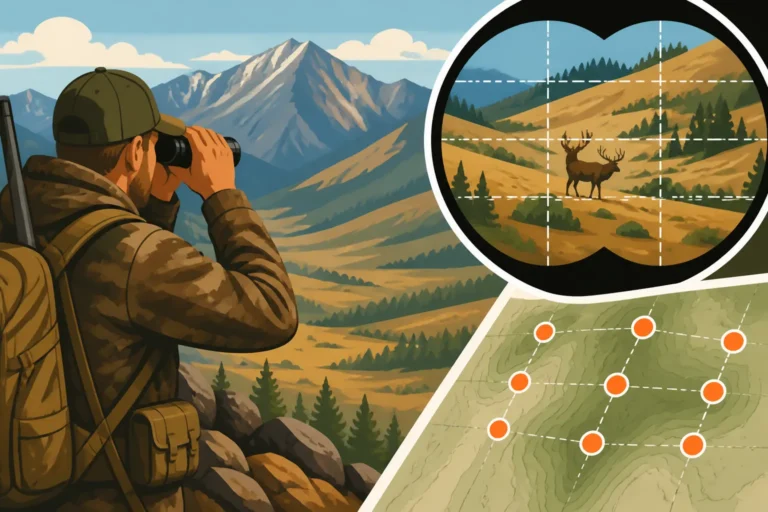
Start your journey by diving deep into digital mapping tools. Platforms like GoHunt are invaluable for identifying potential water sources on public land. Look for dark blue spots that indicate ponds, or symbols for windmills and stock tanks. Pay close attention to areas that seem particularly isolated from other water sources, as these will likely concentrate more animals. Cross-reference these potential spots with public land boundaries and access points on the Colorado Hunting Atlas Explained. Remember, water sources on private land are off-limits unless you have explicit permission from the landowner.
Once you've identified potential water holes, zoom in using satellite imagery. Look for well-worn game trails leading to the water, which indicates regular use. Try to identify areas with good natural cover nearby, like a small cluster of brush or a slight rise in the topography, which could serve as a natural blind. Drought conditions or recent heavy rains can dramatically change the viability of water sources, so try to find recent satellite imagery or check local weather patterns for the area. A small puddle visible last year might be bone dry this season. For a deeper dive into preparation, consider learning How to E-Scout Before a Colorado Hunt.
Confirming Water Hole Activity on the Ground
There's no substitute for ground-truthing your e-scouting efforts. Even the best maps can be misleading. Visit your identified water holes several weeks or days before your hunt, if possible. Look for fresh pronghorn tracks in the mud around the water's edge, droppings, and hair snags on fences or brush. Pay attention to the size and number of tracks; a heavily used water hole with fresh prints is a prime candidate. Observe the surrounding terrain for any signs of human pressure, like discarded shells or tire tracks, which might indicate other hunters are targeting the same spot. If you find multiple promising spots, prioritize the ones with the freshest sign and the least obvious human disturbance.
Here's a quick comparison of common water hole types you'll encounter on the Colorado plains:
| Water Hole Type | Description | Pros for Hunters | Cons for Hunters |
|---|---|---|---|
| Stock Tanks | Man-made metal or plastic tanks, often fed by windmills or wells. | Consistent water source, often isolated, predictable usage. | Can be very exposed, limited natural cover, often on private land. |
| Windmills | Structure pumping water into a tank or trough. | Highly reliable, noise can mask hunter's presence slightly. | Very exposed, often heavily used by cattle, minimal cover. |
| Natural Ponds/Springs | Naturally occurring depressions or seeps holding water. | More natural cover, can be less disturbed by cattle. | Often seasonal, can dry up, may be less consistent water volume. |
| Ephemeral Puddles | Temporary rainwater collections. | Can concentrate animals in very dry areas if other water is scarce. | Unreliable, short-lived, requires immediate action. |
Mastering the Water Hole Setup: Concealment and Wind
Once you’ve found a productive water hole, your next challenge is setting up effectively. Pronghorn have incredible eyesight, often compared to an 8x binocular, and a fantastic sense of smell. You need to be invisible and odorless.
Choosing Your Concealment
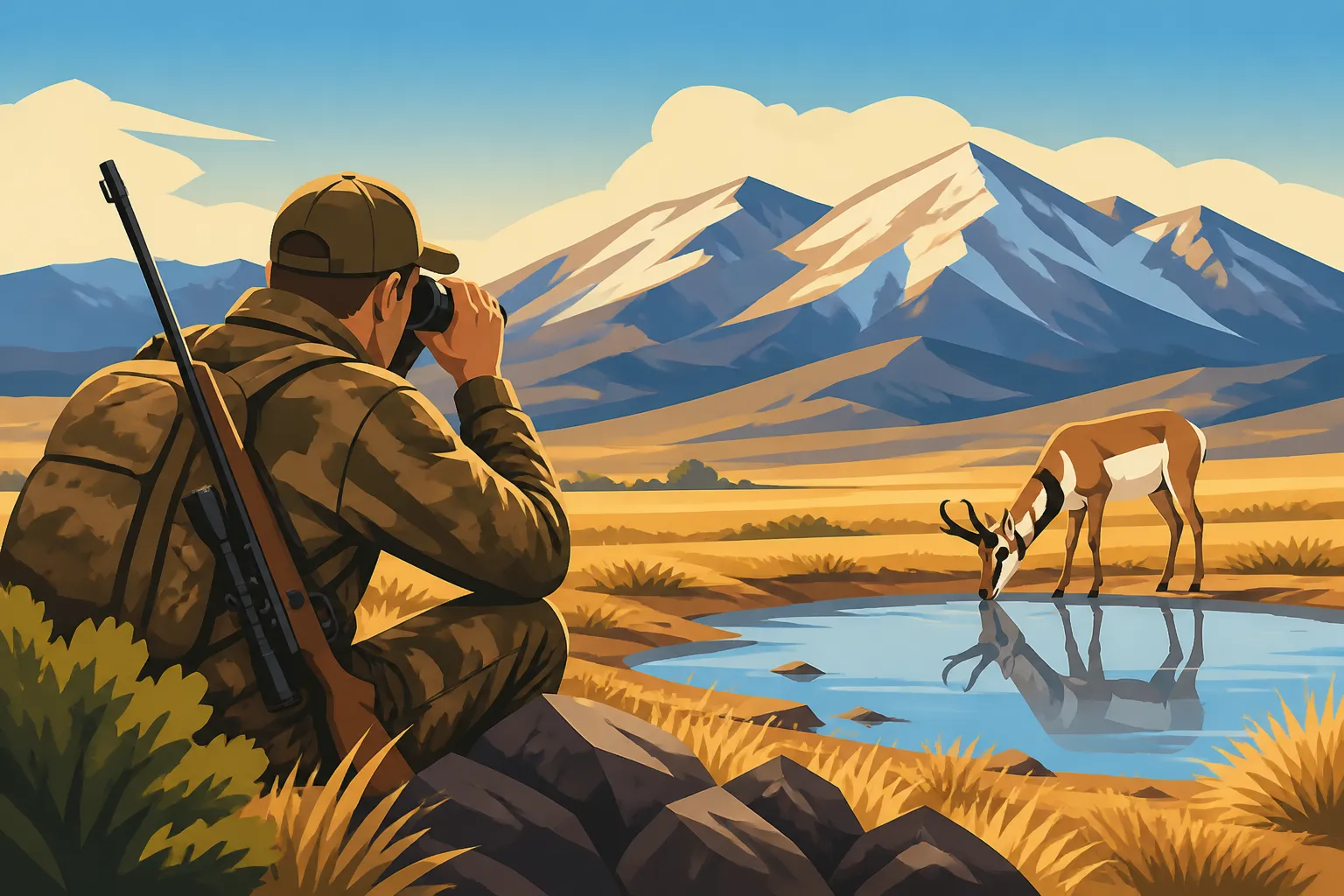
Your primary goal is to become part of the landscape. A pop-up ground blind is often the most effective option for water hole hunting. These blinds offer full concealment, break up your human outline, and help contain your scent. Position your blind well in advance of your hunt, if possible, allowing animals to become accustomed to its presence. Place it downwind of the water source, ideally 75-150 yards away, depending on your comfort with shot distances and the surrounding terrain. Make sure the blind entrance and shooting windows offer a clear, unobstructed view of the water, and any trails leading to it.
If a ground blind isn't feasible, you'll need to utilize natural cover. A small rise, a dense clump of sagebrush, or even a deep wash can provide enough concealment. Digging in a bit, or simply sitting perfectly still against a natural backdrop, can work, but it demands extreme discipline. Always ensure your chosen spot allows for a clean shot without obstacles. Remember, your silhouette against the skyline is a dead giveaway to a pronghorn. For more on tactical approaches, check out How to Ambush Elk on Public Land – many of the principles apply to pronghorn too!
The All-Important Wind
Never, ever underestimate a pronghorn's nose. The wind is arguably more important than visual concealment. Pronghorn will circle downwind of a water source before approaching, scent-checking for danger. Your setup must be downwind of where you expect the pronghorn to approach and drink. This often means you'll need to scout the prevailing wind direction, but also be prepared for shifts. A variable wind can ruin a hunt quickly. Always carry a wind checker (talc powder, milkweed seeds, or a commercial puff bottle) and use it frequently. If the wind shifts and blows your scent towards the water hole, your chances diminish rapidly. If you're struggling with wind knowledge, gaining insights from resources like How to Use the Wind Hunting Colorado Elk can be beneficial, as scent control and wind direction principles are universal across species.
Executing the Hunt: Patience, Shot Opportunity, and Recovery
With your water hole located and your setup complete, the hardest part begins: waiting. This is where most hunters fail, not from lack of skill, but from lack of patience.
The Waiting Game
Once you're settled in your blind or natural cover, minimize all movement and noise. Pronghorn are incredibly alert, and even a slight shift or metallic clang can send them bolting. Bring plenty of water, snacks, and a good book or podcast for mental distraction, but keep your eyes constantly scanning the horizon. Many hunters use binoculars or a spotting scope to scan approaching animals, identifying bucks and ensuring a clean shot. Early morning and late afternoon are generally the best times, as pronghorn tend to be most active then, but don't rule out the middle of the day during hot periods. They often approach cautiously, stopping to survey the surroundings before committing to a drink. This is your chance to assess the animal, confirm it's a legal buck if that's your target, and prepare for your shot.
It’s crucial to understand Colorado Pronghorn Behavior and Biology to anticipate their movements. They might approach in singles, pairs, or small herds. Often, an older doe will lead the group, acting as a sentinel. If she spooks, the whole group is gone.
Seizing the Shot Opportunity
When a pronghorn buck presents a clear, ethical shot, take it quickly and confidently. They don't linger at water holes for long. Pronghorn are not huge animals, but they are tough. Aim for the vitals: directly behind the shoulder. Be mindful of shot distance; practice shooting at various ranges before your hunt, especially if you're hunting with a bow. Wind drift can also be a significant factor on the open plains, so practice shooting in windy conditions if possible. If you're unsure about judging distance in open terrain, consider resources like How to Judge Distance in the Mountains and adapt the principles for the plains.
Tracking and Recovery
After the shot, watch the animal's reaction closely. If it runs, mark the last spot you saw it and listen for any sounds of a crash. Give the animal time before tracking, especially if it's a marginal hit. For a solid lung shot, 15-30 minutes might be enough. For a gut shot, waiting several hours, or even overnight if conditions allow, is often best. Pronghorn can cover ground quickly, even when mortally wounded. The open terrain can make tracking easier in some ways, but if the animal gets into a deep draw or dense brush, it can become challenging. Always follow the blood trail meticulously. When you find your animal, celebrate the moment. Then, get to work quartering and cooling the meat quickly, especially if it’s a warm day on the plains. You can learn more about meat care from articles like How to Quarter an Elk in the Field, applying similar principles to a pronghorn.
Remember, patience is the ultimate virtue when hunting water holes. Sometimes you'll sit for hours with no action, and other times, multiple pronghorn will appear as if from nowhere. Stick with it, trust your scouting, and you'll find success on the Colorado plains.
Disclaimer
Hunting is an inherently dangerous activity. Always prioritize safety, understand and follow all Colorado Parks and Wildlife regulations, and respect private property. The information provided in this guide is for educational purposes only and should not replace professional guidance or personal due diligence.