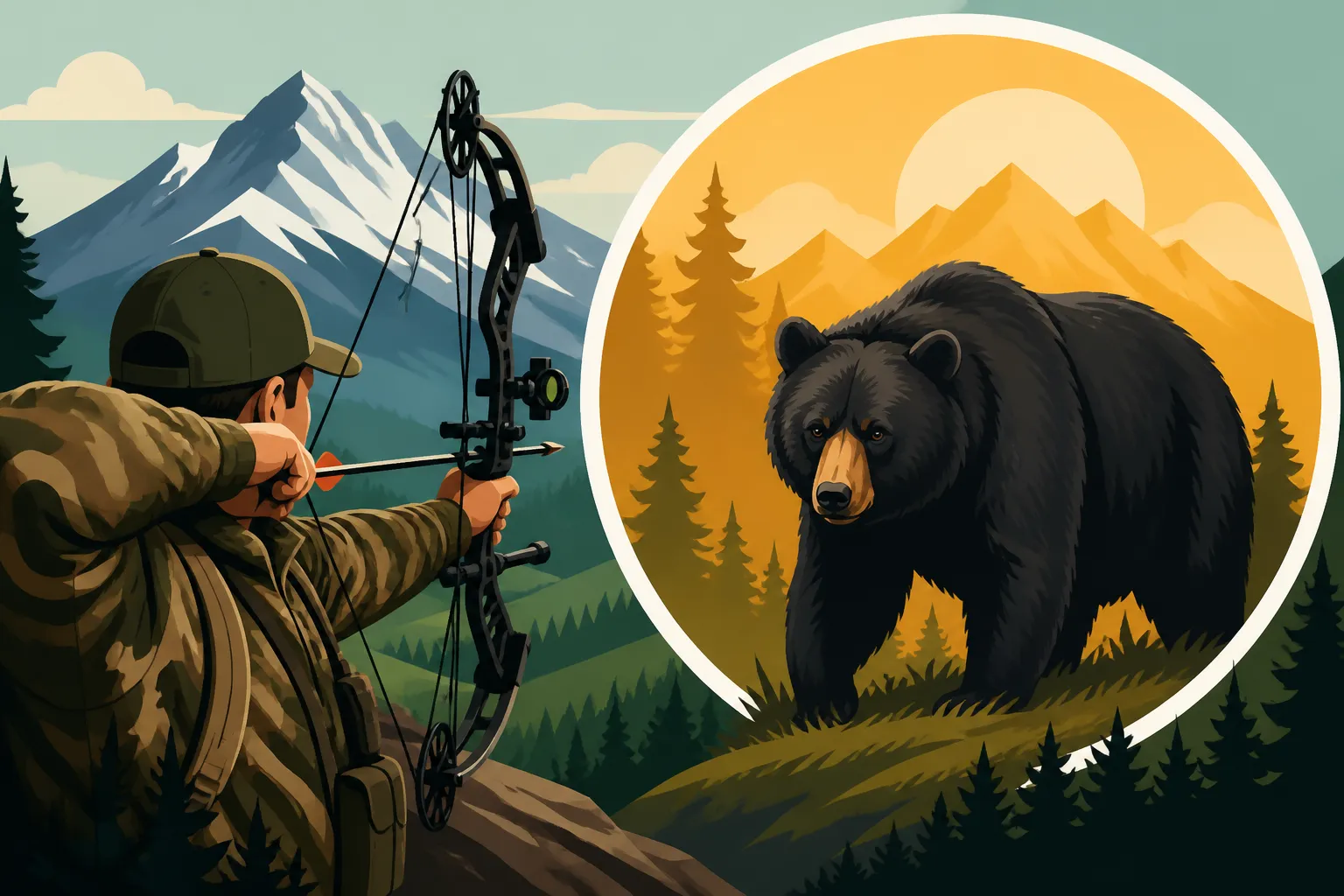
Best Method to Hunt Colorado Black Bear
Hunting black bears in Colorado can feel like a real mystery, especially if you're used to other big game or coming from states where baiting or hounds are common. Many hunters overlook bears, or they find the prospect of locating and successfully hunting one without traditional methods a bit overwhelming. But I'm here to tell you that with the right approach and a solid understanding of bear behavior, you can absolutely have a rewarding experience. This guide will dive deep into the most effective methods for hunting black bears in the rugged terrain of Colorado, focusing on strategies that are not only legal but also incredibly effective.
Unpacking Colorado Black Bear Behavior and Habitat
Before we even talk about specific hunting methods, we've got to understand the animal itself. Black bears in Colorado aren't just big, furry critters; they're incredibly intelligent and adaptable omnivores. Their lives revolve around food, security, and reproduction, and understanding these drivers is key to finding them.
Seasonal Movements and Food Sources
Colorado black bears are opportunistic eaters, meaning their diet shifts dramatically throughout the year based on what's available. This directly impacts where you'll find them and when.
- Spring (Post-Hibernation to Early Summer): When bears first emerge from their dens, they're looking for easily digestible greens to get their digestive systems back online. Think fresh shoots, grasses, and early forbs in lower elevations and south-facing slopes that melt out first. They'll also scavenge winter-kill deer and elk. This is a tough time for bears, and they’re often focused on putting on weight. This early season hunting often coincides with shed hunting, so you'll find yourself scouting for two things at once!
- Summer (Late June through August): As summer progresses, bears move to higher elevations to follow the green-up and take advantage of new food sources. Berries are a huge draw – serviceberries, chokecherries, raspberries, and especially acorns as they begin to develop. You'll often find them working their way through dense berry patches or around oak brush stands. Bears are also notorious for raiding agricultural fields if available, particularly corn or oats. Look for riparian areas or north-facing slopes where moisture keeps vegetation lush longer.
- Fall (September through November): This is hyperphagia season, meaning bears are in a feeding frenzy, trying to pack on as much fat as possible for winter hibernation. This is often when hunting seasons are open, and it's prime time to find them. Their absolute favorites are hard mast crops like acorns and pine nuts, followed by soft mast like berries. If there's a good mast crop year, bears will often congregate in areas with abundant oak trees or whitebark pine. This is also when bears can be found scavenging gut piles from deer and elk hunters. Understanding their dependence on these seasonal food sources is paramount, and using tools like GoHunt can help you identify areas with the right vegetation types for different times of the year.
Preferred Terrain and Cover
Black bears aren't just found anywhere; they have specific preferences for habitat that provide them with food, water, and security.
- Thick Cover: Bears love dense timber, thick oak brush, and rugged canyons. These areas offer escape cover, shade from the summer sun, and places to bed down undisturbed. North-facing slopes often hold thicker vegetation and stay cooler, making them attractive bedding areas.
- Water Sources: Like all wildlife, bears need water. Look for them near creeks, springs, wallows, and seeps, especially in dry periods. These spots not only provide hydration but often host lush vegetation that bears feed on.
- Elevation: While they can be found at various elevations, bears often follow food sources up and down the mountains. In early spring, they might be lower, but as summer heat hits and berries ripen at higher altitudes, they'll climb. During the fall, they can be anywhere from river bottoms to high-elevation timber, depending on the mast crop. When you're planning your Colorado Backcountry Hunting Guide, remember that bears are adaptable, but their patterns are usually tied to these key resources.
Spot-and-Stalk: The Premier Method for Colorado Black Bears
When it comes to bear hunting in Colorado, spot-and-stalk is hands down the most ethical, challenging, and rewarding method. It requires patience, keen observation, and a good understanding of bear movement patterns. There’s a certain thrill to pitting your wits against such a wary animal in its natural environment.
Locating Bears with Optics
Spot-and-stalk hunting for bears is all about glassing. You need to spend an immense amount of time behind good optics, systematically picking apart likely bear habitat.
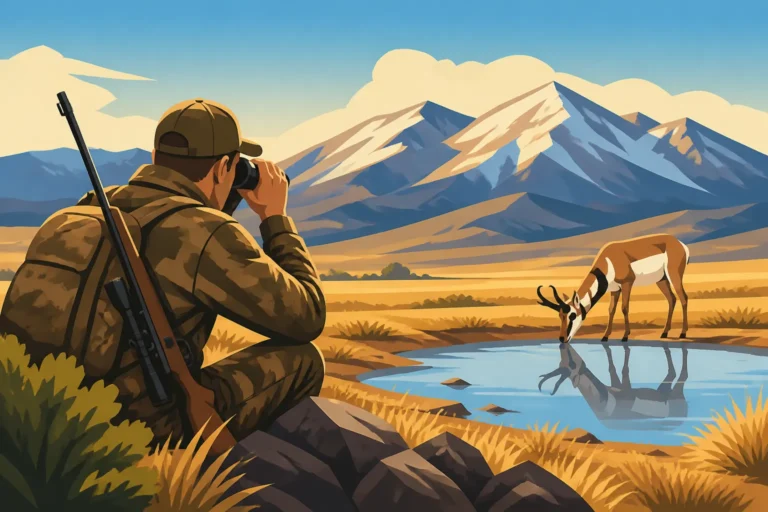
- Finding the Right Vantage Point: Your success often starts with finding a good glassing knob or ridge that overlooks expansive basins, clear cuts, old logging roads, or mountain sides with a mix of timber and open pockets. Look for areas with a mosaic of thick timber for cover, interspersed with open feeding areas like berry patches or oak brush. Early morning and late evening are prime times, as bears are most active during these cooler periods. Sun-drenched slopes are great for post-hibernation bears in spring, while cooler, north-facing slopes and dense timber are better in summer and fall.
- Systematic Glassing: Don't just scan; grid the landscape. Use a high-quality spotting scope (20-60x or higher) and good binoculars (10x-15x) to methodically dissect every patch of cover and every open slope. Bears can be surprisingly hard to see, often blending in with shadows or appearing as a dark rock. Look for subtle movements, a flash of black, or the distinctive sway of a bear’s gait. I’ve seen bears that looked like a stump for hours until they finally moved. Patience is the name of the game here. If you're wondering how to get started, our guide on How to Glass for Colorado Mule Deer offers fantastic insights that are easily transferable to bear hunting.
- Signs to Look For: While glassing, keep an eye out for indirect signs. Areas where trees have been clawed, rocks overturned, or fresh scat are indicators that bears are active in the vicinity. These might not lead to a visual immediately, but they tell you where to focus your glassing efforts in the coming hours or days.
The Stalk: Closing the Distance
Once you’ve spotted a bear, the real challenge begins. A successful stalk requires meticulous planning, awareness of wind, thermals, and terrain, and the ability to move silently.
- Wind and Thermals are King: Just like elk, bears have an incredible sense of smell. You absolutely must keep the wind in your face or crosswind. In mountainous terrain, thermals play a critical role, typically rising in the morning and evening, and falling in the middle of the day. A good understanding of How to Use Thermals in Colorado Elk Country is directly applicable here. Plan your approach to use the terrain to mask your movement and keep the wind in your favor. A shifting wind can blow your entire stalk.
- Using Terrain to Your Advantage: Identify natural features like ridges, draws, and dense timber that you can use for cover. Your goal is to remain out of sight and unheard until you are within shooting range. This often means taking a longer, roundabout path rather than a direct line. Be prepared for steep ascents, descents, and navigating tricky terrain.
- Silent Movement: Every step counts. Wear soft clothing that won't rustle, and choose boots that provide good traction but aren't excessively noisy. Our guide on Best Boots for Colorado Elk Hunting might offer some ideas. When moving, lift your feet high, place them carefully, and avoid snapping twigs or shuffling leaves. Stop frequently to listen, look, and confirm the bear's location. A good rangefinder is crucial for judging distance accurately in the mountains, especially on steep angles. Our piece on How to Judge Distance in the Mountains can provide practical tips.
Still-Hunting and Ambush Tactics
While spot-and-stalk is often the most productive, still-hunting and setting up ambushes can also be highly effective, particularly in areas with dense cover or predictable bear movement patterns.
Still-Hunting Through Bear Country
Still-hunting involves moving slowly and deliberately through areas known to hold bears, pausing frequently to observe, listen, and scan your surroundings. It's a method that works well in thick timber or along game trails.
- Patience and Observation: This isn't about covering ground quickly. Think of it as stalking without having seen the animal yet. Take one to three steps, then stop and spend several minutes scanning, using your binoculars, and listening. Look for details – a patch of black, a subtle movement, a fresh track, disturbed vegetation from foraging. Bears often move slowly and quietly, especially in dense cover. You might only get a glimpse.
- Prime Still-Hunting Locations: Focus on areas with abundant food sources like berry patches, oak brush, or stands of whitebark pine. Follow fresh bear sign along game trails or old logging roads. Areas around known water sources, especially during dry spells, can also be productive. Remember those north-facing slopes and riparian zones we talked about earlier; these are prime candidates for still-hunting. Check out our detailed guide on How to Still-Hunt Colorado Timber for techniques that transfer well to bears.
- Wind Management: Just like with spot-and-stalk, managing your scent is critical. Always still-hunt into the wind or with a crosswind. Bears have an incredible nose, and if they catch your scent, they'll be gone before you even know they were there.
Ambush Strategies at Food or Water Sources
Setting up an ambush is a more passive approach, relying on predicting a bear's travel patterns or foraging habits. This is particularly effective during the fall when bears are focused on specific food sources.
- Key Locations for Ambush:
- Food Funnels: If you can identify a concentrated area of a preferred food source, like a large patch of serviceberries or an isolated stand of oak producing acorns, bears will predictably visit these areas. Find a travel corridor leading to or from such a spot, or a position within the patch that offers a good shot.
- Water Holes/Wallows: During dry periods, bears, like other big game, become reliant on specific water sources. Setting up quietly near a secluded spring or wallow can offer opportunities.
- Scavenging Sites: After the rifle elk and deer seasons, bears will often visit gut piles. While it might sound a bit unconventional, if you have permission to hunt areas with recent game kills and can set up safely and quietly downwind, a bear might present itself. However, be cautious and always prioritize safety.
- Setting Up Your Ambush: Choose a spot that offers good concealment, a clear shooting lane, and a favorable wind direction. A ground blind can work, or simply use natural cover like thick bushes or the base of a large tree. Arrive well before dawn or several hours before dusk, as these are peak feeding times. Remain absolutely still and quiet, minimizing movement. This is similar to the advice we offer in How to Ambush Elk on Public Land, emphasizing patience and stealth.
| Method | Pros | Cons | Best For |
|---|---|---|---|
| Spot-and-Stalk | Highly engaging and active. Allows for precise shot placement. Most ethical way to hunt without bait/dogs. | Requires excellent physical conditioning and patience. Challenging in dense cover. Success not guaranteed. | Open country, clear cuts, basins with mixed timber and open feeding areas. Confident shooters. |
| Still-Hunting | Effective in thick timber. Allows covering ground while being stealthy. | Slow pace required. Can be very difficult to spot bears before they detect you. | Dense timber, along game trails, areas with abundant food/cover where visibility is limited. Patient hunters. |
| Ambush | Less physically demanding. Capitalizes on predictable bear patterns. | Can be very monotonous. Requires extensive scouting to find prime locations. Limited shooting windows. | Known food sources (berries, acorns), water holes, or travel corridors in predictable areas. |
Gear and Preparation for a Colorado Bear Hunt
A successful bear hunt in Colorado, regardless of the method, hinges on proper gear and physical and mental preparation. These are rugged mountains, and bears can be found in some tough spots.
Essential Gear for the Mountains
Having the right equipment can make or break your hunt, ensuring both safety and effectiveness.
- Optics: High-quality binoculars (10x-15x) are non-negotiable for spot-and-stalk. A spotting scope (20-60x) is also highly recommended for long-range glassing and identifying bears from potential stumps. Don't skimp here; good optics will save you countless miles and increase your chances significantly. For more details on choosing the right glass, refer to our guide on Best Optics for Colorado Big Game.
- Weaponry: A flat-shooting, accurate rifle in a caliber suitable for large game (e.g., .270, .30-06, .300 Win Mag) is ideal. Make sure you’ve practiced shooting at various distances and angles, as bears often present difficult shots. For archery hunters, a reliable bow with heavy arrows and sharp broadheads is crucial. Our article on Best Archery Setups for Colorado Elk has crossover appeal for bear setups.
- Navigation: A reliable GPS device or a smartphone app like GoHunt (which offers detailed maps for public/private land, species data, and more) is essential. Combine this with paper maps and a compass as a backup. The Colorado backcountry is vast, and getting lost is a serious risk. Knowing How to E-Scout Before a Colorado Hunt can give you a significant advantage in planning your routes and identifying key features.
- Clothing and Layering: Colorado weather is famously unpredictable. Dress in layers to adapt to rapidly changing conditions, from warm sunshine to cold rain or snow. Moisture-wicking base layers, insulating mid-layers, and waterproof outer layers are critical. For comprehensive advice on keeping warm and dry, check out How to Layer for a Colorado Elk Hunt.
- Backpack and Field Dressing Kit: A comfortable backpack capable of carrying all your gear, plus meat and hide if successful, is a must. Don't forget a sharp knife, game bags, gloves, and cordage for quartering and packing out your bear. Bears are heavy, and their fat can be messy; be prepared for the substantial task of packing out. Our Colorado Backcountry Hunting Gear List covers many essentials.
Physical and Mental Conditioning
Hunting bears in Colorado is a physically demanding endeavor. The terrain is steep, the air is thin, and the distances can be long.
- Physical Fitness: You'll be hiking at high altitudes, often off-trail, carrying heavy loads. Start a rigorous fitness regimen months before your hunt. Focus on cardiovascular endurance, leg strength, and core stability. Incorporate hiking with a weighted pack to simulate hunting conditions. Learn more about How to Physically Prepare for Colorado Elk to get started.
- Altitude Acclimation: If you’re coming from a lower elevation, plan to arrive a few days early to acclimate to Colorado's altitude. Stay hydrated, avoid excessive alcohol, and take it easy initially. Understanding How to Acclimate to Colorado Elevation can make a huge difference in your hunting performance and enjoyment.
- Mental Toughness: Bear hunting can be frustrating. You might spend days glassing and hiking without seeing a single bear. Mental resilience, patience, and the ability to stay positive despite setbacks are just as important as physical strength.
Remember, bear hunting season dates can vary, so always double-check the latest regulations from Colorado Parks and Wildlife (CPW). You can find updated information on Colorado Black Bear Season Dates and Tags and Colorado Hunting Seasons Explained. A Colorado black bear hunt is a true wilderness experience, offering a unique challenge and an incredible opportunity to connect with nature. With diligent preparation and the right methods, you'll be well on your way to a successful and memorable hunt.
Disclaimer
Hunting is an inherently dangerous activity. Always prioritize safety, understand and follow all Colorado Parks and Wildlife regulations, and respect private property. This guide provides general information and should not replace proper training, local knowledge, or professional guidance. Be aware of your surroundings and always carry appropriate safety and first-aid equipment.