Colorado Mule Deer Hunting: Tree Stand Tactics
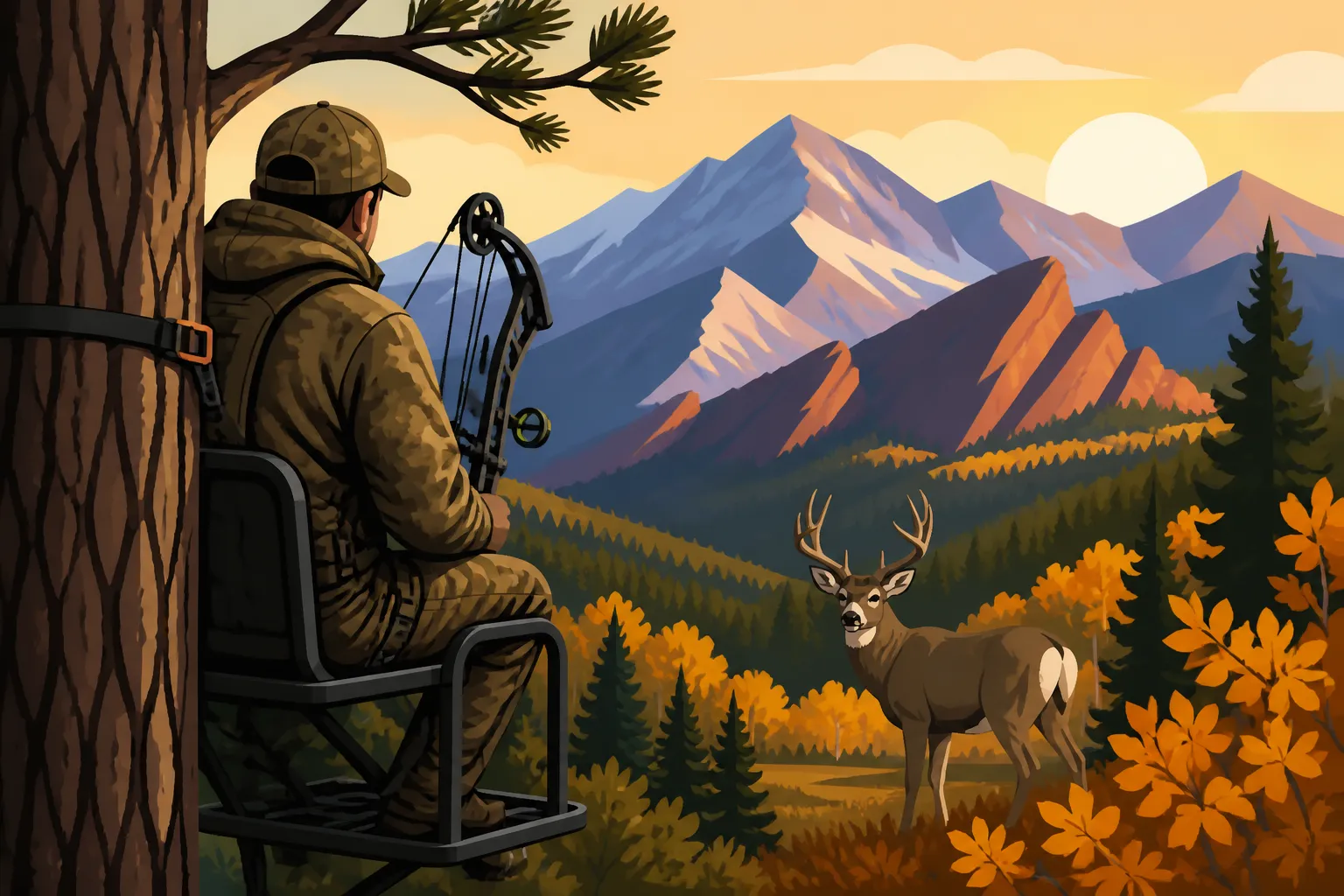
Many hunters head to Colorado with visions of expansive landscapes, grueling climbs, and the classic spot-and-stalk approach for mule deer. And for good reason! Colorado's vast public lands and rugged terrain certainly lend themselves to that kind of adventure. But if you've ever dismissed tree stands as solely a whitetail tactic, especially for those wary, open-country mule deer, you might be overlooking a seriously effective tool. This guide is here to challenge that notion and walk you through how, with the right strategy and placement, a tree stand can put you face-to-face with a Colorado muley buck.
Dispelling the Myth: Why Tree Stands Can Work for Colorado Mule Deer
Let's be honest, the image of a mule deer in a dense, dark timber stand is probably not the first thing that pops into your mind. Most folks picture mule deer browsing on sagebrush flats, high alpine meadows, or traversing open slopes. And while that's often true, it's also a generalization that can cost you opportunities. Mule deer are far more adaptable and rely on cover more than many realize, especially when hunter pressure increases.
Understanding Mule Deer Movement Patterns
Mule deer, like all deer, are creatures of habit to some extent. They have bedding areas, feeding areas, and travel corridors that connect the two. While they might not follow a strict "rub line" or "scrape line" like a whitetail, they absolutely use distinct trails, saddles, benches, and creek bottoms to move through their territory. Especially in areas with consistent water sources, traditional funnels, or thick cover providing security, mule deer will often utilize the same paths day after day.
Think about it: even in open country, there are natural draws, washes, fence lines, and breaks in topography that deer prefer to use for travel or to avoid detection. These aren't always obvious until you really start to dig in and understand the specific unit you're hunting. During the rut, these patterns can become even more predictable as bucks cruise for does, often checking traditional doe bedding and feeding areas. Understanding these routes is the first step in making a tree stand a viable option.
Leveraging Terrain and Habitat for Stand Placement
Colorado's diverse terrain offers unique opportunities for tree stand hunting. We're not talking about setting up in a cornfield edge here. We're looking for specific features that concentrate deer movement. This could be a narrow choke point between two steep canyons, a timbered ridge finger extending into an open basin, or the transition zone where dense conifer forests meet aspen groves or open parks.
Consider areas where thick stands of Ponderosa pine, Douglas fir, or even dense scrub oak create secure bedding cover adjacent to feeding grounds. Mule deer often stage in these transition zones before heading out to feed in the evenings or retreat to bed in the mornings. A well-placed stand in these areas, perhaps overlooking a small natural clearing or a well-used trail, can be incredibly effective. Don't forget those small, secluded pockets of timber within larger open areas – deer use these as hideouts and often travel to and from them.
The Advantage of Elevation in Specific Scenarios
The beauty of a tree stand is the elevated vantage point it provides. For mule deer, this is less about seeing over crops and more about getting above their line of sight in areas with broken topography or dense vegetation. Imagine a steep hillside dotted with juniper or pinyon pine. While spot-and-stalk is tough in that kind of cover, a stand strategically placed on a bench or along a well-used game trail on that slope can put you eye-level with deer you'd otherwise never see.
Furthermore, an elevated position helps immensely with scent control, a critical factor in Colorado's often unpredictable mountain winds and thermals. Getting your scent above the primary travel routes of deer can give you a significant advantage, especially if you're hunting near bedding areas where mule deer are extra sensitive to human intrusion. This elevation also provides a safer shooting platform, allowing you to often take broadside or quartering-away shots at a downward angle, which can be ideal for ethical shot placement.
Strategic Tree Stand Placement: Key Considerations in Colorado's Diverse Landscape
Okay, you're convinced a tree stand could work. Now, how do you actually pick a spot in the vastness of Colorado? This isn't like finding a perfect oak for a whitetail stand in the Midwest. It requires a different kind of scouting and a deep understanding of mule deer behavior in mountainous terrain.
Identifying Prime Habitat and Travel Corridors
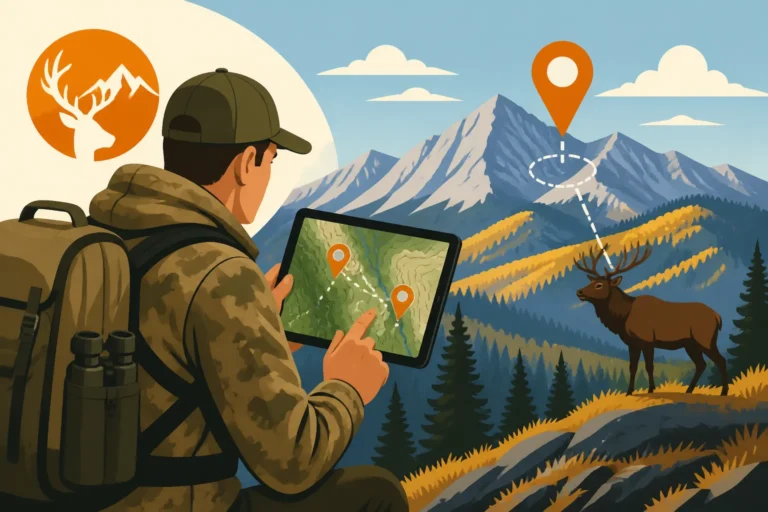
Successful tree stand placement for mule deer starts long before the season. You need to become a master e-scouter first, then hit the boots on the ground. Use tools like GoHunt to study satellite imagery, topo maps, and public land boundaries. Look for areas that naturally funnel deer. This could include saddles between ridges, pinch points created by cliffs or thick brush, drainage bottoms that deer follow, or the edges of dense timber where it meets more open foraging areas.
Focus on transition zones. Where do the north-facing, often timbered slopes, meet the south-facing, sun-drenched feeding grounds? Deer will often stage in the timber before moving to feed, and a stand overlooking these transition areas can be money. Also, don't overlook natural water sources. During dry periods, water holes and seeps can be absolute magnets for mule deer, making them prime locations for a stand, particularly in areas like the Pinyon-Juniper belts of western Colorado or even lower elevation areas within national forests such as the Pike National Forest. Learning how to Locate Elk Before Opening Day, and adapting those skills for mule deer, involves scouting these types of areas.
Wind and Thermals: Your #1 Priority
In Colorado, ignoring the wind and thermals is a recipe for failure, regardless of your hunting method. For tree stand hunting, it's absolutely paramount. Mountain thermals typically pull scent uphill in the morning as the ground heats up and then push it downhill in the evening as the air cools. Wind, on the other hand, can come from any direction and swirl through canyons and over ridges, making consistent scent control a challenge.
You need to understand how the wind interacts with your chosen stand location at different times of the day. A perfect ambush spot might be useless if the prevailing evening thermal or wind consistently carries your scent directly to where deer are coming from or going. This often means having multiple stand locations or being prepared to move your stand based on daily conditions. Always consult a detailed weather forecast, paying special attention to wind direction and speed. Learning How to Use the Wind Hunting Colorado Elk and How to Use Thermals in Colorado Elk Country are crucial skills that directly apply to mule deer.
Entry and Exit Routes: Minimizing Disturbance
One of the biggest advantages of a tree stand, when deployed correctly, is minimizing your human footprint. However, a poor entry and exit route can negate all that effort. You need a way to get to and from your stand without busting deer out of their bedding areas or alerting them to your presence. This often means using natural terrain features to mask your approach, traveling into a crosswind or headwinds, and sometimes, arriving long before daylight or staying well after dark.
Consider using dry creek beds, thick timber, or the backside of ridges for your approach. Avoid skylining yourself on ridges or walking through known feeding areas. If you're setting up near a bedding area, your entry should be exceptionally quiet and executed when deer are likely to be out feeding, not tucked away resting. The goal is to be a ghost, appearing and disappearing without any animal in the vicinity ever knowing you were there.
Setting Up Your Tree Stand for Success: Gear, Setup, and Scent Control
Once you've identified potential hot spots, it's time to think about the actual setup. This isn't just about hanging a stand; it's about making it a completely integrated, stealthy part of the landscape.
Choosing the Right Stand and Location for Mule Deer Country
Given the often nomadic nature of mule deer and the dynamic conditions in Colorado, portability is key. You're probably not looking for a massive, permanent ladder stand. Lightweight hang-on stands, often used with climbing sticks or sections, or even mobile climbing stands, are usually the way to go. Consider what you can comfortably pack into your chosen area. A good backpack, like those recommended in our Best Backpack for a Colorado Elk Hunt guide, will be essential for hauling your gear.
When selecting the tree, prioritize cover and concealment over elevation alone. A tree that breaks up your silhouette, ideally with some background foliage, is better than a lone, towering tree that makes you stick out. Look for dense conifer or aspen groves. Aim for a height that gives you a good shooting lane but also keeps you hidden. This might be 15-20 feet, but sometimes less if the terrain or cover allows. Ensure your stand location provides clear shooting lanes to the anticipated travel paths. Trim only what's absolutely necessary and do it well in advance if possible to allow deer to get used to the minor changes.
| Stand Type | Pros | Cons | Best For Colorado Mule Deer Scenarios |
|---|---|---|---|
| Hang-on Stand | Lightweight, packable, versatile for various tree sizes/types. Can be left in place or moved. | Requires climbing sticks/steps, more effort to set up/take down daily. Less comfortable for long sits than larger stands. | Ideal for pre-scouted locations where you anticipate multiple sits. Great for hunting specific travel corridors, water sources, or funnels. Good for private land or less pressured public land where leaving a stand isn't an issue. |
| Climbing Stand | Self-contained climbing system, quick to set up/take down for daily hunts. Good for mobile hunting. | Requires straight, limbless trees, which can be hard to find in broken Colorado terrain. Heavier and bulkier than hang-ons. Can be noisy if not used carefully. | Excellent for hunters who want maximum mobility and plan to move their stand frequently. Best in areas with consistent, suitable timber (e.g., Ponderosa pine forests with relatively straight trunks). Good for covering multiple potential spots. |
| Ground Blind | Highly portable, quick setup, excellent concealment, good for multiple hunters or bow/rifle. Can use scent control. | Limited visibility compared to elevated stands. Scent control is harder unless wind is perfect. Less able to see over terrain features. | Not technically a tree stand, but a strong alternative for mule deer. Perfect for open country, sagebrush flats, or areas lacking suitable trees. Ideal for hunting water holes, wallows, or feeding areas where deer are somewhat concentrated. Offers a quick, adaptable option when trees are scarce. |
Scent Control and Concealment: The Mountain Game Changer
Scent control is often overlooked in western hunting, but it's just as vital, if not more so, when you're static in a tree stand. Mule deer have an incredible sense of smell, and a single gust of wind carrying your scent can blow your hunt. Shower with scent-free soap, use scent-eliminating sprays on your clothes and gear, and store your hunting clothes in airtight bags until you're at your stand. Brands like ScentLok or Dead Down Wind offer good options.
Beyond personal scent, consider the scent of your gear. Keep your stand and climbing sticks clean and free of unnatural odors. Handle them with gloves. When setting up, avoid excessive noise or leaving behind anything that smells of humans. Concealment isn't just about what you wear, but how you become part of the tree. Break up your outline with natural foliage if possible, and ensure your stand is positioned so that deer aren't constantly looking up directly into it.
Pre-Season Scouting and Trail Camera Intelligence
This is where the real work happens. Before opening day, dedicate time to in-depth scouting. Hike the areas you've identified through e-scouting. Look for fresh tracks, droppings, rubs (yes, mule deer make rubs!), and distinct travel paths. Pay attention to how deer enter and exit different areas. Look for natural funnels, pinch points, and areas of dense cover where they might bed.
Trail cameras can be an absolute game-changer for mule deer tree stand hunting. Place them on those identified travel corridors, especially near water sources, saddles, or areas where thick timber meets openings. This will confirm deer activity, help you identify specific bucks, and most importantly, tell you when deer are using these routes. Are they moving in the early morning, late evening, or even throughout the day? This intelligence is invaluable for timing your hunts. Learning How to E-Scout Before a Colorado Hunt will be incredibly beneficial in this phase.
Hunting from the Stand: Patience, Persistence, and Shot Opportunity
You've done the work, found the spot, and hung the stand. Now comes the real test: the hunt itself. Tree stand hunting for mule deer demands patience and an understanding of how to maximize your chances when the moment arrives.
When to Be in Your Stand: Timing is Everything
Unlike whitetails that might move at predictable times from bedding to feeding, mule deer movement can sometimes feel more sporadic. However, there are still prime times. Early morning and late evening are universally good, especially around feeding areas or water sources. During the midday, mule deer often bed down in dense cover. If your stand is positioned near a bedding area, a midday sit can sometimes pay off if a buck decides to shift bedding locations or a doe moves through the area, drawing attention.
During the rut, which typically occurs in November in Colorado, bucks will be actively cruising, making midday movement more common. This is a fantastic time to be in a stand overlooking traditional doe travel routes or staging areas. Weather also plays a huge role. A cold front or fresh snow can often get deer on their feet earlier and later in the day. Our guide on How to Hunt Elk in the Snow offers insights on how weather can influence movement, which can be adapted for mule deer.
Preparing for the Shot: Angles and Distances
Sitting in a tree stand changes your shooting dynamics. You're no longer shooting from eye-level. You'll be shooting at a downward angle, which can significantly affect arrow or bullet trajectory. Practice shooting from an elevated position well before your hunt. Set up a platform or shoot from a deck if possible. Understand how gravity affects your shot at different distances, especially on steep downhill shots.
Use a rangefinder to pre-range key landmarks around your stand. Know the exact distances to specific trees, rocks, or changes in terrain. This eliminates guesswork when a buck steps out. Be mindful of your shooting lanes; even a small branch can deflect an arrow or bullet. Ensure your bow is quieted and your rifle is easily maneuverable in the stand. For rifle hunters, remember that How to Shoot Uphill and Downhill at Elk principles are directly applicable to mule deer and can make all the difference for a clean shot.
Adaptability: Knowing When to Change Tactics
Even with the best scouting and setup, tree stand hunting for mule deer isn't always a sure thing. Sometimes, the deer simply aren't using that particular area, or conditions change dramatically. Don't be afraid to be adaptable. If you've sat in a stand for a few days without significant action, it might be time to move. Remember, mule deer are still mule deer – highly mobile and sometimes unpredictable.
This could mean packing up your stand and moving it to a new location you've scouted, or it could mean switching tactics altogether. If the tree stand isn't producing, perhaps it's time to go back to a spot-and-stalk approach, especially if you're in open country. Treat your tree stand setups as one tool in your arsenal, not the only tool. Understanding Colorado Mule Deer Hunting: Spot-and-Stalk Tactics can give you excellent alternative methods to keep your hunt alive. The key is to read the deer and the landscape and adjust your approach accordingly.
Disclaimer
Please remember that hunting regulations, season dates, and unit boundaries can change. Always consult the most current Colorado Parks and Wildlife (CPW) regulations before planning any hunt. This guide is for informational purposes only and does not supersede official CPW guidelines.