How to Hunt High-Country Mule Deer
Hunting high-country mule deer in Colorado is a dream for many, but it often comes with a dose of harsh reality. The sheer physical demands of ascending steep, rocky terrain at lung-burning altitudes, coupled with the elusive nature of these magnificent animals in their vast summer range, can leave even experienced hunters feeling defeated. This comprehensive guide is designed to equip you with the knowledge, strategies, and mindset needed to confidently pursue mule deer above the timberline, turning those challenging mountain landscapes into your hunting grounds.
Understanding High-Country Mule Deer Behavior
Mule deer that call the high country home are a different breed, adapted to survive in some of Colorado's most extreme environments. To consistently find success, you need to think like them and understand their rhythm.
Seasonal Movements and Habitat Preferences
During the summer months, and especially through the early fall hunting seasons, high-country mule deer seek out the cooler temperatures, abundant forage, and reduced insect pressure found at higher elevations, often above 10,000 feet. They’ll gravitate towards alpine basins, rocky cirques, and sparse timber patches just below the treeline. You’ll find them browsing on forbs, grasses, and willow in drainages or around melting snowfields. These areas provide vital protein and nutrients as bucks put on antler growth and does prepare for winter.
As hunting seasons progress, particularly with the onset of colder weather, you'll start to see a subtle shift. While they may still be in the high country, they’ll often begin to stage for their eventual migration to lower, more protected winter ranges. This means they might be found spending more time in pockets of timber or on sun-drenched, south-facing slopes during colder parts of the day, seeking warmth and thermal cover. When temperatures drop, or a significant snow event occurs, their push to lower elevations can happen quickly. Understanding this transitional period is crucial for late-season success. These deer are incredibly smart, using elevation changes and wind to their advantage, making them masters of their environment.
Key Rutting and Post-Rut Behaviors
While most high-country mule deer hunts happen before the peak of the rut in mid-November, understanding their general patterns through late summer and early fall is key. Bucks often group up in bachelor herds during the summer, feeding heavily to build fat reserves. As fall approaches and velvet sheds, these groups might start to break up, and individual bucks become more focused on feeding and establishing dominance hierarchies. You'll find them concentrating on prime feeding areas in the mornings and evenings, often bedding down on secure, high vantage points during the day.
Post-rut behavior in the high country, for those lucky enough to hunt later seasons (which are often draw-only and highly sought after), means deer are trying to recover from the intense energy expenditure of breeding. Bucks will be seeking out the most nutritious forage available and trying to replenish their fat stores before winter truly sets in. They might still be found in smaller bachelor groups, but they’ll be less active and more focused on survival. At this point, they've also experienced significant hunting pressure, making them even warier. For hunters pursuing mule deer in Colorado, it's wise to study their habits in specific units. A general understanding of Colorado Mule Deer Hunting Guide can truly help you pinpoint these movements.
Essential Gear and Physical Preparation for Altitude
Hunting high-country mule deer isn't just a mental challenge; it's a profound physical one. The right gear can make or break your hunt, and proper physical preparation is non-negotiable.
Optics and Scouting Tools
When you're dealing with vast, open alpine country, your eyes are your most valuable tool. High-quality optics are not a luxury; they are an absolute necessity. You’ll need a pair of solid 10x or 12x binoculars, preferably mounted on a tripod for stability, which will allow you to pick apart distant hillsides without shaking. Complementing this, a spotting scope (15-45x or 20-60x) is vital for evaluating bucks at extreme ranges, helping you decide if a distant speck is worth a several-hour stalk. Don't skimp here; the clarity and light-gathering capability of premium glass from brands like Swarovski, Kowa, or Vortex can dramatically increase your chances of spotting a deer before it spots you.
Beyond glass, modern technology has revolutionized high-country scouting. A reliable GPS device or a mapping app like onX Hunt or GoHunt on your phone is indispensable. These tools allow you to pinpoint your location, mark game sightings, identify public/private land boundaries, and navigate treacherous terrain. Before your hunt, spend hours on these apps e-scouting, looking for key features like old burns, timbered pockets, water sources, and natural funnels. GoHunt's detailed maps, for instance, can help you identify potential bedding areas and travel corridors, saving you precious time and energy in the field. Having a detailed plan for utilizing your optics and digital tools is just as important as the physical exertion. Learning about Best Optics for Colorado Big Game can provide more specific recommendations.
Backpacks, Boots, and Clothing Systems
The ruggedness of Colorado's high country demands equally rugged gear. Your backpack is your life support system. It needs to be comfortable enough to carry for days, capable of compressing down for stalks, and robust enough to haul out heavy quarters of meat once you're successful. Look for packs with sturdy frames and well-padded hip belts from companies like Kuiu, Mystery Ranch, or Stone Glacier. When packing for a Colorado Backcountry Hunting Guide, your pack is arguably your most critical piece of equipment after your rifle or bow.
Footwear is another non-negotiable item. You need boots that provide exceptional ankle support, superior traction on loose rock and scree, and waterproof protection for stream crossings and snow patches. Brands like Crispi, Kenetrek, or Schnee's are popular for a reason—they build boots specifically for these conditions. Break them in thoroughly before your hunt; blisters can end a hunt faster than anything. Finally, a versatile layering clothing system is crucial for the wildly fluctuating mountain weather. Think merino wool base layers for moisture-wicking and warmth, fleece or puffy mid-layers for insulation, and a durable, waterproof/windproof outer shell. Conditions can swing from sunny and warm to hail and snow in a matter of hours, so being able to adapt is key. If you're wondering which boots are best suited, a dive into Best Boots for Colorado Elk Hunting offers some excellent insights, many of which apply directly to mule deer.
Physical Fitness and Acclimation
Let's be blunt: high-country mule deer hunting is physically grueling. The elevation alone can sap your energy, even if you’re fit at sea level. You'll be gaining and losing thousands of feet of elevation daily, often carrying a heavy pack. A dedicated fitness plan focusing on cardiovascular endurance (hiking, running, stair climbing), strength training (legs, core, back), and carrying weight (hiking with a loaded pack) should start months before your hunt. Don't just walk the dog; challenge yourself with steep hills and extended hikes.
Beyond fitness, acclimation to altitude is vital. If you're coming from lower elevations, try to arrive in Colorado a few days before your hunt starts. Spend these days at moderate elevations (5,000-8,000 feet) to allow your body to adjust. Stay hydrated, avoid alcohol, and don't push yourself too hard on the first day. Symptoms of altitude sickness can include headaches, nausea, and extreme fatigue, which can seriously jeopardize your hunt. Taking preventive measures, like discussing Diamox with your doctor, can also be beneficial. Preparing for a hunt at high elevation isn't just about physical conditioning; it's about understanding how your body will react, similar to the advice given in How to Hunt Elk at High Elevation.
Hunting Tactics for Success in the High Country
High-country mule deer are masters of camouflage and evasive maneuvers. Your tactics need to be precise, patient, and adaptable to their unique environment.
Mastering Spot-and-Stalk Techniques
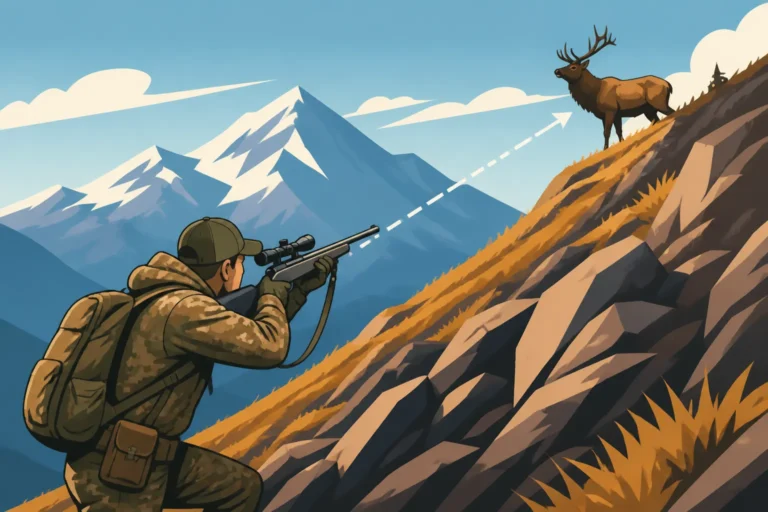
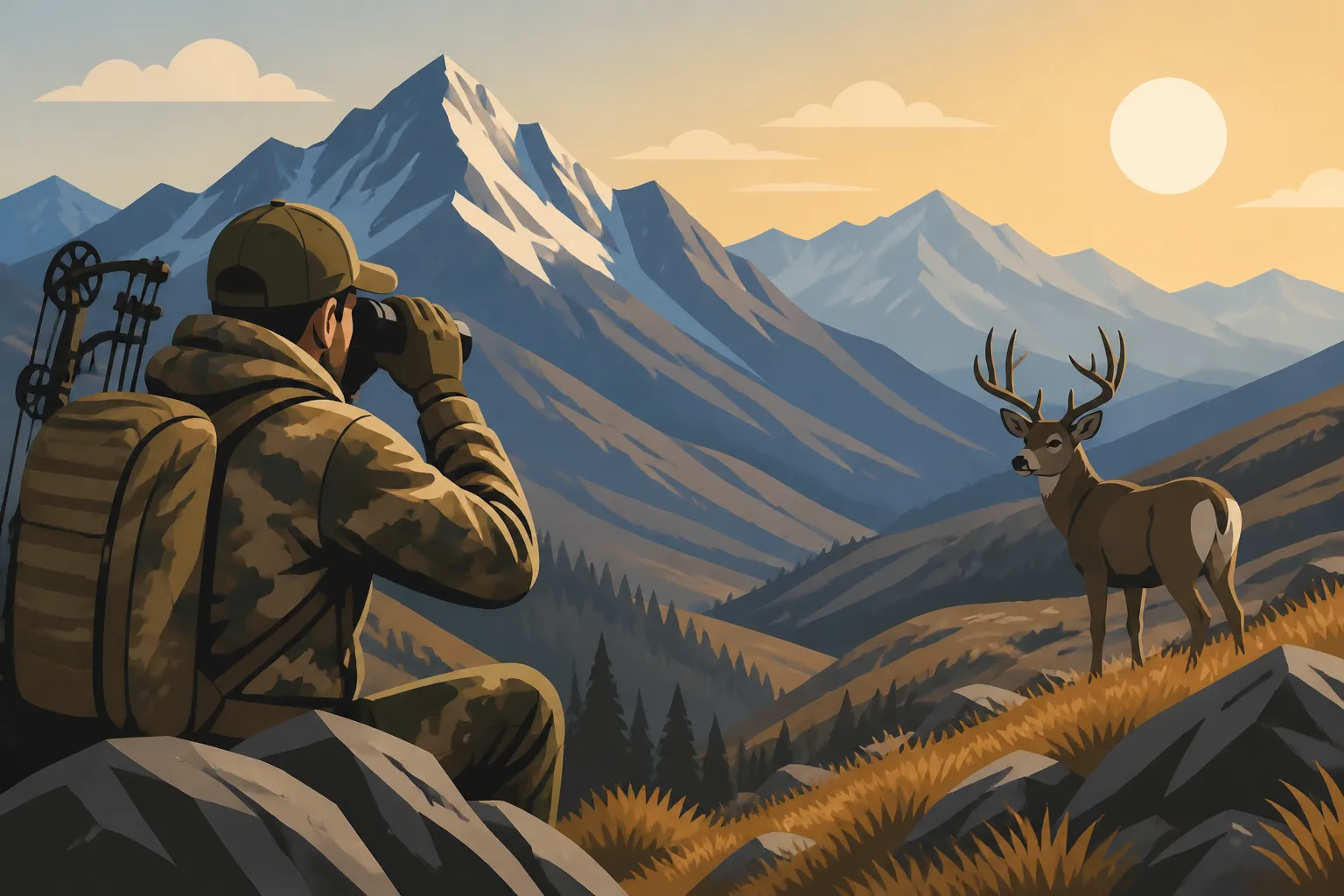
For high-country mule deer, the spot-and-stalk method isn't just a tactic; it's the tactic. The vast, open nature of their summer and early fall habitat means you’ll often spot deer at extreme distances. The game then becomes a calculated chess match of using terrain features, wind, and time to close the distance for a shot. Start your day on a high vantage point overlooking multiple basins or drainages. Set up your spotting scope and systematically grid the landscape, literally picking it apart square inch by square inch. This is where patience truly pays off. Many deer are found because a glint of sun caught an antler, or a subtle movement gave them away.
Once a deer is spotted, the real work begins. First, confirm it’s a shooter. Then, meticulously plan your approach. Identify terrain features that offer cover—ridges, draws, rock outcroppings, timber patches. Always consider the wind direction; mule deer have an incredible sense of smell. You’ll often have to make wide detours to stay downwind, which can add significant time and physical exertion to a stalk. Move slowly, quietly, and deliberately, often using a "two steps, stop, look" rhythm. Be prepared for deer to move or bed down during your stalk, forcing you to adapt on the fly. This method is so effective that it has its own dedicated strategies, like those outlined in Spot-and-Stalk Hunting in Colorado.
E-Scouting and On-the-Ground Reconnaissance
Modern technology has given us powerful tools for preparing for a high-country mule deer hunt. Before you even set foot in Colorado, you should be deep into e-scouting. Using platforms like GoHunt or onX Hunt, you can spend hours analyzing satellite imagery and topographic maps. Look for specific features: north-facing slopes with timber for bedding, south-facing slopes that warm up quickly for feeding, isolated basins that might hold unpressured deer, natural funnels between feeding and bedding areas, and small patches of water. GoHunt's advanced filtering can even help you identify areas with low hunter pressure or specific habitat types.
On-the-ground reconnaissance is the crucial next step. If possible, a pre-season scouting trip can provide invaluable insights that satellite images can't. You can confirm access points, assess trail conditions, identify fresh sign, and get a feel for the terrain and vegetation. If a pre-season trip isn't feasible, dedicate the first day or two of your actual hunt to aggressive scouting without carrying a weapon. This allows you to cover more ground, learn the lay of the land, and locate pockets of deer before the pressure is on. Remember that How to E-Scout Before a Colorado Hunt can save you countless hours of unproductive hiking.
Patience, Persistence, and Adapting to Conditions
Hunting high-country mule deer is often a test of will. You might glass for hours without seeing a single deer. The weather can turn from pleasant to punishing in minutes. You might blow a stalk due to a shift in wind or an unexpected rockslide. This is where patience and persistence become your greatest virtues. Don't get discouraged. Keep glassing. Keep moving purposefully. Trust your instincts and the intel you’ve gathered.
Being adaptable is equally important. If the deer aren't in the basins where you expected them, be willing to check timber fringes or lower elevation benches. If a cold front rolls in, consider focusing on sunnier slopes or sheltered areas. Pay attention to fresh sign—tracks, droppings, rubs. These tell a story of recent deer activity and can guide your next move. The mountains are dynamic, and so must your hunting approach be. Sometimes, the best strategy is simply to stay out longer than everyone else. This perseverance is echoed in the spirit of Colorado Mule Deer Hunting: Spot-and-Stalk Tactics.
Post-Harvest Considerations in Remote Terrain
Success in the high country isn't just about the shot; it's about respecting the animal and efficiently packing out your hard-earned meat. The challenge often truly begins after the deer is down.
Field Care and Meat Preservation
Once you've harvested a mule deer in the high country, quick and efficient field care is paramount, especially if temperatures are warm. Begin by immediately field dressing the animal to cool the carcass. If you're solo or planning a difficult pack-out, consider quartering the deer on the spot. This involves removing the four quarters, backstraps, tenderloins, and neck meat, leaving the bone and hide behind (check specific regulations for what must be packed out in your unit). Work cleanly and quickly.
Game bags are essential for protecting the meat from dirt, insects, and flies. Hang the bagged meat in a shaded, airy spot to promote cooling. In the high country, temperatures can drop significantly at night, which aids in cooling. However, if conditions are warm, you might need to find snow pockets to help chill the meat. The goal is to get the meat cool and dry as quickly as possible to prevent spoilage. This rigorous attention to detail is similar to the advice found in How to Quarter an Elk in the Field, which is equally applicable to deer.
Packing Out Your Mule Deer
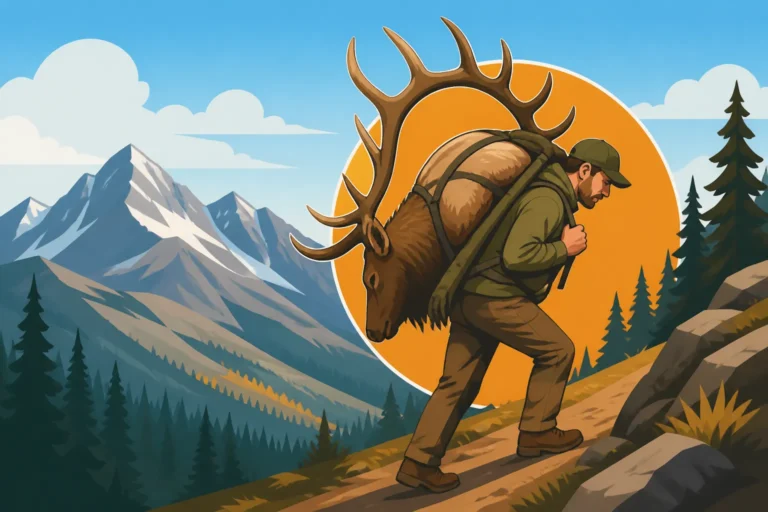
Packing a mule deer out of the high country is where all your physical training pays off. Even a modest mule deer buck can weigh well over 150 pounds, and that weight feels exponentially heavier at 11,000 feet. If you’re hunting with a partner or a group, divide the load strategically. Each person can take a quarter, or you can split the quarters, backstraps, and head/antlers among multiple packs.
When packing solo, you might need to make multiple trips. Ensure your pack is properly loaded, with the heaviest items close to your back and high in the pack for better balance. Use all your pack's compression straps and load lifters. Take frequent breaks, stay hydrated, and pay close attention to your footing, especially on steep or loose terrain. Descending with a heavy load requires concentration and patience to avoid falls. Remember that the challenge of packing out an animal from a remote location is substantial, and insights from How to Pack Out an Elk in Colorado can provide valuable strategies, even for a smaller animal like a mule deer. For those venturing deep into the mountains, a guide on How to Pack Into the Colorado Backcountry can offer additional preparation tips.
Essential High-Country Mule Deer Gear Overview
Here’s a quick glance at some of the non-negotiable gear for your high-country mule deer adventure:
| Category | Essential Items | Key Considerations | Brands to Consider (Examples) |
|---|---|---|---|
| Optics | Binoculars (10-12x), Spotting Scope (15-60x), Tripod | Lightweight, durable, excellent low-light performance | Swarovski, Vortex, Kowa, Leupold |
| Footwear | Sturdy, waterproof hiking boots | Ankle support, aggressive tread, broken-in | Crispi, Kenetrek, Schnee's |
| Backpack | Internal/external frame pack (60L+) | Comfortable, capable of hauling heavy loads | Kuiu, Mystery Ranch, Stone Glacier |
| Navigation | GPS device or smartphone app | Offline maps (e.g., GoHunt), battery life, topo maps | Garmin, onX Hunt, GoHunt |
| Clothing | Layering system (base, mid, outer) | Moisture-wicking, insulating, waterproof/windproof | Sitka, First Lite, Kuiu |
| Shelter | Lightweight tent or tarp | Durability, packability, weather resistance | Hilleberg, MSR, Big Agnes |
| Safety | First-aid kit, emergency shelter, fire starter, headlamp | Comprehensive, accessible, redundant | Adventure Medical Kits, Black Diamond |
Remember, every piece of gear serves a purpose in the harsh mountain environment. Investing in quality items is an investment in your safety and success.
Disclaimer
Hunting is an inherently dangerous activity. This guide provides general information for educational purposes only. Always consult current Colorado Parks and Wildlife regulations, obtain proper licenses, and prioritize safety above all else. Seek professional guidance for any serious medical or outdoor survival concerns.