How to Hunt Colorado Bucks in the Rut
Hunting Colorado mule deer bucks in the rut is an experience many hunters dream about, but it's often fraught with frustration. You spend countless hours scouting, pouring over maps, and analyzing data, only to find the deer aren't acting "by the book" when the season arrives. This guide is here to unravel the mysteries of the mule deer rut in the Centennial State, giving you the insights and strategies to increase your odds of tagging that buck of a lifetime when he’s at his most vulnerable – and sometimes, most elusive.
Understanding the Colorado Mule Deer Rut Cycle
The mule deer rut is a captivating period, a dramatic shift in behavior that transforms cautious, reclusive bucks into single-minded pursuers of does. Understanding this cycle, especially how it plays out in the diverse Colorado landscape, is crucial for any hunter aiming to capitalize on it. It’s not just a switch that flips; it’s a progression influenced by various environmental cues.
Timing and Phases of the Rut
Pinpointing the exact timing of the mule deer rut in Colorado can feel like chasing a phantom. It’s rarely a fixed date on the calendar, instead influenced by factors that can shift annually. Generally, the mule deer rut kicks off in late October, hits its peak in mid-November, and can extend into early December, sometimes even later in certain areas. However, this is a broad strokes assessment, and the actual "peak" can vary significantly.
The rut isn't a single event but a series of phases. The pre-rut usually begins when bucks start shedding velvet and become more aggressive, rubbing trees and sparring. They'll start cruising for does, but the does aren't quite ready, leading to more "chasing" than actual breeding. This is a great time to catch bucks moving more during daylight. As we move into peak rut, usually mid-November, the does are receptive, and bucks are completely committed to breeding. This is when you see the most intense activity, with bucks fighting, chasing, and tending does almost constantly. This phase is often short-lived, perhaps only 7-10 days, making it incredibly challenging to time your hunt perfectly. Finally, the post-rut sees bucks exhausted, often thin, and seeking recovery. They'll still breed any late-estrus does but are generally less active and more cautious again. High-country mule deer might rut slightly earlier than their lower-elevation counterparts due to earlier snowfall and colder temperatures, which trigger physiological changes sooner. Always keep an eye on local conditions and herd behavior.
Mule Deer Behavior During the Rut
When the rut is on, mule deer bucks undergo a profound personality change. Gone is the extreme wariness and solitary nature many of us associate with these majestic animals. Instead, their entire focus shifts to finding and breeding does. Bucks that were once tucked away in thick timber or high-elevation pockets suddenly become much more visible, often traveling significant distances, sometimes even into areas they wouldn't normally frequent. They spend less time feeding and more time searching for does, chasing them, or fending off rival bucks. This single-minded drive can make them seem less cautious, a vulnerability that savvy hunters can exploit.
You'll see them "tending" a doe, following her closely, sometimes for hours, nudging her and preventing other bucks from approaching. Their guard is down, but they're also rarely alone. This means you're not just dealing with one set of eyes, ears, and noses; you're dealing with a whole group, which presents its own unique challenges. This period is your best chance to find a mature buck during daylight hours, as their need to breed overrides their natural instinct for self-preservation. For a deeper dive into the seasonal rhythms, check out our guide on Colorado Mule Deer Rut Explained.
Key Rut Triggers
While the idea of a "rut switch" is appealing, the reality is more complex. The primary driver of the rut is photoperiod, the decreasing amount of daylight after the summer solstice. This environmental cue triggers hormonal changes in deer, initiating the reproductive cycle. However, other factors can significantly influence the intensity and timing of visible rut activity. Severe weather, particularly early heavy snowfalls, can often "kick off" the rut prematurely or intensify it. When does are driven down from higher elevations or concentrated by snow, bucks will follow, creating more opportunities for interaction.
A sharp drop in temperature can also energize bucks and does, making them more active. Conversely, unusually warm weather can suppress daylight rut activity, pushing it into the cooler hours of dawn and dusk. The availability and health of the local doe population are also critical. Units with robust doe herds will naturally have more intense and prolonged rutting activity. Understanding these triggers helps you anticipate where and when bucks might become more active, allowing you to adjust your hunting strategy on the fly.
Scouting and Locating Rutting Bucks
Successfully hunting mule deer bucks in the rut isn't just about showing up when the rut is supposedly peaking. It's about knowing where those bucks are likely to be, which means diligent scouting, both from your computer and with boots on the ground. The rut changes everything, and your scouting approach needs to adapt accordingly.
E-Scouting for Rut Potential
Before you even step foot in the field, modern e-scouting tools can give you a massive advantage. Platforms like GoHunt, along with mapping applications such as OnX Hunt, are indispensable. Start by identifying areas known for good mule deer populations. Look for units with healthy doe-to-buck ratios, as bucks will congregate where the does are. Then, zoom in on the terrain. Focus on south-facing slopes, which get more sun and shed snow faster, making them preferred bedding and feeding areas for does in colder weather.
Identify travel corridors that connect these doe-rich areas to traditional buck bedding grounds, especially areas with dark timber or steep, rugged terrain that offer escape cover. Consider potential migration routes if you're hunting during a season where deer might be moving to winter range. Look for saddles, benches, and draws that serve as natural funnels. GoHunt's data can often provide insights into historical success rates, public land access, and even point accumulation trends for specific units, helping you narrow down your search for a tag that aligns with your point strategy. While you're at it, delve into How to E-Scout Before a Colorado Hunt to really dial in your digital scouting game.
In-Season Field Scouting Techniques
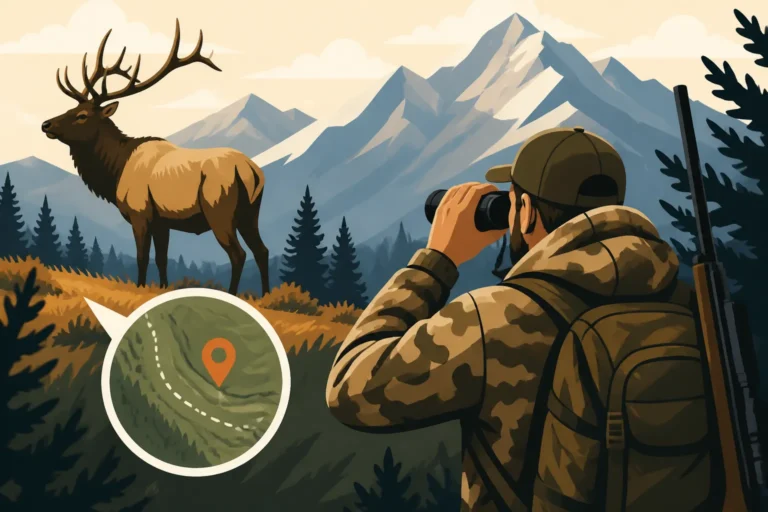
Once you're in the field, your e-scouting intel needs to be confirmed and refined. This is where your optics become your best friends. High-quality binoculars and a spotting scope on a sturdy tripod are non-negotiable for glassing vast expanses of Colorado's mule deer country. Focus your efforts on glassing south-facing slopes, particularly in the mornings as the sun hits them, and again in the late afternoons. Bucks will be looking for does, and does will be moving to feed and water.
Patience is paramount. Settle into a good glassing position with a wide vantage point and systematically pick apart the terrain. Don't just scan; grid the area slowly, looking for flickers of movement, horizontal lines that don't belong, or distinct patches of white (rumps or antlers). When you spot a doe, stick with her. Chances are, a buck isn't far behind or will show up eventually. Look for fresh tracks, rub lines, and scrapes, especially along timber edges, ridgelines, and near water sources. These signs indicate recent buck activity and can lead you to hot spots. Remember, rutting bucks are often covering a lot of ground, so fresh sign is key.
Reading Mule Deer Sign During the Rut
Reading the signs left behind by mule deer is an art form, and it takes on a different nuance during the rut. Fresh tracks, especially large ones, indicate a buck is in the area. Look for tracks that seem to be traveling with purpose, often cutting across terrain rather than meandering. During the rut, bucks will often make rubs on saplings or small trees, shedding velvet and marking their territory with glandular secretions. Pay attention to the freshness of these rubs; shiny, sappy wounds on trees mean recent activity.
Scrapes, where bucks paw away leaves and debris and then urinate on the exposed earth, are also important territorial markers. While not as prevalent as with whitetails, mule deer do make them, particularly in areas of high buck activity. The fresher the scrape, the closer you are to a buck. Also, look for signs of sparring, such as broken branches or disturbed ground where bucks have locked antlers. Finally, keep an eye out for concentrations of fresh droppings, especially if they are larger and more clumped, indicating a bigger animal that's spending time in that vicinity. If you want to refine your observational skills, check out How to Glass for Colorado Mule Deer.
Effective Hunting Strategies for Rutting Bucks
Once you understand the rut and have a good idea of where bucks might be, it’s time to put a solid hunting strategy into action. The rut offers unique opportunities, but it also demands specific approaches to be successful. Forget trying to call them in like an elk; mule deer require a more nuanced game plan.
Spot-and-Stalk in Open Country
The spot-and-stalk method is king for Colorado mule deer, especially during the rut. This strategy capitalizes on the often wide-open landscapes and the bucks' increased movement. Your day will typically start before dawn, climbing to a high vantage point overlooking prime rutting habitat – think basins, expansive sagebrush flats, or open timbered slopes. Use your optics to patiently scour every inch of terrain as daylight breaks. Look for any deer, but focus intensely on groups of does. Where there are does, a buck (or several) will likely be nearby or will soon appear.
Once you spot a buck, the real work begins. The next phase is crucial: plan your stalk meticulously. Consider the wind, topography, and any cover you can use to approach undetected. Rutting bucks, while distracted, are still keen animals with excellent senses. The presence of does and other deer in the group adds multiple layers of detection. A successful stalk might involve long detours, crawling on hands and knees, and using every rock, bush, and fold in the land to conceal your approach. Sometimes, it's a waiting game, anticipating where the buck and his does will move next. This is a skill honed over many hunts, and our detailed guide, Colorado Mule Deer Hunting: Spot-and-Stalk Tactics, can provide even more tips.
Hunting Travel Corridors and Funnels
During the rut, bucks are constantly on the move, searching for does. This means they're using specific travel corridors and natural funnels to navigate the terrain. Identifying and intercepting these routes can be an incredibly effective strategy, especially in areas with more timber or broken terrain where spotting from afar is difficult. Look for saddles between drainages, timbered ridges that connect feeding areas to bedding grounds, creek bottoms, and the edges of thick cover. These are the highways and byways bucks use to move between doe groups.
Setting up an ambush point near these funnels, especially at dawn and dusk, can pay dividends. You’re essentially letting the deer come to you, rather than trying to chase them across vast landscapes. This requires patience and often a good understanding of local deer patterns. Use mapping tools like OnX to identify these natural choke points. Pay attention to fresh sign in these areas – if you find rubs and scrapes along a ridge, it's a good indication bucks are regularly using that route. Positioning yourself correctly, considering wind direction and escape routes for the deer, is critical to success. This method is particularly useful when hunting in timbered country where visibility is limited, as explored in How to Hunt Colorado Timber.
Calling Tactics During the Rut
Calling for mule deer is a very different game than calling for elk. You're not trying to challenge a territorial bull with aggressive bugles. For mule deer, calling is generally more subtle and focuses on mimicking doe or fawn sounds. An estrus bleat, a soft, pleading sound made by a doe in heat, can sometimes pique a buck's curiosity, especially if he thinks there's a lone doe he hasn't yet discovered. This is a low-percentage tactic but can be effective in specific scenarios, such as when a buck is just out of sight and potentially moving towards you, or if you want to stop a buck for a shot.
Fawn distress calls can also be effective. If a buck hears a fawn in distress, his natural instinct to protect or investigate might draw him in, hoping to find the doe associated with the fawn. This also works to draw in does, and where does go, bucks often follow. The key is subtlety and realism. Over-calling or making unnatural sounds will quickly alert deer to your presence. These calls are best used sparingly, often in conjunction with a spot-and-stalk approach to either stop a moving buck or draw one closer that’s just out of range. While not as dramatic as elk calling, knowing Colorado Mule Deer Hunting: Calling Tactics can add another tool to your rut hunting arsenal.
Essential Gear and Physical Preparation for Colorado Mule Deer Hunting
Colorado's diverse landscapes, from high alpine basins to sagebrush flats, demand specific gear and a solid physical foundation. Hunting mule deer during the rut, often in November, means dealing with potentially harsh weather conditions and rugged terrain. Being prepared physically and with the right equipment isn't just about comfort; it's about safety and success.
Optics and Equipment for Rut Hunting
Optics are arguably your most important tools for hunting Colorado mule deer, especially when trying to locate bucks during the rut. A high-quality pair of 10x or 12x binoculars is essential for scanning the landscape and picking out subtle details. You'll want them on a chest harness for easy access and to keep them secure. Complementing your binoculars should be a powerful spotting scope (20-60x or 25-75x magnification) paired with a stable tripod. This setup allows you to meticulously dissect distant slopes, identify individual deer, and evaluate buck size without having to hike miles. With mule deer, you often spot them before you stalk them, so clarity and magnification are paramount.
A reliable rangefinder is also critical, especially in the undulating terrain of the West where judging distance can be deceiving. Consider one with angle compensation for uphill and downhill shots. For pre-dawn and post-dusk glassing, a good quality headlamp with both white and red light settings is indispensable. While thermal imaging is becoming popular, always check Colorado Parks and Wildlife (CPW) regulations regarding its use for hunting, as rules can vary. Having the best gear for this can make a world of difference, so consider checking out Best Optics for Colorado Big Game.
Mountain Hunting Gear Considerations
November in Colorado can deliver anything from mild, sunny days to blizzards. Layering is not just a suggestion; it's a necessity. Start with a moisture-wicking base layer, add insulating mid-layers like fleece or puffy jackets, and top it with a waterproof and windproof outer shell. Merino wool or synthetic materials are preferred for their warmth-to-weight ratio and ability to perform when wet. Your footwear is equally critical. Invest in high-quality, broken-in hunting boots that offer excellent ankle support and waterproof protection. Look for boots designed for mountain hunting, as you'll be covering steep, uneven terrain. Consider bringing gaiters to keep snow and debris out of your boots.
A comfortable and capable backpack is essential, not just for carrying your daily essentials but also for packing out meat. Look for a pack with a strong internal or external frame that can comfortably handle 50-80 pounds, allowing you to quarter and pack out a mule deer in one trip if necessary. Essential items for your pack include a first-aid kit, fire starter, knife, water filter or ample water, high-energy snacks, emergency shelter, and navigation tools (GPS, map, compass, or smartphone with mapping apps like OnX). For more on what to carry, a good starting point is our guide on Best Backpack for a Colorado Elk Hunt, which offers many transferable principles for deer.
Physical and Mental Acclimation
Hunting mule deer in Colorado is physically demanding. You'll be covering miles of rugged, steep terrain, often at elevations ranging from 7,000 to over 10,000 feet. If you're coming from sea level, altitude sickness can quickly derail your hunt. Start a rigorous fitness regimen months before your hunt, focusing on cardiovascular endurance, strength training (especially legs and core), and hiking with a loaded pack. Include uphill hikes or stair climbing to simulate mountain conditions. Arriving a few days early to acclimate to the elevation can also make a significant difference.
Beyond the physical, mental fortitude is paramount. Mule deer hunting, especially spot-and-stalk, often involves long hours of glassing, failed stalks, and periods of discomfort in challenging weather. The mental game of staying positive, patient, and persistent is just as important as your physical conditioning. Learn to embrace the grind, celebrate small victories, and maintain a determined mindset. Our guide on How to Physically Prepare for Colorado Elk contains excellent advice that applies directly to mule deer hunters as well.
| Rut Phase | Buck Behavior | Primary Hunting Strategy | Ideal Conditions |
|---|---|---|---|
| Pre-Rut | Increased movement, sparring, rubbing, cruising. | Spot-and-stalk, hunting travel corridors. | Cooler temps, stable weather, bucks establishing dominance. |
| Peak Rut | Intense chasing and tending does, fighting. Less cautious. | Spot-and-stalk around doe groups, ambushing funnels. | Cold fronts, light snow, high doe receptivity. |
| Post-Rut | Exhausted, recovering, seeking late-estrus does. More cautious. | Hunting secluded bedding areas, food sources. | Bitter cold, deep snow, bucks feeding heavily. |
Disclaimer
Hunting is an inherently dangerous activity. This guide is for informational purposes only and does not guarantee success or safety. Always prioritize safety, follow all local, state, and federal hunting regulations, and consider hiring a licensed guide if you are new to the area or hunting type. Colorado Parks and Wildlife (CPW) is the definitive source for all hunting rules, regulations, and season dates. Stay informed, stay safe, and hunt ethically.