How to Plan a Colorado Drop-Camp Hunt
Many hunters dream of experiencing the vast, wild backcountry of Colorado, chasing elk deep in the mountains, but the thought of hauling in all their own gear for a week-long expedition can feel incredibly daunting and physically impossible for most. A Colorado drop-camp hunt offers a fantastic solution, bridging the gap between a fully guided, hands-off experience and a grueling, gear-intensive DIY backpack trip. This comprehensive guide will walk you through every aspect of planning your own drop-camp adventure, ensuring you’re well-prepared for a challenging yet rewarding hunt.
Understanding the Colorado Drop-Camp Hunt
A drop camp is a unique and often misunderstood hunting experience. It's not a fully guided hunt where someone holds your hand, nor is it a bare-bones backpack trip. It's a strategic blend that requires significant self-reliance while removing some of the most physically demanding logistics.
What Exactly is a Drop Camp?
Imagine this: you've planned your hunt, drawn your tag, and bought your gear. Instead of loading up a heavy backpack with a week's worth of food, a tent, a sleeping system, and all your hunting essentials, you meet an outfitter at a designated trailhead. They pack your gear, sometimes including a pre-set camp, onto horses or mules and haul it several miles into the wilderness to a remote, pre-arranged location. Once the gear is dropped, the outfitter leaves you to your own devices for the duration of your hunt, returning only on an agreed-upon date to pack you and, hopefully, your harvested game back out.
This model allows hunters to access incredibly remote, often less-pressured areas of public land that would be nearly impossible to reach with a full camp on your back. It offers the feeling of a true wilderness hunt, where you are making all the decisions, but without the initial bone-crushing effort of packing in a heavy wall tent, wood stove, and days worth of supplies. You're getting deep into elk country with a comfortable, established base camp, which is a game-changer when you're facing crisp alpine mornings and long hunting days.
The Outfitter's Role vs. Your Responsibilities
It's crucial to clearly define what an outfitter does and doesn't do in a drop-camp scenario. Their primary role is logistical support: transportation in and out of the backcountry, and often the provision of a basic camp setup. This usually includes a large wall tent, cots, a wood stove, and a designated water source. Some outfitters might provide cooking essentials or a basic latrine setup, but don't expect gourmet meals or daily maid service. They are, in essence, a high-country taxi service for your gear and body.
Your responsibilities, however, are vast and encompass virtually every aspect of the hunt itself. You and your hunting party are solely responsible for all hunting activities, including scouting, finding animals, strategizing, calling, navigating, and, most importantly, the field care and processing of any game harvested. You'll be cooking all your meals, managing your camp, keeping the wood stove stoked, and handling all emergency situations on your own. This high degree of self-reliance is precisely what draws many hunters to the drop-camp model, offering a profound sense of accomplishment when a successful hunt comes together. It truly is a DIY hunt in its execution, but with a significant head start on access and comfort.
Advantages and Potential Hurdles of a Drop Camp
Like any hunting method, a drop camp comes with its own set of pros and cons. Understanding these can help you decide if this style of hunting aligns with your expectations and capabilities.
The Many Benefits of Choosing a Drop Camp
One of the most compelling advantages of a Colorado drop camp is the access it provides to deeper, less-pressured areas. While you might not be in a designated wilderness area, an outfitter with horses can get you miles beyond where most day hunters or backpackers will venture. This means you’re often hunting areas where elk behavior is more natural and less influenced by human presence, increasing your chances of encountering mature animals. Imagine being dropped deep in the Flat Tops Wilderness, a vast roadless area where few hunters penetrate far from the major trailheads.
Another significant benefit is the reduced physical strain of packing in a full camp. Elk hunting in Colorado is already incredibly demanding, with steep terrain and high altitudes pushing your limits. A drop camp eliminates the initial grueling pack-in, allowing you to save your energy for the actual hunting. You'll still need to be in excellent physical condition to navigate the mountains and pack out an elk, but you won't be starting your hunt already exhausted from carrying 80-plus pounds of gear for miles. Many hunters find this balance perfect for a challenging yet sustainable backcountry hunt. If you want to learn more about preparing for this, check out our guide on how to physically prepare for Colorado elk.
Beyond physical exertion, a drop camp offers a surprising level of comfort in the backcountry. Swapping a lightweight backpacking tent for a sturdy wall tent equipped with cots and a wood stove can make a world of difference, especially during cold, wet, or snowy conditions common in Colorado's fall hunting seasons. Being able to dry out gear, warm up by a crackling fire, and sleep soundly in a spacious tent can significantly boost morale and recovery after long days in the field. This increased comfort often translates to better rest and more effective hunting.
Finally, a drop camp allows you to focus more intensely on the hunt itself. With the major logistical hurdles of camp setup and transport handled, you and your hunting partners can dedicate more time and mental energy to scouting, strategizing, and executing your hunt. You'll have a comfortable base to return to each evening, where you can regroup, cook a good meal, and plan the next day's strategy, rather than constantly thinking about camp chores and lightweight limitations.
Navigating the Challenges of a Drop Camp
While offering numerous benefits, drop camps aren't without their complexities. First and foremost is the cost. While typically less expensive than a fully guided hunt, drop camps still represent a significant investment. You're paying for the outfitter's specialized knowledge, their horses or mules, their equipment, and their time. A drop camp can range from a few thousand dollars per person to upwards of $5,000-$7,000 depending on the duration, remoteness, and services offered. It's crucial to budget accordingly and get a clear breakdown of what’s included.
The high degree of self-reliance is both a benefit and a challenge. If something goes wrong—a tent pole breaks, your stove malfunctions, or someone gets injured—you are entirely responsible for troubleshooting and resolving the issue. There's no guide to turn to for immediate assistance. This demands a prepared, resourceful, and capable hunting party. This isn't a hunt for the unprepared or inexperienced; it requires a strong understanding of backcountry survival, first aid, and problem-solving skills.
Another potential hurdle is the fixed location of a drop camp. Unlike a mobile backpack hunt where you can pick up stakes and move camp daily if the elk aren't where you expected, a drop camp is static. You're committed to a specific area for the duration of your hunt. This necessitates incredibly thorough pre-scouting and e-scouting to ensure you're placing your camp in a promising location with multiple hunting options. If the elk move due to pressure, weather, or other factors, you'll need to be prepared to hike further or adjust your strategy within your chosen area. This is where tools like GoHunt and detailed topographical maps become invaluable.
Lastly, weather dependency can be a real concern. Colorado's high country weather is notoriously unpredictable. Snowstorms, heavy rain, or even wildfires can impact your drop-off or pick-up schedule, potentially leaving you isolated for longer than planned. Always pack extra food, fuel, and supplies for at least an additional two to three days beyond your planned hunt duration. Having robust emergency communication, like a satellite messenger, is non-negotiable for situations like this.
Comprehensive Planning for Your Colorado Drop Camp Adventure
Successfully executing a Colorado drop-camp hunt hinges on meticulous planning, from choosing the right location to preparing your body and mind for the demands of the backcountry.
Choosing Your Unit and Outfitter
The first, and arguably most critical, step in planning your drop camp hunt is selecting the right Game Management Unit (GMU) and a reputable outfitter. Start by researching Colorado GMUs known for healthy elk populations and public land access. Consider the type of terrain you want to hunt, the season you plan to go, and the overall hunter pressure in the unit. Resources like the Colorado Hunting Atlas, online forums, and subscription services like GoHunt can be incredibly helpful for analyzing draw odds, elk populations, and unit specifics. GoHunt's research tools, for example, provide detailed data on success rates, public land percentages, and even previous year's harvest reports, which are invaluable for zeroing in on promising areas.
Once you have a few potential units in mind, it's time to start researching outfitters. This isn't a decision to take lightly. Look for outfitters with a proven track record, good references, and extensive experience operating in your chosen GMUs. Check if they are licensed by Colorado Parks and Wildlife (CPW) and if they have proper insurance. Ask detailed questions about their emergency protocols, what exactly is included in their drop camp package, the type of camp they set up, and their policies regarding game retrieval. Some outfitters will only pack out game from camp, meaning you're responsible for getting an animal back to your spike camp. Others might offer a limited retrieval service if you're within a certain distance of camp. Be sure to clarify these details upfront. Because popular outfitters book up quickly, especially for prime seasons, plan to book your drop camp a year or even two years in advance.
Tag Strategy and Application
Securing the right tag is paramount for your Colorado drop-camp hunt. Most of Colorado's best elk hunting units require drawing a limited license through the state's lottery system. This means you need a solid understanding of the Colorado Draw System and Preference Points. Preference points are critical for drawing tags in high-demand units, so if you're a non-resident or planning far in advance, accumulating points might be part of your long-term strategy. Again, platforms like GoHunt's Insider service offer unparalleled data on draw odds for specific hunt codes across different seasons and units, helping you make informed decisions about where to apply your points.
While many premier units are draw-only, some drop camps operate in units that offer Colorado OTC Elk Tags Explained, particularly for archery season or certain rifle seasons. While an OTC tag means you don't have to worry about the draw, these units often experience higher hunter pressure closer to road systems. However, a drop camp can still get you into the more remote, less-pressured pockets within these units, giving you a significant advantage. Regardless of whether you're applying for a draw tag or planning for an OTC hunt, make sure to mark your calendar for all critical application deadlines. Missing these means you'll likely miss your opportunity for the year.
Physical and Mental Preparation
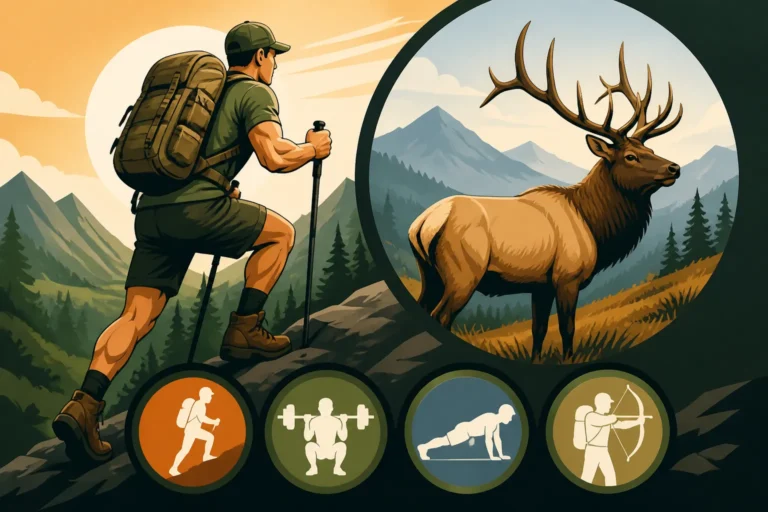
Even though a drop camp eliminates the burden of packing in your initial gear, How to Physically Prepare for Colorado Elk remains a critical component of success. You will be covering miles of steep, rugged, high-altitude terrain daily, often at elevations between 8,000 and 12,000 feet. A dedicated fitness regimen focusing on cardio, strength, and endurance is non-negotiable. Start training months in advance, incorporating exercises like weighted hikes, stair climbing, and general strength training. The fitter you are, the more enjoyable and effective your hunt will be.
Altitude acclimation is another major factor. If you're coming from a lower elevation, plan to arrive in Colorado a few days before your hunt begins. Spend this time at a moderate elevation (e.g., 6,000-8,000 feet) to allow your body to adjust to the thinner air. Stay well-hydrated and avoid excessive alcohol. The effects of altitude sickness can quickly derail a hunt and even become dangerous.
Beyond the physical, mental toughness is equally important. Backcountry elk hunting is tough. You'll face unpredictable weather, long days without seeing animals, physical fatigue, and moments of doubt. A positive, resilient mindset, the ability to push through discomfort, and a strong sense of camaraderie with your hunting partners are essential for overcoming these challenges. Be prepared for the unexpected, and maintain a flexible attitude.
Logistical Planning: Food, Water, and Game Retrieval
Detailed logistical planning for food, water, and game retrieval can make or break your drop camp hunt. For food, plan every meal. Dehydrated or freeze-dried meals are lightweight and convenient for dinner, but supplement with calorie-dense, easy-to-prepare breakfasts and lunches. Think about oatmeal, energy bars, jerky, and nuts for in-the-field nutrition. Always pack enough food for at least a few extra days in case of weather delays or an extended hunt.
Water sourcing and treatment will be a daily task. Your outfitter should be able to tell you about the most reliable water sources near your camp (e.g., springs, creeks). However, never rely solely on a single source or assume it will be safe to drink. Bring a high-quality water filter (brands like Katadyn or Sawyer are popular) and backup purification tablets. You'll need water for drinking, cooking, and cleaning, so plan for significant consumption.
Finally, game retrieval is perhaps the most physically demanding aspect of a drop camp hunt. Discuss your outfitter's exact protocols for packing out an animal. In most drop-camp scenarios, you are responsible for field dressing and quartering your elk and getting the meat back to your camp. Once at camp, the outfitter will pick it up on your scheduled departure date. This often means multiple trips under heavy load in rugged terrain. Understanding How to Pack Out an Elk in Colorado efficiently and safely is critical. Be sure to have the right gear for quartering, keeping meat clean, and packing it out, even if it’s just to get it back to your tent.
Equipping Your Drop Camp: The Essential Gear List
Having the right gear is non-negotiable for a safe and successful Colorado drop-camp hunt. While the outfitter provides the core camp, your personal gear and hunting essentials must be meticulously chosen and prepared. This will complement the Best Colorado Elk Hunting Gear guide perfectly.
Shelter, Sleep, and Warmth
While your outfitter provides the wall tent, you are responsible for ensuring your personal comfort and warmth within it. When you arrive, take some time to inspect the wall tent setup. Ensure the wood stove is properly installed with a clean chimney, and understand how to operate it safely for heating and cooking. Proper ventilation is key to avoid carbon monoxide buildup.
Your sleeping system should be top-notch. Colorado nights in the high country, especially in fall, can drop well below freezing. A sleeping bag rated for 0°F or even -20°F is not overkill, depending on the season and elevation. Pair this with an insulated sleeping pad (R-value of 4 or higher) to provide a critical barrier between you and the cold ground. A good night's sleep is vital for recovery and performance.
For camp clothing, prioritize layers made of wool or synthetic materials. You’ll want comfortable, warm, and dry clothes to change into after a long day of hunting, distinct from your active hunting layers. Having dry camp clothes prevents chilling and makes evenings much more enjoyable. Don't forget warm socks, a heavy hat, and insulated camp booties.
Cooking and Camp Life Essentials
Even with a wood stove in the wall tent, a dedicated camp stove and fuel (like a small propane stove) are invaluable for quick meals, boiling water for coffee, or cooking when you don't want to stoke the wood stove. Pack lightweight but durable cooking pots, utensils, plates, and mugs. Biodegradable soap, a small sponge, and a wash basin are essential for maintaining camp hygiene and adhering to Leave No Trace principles.
For lighting, reliable headlamps with plenty of spare batteries are a must for navigating camp in the dark and for early morning/late evening hunts. A propane or battery-powered lantern for inside the tent provides ambient light for cooking, reading maps, or card games.
Basic personal hygiene items, including a quick-drying towel, toothbrush, and biodegradable soap, will help keep you feeling human. Don't forget toilet paper, a small trowel for burying waste, and hand sanitizer. Properly disposing of human waste is critical in the backcountry.
Hunting and Navigation Tools
Your weapon and ammunition are central to your hunt. Whether it’s your rifle, bow, or muzzleloader, ensure it's sighted in perfectly and you're proficient with it. Bring ample ammunition or arrows, considering potential practice shots and unforeseen circumstances.
Quality optics are your eyes in the vast Colorado landscape. Invest in good binoculars (10×42 or 10×50 are standard), a spotting scope for long-range glassing of distant basins, and a reliable rangefinder. These tools are crucial for locating elk, assessing their size, and making ethical shot decisions.
For navigation, rely on a multi-pronged approach. A dedicated GPS unit (like a Garmin inReach or Alpha) loaded with detailed maps of your GMU is essential. Always carry a physical map (e.g., a USGS topo map or a map printed from GoHunt's mapping features) and a compass, and know how to use them, even if you primarily use a smartphone app like OnX Hunt. Cell service will be nonexistent. Learn How to E-Scout Before a Colorado Hunt to get a head start on understanding the terrain.
Safety and Emergency Preparedness
A comprehensive first-aid kit specifically tailored for backcountry use is paramount. It should include items for cuts, burns, blisters, sprains, pain relief, and any personal medications. Crucially, know how to use everything in your kit, and consider taking a wilderness first-aid course before your trip.
Communication in the backcountry is non-negotiable. A satellite messenger (like a Garmin inReach or Zoleo) allows you to send and receive text messages and, more importantly, trigger an SOS in an emergency. Establish a check-in schedule with someone back home so they know your status.
Finally, bear safety is important in much of Colorado's elk country. Carry bear spray, know how to use it, and practice proper food storage techniques. This means storing all food and scented items in bear-resistant containers or hanging them properly away from camp to avoid attracting curious critters.
| Feature | Fully Guided Hunt | Drop Camp Hunt | DIY Backpack Hunt |
|---|---|---|---|
| Cost (per person) | High ($7,000 – $15,000+) | Moderate to High ($2,000 – $7,000) | Variable (Gear investment, then low daily) |
| Outfitter Role | Guides, cooks, sets up/tears down camp, packs game, provides full logistics. | Transports hunter & gear, sets up camp, packs game out from camp. No guiding. | None. You are the outfitter. |
| Hunter Effort | Primarily focuses on hunting. Minimal camp chores. | High hunting effort, responsible for all camp chores, game processing to camp. | Maximum physical effort for everything (packing, hunting, camp, game). |
| Camp Setup | Lodge, cabin, or deluxe wall tent camp with amenities. | Wall tent, wood stove, cots. Basic, comfortable camp. | Lightweight backpacking tent, minimalist. |
| Food & Cooking | Provided meals, often gourmet. | You plan and cook all your meals. | You plan and cook all your meals. |
| Independence | Low. Hunt plan dictated by guide. | High. You make all hunting and camp decisions. | Very High. Total freedom and responsibility. |
| Access | Often private land, or deep public land through permits. | Deep public land via horse/mule access. | Limited by what you can carry. Often closer to trailheads. |
| Experience Level | Good for beginners or those seeking maximum comfort. | Requires solid hunting, navigation, and backcountry skills. | Requires advanced hunting, navigation, and survival skills. |
Maximizing Your Success in a Colorado Drop Camp
Once you've meticulously planned and prepared for your Colorado drop camp, the focus shifts to execution. How you manage your camp and approach your daily hunt will directly influence your success.
Setting Up for Success in Camp and Field
When you first arrive at your drop camp, take the time to properly organize your camp. A tidy camp is an efficient and safer camp. Designate specific areas for cooking, gear storage, sleeping, and a separate spot for any initial game processing (keeping it well away from your living and cooking areas to deter wildlife). Get your sleeping area set up, get the wood stove going if it's cold, and ensure your water source is accessible and your filtration system is ready to go. This initial organization prevents clutter, reduces stress, and allows you to focus on the hunt.
Establish a consistent daily routine. In elk hunting, early mornings are crucial. This means waking up well before dawn, having a quick, hearty breakfast, and being out of camp and heading to your hunting grounds by first light. Plan your hunting strategy for the day based on wind direction, thermals, and previous scouting. Have a clear plan for your return to camp, ensuring you have enough daylight to navigate safely. Consistency in your routine helps you cover more ground, remain mentally focused, and maximize your time in prime elk habitat.
Your hunting strategy should be dynamic and adaptable. While you've done your pre-scouting and e-scouting (perhaps even using GoHunt's detailed maps), conditions on the ground can change. Be prepared to adjust your approach based on fresh sign, elk vocalizations, weather shifts, or hunter pressure. Focus on key elk habitat features like north-facing slopes for bedding, south-facing slopes for feeding in warmer conditions, wallows, water holes, and timbered benches. Don't be afraid to put in the miles and explore beyond your immediate camp vicinity. A good drop camp positions you in elk country, but it's up to you to find the elk within it.
Field Care and Extraction Protocols
The moment you successfully punch your tag, a new phase of the drop-camp hunt begins: ethical harvest and field processing. Time is of the essence, especially in warmer conditions. Perform quick, efficient field dressing and quartering of your animal. Learning How to Quarter an Elk in the Field beforehand is crucial. Work cleanly, keeping dirt, hair, and debris off the meat. Remember, your outfitter will only pack out what you present to them in a clean, manageable fashion.
Meat preservation is vital to ensure your hard-earned elk meat doesn't spoil. Once quartered, place the meat in breathable game bags. Hang the game bags in a cool, shady spot with good air circulation, away from direct sunlight. If temperatures are marginal, you might need to consider wrapping portions in tarps at night to help them cool, or even burying them in snow if available. Some hunters bring small, lightweight thermometers to monitor meat temperature. Preventing spoilage is a top priority, so prioritize getting the meat cooled down quickly.
Finally, communicating for extraction needs to be clear and timely. If you've harvested an animal, and especially if your hunt is cut short, contact your outfitter as soon as possible using your satellite communication device. Inform them of your success and confirm the plan for meat retrieval and your departure. While outfitters are generally flexible, clear communication avoids misunderstandings and ensures a smooth pick-up of both you and your trophy. Remember, their primary responsibility is to get you and your gear (and hopefully your meat!) out safely on the agreed-upon date.
Disclaimer
The information provided in this guide is for general informational purposes only and does not constitute professional advice. Hunting regulations, seasons, and requirements in Colorado are subject to change. Always consult the official Colorado Parks and Wildlife (CPW) regulations and local authorities before planning any hunting trip. Hunting involves inherent risks, and personal safety is the responsibility of each individual.