Colorado Mule Deer Rut Explained
Trying to understand the intricate dance of the Colorado mule deer rut can feel like you're trying to solve a high-country riddle. It's not just about timing; it's about weather, habitat, and the subtle shifts in deer behavior that can make or break your hunt. This comprehensive guide will pull back the curtain on the mule deer rut in Colorado, helping you decipher its phases, understand the influences, and ultimately improve your hunting strategy.
Understanding the Mule Deer Rut: The Colorado Calendar
The mule deer rut is a highly anticipated time for hunters, marking the period when bucks are most active and often less cautious, driven by the intense urge to breed. But it's not a single, fixed date on the calendar; it's a dynamic period influenced by several factors that can shift annually and geographically across Colorado. Knowing the general timeframe is your first step to unlocking success.
The General Timeline for Colorado Mule Deer
In Colorado, the mule deer rut typically kicks into high gear from mid-November through early December, though you'll see activity before and after this peak. This window can sometimes extend into late October or even linger into mid-December, depending on the specific region and environmental conditions. Hunters often find the most consistent action and observable rutting behavior during the general rifle seasons that overlap this period, particularly the third and fourth rifle seasons. The cooler temperatures and shorter days of late fall naturally trigger the hormonal changes that initiate the breeding cycle.
Many hunters meticulously study season dates and historical rut data, often using resources like GoHunt's mapping and data tools to predict peak activity windows in specific Game Management Units (GMUs). This kind of pre-season research, coupled with an understanding of how to hunt Colorado Mule Deer in the Rut, can be incredibly beneficial. However, it's crucial to remember that these are general guidelines, and local conditions always play a significant role. Just because the calendar says it should be prime time doesn't mean a sudden warm spell or heavy snow won't alter deer movement and breeding intensity.
Why the Rut Happens When It Does
The timing of the mule deer rut isn't random; it's a finely tuned evolutionary mechanism designed to ensure fawns are born at an optimal time in the spring. Doe fawns, gestation period in mind, need to arrive when green-up provides abundant forage and the harshness of winter has subsided. Photoperiod, or the length of daylight hours, is the primary trigger. As the days shorten after the autumnal equinox, hormonal changes in both bucks and does begin to accelerate. Testicles in bucks descend, testosterone levels soar, and antlers reach their hardened state, ready for sparring.
For does, the decreasing light stimulates estrus cycles. While some does might come into heat earlier or later, the majority will synchronize, creating a concentrated breeding window. This synchronization is crucial because it ensures multiple bucks are competing for the same receptive does, driving intense rutting behavior. Understanding this biological imperative helps you anticipate their movements and focus your efforts. It's not just about chasing big antlers; it's about understanding the deep-seated biological drive that dictates their every move during this critical time of year.
Phases of the Rut: From Anticipation to Exhaustion
The mule deer rut isn't a single event but a series of distinct phases, each with its own characteristic behaviors from both bucks and does. Knowing these stages and what to expect during each can dramatically influence your hunting strategy. Trying to hunt the pre-rut like the peak rut, for example, is a recipe for frustration.
The Pre-Rut: Building Anticipation
The pre-rut, often starting in late October and extending into early November, is a period of increasing excitement and activity. Bucks, having shed their velvet, are now actively rubbing trees and sparring with smaller rivals, establishing a pecking order. You'll see more scrape lines and rubs appearing on trails and in bedding areas. During this phase, bucks are often still in their bachelor groups, but they're starting to disperse, venturing out of their summer range and beginning to scent-check doe groups. They're curious and a bit antsy, but not yet completely consumed by the breeding urge.
For hunters, this is an excellent time for scouting and targeting specific bucks that you've patterned. Bucks are still somewhat predictable as they haven't entirely abandoned their feeding and bedding routines. They're fueling up for the energy demands of the peak rut, so food sources can be prime locations. This phase is characterized by a mix of cautious movement and sudden bursts of activity, where you might catch a glimpse of a big buck testing the waters with a doe group. Remember, during this time, deer are actively transitioning. Learning how to E-Scout Before a Colorado Hunt can provide valuable insights into historical bedding and feeding patterns that bucks are now leaving or returning to.
The Peak Rut: Chaos and Opportunity
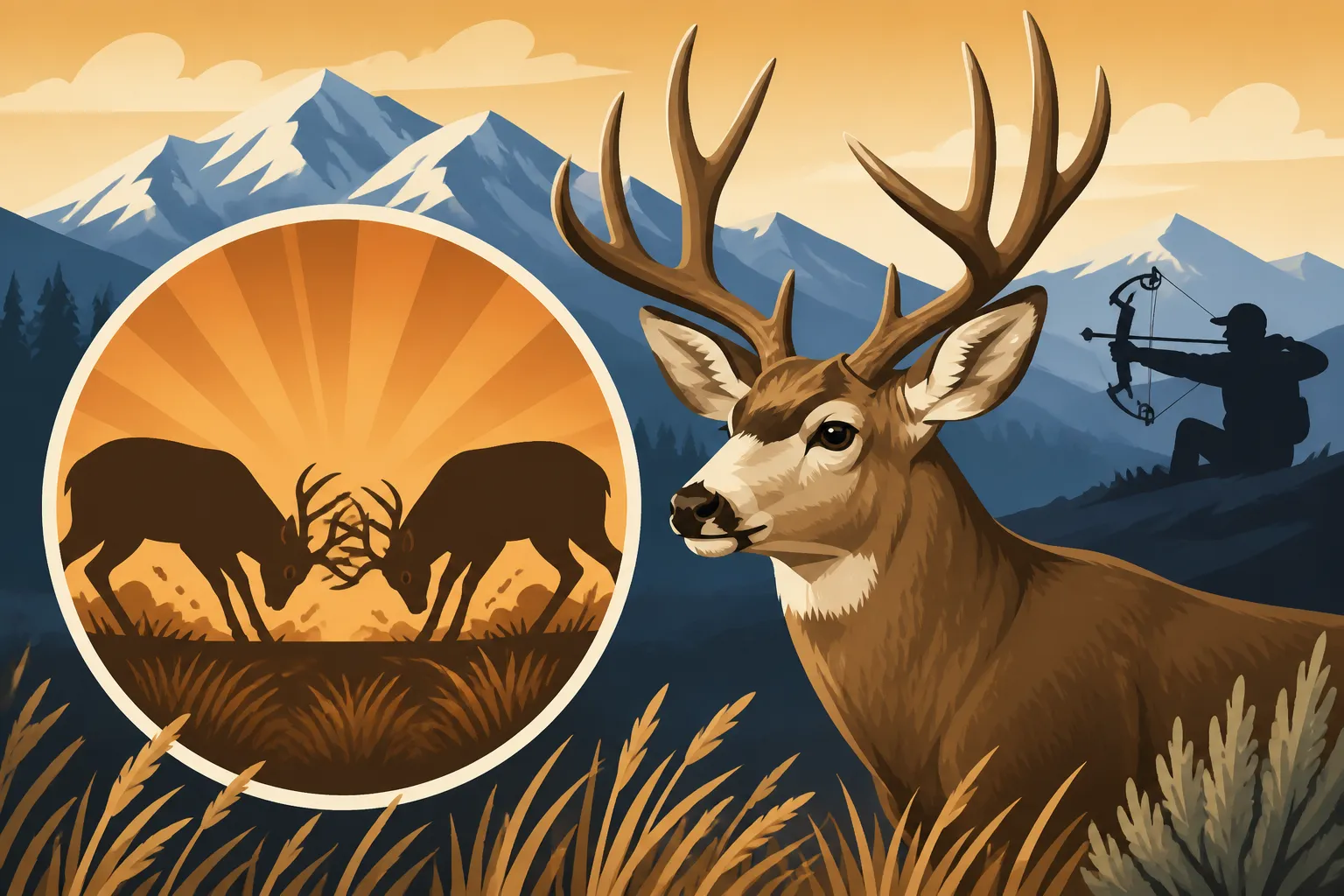
The peak rut, typically from mid-November to the first week of December, is when the action truly explodes. Does are coming into estrus in earnest, and bucks are throwing caution to the wind in their pursuit of breeding opportunities. This is when you'll see the most visible rutting activity: bucks chasing does, sparring matches escalating from playful pushes to intense, antler-clashing battles, and bucks constantly on the move, covering vast amounts of ground. Big, mature bucks that might have been nocturnal for most of the year suddenly become much more visible, sometimes even in daylight hours.
During this frantic period, bucks are often running on pure adrenaline and very little food or rest. They'll follow doe groups relentlessly, sometimes pushing them for miles. This means areas with high doe concentrations become honey pots for bucks. While the deer might be less cautious, they're still incredibly athletic and can cover ground quickly. Focus on areas where does congregate – good feed, secure bedding, and traditional travel corridors between the two. Don't be surprised to find a large buck bedded down right in the open, exhausted from chasing, only to be up and at it again in a matter of minutes if a hot doe passes by. This is the time when understanding Colorado Mule Deer Rut Explained can lead to those once-in-a-lifetime encounters.
The Post-Rut: Recovery and Regrouping
After the intensity of the peak rut, typically by the second week of December, the post-rut sets in. Bucks are exhausted, significantly lighter, and often injured from fighting. Their testosterone levels begin to drop, and the urgency to breed subsides as most does have been bred. While you might still see some late estrus does and bucks attending them, the widespread, frantic chasing behavior diminishes significantly. Bucks shift their focus from breeding to survival, seeking out good food sources to replenish lost energy and regain body condition before the harshness of winter truly sets in.
Hunting during the post-rut requires a shift in strategy. Bucks become more reclusive, less active, and are often found in areas with ample forage and secure bedding cover. They're still vulnerable due to their weakened state, but they are also more wary. They’ve burned significant calories, so they’ll prioritize feeding and recovering. Look for south-facing slopes that catch more sun, melt snow, and offer exposed forage. Food plots, if present, or natural browse in sunny, sheltered areas become critical. It’s also common to see bucks begin to regroup into small bachelor herds again, though often with a different composition than their pre-rut groups, as they seek mutual security and efficient feeding.
Key Factors Influencing Mule Deer Rut Activity
The mule deer rut isn't a simple on-off switch; its intensity and observable behaviors are heavily influenced by several environmental and biological factors. Ignoring these can lead to missed opportunities and a frustrating hunt. Understanding how weather, hunter pressure, and moon phases interact with the deer's natural rhythms is crucial for maximizing your chances.
The Role of Weather and Temperature
Weather plays a colossal role in dictating deer movement and rut intensity. A sudden cold snap or the arrival of the first significant snowfall can kick the rut into overdrive. Colder temperatures stimulate deer to move more, both to feed and to seek out mates, as their metabolism works harder. Snow cover, especially fresh snow, can make deer more visible against the white backdrop and often pushes them down from higher elevations to more sheltered areas where forage is still accessible. This downward movement can concentrate deer, making them easier to locate.
Conversely, unseasonably warm weather during the typical rut window can suppress daytime activity. Bucks might become more nocturnal, chasing does primarily under the cover of darkness to conserve energy and avoid overheating. A lack of snow also means deer are less concentrated and can move more freely across the landscape. Hunters need to pay close attention to the forecast and adapt their tactics. If it's warm, focus on early mornings, late evenings, and shaded north-facing slopes. If a blizzard rolls in, be ready to hunt hard immediately after, as deer often move intensely to feed and breed before and after severe weather.
Impact of Hunter Pressure
Colorado is a popular state for mule deer hunting, and public lands, especially those with easily accessible terrain, can experience significant hunter pressure. This pressure, particularly during the rifle seasons that coincide with the rut, can drastically alter deer behavior. Heavily pressured bucks quickly become wary, moving into thicker cover, going nocturnal, or retreating into more remote, difficult-to-access areas. They might still be rutting, but they'll do it under cover, making them incredibly challenging to find.
To counter this, consider seeking out areas with less pressure. This might mean hiking deeper into wilderness areas, exploring less accessible public lands, or targeting less popular GMUs. Using GoHunt's mapping features can help identify public land boundaries and potential pockets of solitude. If you're hunting a pressured area, adapt by hunting tighter to bedding cover, moving slower, and focusing on small, overlooked pockets of habitat where deer might seek refuge. Remember, even a small, thick drainage overlooked by other hunters can hold a wary buck during the peak rut. You might also want to look into How to Hunt Public Land Pressure for more in-depth strategies.
Moon Phase and Rut Activity Theories
There's a long-standing debate among hunters about the influence of the moon phase on rut activity. Some swear by the "dark of the moon" theory, suggesting that peak rut activity coincides with new moon phases when nights are darkest, making deer feel safer moving. Others believe a full moon increases nocturnal activity, leading to less daytime movement. The scientific consensus is a bit more nuanced, generally suggesting that while the moon can influence nocturnal movement, it's a minor factor compared to photoperiod, weather, and hunter pressure.
However, many experienced hunters still pay attention to it. A full moon, for instance, might mean deer are more active at night, potentially leading to less movement during the brightest parts of the day. In this scenario, adjusting your hunt to focus on the twilight hours or during midday when deer might be moving to bed down after a night of activity could be beneficial. Conversely, a new moon might encourage more consistent daytime movement. While not a primary driver, integrating moon phase into your planning as a secondary consideration can offer a slight edge or help you understand why deer might be less active during certain daytime periods.
Mule Deer Rutting Behavior Explained
During the rut, mule deer exhibit a range of distinct behaviors that signal their reproductive drive. Understanding these behaviors isn't just fascinating; it's a critical component of successful hunting. From the visual cues to the less obvious signs, every detail tells a story about what's happening in the woods.
Buck Behavior: Chasing, Dominance, and Exhaustion
Buck behavior during the rut is a spectacle of relentless pursuit and displays of dominance. As the rut progresses, their primary focus shifts entirely to finding receptive does. You’ll see them constantly scent-checking, using their keen sense of smell to detect does in estrus. This involves a lot of "lip curling" or flehmen response, where they lift their upper lip to better process pheromones. Bucks will follow does persistently, sometimes for hours or even days, until the doe is ready to breed. This chasing often leads them into areas they might normally avoid, like open fields or across roads, making them more vulnerable.
Dominance displays are also prevalent. Bucks will posture, parallel walk, and use their antlers for sparring matches. These fights can range from light pushing contests between younger bucks to violent, antler-clashing battles between mature rivals. The outcome of these fights determines breeding rights and can lead to significant injuries. Look for broken tines, fresh cuts, or limping bucks – signs that a tough battle has recently occurred. Ultimately, the rut is incredibly physically demanding for bucks, leading to significant weight loss and exhaustion. This drive, however, often overrides their usual caution, presenting unique opportunities for hunters who can locate these determined animals. This intense period is a prime example of Colorado Mule Deer Rut Explained and why it's such a challenging yet rewarding time to hunt.
Doe Behavior: Estrus, Fleeing, and Seeking Shelter
Does, while not as outwardly aggressive as bucks, have their own set of behaviors during the rut. A doe in estrus is the prize every buck is after, and she'll often be actively pursued by multiple suitors. Before she's fully receptive, a doe will often try to evade these persistent bucks, leading them on long chases. This fleeing behavior is important for hunters to observe, as it can inadvertently lead a large buck into your path. Pay attention to nervous doe groups; a solitary doe being constantly harassed is often a sign of a "hot" doe.
Once a doe is fully in estrus and ready to breed, she'll typically "stand" for the buck. This receptive phase is usually short-lived, lasting only about 24-48 hours. After breeding, or if she isn't bred, a doe will continue her regular feeding and bedding routines, often seeking quieter, more secure areas to recover from the stress of being chased. Her movements during the rut are primarily driven by survival and the need to find adequate forage, interspersed with the demands of breeding. Understanding her movements, especially where she feels safe to bed and feed, can lead you to the bucks that are diligently trailing her.
Signs of Rut Activity: Scrapes, Rubs, and Vocalizations
The woods are full of clues during the rut if you know what to look for. Rubs are created when bucks rub their antlers on trees and saplings, typically removing bark and leaving behind scent from their forehead glands. These are territorial markers and often indicate a buck's presence in an area. Fresh rubs are key, showing recent activity. Scrapes are patches of bare earth, typically under a low-hanging branch, where bucks paw the ground, urinate, and deposit scent from their interdigital glands. They'll also chew or rub the overhanging branch. These are essentially calling cards for does and other bucks, announcing a buck's presence and availability.
While mule deer aren't as vocal as elk, you might still hear some subtle vocalizations. Bucks can emit a guttural "grunt" or "growl" when pushing a doe or engaging in a fight. Does might let out a soft "bleat" when communicating with fawns or other deer, or a sharp "snort" if alarmed. The combination of fresh rubs, active scrapes, and vocalizations painted across a landscape tells a clear story of rutting activity. Learning how to identify these signs is crucial for knowing where to focus your hunting efforts. Many hunters refer to tools like GoHunt's historical harvest data and habitat analysis to pinpoint areas known for high rut activity and buck sign.
Locating and Hunting Mule Deer During the Rut
Hunting mule deer during the rut offers some of the most exciting and challenging opportunities in Colorado. Their behaviors become more predictable in some ways, yet their constant movement can make them elusive. Successful rut hunting requires a combination of strategic scouting, patience, and adapting your tactics to the deer's current activity.
E-Scouting and Pre-Season Preparation
Before you even step foot in the field, serious preparation is key. E-scouting, using online mapping tools, becomes invaluable. Look for areas with a mix of dark timber for bedding, open sagebrush or aspen groves for feeding, and natural travel corridors like saddles, ridges, and drainages that connect these zones. Identify south-facing slopes that will shed snow earlier and provide accessible forage, often attracting does. Also, pinpoint potential "escape cover" – thickets or steep terrain where deer might retreat under pressure. Resources like the Colorado Hunting Atlas, combined with private land layers on apps like GoHunt, can help you identify public land access points and potential private land boundaries to avoid.
During the pre-rut, if you can, spend time physically scouting. Look for fresh rubs, active scrapes, and deer tracks. Pay attention to where you see doe groups, as bucks will inevitably be nearby during the peak rut. Set up trail cameras on established trails or near water sources to monitor deer movement and identify specific bucks. This pre-season work helps you form a solid game plan and gives you a significant advantage when the rut kicks in.
Effective Rut Hunting Tactics
Hunting mule deer during the rut often boils down to two primary tactics: covering ground and glassing, or setting up in an ambush location.
Spot and Stalk
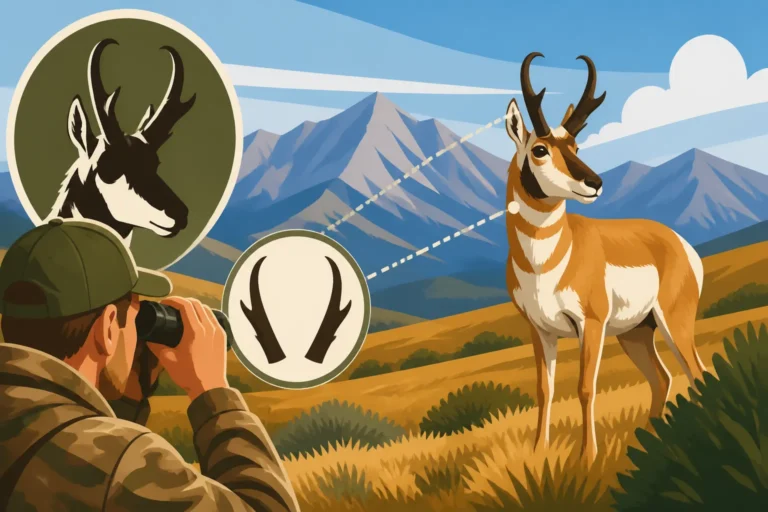
Spot and stalk is arguably the most classic and effective method for rutting mule deer in the wide-open spaces of Colorado. It involves finding a high vantage point, often called a "glassing knob," and patiently using high-quality optics (binoculars, spotting scope) to scan vast expanses of terrain. Look for movement, distinct antler shapes, or even just patches of brown against the landscape. Once you spot a buck, or a group of does being shadowed by a buck, plan your stalk meticulously. Use the terrain to your advantage, keeping the wind in your face or crosswind, and move slowly and quietly. The challenge here is the mule deer's incredible eyesight and hearing, so remaining unseen and unheard is paramount. Learning how to Glass for Colorado Mule Deer is a skill that will pay dividends.
Ambush Hunting
Ambush hunting involves identifying key travel corridors, feeding areas, or bedding locations and setting up to intercept deer. During the rut, these ambush points are often near active doe groups, water sources, or along ridge lines that bucks use to scent-check for receptive does. Find natural funnels, like narrow sections of a drainage, saddles between peaks, or pinch points where thick timber meets open areas. Get into your spot well before first light, stay put, and be patient. The beauty of ambush hunting during the rut is that bucks are often on the move throughout the day, so you might catch one cruising at midday. This method requires excellent scent control and remaining absolutely still. Consider setting up near a wallow or a water hole, as bucks will often stop for a drink amidst their relentless pursuit.
Timing Your Hunt During the Day
Mule deer in Colorado can be active at any time of day during the rut, but certain periods often yield better results. Early mornings and late evenings are almost always prime. At first light, bucks are often finishing up their nocturnal travels or actively pushing does. As the sun rises, they might bed down for a few hours, but if a hot doe passes by, they'll be up in an instant. The midday hours, contrary to popular belief for general deer hunting, can be surprisingly productive during the rut. Bucks are constantly on the move, covering ground looking for does, and may not settle down for long.
Therefore, an all-day sit on a good vantage point, or slowly still-hunting through prime rutting habitat, can pay off significantly. As dusk approaches, deer activity picks up again as they move towards feeding areas. Being in position for the last hour of light can be critical. Remember to adapt to the weather; warmer days might push activity more towards dawn and dusk, while cold, snowy days can keep deer moving throughout the day. This adaptability is key for a successful Colorado DIY Elk Hunting Guide, and applies equally to mule deer.
Common Misconceptions and Challenges
Even with all the planning and knowledge, the mule deer rut can throw curveballs. It's easy to fall prey to common misconceptions or underestimate the unique challenges this period presents. Being aware of these can help you manage expectations and refine your approach.
Overlooked Rutting Hot Spots
Many hunters focus solely on big, open basins or well-known public land honey holes, but some of the best rutting action can happen in overlooked areas. Don't discount smaller drainages, isolated pockets of public land surrounded by private property, or even dense, dark timber patches that other hunters avoid. Wary bucks, especially during peak pressure, will often push does into these thicker, more secure locations to breed. These aren't always the easiest to hunt, often requiring slow, deliberate still-hunting techniques.
Additionally, "transition zones" – areas where different habitats meet, like the edge of a forest and an open meadow, or where a steep slope levels out into a bench – are often overlooked. Bucks use these edges and benches as travel corridors to scent-check for does without exposing themselves too much. The trick is to identify these less obvious hot spots by combining e-scouting with boots-on-the-ground investigation, looking for fresh sign in unexpected places. Using advanced mapping applications like GoHunt to scout for these micro-habitats and transition zones can make a huge difference.
Dealing with Hunter Pressure
Hunter pressure is an undeniable reality in many popular Colorado hunting units, especially during the rifle rut. While some hunters lament the crowds, successful hunters learn to adapt. As mentioned, seeking out more remote areas is one strategy. Another is to understand how pressure moves deer. If hunters are constantly walking ridgelines, deer will often drop into drainages or seek cover on opposite slopes. If main roads are busy, deer will move deeper into roadless areas.
Consider hunting during the week rather than on weekends if possible, as pressure tends to be lower. Also, hunt later in the season. Many hunters give up after a few days, so the last few days of a rifle season can sometimes be less pressured and more productive, especially if weather conditions are favorable. Finally, always respect other hunters. Maintain a safe distance, be courteous, and understand that everyone is out there for the same reason.
The Myth of the "Magic Day"
A common misconception is the idea of a single "magic day" during the rut when all the big bucks are out and vulnerable. While there are certainly peak periods of activity, the rut unfolds over weeks, not days. Waiting for one perfect day or expecting every day to be full of frenetic action often leads to disappointment. Weather shifts, deer behavior, and hunter pressure are all constantly changing variables.
Instead of chasing a magic day, focus on consistent effort. Hunt every day you can, from dawn until dusk. Adapt your tactics hourly if necessary. If the wind shifts, move to maintain an advantage. If you're not seeing deer in one area, be willing to pack up and move to another, using the information you've gathered (fresh sign, doe concentrations) to guide your decision. The true magic of the rut lies in the cumulative effort and flexibility, not in a single, fabled day. This persistent approach is critical, whether you're hunting during the Colorado 1st Rifle Season or the 4th Rifle Season.
Wrapping Up Your Colorado Mule Deer Rut Strategy
Hunting the Colorado mule deer rut is an incredible experience, offering the chance to witness some of the most dynamic wildlife behavior of the year. It's a period of intense activity, but also one that demands patience, adaptability, and a deep understanding of mule deer biology and their environment. By breaking down the rut into its distinct phases, understanding the external influences, and recognizing the specific behaviors of bucks and does, you can refine your strategies and significantly increase your odds of success.
Remember, the rut is a marathon, not a sprint. Be prepared for long days, changing conditions, and the thrill of the chase. Combine your understanding of the rut with solid hunting fundamentals – stealth, scent control, and ethical shot placement – and you'll be well on your way to a memorable Colorado mule deer hunt.
| Rut Phase | Typical Dates (Approx.) | Buck Behavior | Doe Behavior | Hunter Focus |
|---|---|---|---|---|
| Pre-Rut | Late Oct – Mid Nov | Sparring, rubs/scrapes, bachelor groups dispersing, scent-checking | Grouped up, feeding heavily, some early estrus | Scouting, patterning, targeting food sources, transition zones |
| Peak Rut | Mid Nov – Early Dec | Relentless chasing, fighting, highly visible, less cautious | Actively pursued, in estrus, seeking bedding/forage | Targeting doe concentrations, travel corridors, all-day hunting, glassing |
| Post-Rut | Early Dec – Mid Dec | Exhausted, recovering, seeking food, reclusive, less active | Recovering, feeding heavily | Targeting secluded feed, south-facing slopes, thick cover, slower still-hunting |
Disclaimer
Disclaimer: Hunting regulations and season dates in Colorado can change. Always consult the most current Colorado Parks and Wildlife (CPW) regulations and proclamations before planning any hunt. This guide is for informational purposes only and does not supersede official state regulations.