Where Colorado Pronghorn Live
If you've ever dreamt of pursuing pronghorn across the sprawling landscapes of Colorado, you know the excitement that comes with the thought of chasing these speed demons of the prairie. But then reality sets in: where do you even start looking for them in a state known for its mountains? It can feel overwhelming, like finding a needle in a haystack if you're not familiar with their specific haunts. This guide is here to cut through that confusion, giving you a clear picture of where Colorado's pronghorn truly thrive and how to pinpoint their living spaces.
Understanding Colorado's Pronghorn Habitat Preferences
Pronghorn are truly unique North American animals, often mistakenly called "antelope" due to their resemblance to African species, but they're in a league of their own. Unlike elk or mule deer that cling to the rugged mountainsides and deep timber, pronghorn are built for speed and survival in open, expansive country. Their habitat preferences are quite specific, driven by their incredible eyesight and need for wide-open spaces to escape predators.
The Vastness of the Eastern Plains
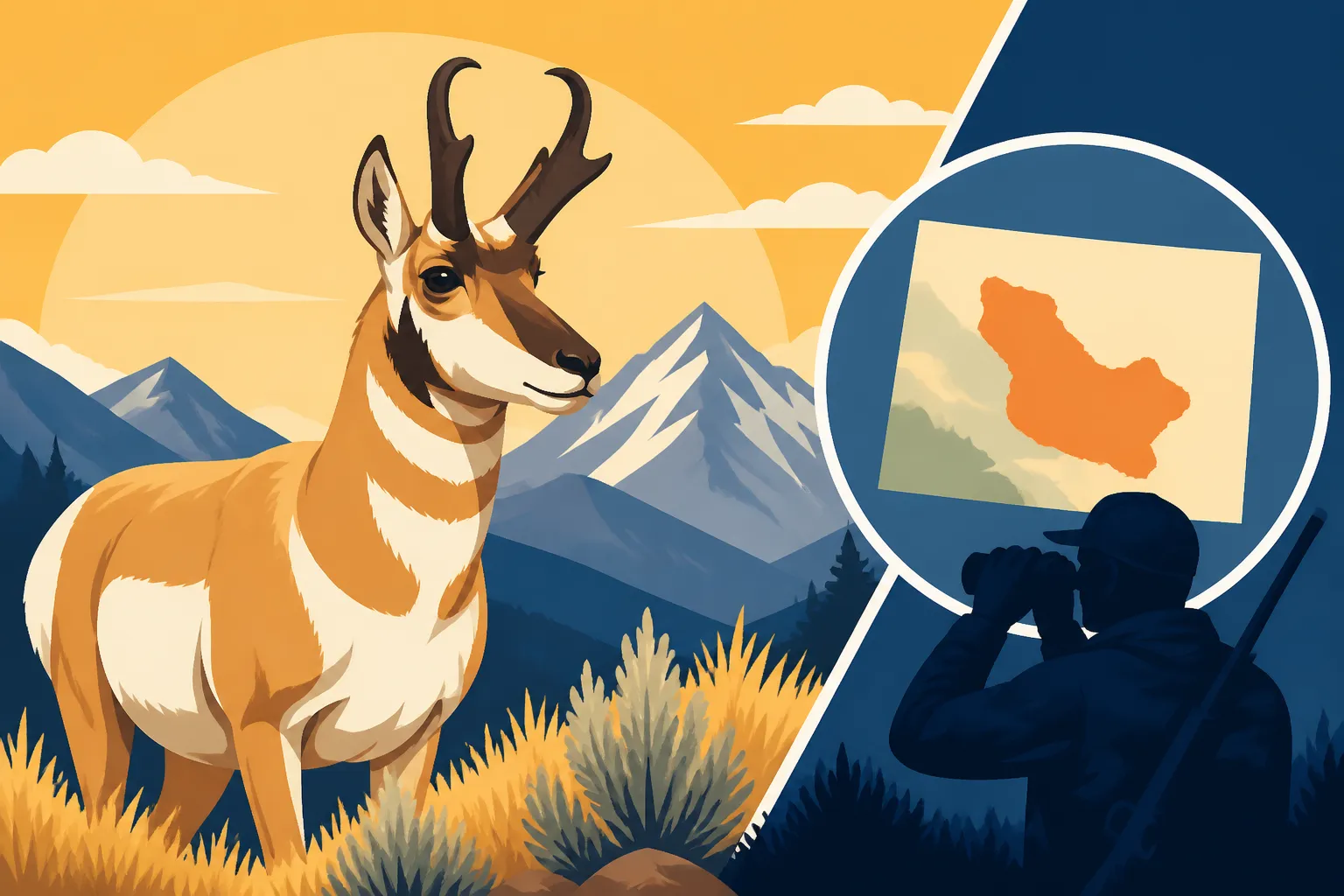
When you think of Colorado, majestic fourteeners and dense forests often come to mind. But head east from Denver, and the landscape dramatically transforms into an ocean of grass and rolling hills – the quintessential pronghorn territory. These incredible animals are synonymous with the open prairie, preferring areas where they can see for miles in every direction. This keen eyesight is their primary defense mechanism, allowing them to spot threats long before they become a danger, then simply outrun them.
You'll find them most abundantly across the shortgrass prairie ecosystems that dominate eastern Colorado. This includes vast expanses of low-growing grasses, interspersed with sagebrush flats and other drought-resistant vegetation. They thrive in areas that might look desolate to the untrained eye, but which provide exactly what they need: an abundance of forbs, grasses, and sagebrush to browse, coupled with unobstructed views. The subtle undulations of the terrain, like shallow coulees and low ridges, offer just enough cover for bedding down or seeking refuge from the elements, but never truly impede their sightlines.
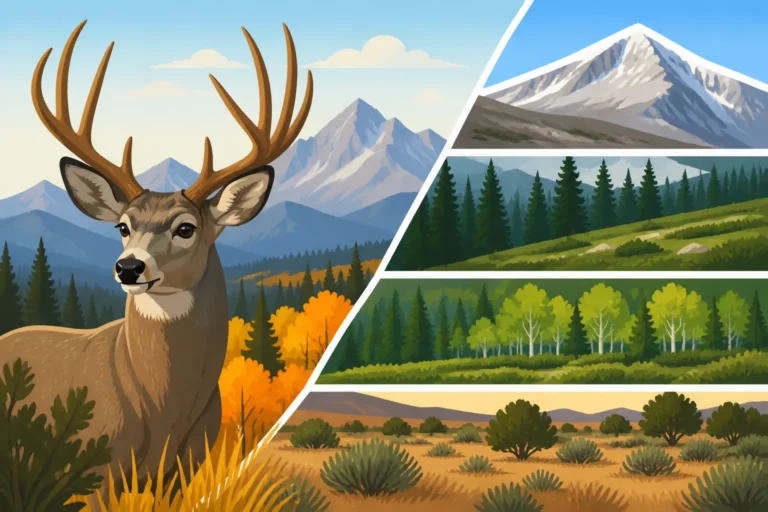
It’s a stark contrast to the thick timber and steep draws preferred by deer and elk. If you’re scouting for elk, you might be looking for north-facing slopes and deep cover. For pronghorn, you’re thinking about wide vistas and subtle changes in elevation that allow them to be both hidden and vigilant. This makes scouting a completely different game, one focused on scanning vast landscapes rather than dissecting dense cover.
Water Sources and Forage
While pronghorn are remarkably adapted to arid environments, capable of surviving for long periods without direct water intake by extracting moisture from their food, reliable water sources are still major attractants. When they do drink, they often prefer quiet, easily accessible water holes, tanks, or reservoirs. These spots become congregation points, especially during the hotter months or if natural forage is particularly dry.
Their diet is quite varied, consisting primarily of forbs (broad-leaf plants), grasses, and various shrubs like sagebrush. They’re not picky eaters and will adapt to what’s available, even nibbling on cacti in a pinch. This adaptability allows them to thrive in areas where other large ungulates might struggle. During certain times of the year, agricultural fields, particularly those planted with alfalfa or wheat, can become irresistible food plots. A herd of pronghorn grazing peacefully in a green alfalfa field against a backdrop of golden prairie is a classic Eastern Plains sight.
Understanding the relationship between their diet and water is crucial for locating them. If there's an abundance of lush, succulent forbs after a good rain, they might be more dispersed and less tied to a specific water source. However, during a dry spell, a single stock tank or small pond can hold several herds within its vicinity. Using tools like GoHunt's mapping features or other public land mapping systems can help you identify these critical water points and potential feeding areas across large tracts of land, even before you set foot on the ground.
Key Regions and GMUs for Colorado Pronghorn
Colorado is a big state, and while pronghorn are primarily found on the eastern plains, they do inhabit certain areas of the western slope and even parts of the intermountain basins. Knowing which regions and Game Management Units (GMUs) are their strongholds is essential for any hunter.
Eastern Colorado's Prime Pronghorn Territory
The undisputed heartland for Colorado pronghorn is the vast expanse of the Eastern Plains. This region, stretching from the foothills of the Front Range all the way to the Kansas and Nebraska borders, offers the ideal mix of shortgrass prairie, agricultural lands, and open vistas that pronghorn crave. You'll find strong, healthy populations throughout counties like Logan, Weld, Yuma, Kit Carson, Lincoln, Elbert, Cheyenne, Kiowa, Crowley, Otero, and Baca.
Areas like the Pawnee National Grassland in northeastern Colorado and the Comanche National Grassland in the southeast are well-known public land hotspots. These federal lands, managed by the U.S. Forest Service, offer significant public access for hunting. However, much of the Eastern Plains is private land, so understanding the various access programs is critical. The Colorado Walk-In Access Program is a fantastic resource, opening up private lands for public hunting without needing specific landowner permission, often specifically targeting species like pronghorn.
When you're looking at these regions, don't just focus on the massive public land blocks. Pronghorn are opportunistic and will often move between public and private ground, especially if agricultural fields on private land are providing a better food source. Their nomadic tendencies mean they can be here today and a few miles away tomorrow. This is why thorough How to E-Scout Before a Colorado Hunt and then verifying on-the-ground presence is so important for Colorado Pronghorn Hunting for Beginners.
Specific GMU Highlights and Considerations
Choosing the right GMU is paramount for a successful pronghorn hunt. Many eastern Colorado GMUs offer decent to excellent pronghorn populations, but draw odds can vary dramatically. Some units might be Over-The-Counter (OTC) for archery in certain years, while others require several preference points for rifle tags.
Here's a simplified look at some general characteristics you might find across different Eastern Plains GMUs:
| GMU Type (Example) | Primary Region | Public Land Access | Key Characteristics for Pronghorn |
|---|---|---|---|
| Northeast Plains (e.g., GMU 95) | Northeast Colorado | High (WIA, SWA, BLM) | Characterized by vast shortgrass prairie, strong, healthy pronghorn populations. Often good for OTC archery or drawn rifle tags. |
| Southeast Plains (e.g., GMU 110) | Southeast Colorado | Moderate (WIA, SWA, some BLM) | Mix of agriculture and grassland, often hotter and drier, making waterhole hunting a viable strategy. |
| Central-East Plains (e.g., GMU 111) | Central-East Colorado | Moderate (WIA, SWA) | Good populations, often found near cultivated fields and pivot irrigation. Can have significant private land. |
| Limited Access (e.g., some GMUs near Front Range) | Near populated areas | Low (mostly private) | While pronghorn are present, access can be challenging without landowner permission or participation in specific draw programs. |
When you're trying to figure out How Many Preference Points for Colorado Pronghorn, tools like GoHunt Insiders can be invaluable. They provide detailed draw odds, success rates, and public land percentages for specific GMUs, helping you make an informed decision on where to apply. The Colorado Draw System and Preference Points can be complex, so understanding which Colorado Hunting Units GMUs Explained hold good pronghorn numbers and have reasonable draw odds is key to putting a tag in your pocket. For those looking at Colorado Plains Rifle Season Explained, research into specific units is a must.
Beyond the Plains: Foothill and Western Slope Occurrences
While the vast majority of Colorado's pronghorn population resides on the Eastern Plains, you might be surprised to learn they can be found in other, less traditional areas. These populations are typically smaller, more localized, and often exist in transitional zones between high plains and mountainous terrain, or in broad, high-desert basins.
Areas near Grand Junction, Craig, and within the expansive San Luis Valley in south-central Colorado hold pockets of pronghorn. In these regions, their habitat might include sagebrush-dominated flats, juniper breaks, and arid grasslands that mimic parts of the Eastern Plains, but at higher elevations or within more enclosed basins. For instance, in the northwest near Craig, you might spot them grazing alongside mule deer in expansive sagebrush country. The San Luis Valley offers a high-desert environment where they thrive amongst the agriculture and open rangeland.
Hunting these non-plains populations often presents a different set of challenges. Access might be more constrained by private land or specific geographical features. The populations are usually not as dense, making spotting them a bit more challenging, especially since they can blend surprisingly well into the sagebrush. However, for a hunter looking for a unique experience or hunting multiple species in an area, these pockets can offer a rewarding challenge. It really underscores how adaptable Colorado Pronghorn Behavior and Biology truly are.
Factors Influencing Pronghorn Distribution and Movement
Pronghorn aren't static creatures; their locations can shift based on a variety of environmental and anthropogenic factors. Understanding these influences can greatly improve your chances of finding them when you're out in the field.
Seasonal Movements and Habitat Use
Pronghorn, like many other big game species, exhibit seasonal patterns in their habitat use. These movements are primarily dictated by forage availability, weather conditions, and breeding cycles. In spring and summer, when green-up is abundant and temperatures are warm, pronghorn tend to be more dispersed across the landscape. They'll graze on a wider variety of forbs and grasses, often staying closer to available water sources. This is a time when individual herds might be smaller, and bucks might be found alone or in bachelor groups.
As fall approaches and winter sets in, their movements can become more concentrated. With colder temperatures and diminishing green forage, pronghorn will often gather in larger herds, seeking out areas with residual forage, winter wheat fields, or south-facing slopes that melt off snow quickly, exposing food. Heavy snow can be a significant deterrent, pushing them to lower elevations or areas where the wind keeps the ground bare. While they can tolerate cold, deep snow hampers their ability to move and find food, forcing them into specific migration corridors or wintering grounds. Knowing these patterns helps you anticipate where they might be at different times of the year.
Human Impact and Pressure
Human activity plays a substantial role in where pronghorn choose to live and how they move. Agricultural practices, in particular, can be a magnet. As mentioned, alfalfa and wheat fields offer highly nutritious forage, often drawing pronghorn from miles around. However, land development, urban sprawl, and even energy infrastructure can fragment their habitat and disrupt historical movement patterns.
Fencing is another major factor. Unlike deer and elk that can jump fences, pronghorn typically crawl under them. This means that poorly constructed or maintained fences, especially those with barbed wire strung low to the ground, can create significant barriers to their movement, effectively "fencing off" prime habitat or critical escape routes. Hunters also contribute to pressure. On heavily hunted public lands, pronghorn can become incredibly wary and move to adjacent private lands or more remote corners of public tracts to escape human disturbance. This is a common challenge, similar to How to Hunt Elk on Public Land Pressure, where animals learn to avoid high-traffic areas. When planning your hunt, consider hunting during the week or focusing on less accessible areas to find less pressured animals.
E-Scouting and On-the-Ground Reconnaissance
In today's hunting world, digital tools are indispensable for locating game, and pronghorn are no exception. Platforms like onX Hunt and GoHunt's mapping systems allow you to meticulously "e-scout" vast expanses of the Eastern Plains from your computer. You can identify public land boundaries, locate water sources, pinpoint subtle terrain features like coulees or draws that might offer temporary cover, and even scout for potential agricultural fields that pronghorn might be frequenting. Looking for historical burn areas or recently grazed pastures can also reveal attractive feeding grounds.
Once you've done your digital homework, there's no substitute for on-the-ground scouting. Drive the county roads, use your optics, and simply observe. Pronghorns' incredible eyesight means they'll spot you long before you spot them if you're not careful. A good pair of binoculars, like 10x42s, or even a spotting scope (20-60x range) are absolutely essential for glassing vast distances. Look for subtle movements, light reflections off their white patches, or groups of animals against the horizon. When you're How to Use Optics for Colorado Mule Deer, apply similar principles to pronghorn. Their unique Colorado Pronghorn Speed and Senses mean you need to be strategic in your approach. Look for actual animals, not just sign, as their tracks and scat aren't as easily identifiable or concentrated as those of deer or elk. What you're looking for is them – small, tan specks in the distance, often moving in groups, or individual bucks standing sentinel atop a small rise.
Disclaimer
Please remember that hunting regulations, season dates, and unit boundaries can change. Always consult the most current Colorado Parks and Wildlife (CPW) regulations and maps before planning any hunting trip. This guide is for informational purposes and should not be considered legal hunting advice.