Best Time to Hunt Elk in Colorado
Choosing the "best" time to hunt elk in Colorado is a question that weighs heavily on every hunter's mind, often feeling like an impossible puzzle with no single right answer. The truth is, what's "best" depends entirely on your personal goals, hunting style, and willingness to adapt to the unpredictable nature of the mountains. This guide will help you unpack the unique advantages and challenges of each major season, so you can confidently pick the perfect window to pursue Colorado's majestic elk.
Understanding Colorado's Key Elk Hunting Seasons
Colorado's elk hunting seasons are structured to offer a diverse range of experiences, from the quiet intensity of archery season to the colder, often snowier conditions of late rifle hunts. Each period presents distinct advantages and hurdles, largely dictated by elk behavior, weather patterns, and the sheer volume of other hunters you'll encounter in the backcountry.
Archery Season: The Thrill of the Rut and Early Challenges
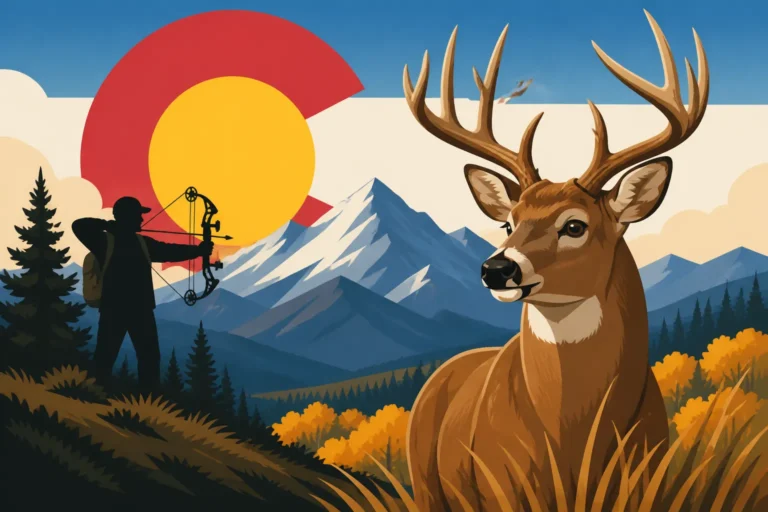
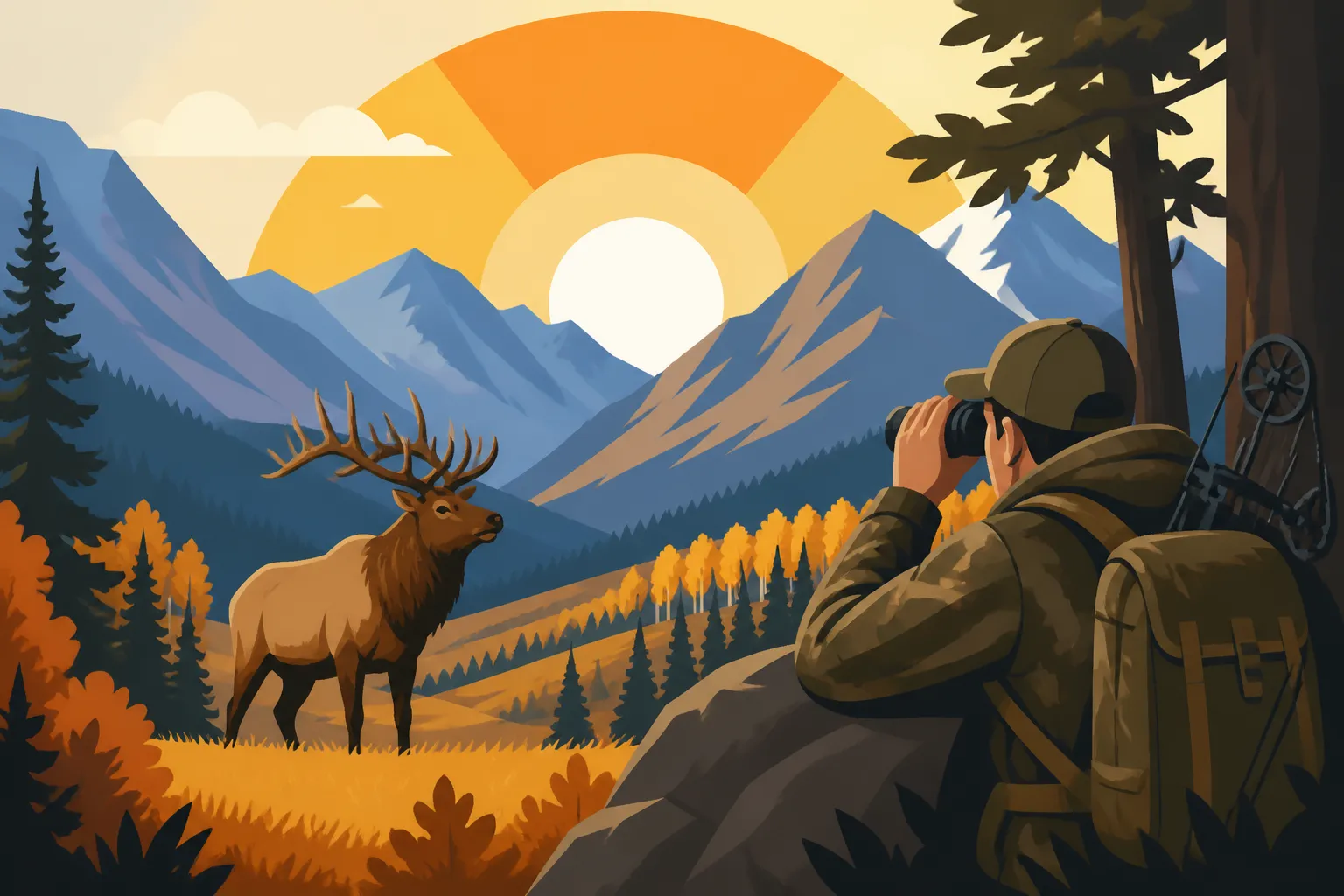
Colorado's archery season for elk typically runs from late August through late September. This period often overlaps with the peak of the elk rut, making it an incredibly exciting time to be in the mountains. Imagine hearing a bull bugle at first light, its challenge echoing through the crisp morning air – that's the magic of archery season during the rut.
However, it's not without its challenges. Early in the season, before the rut kicks in, elk are often still in their summer patterns, focusing on feeding and bedding, making them less responsive to calling. The weather can also be quite warm, especially in lower elevations, which means extra care is needed for meat preservation. As the rut progresses, bulls become more vocal and active, making them easier to locate and potentially call in close. This is when strategic calling, as outlined in our How to Call Elk in Colorado guide, becomes paramount. You'll find bulls actively looking for cows, challenging rivals, and generally moving more during daylight hours. However, this also means hunter pressure can be significant, particularly in accessible areas. Being prepared for the physical demands of Colorado Archery Elk Hunting Guide is also critical, as you'll often be covering rugged terrain quietly to get within bow range.
Muzzleloader Season: A Short, Intense Window
Muzzleloader season is a short, often highly coveted period that typically falls in mid-September, nestled right in the thick of the rut. This means muzzleloader hunters get to experience the same incredible vocalizations and increased elk activity as archery hunters, but with a different set of tools and ethical considerations.
The key advantage here is the timing – you're often hunting during the most active phase of the rut. This can translate to more responsive bulls and intense encounters. The primary challenge, of course, is the limited range and single-shot nature of muzzleloaders, demanding superior stalking skills and shot placement. Hunter pressure can be moderate to high, as many hunters vie for a tag during this prime time. Weather during muzzleloader season can be a mixed bag; you might get warm, sunny days or early snowstorms, adding to the adventure. It's a truly unique experience for those who appreciate the historical aspect and the additional challenge of a front-stuffer, requiring specific knowledge covered in our Colorado Muzzleloader Hunting Guide.
Rifle Seasons: From Rutting Bulls to Winter Migrations
Colorado offers four distinct rifle seasons for elk, each with its own character and opportunities. These seasons generally span from mid-October through mid-November, pushing further into colder weather and often catching elk in different behavioral patterns. Our comprehensive Colorado Rifle Elk Hunting Guide delves into the specifics, but here's a quick overview:
- First Rifle Season (Mid-October): This season often comes right on the heels of the peak rut, or sometimes even catches the tail end of it, especially at higher elevations. Elk can still be somewhat vocal, but they're typically more scattered and less predictable than during archery or muzzleloader seasons. Hunter pressure is generally moderate.
- Second Rifle Season (Late October): This is one of the most popular rifle seasons. The rut is largely over, and bulls are starting to recuperate. Elk are often focusing on feeding heavily to prepare for winter. Hunter pressure can be quite high, especially in accessible OTC units. Weather is often a significant factor, with cold temperatures and the first real snows of the year becoming common, which can trigger elk migration to lower elevations. Understanding How to Hunt Elk in First Rifle Season is a great starting point, but the dynamics shift quickly into second season.
- Third Rifle Season (Early November): Similar to second rifle, elk are generally in their post-rut feeding patterns. Snow is almost a given at higher elevations, and colder temperatures mean elk are often concentrated in prime feeding areas or beginning their migration to winter range. Hunter pressure can still be high, but perhaps slightly less intense than second season.
- Fourth Rifle Season (Mid-November): This is often a migration hunt. Heavy snow and persistent cold typically push elk down from high country into lower, often private, wintering grounds or migration corridors. Success during this season often hinges on tracking storm fronts, understanding migration routes, and accessing transition zones. Hunter pressure can be variable, depending heavily on weather and location. This season rewards hunters who understand How to Hunt Colorado 4th Rifle Season and are prepared for challenging, cold-weather conditions.
The Elk Rut: Peak Action and Calling Opportunities
The elk rut is, without a doubt, the most romanticized period for elk hunting, and for good reason. It’s when the mountains truly come alive with the sounds of bugling bulls and the sight of herd animals on the move. While the exact timing can vary year to year and by elevation, understanding the general dynamics of the rut is crucial for maximizing your chances.
Peak Rut Dynamics: When Bulls Get Vocal
The peak rut in Colorado typically occurs from the first week of September through the last week of September, often bleeding into early October, particularly at higher elevations. During this intense period, bull elk are singularly focused on breeding. They become incredibly vocal, challenging rival bulls with their iconic bugles, raking trees, and herding cows. This heightened activity makes them more susceptible to calling tactics, creating incredible opportunities for hunters to interact directly with these magnificent animals.
This is the time when an archery hunter might experience a bull coming to a cow call or a herd bull bugling back and forth across a canyon, as detailed in How to Bugle-Locate a Colorado Bull. For those with a muzzleloader tag, this timing is equally critical, as it places them right in the heart of the action. You'll often find bulls running herds of cows, pushing them around, and being generally less cautious than at other times of the year. However, this also means they can be distracted and difficult to get a shot at, especially if they are tending a large herd of cows. Observing herd dynamics and being patient, rather than overly aggressive, can pay dividends. Using digital mapping tools like GoHunt during this time can help you identify historical rutting grounds or areas with good cover and water that might hold elk during these active periods.
Pre-Rut and Post-Rut Considerations
While the peak rut is undoubtedly exciting, the periods immediately before and after can also be incredibly productive, often with the added bonus of less hunter pressure.
- Pre-Rut (Late August – Early September): Just before the full-blown rut, bulls are breaking up from their bachelor groups and starting to stage up, moving towards cow herds. They might not be bugling aggressively yet, but they're often easier to pattern as they're still focused on feeding in anticipation of the energy demands of the rut. This can be a great time for spot-and-stalk hunting, as covered in Colorado Elk Hunting: Spot-and-Stalk Tactics, especially if you're targeting specific bulls before they get completely scattered by other hunters or become solely focused on cows. The weather is usually mild, making for pleasant hunting, but remember that elk are creatures of habit, and their summer feeding patterns will still be fresh.
- Post-Rut (Early October – Late October): After the intense breeding period, bulls are exhausted. They've lost significant body weight and are looking to feed heavily and recover. They're often less vocal, seeking out secluded areas to rest and put on fat for the winter. This can be a tricky time, as elk behavior becomes more secretive. However, the advantage is that hunter pressure often drops off after the prime rutting seasons. Finding these post-rut bulls requires patience, excellent glassing skills, and a deep understanding of How to Hunt Bulls After the Rut Ends, focusing on food sources and heavy cover. Look for north-facing slopes with good forage or pockets of thick timber where they can feel secure and feed undisturbed.
Navigating Pressure, Weather, and Migration for Success
Beyond the rut, several critical factors profoundly influence elk behavior and, consequently, your hunting success in Colorado. Hunter pressure, changing weather patterns, and the annual migrations are forces that can either push elk into your lap or send them miles away.
Hunter Pressure: Adapting to the Crowds
Let's be realistic: Colorado has a lot of elk, but it also has a lot of hunters, especially on public land. Hunter pressure is arguably the single biggest factor influencing elk behavior outside of the rut. When elk feel pressured, they become incredibly wary, often moving into thicker timber, going nocturnal, or retreating to steep, rugged terrain where few hunters dare to venture.
This is particularly true during the popular second and third rifle seasons, especially in Over-the-Counter (OTC) units. If you plan to hunt during these times, you must adapt your strategy. This often means being willing to hike farther than others, targeting areas with limited access, or hunting during the middle of the day when many hunters are back at camp. Understanding How to Hunt Elk on Public Land Pressure is vital for success. Elk learn quickly where hunters frequent and will actively avoid those areas. Tools like GoHunt can provide draw odds and unit statistics that might give you an idea of potential pressure, but there's no substitute for boots on the ground or looking for roadless areas on a topo map. Consider focusing on basins or dark timber pockets that are a mile or more from roads or trails, as these often serve as refuge areas.
Weather and Migration Patterns: Nature's Influence
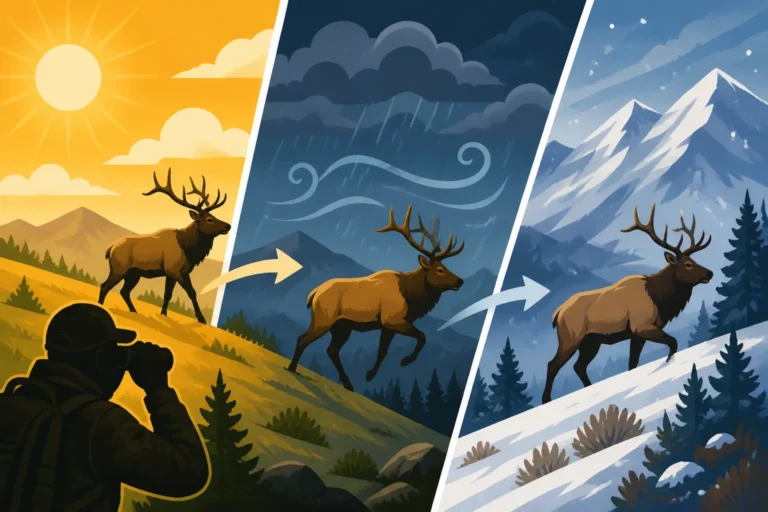
Weather is a game-changer, especially as the seasons progress into late fall. A significant cold front or early snowstorm can radically alter elk distribution and behavior, often to a hunter's advantage.
- Early Season Weather: During archery and muzzleloader seasons, warmer temperatures can make elk lazy, often bedding down earlier and moving later in the day. Active elk might be found near water sources or in shady, high-elevation timber. A sudden drop in temperature, even without snow, can trigger increased feeding activity.
- Late Season Weather and Migration: This is where weather truly dictates the hunt. Heavy snow and persistent cold temperatures at higher elevations will inevitably push elk down to their lower wintering grounds. This annual migration creates predictable travel corridors and choke points that can be incredibly productive for hunters willing to brave the elements. Learning How to Hunt Elk in the Snow or how to predict How to Hunt Colorado Late-Season Migration can turn a quiet hunt into an unforgettable experience. Focusing on south-facing slopes, which hold less snow and offer better forage, becomes key. Also, understanding Colorado Elk Habitat and Elevation is crucial, as elk will move between elevation bands based on snow depth and food availability. This is where scouting, even via e-scouting with platforms like GoHunt, becomes incredibly valuable to pinpoint these migration routes and winter ranges.
Making Your Season Choice: A Personal Decision
Ultimately, the "best" time to hunt elk in Colorado is deeply personal. Are you a bowhunter who thrives on bugling bulls and close-range encounters, willing to brave potentially warm weather and intense competition? Then early archery season during the rut might be your ideal. Perhaps you prefer the challenge and history of a muzzleloader, aiming for that mid-September sweet spot.
If rifle hunting is more your style, consider the trade-offs. Early rifle seasons can still offer some rutting activity but come with more pressure. Late rifle seasons mean colder weather and tough conditions, but they can also offer incredible opportunities as elk migrate, often leading to bigger herds congregating in accessible areas.
Here's a quick comparison to help you weigh your options:
| Season Type | Typical Timing | Key Advantages | Key Challenges | Elk Behavior Focus | Hunter Pressure |
|---|---|---|---|---|---|
| Archery | Late Aug – Late Sep | Peak rut, vocal bulls, close encounters | Warm weather, physical demand, high pressure | Rutting, vocal, responsive | High |
| Muzzleloader | Mid-Sep | Peak rut, vocal bulls, unique challenge | Limited range, single shot, moderate pressure | Rutting, vocal, responsive | Moderate |
| 1st Rifle | Mid-Oct | Post-rut remnants, moderate weather | Less vocal elk, moderate pressure | Recovering, scattered | Moderate |
| 2nd Rifle | Late Oct | Good chance of snow, feeding activity | High pressure, rut mostly over | Feeding, preparing for winter | Very High |
| 3rd Rifle | Early Nov | Colder, more snow, migration potential | High pressure, elk concentrated | Heavy feeding, early migration | High |
| 4th Rifle | Mid-Nov | Migration focus, less pressure (potentially) | Cold, deep snow, challenging access | Migrating, wintering grounds | Moderate |
Ultimately, planning a Colorado elk hunt requires serious consideration of the Colorado Hunting Seasons Explained. The most successful hunters are those who understand the nuances of each period and align their expectations and preparation accordingly. Whether you're chasing screaming bulls in the San Juan Mountains or tracking migrating herds through the Flat Tops, Colorado offers a lifetime of elk hunting adventures.
Disclaimer
Hunting is an inherently dangerous activity. This guide provides general information and recommendations only. Always consult current Colorado Parks and Wildlife regulations, ensure you have proper licenses and tags, and prioritize safety above all else. Local conditions, regulations, and elk behavior can change rapidly.