Colorado Either-Sex vs Antlerless Tags
Choosing the right hunting tag in Colorado can feel like deciphering an ancient scroll, especially when you encounter terms like "either-sex" and "antlerless." For many hunters, particularly those new to the complexities of Western big game draws or even seasoned hunters just looking for a refresher, this distinction can lead to real confusion and impact your entire hunt planning. This guide is here to untangle the nuances of Colorado’s either-sex and antlerless tags, helping you understand what each means, how they function, and how to pick the best option for your next adventure in the Rockies.
Understanding Colorado's Tag System for Big Game
Colorado Parks and Wildlife (CPW) manages big game hunting through a comprehensive system designed to balance hunter opportunity with wildlife population health. This system involves a mix of limited-entry draw tags and over-the-counter (OTC) options, and understanding the types of tags available is the first step in planning any hunt. The terms "either-sex" and "antlerless" are central to this management strategy, dictating what kind of animal you can legally harvest.
The Why Behind Different Tag Types
Colorado's diverse landscapes, from high alpine peaks to vast eastern plains, support robust populations of elk, mule deer, pronghorn, and more. However, these populations need careful management to prevent overgrazing, maintain healthy herd demographics, and ensure sustainable hunting for future generations. This is where different tag types come into play. By issuing specific tags, CPW can control the harvest pressure on different segments of a herd. For example, managing the number of breeding-age bulls or bucks harvested is critical for herd genetics, while increasing antlerless harvest helps control overall population numbers and can mitigate agricultural damage. These varying tag types are a tool for biologists to fine-tune population control, ensuring that healthy numbers of animals remain across the state.
Preference Points and the Draw System
Many of Colorado's most coveted tags, including numerous either-sex and antlerless opportunities, are allocated through a lottery system using preference points. This system is designed to provide a fair chance for all applicants, with those who consistently apply and accumulate points having a better chance at drawing a desirable tag over time. The concept of Colorado Draw System and Preference Points is fundamental here: the more points you have, the higher your odds of drawing a limited tag. This is especially true for highly sought-after either-sex elk tags in trophy units. Antlerless tags, while often less demanding in terms of preference points, can still be part of the draw, particularly in units where cow harvest is carefully controlled. It's a system that rewards patience and consistent participation.
General Season vs. Limited Entry
Colorado hunting seasons are broadly categorized into general, over-the-counter (OTC) seasons and limited-entry draw seasons. OTC tags are typically available for archery elk and some rifle elk seasons (primarily 2nd and 3rd rifle) in specific units, without needing to go through the draw. Historically, these OTC elk tags have often been either-sex for archery and often bull-only for rifle, though this is evolving. Limited-entry tags, on the other hand, are always applied for through the draw and are often unit-specific, weapon-specific, and sex-specific.
For example, you might have an OTC archery elk tag that is either-sex, allowing you to harvest a bull or a cow. But a limited-entry 4th rifle season tag might be specifically for an "antlered elk" (bull) in a prime unit, or a "cow elk" (antlerless) in another. This distinction is crucial because it directly impacts your hunting strategy and the kind of animal you can pursue. It’s important for hunters to review the Colorado Hunting Seasons Explained to understand the full scope of available opportunities each year.
What Exactly is an Either-Sex Tag?
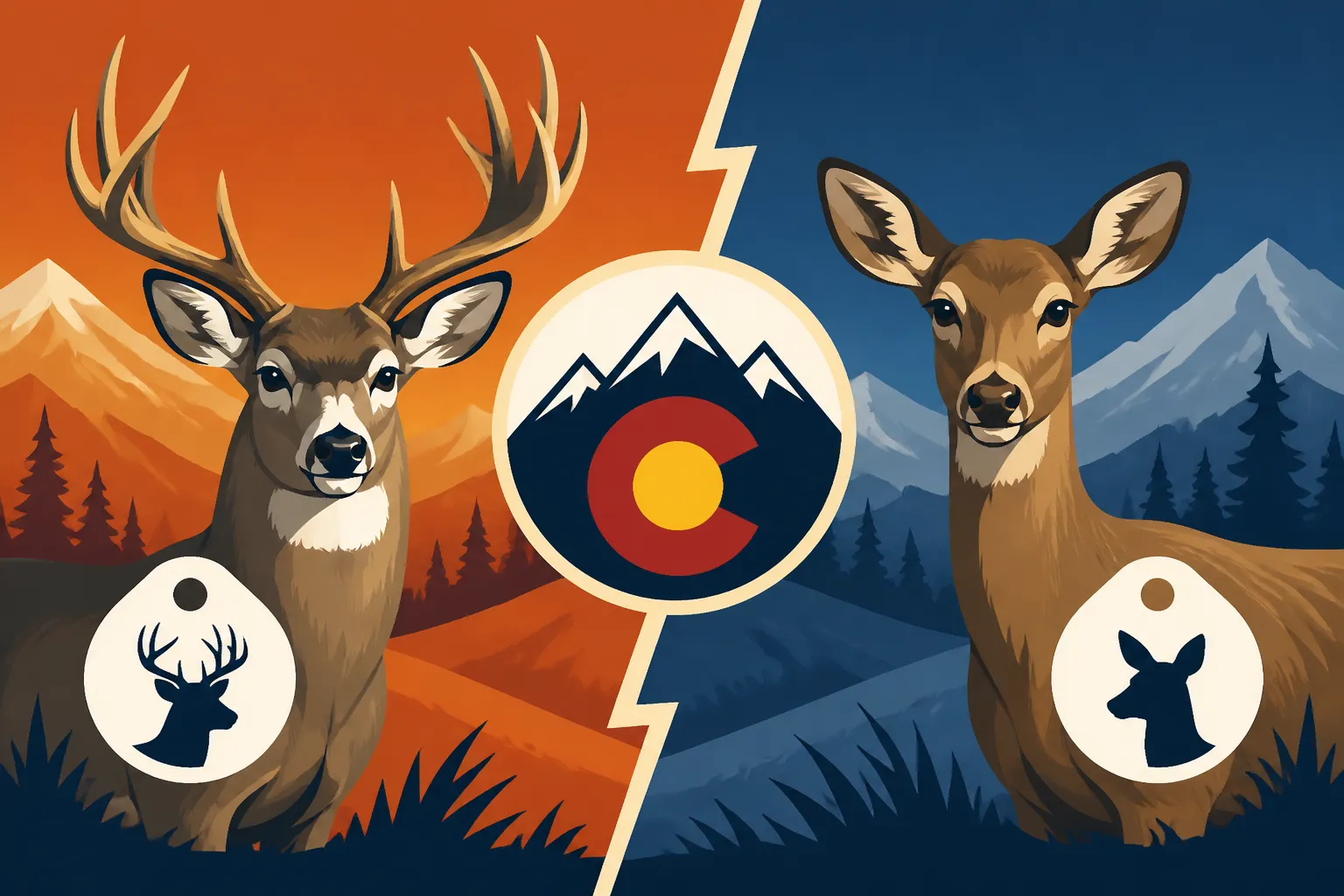
An either-sex tag is precisely what it sounds like: it allows the licensed hunter to harvest either a male or a female animal of the specified species within the designated hunting unit and season. For elk, this means you can legally harvest a bull (antlered) or a cow (antlerless). This flexibility is a huge advantage for hunters, offering more opportunities in the field.
The Freedom of Choice
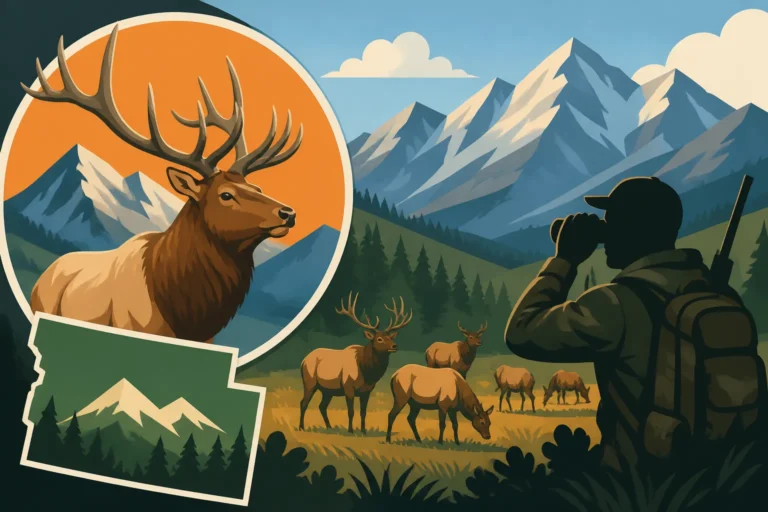
Imagine you're deep in the timber in the Flat Tops Wilderness, glassing a distant hillside as dawn breaks. You spot movement, and there's a small herd of elk. With an either-sex tag, whether those animals turn out to be a magnificent bull, a spike, or a group of cows, you have a legal animal to pursue. This flexibility removes the pressure of having to pass on perfectly good meat animals simply because they don't have antlers. It significantly increases your odds of success on a hunt, as you're not solely focused on finding an antlered animal. For many, the goal is simply to fill the freezer, and an either-sex tag is a fantastic way to achieve that, providing both meat and the thrill of the hunt. This flexibility makes either-sex tags particularly appealing for those new to elk hunting or those prioritizing a successful harvest over a trophy.
Trophy Potential vs. Meat Hunt
While an either-sex tag provides the option to shoot a cow, it also preserves the exciting possibility of harvesting a bull. This dual potential is a major draw. You can start your hunt with the ambition of finding a big bull, putting in the effort to locate rutting elk or sneak into prime bedding areas. But if the conditions are tough, or if you encounter a beautiful cow in a perfect shooting lane on the last day, you have the option to take it. It’s a pragmatic approach to hunting in Colorado, where success is never guaranteed. This also means that many hunters with either-sex tags might initially hold out for a bull, especially during the archery or early rifle seasons when bulls are more active. However, as the hunt progresses and opportunities dwindle, the option to switch to a cow becomes a valuable fallback, ensuring a productive hunt and a freezer full of organic, wild meat.
Specific Hunt Code Examples for Either-Sex
Colorado's hunt codes can be a maze, but understanding how either-sex tags are denoted can simplify things. Often, these tags will be clearly labeled as "Either-Sex" or might use specific codes that indicate this flexibility. For instance, an archery elk tag might simply state "Either-Sex Elk." In general, most archery elk tags across Colorado are either-sex, giving bowhunters that full flexibility to take any elk. Some early rifle seasons might also offer limited either-sex tags in certain units, often requiring significant preference points. These tags allow hunters to pursue a bull or a cow. You'll find these details when researching Colorado Hunt Codes Explained through the CPW regulations or using a resource like GoHunt, which compiles this information in an easily searchable format.
Here's a simplified look at how hunt codes can signal either-sex eligibility, though always consult the current CPW regulations for precise details:
| Hunt Code Component | Meaning | Example for Either-Sex |
|---|---|---|
| Species | E = Elk, D = Deer, P = Pronghorn | E |
| Weapon | A = Archery, M = Muzzleloader, R = Rifle | A (often Either-Sex for elk) |
| Season | 1 = First, 2 = Second, 3 = Third, etc. | 1, 2, 3, 4 |
| Sex | M = Male (Antlered), F = Female (Antlerless), X = Either-Sex | X |
| Unit | Specific GMU numbers | Any valid GMU number |
So, an "EXA" tag might broadly imply an Either-Sex Archery Elk tag, though the full code includes the GMU and specific season dates.
Demystifying Antlerless Elk Tags
In stark contrast to either-sex tags, an antlerless tag specifically limits a hunter to harvesting a female animal (a cow for elk, a doe for deer/pronghorn) or, in some cases, a juvenile animal that does not possess antlers/horns. For elk, an antlerless tag means you are only permitted to harvest a cow elk.
Focus on Management and Meat
Antlerless tags are a crucial tool in wildlife management. By issuing a large number of antlerless tags, CPW can effectively manage herd sizes, particularly for species like elk, which can reproduce quickly. High cow harvest quotas can help bring populations in line with habitat carrying capacity, reduce crop damage in agricultural areas, and keep the sex ratio of the herd healthy. For hunters, these tags often represent a fantastic opportunity to fill the freezer with lean, organic meat.
Many hunters specifically seek out antlerless tags for this very reason. A cow elk provides a substantial amount of meat – often 150-200 pounds or more – making it an incredibly efficient way to stock up for the year. The focus shifts entirely from "trophy hunting" to a dedicated "meat hunt." This can simplify the hunt somewhat, as you're not agonizing over antler size or points; any legal cow will do. It's a pragmatic and ethical choice that directly contributes to herd health while providing sustenance for your family. Understanding Colorado Cow Elk Tags Explained can further clarify these specific opportunities.
Cow-Specific Hunting Strategies
Hunting with an antlerless tag often means adjusting your strategy. During the rut, while bulls are bugling and moving aggressively, cows might be harder to locate or more wary. However, outside of the rut, cows and their calves often congregate in larger herds, moving between feeding and bedding areas. Knowing How to Call Elk in Colorado with cow calls can be incredibly effective when targeting antlerless animals, as they are often more responsive to social calls than a roaring bull.
You might focus more on still-hunting through timber, looking for fresh tracks and sign, or setting up ambushes along known travel corridors or near water sources. Locating specific food sources, like aspen groves or south-facing slopes in late season, can be key to finding large groups of cows. The tactics shift from trying to intercept an aggressive bull to patiently locating and stalking a herd of wary females. It's a different kind of challenge, often requiring keen observation skills and a deep understanding of elk behavior throughout the season.
Antlerless Tag Availability and Draw Odds
Generally, antlerless tags are more readily available than either-sex or bull-specific tags, particularly in units with healthy or over-target elk populations. This means they often require fewer, or even zero, preference points in the draw. In some units, especially during later rifle seasons or specific late-season cow hunts, antlerless tags might even be available as Colorado Leftover Tags Explained after the primary and secondary draws conclude. This makes them an excellent option for new hunters, those looking for a lower-cost entry into Colorado hunting, or anyone prioritizing a successful meat harvest.
However, "more available" doesn't mean "guaranteed." Highly desirable units can still see competitive draws for antlerless tags, especially early in the season or in areas known for easy access. Researching draw odds using tools like GoHunt is crucial to understanding your chances for specific antlerless tags. These resources offer data-driven insights, helping you predict which units and seasons will offer the best opportunity to draw an antlerless tag, ensuring you don't waste valuable preference points if you're aiming for a different type of tag down the road.
Strategic Considerations for Choosing Your Tag
Deciding between an either-sex and an antlerless tag isn't just about what you can shoot; it's about what you want to achieve on your hunt, the effort you're willing to put in, and the kind of experience you're seeking.
Personal Hunting Goals and Priorities
This is perhaps the most critical factor. Are you dreaming of a wall-hanger bull elk, a true trophy that represents years of effort and a challenging mountain hunt? If so, a limited-entry either-sex or antlered-only tag might be your primary focus, even if it means accumulating preference points for several years. You're willing to endure lower odds and potentially more difficult hunting conditions for that specific opportunity.
On the other hand, if your main goal is to put high-quality, wild game meat on the table for your family, an antlerless tag is often the more practical and higher-percentage choice. You might even prefer the hunting style for cows, which can be less about calling and more about methodical scouting and stalking. Perhaps you're introducing a new hunter to the sport, and you want to maximize their chances of success and positive experience; an antlerless tag can be perfect for that. Your personal priorities, whether it's the challenge, the meat, or the experience, should guide your tag choice.
Impact on Hunt Planning and Unit Selection
The type of tag you hold will heavily influence your entire hunt plan, from physical preparation to gear selection and, most importantly, unit choice. If you have an either-sex tag and you're targeting a trophy bull, you might be looking at physically demanding areas in units known for older-age-class bulls. This could mean deep backcountry hunts in places like the San Juan Mountains Hunting Guide, requiring you to prepare for high-altitude hunting and demanding pack-outs. You'll likely spend more time scouting, learning How to E-Scout Before a Colorado Hunt and focusing on areas where mature bulls are known to frequent.
Conversely, if you're holding an antlerless tag, your unit selection might lean towards areas with higher elk densities, perhaps closer to accessible roads or private agricultural lands where depredation permits (which are essentially antlerless tags) are common. The focus shifts to areas known for large cow herds, even if they aren't traditionally "trophy units." The physicality might still be there, as packing out a cow elk from remote terrain is no small feat, but the type of terrain you target and the hunting tactics you employ could differ significantly. For example, some units might have excellent public land access for antlerless hunting, while others might be predominantly private.
Ethics and Conservation Considerations
Choosing between either-sex and antlerless tags also touches upon personal hunting ethics and conservation. Many hunters feel a strong connection to contributing to wildlife management. Taking an antlerless animal, especially in areas with high populations, directly aids CPW's efforts to keep herds healthy and balanced with their habitat. It's a way to ensure the long-term sustainability of the resource.
While there's nothing inherently unethical about pursuing a bull with an either-sex tag, the conservation mindset encourages hunters to consider the bigger picture. If you're a meat hunter, opting for an antlerless tag often provides a higher chance of success and still contributes to population management. Additionally, responsible hunting practices, regardless of tag type, include ethical shot placement, efficient field dressing, and ensuring no meat is wasted, which is especially important for How to Quarter an Elk in the Field.
Navigating the Draw and OTC Options
Understanding the availability of either-sex and antlerless tags is crucial for successful application and hunt planning. They aren't always acquired the same way, and their distribution varies significantly.
How Either-Sex Tags are Acquired
For elk, either-sex tags are most commonly found in archery seasons. Most Colorado Archery Elk Hunting Guide tags are either-sex and are often available over-the-counter (OTC) in many Game Management Units (GMUs). This makes archery a popular choice for hunters seeking the ultimate flexibility in what they can harvest. Even when OTC archery elk tags are either-sex, always verify the specific regulations for your chosen unit, as some units may have specific restrictions.
For rifle and muzzleloader seasons, true either-sex tags are almost exclusively limited-entry draw tags. These tags are highly coveted and often require accumulating a significant number of preference points to draw, especially in units known for producing quality animals. They offer rifle and muzzleloader hunters the same flexibility as archery hunters but come with much higher demand and lower draw odds. These tags are a prime example of where long-term strategy in the Colorado Preference Points Explained system pays off.
Antlerless Tag Availability: Draw vs. Leftover
Antlerless tags are primarily distributed through the draw, but their preference point requirements are generally much lower than either-sex or bull-specific tags. In many units, especially those with abundant elk populations, you might be able to draw an antlerless tag with zero or very few preference points. This is particularly true for units that CPW is actively trying to manage for population reduction.
Furthermore, antlerless tags are the most common type of tag to be found in the Colorado Leftover Tags Explained sale. After the primary and secondary draws, any tags that weren't allocated are sold on a first-come, first-served basis. These leftover antlerless tags, often for cow elk, present excellent opportunities for hunters who missed the draw deadlines, want a second tag, or are looking for a last-minute hunt. These tags are typically for later rifle seasons or specific depredation hunts, and while they might be in less-than-ideal terrain or during colder weather, they offer a very accessible way to hunt and fill the freezer. Using the CPW website or tools like GoHunt's leftover tag finder can be instrumental in snagging one of these opportunities.
Using Resources like GoHunt for Research
Given the complexity of Colorado's draw system, the constantly changing regulations, and the sheer volume of data, having reliable research tools is indispensable. Platforms like GoHunt are incredibly valuable for hunters trying to make informed decisions about either-sex versus antlerless tags. GoHunt's Insider service, for example, provides detailed draw odds, unit analyses, harvest statistics, and a filterable tag search, allowing hunters to see exactly which tags (including either-sex and antlerless) are available, what they cost, and what the draw history looks like.
For non-residents, who face additional challenges with tag allocation, leveraging such resources becomes even more critical. They can help you identify units where drawing an antlerless tag might be a realistic goal with zero points, or conversely, show you the long road ahead if you're hoping for a coveted either-sex rifle tag in a trophy unit. This detailed data empowers you to craft a multi-year strategy, balancing your immediate hunting desires with long-term point building. It’s a game-changer for anyone navigating the Colorado hunting landscape.
Beyond Elk: Either-Sex and Antlerless for Other Species
While elk often dominate the conversation when discussing either-sex and antlerless tags, these distinctions apply to other big game species in Colorado as well. Understanding their application across different species can open up more hunting opportunities.
Deer: Bucks vs. Does
Just like with elk, deer hunting in Colorado heavily utilizes either-sex and antlerless tags. For mule deer and whitetail deer, an "antlerless" tag means you're strictly pursuing a doe or a fawn. These tags are often more numerous than buck-specific tags, particularly in areas where deer populations need to be managed. An antlerless deer tag is an excellent way to get venison for the year, and doe hunting can be less demanding physically than chasing trophy bucks.
An "either-sex" deer tag, on the other hand, allows you to harvest either a buck or a doe. These are generally very limited and highly sought-after, especially for mule deer in prime units. Drawing an either-sex deer tag can be a multi-year endeavor, requiring a substantial number of preference points. However, it offers incredible flexibility and the ultimate opportunity to take the first legal deer you encounter, whether it's a small fork-horn buck or a mature doe. The strategies for Colorado Mule Deer Hunting Guide will vary greatly depending on whether you're targeting a trophy buck or simply filling an antlerless tag.
Pronghorn: Bucks vs. Does/Fawns
Pronghorn hunting on Colorado's eastern plains also features these tag distinctions. Most pronghorn hunters dream of a mature buck, with their distinctive black horns and incredible speed. Buck tags for pronghorn are typically very limited and require preference points to draw in most units.
However, antlerless pronghorn tags are often much easier to acquire. These allow the harvest of a doe or a fawn. Similar to cow elk or doe deer tags, antlerless pronghorn tags are a fantastic way to acquire delicious wild meat and often require fewer points (or even zero) in the draw. They can also be excellent beginner hunts, as pronghorn inhabit open country, making spotting them easier, though getting within shooting range can still be a challenge. An either-sex pronghorn tag would allow for the harvest of either a buck or a doe/fawn, offering maximum flexibility in the field, but these are exceedingly rare and typically reserved for very specific, limited circumstances. For most, the choice is between a limited buck tag or a more available antlerless tag. Exploring the Colorado Pronghorn Hunting Guide details these specific opportunities.
Bear and Moose Considerations
While the "antlered" or "antlerless" terminology doesn't directly apply to species without antlers, the concept of specific sex tags does. For black bears in Colorado, hunters typically apply for a bear license that allows for the harvest of either a male or female bear, but with specific regulations regarding cubs. Moose tags, being incredibly rare and highly sought after, are typically for bull moose, but limited cow moose tags might be available in specific situations for management purposes. These tags are often the holy grail of Colorado hunting and require an extreme number of preference points. For both bear and moose, meticulous research of the specific hunt codes and regulations is paramount.
Final Thoughts on Colorado Tags
Navigating Colorado's either-sex and antlerless tags might seem daunting at first, but with a clear understanding of what each type offers, you can confidently plan your hunt. Whether you're chasing the thrill of a bugling bull with an either-sex tag, or methodically filling your freezer with prime cow elk meat on an antlerless tag, Colorado offers incredible opportunities for every hunter. Remember to consult the official CPW regulations annually, leverage powerful tools like GoHunt, and align your tag choice with your personal hunting goals for a truly rewarding experience in the wild.
Disclaimer
Please note that hunting regulations, season dates, and tag availability in Colorado are subject to change annually by Colorado Parks and Wildlife (CPW). This guide provides general information and should not be considered a substitute for reading the official CPW Big Game Brochure and other relevant regulations each year before applying for licenses or hunting. Always verify all information with the latest official CPW publications.