Colorado Elk: Where to Find Them
Trying to pinpoint where the elk are in Colorado can feel like searching for a needle in a mountain-sized haystack. With millions of acres of public land and a landscape that shifts dramatically with elevation and season, it’s easy to feel lost before you even leave home. This guide will help you decode the complexities of Colorado elk movements, offering practical strategies and insights into their preferred habitats so you can spend less time guessing and more time hunting effectively.
Understanding Colorado Elk Habitat and Movement Patterns
Elk are creatures of habit, but their habits are deeply influenced by the environment, weather, and pressure from hunters. Knowing their general tendencies for different times of the year and understanding the features that attract them are crucial steps in locating them consistently. It’s not just about finding an elk, it’s about understanding why they are where they are.
High Elevation Summering Grounds
As the snow recedes in late spring and early summer, elk push higher into the mountains, seeking out the lush, nutrient-rich forage that the alpine and subalpine zones offer. These are their summer feeding grounds, where bulls pack on mass and cows raise their calves. You'll often find them grazing in open meadows near the timberline, but they'll always be close to thick cover.
During these warmer months, elk prioritize cool temperatures and abundant food. This means looking for north-facing slopes that hold moisture longer, dense stands of spruce and fir offering thermal cover, and high-elevation basins with aspen groves and succulent forbs. Don't be surprised to find them well above 10,000 feet, especially if the lower elevations are experiencing a heatwave or heavy human activity. Understanding these patterns is key to success, particularly for those delving into a Colorado Backcountry Hunting Guide. Think about glassing the edges of vast, green alpine basins at dawn and dusk. The elk might be out feeding, but they'll quickly retreat to the dark timber as the sun climbs or if they sense danger.
Migration Corridors and Winter Range
As autumn progresses and colder temperatures begin to paint the high country with frost, elk start their slow descent to lower elevations. This is often triggered by the first significant snowfalls, pushing them out of their summer haunts toward traditional winter range. These migratory routes, or "migration corridors," are often the same year after year and can be bottlenecks for hunters who know where to intercept them.
Winter range typically consists of areas with less snow accumulation, abundant browse (like sagebrush, bitterbrush, and serviceberry), and south-facing slopes that melt off earlier, providing accessible forage. These lower-elevation areas, usually between 6,000 and 9,000 feet, are vital for their survival through the colder months. However, don't confuse "winter range" with where they are during the early rifle seasons; they're often still in transit or have only just arrived. Weather plays a huge role in dictating the timing of these movements, and understanding Colorado Elk Migration Patterns can give you a significant advantage. A sudden, heavy snowstorm can drop elk thousands of feet in a matter of hours, while a mild fall might keep them higher longer.
Food, Water, and Cover
At their core, elk need three things: food, water, and cover. Their daily movements revolve around these necessities. Recognizing these critical elements on a map and in the field is fundamental to finding them.
For food, elk are browsers and grazers. They'll eat grasses, forbs, and the tender shoots of shrubs and trees. Look for areas with a mosaic of open parks and timber. For water, natural springs, seeps, small creeks, and wallows are absolute magnets, especially during drier periods. Elk will often bed near a reliable water source, especially if it's in a secluded spot. Knowing how to hunt elk water holes can be a game-changer. Finally, for cover, they prefer dense timber, especially dark timber, where they feel secure from predators and protected from the elements. These areas provide shade from the sun, shelter from the wind and snow, and a place to bed down undisturbed. When you're scouting, actively look for these combinations: a north-facing slope with thick timber, a spring at its base, and an open park nearby for feeding.
Seasonal Elk Distribution Across Colorado
The time of year you hunt dramatically influences where elk will be found. Colorado's diverse ecosystems, from high alpine tundra to dense conifer forests and sagebrush flats, mean that elk locations shift with the calendar. Adapting your search to the specific season is paramount for success.
Early Archery and Muzzleloader Seasons
When early archery and muzzleloader seasons open, typically in late August and early September, elk are often still in their high-elevation summer patterns. Bulls are usually with bachelor groups, focused on feeding and bulking up before the rut. Cows and calves are in separate, larger herds. You'll find them in alpine basins, high mountain meadows, and above timberline, particularly during the cooler parts of the day.
During this time, the weather can be warm, making south-facing slopes less desirable. Focus your efforts on those cooler, north-facing slopes and the dense, dark timber patches that offer sanctuary. Early mornings and late evenings will see them out feeding in more open areas before retreating to cover. As the rut approaches in mid-September, bulls will start to get vocal, and finding How to Bugle-Locate a Colorado Bull becomes a crucial skill. If you're planning for Colorado Elk Hunting: Archery Tactics, this early season can be incredibly rewarding, but it demands serious physical conditioning to get into these high-altitude haunts.
Rifle Seasons and the Rut
The primary rifle seasons (especially the 2nd and 3rd rifle seasons) often coincide with the peak of the elk rut, or shortly thereafter. This is when elk behavior changes dramatically. Bulls are focused on breeding, chasing cows, and challenging rivals. Their typical patterns of food, water, and cover can be temporarily overridden by the urge to breed.
During the rut, elk are more vocal and visible, but also more susceptible to hunter pressure. If the rut is in full swing, you might find herds of cows with a dominant bull in relatively open areas, or bulls bugling aggressively in drainages. However, once hunter pressure hits, especially in accessible areas, elk will quickly retreat to thicker cover and become more nocturnal. They'll often seek out the steepest, nastiest terrain they can find, using it as a refuge. This is when knowing How to Hunt the Colorado Rut and understanding how to read the landscape for escape routes becomes critical. For Colorado Elk Hunting: Rifle Tactics, patience and covering ground are often key.
Late Season and Wintering Areas
By late rifle seasons (3rd and 4th rifle) and beyond, significant snowfalls usually begin to push elk off their higher summer and transitional ranges. This is when they start to concentrate in their traditional wintering areas. These areas are typically lower in elevation, with south-facing slopes that shed snow faster and offer more accessible forage.
Finding elk in the late season often means looking for deeper snow pockets and tracking their movements as they search for food. They will often be grouped in larger herds, making them easier to locate once found, but also more wary. They'll gravitate towards benches and saddles that serve as travel corridors between feeding and bedding areas. These late-season hunts can be brutal in terms of weather, but incredibly rewarding if you locate a concentrated herd. Being prepared for cold weather and tracking in the snow are essential skills for success during this time.
Effective Scouting and Locating Strategies
Finding elk isn't just about luck; it's about preparation, persistence, and using every tool at your disposal. Modern technology has revolutionized the way we scout, but nothing beats getting boots on the ground.
E-Scouting with Modern Tools
Before you even step foot in Colorado, you should be spending hours e-scouting. This involves using online mapping tools and satellite imagery to identify potential elk habitat and travel routes. Programs like GoHunt's mapping system, Gaia GPS, or OnX Hunt allow you to layer public and private land boundaries, topographical maps, and satellite views.
When e-scouting, look for:
- North-facing slopes and dark timber: These appear as darker green, dense patches on satellite imagery, often on the shady side of drainages.
- Water sources: Springs, seeps, and small ponds are often visible. Mark them as waypoints.
- Open parks and meadows: Potential feeding areas.
- Ridgelines, saddles, and benches: Natural travel corridors and bedding spots.
- Old logging roads or game trails: Sometimes visible from satellite, indicating possible access or travel.
- Proximity to wilderness areas or steep, difficult terrain: Elk often retreat to these sanctuaries when pressured.
Platforms like GoHunt provide valuable unit data, draw odds, and filtering tools that can help you select a general area, then dive deep into the specific topography. It allows you to zoom in and out, marking potential elk bedding areas, feeding zones, and travel corridors from the comfort of your home. This type of detailed preparation is a critical part of How to E-Scout Before a Colorado Hunt.
Boots-on-the-Ground Scouting
While e-scouting is powerful, it's no substitute for physical scouting. Getting into your chosen unit before the season opens (if feasible) or a few days prior is invaluable. This allows you to confirm what you saw on the map, understand the terrain's difficulty, and, most importantly, find fresh elk sign.
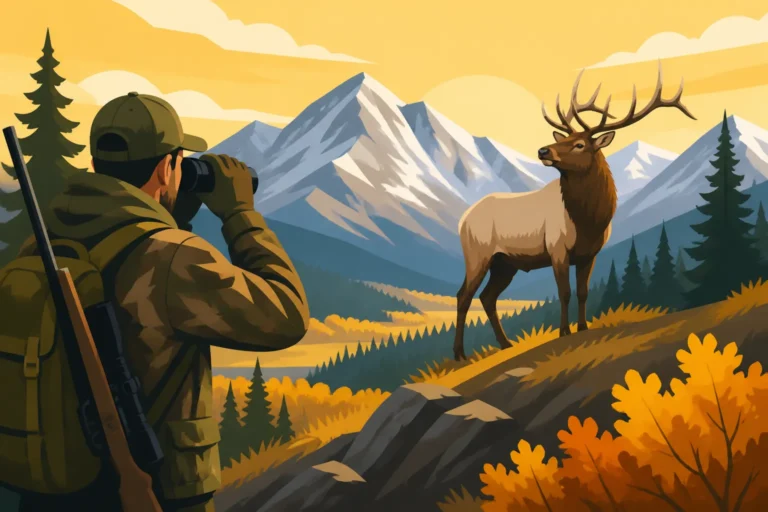
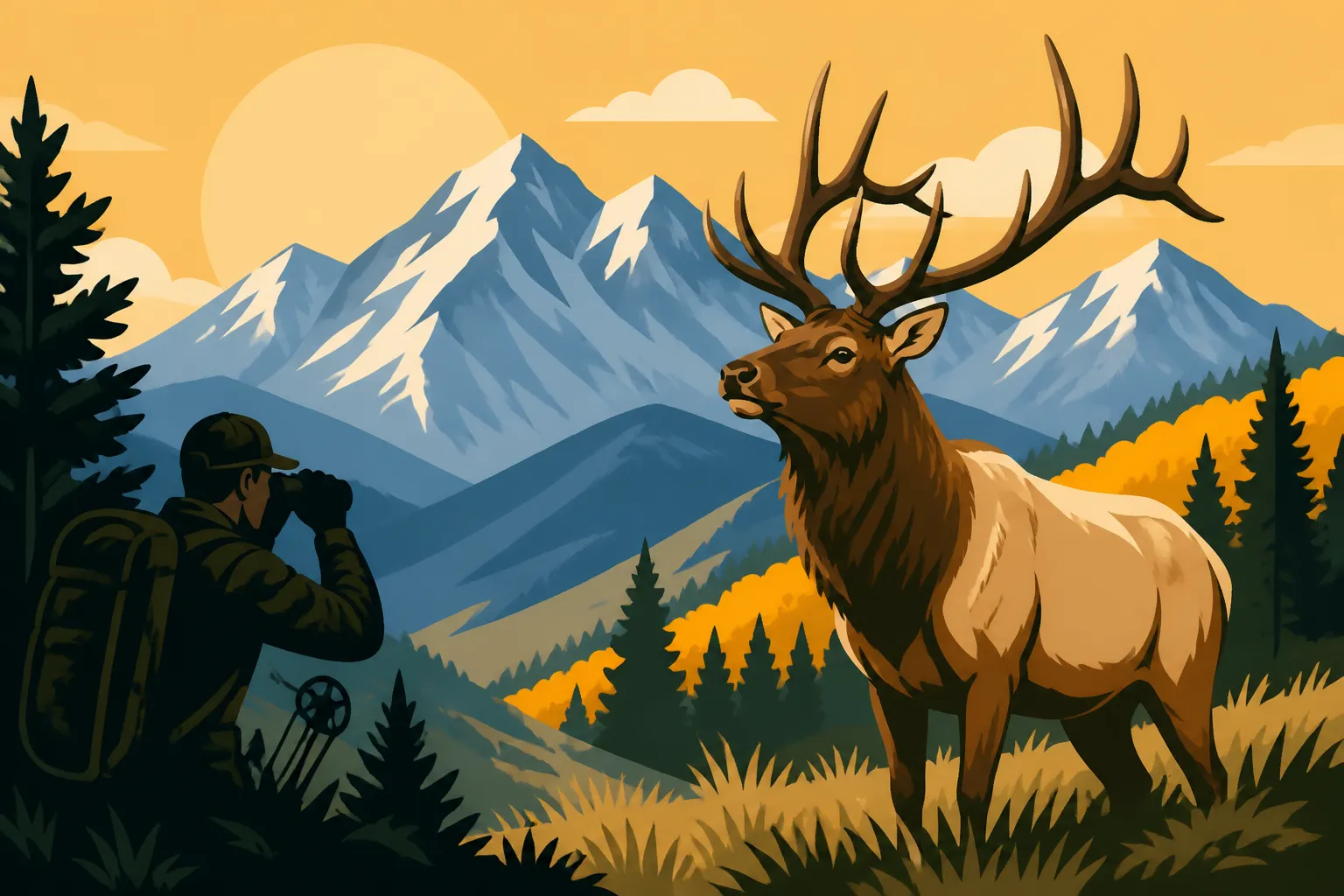
Look for rubs on trees, fresh tracks in mud or dust, active wallows, and fresh droppings. Listen for bugles or cow calls. Pay attention to how the wind and thermals move through the drainages, as elk rely heavily on their sense of smell for safety. A good pair of binoculars and a spotting scope are essential for glassing large areas from advantageous viewpoints. Even if you can't scout the actual unit, scouting similar terrain in your home state can help hone your skills. Remember, the elk aren't always where the sign is; they are where the fresh sign is.
Utilizing Local Knowledge and CPW Resources
Don't underestimate the value of local insights. Chatting with forest service rangers, local landowners, or even other hunters (respectfully, of course) can provide invaluable information. While no one will give away their secret honey hole, you might pick up on general trends, like "elk are still high this year" or "heavy snow pushed them down into the lower basins."
Colorado Parks and Wildlife (CPW) is another fantastic resource. Their website offers extensive information on herd statistics, habitat reports, and annual hunting forecasts. These resources can help you understand herd health, population trends, and management objectives for specific game management units (GMUs). While they don't tell you exactly where to find a bull, they give you the larger picture, which can guide your unit selection and strategy. For those interested in deeper research, understanding Colorado Elk Herd Size and Population statistics can provide context for your hunt planning.
Key Terrain Features for Finding Elk
Elk, like all animals, are driven by instinct and efficiency. They choose locations that offer safety, comfort, and easy access to their necessities. Understanding these preferred terrain features can help you narrow down vast landscapes to promising hotspots.
North-Facing Slopes and Dark Timber
I've mentioned these before, but they are worth reiterating. North-facing slopes typically retain more moisture, leading to lusher vegetation, and they offer cooler temperatures, which elk crave, especially during warmer hunting seasons. Coupled with dense, "dark timber" — thick stands of conifers like spruce and fir — these areas become prime bedding and escape cover.
Elk feel incredibly secure in these dense forests. The canopy provides thermal regulation, and the thick undergrowth muffles sound, making it harder for predators (including hunters) to detect them. You'll often find them bedded just inside the timber, watching their backtrail, or tucked deep within the darkest, steepest sections. When the pressure is on, or the sun is high, this is where they retreat. Mastering How to Hunt Elk in the Dark Timber is a skill that takes patience and quiet movement. The key is to move slowly, use the wind to your advantage, and pay close attention to subtle signs of their presence.
Saddles, Benches, and Ridgelines
The mountainous terrain of Colorado is a maze of ridges, valleys, and plateaus. Elk don't just wander aimlessly; they use the landscape to their advantage, especially when traveling between feeding and bedding areas.
- Saddles: These are dips or low points along a ridgeline. They act as natural funnels or crossroads, making them excellent ambush points. Elk will often use saddles to cross from one drainage to another, or to access different slopes.
- Benches: These are flatter, relatively level strips of terrain that run along a steep mountainside. They are like natural highways for elk, providing easier travel than slogging directly up or down a slope. Elk often bed on benches, especially if they offer good cover and a view. Finding How to Hunt Colorado Elk Benches and Saddles can greatly increase your odds.
- Ridgelines: While exposed, elk will use ridgelines, especially those with scattered timber, for travel and sometimes for bedding when the wind is favorable. They offer good visibility and allow elk to scent-check wide areas.
Identifying these features on a topographic map is crucial for predicting elk movement. Think of them as the elk's preferred road system. Setting up along these natural travel corridors, especially where they intersect with dense cover or water, can be very productive.
Water Sources and Wallows
Water is life, and for elk, it's a non-negotiable part of their daily routine. While they can get some moisture from vegetation, direct water sources are vital. Natural springs, seeps, small creeks, and especially wallows, act as magnets for elk.
A "wallow" is a muddy depression where elk roll to coat themselves in mud, likely to help with insect control and shedding velvet, but it also becomes a social hub. Active wallows will have fresh tracks, muddy water, and sometimes strong elk scent. They are often found in secluded, shaded areas near dense timber, making them perfect ambush spots. During dry periods or early archery season, when temperatures are high, elk will visit water sources frequently. Learning How to Hunt Elk Wallows in Colorado can yield incredible encounters. Remember that elk often approach water sources cautiously, so setting up downwind and with good cover is essential.
Here's a quick overview of elk habitat considerations:
| Season | Typical Elevation | Preferred Habitat Features | Key Considerations |
|---|---|---|---|
| Early Archery/Muzzleloader (Late Aug-Sept) | High country (9,000 – 12,000+ ft) | Alpine basins, north-facing slopes, dark timber, open meadows close to cover, water sources. | Bulls in bachelor groups, cows in herds. High activity at dawn/dusk. Rut approaching. |
| Rifle Seasons (Oct-Nov) | Mid-High (8,000 – 11,000 ft), then descending | Transition zones, saddles, benches, dark timber, active rutting areas, south-facing slopes. | Rut activity, increasing hunter pressure, weather-driven migration. Elk seek refuge. |
| Late Season (Nov-Dec) | Mid-Low (6,000 – 9,000 ft) | Winter range, south-facing slopes, browse species, sheltered valleys, large herds. | Snow depth critical for location. Elk concentrated, but wary. |
Disclaimer
Hunting is an inherently dangerous activity. This guide provides general information and strategies, but conditions in the field can change rapidly. Always prioritize safety, respect wildlife and the environment, and adhere to all Colorado Parks and Wildlife regulations and local laws. Hunting success is never guaranteed, and individual experiences may vary.