Colorado Moose: Where to Find Them
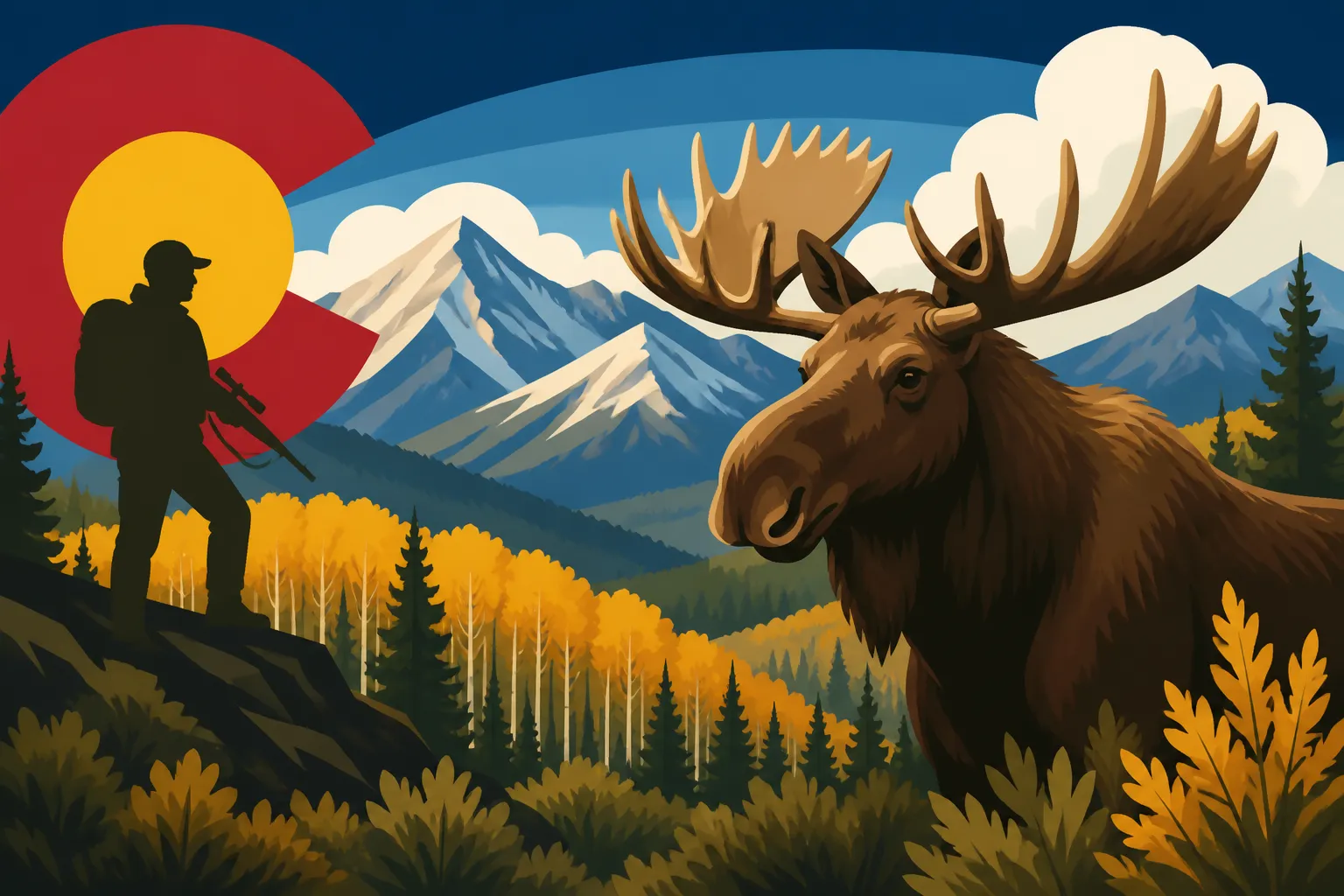
Finding moose in Colorado can feel like searching for a ghost in a haystack, especially if you're used to spotting elk or deer in abundance. These magnificent animals, while thriving in pockets of the state, are still relatively rare and incredibly selective about their habitat. This guide is dedicated to pulling back the curtain on where Colorado moose make their homes, helping you pinpoint the prime areas and understand the nuances of their behavior to increase your chances of an encounter.
Understanding Colorado's Moose Population and Range
It’s a common misconception that moose have always roamed the Colorado Rockies in large numbers, but their presence is actually a remarkable comeback story. While a small native population likely existed historically, they were largely extirpated by the early 20th century due to overhunting and habitat changes. Today's robust populations are primarily the result of successful reintroduction efforts that began in the late 1970s.
The Comeback Story of Colorado Moose
The first significant reintroduction began in 1978 in North Park, near Walden, where Colorado Parks and Wildlife (CPW) transplanted 24 moose from Wyoming and Utah. These initial efforts were incredibly successful, and the population quickly grew, exceeding biologists' expectations. Over the decades, additional transplants occurred in areas like the Laramie River drainage, the upper Rio Grande, and the Grand Mesa, carefully selecting habitats that offered the dense willow browse and riparian zones moose need to survive and flourish.
This deliberate conservation work means that while moose numbers are strong and growing in Colorado, they aren't distributed uniformly across the state like elk or deer. Their recovery has been strategic, focusing on specific environments that cater to their unique ecological requirements. This concentrated distribution is precisely why understanding their range is critical for anyone hoping to locate them, whether for observation or hunting purposes. The thriving populations are a testament to effective wildlife management and offer incredible opportunities for those who know where to look.
Key Characteristics of Colorado Moose Habitat
Moose are creatures of habit, and their habitat preferences are very distinct, driven by their diet and their need for thermal regulation. Unlike elk that roam vast expanses of timber and open parks, or mule deer that can be found in a wide variety of terrain, moose are inextricably linked to specific water-rich environments.
Their absolute favorite haunts are willow bottoms, riparian areas along streams and rivers, and beaver ponds. These wet, marshy zones provide their primary food source: browse. Willows, in particular, are a moose's candy shop. They spend hours, often submerged, munching on these nutrient-rich plants. You'll also find them feeding on aquatic vegetation, aspens, and other brushy species in high-elevation forests. These dense, wet areas also offer crucial thermal cover, protecting them from the sun in summer and providing insulation in deep snow during winter. They often stay in thick timber during the day and move to more open willow flats to feed during dawn and dusk. Understanding these specific habitat needs is the first step in narrowing down your search, even before you start thinking about specific GMUs. If an area lacks extensive willow bottoms and water sources, it's highly unlikely you'll find moose there.
Prime Moose Hunting Units (GMUs) in Colorado
When it comes to finding moose in Colorado, knowing the general range is helpful, but diving into specific Game Management Units (GMUs) is where you'll gain a real advantage. While moose populations are expanding, there are definite strongholds where your chances of encountering these animals are significantly higher. It’s important to note that moose tags are extremely difficult to draw in Colorado, often requiring many years of preference points, sometimes even decades. However, knowing where they are gives you a target for drawing one of those coveted tags or simply for wildlife viewing.
North Park and Surrounding Areas (Units 17, 18, 171, 181)
The North Park region, centered around the small town of Walden, is widely considered the epicenter of Colorado's moose population. This area, encompassing GMUs like 17, 18, 171, and 181, was the site of the original successful reintroductions and continues to host the densest concentrations of Shiras moose in the state. What makes North Park so special for moose? It's a vast, high-elevation basin crisscrossed by numerous rivers and streams, notably the Illinois River and the North Platte River, which create extensive willow flats and wetlands.
The terrain here isn't as rugged as some of Colorado's other mountain ranges. Instead, you'll find a mix of sagebrush parks, lodgepole pine forests, and those crucial riparian corridors. Moose here often stick to the dense willows, making them notoriously difficult to spot until you're right on top of them. This region’s moose are healthy and plentiful, which also means that drawing a hunting tag here is incredibly competitive, often requiring over a decade of preference points, if not more. You can look into Colorado Moose Draw Point Requirements to understand the long-term strategy for these units.
Laramie River and Mount Zirkel Wilderness (Units 6, 7, 16, 161)
Extending eastward and northward from North Park, the Laramie River drainage and the majestic Mount Zirkel Wilderness Area (GMUs 6, 7, 16, and 161) represent another significant stronghold for Colorado moose. This region provides a natural extension of the ideal habitat found in North Park, with abundant water sources, dense spruce-fir forests, and willow-choked creek bottoms. The Mount Zirkel Wilderness, in particular, offers the solitude and undisturbed habitat that moose thrive in.
Hunting or even simply observing moose in these units often means venturing into more rugged, higher elevation terrain compared to the flatter areas of North Park. Access can be more challenging, frequently requiring extended hikes or horseback travel into designated wilderness areas. However, for those willing to put in the effort, these units offer an incredible backcountry experience. The moose here are generally just as numerous and healthy as their North Park cousins, though they may utilize different types of cover due to the increased elevation and timber density. Utilizing tools like GoHunt's mapping features can help you identify these remote, moose-rich pockets before you even leave your living room.
Other Notable Moose Zones (Units 15, 20, 28, 29, 38, 39, 44, 444, 47, 471, 55, 66, 76, 77, 78)
While North Park and the Laramie River corridor are the traditional moose capitals, Colorado's moose population continues to expand into new territories, offering more diverse opportunities. Many units across the state are now seeing established or growing moose populations.
For instance, the Flat Tops Wilderness Area, spanning GMUs like 23 and 24, has seen a growing moose presence, particularly in areas with extensive spruce-fir forests and lush riparian zones. Similarly, the Grand Mesa, including units like 41 and 421, has established populations utilizing the high-elevation wetlands and aspen groves.
Further south, the San Juan Mountains, especially units such as 76, 77, and 78, are becoming increasingly recognized for their thriving moose herds. These units offer breathtaking, rugged high-country habitat, and moose here tend to frequent the alpine basins and timbered drainages that hold snowpack late into the season, sustaining willows and other vital browse. These southern populations demonstrate the species' adaptability, moving into areas that might historically have been considered less than ideal.
Other noteworthy units include those in the Gore Range (e.g., portions of Unit 28 and 38), the southern Mosquito Range (e.g., Unit 47 and 471), and even some scattered sightings along the Front Range foothills (e.g., Unit 20, 39) as individuals disperse. While these areas might not offer the density of North Park, they represent exciting growth areas and potential future opportunities. Researching specific unit data through resources like the Colorado Hunting Atlas explained can help you identify these burgeoning moose populations.
Here's a quick look at some key moose units and their general characteristics:
| GMU Region | Primary Units | General Habitat Characteristics | Tag Difficulty (General) | Notes |
|---|---|---|---|---|
| North Park | 17, 18, 171, 181 | Extensive willow bottoms, river corridors, sagebrush parks, lodgepole pine. Lower elevation mountains. | Extremely High (10+ points) | Historic stronghold, densest populations. Easier terrain to navigate, but moose hide well in willows. |
| Laramie River / Zirkel | 6, 7, 16, 161 | Spruce-fir forests, high-elevation wilderness, riparian areas. Rugged, higher elevation. | Very High (7-10+ points) | Extension of North Park population. More challenging access, true backcountry experience. |
| San Juan Mountains | 76, 77, 78 | Alpine basins, spruce-fir timber, high-elevation willows, steep terrain. | High (5-8+ points) | Growing populations, remote and rugged. Requires significant physical effort. |
| Flat Tops | 23, 24 | Vast wilderness, spruce-fir and aspen forests, numerous lakes and streams. | Moderately High (3-6+ points) | Accessible wilderness, good population growth. Moose can be found throughout the plateaus. |
| Grand Mesa | 41, 421 | High-elevation flat-top mesa, spruce-fir and aspen, wetlands. | Moderately High (3-6+ points) | Self-contained population, good habitat. Can be pressured during rifle seasons for other species. |
Note: Preference point requirements are estimates and can change annually. Always check the current CPW regulations and draw statistics.
Strategies for Locating Moose in Colorado
Finding moose isn't just about knowing the right GMUs; it's about employing smart strategies, both before and during your time in the field. These animals, while large, can be incredibly elusive, disappearing into dense cover with surprising stealth.
E-Scouting and Pre-Season Preparation
Before you even tie your boots, extensive e-scouting is paramount. This initial research can save you countless hours and miles in the field. Start by using detailed mapping software and online resources. Tools like GoHunt are invaluable for overlaying public land boundaries, identifying wilderness areas, and pinpointing key habitat features. You’ll want to look for:
- Riparian Zones: Trace the path of every stream, river, and creek. Moose live and feed along these water sources.
- Willow Flats: Look for low-lying areas, especially in high-elevation basins or along valley floors, that show a distinct texture or color indicating willow growth. These are prime feeding grounds.
- Beaver Ponds/Wetlands: Beaver activity creates ideal moose habitat by impounding water and encouraging willow growth. Seek out areas with clusters of small ponds.
- North-Facing Slopes and Dense Timber: Moose seek thermal cover. North-facing slopes often retain snow longer and have denser timber, providing refuge from the sun and wind. Identifying these areas in advance can guide your on-the-ground efforts.
- Historical Data: Use resources that provide historical harvest data or moose sightings by GMU. This, combined with what you learn about How to E-Scout Before a Colorado Hunt, can give you an edge.
By thoroughly analyzing maps, you can identify promising "moose magnets" and plan your access routes, including potential areas for a Colorado Backcountry Hunting Guide expedition. The more detail you can gather from your couch, the more efficient your actual scouting and hunting trips will be.
Boots on the Ground and In-Season Tactics
Once you're actually in the field, your approach needs to be calculated and patient. Moose aren't generally found in wide-open country; they prefer the thick stuff, which makes visual contact challenging.
- Glassing: Despite their preference for dense cover, moose will often step out into more open willow flats or small clearings to feed, particularly at dawn and dusk. Find high vantage points overlooking these areas and use quality optics to systematically glass every patch of willows, every shadowed edge of timber. Be patient and thorough; a moose can look like a dark clump of brush until it moves its head. Don't be afraid to spend hours studying a promising basin, as detailed in our guide on How to Glass Big Colorado Basins.
- Still-Hunting Dense Cover: In areas with heavy timber and willow thickets, a slow, deliberate still-hunt can be effective. Move quietly, pausing frequently to scan and listen. Moose, especially cows with calves, can be surprisingly silent as they navigate dense brush. Pay close attention to tracks, broken branches, and fresh droppings. If you find a heavily used moose trail, follow it slowly and attentively. Moose are much more territorial than elk, so if you find sign, you're likely in a core area.
- Wind and Scent: Moose have an incredible sense of smell. Always pay attention to the wind direction, just as you would when hunting any other big game. Thermals in the mountains will rise in the morning and fall in the evening, so plan your approach accordingly to keep your scent from blowing into their likely bedding or feeding areas. Getting downwind is crucial, especially when working through tight quarters where moose might be bedded.
- Focus on Water Holes and Wallows: While not as distinct as elk wallows, moose often use similar muddy areas or shallow water bodies to cool off and escape insects. Look for signs of recent use around these water sources, as detailed in our guide on How to Hunt Elk Water Holes.
- Patience and Persistence: Moose are not as common as other big game, and they are masters of concealment. Success often comes down to sheer persistence and a willingness to explore remote, difficult-to-access areas where they face less human pressure. Don't get discouraged if you don't spot one immediately; keep focusing on their preferred habitat.
Remember, whether you're drawing a coveted tag or simply hoping to observe these magnificent creatures, understanding their habitat and behavior is your best bet for a successful outing in Colorado's moose country.
Disclaimer
Hunting is a challenging and potentially dangerous activity. This guide provides general informational advice and should not be taken as a substitute for official Colorado Parks and Wildlife (CPW) regulations, landowner permissions, or professional safety training. Always prioritize safety, adhere to all local, state, and federal laws, and consult the most current CPW regulations before planning any hunting trip. Ensure you have the proper licenses, tags, and abide by all legal requirements.