Colorado Game Species and CWD
It's completely understandable to feel a knot in your stomach when you hear about Chronic Wasting Disease, or CWD, especially if you're planning a hunt in Colorado. The thought of harvesting an animal only to find out it might be affected, or worse, spreading the disease, is a real concern for many of us. This comprehensive guide is here to demystify CWD in Colorado, covering its impact on our beloved game species, how to navigate regulations, and what you, as a responsible hunter, need to know to protect our herds and enjoy your time in the field.
Understanding Chronic Wasting Disease
Chronic Wasting Disease is one of those terms that can immediately conjure up images of sick animals and complicated regulations. It’s a serious issue, no doubt, but understanding the basics is the first step in addressing it responsibly. CWD is a neurological disease, meaning it affects the brain and nervous system, and it's found in deer, elk, and moose. It's part of a family of diseases known as transmissible spongiform encephalopathies (TSEs), which also includes mad cow disease in cattle and scrapie in sheep. Unlike bacterial or viral infections, CWD is caused by abnormal proteins called prions.
What CWD Is and How It Spreads
At its core, CWD is a progressive, fatal neurological disease. These abnormal prions accumulate in the brain and other tissues, essentially creating microscopic holes and leading to a slow, debilitating decline in the affected animal. Think of it like a slow-motion unraveling of their bodily functions. What makes CWD particularly challenging is how it spreads. It's highly contagious among cervids (deer, elk, moose) and can be transmitted through direct animal-to-animal contact. This could be through saliva, urine, or feces from an infected animal.
Beyond direct contact, the environment itself can become contaminated. Prions are incredibly resilient and can persist in soil, plants, and water for years, even decades. An infected animal sheds these prions throughout its life, contaminating the environment. Other healthy animals can then pick up these prions by grazing contaminated vegetation or drinking from contaminated water sources. This environmental persistence is a significant reason why CWD is so difficult to eradicate once it's established in a herd or area. It's not just about the sick animals you see; it's about the invisible threat that can linger in their habitat.
Common Symptoms of CWD in Cervids
One of the most frustrating aspects of CWD is that an animal can be infected for a long time—sometimes over a year—before showing any outward symptoms. This incubation period means a seemingly healthy animal could still be carrying and spreading the disease. However, once symptoms do appear, they are usually quite distinct and progressively worsen. You might observe a pronounced change in behavior, such as listlessness, a loss of fear of humans, or an abnormal stance.
Weight loss is one of the most common and noticeable signs, hence the "wasting" in Chronic Wasting Disease. An affected animal will often appear emaciated despite eating, losing significant body mass over time. Other symptoms include excessive drooling or salivation, a rough or dull coat, difficulty swallowing, and an insatiable thirst coupled with frequent urination. They might also walk with an unsteady gait, appear disoriented, or carry their head in an unusual, lowered position. If you ever encounter an animal displaying these signs, it's crucial to report it to Colorado Parks and Wildlife (CPW) immediately and avoid direct contact. These symptoms are a clear indicator that something is seriously wrong and it’s likely CWD.
How CWD Affects Colorado Game Species
Colorado is home to thriving populations of elk, mule deer, and even some whitetail deer, all of which are susceptible to CWD. The disease has been present in Colorado for decades, first identified in the wild in the 1980s. CPW has been actively monitoring and managing CWD since then, with varying prevalence rates across different game management units (GMUs) and species. The impact of CWD on these populations is a complex issue, affecting herd health, hunter success, and the overall management strategies employed by wildlife agencies.
CWD Prevalence in Colorado Elk and Mule Deer
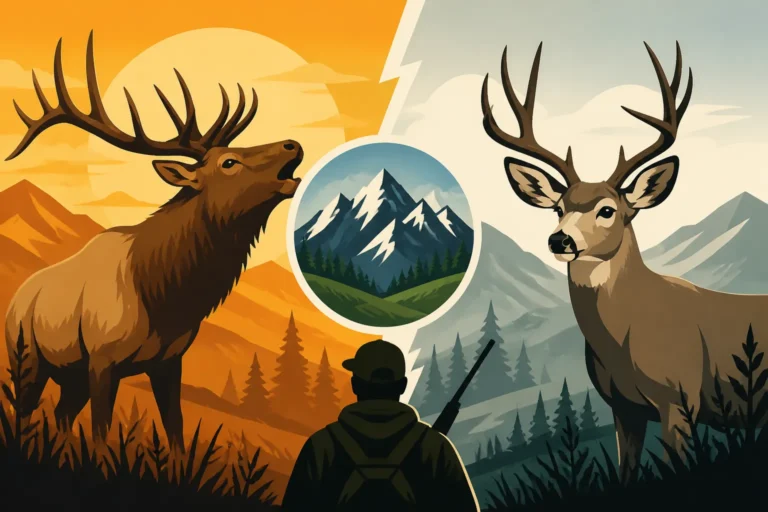
Colorado's vast landscapes support the largest elk herd in North America, alongside healthy numbers of mule deer. Unfortunately, both species are susceptible to CWD, though prevalence rates can differ significantly. For elk, CWD rates tend to be lower than in deer populations, typically in the single digits in most areas. However, there are specific GMUs where prevalence in elk can be higher, sometimes reaching 5-10% or more, especially in localized hotspots. These areas often require targeted management efforts.
Mule deer, on the other hand, generally show higher CWD prevalence rates than elk. It's not uncommon to find GMUs with CWD rates in mule deer ranging from 10-20%, and in some heavily affected areas, it can climb even higher. This difference in prevalence between species is thought to be partly due to behavioral differences, social structures, and how they interact with their environment. Understanding the specific CWD status of the GMU you plan to hunt is vital, and resources like the CPW website or tools like GoHunt often provide detailed data to help hunters make informed decisions. Knowing this information helps us understand the landscape of the disease and how it might impact our hunt.
Impact on Herd Health and Management Strategies
The presence of CWD certainly impacts the overall health of Colorado's deer and elk herds. While the disease is always fatal, it typically progresses slowly, meaning it takes time for an animal to succumb. This can affect individual animals by reducing their overall fitness, making them more vulnerable to predators, disease, or harsh environmental conditions. In populations with high CWD prevalence, scientists have observed potential impacts on herd dynamics, including reduced survival rates and, in some cases, population declines, particularly in mule deer.
In response, Colorado Parks and Wildlife employs various management strategies, often tailored to specific GMUs and species. These can include mandatory CWD testing in certain areas, particularly those with higher prevalence. CPW might also implement increased harvest quotas for antlerless animals in specific CWD-positive areas to help reduce overall population density, thereby potentially slowing disease transmission. Furthermore, they conduct extensive surveillance programs, collecting samples from harvested animals annually to monitor the spread and prevalence of the disease. These efforts are not just about protecting the animals; they're also about ensuring sustainable hunting opportunities for future generations.
Detecting and Testing for CWD in the Field
As hunters, we play a critical role in CWD management and surveillance. The information we provide through testing harvested animals is invaluable to CPW's understanding of the disease's distribution and prevalence. While the thought of handling a potential CWD-positive animal can be daunting, there are clear protocols and resources available to make the process straightforward and safe.
When and Where to Get Your Animal Tested
If you've harvested a deer, elk, or moose in Colorado, especially in one of the mandatory CWD testing units, knowing where and when to get it tested is crucial. CPW designates certain GMUs as mandatory testing units, typically those with known higher CWD prevalence or those where new detections have occurred. It's essential to check the current year's hunting regulations brochure or the CPW website for an up-to-date list of these units. Even if you're not in a mandatory testing unit, voluntary testing is always encouraged.
Testing locations often include specific CPW offices, designated drop-off sites, or even participating meat processors and taxidermists. These locations will have staff or clear instructions on how to submit the necessary samples. Typically, you'll need to provide the head of the animal, as the obex (a part of the brainstem) and specific lymph nodes are the tissues primarily tested for CWD prions. Make sure to keep your harvest intact as much as possible until you reach a testing site. Some areas may also have mobile testing units during peak hunting seasons, offering convenient options for hunters to submit samples right from the field. Getting your animal tested helps CPW gather crucial data, contributing to the health of our herds.
How to Collect Samples and Interpret Results
For mandatory testing, CPW personnel or designated staff will collect the necessary samples. However, if you're in an area where voluntary testing is available and you wish to submit a sample yourself, or simply want to understand the process, it usually involves removing the head from the carcass. The key is to keep the head cool and clean. Avoid getting brain matter or other contaminants on the meat. When removing the head, cut it at the first cervical joint (where the skull meets the spine), ensuring the entire brainstem and lymph nodes in the neck are still attached.
Once submitted, the samples are sent to a diagnostic lab for analysis. This process usually takes a few weeks, though it can vary depending on the volume of samples. You'll typically receive your results online or by mail. A "non-detected" result means no CWD prions were found in the tested tissues, which is the outcome every hunter hopes for. A "detected" or "positive" result indicates the presence of CWD. If your animal tests positive, CPW will often contact you directly to discuss the implications, including recommendations for carcass disposal and meat consumption. While the USDA and CDC state there is no evidence that CWD can infect humans, they recommend not consuming meat from CWD-positive animals, erring on the side of caution. Always adhere to these guidelines for your safety and the health of the public.
Navigating CWD Regulations and Responsible Hunting Practices
Understanding and following CWD regulations is a non-negotiable part of hunting in Colorado. These rules are designed to slow the spread of the disease, protect healthy herds, and safeguard public health. It’s not about making hunting harder; it’s about ensuring we can all continue to enjoy this tradition for years to come.
Carcass Transportation and Processing Rules
One of the most critical aspects of CWD regulations revolves around carcass transportation. To prevent the spread of prions to new areas, Colorado, like many other states, has strict rules about what parts of an animal can be transported out of a CWD management area or across state lines. Generally, you cannot transport the brain, spinal cord, eyes, spleen, or lymph nodes from a harvested animal if it was taken in a CWD-positive area or is untested. These are the tissues where prions are most concentrated.
What can you transport? Typically, it's boned-out meat, quarters with no spinal column or head attached, clean skull plates (antlers attached, no brain tissue), hides, and teeth. If you're using a commercial processor or taxidermist, they often have protocols in place to handle these regulations, but it's always your responsibility to ensure compliance. If you're a DIY hunter, carefully quartering your animal in the field and leaving the prohibited parts at the harvest site is often the best strategy. Remember to wear gloves when handling carcasses, especially when gutting or butchering, to minimize exposure to any potential prions. This practice is part of being a diligent participant in Colorado DIY Elk Hunting Guide.
Best Practices for Minimizing CWD Risk
Beyond the regulations, there are several best practices that every hunter should adopt to further minimize CWD risks. First and foremost, avoid shooting or harvesting any animal that appears sick or is exhibiting CWD symptoms. While the thrill of the hunt is powerful, passing on a visibly ill animal is the most ethical choice. Instead, report its location to CPW.
When processing an animal, always wear rubber or latex gloves. Use separate knives and tools for gutting and butchering, and thoroughly clean and disinfect them with a 50/50 bleach-water solution after use. This helps prevent cross-contamination. As mentioned, bone out the meat in the field if possible, especially if you're hunting in a known CWD area. Leaving the brain and spinal column at the kill site reduces the chance of spreading prions to new locations. For internal linking, consider checking out our guide on How to Quarter an Elk in the Field. Proper disposal of carcass waste is also key; bury it at the kill site or dispose of it in a landfill, never in waterways or residential trash. By being vigilant and following these guidelines, you're doing your part to protect our wild herds and ensure the longevity of our hunting heritage.
The Future of CWD in Colorado and Hunter's Role
The challenge of CWD isn't going away overnight, but understanding its trajectory and our collective responsibility as hunters gives us power. Colorado Parks and Wildlife, along with researchers and conservation groups, are continually working to monitor, research, and adapt management strategies. Our actions in the field directly contribute to these efforts and shape the future of hunting in the Centennial State.
CPW Efforts and Ongoing Research
Colorado Parks and Wildlife (CPW) takes CWD very seriously, investing significant resources into understanding and managing the disease. Their efforts include extensive surveillance programs, where they collect thousands of samples from harvested animals each year to track CWD prevalence and distribution across various GMUs. This data is critical for making informed management decisions, such as where to implement mandatory testing or adjust harvest strategies. For anyone looking to dig into the specifics of herd health and distribution, checking out "Colorado Elk Herd Size and Population" and "Colorado Mule Deer Population Trends" can provide valuable context.
CPW also collaborates with universities and research institutions on ongoing CWD research. These studies focus on everything from understanding prion transmission pathways and environmental persistence to developing better diagnostic tools and even exploring potential genetic resistance in cervids. For example, some research is looking into how certain genetics in elk might make them less susceptible to the disease, which could inform future selective harvest strategies. Organizations like the Chronic Wasting Disease Alliance also play a vital role, providing resources and advocating for science-based management. This continuous effort in surveillance and research is our best defense against the long-term impacts of CWD.
The Critical Role of Hunters in CWD Management
As hunters, we are often the first line of defense and critical partners in CWD management. The information you provide through testing your harvested animals is invaluable. Every sample submitted adds another data point to the complex map of CWD prevalence in Colorado. Without hunter cooperation, CPW's ability to monitor the disease accurately would be severely hampered. This is why adherence to Colorado Hunting Seasons Explained is so vital.
Beyond submitting samples, responsible hunting practices contribute significantly. This includes avoiding the artificial congregation of deer and elk through baiting or feeding, as these activities can increase animal-to-animal contact and facilitate disease transmission. If you're a non-resident, be extra diligent about understanding and following carcass transportation rules, especially when crossing state lines. Supporting conservation organizations and staying informed about CWD developments are also key. Your commitment to ethical hunting, which includes CWD awareness, directly impacts the health and longevity of Colorado’s treasured big game populations. Many hunters use tools like GoHunt to stay up-to-date on regulatory changes and CWD prevalence maps, which can make planning your hunt much easier.
Future Outlook and How Hunters Can Adapt
The future of CWD in Colorado is one of ongoing management rather than outright eradication. Given the tenacity of prions and the vastness of our wild landscapes, completely eliminating CWD is highly unlikely in the near term. However, through continued monitoring, adaptive management strategies, and strong hunter participation, CPW aims to keep prevalence rates manageable and minimize the disease's impact on herd health and population stability. Hunters will need to remain flexible, adapting to potential changes in regulations, testing requirements, and even season structures in specific areas as CWD management evolves.
This means staying informed is paramount. Regularly check the CPW website for updates, review the annual hunting regulations thoroughly, and consider utilizing resources from reputable organizations. Understanding the specific CWD status of the Colorado Hunting Units (GMUs) Explained you intend to hunt is an ongoing responsibility. For internal linking, topics such as "Colorado CWD and Deer Herds" and "How to Find Elk When They Go Quiet" might be helpful resources for staying informed and adapting your hunting strategy. Embracing these challenges ensures that the tradition of hunting Colorado's magnificent game species can continue for generations to come, allowing us to pursue everything from Colorado Mule Deer Hunting Guide to Colorado Elk Hunting Guide.
| CWD Status | Description | Hunter Action Recommended | CPW Management Implications |
|---|---|---|---|
| Non-Detected | GMU where CWD has not been found or prevalence is extremely low. | Continue normal hunting practices; voluntary testing encouraged, especially if harvesting older animals or those showing any unusual signs. | Routine surveillance; focus on preventing introduction of disease. |
| Low Prevalence | CWD detected, but at rates generally below 5% in the species. | Voluntary testing strongly encouraged; follow carcass transportation guidelines diligently. | Increased surveillance; targeted public education; potential for localized management if prevalence increases. |
| Moderate Prevalence | CWD detected, with rates between 5% and 15% in the species. | Mandatory testing often implemented; strict adherence to carcass transportation rules; consider getting all harvested animals tested. | Enhanced surveillance; likely mandatory testing; potential for increased harvest quotas in specific areas to manage population density. |
| High Prevalence | CWD detected, with rates above 15% in the species. | Mandatory testing is standard; strict carcass rules; strong recommendation to not consume meat from positive animals; careful field quartering advised. | Aggressive management strategies, including mandatory testing, selective harvest, and intense monitoring. |
Remember, your commitment to ethical and informed hunting practices is the best way to support the health of Colorado’s wildlife.
Disclaimer
The information provided in this guide is for general informational purposes only and does not constitute official legal or wildlife management advice. Hunting regulations and CWD management protocols are subject to change. Always consult the most current Colorado Parks and Wildlife (CPW) regulations and official resources before planning and executing your hunt. It is your responsibility to understand and comply with all applicable laws and regulations.