How to Hunt Black Bear in Colorado
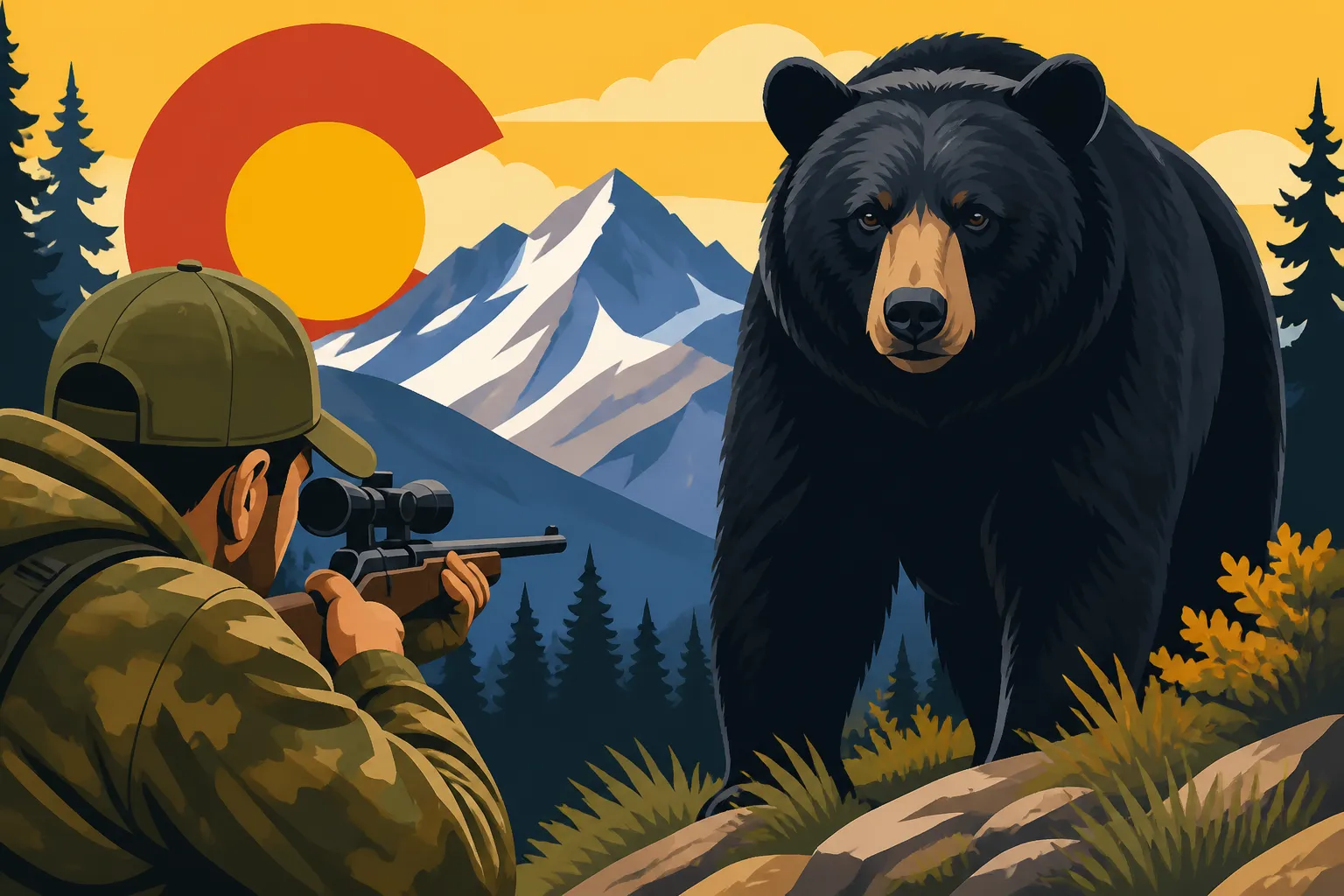
Hunting black bears in Colorado presents a unique and rewarding challenge, but for many hunters, it can feel like trying to find a ghost in the wilderness. Unlike the vocal elk rut or the predictable movements of deer, bears are often silent, elusive, and their patterns can shift dramatically with food availability. This guide is here to demystify the process, offering you practical, real-world advice on how to successfully hunt black bear in the rugged landscapes of Colorado.
Understanding Colorado's Black Bear Hunting Seasons and Regulations
Successfully hunting black bears in Colorado begins with a thorough understanding of the regulations. It's not just about knowing when you can go, but how, and under what specific conditions. Colorado Parks and Wildlife (CPW) manages bear populations carefully, and their rules are designed to ensure ethical hunting practices and healthy bear numbers.
Key Season Dates and Tag Types
Colorado offers a unique opportunity to hunt black bears primarily in the fall, often coinciding with deer and elk seasons, but with specific bear-only periods as well. There are typically separate seasons for archery, muzzleloader, and rifle hunters.
The archery bear season often opens a couple of weeks before the general archery elk season, and then runs concurrently with it through September. This early archery window can be excellent for bears that are still actively feeding on high-country berries and for hunters who want a dedicated bear hunt before deer and elk seasons kick off. Muzzleloader seasons for bear usually run concurrently with the muzzleloader deer and elk seasons in mid-September. Rifle seasons for bear are often intertwined with the staggered rifle seasons for deer and elk, running from October through November. Some units might have a late bear season that extends even further into the colder months, especially for units with higher bear populations or where conflicts are more prevalent. It’s absolutely crucial to check the current CPW Big Game brochure each year, as dates can shift. You'll find specific details in the Colorado Hunting Seasons Explained guide, but for bear, remember that the fall is prime time.
When it comes to tags, Colorado offers limited draw licenses for specific units, but it also has a significant number of over-the-counter (OTC) bear tags, particularly for the fall seasons. These OTC tags are often purchased as "add-on" tags to a deer or elk license, allowing you to harvest a bear if the opportunity arises during your other big game hunt. However, it's vital to note that even OTC tags might have specific unit restrictions or require you to hunt within a certain geographic area or during particular rifle seasons. Some units might also offer limited draw bear-only tags, which often require a few preference points. Understanding these distinctions is key to ensuring you're legally equipped for your hunt. Don't just assume an elk tag automatically grants a bear tag; always verify the specific bear licensing requirements. For the most up-to-date information on available tags and application dates, refer to Colorado Black Bear Season Dates and Tags.
Essential Regulations and Restrictions
Colorado has some very distinct rules that differentiate its bear hunting from other states. The most significant one for many hunters is the prohibition of baiting and the use of hounds. This means you can't set out bait to attract bears, nor can you use dogs to track or tree them. This makes Colorado a pure "fair chase" spot-and-stalk or ambush hunting state for bears, emphasizing skill in tracking, glassing, and understanding bear behavior.
Another critical regulation is the mandatory harvest reporting. Any bear harvested in Colorado must be reported to CPW within five days of harvest. This often involves presenting the skull and hide to a CPW office or district wildlife manager for sealing, where they collect valuable biological data like sex, age, and location of harvest. Failure to report can result in significant penalties, so make sure this is part of your post-harvest plan. There aren't specific antler point restrictions for bears, obviously, but legal bears typically refer to any bear except a sow with cubs. While not a direct bear regulation, be aware of Cervid Chronic Wasting Disease (CWD) rules, especially if you're processing other game alongside your bear. Always consult the official CPW regulations brochure for the most current and precise legal requirements.
Here's a quick overview of general season timelines for hunting black bears in Colorado. Remember, these are general and can vary by unit and year. Always check the current CPW regulations.
| Season Type | General Dates (Approximate) | Tag Type | Key Characteristics |
|---|---|---|---|
| Archery | Late August – Late September | Draw/OTC | Often overlaps with archery deer/elk; no baiting/hounds. |
| Muzzleloader | Mid-September | Draw | Short, specific season, usually concurrent with deer/elk. |
| Rifle (Early) | Late September – Early October | Draw | Limited draw, specific units, often prior to general rifle. |
| Rifle (Main) | Late October – Mid-November | Draw/OTC | Concurrent with 2nd, 3rd, 4th rifle deer/elk seasons. |
| Rifle (Late) | Late November – Early December | Draw | Some units offer extended season. |
Locating and Scouting Black Bear Habitat
Finding black bears isn't always about stumbling upon them; it's about understanding their needs and knowing where to look based on food, cover, and water. Colorado's diverse ecosystems mean bear habitat can vary widely, from dense timber to high-elevation berry patches.
Identifying Prime Bear Country
Black bears are omnivores, and their movements are largely dictated by the availability of food. In Colorado, this means seasonal shifts in diet and location. Early fall, when archery seasons often open, bears are in a hyperphagic state, meaning they're eating almost constantly to put on fat reserves for winter. This is a fantastic time to find them actively feeding.
Look for areas rich in hard mast crops like acorns and pine nuts, particularly where oak brush is prevalent, especially Gambel oak. These areas can be absolute magnets for bears, providing critical calories. Soft mast, such as serviceberries, chokecherries, raspberries, and huckleberries, are also huge attractants. Identify south-facing slopes or open clear-cuts where these berries thrive and get ample sunlight. Bears will literally gorge themselves in these patches. Creek bottoms and draws that hold moisture are often good places to find these berry bushes. Sometimes, you'll even find them scavenging on carrion, especially after the first rifle seasons where gut piles might be left by successful elk or deer hunters. Understanding Colorado Black Bear Behavior is key to predicting their movements.
Beyond food, bears need cover. Dense timber, particularly north-facing slopes with thick spruce and fir stands, provides excellent bedding areas and refuge from hunters. Aspen groves can also offer good cover and sometimes harbor important food sources. Water sources are also essential, so don't overlook areas with springs, seeps, or small creeks, especially during dry periods. Bears are surprisingly adaptable, and their range can cover vast stretches of diverse terrain, from the foothills to high alpine basins. You'll often find that the areas Colorado Black Bear: Where to Find Them overlap significantly with prime deer and elk habitat.
Effective Scouting Techniques for Bears
Scouting for bears is less about seeing the bear beforehand and more about finding evidence of their presence and identifying high-probability areas. This is where e-scouting becomes incredibly valuable. Before you ever hit the trail, use online mapping tools to pinpoint potential food sources, dense cover, and travel corridors. Platforms like GoHunt offer detailed topographic maps, public land overlays, and satellite imagery that can help you identify stands of oak brush, clear-cuts, and north-facing timbered slopes from the comfort of your home. You can look for drainages that seem to funnel into large clearings or open areas with good visibility for glassing. Learn more about how this approach can benefit you in How to E-Scout Before a Colorado Hunt.
Once you're on the ground, your scouting should focus on finding direct sign. Look for scat (droppings) which can tell you what they've been eating – often identifiable by berry seeds or grass. Fresh scat indicates recent activity. Search for tracks in mud around water sources or dusty trails. Bear tracks are distinct and large. Keep an eye out for claw marks on trees, especially older aspens or pines, where bears might climb to feed on nuts or just sharpen their claws. Look for overturned rocks and logs, indicating they've been rooting for grubs or insects. In berry patches, look for broken branches or mashed-down areas where they've been feeding.
Glassing is perhaps the most effective on-the-ground scouting and hunting technique for bears. Find a high vantage point overlooking large swaths of potential bear habitat—berry patches, clear-cuts, open slopes with oak brush. Spend hours patiently glassing with good binoculars and a spotting scope, especially during early morning and late evening when bears are most active. Bears can appear surprisingly small in vast landscapes, so grid your areas meticulously. Remember, bears are often found in areas that provide ample food and cover, sometimes surprisingly close to human activity if unpressured. If you're planning a more extensive trip, How to Plan a Colorado Backpack Hunt can offer insights into planning and logistics for scouting and hunting deeper into the backcountry.
Strategic Hunting Methods for Colorado Black Bears
Given Colorado's "no baiting, no hounds" rule, your primary methods for black bear hunting will revolve around two core strategies: spot-and-stalk and ambush hunting. Both require patience, keen observation, and an intimate understanding of bear behavior and habitat.
Spot-and-Stalk Hunting
Spot-and-stalk hunting for black bears is an incredibly rewarding and challenging method. It demands excellent optics, physical fitness, and the ability to move silently and read the wind effectively. The core principle is simple: find a bear from a distance, then execute a carefully planned stalk to get within shooting range.
This method typically involves finding a high vantage point, often called a "glassing knob" or "observation point," that overlooks extensive areas of prime bear habitat. This could be a large basin filled with oak brush, a series of open clear-cuts, or sprawling slopes known for their berry production. From this perch, you'll spend hours, often days, meticulously glassing the terrain. Early morning and late evening are the most productive times, as bears are often out foraging during these cooler periods. Be patient; a bear can appear seemingly out of nowhere, and they can blend into the shadows or dense vegetation remarkably well. A good set of GoHunt's recommended binoculars, like the Swarovski NL Pure or Maven B.5, paired with a reliable spotting scope, will be your best friends here.
Once a bear is spotted, the real work begins. You need to assess the wind direction, identify cover for your approach, and determine the bear's likely travel path. The wind is paramount; bears have an incredible sense of smell, and if they catch your scent, the hunt is over. Always keep the wind in your favor. Plan your stalk to utilize terrain features like ridges, draws, and timbered sections to mask your movement and minimize exposure. Moving slowly, quietly, and deliberately is critical. Bears often feed slowly and methodically, offering small windows for advancement. Be prepared to wait and move only when the bear's head is down or it's momentarily out of sight. This challenging but exciting method is deeply explored in How to Spot-and-Stalk Colorado Black Bear.
Ambush Hunting Near Food Sources
Ambush hunting, while less dynamic than spot-and-stalk, can be highly effective, especially when you've identified a consistent food source that bears are regularly visiting. This strategy involves setting up in a concealed position near a known active feeding area and patiently waiting for a bear to appear.
Think about dense berry patches, oak brush flats, or even a recent gut pile from another hunter's harvest (though be mindful of regulations regarding baiting; passive ambush near a natural food source is fine, but purposefully creating a "bait" is not). The key is scouting the area thoroughly to confirm recent bear activity. Look for fresh tracks, scat, and disturbed vegetation. Once you've identified a hot spot, choose a stand location that offers good visibility, a clear shooting lane, and importantly, is downwind of the anticipated approach. This could be a portable ground blind, a natural hide built from fallen timber, or simply good camouflage in thick cover. While tree stands are commonly used for deer, they are less prevalent for bear in Colorado due to the reliance on natural forage areas rather than bait, but can be effective in certain scenarios, particularly overlooking small clearings or trails within dense timber.
Patience is the cornerstone of ambush hunting. Bears can be unpredictable in their timing, so settling in for long waits, often from before dawn until mid-morning, and again from mid-afternoon until dark, is common. Scent control is as important here as with spot-and-stalk. Use scent-eliminating sprays, wash your clothes in scent-free detergent, and store them properly. Just like waiting for elk around a waterhole, as described in How to Hunt Elk Wallows in Colorado, applying similar principles to bear feeding areas can lead to success. Be prepared for bears to appear suddenly and silently; their movements can be incredibly stealthy, even when feeding.
Essential Gear and Safety Considerations
Heading into the backcountry to hunt black bears requires careful preparation. The right gear not only increases your chances of success but, more importantly, ensures your safety and comfort in challenging terrain.
Recommended Gear for Bear Hunting
Your gear list for black bear hunting will have significant overlap with what you'd pack for an elk or deer hunt in Colorado, but with a few specific considerations.
- Optics: This cannot be stressed enough. High-quality binoculars (10×42 or 12×50) are essential for glassing vast landscapes. A spotting scope (15-45x or 20-60x) will be invaluable for identifying bears at extreme distances and evaluating them, ensuring you're targeting a legal animal. Don't skimp on glass; it's your primary tool for finding bears. You can find excellent recommendations in Best Optics for Colorado Big Game.
- Weapon Choice:
- Rifle: A reliable rifle in a capable caliber is paramount. Calibers like .30-06, .300 Win Mag, 7mm Rem Mag, and .308 Winchester are excellent choices, providing sufficient knockdown power for bears. Ensure your rifle is sighted in accurately and you are proficient in shooting it, especially at varying mountain angles.
- Bow: For archery hunters, a compound bow set up for at least 60 lbs of draw weight, firing a sharp, heavy arrow with a quality broadhead, is necessary. Bear hide and bone can be tough, so penetration is key.
- Muzzleloader: If hunting with a muzzleloader, choose a .50 caliber or larger with a stout bullet that will hold together and penetrate.
- Navigation: A GPS device, paper maps (USGS topographic maps are excellent), and a compass are critical. Cellular service is unreliable in much of Colorado's bear country. A smartphone app like the GoHunt app, with downloaded offline maps, can be a lifesaver.
- Clothing: Layering is essential for Colorado's unpredictable mountain weather. Expect everything from warm sun to freezing rain or snow, even in early fall. Waterproof and windproof outer layers are a must.
- Backpack: A comfortable, capable backpack is non-negotiable, especially for spot-and-stalk or if you're venturing deep. It needs to hold your day's essentials and, ideally, be able to pack out meat if you're successful. For ideas, check out Best Backpack for a Colorado Elk Hunt.
- Scent Control: Bears have an incredible sense of smell. Scent-eliminating sprays, scent-free detergent for clothing, and careful hygiene are all vital.
- First-Aid Kit: A comprehensive kit for treating minor injuries and emergencies.
- Bear Spray: While bears are typically shy, carrying bear spray and knowing how to use it is a critical safety item in bear country, especially if you encounter a sow with cubs or an agitated bear.
Safety in Bear Country
Hunting bears means you're in their home, and respecting their space and understanding potential risks is paramount. While black bears are generally not aggressive towards humans, precautions are always wise.
- Situational Awareness: Always be aware of your surroundings. Scan frequently, listen for sounds, and pay attention to fresh bear sign. If you encounter a bear, remain calm. Make yourself look big, make noise, and back away slowly. Avoid direct eye contact.
- Sows with Cubs: A sow with cubs is potentially the most dangerous encounter. If you see cubs, assume the sow is nearby. Give them a wide berth and avoid getting between them.
- Food Storage: If you're camping, practice bear-safe food storage. Use bear canisters, hang food, or store it in your vehicle (if car camping). Never keep food in your tent. Proper food storage also prevents habituation, keeping bears wild and safe.
- Bear Spray Proficiency: Carry bear spray on your hip or chest rig, not buried in your pack. Know how to unholster it, remove the safety, and deploy it quickly and effectively. Familiarize yourself with its range and how to aim.
- Hunting Partners: While solo hunting is possible and rewarding, hunting with a partner adds a layer of safety, especially for packing out meat or in case of an emergency. If you do hunt alone, always tell someone your exact hunt plan, including your expected return time and location.
- Field Dressing: If you successfully harvest a bear, be efficient and clean with field dressing. Remove the hide and meat promptly to cool it. Be mindful of lingering smells and potential attractants. It's often best to quarter the bear and pack it out quickly, especially if hunting in warmer conditions, as described in How to Keep Elk Meat Cool in Warm Weather, which applies equally to bear meat.
Disclaimer
Hunting is an inherently dangerous activity. This guide provides general information and recommendations but cannot cover all scenarios or individual capabilities. Always prioritize safety, respect wildlife, and strictly adhere to all local, state, and federal hunting regulations. Consult the Colorado Parks and Wildlife (CPW) official regulations each year before your hunt, as rules and season dates can change. The author and publisher are not responsible for any incidents that may occur.