How to Hunt Moose in Colorado
Trying to hunt moose in Colorado can feel like chasing a ghost, especially when you consider how rare and sought-after these tags are. It's not just about finding the animal; it’s about understanding their elusive nature, navigating complex regulations, and preparing for a physically demanding hunt in some of Colorado’s most rugged country. This comprehensive guide will walk you through everything you need to know, from applying for a tag to field dressing your magnificent trophy, ensuring you’re well-equipped for this incredible, once-in-a-lifetime experience.
Understanding Colorado Moose and Their Habitat
Moose are an iconic symbol of the North American wilderness, and Colorado’s shiras moose population, while smaller than some other states, offers a truly unique hunting challenge. Unlike the vast herds of elk, moose are typically solitary, making them harder to locate and pattern.
Moose Biology and Behavior in Colorado
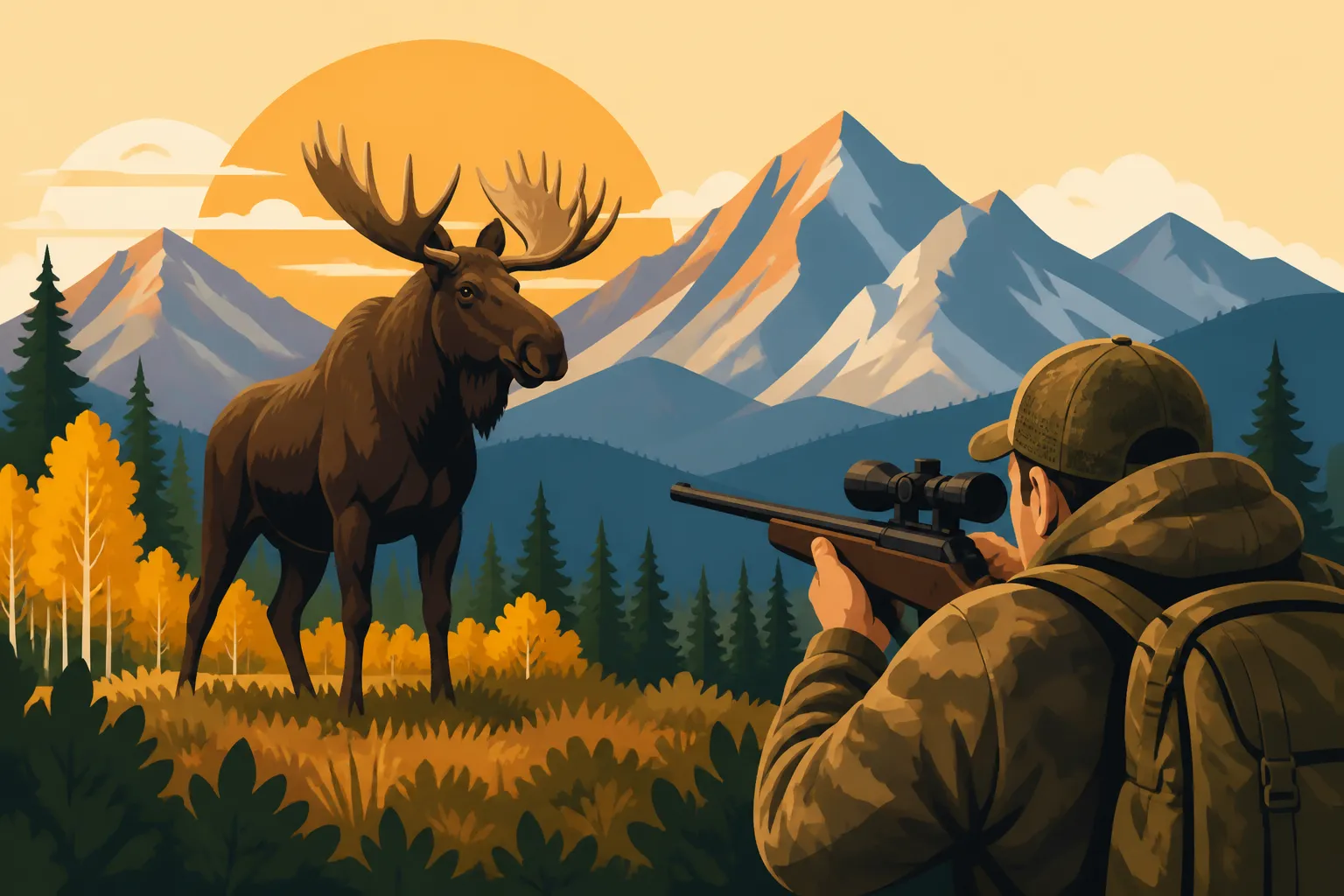
Colorado's shiras moose (Alces alces shirasi) are the smallest subspecies of moose in North America, but don't let that fool you—they are still massive animals, with bulls regularly weighing over 1,000 pounds and standing over six feet at the shoulder. Their thick, dark coats are perfectly adapted for cold, snowy environments, and their long legs allow them to navigate deep snow and dense timber with surprising ease. They are primarily browsers, feasting on willow, aspen, and other aquatic vegetation, which dictates their preferred habitat.
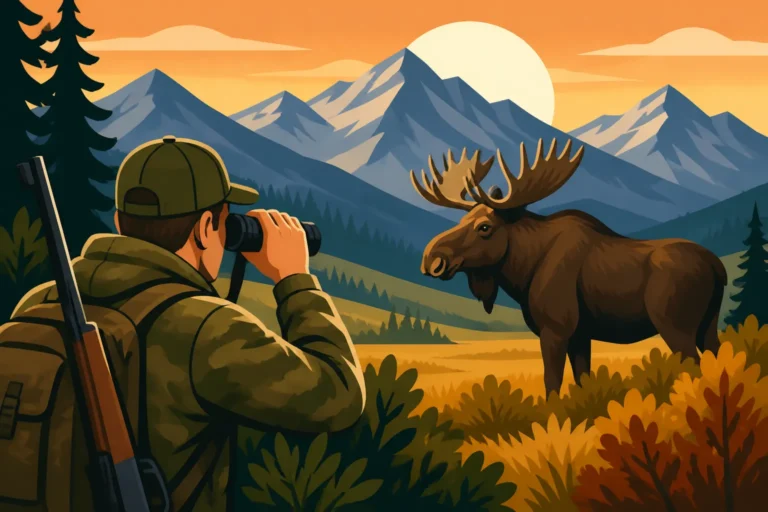
Moose are generally less vocal than elk, and their movements can be quite unpredictable outside of the rut. They tend to be crepuscular, most active during dawn and dusk, often retreating into dense cover during the day. While they don't migrate like elk, their seasonal movements are tied to forage availability and breeding. Understanding these nuanced behaviors is critical for hunters. They're not going to be where the elk are, and they don't respond to pressure in the same way. You often find them just poking their heads out of a willow thicket, silently feeding, completely unaware of your presence until you're right on top of them.
Prime Moose Habitat and Range
Colorado's moose population has seen significant growth since their reintroduction in the late 1970s and early 1980s, primarily thriving in the north-central and southwestern parts of the state. The Routt National Forest, particularly around North Park and the Laramie River Valley, is a well-known stronghold for moose, offering vast expanses of willow bottoms, high-elevation spruce-fir forests, and abundant water sources. Other significant populations are found in the Flat Tops Wilderness, the Grand Mesa, and in the mountains surrounding Creede and Lake City in the San Juan Mountains.
These areas are characterized by willow-choked stream bottoms, beaver ponds, and dense, regenerating forests with plenty of young aspen and conifer stands. Moose love wet, boggy areas and dense timber where they can find both food and cover. When you’re scouting, look for fresh tracks in soft mud, heavily browsed willow branches, and rubs on small trees. They're creatures of habit, often using the same travel corridors along watercourses year after year. Utilizing tools like How to E-Scout Before a Colorado Hunt can help you pinpoint these promising areas even before you set foot in the field, saving you valuable time on the ground.
Seasonality and Moose Movement
Moose movements are heavily influenced by the seasons, especially their dietary needs and the breeding cycle. In the spring and summer, they often spread out across their range, seeking out nutrient-rich forage in higher elevations and along drainages. As fall approaches, leading into the rut, bulls become more active, moving more frequently in search of cows. This is when they are most vulnerable and responsive to calling.
Once the rut winds down, often by late October, moose become more focused on feeding, putting on weight for winter. During the winter months, they typically move to lower elevations or south-facing slopes where snow depth is less prohibitive and forage is more accessible. A crucial aspect of finding moose is understanding these seasonal patterns and adjusting your hunting strategy accordingly. Knowing that they gravitate towards willow-rich areas in the fall, or south-facing slopes after a heavy snowfall, can be the difference between a successful hunt and a long, cold trek.
Colorado Moose Hunting Regulations and Tags
Hunting moose in Colorado is not like hunting elk; it's a true limited-entry affair, often requiring years—or even decades—of dedicated effort to draw a tag. Patience and a strategic approach to the draw system are absolutely paramount.
The Colorado Moose Draw System
Colorado's moose tags are allocated through a highly competitive draw system, making them one of the most coveted big game tags in the state. Unlike deer and elk, where there are often over-the-counter opportunities or a hybrid draw, moose tags are strictly limited. You apply for a specific hunt code in the primary draw, and success depends on the number of preference points you've accumulated. Many units require 20+ preference points, meaning you could be applying for two decades or more before you draw. This can be incredibly frustrating for hopeful hunters, but the reward is a truly special opportunity.
It’s a good idea to research the draw odds carefully and understand how Colorado Preference Points Explained works. Websites like GoHunt provide excellent data analysis and drawing odds specific to each GMU and hunt type, helping you make informed decisions on where to apply. They can show you the average points needed for specific units, helping you strategize if you're building points or ready to burn them.
Essential Licensing and Permits
Before you can even apply for a moose tag, you need to purchase a qualifying license. For residents, this typically means a small game or fishing license. Non-residents must also purchase a Colorado hunting license, which is usually a non-refundable application fee or a small game license that acts as your qualifier. Don't forget the Habitat Stamp! It's a mandatory purchase for nearly all Colorado hunters, supporting wildlife habitat projects across the state. Without these prerequisites, your application will be invalid, and you don’t want to miss out on building those precious preference points because of an oversight.
Beyond the initial application, if you are lucky enough to draw a tag, there will be a separate, significant fee for the moose license itself. Make sure your finances are in order and you understand all the associated costs well in advance. Planning years ahead for this kind of hunt means budgeting for everything, not just the hunt itself.
Understanding Hunt Codes and Unit Choices
Colorado’s hunt codes are a combination of numbers and letters that designate the species, sex, unit, and season. For moose, these codes are very specific, often indicating "bull moose," "cow moose," or "either-sex" for a particular Game Management Unit (GMU) during a specific season (e.g., archery, muzzleloader, or rifle). Each GMU has different draw odds and moose populations. Some units might offer higher success rates but require more preference points, while others might be a long shot but could pay off for a lucky few with fewer points.
It’s vital to thoroughly research specific GMUs, considering factors like terrain, public land access, and recent population trends. The Colorado Parks and Wildlife (CPW) website and resources like GoHunt offer detailed information on specific hunt codes and draw statistics. You'll want to dive deep into these resources to understand where your point accumulation places you and which units are realistic targets. This detailed analysis, much like studying for a big exam, is your best bet for maximizing your chances in the draw. For more general information on how these codes work across species, check out Colorado Hunt Codes Explained.
| Moose Hunt Type | Weapon | Season Dates (Approx.) | Typical Points Required (Resident) | Public Land Access |
|---|---|---|---|---|
| Bull Moose | Archery | Mid-September | 20-25+ | Excellent |
| Bull Moose | Muzzleloader | Early-Mid September | 20-25+ | Excellent |
| Bull Moose | Rifle | Early-Mid October | 20-25+ | Excellent |
| Cow Moose | Archery | Mid-September | 10-15+ | Excellent |
| Cow Moose | Rifle | Early-Mid October | 10-15+ | Excellent |
Note: Preference points required are estimates and can change annually. Always consult the current Colorado Parks and Wildlife regulations.
Effective Moose Hunting Strategies and Tactics
Once you've beaten the odds and drawn that coveted moose tag, the real work begins. Moose hunting requires a combination of meticulous planning, keen observation, and often, incredible physical endurance.
Scouting for Moose in Difficult Terrain
Moose often inhabit dense, boggy, and difficult-to-access areas, making thorough pre-season scouting absolutely essential. Forget driving paved roads and glassing from the truck; you’re going to be getting your boots dirty. Focus on areas with abundant willow thickets, beaver ponds, and dense conifer stands, especially near water sources. Look for fresh tracks, browse lines on willows, and old rubs—signs that moose are regularly using the area.
E-scouting with tools like GoHunt, Gaia GPS, or OnX Hunt is a great starting point, allowing you to identify potential bedding and feeding areas, travel corridors, and escape routes. Look for north-facing slopes with dense timber for bedding, and south-facing slopes with scattered aspens or pines that might offer some warmth and feeding opportunities. However, nothing replaces on-the-ground reconnaissance. Plan scouting trips to verify what you see on maps, paying close attention to fresh sign and how moose might navigate the terrain. This is where you learn the nuances of a unit, where the real-world terrain differs from the topo lines. For more on navigating rugged areas, consult the Colorado Backcountry Hunting Guide.
Calling and Decoying Strategies
Unlike elk, moose are not typically known for their bugles, but they do vocalize, especially during the rut. Cow calls, which are a soft, drawn-out "moan," can be highly effective for attracting both cows and bulls. Bulls, in turn, will often respond with a deep, guttural grunt or, when agitated, will crash antlers against trees or rake brush, mimicking another bull. Learning How to Call Moose in Colorado and understanding these sounds is a vital skill.
Raking a paddle against a tree or scraping a shovel on the ground to simulate antler-on-brush sounds can pique a bull's curiosity and draw him closer, especially if combined with cow calls. Decoying, while less common than for elk, can also be effective. A large silhouette of a cow moose, or even a smaller bull, can sometimes draw a territorial bull into shooting range, particularly during the peak of the rut. Remember, moose often approach silently, so be prepared for a sudden appearance from dense cover.
Approaching and Ethical Shot Placement
Moose are large, powerful animals, and a clean, ethical shot is paramount. Once you've located a moose, a slow, methodical stalk is often necessary. They have excellent hearing and a great sense of smell, though their eyesight can be less acute than deer or elk. Use the wind to your advantage and move slowly, pausing often to scan the surroundings. Pay attention to how to move quietly through their dense habitat, especially in thick timber. For tips on quiet movement, you can adapt tactics from How to Move Quietly Through Colorado Timber.
The ideal shot placement for a moose is similar to other big game: aiming for the vital triangle behind the shoulder, targeting the heart and lungs. Due to their large size, a broadside or slightly quartering-away shot offers the best opportunity for a clean kill. Be patient, wait for the animal to present a clear, unobstructed shot, and use shooting sticks or a stable rest if possible. Practice shooting from various field positions to be ready for the moment of truth. Tracking a wounded moose through dense, wet terrain is incredibly difficult and dangerous, so make that first shot count.
Gear and Logistics for a Successful Colorado Moose Hunt
A successful moose hunt goes beyond finding the animal and making a good shot; it involves meticulous preparation for the conditions and the immense task of getting your trophy out of the backcountry.
Essential Gear for Moose Hunting
Given the rugged, often wet, and cold environments moose inhabit, your gear selection is critical. Start with a reliable rifle in a capable caliber (.30-06, .300 Win Mag, .338 Win Mag are popular choices) paired with quality optics. A good set of binoculars (10×42 or 12×50) and a spotting scope will be invaluable for scanning dense cover. Pack layers of moisture-wicking clothing, including good rain gear, as you’ll likely encounter variable weather. Good quality waterproof boots are non-negotiable, as you’ll be wading through bogs and wet timber.
A sturdy backpack, ideally 60-80 liters, is essential for carrying your gear and, eventually, packing out heavy meat. Consider a frame pack for the arduous task of packing out a moose. Don't forget navigation tools (GPS, map, compass), a headlamp, fire starter, first-aid kit, and enough food and water for several days. If you’re planning a backcountry hunt, you'll want to review a comprehensive list, like the suggestions in Colorado Backcountry Hunting Gear List. A sharp knife, game bags, and perhaps a small saw are also crucial for field dressing.
Physical Preparation and Altitude Acclimation
Moose country is typically steep, remote, and at high elevations, ranging from 8,000 to over 10,000 feet. The physical demands of hiking through thick timber, climbing steep slopes, and potentially packing out hundreds of pounds of meat are immense. Start an intense physical training regimen months before your hunt, focusing on cardiovascular endurance, strength training, and hiking with a weighted pack.
If you’re traveling from sea level, arriving a few days early to allow for How to Acclimate to Colorado Elevation is highly recommended. Altitude sickness can severely impact your hunting performance and enjoyment. Stay hydrated, avoid alcohol, and listen to your body. Being physically prepared not only increases your chances of success but also ensures your safety and makes the entire experience more enjoyable. For more detailed training plans, you can adapt advice from How to Physically Prepare for Colorado Elk.
Field Care and Pack Out Considerations
Congratulations, you've harvested a Colorado moose! Now comes one of the most physically demanding parts of the hunt: field dressing and packing out. A moose is an enormous animal, often weighing over a thousand pounds, and you'll need a solid plan. Quartering the animal in the field is usually the most practical approach. Skinning and quartering a moose is a massive undertaking, and having assistance from hunting partners is highly beneficial.
Bring plenty of good quality game bags to protect the meat from dirt, flies, and debris. Cooling the meat quickly is crucial, especially if temperatures are mild. Hang quarters if possible or lay them out to air. Packing out a moose can take multiple trips and may require specialized frame packs, particularly in steep or roadless terrain. You might consider an outfitter or pack-horse service for extraction if you're in a truly remote area. A good resource for this monumental task is How to Pack Out an Elk in Colorado, which offers similar principles for handling large game. Be prepared for a long, grueling, but ultimately rewarding pack out.
Disclaimer
Hunting is an inherently dangerous activity. This guide provides general information and recommendations. All hunters are responsible for knowing and adhering to all current Colorado Parks and Wildlife regulations, safety guidelines, and ethical hunting practices. Conditions can change rapidly in the backcountry; always be prepared and prioritize safety.