Colorado Mule Deer Habitat by Elevation
If you've ever found yourself staring at a topographical map of Colorado, wondering where in the world the mule deer are hiding, you're certainly not alone. Colorado's vast and varied landscape, from sagebrush flats to towering peaks, offers incredible opportunities for mule deer hunting, but it also presents a significant challenge: understanding how these amazing animals utilize different elevations throughout the year. This guide will walk you through the seasonal movements and preferred habitats of Colorado mule deer across various elevations, helping you unravel their secrets and plan a more successful hunt.
Understanding Mule Deer in Colorado's Varied Terrain
Mule deer are masters of adaptability, thriving in a diverse range of environments across Colorado. Unlike elk, which often stick to denser timber or high alpine basins, mule deer frequently prefer more open, broken country, though they are certainly not strangers to thick stands of aspens or dark timber. Their habitat choices are deeply intertwined with the changing seasons, food availability, and pressures from predators and hunters.
The Generalist Nature of Mule Deer vs. Elk
When we talk about hunting in Colorado, mule deer and elk often come up in the same breath, but their habitat preferences, while sometimes overlapping, have distinct differences. Elk are often associated with expansive timber, north-facing slopes, and high elevation summer ranges, typically seeking out lush grasses and forbs. Mule deer, on the other hand, are browsers and opportunistic grazers. They favor a mix of browse – think bitterbrush, serviceberry, mountain mahogany, and various shrubs – alongside forbs and grasses. This dietary flexibility allows them to inhabit a broader spectrum of terrain, from open sagebrush steppe to dense mountain forests and even the fringe of agricultural lands. Understanding this distinction is crucial, as it informs where you'll focus your scouting efforts and ultimately, your hunt strategy. For a broader overview, take a look at our Colorado Mule Deer Hunting Guide.
Key Factors Influencing Mule Deer Habitat
Several critical factors dictate where mule deer will choose to live at any given time, and elevation is perhaps the most significant, as it directly correlates with many of these other elements.
- Forage Availability: This is paramount. Mule deer go where the food is. As temperatures change with elevation and season, different plants become palatable and nutritious.
- Cover and Security: Deer need places to hide from predators, both four-legged and two-legged. This can mean dense timber, thick brush, rocky outcroppings, or even just rolling topography that breaks up sightlines.
- Water Sources: While mule deer are incredibly efficient at extracting moisture from their food, readily available water is always a draw, especially in drier, lower elevations.
- Thermal Regulation: In summer, higher elevations offer cooler temperatures, while in winter, lower elevations with south-facing slopes provide respite from deep snow and harsh winds.
- Snow Depth: Deep snow can severely limit mobility and access to forage, driving deer to lower, more accessible areas.
- Hunting Pressure: Deer are smart. If one area sees heavy hunter traffic, they'll often retreat to thicker, less accessible cover, or even shift to private lands if available.
Understanding how these factors interplay across different elevations is the key to unlocking the puzzle of Colorado mule deer movements.
Mule Deer Habitat by Elevation: A Seasonal Breakdown
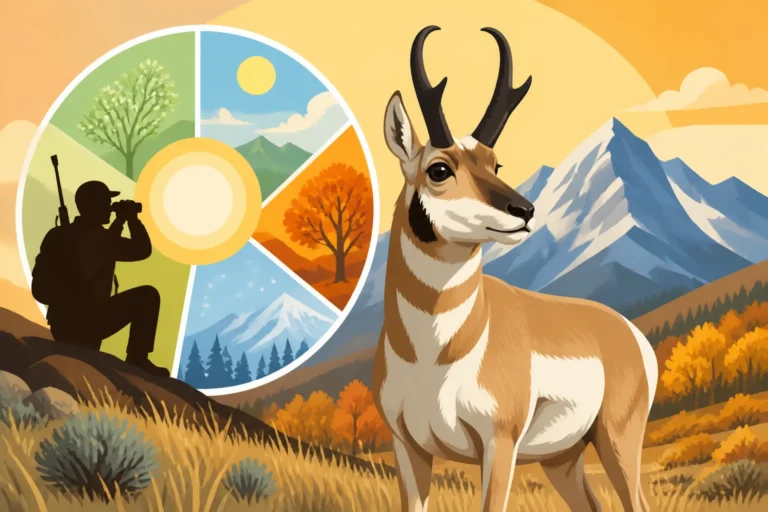
Mule deer in Colorado are true migrants, often covering significant distances between their summer and winter ranges. This migration is largely driven by snowpack and forage availability, directly linked to elevation.
Low Elevations: Winter Range and Early Spring
When the snow starts to fly in the high country, mule deer begin their descent to lower elevations. This "winter range" is critically important for their survival.
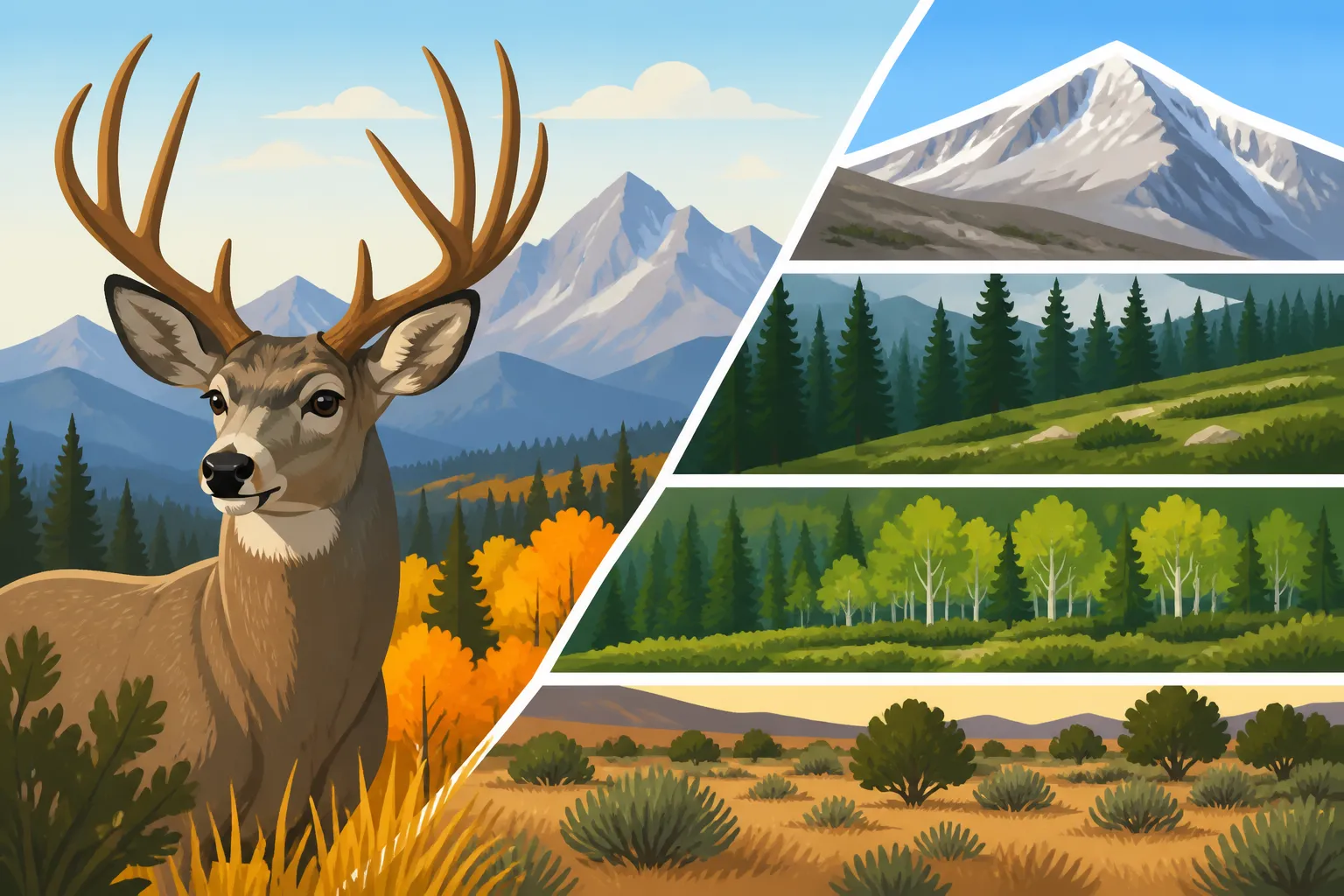
- Typical Elevation: Generally from 5,000 to 7,500 feet, but this can vary depending on the specific mountain range and severity of the winter.
- Habitat Characteristics: Here, you'll find expansive sagebrush flats, pinyon-juniper woodlands, bitterbrush stands, and south-facing slopes that melt off quicker, exposing crucial forage. These areas often feature broken topography, rimrock, and draws that offer some thermal cover from wind and sun. Rivers and drainages, often lined with cottonwoods and brush, also provide essential habitat.
- Why Deer Are Here: The primary reason is survival. Lower elevations mean less snow, making it easier to move and access food. South-facing slopes absorb more sunlight, melting snow faster and allowing browse plants to be exposed. Food sources in winter often consist of tough, woody browse like sagebrush, mountain mahogany, and bitterbrush. While not as nutritious as summer forage, these plants are vital for sustenance during lean months.
- Hunting Considerations: Late season hunts, especially those in November or early December, might find deer concentrated in these lower wintering areas. However, these areas can also be very open, making a Spot-and-Stalk Hunting in Colorado approach challenging, but rewarding for patient glassers. Knowing where these winter ranges are is essential, even if you're hunting earlier in the year, as it gives you clues about migration corridors. Tools like those on GoHunt can be invaluable for identifying historical winter range overlays on your maps.
Mid Elevations: Spring, Summer, and Early Fall Transition
As winter loosens its grip and spring brings new growth, mule deer begin their slow climb back up, often pausing in mid-elevation zones as transition areas.
- Typical Elevation: Roughly 7,000 to 9,500 feet. This is a broad range and arguably the most dynamic habitat for mule deer.
- Habitat Characteristics: This zone often boasts a mosaic of aspen groves, mixed conifer forests (ponderosa pine, Douglas fir), oak brush, mountain parks, and diverse shrub communities. North-facing slopes here might still hold pockets of timber for bedding, while south-facing slopes offer sunny areas for feeding on new growth. This elevation is characterized by more abundant and diverse forage, including succulent forbs, grasses, and a variety of palatable shrubs.
- Why Deer Are Here: This is where the green-up happens first after the low country. As new growth emerges, deer follow the "green wave" up the mountains. They feed heavily to regain weight lost over winter and prepare for the upcoming rut and breeding season. These mid-elevations provide excellent cover, water, and a smorgasbord of food. Deer might spend significant portions of early summer here before pushing higher, or they might stick around all summer if conditions are favorable and pressure is low. The rut, typically in late October and November, often sees deer highly active in these mid-elevation transitional areas, especially those with good cover and interspersed openings.
- Hunting Considerations: This mid-elevation band is often prime hunting ground during archery and early rifle seasons. Bucks will be putting on antler growth and often forming bachelor groups in summer. As the rut approaches, these areas become incredibly active. Learning How to Find Elk When They Go Quiet can sometimes offer insights, but mule deer behavior, while similar in needing security, is distinct. For effective scouting, try to understand the specific Colorado Mule Deer Migration routes that connect low wintering grounds to high summer areas. Platforms like GoHunt provide detailed mapping tools that show elevation contours and vegetation types, making it easier to predict where deer might be at different times of year.
High Elevations: Summer Sanctuaries and Alpine Basins
For many of the biggest, oldest bucks, the high country offers a relatively undisturbed haven during the warmest months.
- Typical Elevation: Above 9,000 feet, extending up to treeline (around 11,000-11,500 feet) and occasionally into the alpine tundra.
- Habitat Characteristics: Here, you'll find extensive conifer forests (spruce and subalpine fir), high-elevation aspen stands, open mountain meadows, alpine cirques, and rocky slopes. Water is usually plentiful from snowmelt and springs. This is often rough, steep, and remote country. The forage includes tender forbs and grasses that only grow after the lower elevations have dried out, as well as high-altitude shrubs.
- Why Deer Are Here: Cooler temperatures, abundant high-quality forage, and reduced human pressure. Big bucks, especially, seek out these secluded spots to grow their antlers undisturbed. They'll feed heavily on the lush vegetation and bed down in thick timber or rugged terrain for security. These areas also provide thermal relief from summer heat and fewer biting insects compared to lower, warmer zones.
- Hunting Considerations: If you're targeting big, mature bucks, this is often where they'll be found during early archery seasons and sometimes even into the early rifle seasons before heavy snow pushes them down. Hunting at these elevations requires significant physical conditioning, specialized gear, and a solid plan for Colorado Backcountry Hunting Guide. Mastering How to Glass Big Colorado Basins is key, as deer can be tiny specks in vast landscapes. Always be prepared for rapidly changing weather, even in August. Many of the most sought-after units for trophy mule deer encompass vast high-elevation wilderness areas.
Here's a quick summary of mule deer elevation preferences:
| Season | Typical Elevation Range (feet) | Primary Habitat Characteristics | Key Deer Activity | Hunting Implications |
|---|---|---|---|---|
| Winter | 5,000 – 7,500 | Sagebrush flats, pinyon-juniper, south-facing slopes, rimrock | Survival, minimal movement, seeking exposed forage | Late season (Nov/Dec) hunts, often concentrated but wary |
| Early Spring | 6,500 – 8,500 | Lower mountain slopes, new growth, transition zones, oak brush | Following "green wave," recovering from winter, shedding antlers | Early scouting, shed hunting |
| Summer | 8,000 – 11,500+ | High mountain basins, conifer forests, alpine meadows, rocky slopes | Antler growth, feeding heavily, seeking cool temps, security | Archery/early rifle in high country, challenging access |
| Early Fall | 7,500 – 10,000 | Mid-elevation forests, aspen groves, transition areas, oak brush | Moving towards rutting grounds, feeding | Prime rifle hunting, bucks descending from high country |
| Late Fall/Rut | 6,500 – 9,000 | Mid-elevation transition zones, thick cover, accessible feeding areas | Breeding, increased activity, less wary during peak rut | Peak rut hunting, high chance of encountering active bucks |
Navigating Habitat Shifts and Scouting Strategies
Understanding these general elevation patterns is just the beginning. Mule deer movements are highly fluid, influenced by a myriad of factors that can shift them dramatically, sometimes overnight.
Impact of Weather and Pressure on Mule Deer Movement
A sudden early season snowstorm can push deer down from high country just as effectively as the sustained cold of winter. Conversely, a mild winter might mean deer stay higher longer. Drought conditions can force deer to concentrate around remaining water sources, or scatter them more widely in search of whatever green forage is available.
Perhaps even more impactful is hunting pressure. During popular rifle seasons, public lands can become crowded, causing deer to become nocturnal, seek out the thickest cover, or move onto private property where hunting is restricted. This is why having multiple spots scouted across different elevations is crucial for any hunter hoping for a shot at a Colorado mule deer. Even in units known for great deer, like some of the Best GMUs for Mule Deer in Colorado, heavy pressure can make hunting tough. Keep an eye on the weather forecasts and consider how local hunting pressure might be impacting deer behavior in your chosen area.
E-Scouting and Boots-on-the-Ground Recon
In today's hunting world, effective scouting is a blend of digital and physical effort. E-scouting using mapping tools like those offered by GoHunt can help you identify potential wintering areas, summer ranges, and the crucial migration corridors that connect them. Look for distinct elevation changes, south-facing slopes, dense cover, water sources, and areas with a good mix of historical burn scars or specific browse species. Pay attention to features that funnel deer movement, such as saddles, ridge lines, and thick draws.
However, nothing replaces boots-on-the-ground reconnaissance. Walking prospective areas, looking for deer sign – tracks, scat, rubs, beds, and forage utilization – helps confirm what you see on a map. This is especially true for identifying specific bedding areas within certain elevation bands. During the off-season, hike areas that will be mule deer winter range, mid-elevation rutting grounds, and high-elevation summer areas. Understanding the lay of the land, identifying escape routes, and knowing the prevailing winds at different elevations will give you an immense advantage when the season arrives. You can learn more about this by reading our How to E-Scout Before a Colorado Hunt guide.
Choosing Your Hunting Unit Based on Elevation and Habitat
Selecting the right GMU (Game Management Unit) is arguably the most important decision you'll make for your Colorado mule deer hunt, and it should be heavily influenced by your understanding of elevation and habitat.
The Value of Diverse Habitat Within a GMU
A prime mule deer GMU often isn't just one type of habitat; it's a dynamic combination. Look for units that offer a wide range of elevations, ensuring that deer have options regardless of weather or seasonal changes. This means units with significant vertical relief – from lower elevation winter range all the way up to high-elevation summer habitat, connected by obvious transition zones. Such units allow deer to migrate naturally and offer opportunities to hunt them at different times of the season as they move up or down.
For example, a unit with extensive sagebrush-pinyon-juniper at its base, transitioning into oak brush and then mixed conifer/aspen forests, and finally spilling into high alpine country, provides everything a mule deer needs throughout the year. These kinds of units, while often more rugged and demanding, tend to hold good numbers of deer and the potential for mature bucks. Our Colorado Hunting Units (GMUs) Explained guide can help you understand the nuances of these designations.
Considering Draw Odds and Hunter Density
While trophy potential and ideal habitat are enticing, it’s also important to be realistic about draw odds and hunter density, especially on public land. Units that consistently produce trophy animals or are easily accessible often require many preference points to draw a tag. These units can also experience significant hunting pressure. For non-residents, understanding Colorado Non-Resident Hunting License Guide and the draw process is vital.
If you're building points or prefer to hunt over-the-counter (OTC) archery, you might need to focus on units with good, but perhaps not "trophy," habitat, or be prepared to hunt harder and farther from roads to find unpressured deer. Understanding how Colorado Draw System and Preference Points work is crucial for long-term planning. Some units, particularly those with vast wilderness areas, naturally disperse hunters more effectively, even if they see high overall hunter numbers. This makes remote, high-elevation areas with difficult access attractive for those seeking solitude and potentially less-pressured animals, even if the mule deer population isn't the densest. It's about balancing opportunity with effort.
Disclaimer
Please note that hunting regulations, season dates, and unit boundaries are subject to change by Colorado Parks and Wildlife (CPW). Always consult the current year's official CPW Big Game brochure and regulations before planning any hunt. This guide is for informational purposes only and should not be considered a substitute for official CPW resources.