Colorado Moose Hunting Guide
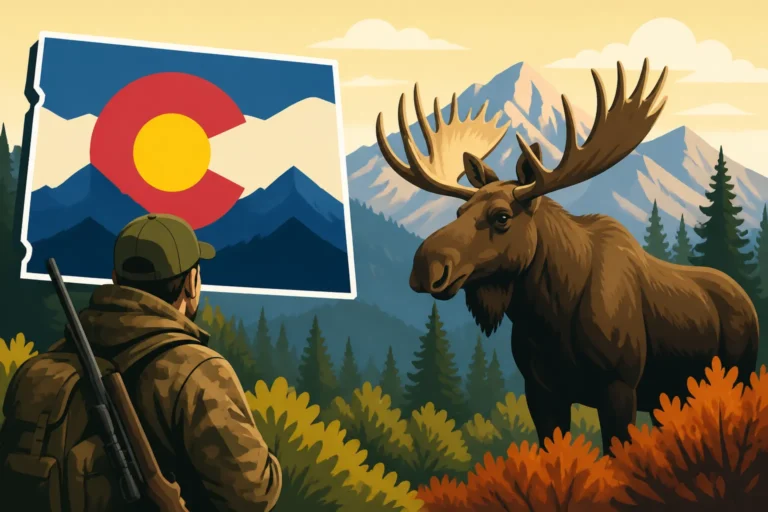
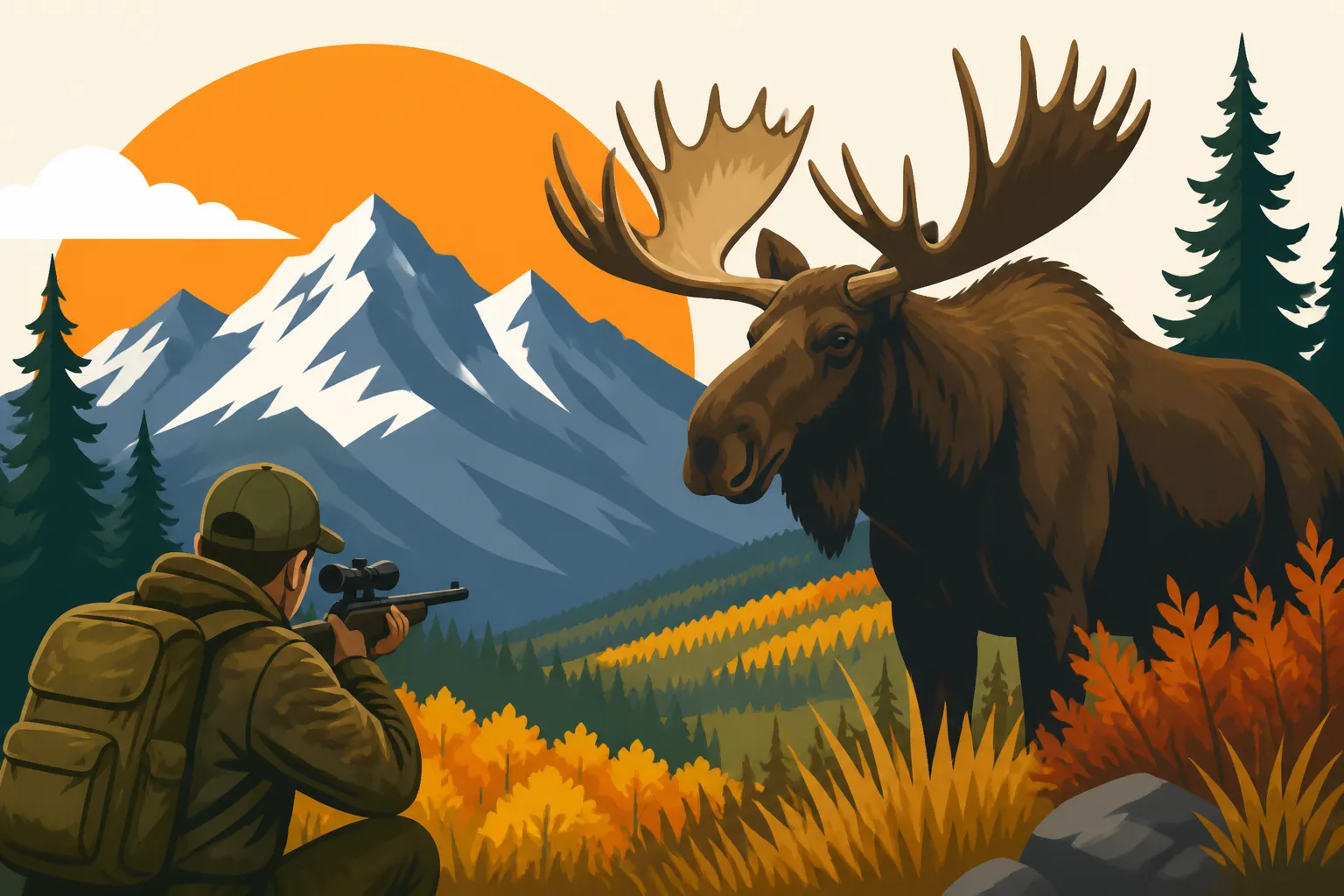
Dreaming of hunting a Colorado Shiras moose is a journey many envision, but few embark upon due to the extreme difficulty of drawing one of those coveted tags. It's a frustrating reality for many hunters that even with years of applying, a moose tag can remain elusive. This comprehensive guide is dedicated to walking you through everything you need to know about hunting moose in Colorado, from understanding their biology and navigating the draw system to mastering the tactics and preparing for the hunt of a lifetime.
Unraveling the Colorado Moose: Biology, Behavior, and Habitat
Before you even think about applying for a tag, truly understanding the magnificent Shiras moose is paramount. They're an incredible animal, vastly different from elk or deer, and appreciating their unique characteristics will be your first step towards a successful hunt in Colorado.
Unique Shiras Moose Characteristics
The Shiras moose, Alces alces shirasi, is the smallest of the North American moose subspecies, but don't let "smallest" fool you—they are still massive animals. Bulls can stand over six feet at the shoulder and weigh upwards of 1,000 pounds, with cows not far behind. Their distinct large, palmate antlers, long legs, and a dewlap (or "bell") hanging from their throat are unmistakable. Unlike elk, moose are not herd animals; they are primarily solitary creatures, though you might occasionally see a cow with her calf or a bull seeking a cow during the rut. This solitary nature impacts how and where you'll find them.
Moose have incredibly keen senses of smell and hearing, but their eyesight is often considered less acute, especially at long distances. This means that while they might not spot your subtle movements from a ridge away, they will absolutely hear that crunch of a twig or pick up your scent on a shifting breeze. Their diet primarily consists of woody browse, particularly willow, which is a critical habitat indicator you'll need to remember when scouting. These animals are built for tough terrain and deep snow, often found in dense cover near water sources, making for incredibly challenging hunting.
Preferred Moose Habitat in Colorado
Colorado's Shiras moose population, while much smaller than its elk herd, has seen significant growth since their reintroduction in the late 1970s and early 1980s. Today, their primary strongholds are in the North Park area around Walden, the Laramie River Valley, the Flat Tops Wilderness, the Gunnison Basin, and parts of the Routt and White River National Forests. These areas share common characteristics: abundant willow bottoms, riparian zones, and dense coniferous forests that offer both food and cover.
Moose are intimately tied to water and willows. You'll often find them browsing along creek beds, river drainages, and marshy areas, especially at elevations between 8,000 and 10,000 feet. Unlike elk, which often move up and down elevations throughout the day, moose tend to stick to their preferred willow-rich areas, making them somewhat predictable once you find suitable habitat. Their dense coat, while great for winter, means they don't handle heat well, so during warmer hunting seasons, they'll seek out the shadiest, wettest, and coolest pockets available, often bedding down during the heat of the day in dense timber near water. This preference for thick cover and water often leads them into incredibly difficult-to-access terrain, adding to the challenge of a successful hunt.
Navigating the Colorado Moose Draw System
Drawing a Colorado moose tag is, for many, the ultimate lottery win in the Western hunting world. It requires patience, strategy, and often, a hefty dose of luck. Understanding the Colorado draw system, especially as it applies to moose, is critical before you even submit your application.
Understanding Preference Points for Moose
Colorado uses a preference point system for its limited draw big game licenses, and moose tags are among the hardest to draw, demanding the most points. Here's how it works: for every year you apply for a moose tag and are unsuccessful, you earn a preference point. The more points you accumulate, the better your chances in subsequent draws, as tags are typically awarded to applicants with the most points. However, it’s not a guarantee, and point creep is a very real phenomenon where the number of points needed to draw a tag slowly increases over time.
For a bull moose tag, especially in the most desirable units, it can take 20, 25, or even 30+ years of accumulating points. Cow moose tags are generally easier to draw but still require a significant number of points, often 10-15+. There's no "once in a lifetime" restriction on moose in Colorado like in some other states; you can apply and draw multiple times if you're lucky enough to live that long and keep accumulating points. Many seasoned hunters use tools like those found on GoHunt to track historical draw data, analyze point trends, and project their odds for various units, which can be immensely helpful in deciding where to apply your hard-earned points.
Strategic Application Approaches
Given the intense competition for moose tags, a strategic approach to your application is essential. You have a few main choices:
- The Long Game (Bull Tag): Most hunters commit to building points for a bull tag in one of the premier units. This means applying for a point each year and accepting that you likely won't hunt moose for decades. It's a true test of patience. When you do eventually draw, you'll likely have access to a unit with a fantastic bull-to-cow ratio and a high success rate. Check out our guide on How Many Preference Points for Colorado Moose to get a sense of what you're up against.
- The "Sooner" Game (Cow Tag): If your primary goal is to hunt moose and fill your freezer, applying for cow tags can significantly shorten your waiting period. While still challenging, cow tags often require fewer preference points and can be drawn in some units with as little as 5-10 points (though this varies greatly by unit and year). This is a fantastic option for experiencing a moose hunt without the multi-decade wait.
- The Speculative Game (Low Point Units): Some units, often those with lower moose populations or less accessible terrain, might have a handful of tags that draw with fewer points, sometimes even zero points for residents in very specific circumstances. However, these units often come with lower success rates, more difficult hunting conditions, or very limited tags, making them a true long shot for most.
- Group Applications: You can apply as a group in Colorado. If one member of the group has enough points to draw a tag, everyone in that group will draw if there are enough tags available for the group size. This can be a risky strategy for high-demand tags like moose, as everyone in the group must have the same number of points (or the lowest point total in the group will be used), effectively reducing the overall point total for the group to the lowest member's. It's usually better for groups to pool their points on a single applicant if they're aiming for a very high-point tag.
| Moose Tag Type | Average Preference Points to Draw (Non-Resident) | Typical Wait Time (Years) |
|---|---|---|
| Bull Moose | 20-30+ | 20-30+ |
| Cow Moose | 10-18+ | 10-18+ |
| Calf Moose | Not typically offered as primary tags | N/A |
Note: These are approximations and fluctuate annually based on applicant numbers, harvest success, and CPW management decisions.
Key Seasons and Units for Colorado Moose
Once you’ve put in your applications and (hopefully!) drawn that coveted tag, the real planning begins. Knowing when and where to focus your efforts is just as important as the draw strategy itself.
Primary Moose Season Dates
Colorado offers moose hunting during several distinct seasons, each with its own advantages and challenges.
- Archery Season (Early September): This season often coincides with the pre-rut and early rut period. Bulls are starting to get active, rubbing velvet, and becoming more vocal. The weather can still be warm, which means moose will be seeking cool, dense cover, often near water. The advantage is a quieter woods, fewer hunters (generally), and the chance to use calling tactics as bulls become more responsive. The downside is the heavy foliage, limited visibility, and the physical demands of archery hunting in thick, often swampy terrain.
- Muzzleloader Season (Mid-September): Overlapping with the peak of the rut, this is arguably the most exciting time to hunt moose. Bulls are actively bugling, seeking cows, and can be very responsive to calling. The crisp fall air and changing leaves make for a beautiful experience. Like archery, it's a primitive weapon season, demanding close-range proficiency. The main challenge can be the competition from other hunters (archery and muzzleloader seasons can overlap in some units) and the unpredictable nature of rutting bulls.
- Rifle Seasons (October – Early November): Colorado’s rifle seasons for moose are limited, often running concurrent with the general elk and deer rifle seasons. This means more hunters in the woods, though not necessarily hunting moose. Moose tags are generally unit-specific and tightly controlled. The advantages are typically cooler weather, often some snow on the ground making tracking easier, and better visibility as leaves drop. Moose are still often near their willow-rich areas, but can be less vocal than during the rut. The biggest challenge is navigating general public land pressure from other species hunters, though moose habitat often overlaps with less desirable elk hunting areas, giving you a bit of a buffer.
Remember, the specific season dates vary slightly year to year, so always confirm with the most current Colorado Parks and Wildlife (CPW) regulations.
Best Moose Hunting GMUs
Colorado has several Game Management Units (GMUs) known for their strong moose populations. While specific units that require extremely high points are often considered "trophy" units, many units offer good opportunities for those with fewer points (especially for cow tags) or those willing to put in the work.
- North Park (GMUs 18, 181, 171, 17): This region, particularly around Walden, is often considered the heart of Colorado's Shiras moose country. It's known for its extensive willow bottoms and high moose density. Tags here require a significant number of preference points. Hunting in North Park often involves traversing marshy, flat areas interspersed with timber.
- Laramie River Valley (GMUs 6, 7, 19, 191): East of North Park, this area also holds a strong moose population, often in similar willow-dominated creek drainages and high mountain parks. These units also typically require many points.
- Flat Tops Wilderness Area (GMUs 23, 24, 33, 34): This vast wilderness area, while better known for elk, has a healthy moose population. Hunting here means a true backcountry experience, often far from roads. Moose here inhabit the numerous willow-lined creeks and high-alpine basins. For an immersive experience, check out our guide on the Flat Tops Wilderness Hunting Guide.
- Gunnison Basin (GMUs 54, 55, 66, 67): Further south, the Gunnison Basin has also seen its moose population thrive. This area offers a mix of private and public land, with moose found in willow-choked drainages and timbered slopes. Some of the most sought-after tags for trophy bulls come from this region.
- Routt National Forest (GMUs 16, 161, 214): North of Steamboat Springs, this forest offers excellent moose habitat, particularly along the Elk River and its tributaries. Similar to other areas, look for thick willows and dense cover.
When you're researching potential units, don't just look at the raw number of moose; consider hunter success rates, public land access, and the type of terrain. Tools like GoHunt's Insider service can provide detailed unit data, including harvest statistics, public land percentages, and draw odds specific to each hunt code. This is invaluable when making your final decision on where to apply or where to focus your scouting efforts once you've drawn.
Planning Your Colorado Moose Hunt
Drawing a moose tag is a monumental achievement, but it's only the beginning. The next step is meticulous planning. A Colorado moose hunt is physically demanding and requires a well-thought-out strategy, especially if you're venturing into the backcountry.
Essential Gear for Moose Hunting
Moose hunting demands robust gear, suitable for navigating thick cover, potentially wet conditions, and often steep, rugged terrain. Here’s a breakdown of what you’ll need:
- Optics: High-quality binoculars (10×42 or 10×50) are essential for glassing distant willow patches and timber edges. A spotting scope (15-45×65 or 20-60×80) on a sturdy tripod is highly recommended for identifying moose and judging their size from afar, saving you countless miles of walking. Rangefinders are also critical for accurate shot placement. For more on this, consider reading our guide on Best Optics for Colorado Big Game.
- Weapon: Whether rifle, muzzleloader, or bow, ensure your weapon is sighted in and you are proficient at various distances and angles. For rifles, calibers like .30-06, .300 Win Mag, .338 Win Mag, or 7mm Rem Mag are common choices, paired with premium hunting bullets designed for large game. Muzzleloaders should be powerful enough for moose, and archery setups need to be dialed in for accuracy and penetration.
- Clothing and Layering: Colorado mountain weather is notoriously fickle. Layering is key. Start with a moisture-wicking base layer, add insulating layers (fleece, down, or synthetic puffies), and finish with a waterproof and windproof outer shell. Good quality gaiters will keep your boots and lower legs dry when busting through wet willows. Don't forget a warm hat and gloves.
- Backpack: A sturdy internal or external frame backpack is non-negotiable. It needs to be comfortable for long days in the field and capable of hauling meat. You’ll be packing out hundreds of pounds of meat, often over difficult terrain. Plan for this from the start. A pack like the Kifaru or Mystery Ranch systems are popular among serious backcountry hunters. Learn more about Best Backpack for a Colorado Elk Hunt, as many principles apply.
- Navigation: GPS devices (Garmin inReach or Fenix watch), paired with a reliable mapping app like onX Hunt or GoHunt maps on your phone, are critical. Always carry a physical map and compass as a backup. Understand how to use them.
- Shelter and Sleep System: If you're doing a multi-day backcountry hunt, a lightweight, durable tent or bivy, a warm sleeping bag rated for expected temperatures, and an insulated sleeping pad are essential.
- Game Processing and First Aid: A sharp knife, game bags (synthetic is best for breathability), paracord, and a small saw are vital for field dressing. A comprehensive first-aid kit is also a must, especially if hunting solo or in remote areas.
- Calling Gear: Moose calls, including cow calls and bull grunts, can be very effective during the rut. Practice using them before your hunt.
Physical and Mental Preparation
A moose hunt is physically demanding, perhaps even more so than an elk hunt, due to the dense, often swampy terrain they inhabit. You need to be prepared for long days, hiking through thick brush, crossing creeks, and the immense effort required to pack out a thousand-pound animal from challenging country.
Start a rigorous fitness regimen months in advance. Focus on cardiovascular endurance (running, hiking with a pack), strength training (legs, core, back), and flexibility. Hiking with a weighted pack on uneven terrain is probably the best preparation you can do. Simulate uphill and downhill movements. If you're not used to high altitude, plan to arrive a few days early to acclimate. Our guide on How to Physically Prepare for Colorado Elk offers excellent advice that directly applies to moose hunting.
Mentally, prepare for the grind. Moose hunting can be slow, methodical, and sometimes frustrating. You might spend days covering prime habitat without seeing a fresh track or hearing a sound. Maintain a positive attitude, be persistent, and embrace the challenge. The mental fortitude required is often as important as the physical.
E-Scouting and Pre-Season Reconnaissance
Even if you’ve hunted your unit for years, pre-season scouting, especially e-scouting, is vital for moose.
- Digital Tools: Utilize satellite imagery, topo maps, and public/private land overlays on platforms like onX Hunt, BaseMap, or GoHunt's mapping features. Look for dense willow thickets, riparian corridors, old burns with new growth, and north-facing slopes with dark timber. Moose often follow subtle topographical features like benches, saddles, and drainages.
- Identify Key Areas: Pinpoint potential bedding areas (dense cover), feeding areas (willow swamps, new growth), and travel corridors between them. Mark water sources. Pay attention to areas that look difficult to access, as these often hold undisturbed animals. For detailed e-scouting strategies, refer to our article on How to E-Scout Before a Colorado Hunt.
- Summer Scouting (If Possible): If you can visit your unit in the summer, do so. Look for fresh tracks, rub lines, and droppings. This helps confirm where moose are actually spending their time. Identify specific willow patches they're browsing heavily. This boots-on-the-ground reconnaissance can be invaluable, but even if you can't, thorough e-scouting can get you 80% of the way there.
Hunting Tactics for Colorado Moose
Moose are unique animals, and successful hunting tactics reflect their specific behaviors and habitat preferences. While some strategies overlap with elk or deer, several key differences are crucial to acknowledge.
Spot and Stalk in Moose Country
Spot and stalk is a highly effective method for moose, especially if you're hunting during archery or early rifle seasons when visibility can be a challenge. Unlike wide-open country mule deer hunting, moose spot-and-stalk often involves patiently observing thick cover.
- Patience is Key: Moose often bed down for long periods in dense timber or willow thickets, especially during the warmer parts of the day. You won't always see them moving. Find a good vantage point overlooking prime moose habitat – willow bottoms, shaded slopes, or creek drainages – and settle in for extended glassing sessions. Use your spotting scope to pick apart every shadow and patch of cover. Look for a patch of dark hide, an ear, or an antler tip.
- Focus on Preferred Habitat: As discussed, willows are king. Concentrate your efforts on areas with heavy willow growth, especially near water. Moose rarely stray far from their preferred food source and cover. During the peak of the rut, they might move more, but still within these parameters.
- Wind and Thermals: Always pay attention to the wind direction and thermals. Moose have an incredible sense of smell. In mountain terrain, thermals typically rise in the morning and fall in the evening. Plan your approach to ensure your scent is not blowing into the area you expect moose to be. Moving quietly is also paramount, as their hearing is acute.
- The Stalk: Once you spot a moose, the stalk itself requires extreme stealth. Utilize every bit of cover—trees, bushes, terrain features. Move slowly, deliberately, and be prepared to stop for long periods if the animal is feeding or looking your way. Getting within bow or muzzleloader range in thick cover is a true test of woodsmanship. Remember, moose often won't flee immediately; they might stand their ground, giving you a valuable opportunity for a well-placed shot.
Calling Moose Effectively
Calling can be incredibly effective for moose, particularly during the rut (mid-September through early October), but it requires understanding their vocalizations and how to respond to them.
- Bull Grunts: Bulls make deep, guttural grunts to announce their presence, challenge other bulls, and attract cows. You can imitate this with your voice or a specialized call. When a bull grunts, it's often a good indication he's interested or asserting dominance.
- Cow Calls: Cow moose make long, nasal "moans" to attract bulls. This is often the most effective call to use. A lovesick cow moan can pique a bull's interest and draw him closer, especially if he thinks he's found a receptive mate.
- Raking: In conjunction with calling, raking a tree with an antler (or a shovel, if you don't have an antler shed) simulates a bull rubbing his antlers, asserting dominance and territory. This can be a very powerful tactic, especially if a bull is hesitant to commit to a call.
- Scenario-Based Calling: Don't just randomly call. Create a scenario. A common and effective tactic is the "cow in distress" call, followed by soft bull grunts. This can make a bull believe another bull is with a cow and potentially challenge him. If a bull answers, don't over-call. Let him wonder, let him come looking. Sometimes silence after an initial call is more intriguing. Set up in a location with good shooting lanes and cover for yourself, anticipating the moose will come to your position. For more insights on calling, consider our guide on How to Call Elk in Colorado – many principles of patience and understanding animal responses apply.
Tracking and Still-Hunting Strategies
Sometimes, conditions are perfect for tracking or still-hunting, especially after a fresh snowfall.
- Reading Tracks: Moose tracks are large and unmistakable. Fresh tracks in snow or mud can lead you directly to an animal. Pay attention to the stride length, depth, and whether there are associated droppings or browse marks. A wider track or drag marks might indicate a bull, but primarily look for freshness.
- Still-Hunting: This involves moving incredibly slowly and deliberately through suitable moose habitat, stopping frequently to glass and listen. Take 10 steps, then pause for several minutes, scanning all around you. Use your eyes, ears, and nose. Still-hunting is excellent for dense timber and willow thickets where spotting from a distance is impossible. You’re essentially acting like a predator, moving quietly and blending in. This method is particularly effective in areas where moose feel secure.
- Snow as an Advantage: Early season snow can be a game-changer. It silences your footsteps, highlights fresh tracks, and can make moose stand out against the white background. If you hit a fresh snowstorm during your hunt, capitalize on it. You can learn more about hunting in these conditions in our guide on How to Hunt Elk in the Snow.
Field Care and Packing Out Your Moose
Harvesting a Colorado moose is an incredible accomplishment, but the real work, and arguably the most strenuous part of the hunt, begins after the shot. Proper field care and efficient packing are critical for preserving the meat and respecting the animal.
Quartering in the Field
A moose is a massive animal, far too large to haul out whole. Field quartering is the only practical method.
- Safety First: Ensure the animal is expired and safe to approach. Take a moment to appreciate your harvest.
- Documentation: Before you begin, take photos for your memories and any required documentation (like validation of sex or antler points if applicable).
- Skinning and Gutting: Many hunters prefer to gutless quarter a moose. This means skinning the animal on one side, removing the front and hindquarters, the backstraps, and the tenderloins, then rolling the animal over and repeating on the other side. This method avoids opening the body cavity, keeping the meat cleaner. If you do gut it, be prepared for a substantial amount of internal organs.
- Breaking Down the Carcass:
- Remove Legs: Cut off the lower legs at the knee joint.
- Front Quarters: Pull the leg away from the body; there's no collarbone connecting it to the skeleton. Cut through the muscle and connective tissue.
- Hind Quarters: Carefully skin around the hindquarters. You'll need to dislocate the hip joint or cut through the ball-and-socket to remove them. A small hand saw can be very useful here.
- Backstraps: These run along the spine from neck to hindquarters. Cut along the spine and peel the meat away.
- Tenderloins: If you gut the animal, these are located on the inside of the body cavity, along the spine. If gutless, they require a bit more careful maneuvering to access.
- Neck Roast/Rib Meat: Don't forget the substantial neck meat and any clean rib meat you can salvage.
- Head and Hide: The hide is heavy and thick; if you're keeping it for a rug or cape, handle it carefully. The head and antlers are a significant weight and require careful caping if you plan to taxidermy.
- Cleanliness: Keep your knives sharp and clean. Avoid getting dirt, hair, or stomach contents on the meat. Place meat directly into clean game bags. Learn more about How to Quarter an Elk in the Field, as many techniques are transferable.
Cooling and Packing Out the Meat
Once quartered, the meat needs to be cooled quickly and packed out efficiently. This is where your physical preparation and sturdy backpack become critical.
- Cooling the Meat: Spread the quarters out in the shade and allow air to circulate around them to dissipate body heat. This is crucial for preventing spoilage. In warm weather, you might even consider wrapping quarters in emergency blankets (reflective side out) to help deflect sun, or placing them in a stream for a short period if absolutely necessary (but be careful not to soak the meat).
- Game Bags: Use good quality, breathable game bags to protect the meat from flies, dirt, and debris while allowing it to cool.
- Packing Strategy: A bull moose can yield 400-600+ pounds of boned-out meat, plus the hide and head. This will require multiple trips or multiple strong hunters. If hunting with a partner, plan to carry out approximately 80-100 pounds per person per trip. If hunting solo, this will be an extremely arduous process, potentially requiring 4-6 trips depending on the terrain and distance.
- Route Planning: Before you even pull the trigger, consider your extraction route. Is there a horse trail nearby? Can you get an ATV close? If it's a deep backcountry kill, be prepared for a long, grueling pack out.
- Transport to Processor: Once at the trailhead, get the meat to a cooler or meat processor as quickly as possible. Many local processors in moose country, like those around Walden or Gunnison, are well-versed in handling big game. It's wise to research and pre-arrange a processor before your hunt.
Common Challenges and Overcoming Them
Hunting moose in Colorado is not for the faint of heart. Beyond the difficulty of drawing a tag, there are significant on-the-ground challenges that can test even the most experienced hunter. Being aware of these and having strategies to overcome them will increase your chances of success.
Navigating Dense and Difficult Terrain
Moose live in the thick stuff. Think dense willow carrs, tangled deadfall in spruce and fir forests, and often wet, marshy ground. This isn't open country glassing.
- Slow Down: Moving quickly through moose habitat is a recipe for making noise and missing opportunities. Adopt a slow, deliberate pace. Every step should be intentional.
- Footwear: Invest in high-quality, waterproof, and durable boots. Hip waders or knee-high rubber boots can be invaluable in particularly wet areas. Getting soaked feet early in the hunt can lead to misery and even hypothermia.
- Mental Toughness: Busting through brush for hours can be mentally draining. Celebrate small victories, like finding fresh tracks or a browse sign. Stay focused on the goal, and don't let the challenging terrain break your spirit.
- Stick to the Periphery: Sometimes, the best strategy isn't to dive headfirst into the thickest part of a swamp but to hunt the edges. Moose often move in and out of the super dense cover, and you might catch them on the fringes, where visibility is slightly better.
Dealing with Weather Extremes
Colorado mountain weather is notoriously unpredictable. A moose hunt can throw anything at you, from scorching early-season heat to heavy snowstorms.
- Layering is Non-Negotiable: As mentioned in the gear section, a versatile layering system is paramount. Be prepared to shed layers as you hike vigorously and add them back during long glassing sessions or when temperatures plummet.
- Rain and Snow Gear: Always carry good rain gear. A sudden downpour or an unexpected snow squall can turn a comfortable hunt into a survival situation if you're not adequately protected.
- Moose Behavior and Weather: Understand how weather affects moose. In warm weather, they'll be in the thickest, coolest, wettest cover they can find, often near running water or springs. After a cold front or snowfall, they might become more active and visible as they feed to maintain body heat. A guide like How to Hunt a Cold-Front Elk Push can provide transferable strategies for colder conditions.
- Contingency Plans: Have a backup plan for severe weather. Know your escape routes, where the nearest shelter is, and how to communicate in an emergency (satellite messenger is highly recommended).
Managing Hunter Pressure (Especially During Rifle Seasons)
Even though moose tags are limited, many moose units overlap with popular elk and deer hunting grounds, meaning you'll encounter other hunters, especially during rifle seasons.
- E-Scout for Seclusion: Use your mapping apps to identify roadless areas, wilderness boundaries, and areas that require significant hiking to access. Moose often prefer these undisturbed sanctuaries.
- Hunt Mid-Week: If your schedule allows, try to hunt during the week when many weekend warriors have returned home.
- Focus on Moose Habitat: Remember, not all hunters are after moose. Stick to prime moose habitat—willow thickets, dense riparian areas—which might not be the primary focus for elk hunters.
- Communicate with Other Hunters: A friendly wave or brief chat can help you gauge where others are hunting and avoid stepping on toes. Most hunters respect a fellow sportsman, especially someone with a moose tag.
- Embrace the "Nasty" Stuff: Moose love nasty, difficult-to-access terrain that many hunters avoid. If you're willing to put in the effort to get into those areas, your chances of finding an undisturbed moose increase significantly.
Guided vs. DIY Colorado Moose Hunts
The dream of hunting a Colorado moose often brings up the question of whether to go it alone or hire a guide. Both options have distinct pros and cons, and the best choice depends on your experience, budget, and hunting style.
The Benefits of a Guided Moose Hunt
Hiring a reputable Colorado outfitter for a moose hunt can significantly increase your chances of success and provide an invaluable experience, especially given the rarity of the tag.
- Expert Knowledge: Outfitters and their guides spend countless hours in the field. They know the terrain, moose habits in specific areas, and current patterns. They can save you years of scouting.
- Access and Logistics: Many outfitters have access to private land or special use permits for national forest land, which can sometimes mean less pressure or better hunting opportunities. They handle all the logistics: camp setup, cooking, guiding, and often, the monumental task of packing out your moose.
- Physical Assistance: The guides are there to help with the heavy lifting—tracking, field dressing, and packing out a moose is incredibly arduous. This is a huge benefit, particularly in rugged terrain or for hunters who aren't in peak physical condition.
- Increased Success Rates: While no guide can guarantee a kill, their expertise and resources generally lead to higher success rates for their clients. They are invested in your success.
- Learning Experience: Even if you're an experienced hunter, a guided trip offers a chance to learn from seasoned professionals, honing your skills and knowledge of moose behavior.
- Considerations: Guided hunts are expensive. A Colorado guided moose hunt can range from $8,000 to $20,000+, depending on the outfitter, duration, and level of service (drop camp vs. fully guided). You'll also need to factor in guide tips. Researching outfitters and asking for references is crucial. For guidance on selecting the right one, read our How to Choose a Colorado Hunting Outfitter article.
The Challenges and Rewards of a DIY Moose Hunt
For many, the appeal of a Do-It-Yourself (DIY) hunt is in the challenge, the self-reliance, and the deeply personal experience. A DIY Colorado moose hunt is the ultimate test of your hunting prowess.
- Ultimate Control: You call all the shots, from scouting to tactics to meat care. It's your adventure, your way.
- Cost Savings: While not cheap, a DIY hunt eliminates the significant expense of an outfitter. Your costs will primarily be licenses, gear, travel, and food.
- Immense Satisfaction: Successfully planning and executing a DIY moose hunt, especially if you harvest an animal, offers unparalleled satisfaction and a deep sense of accomplishment.
- Unrivaled Scouting: This is where the work truly begins. You'll need to dedicate significant time to e-scouting, map study, and ideally, boots-on-the-ground scouting in your chosen unit. Tools like GoHunt's data and mapping features become your best friends during this phase.
- Physical Demands: All the physical preparation we discussed earlier is magnified on a DIY hunt. You and your hunting partners are solely responsible for all aspects of the hunt, especially the incredibly taxing pack out. You must be brutally honest about your fitness levels.
- Logistical Complexities: From planning your camp, food, and water to organizing gear, field care, and meat extraction, a DIY hunt demands meticulous logistical planning. You need to anticipate everything that could go wrong and have a plan for it.
- Lower Success Rates: Statistically, DIY hunters often have lower success rates than guided clients, simply due to the sheer amount of local knowledge and resources an outfitter provides. However, for the truly dedicated and prepared DIY hunter, the odds can be overcome.
Whether you choose a guided or DIY approach, securing a Colorado moose tag is a rare opportunity. Make sure your preparation matches the magnitude of the hunt.
Disclaimer
Hunting is an inherently dangerous activity. This guide provides general information and should not replace professional advice, official regulations, or personal judgment. Always consult the most current Colorado Parks and Wildlife (CPW) regulations, obtain all necessary licenses and tags, and prioritize safety above all else. Hunt ethically, legally, and responsibly.