Best Colorado Units for Moose
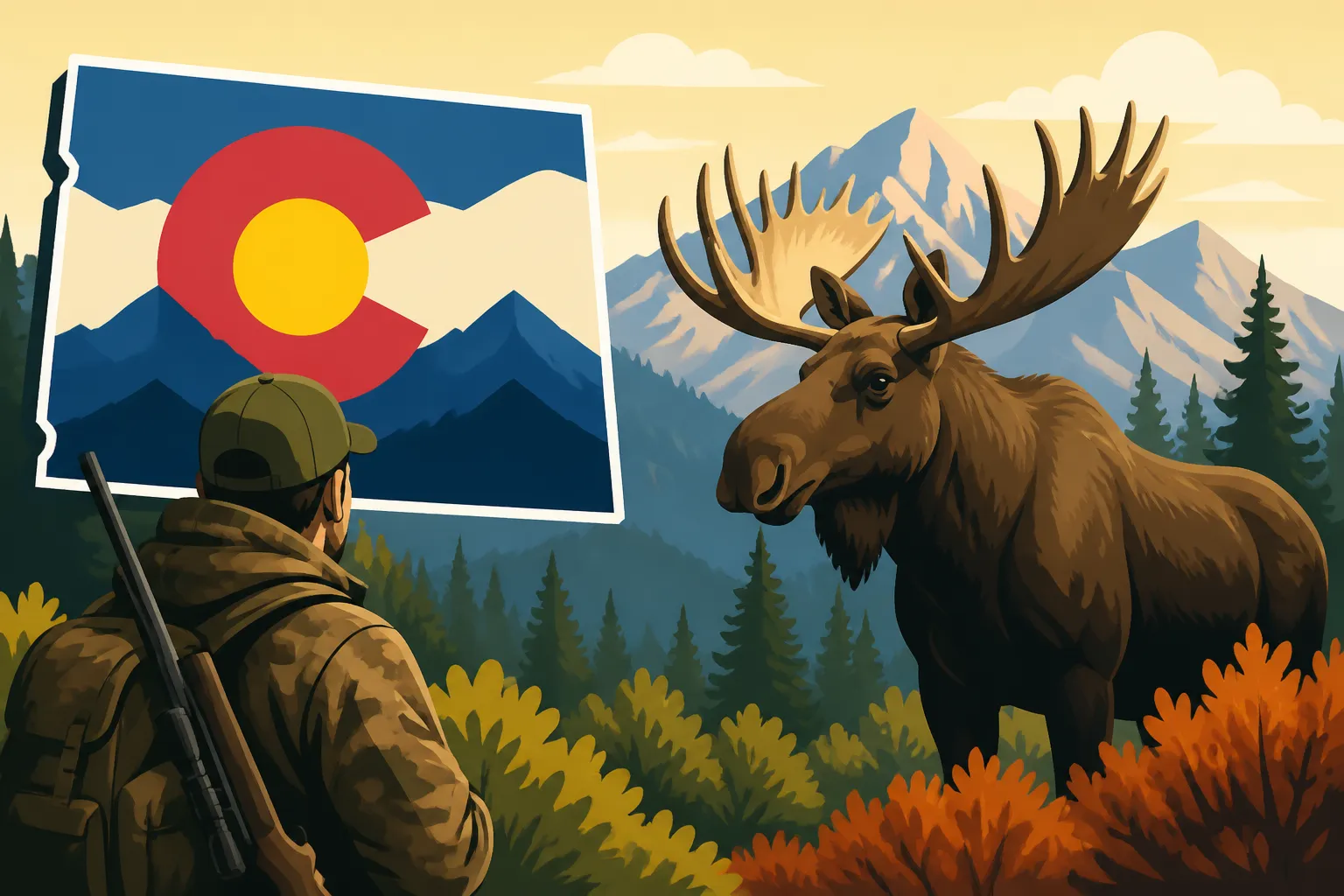
Trying to figure out the best units for moose hunting in Colorado can feel like searching for a needle in a very large, beautiful haystack, especially with how limited and sought-after these tags are. It’s a dream hunt for many, but the scarcity of opportunities can be incredibly frustrating. This guide is here to break down where Colorado's Shiras moose thrive, which GMUs generally offer the best chance (though it’s still tough!), and how to navigate the draw process to put yourself in the best possible position for this once-in-a-lifetime experience.
Understanding Colorado Moose Populations and Management
Before we dive into specific units, it’s crucial to grasp the bigger picture of Colorado's moose. Unlike elk, which are ubiquitous across much of the state's mountains, moose populations are far more concentrated and carefully managed. These magnificent animals have made a remarkable comeback in Colorado over the past few decades, primarily due to successful reintroduction efforts and robust conservation strategies.
Where Colorado Moose Reside Geographic Distribution
Colorado's Shiras moose populations are not spread evenly across the state; they are concentrated in specific habitats that provide their preferred food sources and cover. Historically, moose were reintroduced in North Park in the late 1970s, establishing a stronghold there. From this initial success, their numbers grew and expanded into other suitable areas. Today, you'll find the primary moose ranges in the northern parts of the state, particularly in areas characterized by willow bottoms, riparian zones, and conifer forests. Think high-elevation wetlands, mountain valleys with abundant water, and dense timber pockets. While the highest concentrations remain in North Park and the Laramie River drainage, smaller, growing populations can be found in other mountainous regions, including parts of the Flat Tops Wilderness, the San Juan Mountains, and even around the Grand Mesa. It's a testament to good wildlife management that these animals are thriving in areas where they haven't been seen in over a century. If you're looking to understand the broader context, our guide on Colorado Moose Range and Units provides an excellent overview.
Moose Population Trends and Health
The health and trend of Colorado's moose populations are generally positive, a true conservation success story. Colorado Parks and Wildlife (CPW) actively monitors these herds, adjusting tag allocations to ensure sustainable growth and healthy animal populations. The strategy focuses on managing localized herds rather than a statewide population. This localized approach means that a specific GMU might have a healthy, growing population allowing for more tags, while another adjacent unit might have a stable but smaller herd with very few tags available. Diseases like Chronic Wasting Disease (CWD), which impacts deer and elk in certain areas, are less prevalent in moose, though biologists remain vigilant. Understanding these population dynamics is key, as it directly influences your odds of drawing a tag and the overall hunting experience. A healthy, robust population means better trophy potential and a more ethical hunt.
Key Factors in Identifying Top Moose Units
When you're trying to pinpoint the "best" units for moose hunting in Colorado, it's not just about where the most moose are, but also about the balance of draw odds, habitat quality, and access. It’s a multi-faceted puzzle that requires careful research.
Habitat Requirements and Preferred Terrain
Moose are creatures of habit, and their habitat preferences are quite specific. They absolutely adore willows – those dense, thick stands found along rivers, streams, and in high-elevation basins. These provide both crucial forage and excellent cover. When you're scouting or researching units, look for GMUs with extensive riparian areas, beaver ponds, and willow bogs, especially those interspersed with conifer forests like lodgepole pine or spruce-fir. These timber stands offer shade in the summer and protection from deep snow in the winter. Areas around Rabbit Ears Pass, for instance, are classic moose habitat, characterized by sprawling willow flats and timbered slopes. Understanding these specific habitat needs can help you narrow down potential units and greatly improve your chances of locating moose if you're lucky enough to draw a tag. Our guide on Colorado Moose Habitat and Elevation goes into more detail about these preferred environments.
Drawing Odds and Point Requirements
Let's be brutally honest: drawing a Colorado moose tag is tough, sometimes soul-crushingly so. These are some of the hardest tags to acquire in the state, often requiring many years, sometimes even a decade or more, of accumulated preference points. This is where tools from platforms like GoHunt become absolutely invaluable. They compile years of draw data, showing you the average number of preference points it took to draw a specific unit, the success rates, and the number of tags issued. Without this kind of detailed analysis, you're essentially applying blind.
For instance, a unit might have a fantastic moose population, but if it takes 20+ points to draw, it might not be the "best" for someone with 5 points. Conversely, a unit with slightly lower moose numbers but a more achievable point requirement could be a more realistic "best" option for your current situation. GoHunt allows you to filter units based on your current preference point total, giving you a much clearer picture of your actual chances. For more in-depth information, check out our piece on Colorado Moose Draw Point Requirements.
Access and Public Land Considerations
Even in units with good moose populations, accessibility plays a huge role. Colorado is known for its vast public lands, including National Forests and BLM lands, but not all of it is easily accessible. Moose often inhabit areas that are dense, wet, and require significant effort to reach. Some prime moose habitats might be deep within wilderness areas, necessitating a multi-day pack-in hunt. Others might be more accessible via forest service roads, but these tend to see more pressure.
When evaluating units, consider the mix of public and private land, and how robust the roadless areas are. Units with large tracts of remote public land, particularly those with plenty of water and willow bottoms, often hold moose that are less pressured. However, these also require a higher level of physical fitness and backcountry hunting skills. Knowing how to navigate these areas and utilize mapping tools like those from GoHunt to identify public land boundaries and access points is critical for a successful hunt. This dovetails nicely with our Colorado Public Land Hunting Guide, which offers more tips on navigating these landscapes.
Top Colorado Moose Hunting Units (GMUs) to Consider
While drawing a moose tag is never easy, certain Game Management Units (GMUs) consistently stand out for their robust moose populations, excellent habitat, and the potential for a truly memorable hunt. It’s important to remember that "best" often implies a high point requirement, but these units are considered top-tier for a reason.
North Park GMUs (e.g., GMU 18, 181, 171)
North Park is often considered the heartland of Colorado's Shiras moose. This expansive basin, surrounded by mountain ranges, offers ideal habitat with its extensive willow bogs, riparian areas along the North Platte River, and pockets of conifer forest. GMU 18 and 181 are perhaps the most famous, consistently producing impressive bulls. These units are characterized by flat, marshy valleys transitioning into timbered foothills. The moose here are well-established and generally thrive.
- GMU 18: This unit is legendary for moose. It encompasses a significant portion of North Park, including areas around Walden. The landscape is a mosaic of open sagebrush flats, agricultural fields, and critical willow-choked stream bottoms. Moose are often found utilizing the cover and forage offered by these riparian corridors. Expect very high point requirements for bull tags here.
- GMU 181: Adjoining GMU 18, this unit shares many similar characteristics, particularly its rich willow habitats. It extends into more mountainous terrain, providing diverse moose habitat from valley bottoms to higher elevation slopes. It's another premier unit, offering excellent opportunities for those who draw a tag.
- GMU 171: Located west of North Park, this unit offers similar habitat and populations, though perhaps with slightly less notoriety than 18 or 181. It often takes a comparable number of preference points. Hunters can expect to find moose in the dense timber and willow draws throughout this rugged area.
Hunting these units often involves navigating wet, marshy ground and dense cover. Success here typically requires patience, meticulous scouting, and often a willingness to get off the beaten path. These are truly prime areas, reflected in their extremely high demand in the draw.
Laramie River GMUs (e.g., GMU 7, 8)
To the east of North Park, the Laramie River drainage offers another significant stronghold for Colorado's moose. GMU 7 and 8 provide a different, yet equally productive, hunting experience. These units are found in the rugged mountains of the Medicine Bow Range and Roosevelt National Forest.
- GMU 7: This unit spans a considerable area, including portions of the Rawah Wilderness. Here, moose thrive in the high-elevation valleys and basins that feed into the Laramie River. Dense conifer forests provide shelter, while the numerous streams and small lakes are lined with the willows moose love. Access can be challenging in some parts, requiring longer hikes or horseback travel into remote areas.
- GMU 8: Similar to GMU 7, this unit also contains excellent moose habitat within the Medicine Bow Mountains. It's known for its beautiful alpine scenery and thick timber, which can make spotting moose challenging but offers rewarding hunting for those who put in the effort. The Poudre River drainage within this unit is another key area for moose activity.
While perhaps slightly less celebrated than North Park, these units offer fantastic opportunities for bull moose. The terrain can be more challenging and vertical than North Park, but the populations are healthy, and the scenery is breathtaking. Our article, How to Hunt Moose in Colorado, offers excellent tactical advice for these varied terrains.
Southwest GMUs (e.g., GMU 76, 77, 78)
While the northern units are the undisputed kings for moose, southern Colorado has seen growing moose populations, particularly in the San Juan Mountains. Units like 76, 77, and 78 offer a very different hunting experience – much more rugged, high-elevation, and physically demanding, but with expanding moose herds.
- GMU 76: This unit is deep in the heart of the San Juans, known for its extreme elevations and dramatic landscapes. Moose populations here are newer but growing steadily. Hunting in GMU 76 requires significant physical preparation and an ability to navigate steep terrain at high altitudes. Willows are found in the alpine basins and along creek bottoms, providing isolated but rich pockets of moose habitat.
- GMU 77 & 78: These units are also in the San Juans, offering similar challenges and rewards. Moose here are generally found in the thicker timber and high-country drainages. While the numbers might not be as dense as in North Park, the wilderness experience and opportunity to hunt moose in such pristine, remote settings are truly special.
These southwestern units might offer slightly better draw odds than the northern giants for those with fewer points, but they demand a serious commitment to fitness and backcountry skills. They are a testament to the expansion of moose across Colorado, showcasing how these magnificent animals are finding new homes in diverse mountain environments.
Strategies for Researching and Applying for Moose Tags
Securing a Colorado moose tag is a long game, often requiring years of dedicated effort in the draw system. But with the right research and application strategies, you can maximize your chances and potentially shave years off the wait.
Utilizing Data and Tools for Unit Selection
One of the biggest mistakes an aspiring moose hunter can make is to apply blindly without understanding the draw odds. This is where modern hunting intelligence platforms become indispensable. Sites like GoHunt provide incredibly detailed draw statistics, including success rates, minimum and average preference points required to draw a tag for each unit, and tag quotas over several years. You can even filter by weapon type (archery, muzzleloader, rifle) and season date.
Using these tools, you can:
- Identify "break-even" units: These are units where your current preference point total might put you right on the cusp of drawing.
- Analyze trend data: See if point requirements are increasing or decreasing for certain units, which can help predict future draw difficulty.
- Compare unit characteristics: Look at reported hunter success rates, public land percentages, and terrain types alongside draw odds. This objective data is crucial for making informed decisions.
For example, you might have 15 preference points. GoHunt could show you that while GMU 18 consistently takes 18-20 points, GMU 7 might have had some tags drawn at 14-16 points in recent years. This empowers you to make a strategic choice rather than simply guessing. Investing time into this kind of research is as important as physical scouting. Our guide on How to E-Scout Before a Colorado Hunt gives you a fantastic starting point for this digital deep dive.
Application Strategies and Preference Point Accumulation
Colorado's draw system is primarily preference point based for moose. This means that the more points you have, the higher your priority in the draw. Building points is the name of the game if you want a moose tag.
Here’s how to approach it:
- Apply annually for a point: Even if you don't plan to hunt this year, apply for a moose preference point every single year. This costs a nominal fee (usually just the application fee plus a habitat stamp and qualifying license), but it's the only way to get in line.
- Understand group applications: If applying with a friend or family member, your group's application will be based on the lowest number of preference points among the members. This can be beneficial if one person has significantly fewer points and wants to draw with a higher-point hunter, but it means the higher-point hunter "sacrifices" their higher priority.
- Consider "point creep": As more people accumulate points, the average number of points required to draw a tag can increase over time. This phenomenon, known as "point creep," means a unit that took 15 points five years ago might now require 17 or 18. Keep an eye on these trends using the data tools.
- Be realistic about "trophy" units: Units renowned for massive bulls will almost always require the highest number of points. If your primary goal is simply to hunt a moose, you might consider units with slightly lower trophy potential but more achievable draw odds.
The application deadline for Colorado's primary big game draw is typically in early April each year. Missing this deadline means missing out on a preference point for that year, setting you back significantly. Make sure you understand the nuances of the Colorado Draw System and Preference Points to avoid any costly mistakes.
Comparative Look at Moose GMUs
To give you a clearer picture, here's a simplified comparison of some of the well-known moose units in Colorado. Remember, specific draw odds fluctuate annually, so always consult the latest CPW data or GoHunt for the most current information.
| GMU/Region | Primary Moose Habitat | General Terrain | Typical Draw Difficulty (Bull Tag) | Public Land Access | Notes |
|---|---|---|---|---|---|
| North Park | Willow bottoms, riparian zones | Flat valleys, rolling foothills, dense timber | Extremely High (15-20+ pts) | Good | Classic moose country, high moose density, can be marshy. |
| (e.g., 18, 181) | |||||
| Laramie River | High elevation willow basins, creeks | Rugged mountains, thick timber, steep slopes | Very High (12-18+ pts) | Good, some remote | Excellent populations, more physically demanding, beautiful wilderness. |
| (e.g., 7, 8) | |||||
| Flat Tops | Subalpine willows, timbered slopes | High plateaus, vast wilderness, deep drainages | High (10-15+ pts) | Excellent | Growing populations, extensive roadless areas, demands backcountry skills. |
| (e.g., 23, 24) | |||||
| San Juans | Alpine willows, high-country drainages | Steep mountains, high elevation, very rugged | Moderately High (8-14+ pts) | Excellent, very remote | Expanding populations, ultimate backcountry experience, extreme physical demands. |
| (e.g., 76, 77) |
This table provides a general guideline. Your personal point total, physical capabilities, and hunting preferences will ultimately guide your "best" unit choice.
Disclaimer
Please note that hunting regulations, season dates, and draw odds are subject to change annually by Colorado Parks and Wildlife (CPW). Always consult the official CPW website and current year's hunting brochures for the most up-to-date and accurate information before planning and applying for any hunt. This guide is for informational purposes only and does not guarantee tag success or hunting outcomes.