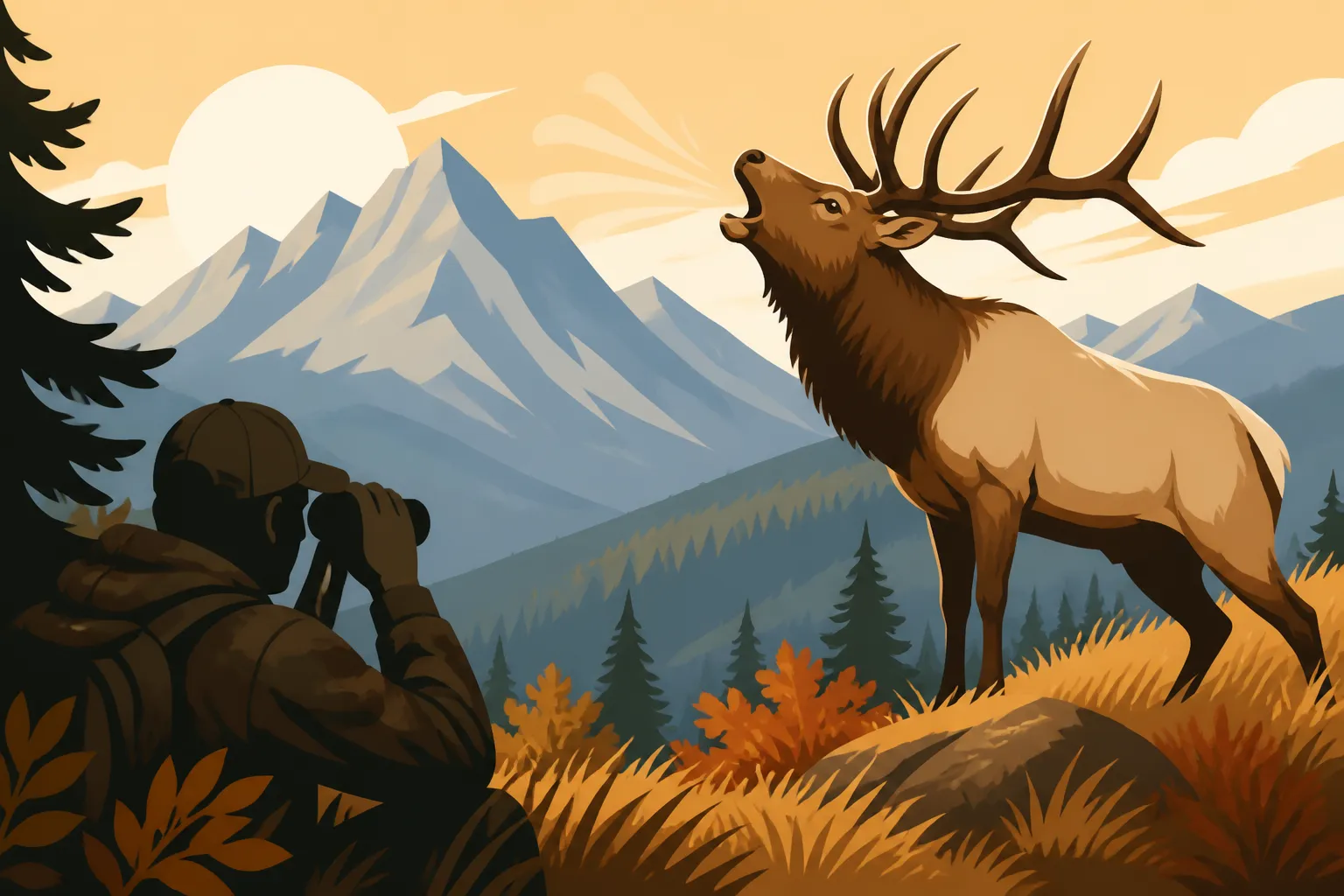
Colorado Elk Behavior During the Rut
Trying to understand elk behavior during the rut in Colorado can feel like trying to solve a complex puzzle, especially when those bulls seem to go from screaming their heads off one day to dead silent the next. It’s a frustrating experience for many hunters, leaving you questioning your strategy and wondering if you’re even in the right place. This guide is dedicated to demystifying the Colorado elk rut, helping you truly grasp the intricate patterns and predictable shifts in behavior so you can increase your odds of success. We'll dive deep into what drives these magnificent animals during this critical time, offering insights to help you read the landscape and the elk themselves, transforming your understanding from guesswork to informed decision-making.
Understanding the Colorado Elk Rut Cycle
The elk rut, or breeding season, is undeniably one of the most exciting times to be in the Colorado mountains. The raw energy, the bugles echoing through timber, and the sheer spectacle of it all are what draw so many of us out year after year. But it’s not a static event; it's a dynamic period with distinct phases, each demanding a slightly different approach from hunters. If you only focus on "the rut" as one big thing, you're missing out on crucial nuances that can make or break your hunt. Recognizing these shifts in the elk's mindset and activity levels is paramount.
The Build-Up to the Rut: Early Season Antics
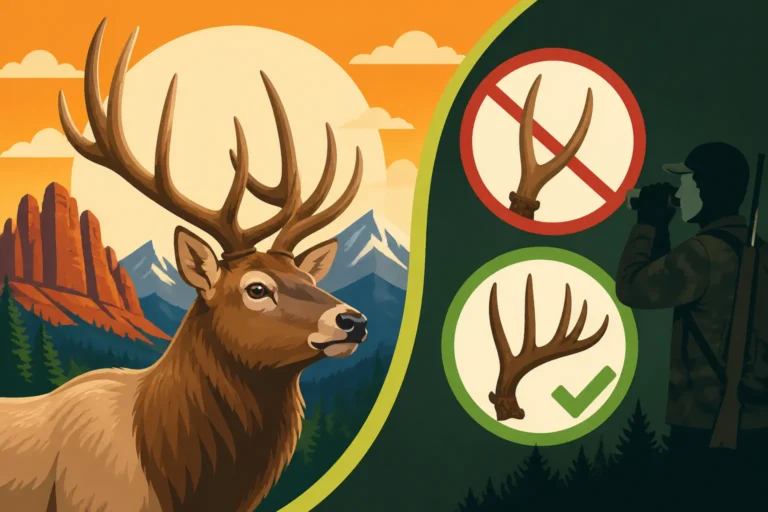
Before the full-blown chaos of the peak rut, there's a fascinating transitional period often referred to as the pre-rut. This usually kicks off in late August and runs into the first couple weeks of September. During this time, the bulls are fresh out of velvet, their antlers gleaming and hardened, and they're starting to feel those first pangs of testosterone. They're still often in bachelor groups, feeding heavily to build up energy reserves, but you'll notice a subtle change.
They'll start sparring, testing their strength and establishing dominance hierarchies long before cows are even receptive. These sparring matches are usually fairly gentle, more about ritual and display than outright fighting, but they're a clear signal of what’s to come. You might hear isolated bugles – not the full-throated, challenging roars of the peak rut, but more tentative, almost exploratory calls. Cows are still focused on their calves and feeding, largely ignoring the emerging bull drama. This phase can be a great time for archery hunters, as bulls might be more predictable in their feeding patterns before they get completely distracted by the cows. Understanding how to find elk in early archery season can be really beneficial here.
Peak Rut Intensity: When Bulls Get Vocal
Ah, the peak rut. This is what most people picture when they think of elk hunting: screaming bulls, constant bugling, and a flurry of activity. In Colorado, this typically occurs from mid-September through early October, often coinciding with the archery season and sometimes spilling into the muzzleloader and early rifle seasons. During this time, cows become receptive, and the competition among bulls intensifies dramatically. Dominant herd bulls are actively gathering and defending harems of cows, constantly pushing smaller bulls away.
The air is filled with bugles – challenge bugles, display bugles, estrus cow calls, and desperate locator calls. Bulls are highly mobile, covering significant ground to find and keep cows. They are also less cautious, their minds clouded by reproductive drive, making them potentially more vulnerable to aggressive calling or strategic ambushes. This is the period when understanding How to Call Elk in Colorado becomes absolutely critical, as responsive bulls can often be drawn into shooting range with the right vocalizations. However, their single-mindedness can also make them difficult to pattern if you're not paying close attention to the herd dynamics.
Post-Rut Wind Down: Adapting Your Strategy
Just as quickly as it began, the peak rut starts to fade. This typically happens mid-to-late October in Colorado, pushing into the later rifle seasons. After weeks of intense activity, fighting, and breeding, bulls are exhausted and have depleted much of their energy reserves. Many dominant herd bulls will have lost significant body weight and condition. Their focus shifts from breeding to survival – finding good forage and recovering.
Bugling activity decreases significantly, though you might still hear some sporadic, weaker calls, especially from younger satellite bulls still searching for receptive cows. Large harems begin to disperse, and bulls may start to form smaller bachelor groups again or become solitary. They become much more wary and reclusive, seeking out thick timber or remote bedding areas to rest and feed. This is a challenging phase for hunters because elk are less vocal and much more security-minded. Your tactics need to adapt from aggressive calling to more subtle approaches, focusing on feed-to-bed patterns and still-hunting quiet areas, perhaps even thinking about How to Hunt Elk After the Rut.
Key Behaviors and What They Mean
To truly speak the language of elk during the rut, you need to understand the behaviors they exhibit and what signals they’re sending. It's not just about hearing a bugle; it's about interpreting the nuances, recognizing the signs, and piecing together the story of what’s happening in front of you. Overlooking these subtle cues can lead you to hunt where the elk aren't or use a strategy that's completely out of sync with their current mood.
Bugling: More Than Just a Sound
When you hear a bull bugle, it's easy to just think, "Elk!" But a bugle is a complex communication, conveying everything from a bull's location and size to his mood and intention. Understanding these variations is like learning a dialect.
- Challenge Bugles: These are often loud, aggressive, and prolonged, sometimes ending with a series of grunts. A bull uses a challenge bugle to assert dominance, warn off rivals, and attract cows. If you're encountering a bull that's constantly throwing out these types of calls, he's likely a herd bull with cows, or a satellite bull trying to cut in. This is often the sound you want to imitate if you're trying to draw in a dominant bull, and learning How to Bugle for Colorado Elk effectively involves mastering these nuanced sounds.
- Locator Bugles: Shorter, often softer bugles, used by bulls to advertise their presence and try to locate other elk. A bull separated from the herd, or a lone bull looking for company, might use this. They're not necessarily aggressive, and can be a good way to get a feel for the general presence of elk in an area without immediately challenging them.
- Estrus Buzz/Growl: Sometimes emitted by a bull directly after a bugle, or as a standalone sound, this deep, throaty sound indicates high excitement and interest in a receptive cow. If you hear this, you know cows are nearby and the bull is intensely focused on breeding. This is a critical sound to recognize, as it tells you the bull is likely "locked down" with cows.
- Cow and Calf Calls: While not bugles, these calls are crucial. Estrus cow calls are often plaintive and persistent, used by receptive cows to attract bulls. Calves emit short, urgent mews or chirps when separated. These calls are often the secret weapon for hunters, as an aggressive bull might ignore a challenge bugle but come charging in to investigate a cow in apparent distress or a lost calf, especially during Archery Elk Tactics for the Rut.
Rubs and Wallows: Signposts of Activity
Beyond vocalizations, elk leave behind a wealth of physical signs that tell a detailed story of their activities. Ignoring these silent clues means missing a significant portion of the elk's narrative, especially in areas where they might be less vocal due to pressure.
- Rubs: A rub is where a bull has stripped the bark off a tree, typically a sapling or smaller tree, using his antlers. Bulls create rubs for several reasons: to remove velvet, to mark their territory, to demonstrate their strength, and to relieve itching. Fresh rubs, with sap still oozing and bark chips scattered below, indicate recent bull activity. The size of the rub can also give you an idea of the size of the bull. A cluster of rubs in an area tells you it's a travel corridor or a staging area where bulls are spending time. Think of them as masculine calling cards left for other bulls and interested cows.
- Wallows: Wallows are depressions in the ground, often muddy, where elk have rolled in dirt or water. Bulls primarily use wallows during the rut to cool down, relieve biting insects, and coat themselves in mud and urine, which acts as an olfactory advertisement to other elk. A fresh wallow, with recent tracks and disturbed mud, is a prime indicator that a bull (or multiple bulls) has been through very recently. Many wallows also contain scent from the bull's pre-orbital gland, further enhancing their function as communication hubs. Hunting How to Hunt Elk Wallows in Colorado can be incredibly effective, especially if you set up quietly downwind of an active wallow. The smell, especially when a bull has recently wallowed, is unmistakable and tells you you're in an active rutting area.
Herd Dynamics and Dominance Hierarchies
Elk are highly social animals, and understanding the pecking order and typical group structures during the rut is key. It's not just a free-for-all; there are established roles and constantly shifting dynamics within and between herds.
- Herd Bulls: These are the dominant bulls who have successfully gathered a harem of cows. They are constantly vigilant, bugling to keep their cows together and to ward off challenger bulls. They do most of the breeding and are often exhausted by the end of the rut. Locating a herd bull means you've found the center of the action. Their movements will be dictated by the cows – where they feed, bed, and water.
- Satellite Bulls: These are younger or less dominant bulls who orbit the main herd, hoping to sneak in and breed a cow when the herd bull is preoccupied or exhausted. They will often bugle from a distance, trying to draw cows away or challenge the herd bull. These bulls are often more responsive to calling because they are desperate to get into the action. They might be wary but their desire to breed often overrides their caution.
- Cow and Calf Groups: While bulls are the main target for most hunters, the cows and calves are the true drivers of the rut. Bulls go where the cows are. Learning How to Cow Call Colorado Elk can be just as effective, if not more, than bugling aggressively, as it attracts the very animals the bulls are trying to find. Observe how cows behave: are they skittish, or are they moving calmly with a bull? Their demeanor can tell you a lot about the presence of a herd bull and the general level of pressure in the area. A smart hunter will prioritize finding the cows first, knowing the bulls will follow.
Factors Influencing Rut Behavior
Even with a solid understanding of elk behavior, Mother Nature and external pressures can throw a wrench into your plans. The rut is dynamic, and elk can adjust their behavior significantly based on certain environmental and human factors. Acknowledging these influences means you can adapt your approach on the fly, rather than sticking to a rigid plan that the elk are no longer following.
Weather's Impact on Elk Activity
Colorado's weather in September and October can be incredibly unpredictable, swinging from warm, sunny days to sudden snowstorms. These shifts have a profound impact on elk behavior during the rut.
- Warm Weather: When temperatures are unusually warm, especially during the day, elk activity tends to slow down significantly. Bulls will often move and bugle less, seeking shade and bedding down earlier. Their primary focus will be conserving energy and staying cool. During these periods, hunting early mornings and late evenings, or focusing on north-facing slopes and deep timber where temperatures are cooler, becomes critical. Elk might also be more inclined to visit water sources or wallows during warmer spells.
- Cold Fronts and Precipitation: A significant drop in temperature or the arrival of a cold front, especially one bringing rain or snow, can kick elk activity into high gear. Bulls often become more vocal and aggressive as the cooler temperatures make them more comfortable moving and expending energy. Snowfall, even light, can improve tracking conditions and help to quiet down the forest floor, making it easier to move silently. Elk might also move to lower elevations or seek denser cover to escape harsh weather. Knowing How to Hunt a Cold-Front Elk Push can give you a significant advantage.
- Wind: Wind is always a factor in hunting, but during the rut, it plays an even more crucial role. Strong winds can make it incredibly difficult for elk to hear bugles, and it can also mask your movements. Elk often seek sheltered areas when the wind howls, which can concentrate them in certain drainage bottoms or leeward slopes. When hunting, always be mindful of How to Use the Wind Hunting Colorado Elk, ensuring it's in your favor to prevent detection by the highly sensitive noses of elk.
Hunter Pressure and Elk Adaptations
Colorado's public lands, particularly during the archery and early rifle seasons, can see significant hunter pressure. This pressure dramatically alters elk behavior, sometimes pushing them into areas where they feel safer, even if it's less ideal habitat.
- Public Land Pressure: On heavily hunted public lands, elk quickly learn to associate human presence with danger. They become quieter, move more at night, and seek out dense cover, wilderness areas, or private land refuges. Bulls might stop bugling altogether or become extremely wary of answering calls. This doesn't mean they're not there; it means they're ghosts, moving silently and using every advantage the terrain offers. Understanding How to Hunt Elk on Public Land Pressure is vital for success in these scenarios. You need to be prepared to hike further, hunt deeper, and be more patient.
- Shifting to Nocturnal Behavior: When pressured, elk often switch to primarily nocturnal movement patterns. They might feed and breed under the cover of darkness and then retreat to secure bedding areas well before dawn. This makes daytime hunting incredibly challenging. E-scouting tools like GoHunt become invaluable here, allowing you to identify potential bedding areas, travel corridors, and water sources remotely, helping you predict where elk might be moving at first and last light. You might need to adjust your ambush points to intercept them as they transition between these areas.
- Seeking Sanctuaries: Elk will utilize various forms of sanctuary to escape pressure. This can include designated wilderness areas where motorized access is restricted, steep and rugged terrain that most hunters avoid, or even migrating onto adjacent private land. They know where they're safe. Identifying these sanctuaries and understanding how elk enter and exit them is a key strategy for pressured elk.
Terrain and Habitat Considerations
The varied terrain and diverse habitats of Colorado play a huge role in where elk live, move, and rut. From dense timber to open alpine basins, each environment presents unique challenges and opportunities.
- Dark Timber: Dense, old-growth timber, especially on north-facing slopes, provides crucial security cover for elk. During the rut, pressured bulls will often retreat to these areas, especially during the day. They offer shade from the sun, protection from the wind, and a visual barrier from predators. Hunting How to Find Elk in Deep Timber requires stealth, patience, and often a willingness to get into their bedroom. Bulls might not bugle much here, but they are certainly present.
- Alpine Basins and High Country: Early in the rut, or during less pressured times, bulls might be found in open alpine basins, particularly if they contain good feed and water sources. These areas offer excellent visibility for spotting elk, making glassing techniques essential. However, elk are also highly exposed in these areas and can quickly disappear over a ridge. Understanding How to Hunt Colorado Alpine Basins involves mastering long-range glassing and strategic approaches.
- Feed-to-Bed Routes: Regardless of the specific habitat, elk always follow routines based on feeding and bedding. During the rut, these routes might become less predictable due to breeding activity, but the underlying need to eat and rest remains. Identifying benches, saddles, and drainages that connect feeding grounds to secure bedding areas can reveal prime ambush locations. These travel corridors are especially important when elk are moving quietly.
Strategies for Hunting During the Rut
Now that we've covered the nuances of elk behavior and the factors that influence it, let's talk about putting it all into action. Hunting the rut isn't just about showing up; it's about being strategic, adaptable, and knowing when to push and when to back off. It's an active pursuit that requires constant assessment and quick adjustments.
Calling Techniques for Responsive Bulls
Calling is often the most iconic and thrilling aspect of rut hunting, but it’s far from a one-size-fits-all approach. The key is to respond to the elk's current mood and the specific situation.
- Aggressive Bugling and Cow Calls: During the peak rut, if you hear a bull bugling confidently, an aggressive challenge bugle back can often seal the deal. You're telling him there's another bull in his territory, and he might come in to investigate or fight. Pair this with estrus cow calls to make it sound like there's a receptive cow that he's missing out on. Remember, though, that a big herd bull might just round up his cows and leave, so sometimes a more subtle approach works better initially. The goal is to make him believe there’s an interloper with a cow.
- Subtle Locator and Cow Mews: If bulls are quiet or pressured, a soft locator bugle or simple cow mews can sometimes be enough to elicit a response without spooking them. This is often the case with satellite bulls who are wary of confronting a dominant bull but are still keen to find cows. Try a short, quiet bugle, then wait 15-20 minutes, listening intently for a response. Many successful hunters find that cow calling, particularly learning How to Cow Call Colorado Elk, is often more effective than bugling, as it appeals directly to the bulls' primary motivation during the rut.
- Decoying: For archery hunters, combining calling with a decoy can be incredibly effective. A visual of another elk, especially a bull or a cow, can draw a hesitant bull those last critical yards. Ensure you're set up safely and that the bull will see the decoy before he sees you. Decoying works best when bulls are actively rutting and more prone to throwing caution to the wind.
Scouting for Active Rutting Areas
Effective scouting, both before and during your hunt, is non-negotiable. You can't just wander into the woods and expect to stumble upon rutting elk, especially if you're targeting specific units or types of terrain.
- E-Scouting with Modern Tools: Before you even hit the mountains, leverage tools like GoHunt. These platforms provide satellite imagery, topo maps, and land ownership data, allowing you to identify potential rutting habitat: north-facing slopes, saddles, benches, water sources, and dense timber where elk might seek refuge. You can mark potential wallows, rubs, and travel corridors. This helps narrow down your focus dramatically, especially if you're hunting a new area or trying a Colorado DIY Elk Hunting Guide approach.
- In-Season Ground Scouting: Once you're on the ground, look for fresh sign. Beyond hearing bugles, visually locate fresh rubs, active wallows, and heavy tracks. Pay attention to how the elk are using the terrain. Are they feeding in specific meadows at dusk? Bedding on certain ridges during the day? Their fresh sign tells you where they've been, and often, where they're going. Scouting for these areas actively, even when not carrying a weapon, can pay huge dividends.
- Utilizing Game Cameras: Strategically placed game cameras near water sources, pinch points, or known wallows can provide invaluable intelligence on elk movement patterns, frequency of visits, and even the size of bulls in the area. Checking cameras every few days can confirm whether an area is actively being used by rutting elk or if they've moved on due to pressure or changing conditions.
Patience and Persistence
Hunting the rut can be emotionally and physically taxing. There will be days when the woods feel dead silent, and you question every decision you’ve made. This is where mental fortitude becomes your most valuable asset.
- Long Hours in the Field: Elk hunting during the rut often demands being in the woods from before dawn until after dark. Early mornings and late evenings are typically the most active periods, but don't discount midday; pressured bulls often move subtly through thick cover when most hunters are taking a break. Be prepared to sit for extended periods, still-hunt quietly through timber, and constantly assess your surroundings.
- Adapting to Silence: Just because you don't hear a bugle doesn't mean there are no elk. Pressured elk go quiet, but they still need to breed, eat, and rest. If calling isn't working, switch to still-hunting through known bedding areas or glassing open country from a distance. Sometimes, the best call is no call at all. Learning How to Find Elk When They Go Quiet is a testament to true elk hunting skill.
- Fitness and Mental Toughness: Colorado elk hunting is physically demanding. You’ll be covering rugged terrain, often at high elevations. Physical preparation is crucial, but so is mental toughness. Don't get discouraged by slow days. Every moment in the field is a chance to learn, to observe, and to put yourself in a position for success. Persistence in the face of adversity is what separates successful hunters from those who go home empty-handed. Remember, the rut is a marathon, not a sprint.
Here's a quick reference for typical rut behavior and hunting considerations:
| Rut Phase | Typical Dates (Colorado) | Bull Behavior | Hunting Strategy Focus | Key Challenges |
|---|---|---|---|---|
| Pre-Rut | Late Aug – Mid Sep | Bachelor groups, some sparring, isolated bugles. Feeding heavily. | Locate feeding areas, subtle calling (cow mews), ambush points on travel routes. | Bulls less responsive to aggressive calls, still in bachelor groups. |
| Peak Rut | Mid Sep – Early Oct | Aggressive bugling, herd bulls with harems, satellite activity. Constant movement. | Aggressive calling (challenge bugles, estrus cow calls), ambushing travel corridors. | Bulls can be wary of direct challenges, may move harems away. |
| Post-Rut | Mid Oct – Late Oct | Exhausted bulls, less vocal, focus on recovery/feeding. Harems dispersing. | Still-hunting thick timber, focusing on feeding/bedding patterns, subtle cow calls. | Bulls are wary and quiet, harder to locate via sound. |
Disclaimer
Hunting is an inherently dangerous activity that carries risks including, but not limited to, serious injury or death. Always prioritize safety, follow all local, state, and federal hunting regulations, and ensure you have the necessary training and permits. This guide provides general information and should not replace professional instruction or personal experience. Be aware of your surroundings, respect wildlife, and obtain landowner permission where required.