Colorado Mountain Goat Hunting
Hunting for mountain goats in Colorado is more than just a hunt; it's an expedition into some of the most unforgiving yet breathtaking landscapes our state has to offer. The dream of pursuing these majestic alpine dwellers is real for many, but the reality of drawing a tag, preparing for the extreme conditions, and executing a successful hunt can feel overwhelmingly complex. This guide is here to demystify the process, from navigating the challenging draw to scaling the peaks, so you can truly understand what it takes to embark on a Colorado mountain goat adventure.
The Allure and Reality of Colorado Mountain Goat Hunting
There's something truly special about mountain goats that captuces the imagination of hunters. Maybe it's their stark white coats against jagged, dark rock, or their seemingly impossible ability to navigate sheer cliffs. Whatever it is, a Colorado mountain goat hunt is often considered a pinnacle experience, but it comes with a steep learning curve.
Why Mountain Goats Are So Sought After
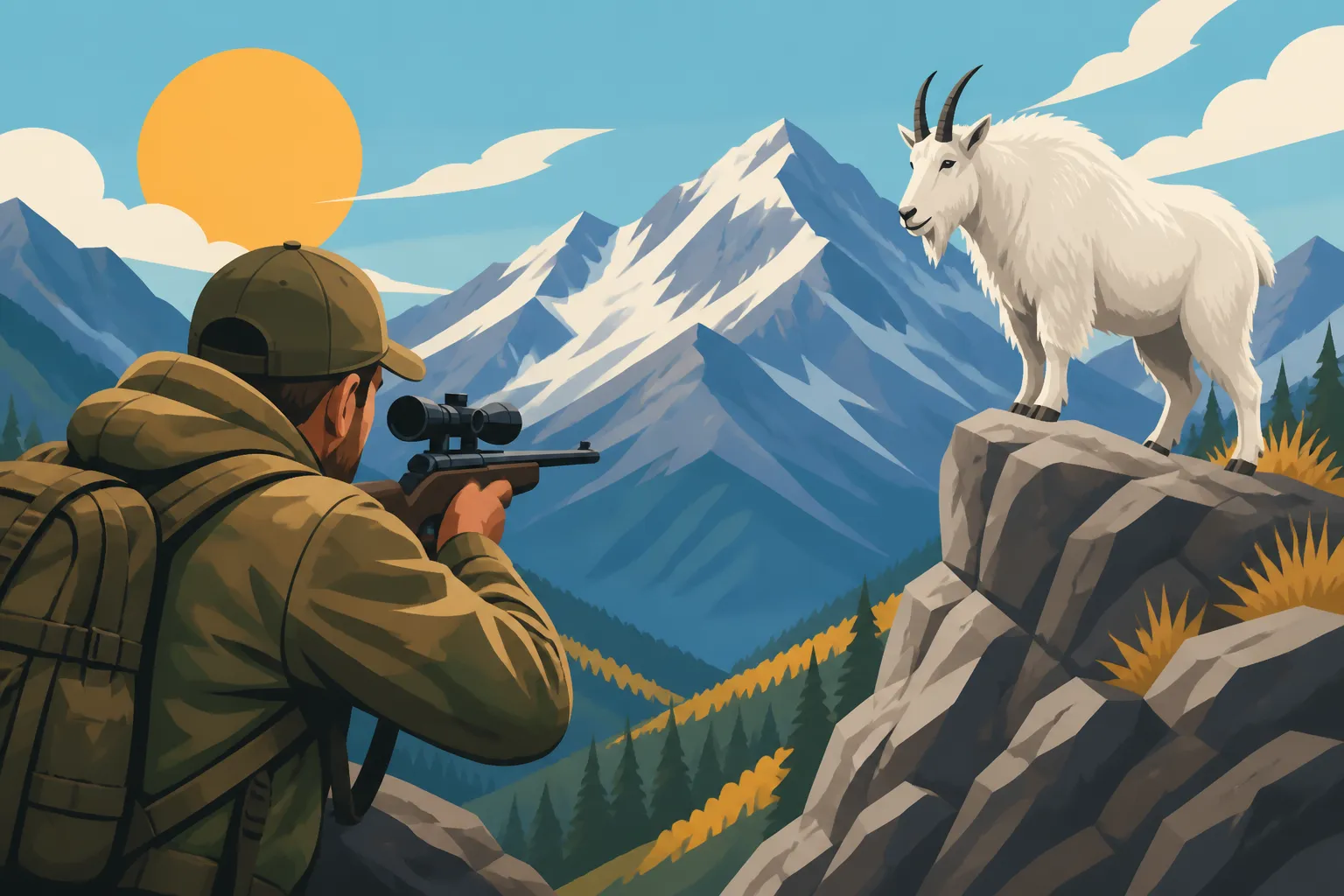
Let's be honest, hunting mountain goats isn't like heading out for deer or elk in the lower elevations. These animals are truly unique. For starters, they inhabit some of the most remote and visually stunning terrain in North America. Imagine glassing across a vast alpine basin, the air crisp and thin, with snow-capped peaks piercing the endless Colorado sky, and suddenly, a ghostly white speck moves against a dark rock face. That's a moment few hunters ever forget.
Beyond the incredible scenery, there's the rarity factor. Mountain goat tags in Colorado are exceptionally limited, making them a true "once-in-a-lifetime" draw for most hunters. This scarcity elevates the experience, transforming it from a mere hunt into a deeply personal quest. When you combine the physical demands, the challenge of locating and approaching animals in their extreme environment, and the sheer beauty of the animal itself, it's easy to see why so many dedicate years, even decades, to accumulating preference points for a chance at a Colorado mountain goat. It’s not just about the trophy; it’s about the journey, the challenge, and the unparalleled immersion in wild Colorado.
The Steep Learning Curve for First-Timers
If you're new to mountain goat hunting, or even just new to high-altitude hunting, be prepared for a humbling experience. These animals thrive where most creatures struggle to survive, meaning you'll be operating in an environment that tests every fiber of your being. The air is thin, the weather is unpredictable, and the terrain is relentless. We're talking about traversing scree fields that shift underfoot, scrambling up rocky chutes, and navigating steep snowfields, often with a heavy pack.
For someone accustomed to hunting timber or more forgiving terrain, the sheer physical and mental toll of a mountain goat hunt can be a shock. You’ll quickly learn the importance of lightweight gear, sturdy boots, and an iron will. Furthermore, locating mountain goats in their vast, open habitat requires patience and keen optics, a skill that takes practice to master. It’s not uncommon for first-timers to underestimate the preparation required, from rigorous physical conditioning to dialing in specialized gear. This isn't a hunt you just "show up" for; it demands respect, preparation, and a deep understanding of the alpine world.
Understanding Colorado's Mountain Goat Draw System
Drawing a mountain goat tag in Colorado is notoriously difficult. It's often the longest preference point game in big game hunting, and for good reason—these tags are gold. Understanding how the system works is the first, and arguably most crucial, step in even dreaming of a goat hunt.
Navigating the Extreme Odds and Preference Points
Colorado manages its mountain goat populations through a highly restrictive draw system, designed to control harvest and maintain healthy herds. This means that unlike some elk or deer tags, you can't just walk into a sporting goods store and buy an over-the-counter mountain goat license. Every single mountain goat tag in Colorado is allocated through the draw. The odds are, frankly, brutal. We're talking about units where hundreds, if not thousands, of applicants vie for a mere handful of tags. This extreme competition means you’ll need a significant number of preference points to even stand a chance in the primary draw for many units.
Colorado considers mountain goats a "once-in-a-lifetime" species, which adds another layer of complexity: if you draw and harvest a mountain goat, you're generally ineligible to draw another tag for that species in Colorado again. This makes the tag even more precious and the decision of when and where to apply incredibly strategic. Services like GoHunt are invaluable for researching draw odds, understanding point requirements, and analyzing unit-specific data to make the most informed decision possible when you decide to burn your hard-earned points. They break down the numbers, making sense of an otherwise daunting statistical landscape. For non-residents, the challenge is even greater, with only a small percentage of tags allocated to out-of-state hunters. This isn't a hunt for the impatient, but rather for those committed to the long game of building points.
Key Application Dates and Strategies
Successfully navigating the Colorado mountain goat draw requires meticulous planning and attention to deadlines. The primary application period for Colorado big game, including mountain goats, typically runs from early March to early April. It's a critical window you absolutely cannot miss. Missing the deadline means losing a year of preference points and another year added to your wait. You'll need to purchase a qualifying license, which is usually a small game or fishing license, to be eligible to apply for big game preference points or licenses. Make sure you understand the nuances of the Colorado Big Game Draw Deadlines and how the application process works.
When applying, you'll specify your first, second, third, and fourth choice hunt codes. For mountain goats, most hunters will simply apply for "preference point only" for many years, accumulating points until they have a realistic chance at their desired unit. You can gain one preference point per species per year by selecting the "preference point only" option. It's a strategy of patience, steadily building your currency for that coveted tag. Understanding How Colorado Preference Points Work is crucial, as is ensuring you correctly apply for How to Apply for a Colorado Hunting License if it's your first time. Don't underestimate the importance of reviewing the annual Colorado Parks and Wildlife (CPW) big game brochure for the most up-to-date hunt codes and regulations. Group applications are also an option, but be aware that they draw at the lowest point total of any member in the group, which often isn't advantageous for high-point species like goats.
Where to Find Colorado Mountain Goats
Mountain goats aren't found just anywhere in Colorado. Their habitat is highly specific, demanding certain elevations, vegetation, and ruggedness that only a few areas can provide. Knowing where to start looking is half the battle.
Prime Mountain Ranges and GMUs
When it comes to mountain goats, we're talking about the high country, pure and simple. These animals are found exclusively in the truly alpine environments of Colorado's tallest and most rugged mountain ranges. Some of the most well-known areas for mountain goat populations include the Collegiate Peaks near Buena Vista, the Gore Range, the Eagles Nest Wilderness, the Raggeds Wilderness, the Sangre de Cristos, and the peaks around Mount Evans. You’ll also find them in parts of the San Juan Mountains, like the Weminuche Wilderness.
Specific Game Management Units (GMUs) that consistently hold mountain goat tags and strong populations include GMU G3 (Collegiate Peaks area), G12 (Eagles Nest/Gore Range), G14 (Mount Evans/Front Range), G4 (Raggeds Wilderness), and G16 (parts of the Sangre de Cristos). However, these are highly sought-after units, requiring many preference points. It's vital to dig into the most current CPW regulations and draw statistics, which you can often find aggregated and analyzed on platforms like GoHunt, to identify the units that align with your point total and hunting aspirations. While the allure of drawing a tag in a famous unit is strong, remember that any mountain goat tag in Colorado is a trophy in itself, regardless of the specific GMU.
Scouting High-Altitude Habitat and Behavior
Scouting for mountain goats is fundamentally different from scouting for elk or deer. Forget the dense timber or river bottoms; you need to focus your efforts above treeline, in the vast expanses of alpine tundra, rocky cliffs, and steep, snow-fed basins. During the summer and early fall, goats will be high, often seeking out cooler temperatures and mineral licks. They are creatures of habit, often using the same bedding areas and travel routes along ledges and benches.
Effective scouting involves a lot of glassing. You'll spend hours, even days, behind your binoculars and spotting scope, meticulously scanning every rock outcrop, every snowfield, and every patch of vegetation. Learning How to Glass Big Colorado Basins is an essential skill here. Look for small white specs that stand out against the grey and brown rock. Pay attention to north-facing slopes, which often hold snow later in the season, and south-facing slopes, which provide more warmth. Goats are incredibly agile, but they still prefer areas with escape routes—usually steep, unforgiving terrain where predators (and hunters) struggle to follow. Look for historical data on their movements, assess water sources, and identify potential bedding and feeding areas. Understanding their behavior, such as their affinity for specific mineral licks or their tendency to move between high basins, can drastically improve your chances.
Gear and Physical Preparation for the Alpine Environment
A mountain goat hunt is perhaps the most physically demanding big game hunt in Colorado. Your gear must be up to the task, and more importantly, so must your body.
Essential Gear for a High-Elevation Hunt
When you're chasing mountain goats, every ounce in your pack matters, but sacrificing crucial gear is a recipe for disaster. Your pack itself needs to be robust, comfortable, and capable of carrying heavy loads, especially if you plan to pack out meat and a cape. Think Kifaru or Mystery Ranch for durability and capacity. Your optics are your most important tool; a high-quality spotting scope (like a Kowa or a Swarovski) with a sturdy tripod is non-negotiable for effectively How to Glass Big Colorado Basins from a distance. Pair that with reliable 10x or 12x binoculars.
Layering is critical for clothing. The alpine environment can deliver all four seasons in a single day, from freezing morning winds to midday sun, and sudden afternoon thunderstorms or snow squalls. You’ll need a solid base layer, insulating mid-layers (puffy jackets are great), and a bomb-proof waterproof/breathable outer shell. Footwear cannot be overlooked; stiff, supportive mountain boots (think Scarpa, La Sportiva, or Zamberlan) with good ankle support are absolutely essential for navigating treacherous scree and rocky terrain. Don't forget trekking poles—they'll save your knees and provide stability on steep ascents and descents. A reliable rangefinder, a solid first-aid kit, and enough water filtration or purification are also non-negotiables. Essentially, you're looking at a gear list very similar to a How to Pack for a Colorado Backcountry Hunt, but with an even greater emphasis on lightweight performance and extreme weather readiness.
Conditioning Your Body for the Mountains
This isn't a suggestion, it's a requirement: you must be in peak physical condition for a Colorado mountain goat hunt. We're talking about sustained effort at elevations ranging from 10,000 to 14,000 feet, often with significant vertical gain and loss, and potentially packing out hundreds of pounds of meat over rugged terrain. Altitude sickness is a real threat, and simply being "in shape" at sea level won't cut it.
Your training regimen should focus on a combination of cardiovascular endurance, strength, and acclimatization. Start months, even a year, in advance. Incorporate activities like trail running, hiking with a weighted pack (gradually increasing weight), stair climbing, and strength training focusing on your core, legs, and back. Think about Altitude Training for Colorado Hunting if you're coming from lower elevations. Consider spending a few days at elevation before your hunt to help your body adjust. Mental toughness is just as important as physical strength; you'll face moments of extreme fatigue, frustration, and discomfort. Training your mind to push through these barriers is part of the preparation. This intense physical readiness is a shared component of any serious mountain pursuit, whether you're hunting elk or goats, as detailed in our guide on How to Physically Prepare for Colorado Elk.
Hunting Tactics for Colorado Mountain Goats
Mountain goat hunting is largely a game of patience, stealth, and adapting to the terrain. Once you've drawn that coveted tag, knowing how to effectively pursue these animals in their extreme environment is paramount.
Spot-and-Stalk in Extreme Terrain
The dominant and most effective hunting method for Colorado mountain goats is spot-and-stalk. This involves hours, often days, of meticulously glassing from a vantage point to locate goats. Once an animal is spotted, the real work begins: planning an approach. This plan must consider the goat's location, the prevailing wind direction, thermals (especially in the morning and evening), and, crucially, the terrain. You'll need to navigate steep, loose scree, treacherous rock bands, and potentially snowfields, all while remaining undetected. Using How to Use the Wind Hunting Colorado Elk and understanding How to Use Thermals in Colorado Elk Country are skills directly transferable and incredibly important here.
Approaches are often long, arduous, and circuitous, taking hours to cover what might look like a short distance on a map. You might gain thousands of feet in elevation only to lose it again, just to get into position. Patience is key; rushing an approach will often result in blowing out the animals. Once in range, shots can be challenging, often at steep angles, either uphill or downhill, which requires precise judgment and practice. Our guide on How to Shoot Uphill and Downhill at Elk offers excellent insights that are directly applicable to mountain goat hunting. Remember, these animals can disappear surprisingly quickly into broken terrain.
Field Care and Extraction in Remote Areas
A successful shot on a mountain goat is only the beginning of a monumental task. Given the extreme terrain they inhabit, field dressing, quartering, and packing out your goat can be one of the most physically demanding parts of the hunt. You'll likely be in a remote, rugged location, far from any trails or roads. Be prepared to quarter the animal on the spot, as described in How to Quarter an Elk in the Field, but consider the added challenge of uneven, steep ground.
Speed and efficiency are crucial for preserving the meat. The higher elevations often mean cooler temperatures, which helps, but getting the meat off the bone, into game bags, and cooling quickly is still vital. Then comes the pack out. A mature mountain goat can weigh between 150-300 pounds, and you'll be carrying a significant portion of that weight, plus your gear, across terrain that is difficult to traverse even without a load. Breaking it down into multiple trips is often necessary, especially if hunting solo. Understanding How to Pack Out an Elk in Colorado provides a strong foundation for managing such a heavy load in difficult terrain, but imagine those challenges amplified by the sheer verticality and exposure of mountain goat habitat. Every step will be a battle against gravity and fatigue.
Post-Harvest and Ethical Considerations
Harvesting a mountain goat is a deeply personal and significant achievement. Beyond the physical challenge, there are important ethical and practical considerations to ensure a respectful and successful conclusion to your hunt.
Caping, Scoring, and Trophy Care
Once your mountain goat is down, proper field care is paramount, especially if you intend to have it mounted. The thick, luxurious white cape of a mountain goat is its defining feature, making careful skinning and preservation critical. You'll need to know how to properly cape the animal for a full shoulder mount or even a life-size mount, ensuring all necessary hide is taken. Pay close attention around the face, ears, and horns, which can be tricky areas. Immediately after caping, the hide needs to be cooled rapidly and salted liberally to prevent hair slippage, particularly if temperatures are warm or you're delayed in getting it to a taxidermist.
Mountain goat horns are typically measured for scoring by SCI (Safari Club International) or B&C (Boone & Crockett) using length, circumferences, and tip-to-tip spread. Knowing these measurements in the field can give you an idea of your animal's size. However, the true trophy lies in the entire experience, from the draw to the stalk to the pack out. Proper care of the cape and horns in the field ensures that your hard-won trophy will stand the test of time and proudly represent your incredible accomplishment.
The Conservation Role of Mountain Goat Hunting
It's important to remember that regulated hunting, including for mountain goats, plays a vital role in wildlife conservation. The fees from licenses and tags, including the often substantial cost of a mountain goat application and tag, directly fund Colorado Parks and Wildlife (CPW) efforts in habitat management, research, and population monitoring. Without these funds, many of the conservation programs that benefit not just mountain goats but all wildlife in Colorado would simply not exist.
Mountain goat populations are closely managed to ensure sustainable numbers and genetic health. The limited number of tags issued each year is based on scientific data and population surveys, ensuring that hunting is a tool for management, not a threat to the species. Hunters, by participating in this system, become direct contributors to the ongoing health and abundance of Colorado's wildlife. Your mountain goat hunt, therefore, is more than just a personal adventure; it's a direct contribution to the conservation legacy of our state's wild places and magnificent animals.
| Colorado Mountain Goat Hunting Key Factors | Detail | Impact on Hunter |
|---|---|---|
| Draw Odds | Extremely low (often <1% for desired units), "once-in-a-lifetime" species. | Requires many preference points, strategic application, and immense patience. |
| Habitat | Above treeline, alpine tundra, rocky cliffs, 10,000-14,000+ ft elevation. | Demands extreme physical fitness, specialized gear, and high-altitude acclimation. |
| Hunting Method | Primarily spot-and-stalk in open, rugged terrain. | Requires exceptional glassing skills, stealth, and ability to navigate steep slopes. |
| Physical Demands | Very High: Steep climbs, heavy pack-outs, high altitude, unpredictable weather. | Mandatory rigorous physical training, mental toughness, and proper gear. |
| Gear Requirements | Premium optics (spotting scope, binos), sturdy mountain boots, layered clothing system, heavy-duty backpack. | Significant investment in high-performance, lightweight, durable gear. |
| Field Care | Quartering, careful caping, rapid cooling of meat/hide in remote, difficult terrain. | Requires knowledge of field butchery and preservation under challenging conditions. |
| Season Dates | Generally late August through early October, varying by unit. | Plan for variable weather, including potential early snow. |
| Trophy Potential | Defined by horn length and circumference; unique, striking white cape. | Requires careful field-judging and meticulous post-harvest care. |
A Colorado mountain goat hunt is an endeavor that demands every ounce of your dedication, patience, and physical ability. It's a journey into the heart of the high country, a true test of spirit, and an experience that will undoubtedly leave an indelible mark on your soul.
Disclaimer
Please remember that hunting regulations, season dates, and unit boundaries can change. Always consult the most current Colorado Parks and Wildlife (CPW) regulations and official resources before planning any hunt.