Colorado Bear Population and Range
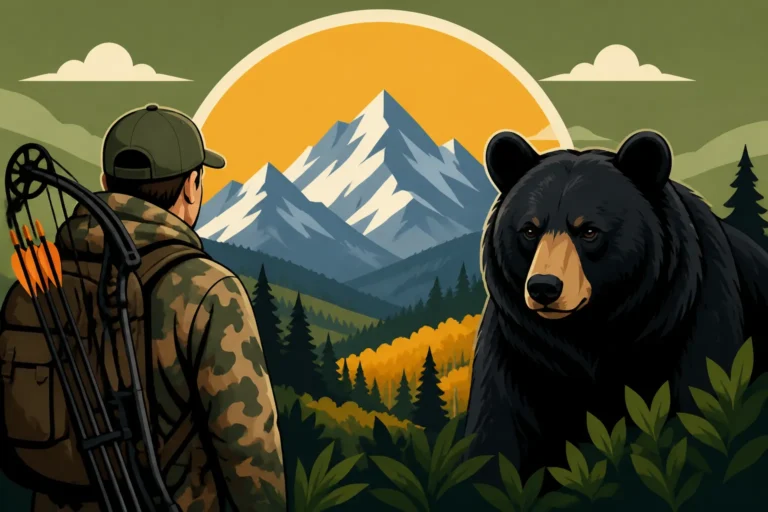
Trying to understand the intricate world of Colorado's black bears – where they roam, how many there are, and what makes them tick – can feel like searching for a needle in a vast, wild haystack. There's a lot of information out there, often fragmented, leaving hunters and wildlife enthusiasts alike scratching their heads. This comprehensive guide aims to cut through the confusion, providing a clear picture of Colorado's black bear population dynamics, their extensive habitats, and the behaviors that define these incredible creatures across the state.
Colorado's Thriving Black Bear Population
For many years, black bears in Colorado were often seen as elusive, almost mythical creatures of the high country. However, in recent decades, their numbers have not only rebounded but have truly thrived, making them a significant presence across much of the state. This increase isn't just anecdotal; wildlife agencies carefully track population trends, and the data paints a clear picture of a healthy, robust bear population.
The success of Colorado's black bears can be attributed to several factors. Improved habitat management, coupled with specific hunting regulations that prioritize sustainable populations, have allowed bears to flourish. Furthermore, a growing human population expanding into traditional bear habitats has led to increased sightings and interactions, sometimes giving the impression of even larger numbers, though the core population itself is indeed strong. Colorado Parks and Wildlife (CPW) continually monitors these populations through various methods, including harvest data, research studies, and public reports, to ensure management strategies are effective and populations remain balanced.
It's important to remember that while the overall trend is positive, bear populations can fluctuate regionally based on food availability, habitat quality, and localized pressures. For instance, areas with consistent natural food sources like acorns, berries, and elk calves tend to support denser bear populations. Conversely, drought years can reduce these food sources, leading bears to expand their search for sustenance, sometimes bringing them into closer contact with human communities.
Estimated Population Numbers and Trends
Colorado boasts one of the largest black bear populations in the lower 48 states. While exact numbers are always estimates due to the elusive nature of bears, CPW estimates the statewide population to be between 17,000 and 20,000 black bears. This is a significant increase from historical lows and demonstrates a resilient and well-managed population.
These numbers aren't static; they represent an ongoing biological dynamic. Each year, new cubs are born, and bears face natural challenges like disease, competition, and environmental changes. Hunting also plays a crucial role in managing these numbers, helping to maintain ecological balance and prevent overpopulation in certain areas, which can lead to increased human-wildlife conflicts. A careful balance is struck through limited tag allocations and season structures to ensure long-term population health.
The trend has generally been one of stability or slight increase in recent years, especially in prime habitats. However, biologists pay close attention to the reproductive rates and survival of cubs, as these are critical indicators of population health. When considering a hunt, understanding these broader trends can help inform your expectations, though local conditions and food availability will always heavily influence bear presence in any given area during a specific season.
Factors Influencing Population Growth and Distribution
Several ecological and anthropogenic factors dictate where black bears thrive and how their numbers change. At the top of the list is habitat quality and food availability. Bears are opportunistic omnivores, meaning they'll eat just about anything, but they rely heavily on seasonal mast crops, berries, forbs, and even carrion. Areas rich in diverse vegetation, especially those with oak brush, serviceberry, chokecherry, and aspen groves, are bear magnets.
Climate patterns, particularly precipitation, also play a significant role. Good moisture years generally lead to abundant natural food sources, which in turn leads to healthier bears, higher cub survival rates, and more successful breeding. Conversely, prolonged droughts can stress bear populations, forcing them to range wider and sometimes lower in elevation in search of sustenance, leading to increased conflicts with humans and livestock.
Human development, unfortunately, also influences bear distribution. As towns and exurban areas expand into the wildland-urban interface, bears lose traditional habitats but gain access to anthropogenic food sources like trash, pet food, and bird feeders. This can artificially inflate local populations or draw bears into areas where they wouldn't naturally spend much time, leading to difficult management challenges and often undesirable outcomes for both bears and people. This complex interaction is a critical aspect of Colorado Bear-Human Conflict and Hunting.
Diverse Habitats: Mapping Colorado Black Bear Range
Colorado's landscape is incredibly diverse, from vast plains to towering peaks, and black bears have adapted to an astonishing array of these environments. While they are most commonly associated with the state's mountainous regions, you'd be surprised at how far and wide their range truly extends. Understanding this broad distribution is key to successful bear hunting and responsible wildlife coexistence.
Generally, you'll find black bears predominantly in areas with extensive forests, dense scrubland, and broken terrain that offers plenty of cover, food, and denning sites. This includes vast tracts of National Forest and Bureau of Land Management (BLM) lands. However, they also utilize riparian corridors, isolated mountain ranges, and even the fringes of the eastern plains where suitable habitat exists.
The sheer adaptability of the black bear means they can be found from the low-elevation pinyon-juniper forests to the high-alpine timberline. Their home range can vary dramatically depending on the sex of the bear, food availability, and the time of year. A sow with cubs might have a smaller, more secure territory, while a large boar could roam hundreds of square miles in search of food and mates.
Western Slope and Mountain Ranges
The Western Slope and Colorado's major mountain ranges are undeniably the heart of bear country. This vast region, encompassing areas like the Flat Tops Wilderness, the San Juan Mountains, and the West Elk Wilderness, offers prime habitat with abundant food sources and extensive cover. Think of the dense timber, aspen groves, oak brush thickets, and berry patches that characterize these landscapes – they're ideal for bears.
Units throughout the Western Slope, particularly those with a mix of dark timber and open, south-facing slopes, are hotspots. Bears will often move between these different habitat types throughout the day and across seasons. Early in the morning or late in the evening, they might be found grazing in open clearings or feeding on berries. During the heat of the day, they'll often retreat to the cool, dense cover of the north-facing slopes and thick timber. Many of the state's Best Colorado Units for Black Bear are located in this region.
Elevational preferences also come into play. Bears commonly inhabit elevations between 6,000 and 10,000 feet, but they will readily move higher or lower based on the ripening of food sources. For instance, during a good berry crop year, bears might climb to higher elevations to capitalize on ripening huckleberries, while a poor crop might see them move into lower-elevation oak brush in search of acorns. Understanding Colorado Black Bear Habitat by Elevation is crucial for effective scouting.
Front Range and Foothills
While the Western Slope often gets the most attention, the Front Range and its expansive foothills also support a significant, and often highly visible, black bear population. From the Wyoming border south to the New Mexico border, the mountainous terrain immediately west of the major metropolitan areas like Fort Collins, Boulder, Denver, and Colorado Springs provides excellent bear habitat.
These areas, including segments of the Pike National Forest and Roosevelt National Forest, offer a mix of ponderosa pine, Douglas fir, and oak brush, interspersed with numerous canyons and drainages. The proximity to human development, however, introduces unique challenges and behaviors. Bears in these areas are more likely to encounter human food sources, leading to a higher incidence of conflicts and a greater need for careful management.
Hunters pursuing bears in the Front Range and foothills need to be particularly mindful of public land access and private land boundaries. Using resources like GoHunt can be invaluable for e-scouting and identifying public land tracts within these often-checkerboarded units. Bears here can be more habituated to human presence but are by no means less wild, requiring careful and ethical hunting practices.
Eastern Plains and Riparian Corridors
Perhaps surprisingly to some, black bears are not entirely confined to the mountains. While less common, they can occasionally be found along the major riparian corridors and associated breaks that extend into Colorado's Eastern Plains. Think of river systems like the South Platte, Arkansas, and Republican, which create green belts of cottonwood and willow trees, often with dense undergrowth, providing cover and limited food resources.
These plains bears are typically transient individuals, often young males dispersing from mountain ranges in search of new territories, or bears following seasonal food sources. They don't typically establish permanent, breeding populations far out on the open plains, but their presence highlights the species' incredible adaptability and capacity for long-distance travel.
Hunting for bears on the Eastern Plains is rare and often opportunistic, usually in conjunction with deer or pronghorn hunts. Success hinges on finding these specific riparian habitats and understanding how bears might be using them for travel and temporary shelter. It requires meticulous scouting and often permission from private landowners, as much of the plains is privately owned.
Key Considerations for Hunting Colorado Black Bear
Hunting black bears in Colorado offers a unique and rewarding challenge, but it requires thorough preparation and an understanding of the state's specific regulations and ethical considerations. Unlike elk or deer, bear hunting in Colorado is often about patience, keen observation, and capitalizing on seasonal food sources.
Colorado prohibits baiting and the use of hounds for bear hunting, meaning hunters must rely on spot-and-stalk or still-hunting methods. This emphasizes fair chase and requires hunters to truly understand bear behavior and habitat use. The seasons are typically split into archery, muzzleloader, and rifle opportunities, often overlapping with deer and elk seasons, which can offer a combined experience for big game hunters.
Before you even step foot in the field, securing the right tag is paramount. Colorado operates on a draw system for most bear tags, although some over-the-counter (OTC) options might exist in specific units or seasons, particularly for archery. It's crucial to consult the Colorado Parks and Wildlife (CPW) regulations annually, as they can change. Platforms like GoHunt are excellent for researching draw odds, unit information, and application strategies for specific Colorado Bear Tag Options.
Season Dates and Tag Acquisition
Colorado's bear hunting seasons are strategically set to align with bear activity and food availability. The earliest opportunities typically begin in late August and continue through September for archery and muzzleloader, often overlapping with the peak of the Colorado Elk Rut and early archery deer seasons. These early seasons are often popular as bears are actively feeding to put on weight for winter.
Rifle seasons for bear generally coincide with the regular rifle elk and deer seasons in October and November. This later timeframe can be excellent, especially during years with good acorn or berry crops, as bears will be focused on these food sources. It's also a time when bears can be found moving between feeding areas and potential den sites. Always double-check the exact Colorado Hunting Seasons Explained for the current year, as dates can vary slightly.
Acquiring a bear tag involves participating in the annual big game draw. For non-residents, drawing a quality bear tag can sometimes require preference points, though some units might be more accessible. Residents often have more options for drawing tags with fewer points. The application process for the primary draw typically opens in March and closes in early April. If you miss the primary draw or don't draw your first choice, it's worth checking for leftover tags that become available later in the summer.
Optimal Hunting Methods and Timing
When hunting black bears in Colorado, the most effective methods revolve around finding food sources and capitalizing on bear movements. Spot-and-stalk is a highly productive technique, especially in open to semi-open country where you can glass large areas. Find a high vantage point, settle in with quality optics, and meticulously scan hillsides, clearings, and riparian areas for feeding bears. This is where a good pair of binoculars and a spotting scope really earn their keep.
Still-hunting through timber and oak brush can also be effective, particularly in areas with dense cover. This involves moving slowly and deliberately, stopping often to glass and listen. Pay close attention to fresh tracks, scat, and overturned rocks or logs – these are all indicators of recent bear activity. Understanding How to Spot-and-Stalk Colorado Bears effectively is a critical skill for success.
Timing is everything in bear hunting. Early morning and late evening are prime times when bears are most active, often moving from bedding areas to feeding grounds. On cooler, overcast days, bears might remain active throughout the day. However, during the heat of the day, they'll typically bed down in dense cover, making them harder to find. Fall hunting can be particularly good during cold snaps that push bears to feed more intensely before denning. For detailed information on specific strategies, check out the Best Time to Hunt Black Bear in Colorado.
Utilizing Technology for Bear Hunting
Modern hunting often involves leveraging technology, and bear hunting is no exception. Digital mapping applications like onX Hunt or Basemaps are indispensable for identifying public land, understanding terrain features, and marking potential bear hotspots. You can pinpoint dense oak brush thickets, berry patches, and water sources that bears frequent.
E-scouting is a powerful tool to narrow down potential hunting units and areas before you even leave your couch. By analyzing satellite imagery, topo maps, and public land ownership layers, you can identify promising drainages, basins, and ridges that offer the blend of food, water, and cover that bears prefer. This greatly reduces time spent on the ground in less productive areas. A good guide on How to E-Scout Before a Colorado Hunt can set you up for success.
Researching unit-specific data through resources like GoHunt can also provide valuable insights into bear populations, harvest statistics, and success rates for particular GMUs (Game Management Units). This data, combined with your e-scouting, allows for a highly informed and strategic approach to selecting a hunting unit and planning your attack.
Understanding Bear Behavior and Seasonal Movements
Black bears are incredibly intelligent and adaptable animals, and understanding their behavior and seasonal movements is fundamental to successfully finding and hunting them in Colorado. Their lives are largely dictated by two primary drivers: food and reproduction. These instincts shape their daily routines, seasonal migrations, and preferred habitats.
Bears undergo a period of hyperphagia in the late summer and fall, meaning they eat voraciously to build up fat reserves for hibernation. This is often the most active time for bears and, consequently, a popular time for hunters. Conversely, in the spring, bears emerge from their dens, often lean and hungry, seeking out early green-ups and carrion.
Their behavior is also heavily influenced by their natural instincts for survival. They are typically shy and reclusive, preferring to avoid human contact unless food-conditioned. Sows with cubs will be particularly protective, while large boars might be more solitary. Observing subtle signs of their presence, like tracks, scat, and disturbed vegetation, can tell you a lot about their recent activity.
The Annual Cycle: Denning, Foraging, and Reproduction
The black bear's year is a fascinating cycle, directly impacting when and where you'll find them.
- Spring Emergence (April-May): Bears typically emerge from their dens in April or early May, often looking for the first green growth, winter-killed animals, and other easily accessible protein sources. Their activity levels are usually lower than in the fall, and they may still be groggy from hibernation. This is a critical time for sows with cubs, as they need to quickly regain strength to support their young.
- Summer Foraging (June-August): As summer progresses, bears become more active, focusing on a diverse diet of berries, insects, and vegetation. This is when they begin to put on weight. If natural food sources are scarce, they may start exploring lower elevations or even urban fringes. The rut for black bears typically occurs in June and July, leading to increased movement of boars searching for sows.
- Fall Hyperphagia (September-November): This is arguably the most crucial period for bears, as they enter hyperphagia. Their sole focus is consuming as many calories as possible to build up fat reserves for the winter. Acorns, serviceberries, chokecherries, and huckleberries are prime targets. Bears will spend most of their waking hours foraging, making them more visible and active. This is why the fall bear seasons are often popular and productive.
- Winter Denning (November-April): As temperatures drop and food becomes scarce, bears seek out den sites, which can be anything from rock crevices to hollow logs or excavated dens under tree roots. They enter a state of torpor (not true hibernation), where their heart rate and metabolism slow down, allowing them to conserve energy until spring.
Understanding these phases is critical for Colorado Black Bear Behavior analysis and helps hunters predict where bears might be and what they'll be doing throughout the year.
Diet and Food Sources: What Bears Are Eating
Black bears are highly adaptable omnivores, and their diet changes significantly with the seasons and the availability of food. This dietary flexibility is a major reason for their widespread success in Colorado.
In spring, bears primarily seek out early greens, grasses, forbs, and any carrion (winter-killed deer or elk) they can find. They might also target young elk calves if given the opportunity. As spring turns to summer, their diet shifts to include more insects, ants, grubs, and the earliest ripening berries like serviceberries. By late summer and fall, bears are in a frenzy of feeding, with mast crops becoming their most important food source. This includes acorns from various oak species (gambel oak is a big one in Colorado), chokecherries, raspberries, huckleberries, and currants.
The presence and abundance of these food sources are the single most important factor in locating bears. During a good acorn year, bears will often congregate in oak brush thickets. If berries are abundant in high country, bears will migrate to those areas. Conversely, in years of poor natural food production, bears will expand their search, often venturing into lower elevations, agricultural areas, or closer to human settlements, increasing the potential for conflicts.
Bear Sign and Locating Active Areas
Learning to read bear sign is like learning a secret language of the forest. It tells you not only that bears are present but what they're doing and when they were there. Fresh sign is gold for hunters.
Look for tracks in mud, dust, or snow, noting their size and direction of travel. A large, clear track can indicate a mature bear. Scat (feces) is another invaluable indicator; its contents reveal what the bear has been eating (berries, seeds, grass, hair), and its freshness tells you how recently the bear was in the area. A steaming pile is a huge confidence booster!
Bears will also leave behind other evidence of their foraging. Look for overturned rocks and logs where they've dug for insects, claw marks on trees (often marking territory or for reaching nuts and sap), and broken branches in berry patches. In areas with oak brush, you might see broken branches from bears standing on their hind legs to pull down acorn-laden branches. If you're seeing a lot of fresh sign, you're in an active area. Keep the wind in your face, move slowly, and glass intently, as a bear could be bedded down just out of sight.
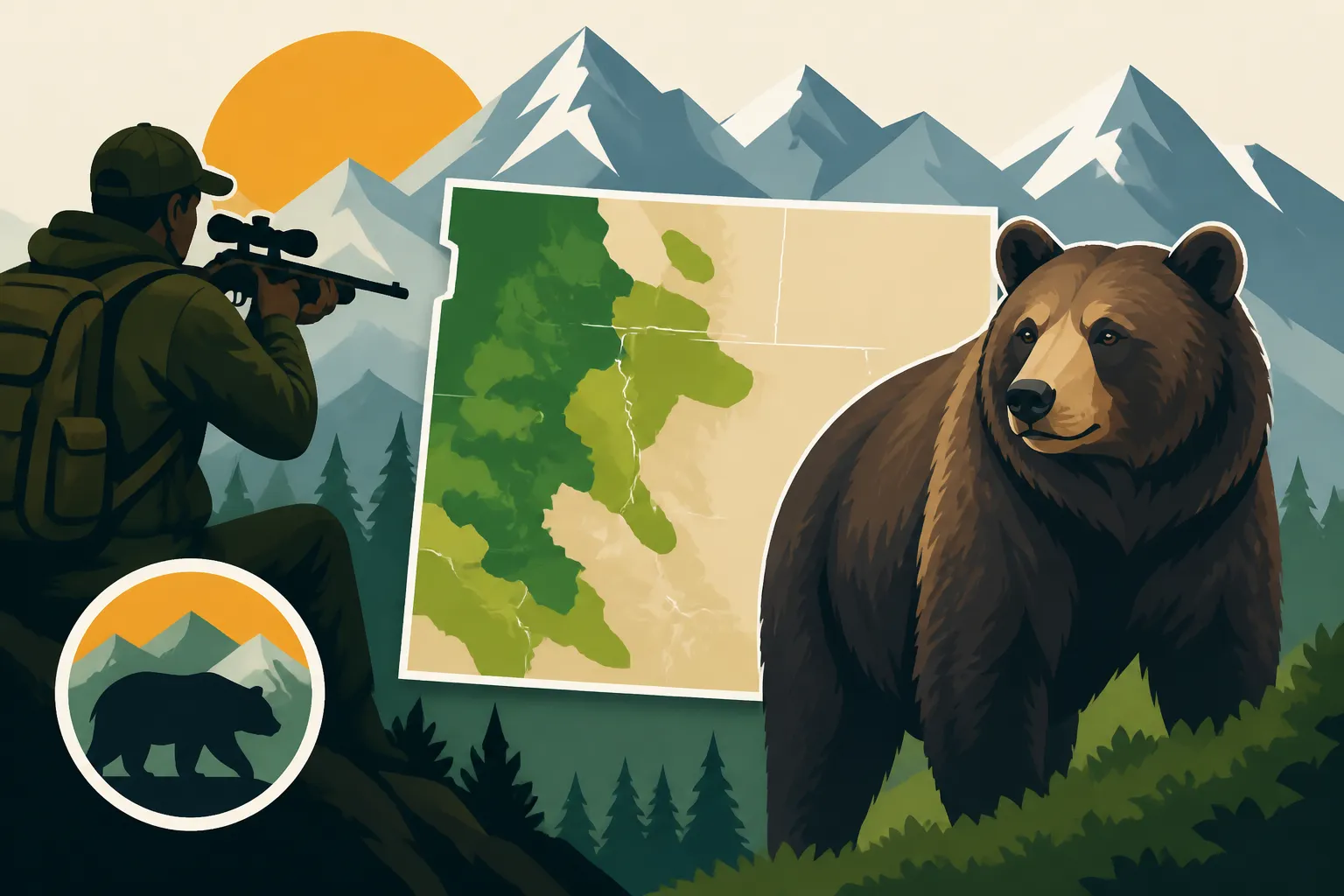
Colorado Black Bear Distribution by Region (Estimated)
: Environment from the "Hunting Areas" hub.
- "Colorado BLM Land Hunting" could be relevant for discussing land types.
- "Colorado Wilderness Area Hunting" for mountain ranges.
- Colorado Backcountry Hunting Guide is highly relevant for bear range.
- Perhaps a specific GMU guide link like Colorado GMU 24 Hunting Guide to showcase local detail.
- Colorado National Forest Hunting Guide for broader habitat.
- Colorado Elk Hunting Guide as bears often share similar habitats.
- Colorado Mule Deer Hunting Guide also overlaps.
Let's refine the H2s and H3s and plan for detailed content.
H2s:
- Colorado's Thriving Black Bear Population
- Estimated Population Numbers and Trends
- Factors Influencing Population Growth and Distribution
- Diverse Habitats: Mapping Colorado Black Bear Range
- Western Slope and Major Mountain Ranges
- Front Range Foothills and Pockets of Habitat
- Eastern Plains Riparian Corridors
- Hunting Colorado Black Bears: Key Considerations
- Season Dates and Tag Acquisition Strategies
- Effective Hunting Methods and Optimal Timing
- Utilizing Technology for Bear Scouting and Research
- Understanding Bear Behavior and Seasonal Movements
- The Annual Cycle: Denning, Foraging, and Reproduction
- Diet and Food Sources: What Bears Are Eating
- Reading Bear Sign and Locating Active Areas
Disclaimer
This article is for general informational purposes only and does not constitute professional advice. Laws, prices and regulations vary by location and change over time. Consult a qualified professional for guidance on your specific situation.