Best Time to Hunt Black Bear in Colorado
Trying to figure out the absolute "best time" to hunt black bear in Colorado can feel like trying to nail jello to a wall – it's notoriously tricky because so much depends on the bears themselves, the weather, and your specific hunting goals. This comprehensive guide will help you understand the nuances of Colorado's bear seasons, giving you the insights you need to pinpoint your ideal hunting window and boost your chances of success.
Understanding Colorado's Black Bear Hunting Seasons
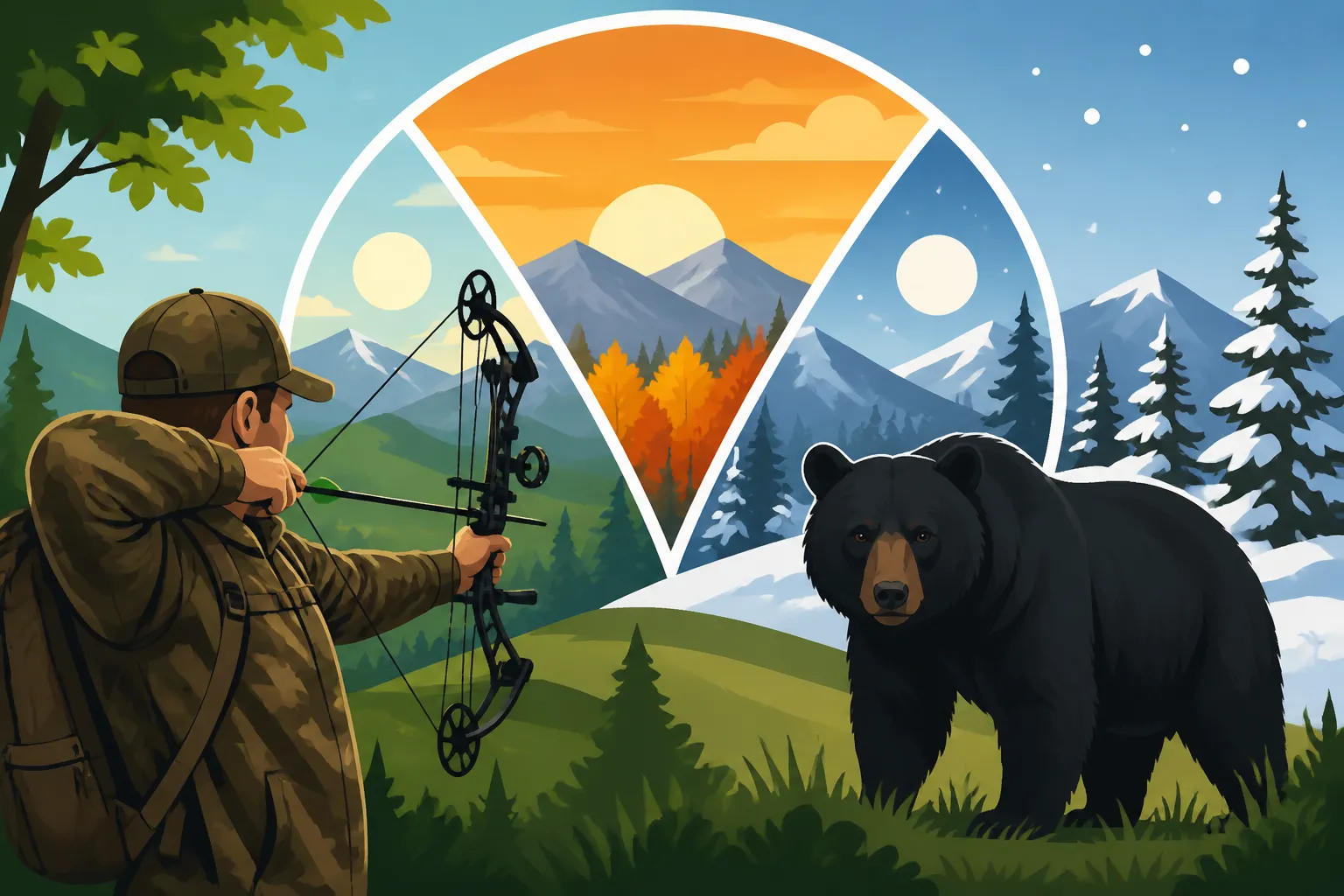
Colorado offers two distinct periods for black bear hunting: a limited spring season and a more extensive fall season. Each presents its own unique challenges and opportunities, largely dictated by bear biology, available food sources, and environmental conditions. It’s not just about when the season opens, but when the bears are most active and predictable.
Spring Bear Hunting Considerations
The spring season for black bears in Colorado is a highly anticipated, albeit short, window that usually kicks off around the start of June and runs for a couple of weeks, depending on the specific Game Management Unit (GMU). The main allure of spring hunting is often the chance to spot bears fresh out of their dens, often at lower elevations where the first green-up occurs. However, there are some pretty significant factors that make spring hunting unique.
Firstly, you're looking for bears emerging from a long hibernation. Their primary drive is to find easily digestible food to replenish lost energy and mass. This means they’ll be drawn to south-facing slopes, lower elevation drainages, and areas where grasses, forbs, and early berries are just starting to show life. You might find them grazing like cattle on a lush hillside. The challenge here is that their diet is heavily plant-based, and they can be scattered as they forage. Additionally, the spring bear tag is often draw-only, making it a highly coveted and hard-to-get opportunity. Colorado Parks and Wildlife (CPW) offers a limited number of these licenses, often tied to specific units, to manage the population responsibly. If you're lucky enough to draw one, understanding bear behavior during this time is paramount. Consider our detailed guide on Colorado Spring Bear Season and Tags for more in-depth information.
Fall Bear Hunting Dynamics
The fall season is by far the most popular and expansive opportunity for black bear hunting in Colorado, often running concurrently with archery, muzzleloader, and all rifle elk and deer seasons from early September through November. This extended period means there are vastly different dynamics at play, from the early fall, warm-weather patterns to the late-season snows. Fall bear hunting is also often available as an over-the-counter (OTC) tag in many units, either as a standalone bear tag or as an add-on to an elk or deer license, especially in the earlier archery and muzzleloader seasons. This accessibility makes it a common choice for hunters.
During the fall, bears are in a hyperphagia state – meaning they are trying to consume as much food as possible to put on weight for winter hibernation. Their diet shifts dramatically from spring's greens to high-calorie mast crops like acorns, berries, and eventually, carrion if opportunities arise. This intense feeding behavior can make them more predictable, but also more sensitive to pressure. The sheer variety of conditions you can encounter, from mild September days to blizzard conditions in November, means your tactics need to be incredibly adaptable. This is where truly understanding Colorado Fall Bear Season and Tags can make all the difference in your planning.
Key Factors Influencing Bear Activity
It's not just the calendar date that dictates bear activity; it's a complex interplay of food availability, weather patterns, and the biological needs of the bears themselves. Neglecting these factors can lead to a frustrating, bear-less hunt.
Food Sources and Mast Crops
Black bears are opportunists, and their movements are almost entirely dictated by food. In Colorado, this often means following the progression of ripening berries and acorns. Early fall, typically September, sees bears gorging on chokecherries, serviceberries, elderberries, and various huckleberry species found at higher elevations or in specific drainages. These dense berry patches can be goldmines, drawing bears from miles around. When these berries are abundant, bears will often congregate in these areas, sometimes ignoring other food sources.
As fall progresses into October, bears shift their focus to oak brush and acorn crops. Southern Colorado, in particular, has vast areas of Gambel oak, and a good acorn year can be a game-changer for bear hunting. Bears will spend hours under oak trees, especially those on south-facing slopes that get more sun, crunching acorns. Learning to identify these food sources, and even scouting for "mast crop reports" (though unofficial, talking to locals or CPW can give clues), is invaluable. A tool like GoHunt can assist in identifying habitat types, including oak brush, allowing you to narrow down potential food-rich areas before you even set foot in the field. If these mast crops fail, or if it’s a poor berry year, bears may move to lower elevations earlier to feed on residual greens or agricultural fields, making them harder to pattern. Understanding Colorado Black Bear Behavior is crucial for anticipating these shifts.
Weather Patterns and Temperature Swings
Colorado's notoriously unpredictable mountain weather is a huge driver of bear activity. Warm, dry weather can make bears more nocturnal or keep them hunkered down in thick cover during daylight hours. Conversely, a sudden drop in temperature or a light rain can stimulate feeding activity, making them more visible.
In the spring, warmer temperatures are essential for bears to emerge from their dens and for vegetation to green up. A late spring snow or prolonged cold spell can delay their emergence and make hunting tougher. You’re looking for those first warm, sunny days after the snow melts, when bears are eager to soak up the sun and find green shoots.
During the fall, early season hunts can be sweltering, leading to low bear activity during midday. As temperatures drop and particularly when the first significant snowfalls occur, bears enter a frantic feeding phase, pushing them to consume every calorie possible. These cold fronts can be prime opportunities. However, heavy, deep snow too early can also push bears into hibernation earlier than anticipated. A mild fall might mean bears stay active longer, sometimes into late November or even early December, especially at lower elevations. Keeping a close eye on weather forecasts and understanding how precipitation and temperature affect bear movement is just as important as knowing where the food is.
The Role of the Rut and Breeding Season
While not as dramatic as the elk rut, black bears do have a breeding season, typically from late May through July. This overlaps with and extends beyond the short spring hunting season. During this time, boars will travel widely in search of sows, making them potentially more active and visible. However, bears encountered during the spring season might primarily be driven by post-hibernation hunger, rather than direct rut activity.
By fall, the breeding season is largely over, and the bears' sole focus is on fattening up for winter. So, while the rut is a factor in general bear biology and movement, its direct impact on hunting success is generally more relevant to the spring season for boars, and less so for the fall season where food dictates nearly all movement.
Navigating Specific Fall Hunting Periods
Since the fall season is so extensive and offers the most opportunity, it’s worth breaking it down into more manageable periods.
Early Fall Archery and Muzzleloader Seasons (September)
This is a prime window for many bear hunters, especially those who prefer spot-and-stalk tactics. The weather is generally milder, and bears are heavily focused on high-elevation berry patches. If you’re willing to hike into remote areas, you can often find bears feasting undisturbed. This aligns perfectly with the early archery elk seasons. Many elk hunters carry a bear tag as an add-on, hoping to fill both.
Pros:
- Bears are actively feeding on abundant berries.
- Milder weather, less snow, good for hiking and glassing.
- Less hunter pressure specifically for bears compared to later rifle seasons.
- Opportunities to combo with elk or deer hunts.
Cons:
- Warmer temperatures can mean bears are more active at dawn/dusk, harder to spot midday.
- Thick foliage can make spotting challenging.
- Bears can be highly localized to food sources, requiring extensive scouting.
Tactics: Focus on high-elevation south-facing slopes, old burns, and clear-cuts with dense berry growth. Thorough e-scouting with tools like GoHunt can help you identify these areas, looking for specific vegetation types. Spend time glassing at dawn and dusk. This is an excellent time to practice How to Spot-and-Stalk Colorado Bears as the timber isn't too dense yet and visibility can be good in open areas.
Mid-Fall Rifle Seasons (October)
As October rolls around, the aspens turn golden, and the first significant cold fronts often push through. Bears are still in overdrive, but their food sources start to shift. Berries may be dwindling at higher elevations, and bears will move towards lower-lying oak brush or even into timbered areas seeking acorns. This period overlaps heavily with Colorado's first and second rifle elk seasons, meaning significantly more hunter pressure in the woods.
Pros:
- Bears are still aggressively feeding for hibernation.
- Falling leaves improve visibility in many areas.
- Cooler temperatures can mean bears are active longer during the day.
Cons:
- Increased hunter pressure from elk and deer seasons can make bears more nocturnal or push them into thicker cover.
- Early snows can complicate access and travel.
- Food sources are more dispersed, requiring careful scouting.
Tactics: Scout for oak brush flats and ridges. Concentrate on areas away from heavy human activity, focusing on remote benches and drainages. Bears will often move into thick timber during the day to avoid pressure, emerging in the early morning and late evening to feed. Glassing skill is paramount. For general preparation, consider topics like How to Prepare for High-Altitude Hunting or looking at Best Backpack for a Colorado Elk Hunt as your gear needs to be robust for varied conditions.
Late Fall Rifle Seasons (November)
The late fall season, often encompassing Colorado’s third and fourth rifle seasons, is a completely different beast. Snow is usually a significant factor, and bears are on the cusp of hibernation. Success in late fall often hinges on hitting a cold snap before deep snow drives them into their dens. Bears will be trying to pack on final calories, sometimes resorting to carrion or whatever last available food they can find.
Pros:
- Lowest hunter pressure for bears (most have gone home or filled tags).
- Snow can make tracks easy to spot, helping you locate bears.
- If bears are still out, they are desperately seeking food.
Cons:
- Many bears may already be denned up, especially at higher elevations.
- Harsh weather, deep snow, and extreme cold are common.
- Access can be severely limited by road closures.
Tactics: This is a tough hunt. Focus on lower elevation, south-facing slopes that hold less snow and warm up faster. Check known wintering areas or locations where bears might find late-season food sources like residual acorns or even old carcasses. Tracking in fresh snow can be an effective, albeit challenging, method. A thorough understanding of Colorado Backcountry Hunting Guide is critical for survival and success during this period.
Comparing Spring and Fall Bear Hunts
Here's a quick overview to help you weigh your options:
| Feature | Spring Black Bear Hunt (Early June) | Fall Black Bear Hunt (Sept-Nov) |
|---|---|---|
| Availability | Limited draw tags, often unit-specific. Harder to get. | More widely available OTC tags, often combo with deer/elk licenses. |
| Bear Focus | Emerging from hibernation, seeking first greens, some rut activity. | Hyperphagia (intense feeding) for winter; driven by high-calorie mast crops. |
| Food Sources | Green grasses, forbs, early berries (lower elevation). | Berries (chokecherries, huckleberries), acorns (oak brush), some late greens. |
| Weather | Warming, potential for late snow, green-up starting. | Highly variable: warm in Sept, cold/snowy in Nov; generally cooler as season progresses. |
| Visibility | Good on open, south-facing slopes, but thick cover persists elsewhere. | Improves as leaves drop; can be excellent in open timber or after snow. |
| Hunter Pressure | Very low, specialized hunters. | Varies: moderate in early archery, high in rifle, lower in late rifle. |
| Logistics | Fewer access issues (roads open). | Can be challenging late season due to snow/road closures. |
| Challenges | Finding scattered bears; short season, tough tag to draw. | High competition; adapting to shifting food sources & weather; early hibernation. |
| Best For | Dedicated bear hunters, those looking for a unique early-season experience. | Most hunters, combo hunters, those seeking more accessible opportunities. |
Planning Your Colorado Black Bear Hunt
Regardless of when you decide to hunt, thorough preparation is your ticket to success in Colorado's challenging bear country.
E-Scouting and Boots-on-the-Ground Reconnaissance
Modern e-scouting tools are absolute game-changers for planning any hunt in Colorado, especially for bears. Platforms like GoHunt allow you to pore over satellite imagery, topographical maps, and public land ownership data to identify potential bear habitat. Look for dense timber stands adjacent to clearings, south-facing slopes, areas with oak brush, and known berry patches. Identify water sources, dense bedding cover, and travel corridors. This is where learning How to E-Scout Before a Colorado Hunt really pays off.
But e-scouting is only half the battle. Nothing replaces boots-on-the-ground scouting, ideally before the season, if possible. Look for bear sign: scat (especially purple scat in berry season), tracks, rub trees, and overturned rocks or logs where they've been foraging. Note the condition of mast crops – are the berries ripe and abundant? Are there acorns on the ground? This information will help you confirm your e-scouting theories and narrow down your hunting focus.
Essential Gear and Tactics
Hunting black bears in Colorado demands robust gear suitable for rugged mountain terrain and unpredictable weather. Your packing list will look very similar to what you'd bring for an elk hunt.
- Optics: High-quality binoculars (10×42 or 12×50) and a spotting scope are non-negotiable for glassing vast expanses of timber and open slopes. Bears can be surprisingly hard to pick out, even in open country.
- Layered Clothing: Colorado weather can swing wildly. Layering allows you to adapt to warm mornings, cold nights, and sudden storms. Think moisture-wicking base layers, insulating mid-layers, and a waterproof/windproof outer shell. Read our guide on Best Boots for Colorado Elk Hunting for footwear that will stand up to the terrain.
- Backpack: A comfortable, capable pack is essential, whether for a day hunt or packing out meat. Consider a frame pack if you anticipate success and need to carry out quarters. Check out Best Backpack for a Colorado Elk Hunt for suggestions.
- Navigation: A reliable GPS or a phone app like onX Hunt is crucial. Don't rely solely on cell service.
- Weapon: Choose a rifle with adequate power for black bear (e.g., .270, .30-06, .300 Win Mag) or a capable bow setup. Practice shooting at various distances and angles.
Tactics:
- Glassing: This is arguably the most effective tactic, especially in open country or areas with clear-cuts and burn scars. Find a vantage point and patiently pick apart the terrain, focusing on food sources and edges.
- Still-Hunting/Stalking: Moving slowly and deliberately through promising habitat, paying attention to the wind, can put you on a bear. This is more effective in areas with good visibility and less hunter pressure.
- Calling: While not as common as for elk, some hunters have success with bear calls, particularly distress calls or cub bleats, though this can also attract other predators.
Ultimately, the "best time" to hunt black bear in Colorado is a personal decision heavily influenced by your preferences, access to tags, and tolerance for various hunting conditions. However, the fall season, particularly early to mid-fall, generally offers the most accessible tags and favorable conditions for locating actively feeding bears. Just be prepared for the dynamic environment Colorado's mountains present, and you'll be well on your way to a memorable bear hunt.
Disclaimer
Hunting is an inherently dangerous activity. This guide provides general information and recommendations. Always consult the official Colorado Parks and Wildlife (CPW) regulations for the current hunting season dates, licensing requirements, and specific unit rules. Safety should be your top priority. Ensure you have the necessary training, gear, and physical fitness for backcountry hunting.