Colorado Bighorn Sheep Hunting for Beginners
For many hunters, the idea of chasing bighorn sheep in Colorado represents the absolute pinnacle of Western hunting, a true bucket-list dream. But let's be real, the sheer difficulty of drawing a tag, coupled with the brutal physical demands of hunting these magnificent animals in their steep, high-alpine environments, can feel incredibly overwhelming, especially for someone just starting out. This guide is here to demystify the process and give aspiring bighorn sheep hunters a clear roadmap to pursuing this incredible challenge in the Centennial State.
The Unique Allure and Daunting Reality of Bighorn Sheep Hunting
There's something inherently mystical about bighorn sheep. Their powerful, spiraled horns, their incredible agility on sheer rock faces, and the breathtaking landscapes they inhabit capture the imagination like few other animals. For a beginner, the thought of even seeing one in the wild, let alone harvesting a ram, can seem like an impossible feat. Unlike deer or elk, which have much larger populations and more accessible hunting opportunities, bighorn sheep tags are exceedingly rare, making the journey to even hunt them a significant accomplishment.
Why Bighorns are the Ultimate Trophy
Bighorn sheep are often called the "king of the mountains" for good reason. They thrive in rugged, vertical terrain, where oxygen is thin and footing is precarious. Their incredible eyesight and keen senses make them exceptionally challenging to approach. A successful bighorn hunt isn't just about pulling a trigger; it's a testament to years of dedication, unwavering perseverance, and a deep respect for the wild places they call home. For many, it's not merely about the animal itself, but the profound experience of pushing personal limits and immersing oneself in some of Colorado's most awe-inspiring landscapes.
Consider the sheer physical and mental fortitude required. You'll often be glassing from miles away, then executing stalks that involve thousands of feet of elevation gain and navigating treacherous scree fields. The weather can turn on a dime, dropping temperatures or dumping snow in August. This isn't your typical leisurely hunt; it's an expedition, a true test of grit and determination.
Understanding Colorado's Bighorn Subspecies
Colorado is home to two distinct subspecies of bighorn sheep: Rocky Mountain bighorn (Ovis canadensis canadensis) and Desert bighorn (Ovis canadensis nelsoni). The vast majority of hunting opportunities are for the Rocky Mountain bighorn, found in the high country of the central and western mountains. Desert bighorns are much rarer in Colorado, primarily restricted to specific arid canyon systems in the southwestern part of the state, such as around the Dolores and Gunnison rivers.
For beginners, understanding this distinction is important, though Rocky Mountain bighorns will almost certainly be your focus. Their habitats and behaviors differ significantly. Rocky Mountain bighorns often inhabit alpine tundra, steep rock faces, and high-elevation forests, while Desert bighorns prefer lower-elevation, arid canyonlands. Both are incredible animals, but the hunting experience is wildly different.
Navigating the Colorado Bighorn Sheep Draw System
The single biggest hurdle for any aspiring Colorado bighorn sheep hunter, especially a beginner, is drawing a tag. Colorado's draw system is complex, and for species like bighorns, it demands a strategic, long-term approach. It's not a matter of simply applying; it's a game of patience, research, and understanding the odds. This is where resources like GoHunt become invaluable, as they consolidate draw odds and unit information, helping you make informed decisions.
Understanding Preference Points and Limited Tags
Colorado uses a preference point system for most limited draw tags, including bighorn sheep. This means that hunters with more preference points have a higher chance of drawing a tag. However, bighorn sheep tags are so limited that it often takes many, many years—sometimes even decades—to accumulate enough points to draw one of the most coveted units. Some units are simply unobtainable for most non-residents or those starting from zero points.
It's a stark reality: you might apply for 20 years or more before your name is finally pulled. During that time, you'll be building preference points annually. You can find detailed breakdowns of how Colorado Preference Points Explained work, but in essence, each year you apply and are unsuccessful, you gain a point. Some units might be considered "random draw" for a small percentage of tags, offering a minuscule chance for zero-point holders, but these are exceptions rather than the norm. Your primary strategy will be consistently building points.
Researching Units and Draw Odds
Before you even think about applying, extensive research into specific Game Management Units (GMUs) is paramount. Each GMU has different draw odds, herd populations, success rates, and terrain characteristics. Using tools like the GoHunt's Insider platform can streamline this process significantly, providing detailed unit analyses, draw statistics, and success rates that are often hard to piece together from raw CPW data. Look for units that might require slightly fewer points or have a "better" chance, even if that chance is still slim.
When you're diving into this research, pay close attention to the number of tags issued for residents versus non-residents, and the number of applicants. This will give you a realistic picture of what you're up against. For example, some units might only issue one or two non-resident tags, making the odds astronomically low. It's a long game, and understanding the nuances of the draw is key. Don't forget to check out our guide on How Many Preference Points for Colorado Bighorn Sheep to get a better sense of what you're up against.
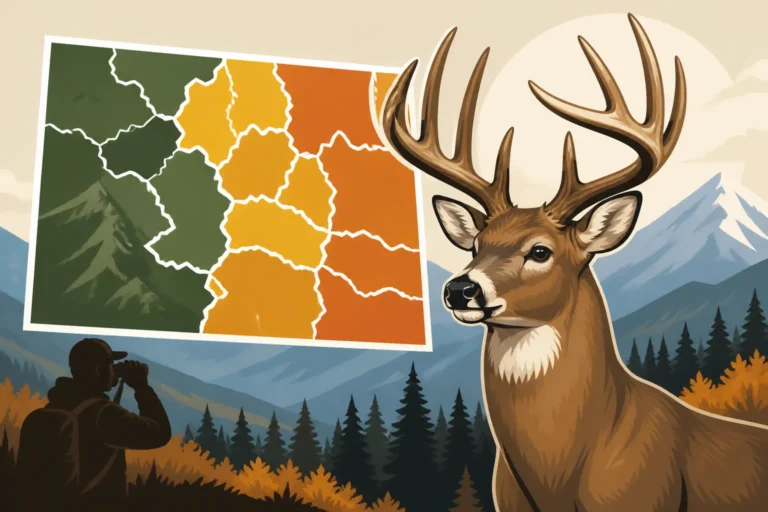
Colorado Bighorn Sheep Draw Odds (Example – Fictionalized for Illustration)
: Colorado's bighorn sheep are charismatic mountain dwellers, challenging to hunt due to their keen senses, remarkable athleticism, and the rugged, high-alpine terrain they inhabit. Successfully locating these elusive animals requires patience, specialized gear, and a solid understanding of their behavior. For those new to this demanding pursuit, it can feel like a shot in the dark without a clear strategy. This guide aims to shed light on how to effectively scout and locate bighorn sheep, giving you a tangible edge in your pursuit of a Colorado ram.
The Foundation of a Successful Hunt: E-Scouting and Pre-Season Research
Before you even think about lacing up your boots and hitting the mountain, your hunt for Colorado bighorn sheep begins at home, often months in advance. Effective e-scouting and thorough pre-season research are non-negotiable for beginners. This initial phase helps you understand the topography, identify potential sheep habitat, and narrow down vast landscapes into manageable scouting areas. Tools like GoHunt's mapping and data platforms are indispensable here, offering a wealth of information to help you pinpoint high-probability areas.
Leveraging Digital Tools for Terrain Analysis
Begin your e-scouting by utilizing satellite imagery and topographical maps. Focus on areas known for bighorn sheep habitat, which typically includes steep, rocky slopes, cliffs, alpine basins, and areas above timberline. Look for south-facing slopes, as these often shed snow faster and provide crucial forage earlier in the season. Identify natural escape routes, benches, saddles, and potential bedding areas, often found just below the steepest cliffs or on isolated rocky outcrops.
When analyzing terrain, pay close attention to water sources. While sheep are incredibly hardy, they still need water, especially during warmer months. Pinpoint any springs, seeps, or high-alpine lakes. These can be focal points for sheep activity. Also, consider areas with a mix of open country for feeding and steep, broken terrain for bedding and security. This is where your digital tools really shine, allowing you to zoom in on intricate details of the landscape that would be impossible to assess otherwise.
Understanding Seasonal Movements and Habitat Needs
Bighorn sheep, like other big game species, exhibit seasonal movement patterns driven by forage availability, breeding cycles, and snow depths. During the summer, they are typically found in the highest alpine country, often above timberline, feeding on lush grasses and forbs. As fall approaches and hunting seasons open, they might start to drop slightly in elevation, especially if early snows push them down. The rut, typically in November and December, will see rams moving to find ewes.
For a beginner, understanding these general patterns for your specific unit is critical. Consult Colorado Parks and Wildlife (CPW) unit-specific reports, which often provide details on herd health, population estimates, and general distribution. Talking to a local CPW biologist or game warden can also offer invaluable insights into specific habitat use and typical sheep hangouts in your chosen unit. Remember, bighorns need specific mineral licks and often frequent certain "travel corridors" between bedding and feeding areas.
On-the-Ground Scouting: Boots, Optics, and Patience
Once you've done your homework and identified promising areas through e-scouting, it's time to hit the field. On-the-ground scouting for bighorn sheep is a commitment. It's physically demanding, often requiring long hikes into remote, rugged country. But there's no substitute for seeing the terrain with your own eyes and confirming what your maps suggested. This is also where you'll hone the critical skill of glassing.
The Art of Glassing for Bighorn Sheep
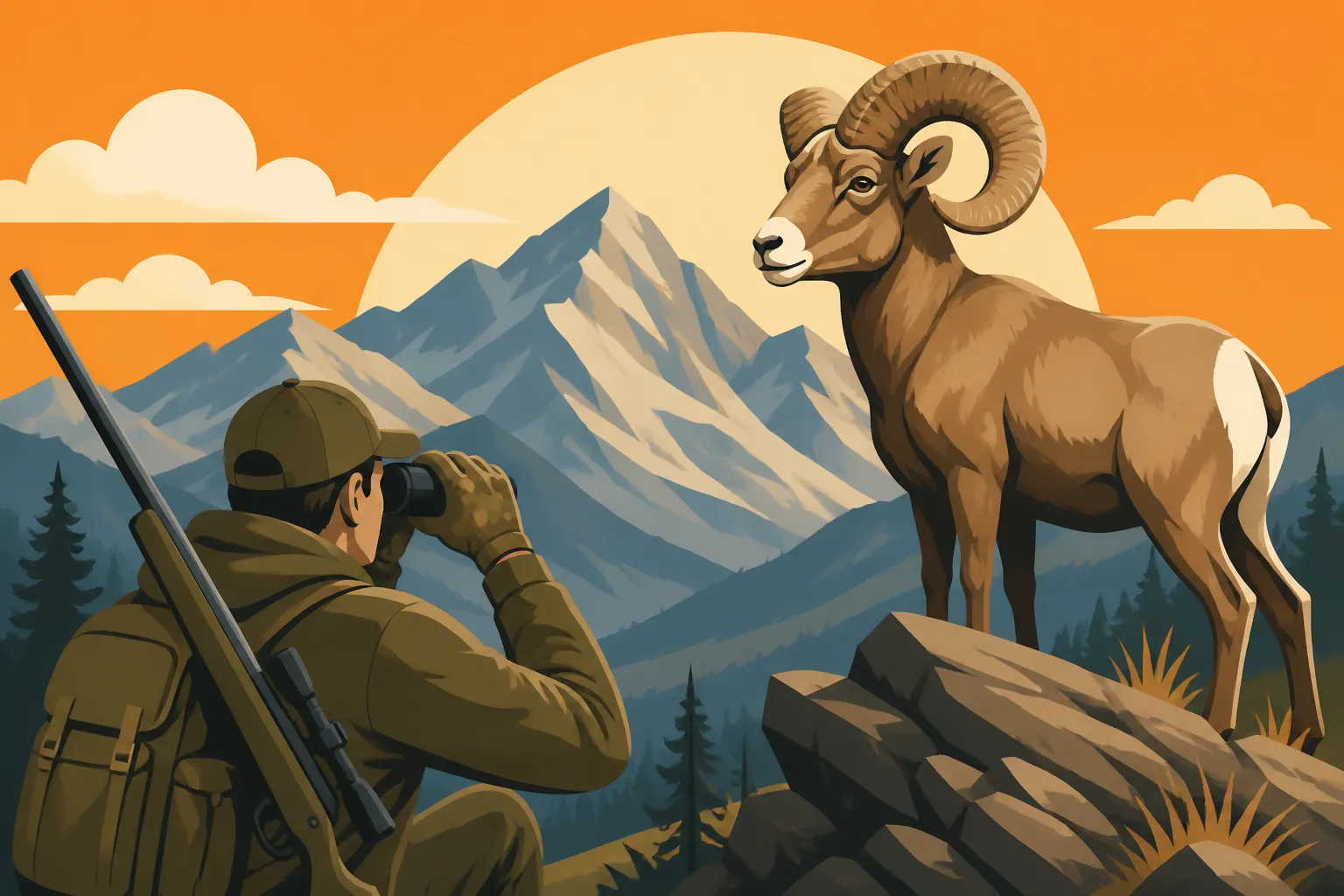
Effective glassing is the single most important skill for locating bighorn sheep. These animals blend incredibly well into their rocky surroundings, and often, only a small part of their body or the glint of a horn will give them away. You'll need high-quality optics – a powerful spotting scope (20-60x or higher) and good binoculars (10x or 15x) are essential. A sturdy tripod is non-negotiable for stable viewing, especially at extreme distances and in windy conditions. Learn Best Optics for Colorado Big Game to ensure you have the right setup.
Find a vantage point that allows you to see vast expanses of sheep habitat. Set up your spotting scope and systematically grid the landscape, starting close and working your way out. Look for anything out of place: a patch of white rump against grey rock, the tell-tale curl of a ram's horn, or even just movement. Take your time, scanning slowly and deliberately. Many sheep are found multiple miles away, appearing as tiny specks initially. Don't underestimate the power of simply sitting and watching a basin for hours; sheep often reveal themselves when they move from bedding to feeding.
Identifying Key Terrain Features and Sign
As you scout, you're not just looking for sheep; you're also looking for their sign. Sheep droppings, distinct tracks (often with dewclaws showing), and rubbed spots on rocks or low-growing shrubs are all indicators of their presence. Pay particular attention to areas where sheep might cross open ground, feed in small meadows, or seek shelter from the elements. North-facing slopes with timber can offer bedding in hot weather, while sunny south-facing slopes are gold in colder conditions.
Look for natural "choke points" or travel routes where sheep might funnel through. These could be narrow saddles between peaks, benches along a steep hillside, or approaches to a water source. Understanding these travel corridors can be just as crucial as spotting a sheep in its bed. For deeper insights into similar challenging environments, explore our guide on How to Hunt Colorado Alpine Basins. The more time you spend in the field, even without seeing sheep, the better you'll become at recognizing potential habitat and predicting their movements.
Advanced Strategies and In-Season Adaptations
Once you've drawn that coveted bighorn tag, your scouting and location strategies need to become even more refined. In-season scouting and adapting to real-time conditions are crucial for success. Beginners must be prepared to hike extensively, spend long hours behind glass, and be flexible with their plans. Remember that even if you've done your homework, sheep can be unpredictable.
Utilizing Thermals and Wind
In the high country, thermals and wind patterns play a huge role in how sheep move and where they bed. Early in the morning, cold air flows downhill, and in the afternoon, warm air rises. Sheep often use these thermals to their advantage, bedding in areas where rising air currents carry their scent uphill, making it harder for predators (including hunters) to approach undetected.
Always pay meticulous attention to wind direction, especially when planning a stalk. A shift in wind can blow your cover instantly, sending sheep bounding over a ridge and out of sight in seconds. Consider how to use terrain features to your advantage, such as ridges or draws, to mask your approach and keep the wind in your face or across your body. Understanding How to Use Thermals in Colorado Elk Country can provide valuable insights, as many principles apply equally to bighorn sheep.
Patience, Persistence, and Physical Preparation
Hunting bighorn sheep is not for the impatient. It demands a level of dedication that can be mentally taxing. You might spend days glassing the same mountain, seeing nothing but marmots and pikas, only for a ram to magically appear on the fifth day. This is why physical preparation is so vital. You need to be ready to hike for hours, climb steep slopes, and endure adverse weather conditions, often carrying heavy packs with optics and gear. Check out How to Physically Prepare for Colorado Elk — the demands are very similar for sheep hunting.
Moreover, if you are lucky enough to locate a ram, be prepared for a long and arduous stalk. Judging distance accurately in the mountains is also a critical skill for ethical shot placement, so practice How to Judge Distance in the Mountains well before your hunt. It's often not a quick hunt; many hunters spend their entire season chasing one ram. Embrace the journey, the challenge, and the unparalleled beauty of Colorado's high country. Every step, every scan of your binoculars, brings you closer to realizing that once-in-a-lifetime dream.
Disclaimer
The information provided in this guide is for general informational purposes only and does not constitute professional advice. Hunting regulations, seasons, and unit boundaries in Colorado are subject to change. Always consult the most current Colorado Parks and Wildlife (CPW) regulations and official sources before planning any hunting trip. Adhere to all local, state, and federal laws and ethical hunting practices.