How to Hunt Elk in Fourth Rifle Season
Hunting elk during Colorado's Fourth Rifle Season presents a unique and often brutal challenge. By this point in the year, the high country is typically locked in winter, snow is deep, and the elk have faced intense hunting pressure, making them exceptionally wary. This comprehensive guide will equip you with the knowledge and tactics needed to effectively pursue these elusive animals when the weather turns cold and the season draws to a close.
Understanding the Unique Challenges of Fourth Rifle Season Elk Hunting
The Fourth Rifle Season in Colorado usually falls in the middle to late November, marking a significant shift from the earlier, milder archery and first rifle seasons. This isn't your early-season elk hunt; it's a completely different ballgame that demands a different mindset, skillset, and gear. Many hunters underestimate the extreme conditions and the change in elk behavior, leading to frustration and empty freezers.
Navigating Late-Season Weather and Terrain
When you head out for Fourth Rifle, you're not just hunting elk; you're battling the elements. Colorado's high country can receive several feet of snow by mid-November, making travel arduous and dangerous. Roads that were easily accessible in September might be completely drifted over, requiring snowmobiles, skis, or even snowshoes to reach prime hunting areas. Avalanches become a real concern in certain drainages, and even a simple slip on an icy slope can lead to serious injury in remote areas.
The temperatures can plunge well below freezing, especially at night, and persistent winds can make it feel even colder, driving moisture right through inadequate clothing layers. It's not uncommon to experience single-digit temperatures during the day, with overnight lows dipping into the negatives. Staying warm and dry is paramount not just for comfort, but for survival. If you're not physically and mentally prepared for these conditions, you're already at a disadvantage. Consider checking out our guide on How to Hunt Elk in the Snow for more specific advice on navigating winter conditions.
Dealing with Heavily Pressured Elk
By the Fourth Rifle Season, elk have been pursued for months across various seasons – archery, muzzleloader, and the preceding rifle seasons. They've heard countless calls, smelled human scent, and witnessed their herd mates fall to hunters. This makes them incredibly skittish and prone to seeking out secure, often remote, sanctuaries. Public land elk, especially, will have relocated to areas with less human disturbance, often in thick timber or deep canyons where hunters are reluctant to venture.
This pressure changes their routines. They'll become nocturnal, moving primarily under the cover of darkness, or holding tight in dense cover during daylight hours. They'll also be less responsive to calling, as they've likely learned to associate human-like bugles and cow calls with danger. Your traditional calling tactics might be far less effective, demanding a shift towards more stealthy, spot-and-stalk or ambush strategies. Understanding How to Hunt Elk on Public Land Pressure is key to overcoming this challenge.
The Dynamics of Elk Migration
One of the most defining characteristics of Fourth Rifle Season hunting is the active elk migration. As snow depths increase in the high country and food sources become buried or less palatable, elk begin their annual pilgrimage from summer range to lower-elevation winter range. This isn't a sudden, mass movement; it's often a gradual descent, sometimes triggered by a significant snowstorm or persistent cold.
These migration corridors are choke points and travel routes that elk use year after year. Identifying these corridors, which often follow ridges, saddles, or drainages, can be incredibly productive. However, pinpointing the exact timing and path can be tricky, as it varies by unit and weather patterns. Some elk might be "resident" elk that stay in lower elevations year-round, while others might still be making their way down. This is where diligent pre-season scouting and real-time intel become invaluable. For a deeper dive, read our article on How to Hunt Colorado Late-Season Migration.
Essential Strategies for Fourth Rifle Success
With the challenges laid out, it's time to talk about the strategies that can turn a brutal late-season hunt into a successful one. Adaptability and perseverance are your most powerful tools.
Scouting and E-Scouting for Late-Season Elk
Pre-season scouting is always important, but for Fourth Rifle, it needs to be laser-focused on migration routes, winter range, and accessible lower-elevation areas. However, because conditions change so drastically, "e-scouting" from home becomes even more critical. Tools like GoHunt's mapping features and various online hunting atlases (e.g., Colorado Parks and Wildlife's Hunting Atlas, onX Hunt) allow you to analyze topo maps and satellite imagery for several key indicators.
Look for north-facing slopes with good timber cover that might hold snow later in the year, and south-facing slopes that melt off faster, providing critical forage during cold snaps. Identify natural funnels like saddles, benches, and creek bottoms that elk might use to travel between feeding and bedding areas. Pay close attention to areas bordering private land, as elk often seek refuge there when pressured. Use these tools to identify potential access points that might remain open despite heavy snow. GoHunt also offers robust draw odds and harvest data, which can help you narrow down units with consistent late-season success. For more detailed tips, see How to E-Scout Before a Colorado Hunt.
Tracking and Still-Hunting in Snow
Snow is both a blessing and a curse. While it makes travel harder, it reveals everything. Fresh snow is your best friend during Fourth Rifle. It silences your footsteps, allowing you to move much more quietly, and it provides an undeniable roadmap to elk. Learning to track elk in the snow is an art form. Look for fresh tracks, paying attention to depth (indicates size), stride length (indicates speed), and associated sign like droppings or disturbed snow (indicates feeding).
Still-hunting involves moving slowly and deliberately, pausing frequently to glass ahead and listen. With elk often bedded in thick timber to escape the cold and wind, you'll need to use your eyes and ears constantly. Move into the wind or crosswind, utilizing thermals that tend to be predictable in colder weather. If you find fresh tracks, follow them cautiously, knowing that the elk are likely close by. This method is incredibly effective when elk are tight-lipped and hunkered down. A well-placed shot from a solid rifle caliber, as discussed in Best Rifle Calibers for Colorado Elk, is often the culmination of a patient still-hunt.
Finding Thermal Cover and Food Sources
Late in the season, elk prioritize two things: staying warm and finding food. This means they will often congregate in areas that offer thermal protection from the brutal cold and wind, and where they can access forage. Thick, south-facing timber stands are prime locations, as they block the wind and absorb what little sun there is, melting snow faster and exposing feed. Dense spruce and fir thickets on lee slopes (sheltered from the wind) are excellent bedding areas.
Food sources can be scarce. Look for areas where wind has scoured snow off ridges, exposing grass, or south-facing slopes that get enough sun to melt the snow. Aspens, if available, can provide valuable browse, and elk will often paw through shallow snow to reach preferred grasses. Water sources are usually less of an issue due to snow, but if there's open water, it can be a draw. Identifying these critical habitat features will significantly increase your odds. This type of hunting often demands getting deep into remote areas, so familiarize yourself with general Colorado Backcountry Hunting Guide principles.
Gear and Preparedness for Extreme Conditions
Hunting in Colorado's Fourth Rifle Season isn't just about strategy; it's about being prepared for the worst Mother Nature can throw at you. Your gear can literally be the difference between success and a dangerous situation.
Staying Warm and Dry
Layering is non-negotiable for late-season Colorado elk hunting. Start with a moisture-wicking base layer (merino wool or synthetic, never cotton). Add insulating mid-layers like fleece or down, and top it all off with a waterproof and windproof outer shell. Your outer layers need to be durable enough to withstand brush and snow. Don't forget insulated pants, waterproof gaiters, and high-quality, insulated hunting boots rated for extreme cold. Multiple pairs of gloves or mittens are a must, including thin liners for dexterity and thick outer gloves for warmth. A warm hat that covers your ears is also crucial.
Beyond clothing, a quality sleeping bag rated for at least 0°F, and preferably -20°F, is essential for overnight trips. Hand warmers and foot warmers can provide critical relief during long hours of glassing or tracking. A thermos filled with hot coffee, tea, or soup can be a morale booster and a vital source of warmth. Seriously, neglecting your layers is a rookie mistake; read How to Layer for a Colorado Elk Hunt for a detailed breakdown.
High-Altitude Fitness and Safety
Colorado's mountains are unforgiving, and the added challenge of deep snow and frigid temperatures amplifies the physical demands. Even if you've hunted earlier seasons, the energy expenditure of slogging through snow at 9,000-11,000 feet (or higher) is immense. You need to be in peak physical condition to avoid exhaustion and hypothermia. Altitude sickness is still a concern, and dehydration can set in quickly even in cold weather.
Safety should always be your top priority. Carry a reliable GPS or satellite communicator (like a Garmin inReach or Zoleo) for emergencies. Let someone know your exact hunting plan and expected return time. Pack a robust first-aid kit, fire-starting materials, and extra food and water. Be aware of avalanche danger in steep terrain, especially after heavy snowfalls. Consider taking an avalanche safety course if you plan to venture into higher, more dangerous areas. Our guide on How to Prepare for High-Altitude Hunting offers excellent tips for getting in shape and acclimating.
Optics and Shooting in Winter Conditions
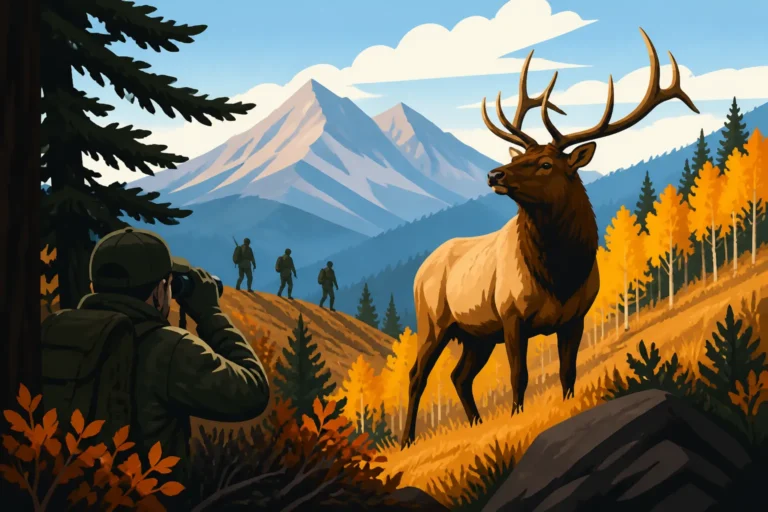
Your optics, including binoculars, spotting scope, and rangefinder, are vital for spotting elk in vast, snow-covered landscapes or dense timber. Ensure they are fog-proof and durable. A good quality pair of binoculars will help you pick apart distant hillsides or identify subtle movements in the trees. When glassing, focus on areas where elk are likely to seek shelter or feed, such as south-facing slopes, shadowed timber lines, and creek bottoms.
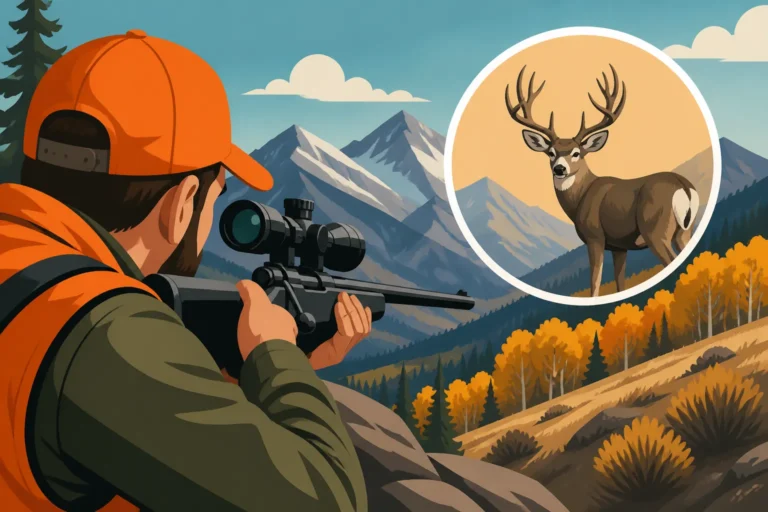
Shooting in cold weather presents its own set of challenges. Frozen fingers can make manipulating your rifle and trigger difficult. Practice shooting with gloves on, and be mindful of your breathing, especially after a strenuous climb. Ensure your rifle is zeroed for the conditions you'll be hunting in, as extreme temperature changes can subtly affect point of impact. Cold, dense air can sometimes affect bullet ballistics, though for most hunting ranges, this is negligible. The biggest factor is often the shooter's ability to maintain composure and execute a clean shot under duress. For more specifics on handling your weapon, refer to Colorado Elk Hunting: Rifle Tactics.
Essential Gear Checklist for Fourth Rifle Season
To help you prepare, here's a table summarizing key gear for a successful and safe Fourth Rifle elk hunt:
| Category | Essential Items | Notes |
|---|---|---|
| Clothing | Layered System (Base, Mid, Outer) | Merino wool base, synthetic/down mid, waterproof/windproof shell (jacket & pants). |
| Insulated Boots | Rated for extreme cold (-20°F or lower), waterproof. | |
| Gaiters | Keep snow out of boots. | |
| Insulated Gloves/Mittens (multiple pairs) | Thin liners + heavy outer. | |
| Warm Hat/Beanie | Covering ears. | |
| Navigation & Safety | GPS Device / Satellite Communicator (Garmin inReach, Zoleo) | Essential for emergencies and navigation in whiteout conditions. |
| Topographical Maps & Compass | Backup to electronics. | |
| Headlamp (with extra batteries) | Short daylight hours, critical for early starts/late finishes. | |
| First-Aid Kit | Comprehensive, including emergency blanket. | |
| Fire Starter (waterproof matches, lighter, ferro rod) | Emergency warmth/signal. | |
| Avalanche Gear (beacon, shovel, probe) | Crucial if hunting steep, snow-loaded terrain. | |
| Hunting Specific | Rifle (sighted in) & Ammunition | Practice shooting in cold weather gear. |
| Quality Optics (binoculars, spotting scope, rangefinder) | Fog-proof. | |
| Hunting Backpack | Large enough for extra layers, food, water, and emergency gear. | |
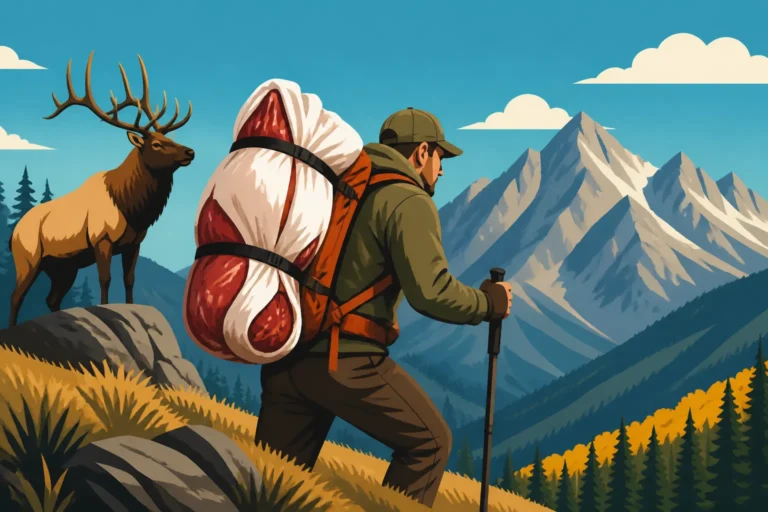
| Game Bags | For packing out meat. | |
| Knife/Saw (sharp) | For field dressing. | |
| Calls (optional, but good to have) | Cow calls can sometimes work for silent bulls. | |
| Camp & Comfort | Sleeping Bag (0°F or colder rating) | Crucial for warmth. |
| Insulated Sleeping Pad | Prevents heat loss to the ground. | |
| Camp Stove & Fuel | For hot food/drinks. | |
| Thermos | Keeps drinks hot for hours. | |
| High-Energy Food | Plenty of snacks that won't freeze solid. | |
| Water Bottle/Reservoir | Insulate to prevent freezing, bring melting tablets or a small filter. | |
| Snowshoes/Skis (if deep snow anticipated) | For effective travel in many units. | |
| Trekking Poles | Stability on slick or snowy terrain. |
Colorado's Fourth Rifle Season for elk is not for the faint of heart, but it offers an incredibly rewarding experience for those who embrace the challenge. By understanding the unique conditions, adapting your strategies to pressured, migrating elk, and preparing meticulously with the right gear, you can increase your chances of filling your tag and your freezer. It requires grit, patience, and a deep respect for the mountains, but a successful late-season hunt is a memory that will last a lifetime. So bundle up, get out there, and happy hunting!
Disclaimer
Please be aware that hunting regulations, season dates, and unit boundaries are subject to change by Colorado Parks and Wildlife (CPW). Always consult the most current official CPW hunting regulations brochure before planning any hunt. This guide is for informational purposes only and does not replace official state regulations or the need for personal safety precautions and informed decision-making in the field.