Colorado Mule Deer Hunting: Archery Tactics
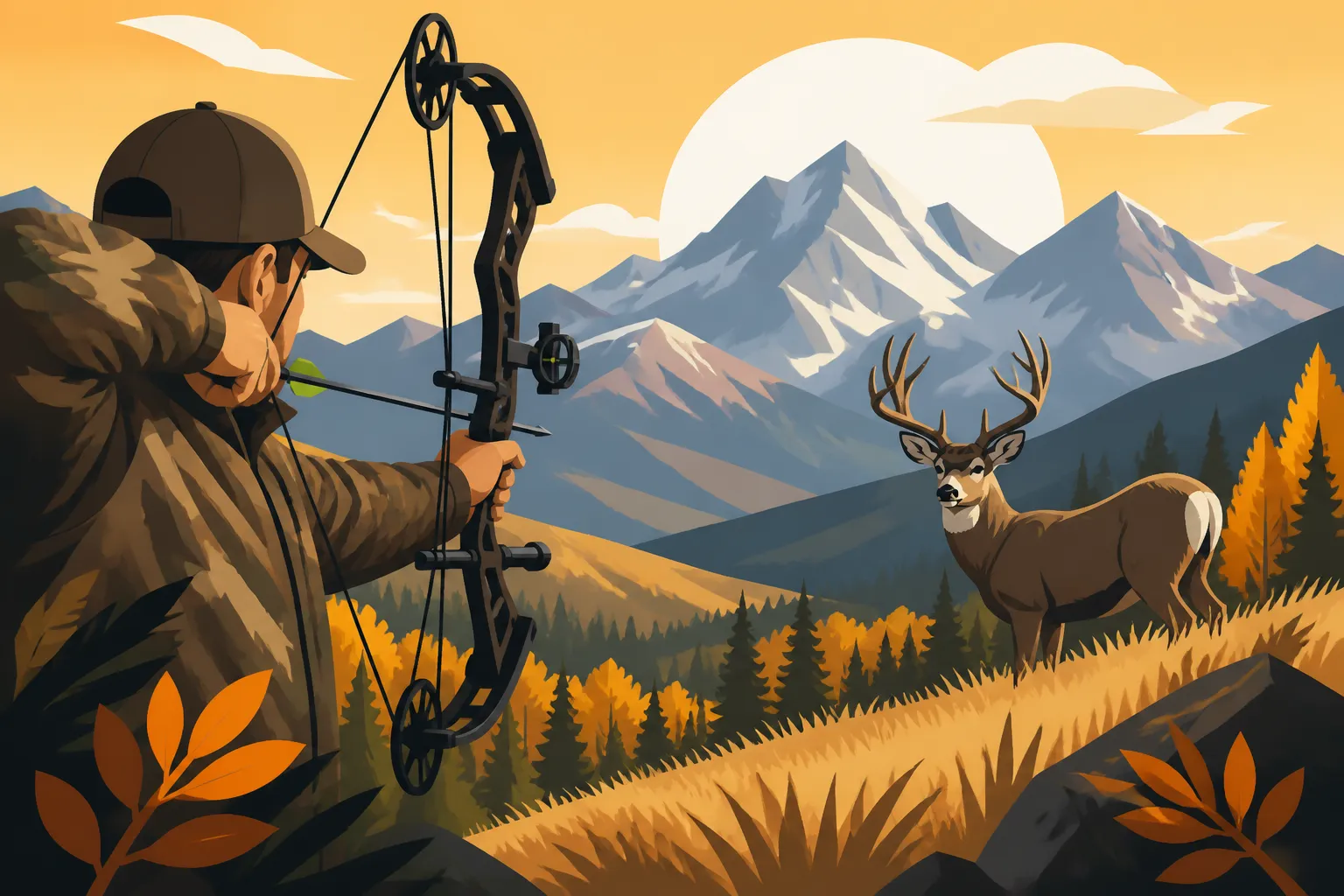
Colorado mule deer hunting with a bow can feel like chasing a ghost. These magnificent animals are notoriously wily, possessing keen senses and an uncanny ability to vanish into thin air, especially when facing the silent pressure of an archer. If you've ever spent countless hours glassing only to have a buck magically disappear, or botched a stalk due to a sudden shift in wind, you know the frustration. This comprehensive guide is designed to equip you with the essential archery tactics and mindset to overcome these challenges and significantly increase your chances of tagging a Colorado mule deer with your bow.
Understanding Mule Deer Behavior for Archery Success
Before you even nock an arrow, truly understanding the habits and patterns of Colorado mule deer is your most powerful tool. Archery hunting demands a deeper intimacy with your quarry than almost any other method, relying heavily on predicting their movements and finding them in their natural environment.
Seasonal Movements and Habitat Preferences
Mule deer in Colorado are creatures of habit, yet their habits shift dramatically with the seasons, weather, and available forage. During the early archery seasons (late August to late September), bucks are often in their summer high-country haunts, feeding heavily in alpine basins and timberline fringes to put on weight for the upcoming rut. They'll be relatively predictable, often feeding during the cooler parts of the day and bedding in thick cover or on north-facing slopes. You might find them in small bachelor groups, making them a little easier to spot, but also increasing the number of eyes to evade during a stalk. As the season progresses into October and November, particularly with the onset of colder weather or early snow, deer will begin their migration to lower elevations, transitioning to winter ranges in the foothills and juniper breaks. Understanding these migratory patterns, often influenced by specific weather fronts, is crucial for finding them. Websites and apps like GoHunt can be invaluable for researching historical migration corridors and habitat types for specific units. Knowing their preferred food sources at different elevations and times of year—be it forbs in the high country or bitterbrush in the lower valleys—will help you pinpoint their feeding areas. For more detailed insights into where deer live, explore our guide on Colorado Mule Deer Habitat Explained.
The Mule Deer Rut and Archery Opportunities
The mule deer rut, generally peaking from mid-November through early December in Colorado, presents a unique and thrilling opportunity for bowhunters, though it often falls outside the primary archery seasons. However, the pre-rut and early stages of the rut can coincide with late archery seasons in some units, or specific late-season archery tags. During this period, bucks become far more active and less cautious, driven by the urge to find receptive does. They will cover vast amounts of territory, chasing does and sparring with rival bucks. This increased movement makes them more visible but also more unpredictable. Instead of focusing on specific feeding or bedding patterns, your strategy shifts to locating does, as the bucks will almost certainly be nearby. Look for signs of scrapes and rubs, and listen for the distinct guttural grunts of a buck. While calling mule deer isn't as prevalent as elk calling, a soft bleat or grunt can sometimes pique a rutting buck's curiosity. This is when long-range glassing becomes paramount, as you'll be scanning large areas for bucks on the move. Getting familiar with Colorado Mule Deer Rut Explained can really help you capitalize on this exciting time.
Essential Archery Tactics for Colorado Mule Deer
Once you've done your homework and found their general whereabouts, the real chess match begins. Archery hunting for mule deer demands patience, precision, and an intimate understanding of the terrain.
Spot-and-Stalk Mastery in Diverse Terrain
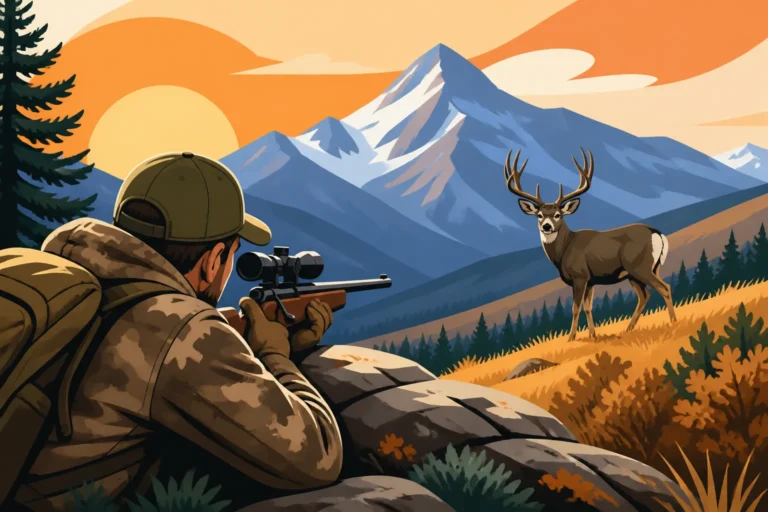
Spot-and-stalk is arguably the quintessential archery tactic for mule deer in Colorado. It requires exceptional glassing skills to locate deer from a distance, followed by an even more exceptional ability to close the distance without detection. This isn't just about finding them; it's about finding them in a position that allows for a stalk.
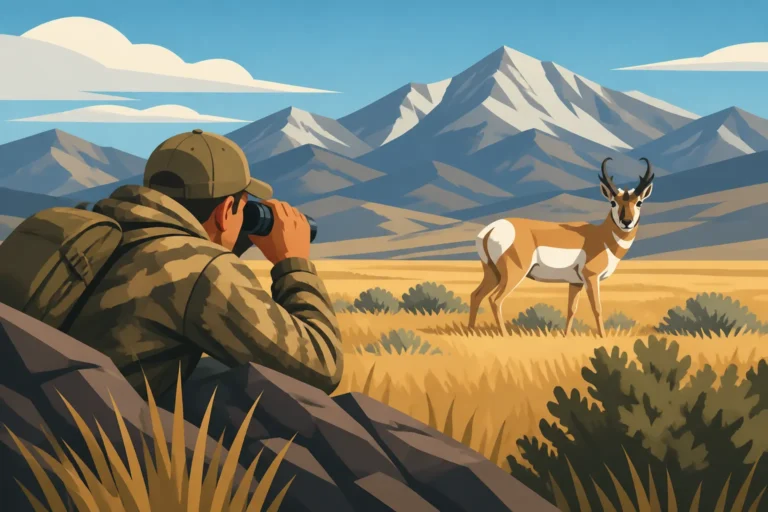
High-Country Basins and Open Parks: In the expansive alpine and sub-alpine country, your optics are your lifeblood. Spend hours, literally hours, perched on a vantage point, systematically gridding every inch of terrain. A quality spotting scope (like a Kowa or a high-end Vortex) and binoculars (10×42 or 15×56) are indispensable. Once a buck is spotted, the real work begins. Plan your route meticulously, using terrain features like ridges, draws, and timber pockets to mask your approach. Always consider the wind; it's non-negotiable. Even a slight eddy can betray your presence. Moving slowly, often taking several hours to cover seemingly short distances, is key. If the deer are bedded, you'll need to approach while they're down, anticipating their wake-up and feeding cycle. This type of hunting is covered in detail in Colorado Mule Deer Hunting: Spot-and-Stalk Tactics.
Foothills and Timbered Slopes: When deer move lower or inhabit more broken, timbered country, spotting them becomes harder, and stalks become even trickier. Here, the "spot" might be a subtle flicker of an ear or a patch of hide through thick aspens. You'll need to move even slower, utilizing every tree, boulder, and undulation as cover. Still-hunting, a slow, deliberate method of walking and stopping, glassing every few steps, can be very effective in this environment. Pay close attention to thermals, which can shift throughout the day, often flowing uphill in the morning and evening, and downhill during the heat of the day. A small wind checker bottle is your best friend.
Ambush and Stand Hunting Strategies
While spot-and-stalk is primary, don't overlook ambush tactics, especially in specific scenarios or during certain parts of the season.
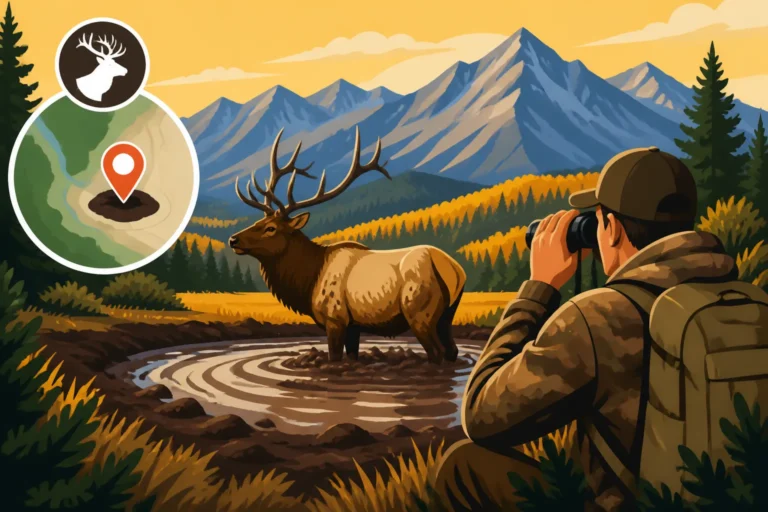
Water Holes and Wallows: In arid regions or during dry spells, water sources become magnets for deer. Setting up a ground blind or tree stand near a reliable water hole, especially one with fresh tracks, can be an effective ambush strategy. Deer typically approach water cautiously, often checking the area before committing. You'll need to be in place well before dawn or stay late into the evening. Be aware of your scent, and ensure your blind offers excellent concealment without impeding your shot. This strategy can be particularly effective during the early season when temperatures are higher.
Travel Corridors and Funnels: Identifying key travel corridors between bedding and feeding areas, or natural funnels that force deer through a narrow path, can also present ambush opportunities. This requires thorough e-scouting with tools like GoHunt, and on-the-ground reconnaissance. Look for well-worn trails, fresh droppings, and rubs. A tree stand or a well-placed ground blind along these routes can intercept deer as they move. This is particularly effective during the rut when bucks are cruising. However, mule deer often move across rather than along trails, unlike whitetails, so you need to be set up to intercept their broader movement patterns. Our guide on How to E-Scout Before a Colorado Hunt offers more tips on identifying these key areas.
Gear and Preparation for Archery Mule Deer Hunts
Success in archery mule deer hunting isn't just about tactics; it's also about having the right tools and the physical and mental fortitude to use them effectively.
Optics and Scouting Tools
We've already touched on optics, but let's dive a little deeper. For mule deer, you'll want high-quality binoculars (10x or 12x are good all-around choices, but 15x can be a game-changer for long-range glassing) and a reliable spotting scope (20-60x or 25-75x magnification) on a sturdy tripod. These aren't luxuries; they are necessities for efficiently covering vast landscapes and identifying deer at extreme distances without spooking them. Remember, the goal is to spot the entire deer, not just a flicker, to properly assess its size and behavior before committing to a stalk. Rangefinders are also critical, not just for shot distance but for planning your stalk route, identifying landmarks, and gauging the terrain. Modern mapping apps, like those offered by GoHunt, allow you to scout from home, marking potential bedding areas, water sources, and travel routes, and then verify them in the field. This digital reconnaissance is an invaluable time-saver. Consider checking out How to Use Optics for Colorado Mule Deer for more specialized advice.
Physical Fitness and Mental Toughness
Colorado's mule deer often reside in rugged, high-elevation terrain, from steep mountainsides to vast sagebrush flats. An archery hunt can easily involve miles of hiking, often off-trail, at elevations that test your lungs and legs.
Endurance and Strength: You need to be in excellent cardiovascular shape. Start training months in advance, incorporating exercises that mimic hunting conditions: hiking with a loaded pack, ascending and descending steep inclines, and carrying heavy weights. Being able to hike silently, recover your breath quickly, and hold steady for a shot after a strenuous climb is paramount. Our guide on How to Physically Prepare for Colorado Elk offers excellent advice that applies directly to mule deer hunting.
Mental Fortitude: Archery hunting is a game of patience and perseverance. You will have failed stalks. You will encounter frustrating wind shifts. You will spend days seeing nothing but does and small bucks. The ability to stay positive, focused, and persistent through adversity is as important as your physical conditioning. Visualize success, learn from every mistake, and maintain a calm demeanor under pressure.
Here's a quick comparison of essential archery mule deer gear:
| Gear Category | Key Items | Purpose | Importance |
|---|---|---|---|
| Optics | Binoculars (10x-15x), Spotting Scope, Tripod, Rangefinder | Locating deer, evaluating animals, planning stalks, judging distance | Critical |
| Navigation | GPS/Mapping App (GoHunt), Topo Maps, Compass | E-scouting, in-field navigation, marking waypoints | Critical |
| Archery System | Bow, Arrows, Broadheads, Release, Quiver, Bino Harness | Ethical kill, comfortable carry, quick access | Critical |
| Clothing System | Layered, Scent Control, Rain Gear | Stealth, comfort, adapting to weather extremes | Critical |
| Backpack | Day Pack (25-45L), Frame Pack (for packing out) | Carrying essentials, quartering meat | High |
| Accessories | Wind Checker, Game Bags, Water Filter, First Aid | Scent management, meat preservation, safety | High |
This gear list helps ensure you're prepared for the diverse conditions and challenges Colorado throws at you. You might also find our Colorado Backcountry Hunting Gear List helpful for more detailed packing advice.
Common Challenges and How to Overcome Them
No matter how well you plan, Colorado mule deer hunting will throw curveballs. Anticipating these challenges and having strategies to mitigate them can make all the difference.
Dealing with Hunting Pressure and Spooked Deer
Colorado public lands, particularly accessible areas, can see significant hunting pressure, especially during the rifle seasons. Even during archery season, the presence of other hunters can push deer into thicker, less accessible cover or make them more nocturnal.
Finding Sanctuary: Mule deer are masters at finding refuge. This often means moving into dense timber, steep canyons, or roadless wilderness areas that most hunters avoid. To counter pressure, be willing to hike further and deeper than others. Focus on scouting areas that are difficult to access, either due to distance from roads, rugged topography, or steep ascents. These "honey holes" often hold mature bucks seeking sanctuary. Look for benches or saddles high up in the mountains that act as escape routes. Exploring How to Hunt Elk on Public Land Pressure can provide some cross-applicable tactics for deer.
Hunting Spooked Deer: If deer in your chosen area are pressured, their behavior will change. They'll become warier, often moving at first and last light, and bedding in incredibly dense cover during the day. Your stalks will need to be even slower and more deliberate. Consider hunting during inclement weather like light rain or snow, which can mask your sound and scent and make deer more comfortable moving. Patience is paramount. You might need to watch a group of deer for an entire day to learn their patterns before attempting a stalk. Sometimes, simply backing out and finding a less pressured area is the wisest move.
Shot Placement and Recovery in Archery
The moment of truth in archery hunting is exhilarating, but it's also where mistakes can happen. Ethical shot placement and diligent recovery are crucial.
Practicing Realistic Shots: Unlike rifle hunting, archery requires much closer ranges and precise shot placement. Practice shooting from various positions: kneeling, sitting, standing, uphill, and downhill. Understand your effective range and stick to it. Don't push a shot if you're not 100% confident. Use broadheads similar to what you'll hunt with for practice to ensure your setup is tuned. Remember, the vitals on a mule deer are relatively small, and a slight error can lead to a wounded animal. Understanding how to shoot at steep angles is also critical in mountainous terrain, and How to Shoot Uphill and Downhill at Elk can give you some great foundational knowledge.
Tracking and Recovery: Even with a perfect shot, deer don't always drop immediately. After a shot, observe the deer's reaction and its direction of travel intently. Give the animal time before beginning your tracking – at least 30 minutes for a good shot, and several hours (or overnight) for a questionable hit. Mark your last known blood trail, and meticulously follow every drop, piece of hair, or sign of disturbance. If you lose the trail, grid search the area in expanding circles. A good headlamp is essential for tracking after dark. If you're hunting solo, consider how you'll manage a recovery, and if you're with a partner, communicate clearly. Knowing How to Quarter an Elk in the Field is a good primer, as the principles apply to deer, albeit on a smaller scale.
Archery mule deer hunting in Colorado is a profound experience that tests your skill, patience, and resolve. By understanding deer behavior, mastering essential tactics, preparing thoroughly, and learning from challenges, you can unlock incredible opportunities in the stunning Colorado wilderness.
Disclaimer
Please be aware that hunting regulations, season dates, and unit boundaries can change. Always consult the official Colorado Parks and Wildlife (CPW) regulations annually before planning any hunt. This guide is for informational purposes only and does not supersede state or federal hunting laws.