Colorado Elk Hunting Methods Explained
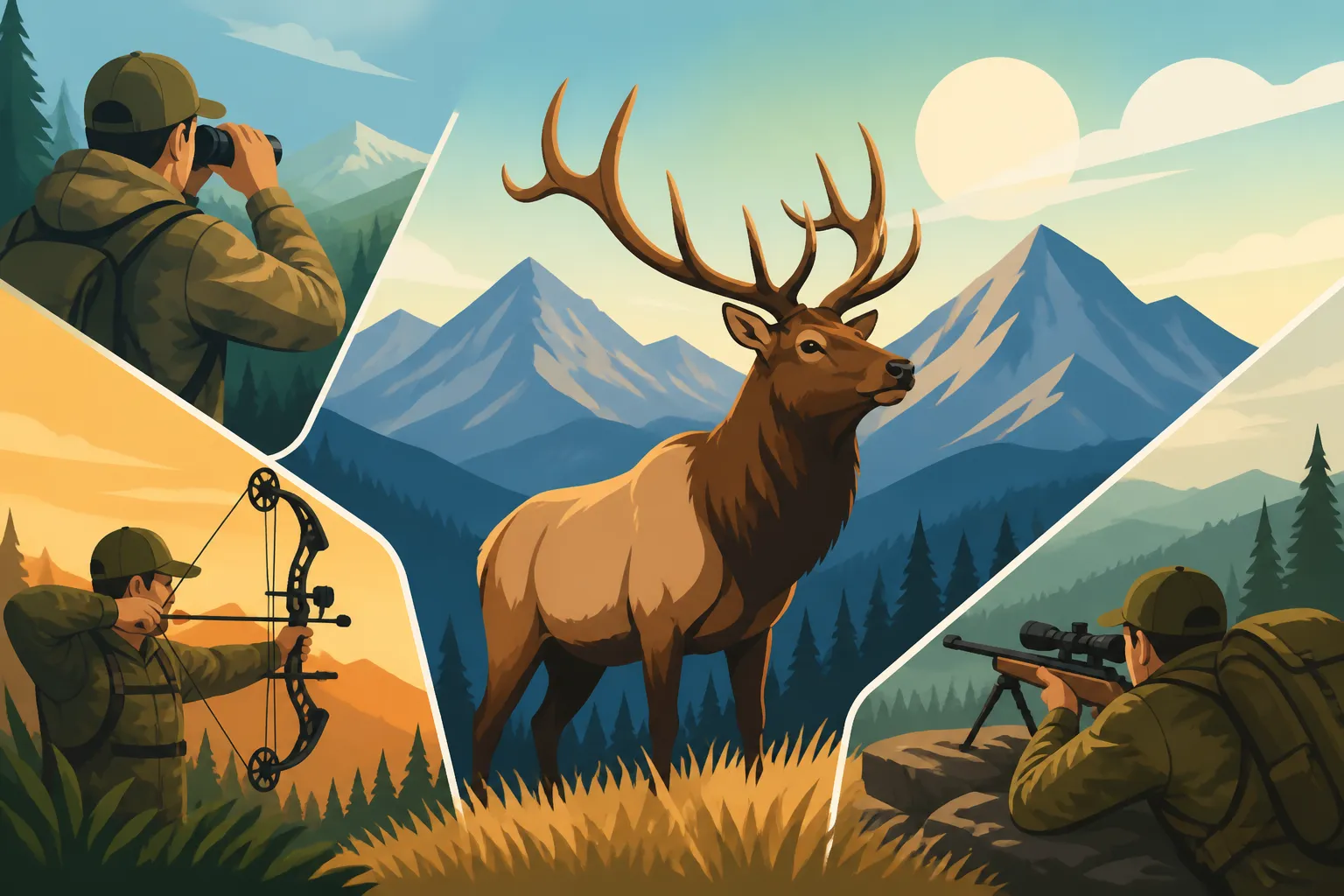
Elk hunting in Colorado is a dream for so many, but let's be honest, it's also incredibly challenging, often leaving even experienced hunters feeling overwhelmed and unsure where to even begin. The vastness of the Colorado Rockies, combined with the elusive nature of elk and the sheer variety of hunting styles, can make planning your trip feel like navigating a maze blindfolded. This guide is here to break down the primary elk hunting methods, offering clear, actionable insights into archery, rifle, and muzzleloader seasons, along with crucial tactics to increase your chances of success in the stunning but demanding Colorado wilderness.
Understanding Colorado Elk Behavior and Habitat
Before diving into specific hunting methods, it’s absolutely essential to grasp the basics of how Colorado elk live and move. These magnificent creatures are constantly adapting to their environment, the seasons, and hunter pressure, making them a fascinating but tough quarry. If you don't understand them, your chosen method, no matter how refined, might fall flat.
Seasonal Migration and Movement Patterns
Elk in Colorado are largely migratory, meaning their locations shift dramatically throughout the year. During the spring and summer, they typically reside in higher elevation, alpine basins and dense timber, feasting on lush forage to pack on weight after the lean winter months. As hunting seasons approach and especially with the first snows, they begin their descent to lower elevations, seeking out winter range that offers more accessible food and shelter from harsh weather. This migration isn't a simple straight line; it's a complex journey influenced by food availability, water sources, snow depth, and, yes, hunter pressure. Knowing whether you're targeting elk on their summer range, during migration, or on their wintering grounds is crucial for effective scouting and strategy.
During the archery and early muzzleloader seasons, elk are often still spread out in their high-country haunts. By the time rifle seasons kick in, especially the later ones, you'll see a distinct shift. Understanding these patterns, often aided by tools like GoHunt, is paramount. For a deeper dive into the seasonal movements of these animals, check out our guide on Colorado Elk Migration Patterns.
Elk Habitat Preferences
Colorado offers an incredible diversity of landscapes, and elk utilize much of it. Generally, you'll find them in areas with a mix of feed, cover, and water. This often means dark timber stands adjacent to open meadows, south-facing slopes in the early morning for warmth, or north-facing slopes providing cool bedding areas during the heat of the day. They prefer areas where they can feel secure, even when feeding, which means they'll often be found just inside the timber edge, not completely exposed in the middle of a wide-open park.
Water sources are non-negotiable for elk, so wallows, seeps, and streams are always good places to key in on, particularly in drier periods. When you’re e-scouting or on the ground, look for these features, along with distinct travel corridors like saddles and benches that connect different habitat types. Recognizing these preferences helps you narrow down vast stretches of mountains into more manageable hunting zones.
Archery Elk Hunting Methods
Archery elk hunting in Colorado is an experience unlike any other. It’s physically demanding, mentally taxing, and incredibly rewarding. The season typically aligns with the elk rut, offering the thrilling chance to interact with bugling bulls, but it also demands extreme stealth and precision.
Calling Tactics for Archery Season
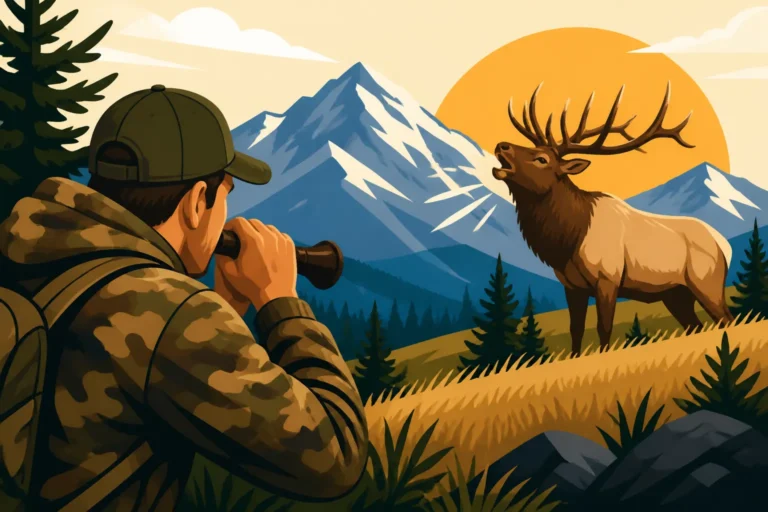
The rut is the peak time for calling, as bulls are actively seeking cows and challenging other bulls. Learning How to Call Elk in Colorado is a game-changer. There are several key calling strategies:
- Cow Calling: This is your bread and butter. Soft, pleading cow calls can attract curious bulls or pull a bull away from his herd. It's often best used when you're moving slowly through timber or trying to coax an animal into shooting range. You're trying to sound like a lonely cow looking for company. Vary your calls; don't just repeat the same sequence. Sometimes a few soft mews are all it takes, other times a longer, more drawn-out estrus whine. The key is to sound natural and not overdo it.
- Bugling: A bull bugle is a direct challenge. It works wonderfully to locate bulls, but can also intimidate smaller bulls or hang up bigger ones if they're cautious. If you're going to bugle, be ready to back it up. Set up quickly, ensuring you have clear shooting lanes and a good escape route if a bull charges in. Often, a "challenge bugle" followed by some raking of a tree can convince a bull that another bull is moving in on his territory. For advanced calling techniques, exploring how to bugle-locate a Colorado bull can be highly effective.
- Combining Calls (Locator and Engagement): Many successful archery hunters use a combination. Start with a soft bugle or cow call to locate. Once you get a response, you can either move in silently, trying to close the distance, or set up and engage in a calling sequence. If you're with a partner, the "shooter-caller" setup is highly effective, where the caller stays back 30-50 yards behind the shooter, drawing the bull's attention away from the arrow's trajectory. This provides a natural distraction, often giving the shooter the extra seconds needed for a clean shot.
Spot-and-Stalk Archery
While calling is exciting, Spot-and-Stalk Hunting in Colorado is another primary archery method, especially if elk aren't vocally active or if you're hunting post-rut. This involves locating elk from a distance, typically with good optics, and then planning an approach to get within bow range (usually 20-60 yards).
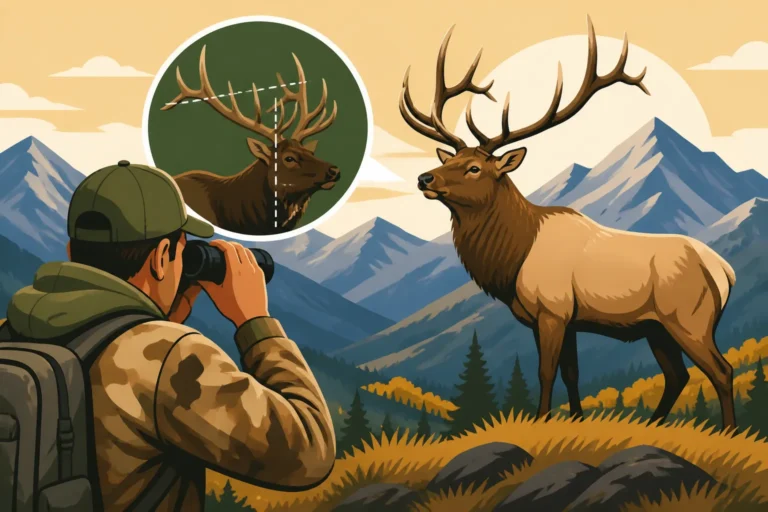
- Glassing: Find a high vantage point overlooking potential feeding or bedding areas. Use high-quality binoculars or a spotting scope to meticulously search for elk. Pay attention to subtle movements, the flick of an ear, or patches of off-color hide in the shadows. This is where patience is key; often, elk will only reveal themselves for brief moments.
- The Approach: Once you spot elk, the real challenge begins. You need to consider wind direction, thermals (which often shift throughout the day, especially in mountainous terrain), topography, and cover. Your goal is to move silently, using every fold in the terrain, every tree, and every shadow to conceal your movement. This means moving slowly, often taking minutes to move just a few yards, and constantly checking the wind. A common mistake is moving too fast and blowing the stalk. It’s better to take an hour to cover a quarter-mile than to rush it and spook the herd.
- Reading the Wind and Thermals: In the mountains, wind is fickle. Thermals rise in the morning as the sun heats the ground and fall in the evening as the air cools. A good hunter constantly checks the wind and plans their approach to keep it in their face or crossing. Even a slight shift can carry your scent to an elk, ending the hunt immediately. A small wind checker bottle is an indispensable tool.
Ambush and Water Hole Hunting
When the rut dies down or during hotter weather, elk become less vocal and more predictable in their movements between feed, water, and bed. This is when ambush hunting becomes particularly effective.
- Travel Corridors: Identify well-used trails, saddles, and benches that elk use to move from bedding areas to feeding grounds, or between drainages. Scout for fresh tracks, droppings, and rubbed trees. Set up downwind of these corridors, ideally before dawn or in the late afternoon, when elk are most likely to be moving. A good spot will offer cover for you and a clear shot opportunity at reasonable bow range.
- Wallows and Water Holes: Elk love to wallow, especially bulls during the rut to cool off and spread their scent. In dry periods, water holes become magnets. Find active wallows or reliable water sources, set up a ground blind or use natural cover downwind, and wait patiently. Early morning and late evening are prime times, but during hot weather, elk might visit water throughout the day. Remember, elk are incredibly sensitive to scent, so meticulous scent control is critical when hunting these high-traffic areas.
Rifle Elk Hunting Strategies
Rifle hunting for elk is probably what most people visualize when they think of Colorado elk. It’s often less about calling and more about covering ground, glassing vast areas, and being prepared for longer shots.
Covering Ground and Glassing Large Basins
Rifle season, particularly the later seasons, can see elk moving to lower elevations and often becoming more wary due to increased hunter pressure. This is where systematic scouting and efficient movement come into play.
- Grid Search: When you're in a new area, or trying to locate a scattered herd, systematically glassing an area is crucial. Pick a basin, or a series of slopes, and meticulously grid it with your optics. Start from one side, scanning slowly, then move your binoculars a small increment and scan back. Look for subtle signs: a patch of brown that isn't a tree trunk, movement in the shadows, or the distinctive shape of an elk. It's tedious, but it often reveals elk that would otherwise go unnoticed. This is especially effective for How to Glass Big Colorado Basins.
- Strategic Movement: Don't just wander aimlessly. Plan your route to utilize high points for glassing, then move to cover new ground, always paying attention to wind direction and thermals. Walk slowly, stop frequently, and listen. Many times, you’ll hear elk before you see them—a snapped twig, a distant grunt, or the rustle of leaves. When you move, think about how you're using the terrain to your advantage, keeping ridgelines and timber between you and potential elk.
- Following Fresh Sign: If you cut fresh tracks in the snow or on a trail, don't ignore them. Fresh sign indicates elk are in the immediate vicinity. Follow these tracks cautiously, paying attention to the wind and moving stealthily. The fresher the sign, the closer you are to the animals. This is especially true during rifle seasons when elk tend to be grouped up.
Hunting Timber and High-Elevation Dark Timber
Many rifle hunters make the mistake of only glassing open areas. However, some of the biggest bulls, especially during heavy pressure, will retreat into the thickest, darkest timber they can find.
- Still-Hunting: This method is all about slow, deliberate movement. You’re essentially stalking through the woods, trying to jump an elk at close range. Take one or two steps, then pause for several minutes, scanning every tree, every shadow, every cluster of brush. Use your binoculars even in thick cover to pick apart the details. Look for horizontal lines (an elk’s back) in a vertical world (trees). This is physically and mentally demanding, but incredibly effective when elk are holed up. Consider reading How to Still-Hunt Colorado Timber for more in-depth strategies.
- Hunting North-Facing Slopes: Often, elk will bed on north-facing slopes, particularly during warmer rifle seasons, because these areas retain moisture and offer denser, cooler cover. Don't overlook these often-overgrown, shaded areas. While they can be difficult to navigate, they're often overlooked by other hunters.
- Pushing/Driving Small Drainages: Sometimes, a small group of hunters can effectively push a timber block or a small drainage. This requires coordination, with "drivers" moving through the timber towards "standers" positioned on escape routes. This can be very effective in areas of moderate timber density, but it requires intimate knowledge of the terrain and elk movement patterns in that specific area to be safe and successful.
Patience and Shot Placement
Rifle hunting often presents shots at longer distances than archery. This means patience, steady shooting, and ethical shot placement are paramount.
- Range and Practice: Know your rifle and know your effective range. Practice shooting from various field positions—standing, kneeling, prone, off a pack. The Colorado mountains offer very few flat, stable shooting platforms. Using a rangefinder to confirm distances is non-negotiable, especially when shooting across canyons where distances can be deceiving. Don't take a shot you're not 100% confident in.
- Understanding Bullet Trajectory: When shooting uphill or downhill, gravity affects bullet trajectory differently. Uphill shots often hit high, and downhill shots can hit low, especially at steep angles. Compensate by aiming lower on uphill shots and slightly higher on downhill shots, or, better yet, use a ballistic calculator that accounts for angle. For more details on this, check out How to Shoot Uphill and Downhill at Elk.
- Follow-Up Shots: If you take a shot, always assume you hit the animal, even if it doesn't drop immediately. Cycle another round, get back on target, and be ready for a follow-up shot. Elk can cover incredible distances even with a fatal wound.
Muzzleloader Elk Hunting Approaches
Muzzleloader season in Colorado offers a unique blend of challenge and opportunity. It typically falls in a prime weather window, often before the general rifle seasons, and carries a mystique all its own. However, the limitations of muzzleloaders demand a different strategic mindset.
The Muzzleloader Advantage and Limitations
Muzzleloaders, by their nature, are single-shot firearms with a slower reload time and generally shorter effective range compared to modern rifles. These limitations are precisely what make muzzleloader hunting such a unique and rewarding experience.
- Prime Season Timing: One of the biggest advantages of muzzleloader season in Colorado is its timing. It often occurs in mid-September, overlapping with the peak of the elk rut. This means you have the opportunity to experience the vocal action of bugling bulls similar to archery season, but with the added punch of a firearm. However, tag availability is usually via draw, and competition can be stiff for prime units.
- Effective Range: While modern muzzleloaders are incredibly accurate, their practical ethical range for elk is generally considered to be within 150-250 yards, depending on the setup and hunter's proficiency. This limitation forces hunters to get closer to the animal, emphasizing traditional hunting skills like stalking, stealth, and calling. It’s not a long-range game; it’s a close-quarters challenge that requires precision. For tips on setting up your muzzleloader, check out Best Muzzleloader Setup for Colorado.
- Single Shot Mentality: With only one shot (or a very slow reload), every single shot counts. There's no room for spraying and praying. This fosters a heightened sense of responsibility and discipline, encouraging hunters to wait for the absolute best, most ethical shot opportunity. It also means thorough practice and understanding your firearm's capabilities are more important than ever.
Hunting During the Muzzleloader Rut
Just like archery season, the muzzleloader season capitalizes on the elk rut, making calling a cornerstone tactic.
- Aggressive Calling When Appropriate: During the rut, bulls are actively challenging each other and seeking cows. Don't be afraid to use aggressive bugles and cow calls to draw them in. A hot bull might come running to a challenge or a sexy estrus whine. However, always be aware of your surroundings and have an exit strategy. Positioning is key; if you have a hunting partner, the shooter-caller setup described in the archery section works exceptionally well here too. The goal is to make the bull focus on the sound, not on your movement.
- Patience at Wallows and Water: While the rut is on, bulls will often visit wallows to roll around, cool off, and spread their scent to attract cows. These become prime ambush points. Set up downwind and be prepared for a close encounter. Similarly, water holes can be productive, especially during warm spells when elk need to hydrate frequently.
- Stalking Bugling Bulls: Hearing a bull bugle is exciting, but don't just stand there calling back. Use his bugle to pinpoint his location, then quietly and stealthily move in. Try to get within 100-150 yards before initiating any intense calling sequence. This reduces the chances of him pinpointing your exact location and gives you an advantage for the final approach. Reading the wind and thermals, as always, remains critical during these close-range engagements.
Tracking and Recovery Challenges
Muzzleloader projectiles often create a different wound channel than modern rifle bullets, which can impact tracking and recovery efforts.
- Blood Trailing: Muzzleloader bullets, especially large-diameter lead projectiles, can sometimes create less outward blood sign compared to high-velocity rifle rounds that cause more hydrostatic shock. This means diligent blood trailing is absolutely vital. Mark the location of the shot, pay attention to the elk's reaction, and immediately begin searching for blood. Look for broken twigs, scuffed earth, and any hair or bone fragments.
- Waiting Period: After the shot, especially if you didn't see the elk go down, it's wise to wait. A general rule of thumb is at least 30 minutes for a good lung shot, and several hours for a gut shot. This allows the animal to lay down and expire, reducing the chance of bumping it and pushing it further. Use this time to gather your thoughts, re-check your equipment, and mentally prepare for the tracking ahead.
- Calling for Help: Don't be too proud to ask for help from hunting partners or even other hunters in the area if you have a wounded animal and are struggling to find it. Many hunters are happy to assist in a recovery effort. The priority is to recover the animal ethically. For more on the recovery process, check out How to Pack Out an Elk in Colorado.
Common Hunting Tactics for All Seasons
Regardless of your weapon choice, certain fundamental hunting tactics apply across all Colorado elk seasons. Mastering these will significantly increase your success rate.
Scouting and E-Scouting
Effective scouting, both digitally and on the ground, is the bedrock of any successful Colorado elk hunt. You can’t just show up and expect to find elk consistently.
- Pre-Season E-Scouting: Before you even set foot in the woods, spend countless hours E-scouting. Tools like OnX Hunt, Gaia GPS, and GoHunt are invaluable. Pour over topo maps, satellite imagery, and public land layers. Identify potential bedding areas (dense north-facing timber, dark canyons), feeding areas (aspen stands, open meadows, south-facing slopes), water sources, and travel corridors (saddles, ridges, benches). Look for areas with limited access that might hold less hunter pressure. Study historical weather patterns and fire maps. This digital legwork allows you to create a solid game plan and identify potential backup areas. For a detailed guide on digital scouting, read How to E-Scout Before a Colorado Hunt.
- On-the-Ground Scouting: Nothing beats boots on the ground. If possible, visit your chosen unit a few weeks or months before the season. Look for fresh elk sign: tracks, droppings, rubs, wallows. Identify pinch points, natural funnels, and escape routes. Pay attention to vegetation changes and terrain features that might not be obvious on a map. Get a feel for the elevation changes and the physical demands of the area. This real-world knowledge helps you validate your E-scouting and find those hidden gems.
- Locating Elk Before Opening Day: If you can, spend a few days before opening day listening for bugles, glassing, and looking for fresh sign. This helps you confirm elk presence and pinpoint their current locations. However, be mindful of disturbing elk too much right before the season starts. Often, a discreet glassing session from a distance is enough. For further reading, consider our article on How to Locate Elk Before Opening Day.
Wind and Thermal Management
In the mountains, wind and thermals are your constant companions and your biggest enemies if not managed correctly. Elk have an incredible sense of smell, and a gust of wind carrying your scent can bust your hunt instantly.
- Understanding Thermals: Thermals are air currents that rise and fall with temperature changes. In the morning, as the sun warms the earth, air rises up slopes (updrafts). In the evening, as the air cools, it sinks down slopes (downdrafts). These shifts are predictable, but local topography can create microclimates and swirling winds. Always try to approach elk from below in the morning and from above in the evening, keeping the thermal in your favor.
- Playing the Wind: The prevailing wind direction needs to be checked constantly. Use a small squeeze bottle with unscented powder or even milkweed seeds to visualize the wind direction. Always try to keep the wind in your face or quartering into you when you’re moving or approaching elk. Avoid hunting downwind of where you expect elk to be. This is a non-negotiable rule of elk hunting. A comprehensive understanding of How to Use the Wind Hunting Colorado Elk and How to Use Thermals in Colorado Elk Country is crucial.
- Scent Control: While you can never completely eliminate human scent, you can minimize it. Shower with scent-free soap, use scent-free deodorant, and wash your hunting clothes in scent-free detergent. Store your hunting clothes in scent-free bags away from other odors. Dress in layers so you don’t sweat excessively while hiking, as sweat carries a strong odor.
Movement and Stealth
Elk have incredible hearing and eyesight. Your movement through the woods needs to be quiet, deliberate, and intentional.
- Move Slow and Deliberately: This is especially true in timber or when stalking. Take one step, pause, look around, listen, then take another step. Scan the woods for any movement or unnatural shapes. Elk are masters of camouflage, and often the only way to spot them is to let your eyes linger on an area, looking for an ear flick or a patch of hair. If you’re crunching through dry leaves, you’re moving too fast. For advice on quiet movement, refer to How to Move Quietly Through Colorado Timber.
- Utilize Cover: Always try to move from cover to cover. Use trees, bushes, and terrain features to break up your silhouette. Avoid skylining yourself on ridges where you can be easily spotted. When you spot elk, immediately drop to a knee or go prone if possible to minimize your profile.
- Silence is Golden: Don't talk loudly, drop gear, or let anything clank together. Your backpack should be packed tightly to prevent items from shifting and making noise. If you're hunting with partners, communicate with hand signals or whispers. Every sound you make carries far in the quiet mountain air.
Navigating Public Land Pressure and Backcountry
Colorado is a public land hunter's paradise, but with that comes pressure. Learning to navigate crowded areas and, conversely, embracing the backcountry can be key to finding success.
Hunting Public Land Pressure
It’s no secret that many hunters flock to Colorado’s public lands. Instead of letting this deter you, learn how to adapt and use it to your advantage.
- Hunt Smarter, Not Harder (Initially): While it's tempting to try and out-hike everyone, sometimes the smartest move is to find areas that are overlooked but still hold elk. This might mean hunting closer to roads than you'd prefer, but in overlooked pockets of timber or small drainages that other hunters walk past. Elk often don't move far from pressure; they just find the thickest, nastiest cover they can within a mile or two of roads or trails. Our guide on How to Hunt Public Land Pressure offers more tactics.
- Hunt Mid-Day and Afternoons: Most hunters are active during early mornings and late evenings. The middle of the day sees less activity. Use this to your advantage. While many are heading back to camp for lunch, you could be slowly still-hunting through a bedding area where pressured elk are trying to rest. Elk don't stop moving completely during the day, they just become more cautious.
- Utilize Hunter Movement: Elk quickly learn where hunters are and how they move. Often, other hunters can inadvertently push elk towards you. If you know a popular trail or road system, consider setting up an ambush point downwind of it, anticipating that elk might be pushed by hunters moving through. Be extremely patient, as this tactic relies heavily on other hunters' actions.
- Find Refuge Areas: Elk will seek out areas with minimal human disturbance. These are often the steepest, nastiest, most densely timbered areas that hunters avoid. They can also be small parcels of private land bordering public, or designated wildlife refuge areas. While you can't hunt in refuges, understanding their proximity can inform where elk might be staging just outside their boundaries. Finding these overlooked "refuge areas" is covered in How to Find Elk Refuge Areas.
Colorado Backcountry Hunting
For those seeking solitude and the potential for unpressured elk, the Colorado backcountry offers an unparalleled experience. It’s not for the faint of heart, but the rewards can be immense.
- Embracing Wilderness Areas: Colorado boasts numerous Wilderness Areas, which by definition prohibit motorized vehicles and mechanized equipment. This means access is often limited to foot or horseback, drastically reducing hunter numbers. If you're willing to pack in several miles, these areas can hold a lot of elk that haven't been pushed and prodded like those closer to roads. Researching a specific area, like the Flat Tops Wilderness Hunting Guide, can provide valuable insights.
- Packing In and Drop Camps: Backcountry hunting usually means packing in all your gear, food, and water for several days. This requires meticulous planning, lightweight gear, and a good pack. Consider setting up a spike camp or a drop camp several miles from the trailhead. A drop camp involves packing in heavy gear (tent, stove, food) by horse or llama to a designated spot, then you hunt from there. A spike camp is a minimalist camp you carry on your back to push deeper into the elk. For a detailed guide on packing, see How to Pack Into the Colorado Backcountry and How to Set Up a Colorado Drop Camp.
- Physical Preparation: The backcountry is physically demanding. You'll be hiking at high elevations, often covering rugged terrain with significant elevation changes. Prioritize physical fitness in the months leading up to your hunt. Cardiovascular training, strength training, and hiking with a weighted pack are crucial. Don't underestimate the altitude; it impacts everyone differently. Preparing your body for the mountains is discussed in How to Physically Prepare for Colorado Elk and Altitude Training for Colorado Hunting.
- Navigation and Safety: In the backcountry, you are often miles from help. Good navigation skills (map, compass, GPS), a satellite communication device (like a Garmin InReach or Zoleo), and a comprehensive first-aid kit are essential. Always let someone know your itinerary and expected return. The weather can change rapidly in the mountains, so be prepared for all conditions.
Essential Preparation for Any Method
Regardless of whether you choose archery, rifle, or muzzleloader, and whether you hunt frontcountry or backcountry, certain preparations are universally critical for a successful Colorado elk hunt.
Physical and Mental Conditioning
Elk hunting is not a leisurely stroll. It demands peak physical condition and a robust mental game.
- Cardiovascular Fitness: The mountains will test your lungs. Incorporate activities like running, hiking with a pack, stair climbing, and cycling into your routine. Aim for consistent, challenging workouts that mimic the sustained effort of a long climb at altitude. Don't just work out for a few weeks; make it a lifestyle leading up to your hunt.
- Strength Training: You'll be carrying heavy packs, navigating steep terrain, and potentially packing out hundreds of pounds of meat. Focus on functional strength: core, legs, and back. Lunges, squats, deadlifts, and farmer's carries are excellent exercises.
- Mental Fortitude: The mountains are beautiful but unforgiving. You'll face fatigue, bad weather, missed opportunities, and the mental grind of searching for elk for days without success. Develop resilience. Practice positive self-talk, visualize success, and be prepared for the discomfort. Knowing that you've put in the physical work helps build this mental toughness.
- Acclimation to Altitude: If you're coming from sea level, Colorado's high altitude (often 8,000-12,000 feet) will affect you. Headaches, nausea, fatigue, and shortness of breath are common. Arrive a few days early if possible to let your body adjust. Stay hydrated, avoid alcohol and heavy meals on arrival, and don't overexert yourself on the first day. More tips can be found in How to Acclimate to Colorado Elevation.
Gear Selection and Familiarity
Your gear is an extension of your hunting strategy. Choose wisely and know it intimately.
- Optics: High-quality binoculars (10×42 or 10×50), a spotting scope (15-45x or 20-60x), and a rangefinder are non-negotiable. Spend time glassing at home to develop your eye. Know how to use your rangefinder quickly and accurately. For detailed optics advice, see Best Optics for Colorado Big Game.
- Clothing and Layering: Colorado weather is unpredictable. You can experience all four seasons in a single day. Layering is key: a good base layer (merino wool or synthetic), insulating mid-layers (fleece or puffy jacket), and a waterproof/windproof outer shell. Avoid cotton. Pack extra socks. A good understanding of How to Layer for a Colorado Elk Hunt will serve you well.
- Boots and Backpack: Your feet are your most important asset. Invest in high-quality, broken-in hunting boots that offer ankle support and good traction. Your backpack should fit comfortably and be capable of carrying all your day's essentials, plus extra layers and potentially meat. For more information, check out Best Boots for Colorado Elk Hunting and Best Backpack for a Colorado Elk Hunt.
- Weapon Proficiency: Whatever weapon you choose, practice, practice, practice. For rifle hunters, know your bullet's trajectory at various ranges and practice shooting from field positions. For archers, practice out to your maximum ethical range, focusing on consistent form and shot execution. Muzzleloader hunters need to be familiar with their loading process and accurate range.
Understanding Regulations and Seasons
Colorado Parks and Wildlife (CPW) regulations can be complex. Ignorance is not an excuse for violations.
- Review the Regulations: Obtain a current Colorado Big Game Hunting Brochure well in advance. Read it cover to cover, paying close attention to season dates, legal methods of take, specific unit regulations, and bag limits. The rules for Colorado Hunting Seasons Explained can vary significantly.
- Hunt Codes and Unit Specifics: Colorado uses a hunt code system (e.g., ELK-E-001-01-R) that specifies species, sex, unit, season, and weapon type. Understand your specific hunt code and the boundaries of your chosen Game Management Unit (GMU). Digital mapping apps like OnX are essential for this. Knowing your Colorado GMUs Explained is paramount.
- Tag and License Requirements: Ensure you have all required licenses, tags, and stamps (like the Colorado Habitat Stamp) before you head into the field. Understand the draw system, preference points, and over-the-counter (OTC) options. Our guide on Colorado Draw System and Preference Points is a great resource.
No matter which method you choose, the essence of Colorado elk hunting lies in preparation, respect for the animal, and a deep appreciation for the wild places where they live. It’s an adventure that challenges you, physically and mentally, and imprints memories that last a lifetime.
Method Comparison Table
Let's break down the general characteristics of each primary elk hunting method in Colorado:
| Feature | Archery Hunting (Early Season) | Muzzleloader Hunting | Rifle Hunting (All Seasons) |
|---|---|---|---|
| Typical Season Dates | Late August – Late September | Mid-September | Mid-October – Late November |
| Weapon Range | Short (20-60 yards typical) | Medium (100-250 yards typical) | Long (100-500+ yards typical) |
| Calling Effectiveness | Very High (peak rut activity) | High (often overlaps with rut) | Variable (less effective post-rut/pressure) |
| Physical Demands | Very High (close-range stalks) | High (need to get within range) | High (covering ground, carrying rifle) |
| Success Rates | Generally Lower (due to proximity) | Moderate | Generally Higher (longer range options) |
| Tag Availability | Often OTC for specific units/sex | Mostly Draw Tags | Mix of Draw and OTC (2nd/3rd rifle) |
| Common Tactics | Calling, spot-and-stalk, ambushing | Calling, spot-and-stalk, ambushing | Glassing, still-hunting, pushing timber |
| Hunter Pressure | Moderate to High | Moderate | Can be Very High, especially 2nd/3rd rifle |
| Primary Challenge | Getting within bow range undetected | Single-shot limitation, range | Hunting pressured elk, long shots |
Disclaimer
Hunting is an inherently dangerous activity. This guide provides general information for educational purposes only and is not a substitute for professional advice, local regulations, or proper safety training. Always consult the most current Colorado Parks and Wildlife regulations, hunt ethically, and prioritize safety in the field.