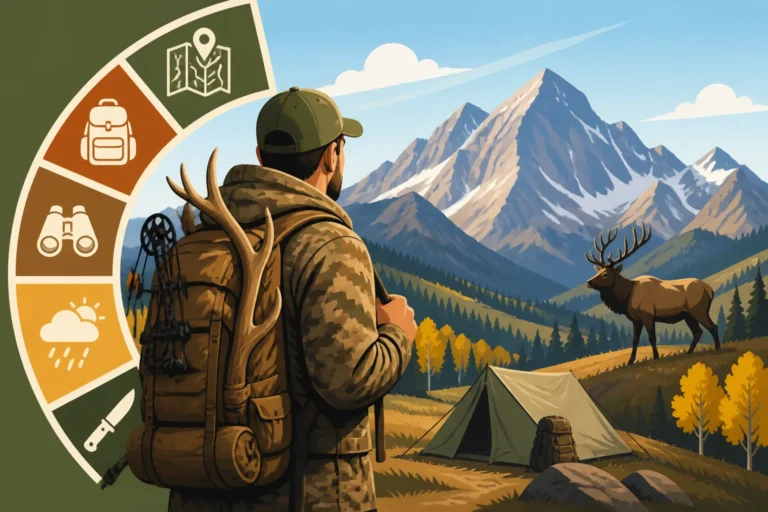
How to Locate Elk Before Opening Day
The crisp mountain air is just starting to hint at autumn, and for many of us, that means elk season is right around the corner. But let's be honest, showing up cold on opening day and hoping for the best is a recipe for frustration, especially in a state like Colorado where elk numbers are strong but so is hunter pressure. This guide is all about giving you the edge, diving deep into how to locate elk before opening day, ensuring you step into the woods with confidence and a solid plan.
Why Laying the Groundwork Before Opening Day is Non-Negotiable
We've all been there: the alarm goes off hours before dawn, you hike miles in the dark, and as the sun paints the peaks, you hear nothing, see nothing. It's disheartening, to say the least. The biggest mistake many hunters make is treating opening day as their first day of scouting. While some folks get lucky, consistently finding elk in Colorado often comes down to the hours you put in long before your boots hit the trail on that first hunting morning. Pre-season scouting isn't just a suggestion; it's the bedrock of a successful hunt.
Understanding Elk Behavior Before the Pressure Starts
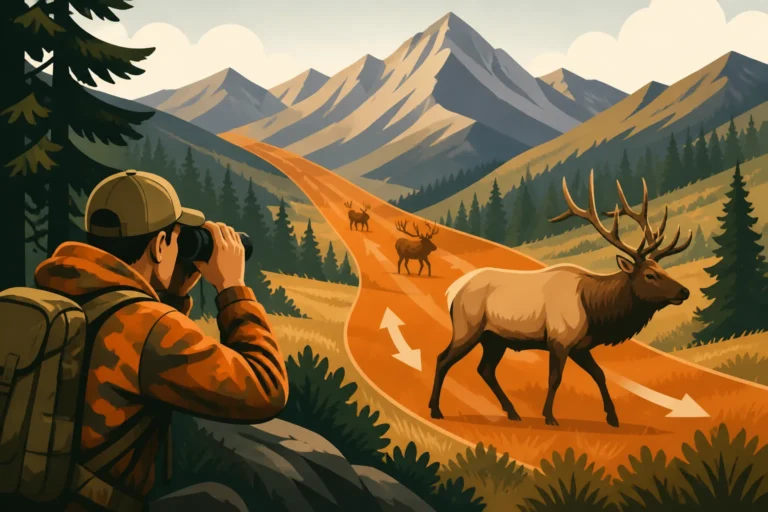
Elk are creatures of habit, but they're also incredibly sensitive to pressure. Before hunting season begins, they're generally less wary and more predictable. They're focused on feeding, resting, and preparing for the rut. This is your golden window to observe their natural patterns. You want to understand where they're bedding, their preferred feeding grounds, and the routes they use between the two. These patterns will be crucial when the pressure of opening day arrives and they start to alter their routines.
Think about it: an undisturbed herd will often use the same wallows, follow similar trails, and bed in consistent areas. If you can pinpoint these undisturbed habits, you'll have a much better idea of where they were before the season, giving you a starting point for predicting where they might go when the orange army descends. This knowledge helps you understand their daily rhythm, which is vital for effective hunting, whether you're planning a full Colorado Backcountry Hunting Guide or just a day hunt.
Identifying Key Areas and Patterns
Pre-season scouting helps you identify the critical components of an elk's environment: food, water, and cover. In Colorado, these factors can vary dramatically depending on the specific GMU (Game Management Unit) and the elevation. Elk need secure bedding cover, often on north-facing slopes or in thick timber where they feel safe. They need access to water, which might be a high mountain spring, a wallow, or a small creek. And, of course, they need quality forage, whether it's lush alpine meadows, aspen shoots, or particular types of grasses.
By meticulously scouting these elements, you can start to draw lines on a map, connecting the dots of their daily lives. You're looking for pinch points, saddles, benches, and dense timber that provide thermal cover. These become the strategic locations where you might set up an ambush, or where you'll focus your still-hunting efforts. Identifying these key areas translates directly into better hunting opportunities when the season officially opens, allowing you to be proactive rather than just reacting to random signs.
Mastering the Digital Terrain: E-Scouting for Colorado Elk
In today's hunting world, "scouting" isn't just about walking miles. It often starts from the comfort of your home, with powerful digital tools that can reveal secrets of the landscape you might miss on the ground. E-scouting is an invaluable first step, especially when you're targeting new areas or dealing with vast tracts of public land in Colorado.
Leveraging Satellite Imagery and Topographic Maps
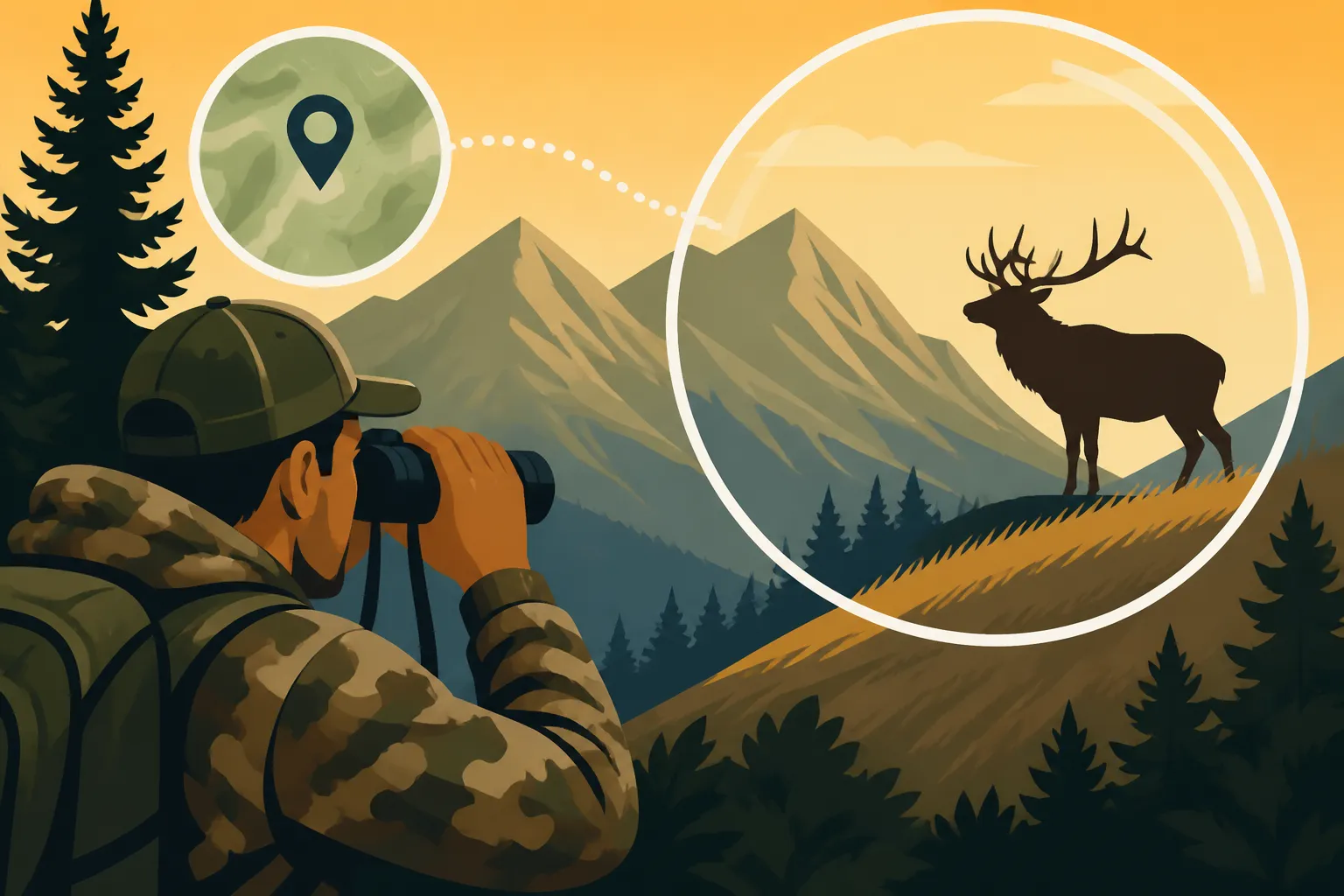
The bedrock of e-scouting lies in high-resolution satellite imagery and detailed topographic maps. Platforms like Google Earth, Gaia GPS, and specialized hunting apps provide incredible detail. You can zoom in on potential bedding areas, identify dense timber stands, pick out south-facing slopes that might hold early-season feeding elk, or spot hidden water sources. Look for changes in vegetation, distinct elevational breaks, and access points that might be overlooked by others.
Topographic maps are equally crucial. They show you elevation changes, contour lines, and the steepness of terrain. This helps you understand how elk might move through an area – they generally prefer the path of least resistance, following contours or game trails rather than scaling sheer cliffs. You can identify saddles, benches, and draws that act as natural travel corridors. Combining satellite views with topo lines allows you to visualize the three-dimensional landscape and how elk might navigate it, even if you're thousands of miles away. It's a fundamental part of How to E-Scout Before a Colorado Hunt.
Utilizing Digital Hunting Tools and Resources
Beyond basic maps, there's a whole world of digital hunting tools that supercharge your pre-season efforts. Many hunters, myself included, rely on platforms like GoHunt for their wealth of data. GoHunt offers unit-specific information, draw odds, success rates, and even detailed habitat maps. You can filter by public land, private land, wilderness areas, and specific vegetation types, giving you a holistic view of a GMU before you ever leave your house.
These advanced tools often integrate weather patterns, historical fire data, and even anecdotal reports from other hunters, providing a deeper layer of intelligence. Consider how you'll use tools like GoHunt to pinpoint areas of lower hunter density by identifying units with limited road access or those that require a significant hike. This kind of intel is gold for anyone planning a Colorado DIY Elk Hunting Guide, helping you avoid the common pitfalls of overcrowded public land. It allows you to virtually "walk" the terrain, identify potential camping spots, and mark waypoints for water sources, glassing knobs, and escape routes long before you pack your backpack.
The Irreplaceable Value of Boots-on-the-Ground Reconnaissance
While e-scouting is powerful, it's never a complete substitute for putting your actual boots on the ground. The tactile experience of the forest, the smells, the subtle sounds—these are things no satellite image can convey. Ground scouting is where your virtual plan meets reality, and often, reality throws you a few curveballs.
Interpreting Sign: Tracks, Rubs, and Wallies
Once you're in the field, your eyes become your most important tool. You're looking for fresh elk sign: tracks, droppings, rubs on trees, and wallows. Fresh tracks tell you not just that elk are in the area, but also how recently they were there and often their direction of travel. Pay attention to the size of the tracks; larger, deeper tracks might indicate a bull. Droppings can tell you about their diet and how recently they passed through. Green droppings are fresh, while dry, crumbly ones are older.
Rubs are a clear indicator of bull activity, especially as the season approaches. Bulls will rub their antlers on trees and bushes to remove velvet and later to mark territory. The height and size of the rub can give you a clue about the size of the bull. And don't forget the magic of wallows! These muddy depressions, often near water sources, are where elk cool off and relieve itching. A muddy, churned-up wallow with fresh tracks around it is a sure sign of recent elk presence. Finding a fresh wallow means you're likely in active elk country, making places like these prime spots to target, as outlined in How to Hunt Elk Wallows in Colorado.
Glassing and Listening for Elk Activity
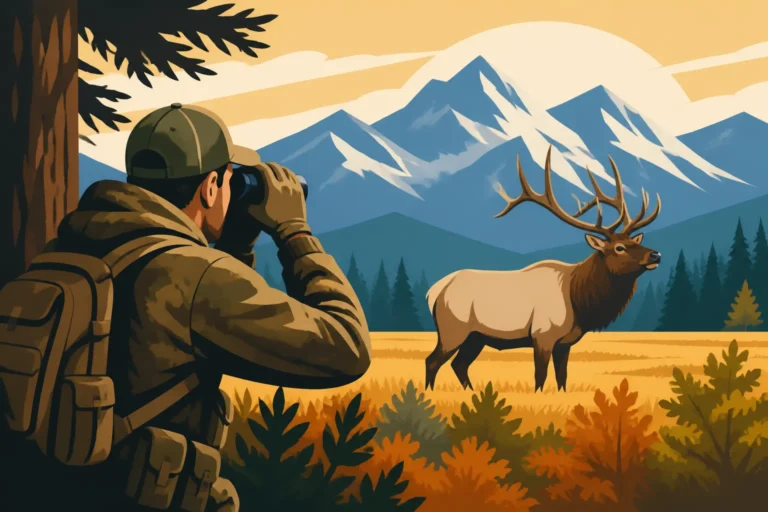
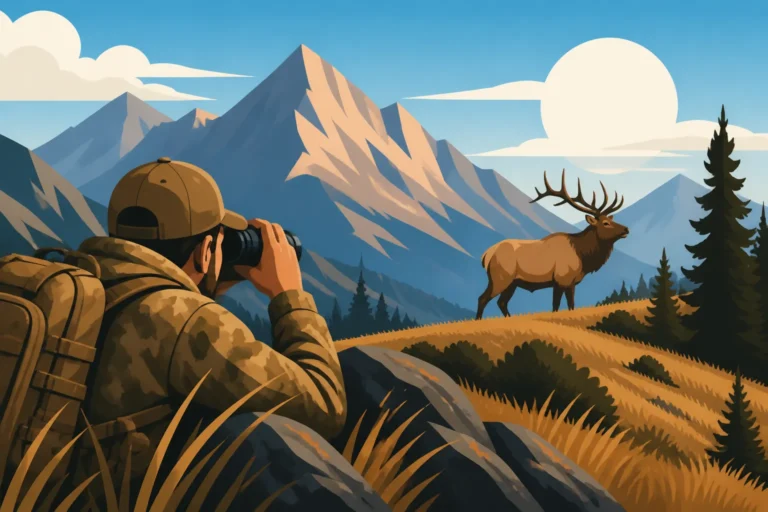
Colorado's vast landscapes lend themselves perfectly to glassing. Find a high vantage point that offers a panoramic view of potential elk habitat—alpine basins, dark timber edges, or open parks. Spend extended periods behind your binoculars or spotting scope, patiently scanning every shadow and patch of timber. Look for movement, subtle shapes that don't belong, or the tell-tale glint of an antler. Elk often blend in incredibly well with their surroundings, so patience is key. You might not see the whole animal, but just a flick of an ear or the sheen of a hide can give them away.
Beyond what you can see, listen. Early in the morning or late in the evening, elk can be quite vocal. While the full-blown bugling of the rut might still be a ways off before opening day, you might hear cow calls, chirps, or even the distinct crack of branches as a herd moves through dense cover. Listen for ravens and magpies, too; their calls can sometimes indicate animals below. By combining methodical glassing with attentive listening, you significantly increase your chances of pinpointing active elk areas, especially in places like the vastness you'd encounter while trying to How to Glass Big Colorado Basins.
Timing is Everything: When and How to Conduct Your Pre-Season Scouting
Knowing what to look for is only half the battle; knowing when to look is just as vital. The timing of your pre-season scouting can significantly impact the relevance of the information you gather. Elk behavior isn't static; it evolves as summer fades and hunting season approaches.
Early Summer vs. Late Summer Scouting
Early summer (late June to mid-July) scouting is fantastic for understanding the lay of the land, identifying potential water sources, and spotting elk in their summer feeding patterns. At this time, bulls are often in bachelor groups, growing their antlers, and are relatively unpressured. You might find them in higher elevation alpine basins, taking advantage of lush forage. This period is excellent for a general overview, checking access roads, and getting your physical conditioning up for the season. Understanding How to Hunt Elk at High Elevation means knowing where they are in the summer.
However, late summer (mid-August through early September, just before archery season) is often the most critical time for scouting. This is when elk are starting to transition towards their fall ranges. Bulls might begin to separate from bachelor groups, and some light bugling might even start. The patterns you observe now are much more likely to hold true, or at least be a good starting point, for opening day. The vegetation will also be more representative of what you'll encounter during the hunt. This is when you should be confirming your e-scouting observations with real-world sign.
Adjusting for Weather and Habitat Changes
Elk are highly adaptable, and their movements are profoundly influenced by weather and habitat changes. A warm, dry summer might push elk to depend heavily on specific water sources, making those areas prime targets. Conversely, a wet summer could mean water is abundant, and elk are more spread out. Early snowfall can drastically alter migration patterns, pushing elk down to lower elevations. Likewise, recent wildfires can create new forage or open up dense areas, changing how elk use the landscape.
Always be prepared to adjust your plan based on current conditions. What you scouted in July might be different in September if a cold front or a significant rain event has come through. Always check the long-range forecast and recent habitat reports from Colorado Parks and Wildlife (CPW) or local forest service offices. Understanding these dynamic factors is a key aspect of mastering Colorado Elk Hunting Methods Explained, ensuring your pre-season intel remains relevant.
Here's a quick comparison of the two primary scouting methods:
| Feature | E-Scouting (Digital) | Boots-on-the-Ground (Field) |
|---|---|---|
| Pros | Time-efficient, covers vast areas, analyzes topo/habitat data, accessible from anywhere, identifies public/private boundaries. | Confirms digital data, finds fresh sign, reads subtle terrain features, checks access issues, assesses hunter pressure. |
| Cons | Lacks real-time info, cannot assess fresh sign, misses subtle terrain features, doesn't convey smells/sounds. | Time-consuming, physically demanding, limited scope, weather-dependent, can spook game if done improperly. |
| Best Used For | Initial area selection, broad pattern analysis, identifying access routes, planning camp locations. | Pinpointing specific elk locations, confirming travel corridors, finding rubs/wallows, evaluating current forage. |
| Key Tools | GoHunt, OnX Hunt, Gaia GPS, Google Earth. | Binoculars, spotting scope, trail cameras, maps, compass/GPS. |
Ultimately, a truly comprehensive pre-season strategy uses both e-scouting and boots-on-the-ground reconnaissance in tandem. Start with your digital tools to narrow down promising areas, then hit the trail to confirm your suspicions and gather the most current intelligence. It's the best way to ensure you're not just hoping for a successful opening day, but actively setting yourself up for one.
Disclaimer
Please note that hunting regulations, season dates, and unit boundaries are subject to change. Always consult the most current Colorado Parks and Wildlife (CPW) regulations and maps before planning any hunting activity. Safety should be your top priority in the field.