Colorado Elk Migration Patterns
It's incredibly frustrating, isn't it? You spend months poring over maps, scouting an area, and then opening day arrives, and the elk you swore were there have simply vanished into thin air. It often feels like they have a secret meeting and decide to relocate just to spite us! Understanding Colorado elk migration patterns is absolutely key to unlocking consistent success in the high country and beyond. This guide is all about demystifying those seasonal movements, helping you predict where elk will be and when, so you can stop chasing ghosts and start filling your freezer.
Deciphering the Seasonal Shuffle of Colorado Elk
Elk in Colorado aren't exactly homebodies. Their lives revolve around a constant, often subtle, but sometimes dramatic, movement between different habitats throughout the year. Think of it less like a fixed commute and more like a fluid dance choreographed by weather, food, and the instincts passed down through generations. Ignoring these patterns is like trying to guess the ending of a movie you've never seen – you're likely to be way off.
Summering Grounds vs. Winter Havens
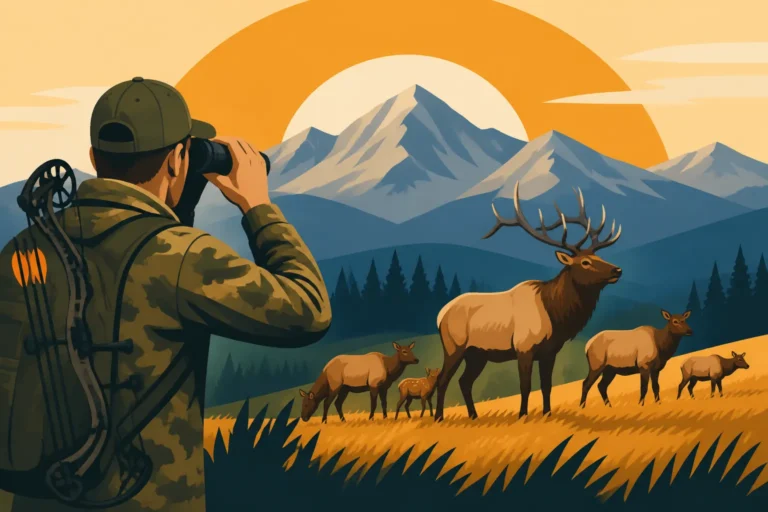
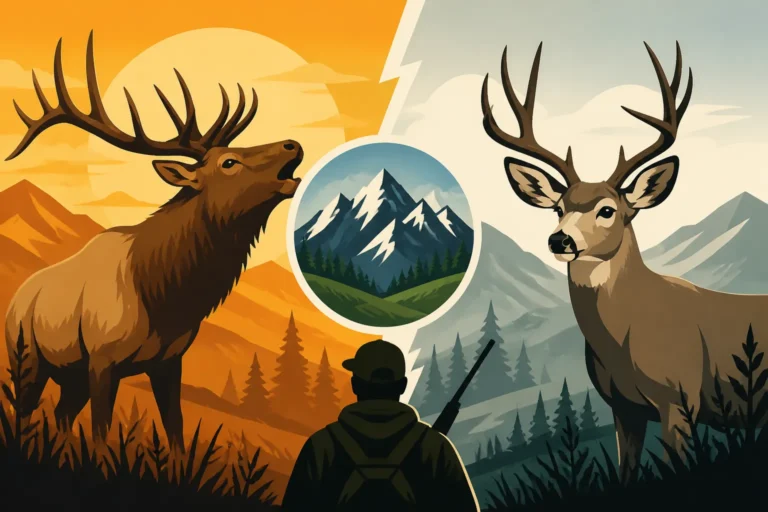
The most fundamental aspect of elk migration is their yearly pilgrimage between high-elevation summer range and lower-elevation winter range. In the spring, as the snow melts and the mountains burst with new growth, elk begin their upward trek. They're seeking lush, nutritious forage found in the alpine basins and high mountain meadows, often above 9,000 or even 10,000 feet. This is where they spend the summer, bulking up on protein-rich grasses, forbs, and aspen leaves. Cows will calve in these secluded, food-rich areas, and bulls will grow their impressive antlers.
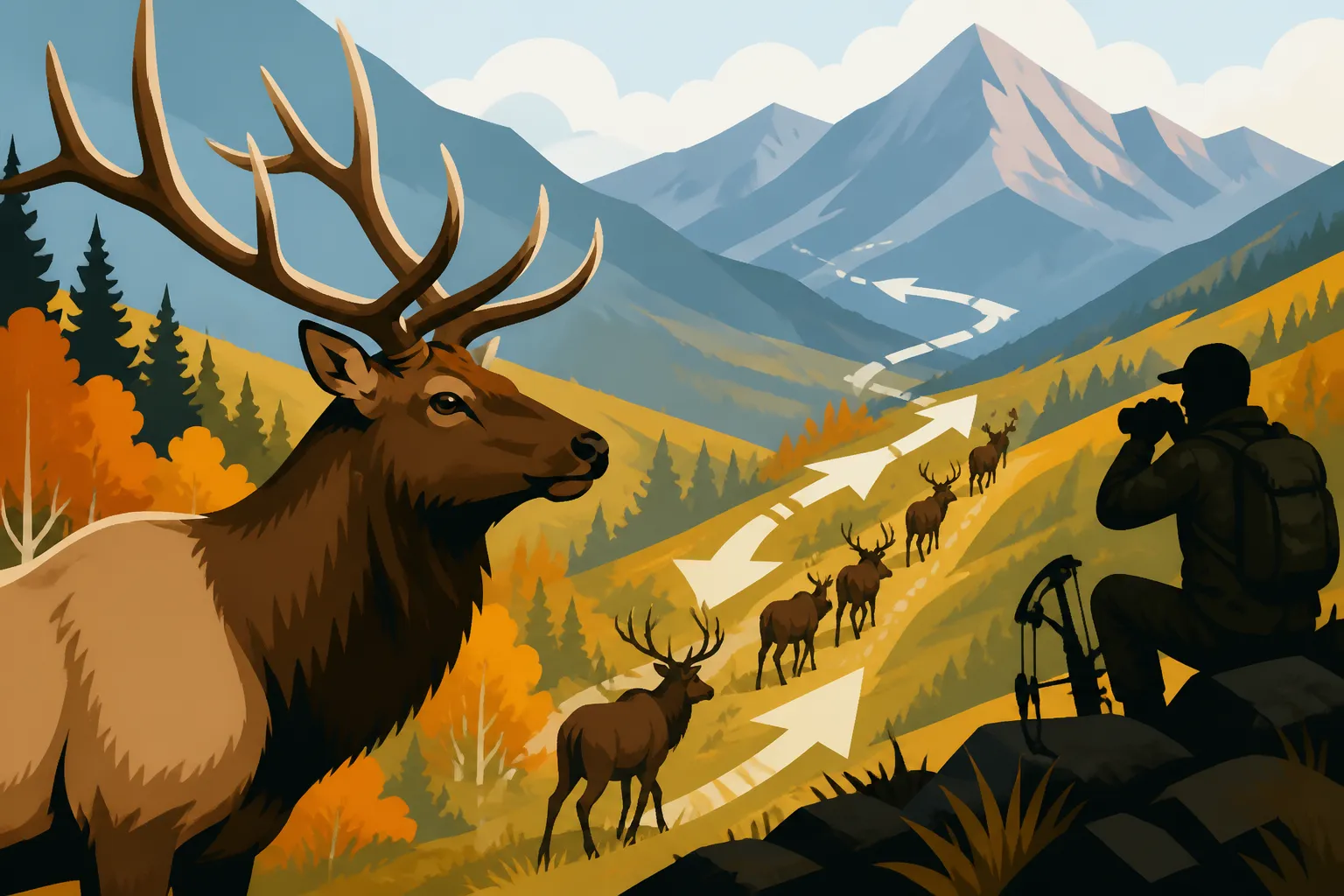
But as the days shorten and the first snows dust the peaks in late September or October, a switch flips. That sweet high-country feed becomes buried, and the temperatures plummet. This is when the reverse migration begins. Elk start to descend, often following ancient paths and drainages, to winter range typically found at lower elevations—think south-facing slopes, sagebrush country, pinyon-juniper zones, and river bottoms. These lower areas offer more moderate temperatures, shallower snow depths, and access to crucial winter forage like bitterbrush, serviceberry, and persistent grasses that can withstand the cold. This shift is less about choice and more about survival; if they stay too high, they'll starve.
The Critical Role of Transition Zones
Between the summer high country and the winter low country lies a crucial area often overlooked by hunters: the transition zone. These areas are the highways and rest stops for migrating elk. They might be timbered ridges, saddles between basins, or specific canyons that offer cover and a temporary food source during the journey. Elk don't just magically teleport from summer to winter range; they move through these zones, often lingering for a few days or even weeks if conditions are mild.
For hunters, these transition zones are goldmines. They represent predictable travel corridors. While specific migration routes can vary slightly year to year based on snowpack and hunting pressure, the general drainages and mountain passes they utilize remain fairly consistent. Learning to identify these zones on a topographical map, perhaps with tools like GoHunt, is paramount. These aren't just pathways; they're often areas where elk will feed, bed, and feel relatively secure during their journeys. If you're wondering how to find elk when they go quiet, looking at these in-between areas is often the answer.
Navigating Variations Across Colorado's Diverse Terrain
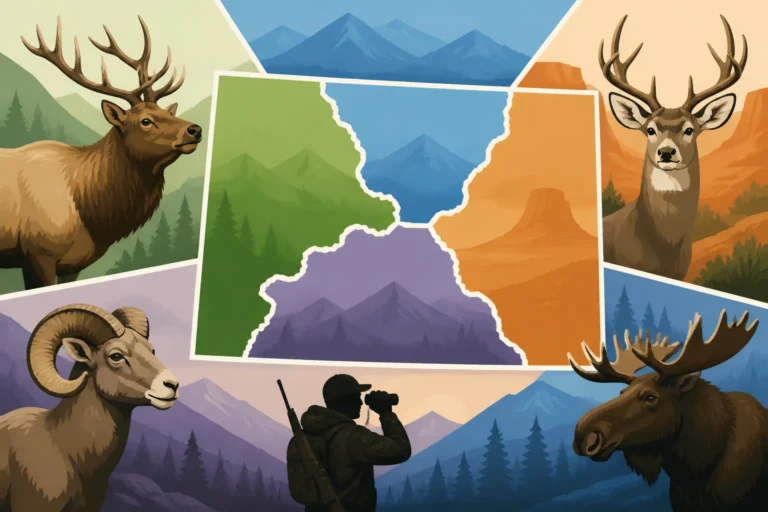
Colorado is a vast state, and not all elk migrations look the same. What you see in the Flat Tops Wilderness might be quite different from the San Juan Mountains, or the isolated herds on the Uncompahgre Plateau. Some elk herds, particularly those in less severe terrain or areas with stable year-round forage, might be considered "short-distance" migrators, only moving a few miles vertically. Other herds, particularly in areas like the White River National Forest or the Raggeds Wilderness, might undertake epic journeys of 20-30 miles or more, moving thousands of vertical feet between their seasonal homes.
Knowing the specific characteristics of the GMU (Game Management Unit) you're hunting is vital. A quick search on the Colorado Parks and Wildlife (CPW) website or consulting resources that break down specific herd units can provide invaluable context. For example, some units might have distinct "migration periods" that align perfectly with certain rifle seasons, while others might see more staggered movement. Understanding the unique topographical features, major drainages, and even the historical migration routes within your chosen area can make all the difference in predicting elk whereabouts.
The Puppet Masters: Key Factors Influencing Elk Movement
While the general summer-to-winter pattern holds true, it's not a rigid schedule. Elk are highly adaptable, and their precise timing and routes are heavily influenced by a handful of critical environmental cues and pressures. These are the "puppet masters" that truly dictate when and how migration unfolds.
Weather's Dominant Role in Migration Timing
Hands down, the biggest driver of elk migration is weather, specifically snowpack and temperature. A warm, open fall with little snow means elk will often linger longer on their summer range, enjoying the abundant feed. Conversely, an early, heavy snowstorm can trigger a rapid, dramatic downward movement almost overnight. This is particularly true for those high-country bulls that might try to tough it out up high for as long as possible. When deep snow covers their food sources, they have no choice but to push down to accessible forage.
Temperature also plays a significant role. Even without deep snow, a prolonged cold snap can motivate elk to seek out warmer, lower elevations. South-facing slopes, which absorb more solar radiation, become especially attractive during these periods. This is why paying close attention to long-range weather forecasts leading up to and during your hunt is so crucial. A sudden change in the weather pattern can completely alter elk distribution and, consequently, your hunting strategy. It's often during these weather events that hunters who adapt quickly find the most success. Hunting elk in the snow often means focusing on these newly accessible winter ranges or travel corridors.
The Rut's Impact on Seasonal Movement
While not a migratory trigger in the same way as snow, the rut (breeding season), which typically peaks in mid-September, definitely influences elk movement and vulnerability. During the rut, bull elk, in particular, become far less cautious and much more vocal as they compete for cows. This often means they'll temporarily suspend their focus on feeding and safety to pursue breeding opportunities. Bulls might be found in areas they wouldn't normally inhabit, often pushing themselves into more open country or lower elevations in pursuit of a receptive cow.
For early season archery hunters, the rut can temporarily override some migratory instincts, making elk more accessible in their summer or early transition ranges. However, once the rut winds down, often by early October, elk quickly revert to their primary objective: packing on calories for winter. Bulls especially can become incredibly reclusive after the exertions of the rut, seeking out dense timber for recovery. This post-rut period, combined with early snowfall, often marks the start of the more significant migratory movements as elk shift their focus to survival. You might find more insight on how to hunt the Colorado rut or how to hunt bulls after the rut ends in dedicated guides.
Hunter Pressure and Displaced Elk
Let's be real, Colorado is a popular hunting destination, and public lands, especially those with OTC (Over-the-Counter) elk tags, can see significant pressure. This human presence, whether from bowhunters, muzzleloader hunters, or rifle hunters, has a profound effect on elk movement. Even if weather conditions are mild, sustained pressure can push elk off their traditional migration routes or cause them to move at night, seeking refuge in thick timber, north-facing slopes, or designated refuge areas.
Elk are smart animals. They learn quickly where hunters frequent and where they can find sanctuary. This often means they'll utilize the nastiest, steepest, thickest terrain for their travel and bedding, even if it's not the most direct or efficient route. They become incredibly wary. Understanding how to hunt elk on public land pressure is an art form that often involves getting away from roads and trails, moving slowly and quietly, and finding those overlooked pockets of cover where elk feel safe. This displacement by pressure can create "false" migration patterns or force elk into unexpected areas, adding another layer of complexity to predicting their movements.
Strategic Hunting for Migratory Colorado Elk
Knowing that elk migrate is one thing; knowing how to hunt them during these shifts is another entirely. It requires a blend of pre-season preparation, in-season adaptability, and a deep understanding of terrain.
Pre-Season E-Scouting for Migration Corridors
The modern hunter has incredible tools at their disposal, and leveraging them before your boots ever hit the ground is a game-changer. E-scouting, using mapping applications like those offered by GoHunt or similar platforms, allows you to meticulously study potential migration corridors. Look for the "natural funnels" – saddles, narrow canyons, timbered ridges that connect high and low country, or areas where steep terrain pinches down travel options. Pay attention to water sources and potential bedding areas adjacent to these corridors.
Identify key elevation changes and analyze historical data on snow accumulation for the units you're considering. Overlaying historic weather patterns with topographical maps can give you a powerful predictive edge. For instance, if you know a certain basin typically gets snowed in by mid-October, you can anticipate elk will be moving through specific passes or drainages around that time. While you're at it, read up on how to e-scout before a Colorado hunt for a more detailed approach. Remember, these corridors are often used year after year, offering predictable travel routes even if the timing varies.
Adapting to Real-Time Conditions on the Ground
No matter how much e-scouting you do, you absolutely must adapt to real-time conditions. The weather forecast for your hunt dates, current snow depths, and observable elk sign on the ground will tell you more than any historical data alone. If an unseasonably warm spell hits, expect elk to hold higher longer. If a blizzard rolls in, be ready to intercept them on their downward journey.
This means being flexible with your hunting plan. If your original plan was to hunt a high basin, but you arrive to find it covered in three feet of fresh powder, don't stubbornly stick to it. Instead, pivot. Head for those transition zones you identified during e-scouting, focusing on southern aspects where the snow might melt faster and forage is more accessible. Be prepared to cover a lot of ground, using your optics to glass big Colorado basins and scout for fresh tracks. Early mornings and late evenings are often the best times to catch elk on the move, especially during migration, so be in position well before dawn and stay until dark.
Focusing on Funnels, Pinch Points, and Water
Successful hunting during migration often boils down to identifying and ambushing elk in predictable locations. Funnels and pinch points are terrain features that naturally concentrate elk movement. This could be a narrow saddle between two mountains, a bench on a steep hillside, or a choke point in a drainage. Anywhere elk are forced into a smaller area is a prime ambush location.
Water sources can also become critical during migration, especially in drier areas or during periods when elk are pushing hard to cover ground. Secluded springs, small ponds, or wallows found along a migration route can be magnets for thirsty animals. Setting up an ambush near these features, especially if there's good cover, can be a highly effective tactic. Moreover, don't underestimate the power of knowing how to hunt elk water holes. Always remember to play the wind, as elk have an incredible sense of smell. Set yourself up downwind of any suspected travel corridor, pinch point, or water source, and be patient.
The table below provides a general overview of seasonal elk movement, but always remember that local conditions and specific herd behaviors can create variations.
| Season | Typical Elevation/Habitat | Elk Behavior Highlights | Hunting Implications |
|---|---|---|---|
| Spring | Mid to High (8,000-11,000 ft) | Calving, foraging on new growth, moving higher as snow melts. Bulls starting antler growth. | Scouting for summer range, looking for new growth. Generally closed season. |
| Summer | High (9,000-12,000+ ft) | Feeding heavily, bulking up. Bulls in velvet, cows raising calves in secluded areas. Relatively spread out. | Remote scouting, understanding summer distribution. No hunting. |
| Early Fall | High to Mid (8,000-11,000 ft) | Rut activity (mid-Sept). Bulls becoming vocal, challenging. Still largely on summer/early transition ranges. | Archery season; calling, spot-and-stalk tactics in high country. Look for elk during the peak rut. |
| Mid-Fall | Mid (7,000-10,000 ft) | Post-rut recovery, start of migratory push (driven by weather), moving into transition zones. | Muzzleloader/early rifle seasons; intercepting elk in transition corridors. How to hunt Colorado muzzleloader elk is key. |
| Late Fall | Mid to Low (6,000-9,000 ft) | Heavy migration to winter range, especially with snow. Concentrating in lower-elevation winter range. | Later rifle seasons; focus on lower elevations, south-facing slopes, and travel corridors. Late-season elk hunting tactics apply. |
| Winter | Low (5,000-8,000 ft) | Primarily on winter range, conserving energy. Browsing, pawing for forage under snow. Generally concentrated. | Often closed seasons; critical time for herd survival. |
Remember, successful elk hunting in Colorado isn't just about strength or stamina; it's about observation, adaptation, and understanding the incredible animals we pursue.
Disclaimer
Hunting is an inherently dangerous activity. Always prioritize safety, adhere to all Colorado Parks and Wildlife regulations, and respect private property. This guide provides general information and should not replace professional guidance, thorough research, or personal judgment. Conditions in the field can change rapidly, and hunters are responsible for their own safety and ethical conduct.